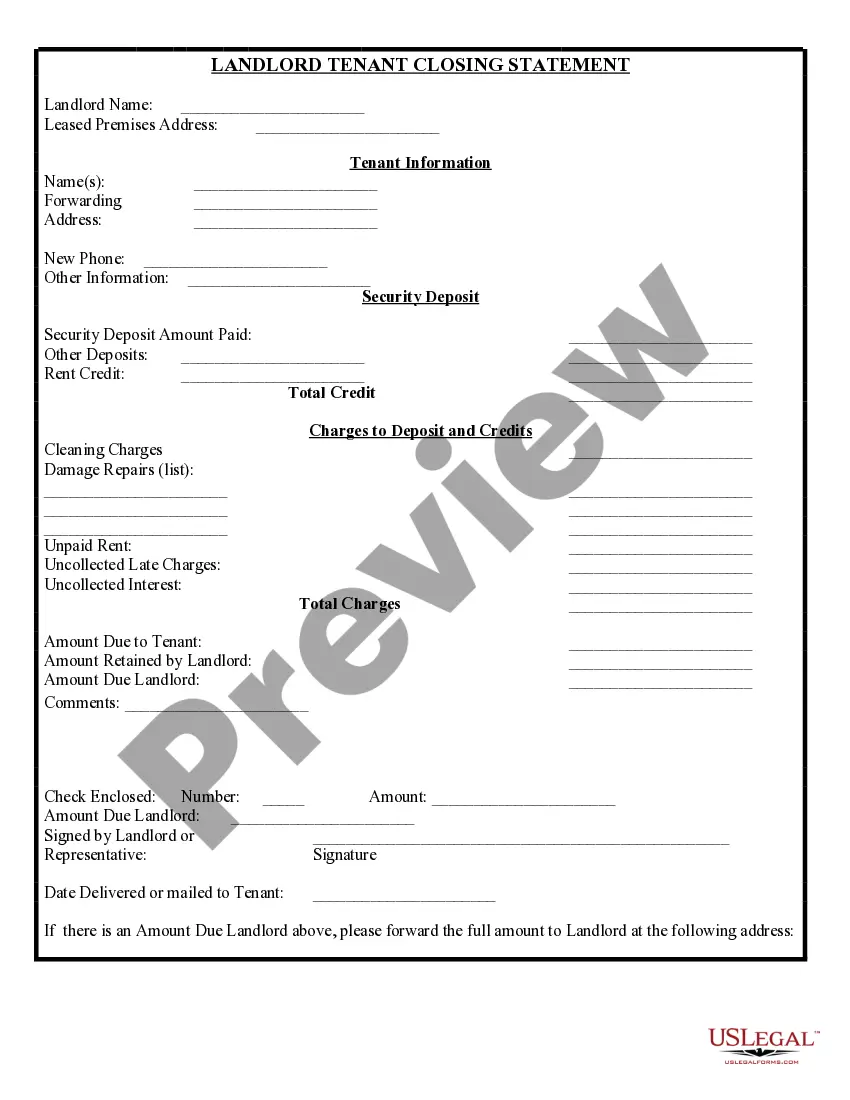
Illinois Landlord Tenant Closing Statement to Reconcile Security Deposit
What this document covers
The Landlord Tenant Closing Statement to Reconcile Security Deposit is a document that helps landlords and tenants clearly outline the handling of security deposits. This form is distinct from rental agreements as it specifically focuses on recording the deposits, credits, and any deductions related to the security deposit. The primary purpose is to ensure that both parties have a transparent record of the funds held by the landlord, ensuring clarity in the reconciliation process once the tenant vacates the property.
What’s included in this form
- Landlord Information: Details about the landlord, including name and contact information.
- Tenant Information: Information regarding the tenant, including their name and contact information.
- Security Deposit Amount: The total amount of the security deposit initially collected.
- Deductions: A detailed list of any deductions made from the security deposit for damages or other reasons.
- Final Amount Due: The net amount to be refunded to the tenant after deductions.
- Signatures: A section for both landlord and tenant to sign and date the statement.
When to use this document
This form should be used when a tenant is moving out of a rental property and the landlord needs to reconcile the security deposit. It is essential in situations where there are deductions for damages, unpaid rent, or cleaning costs. Utilizing this form helps to document any agreements on how the security deposit will be handled, ensuring both parties have a clear understanding of the financial settlement.
Who should use this form
- Landlords who need to reconcile security deposits with departing tenants.
- Tenants who want a clear record of their security deposit deductions and the final amount to be returned.
- Property managers overseeing tenant agreements and communications.
Completing this form step by step
- Begin by entering the landlord's and tenant's information, including names and addresses.
- Specify the total amount of the security deposit collected from the tenant.
- List any deductions made from the security deposit, detailing the reason for each deduction.
- Calculate the final amount to be returned to the tenant after deducting costs.
- Both the landlord and tenant should review the information and sign the document.
Notarization guidance
In most cases, this form does not require notarization. However, some jurisdictions or signing circumstances might. US Legal Forms offers online notarization powered by Notarize, accessible 24/7 for a quick, remote process.
Get your form ready online
Our built-in tools help you complete, sign, share, and store your documents in one place.
Make edits, fill in missing information, and update formatting in US Legal Forms—just like you would in MS Word.
Download a copy, print it, send it by email, or mail it via USPS—whatever works best for your next step.
Sign and collect signatures with our SignNow integration. Send to multiple recipients, set reminders, and more. Go Premium to unlock E-Sign.
If this form requires notarization, complete it online through a secure video call—no need to meet a notary in person or wait for an appointment.
We protect your documents and personal data by following strict security and privacy standards.

Make edits, fill in missing information, and update formatting in US Legal Forms—just like you would in MS Word.

Download a copy, print it, send it by email, or mail it via USPS—whatever works best for your next step.

Sign and collect signatures with our SignNow integration. Send to multiple recipients, set reminders, and more. Go Premium to unlock E-Sign.

If this form requires notarization, complete it online through a secure video call—no need to meet a notary in person or wait for an appointment.

We protect your documents and personal data by following strict security and privacy standards.
Typical mistakes to avoid
- Not documenting all deductions clearly, which can lead to disputes.
- Failing to provide the tenant a copy of the completed statement.
- Not adhering to state-specific timelines for returning deposits.
Advantages of online completion
- Immediate access to a legally vetted document, ensuring compliance with legal standards.
- Easy to customize and fill out, reducing the likelihood of errors.
- Convenient downloadable format for quick distribution to tenants.
Legal use & context
- This form serves as a legal record of the financial transactions between a landlord and tenant relating to the security deposit.
- It can be used in court to resolve disputes over deposit deductions or refund timelines.
Summary of main points
- The Landlord Tenant Closing Statement is essential for reconciling security deposits.
- Ensure accuracy to avoid potential disputes between landlords and tenants.
- Understand your state's specific laws regarding security deposits for proper use of this form.
Legal terms and meanings
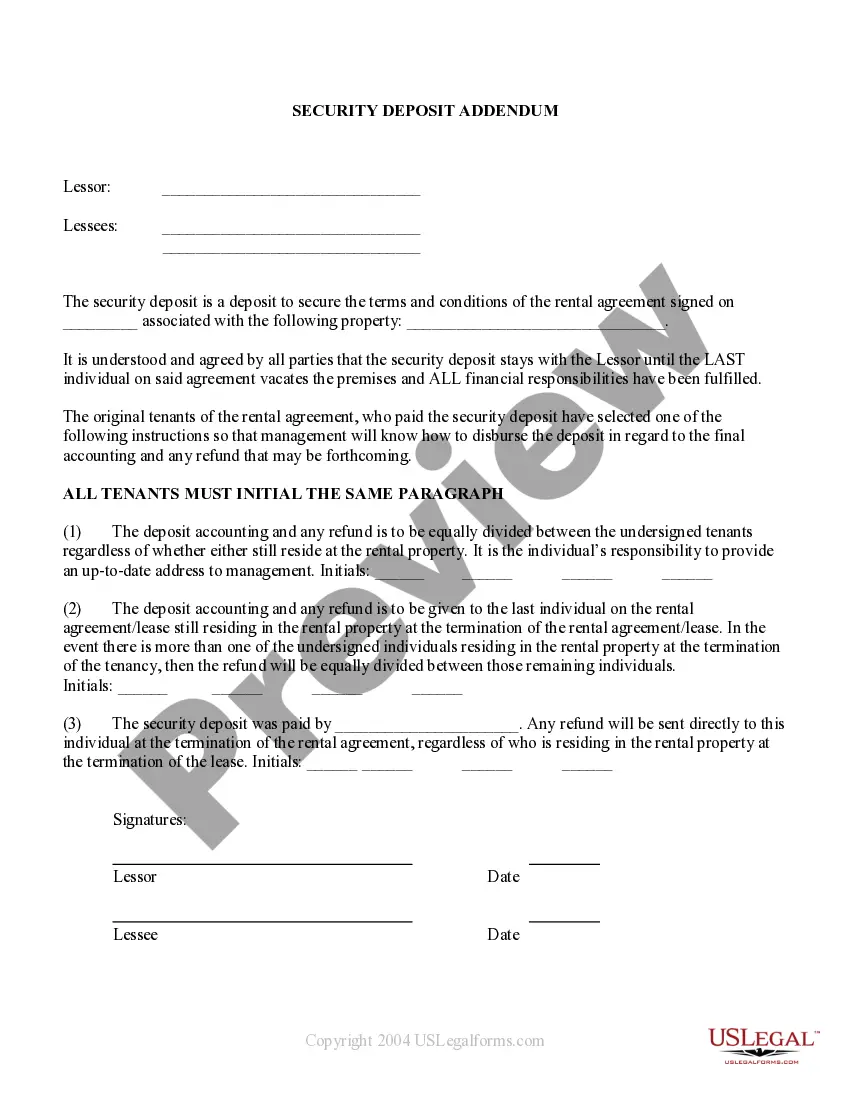
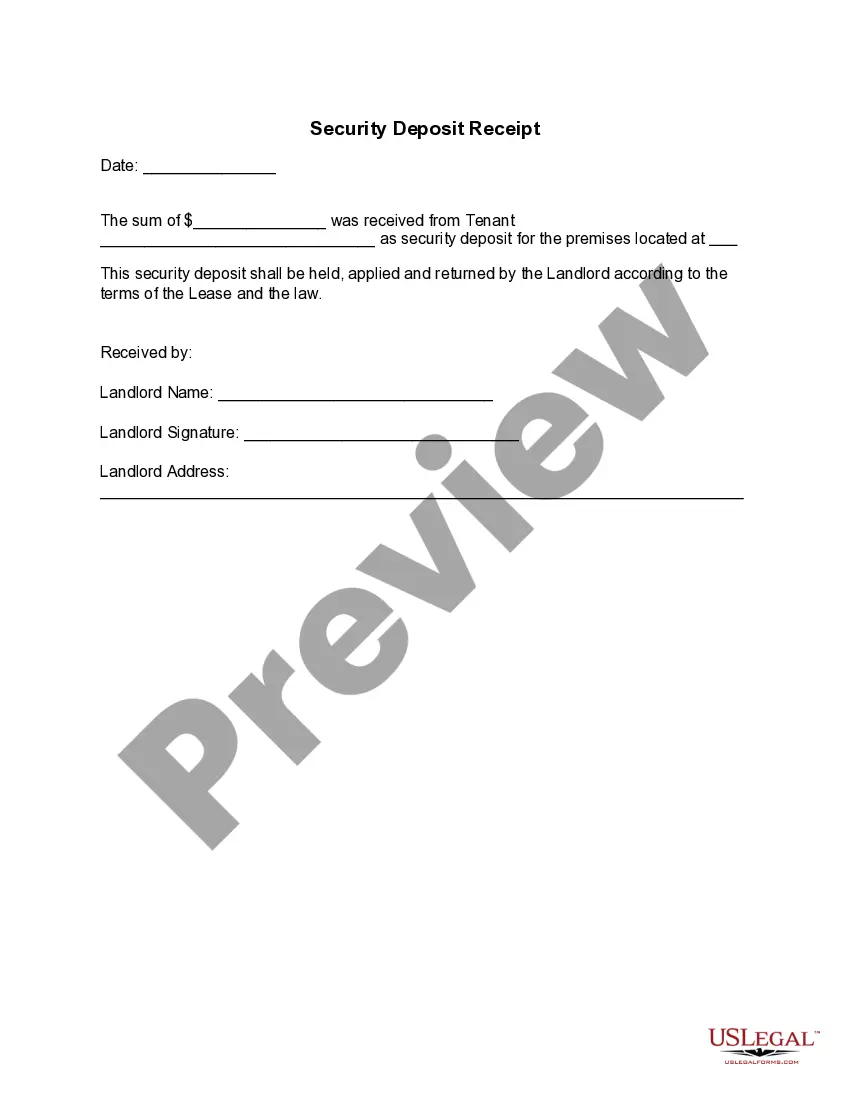
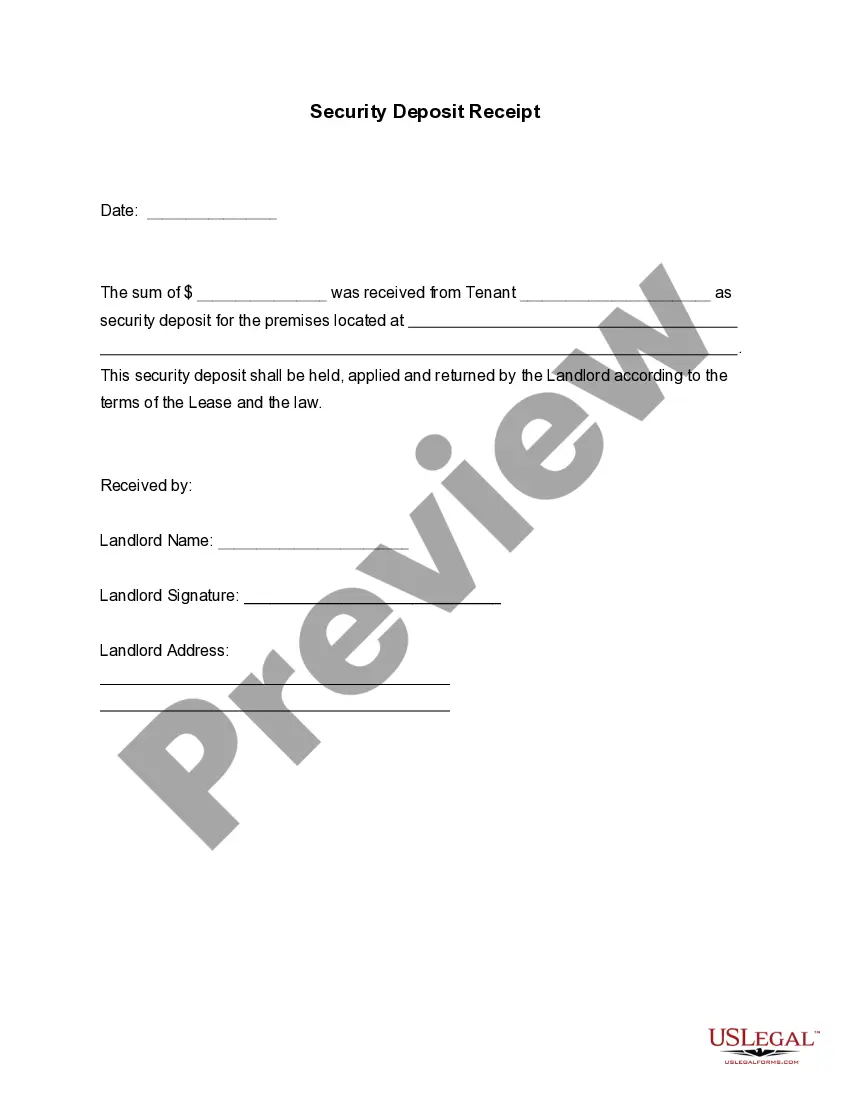
- Security deposit: Money paid by a tenant to a landlord to cover potential damages or unpaid rent.
- Normal wear and tear: Regular deterioration of a property from normal use.
- Deductions: Amounts subtracted from the security deposit for repairs or unpaid rent.
Looking for another form?


Form popularity
FAQ
According to Illinois law, a tenant is never responsible for normal wear and tear on an apartmenteven if the lease contains a clause to that effect.However, one trial court found that reasonable wear and tear means damage caused by normal living, within the confines set by the lease.
You should usually get your deposit back within 10 days of agreeing on the amount with your landlord. It can take a lot longer if you and your landlord disagree on the amount that's being taken off.
The cost of fixing any damages to the property caused by the tenant or the tenant's guests. The cost of cleaning the unit when the tenant moves out, but only to make the unit as clean as it was when the tenant first moved in (less reasonable wear and tear).
In Chicago, all landlords must pay interest on security deposits, unless the building has 6 or less units and is owner-occupied. The landlord is required to pay interest if they have held the security deposit for 6 or more months.
Concisely review the main facts and lay out the reasons your landlord owes you money. Include copies of relevant letters and agreements, such as your notice to move out. Ask for exactly what you want, such as the full amount of your deposit within ten days. Cite state security deposit law.
In Chicago, the landlord must return the security deposit within 45 days after the tenant moves out unless it is an owner-occupied building with 6 units or less. If the tenant moved out because of a fire, the landlord must return the security deposit within 7 days. The law in most of the rest of Illinois is as follows.
Unpaid rent. Damage in excess of normal wear and tear. Additional costs associated with a breach of the lease. Utility bills the tenant hasn't paid but was liable for under the lease's terms.