Iowa Letter from Landlord to Tenant as Notice to remove unauthorized pets from premises
What is this form?
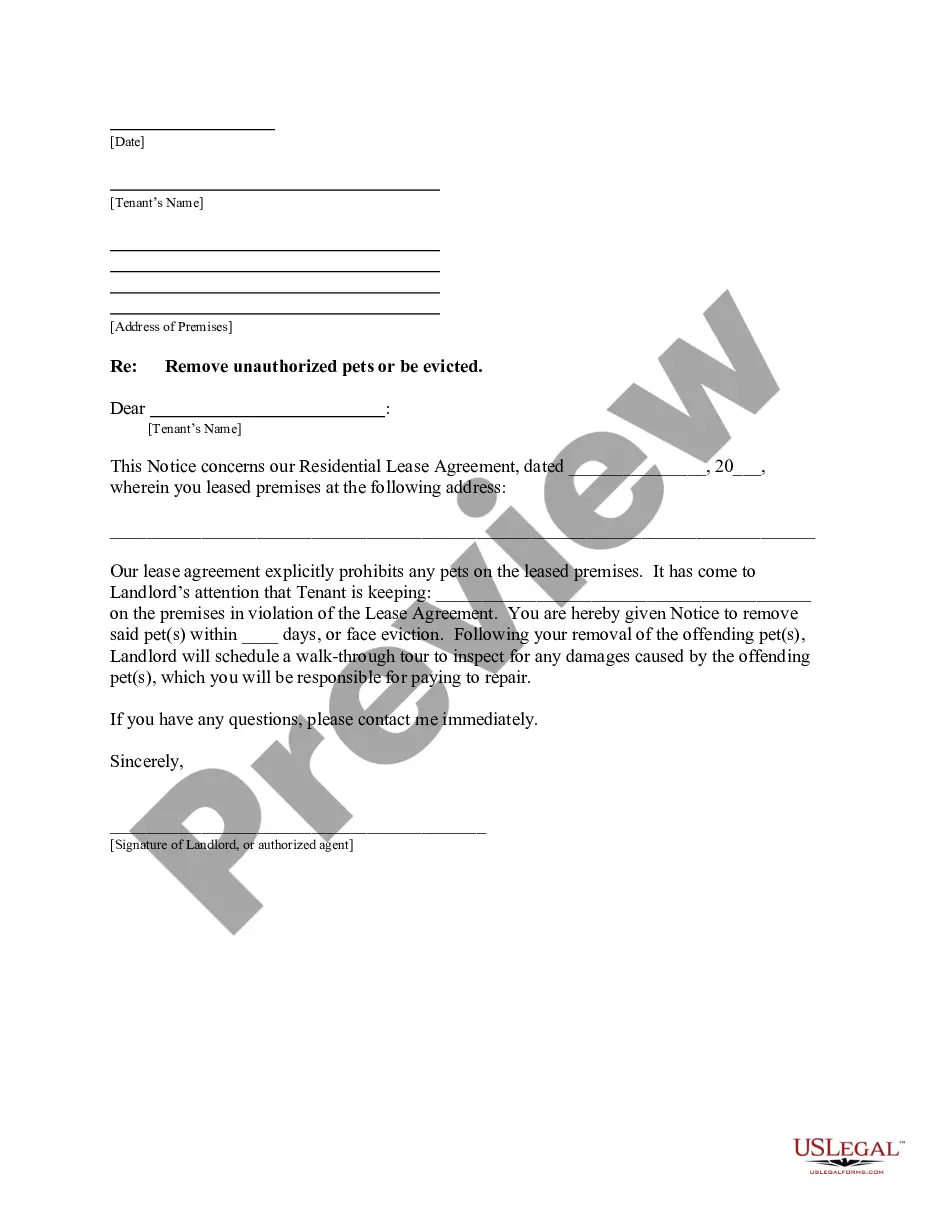
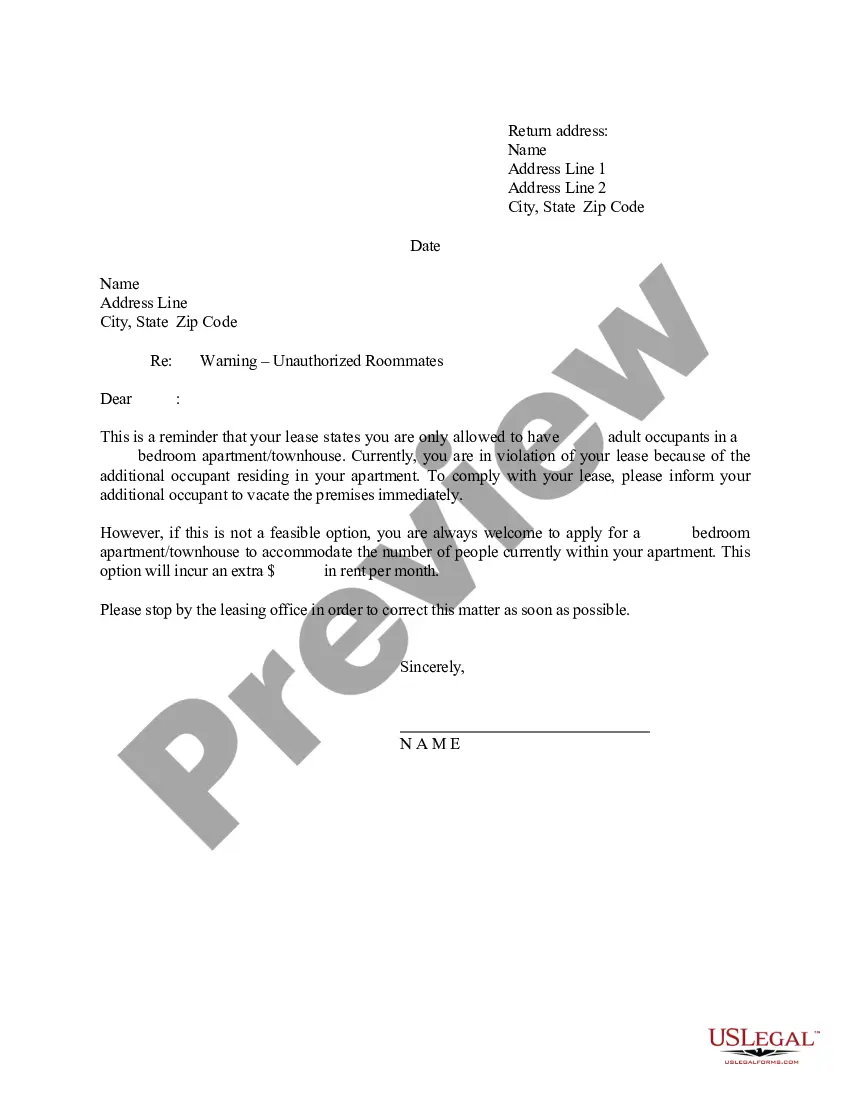
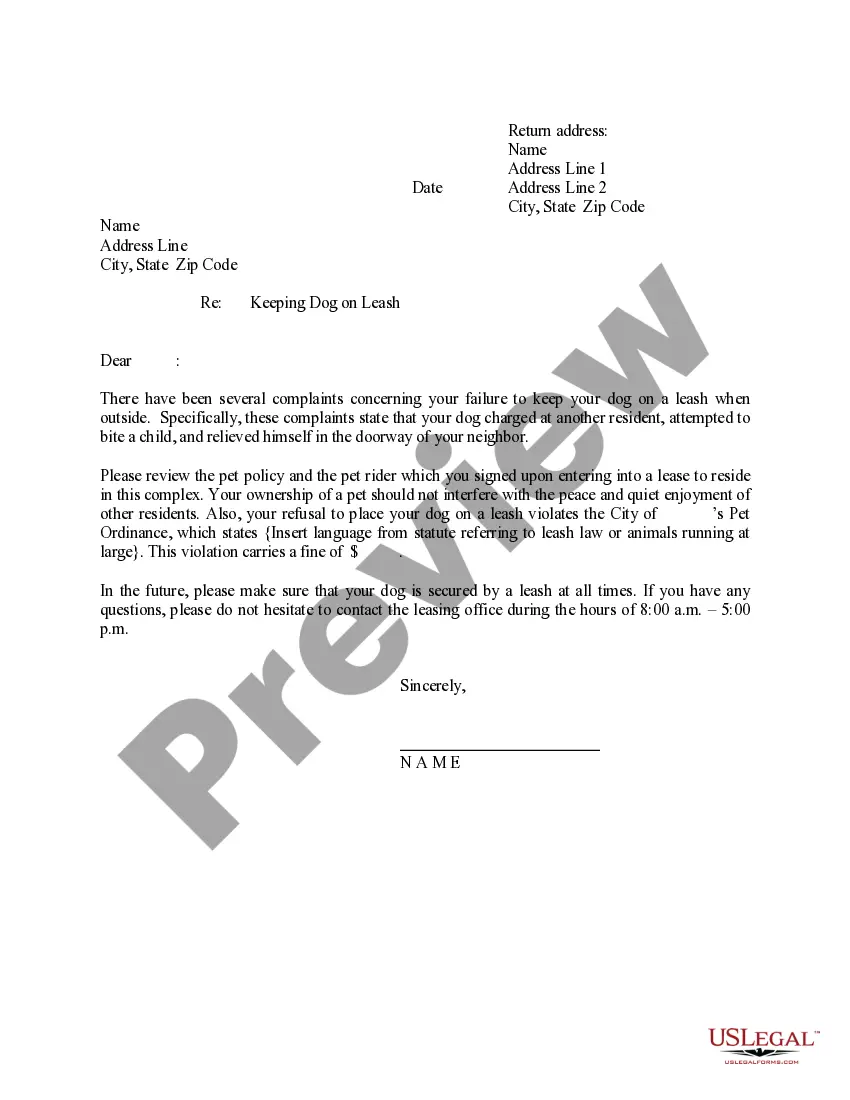
This form, titled Letter from Landlord to Tenant as Notice to Remove Unauthorized Pets from Premises, serves as a formal communication for landlords to notify tenants about unauthorized pets on rental property. It is an essential tool for landlords who enforce pet policies stipulated in leasing agreements. Unlike other general notices, this form clearly specifies the breach of contract by the tenant and outlines the consequences of non-compliance, providing clarity and structure to the eviction process if needed.
Key parts of this document
- Date of the original lease agreement
- Tenant's address and details
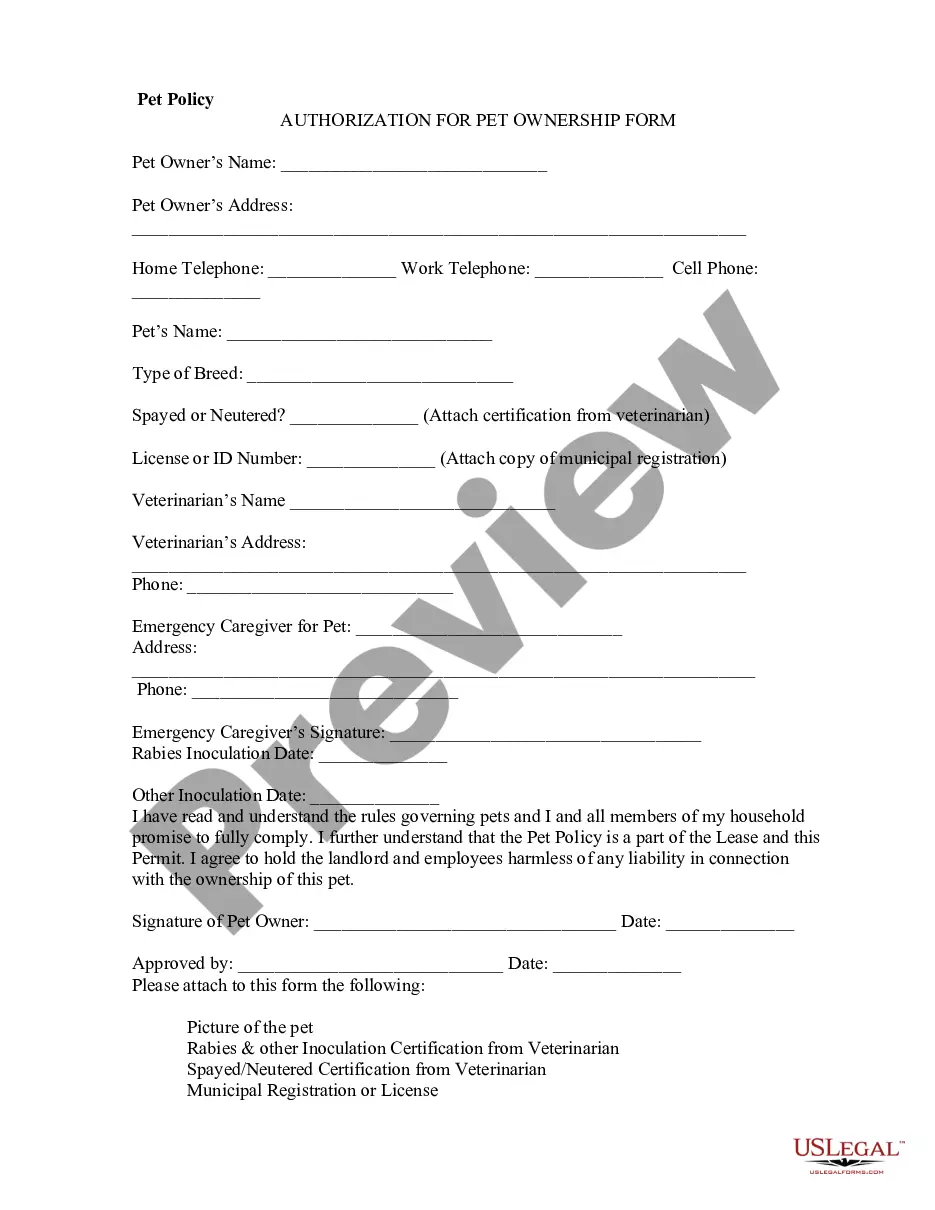
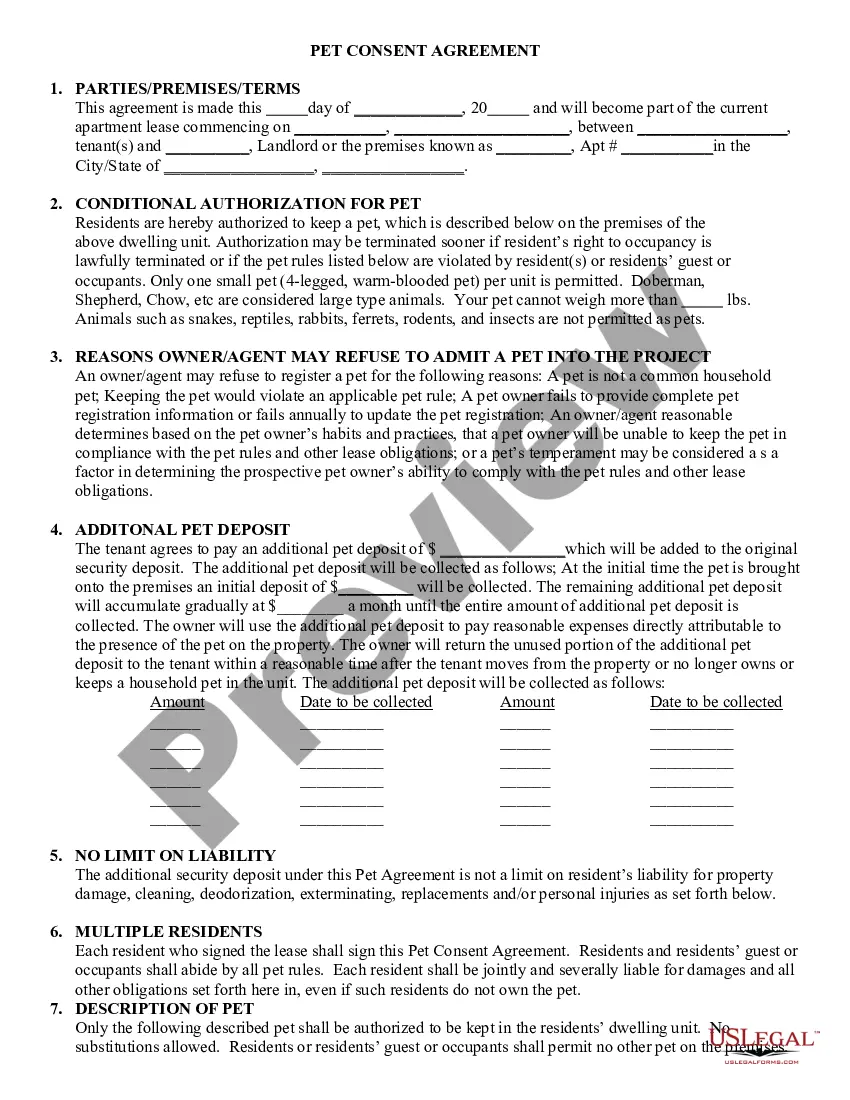
- Description of the unauthorized pets
- Deadline for the removal of pets
- Clause regarding inspection for damages caused by pets
- Contact information for follow-up questions
When to use this form
This form is needed when a landlord discovers that a tenant is housing unauthorized pets in violation of the lease agreement. It should be used when the landlord wants to formally communicate the need for the tenant to remove the pets within a specified timeframe to avoid potential legal action or eviction.
Who should use this form
- Landlords and property managers who have tenant agreements prohibiting pets
- Tenants who have received formal notice of unauthorized pets
- Legal representatives working on landlord-tenant dispute resolutions
How to complete this form
- Identify the date of the original lease agreement.
- Fill in the tenant's address and relevant personal details.
- Specify the unauthorized pets being kept on the premises.
- Set a deadline for the tenant to remove the pets.
- Prepare to schedule a follow-up inspection for any damages post-removal.
- Sign the letter and include your contact details for any questions.
Notarization guidance
This form usually doesn’t need to be notarized. However, local laws or specific transactions may require it. Our online notarization service, powered by Notarize, lets you complete it remotely through a secure video session, available 24/7.
Get your form ready online
Our built-in tools help you complete, sign, share, and store your documents in one place.
Make edits, fill in missing information, and update formatting in US Legal Forms—just like you would in MS Word.
Download a copy, print it, send it by email, or mail it via USPS—whatever works best for your next step.
Sign and collect signatures with our SignNow integration. Send to multiple recipients, set reminders, and more. Go Premium to unlock E-Sign.
If this form requires notarization, complete it online through a secure video call—no need to meet a notary in person or wait for an appointment.
We protect your documents and personal data by following strict security and privacy standards.

Make edits, fill in missing information, and update formatting in US Legal Forms—just like you would in MS Word.

Download a copy, print it, send it by email, or mail it via USPS—whatever works best for your next step.

Sign and collect signatures with our SignNow integration. Send to multiple recipients, set reminders, and more. Go Premium to unlock E-Sign.

If this form requires notarization, complete it online through a secure video call—no need to meet a notary in person or wait for an appointment.

We protect your documents and personal data by following strict security and privacy standards.
Common mistakes to avoid
- Failing to include the exact lease date and property address.
- Not specifying the type and number of unauthorized pets.
- Omitting the response deadline for pet removal.
- Not signing the letter or providing contact information.
Why use this form online
- Convenience of downloading and customizing the form at any time.
- Easy adjustments to fit specific local regulations or tenant agreements.
- Quick access to legal expertise through professionally drafted content.
Looking for another form?
Form popularity
FAQ
Getting caught with a pet in an apartment can result in several outcomes based on your lease. Most commonly, the landlord will send you an Iowa Letter from Landlord to Tenant as Notice to remove unauthorized pets from premises, giving you a set timeframe to address the issue. Knowing your options can help you navigate this situation better, and resources like uslegalforms can provide guidance for handling these circumstances.
If your apartment management discovers that you have a dog, they will typically review your lease to confirm the no-pets policy. This often results in the issuance of an Iowa Letter from Landlord to Tenant as Notice to remove unauthorized pets from premises, requiring you to either remove the pet or face further consequences. It's important to understand and respect the terms of your lease to avoid such situations.
If you fail to inform your landlord about having a pet, you risk facing penalties outlined in your lease agreement. This might include fines or even eviction if your landlord issues an Iowa Letter from Landlord to Tenant as Notice to remove unauthorized pets from premises. Hence, it is essential to comply with the lease to maintain a good relationship with your landlord.
To get around a lease that states no pets, you might consider having a conversation with your landlord. Some landlords may allow exceptions for service animals or emotional support animals, even if pets are generally prohibited. If you do decide to keep a pet, be prepared for the possibility of receiving an Iowa Letter from Landlord to Tenant as Notice to remove unauthorized pets from premises.
An emotional support animal letter to a landlord typically includes specific information about your mental health professional and the necessity of the pet. It should state that the animal provides support for your diagnosed condition and includes any recommendations for reasonable accommodations. Using the Iowa Letter from Landlord to Tenant as Notice to remove unauthorized pets from premises can help structure this letter effectively, ensuring you cover all essential details.
Yes, landlords often verify Emotional Support Animal (ESA) letters as part of their responsibility. They may contact the issuing professional to ensure the letter's authenticity. When discussing your ESA, you can mention the Iowa Letter from Landlord to Tenant as Notice to remove unauthorized pets from premises to clarify how your situation aligns with your tenancy rights. This transparency helps establish trust.
You should inform your landlord about your pet in a formal yet friendly manner. Approach them directly or send a written note, detailing the type of pet and any relevant information. Be transparent about your pet's behavior and any measures you can take to ensure it does not cause issues in the property. This demonstrates your respect for their rules and your commitment as a responsible tenant.
Writing a letter to your landlord about pets involves clear communication and structure. Start by stating your intention to discuss pets and mention any relevant lease clauses regarding them. Include your contact information, and express your willingness to comply with any pet-related guidelines. This approach creates a positive and responsible tone, setting the stage for an effective discussion.
When writing a termination letter to a tenant, include your address, the tenant’s address, and the date. Clearly state the reasons for termination, adhering to any lease agreements or local laws. Using the Iowa Letter from Landlord to Tenant as Notice to remove unauthorized pets from premises can provide a solid template, especially if pets are involved in the termination process.
To remove your dog from an apartment, you should write a letter explaining your decision to the landlord. Mention the specifics of the situation and confirm the date when your pet will be moved out. This letter can serve as a formal notice, and if necessary, can reference the Iowa Letter from Landlord to Tenant as Notice to remove unauthorized pets from premises for a more structured approach.