Iowa Quitclaim Deed from Corporation to Individual
What this document covers
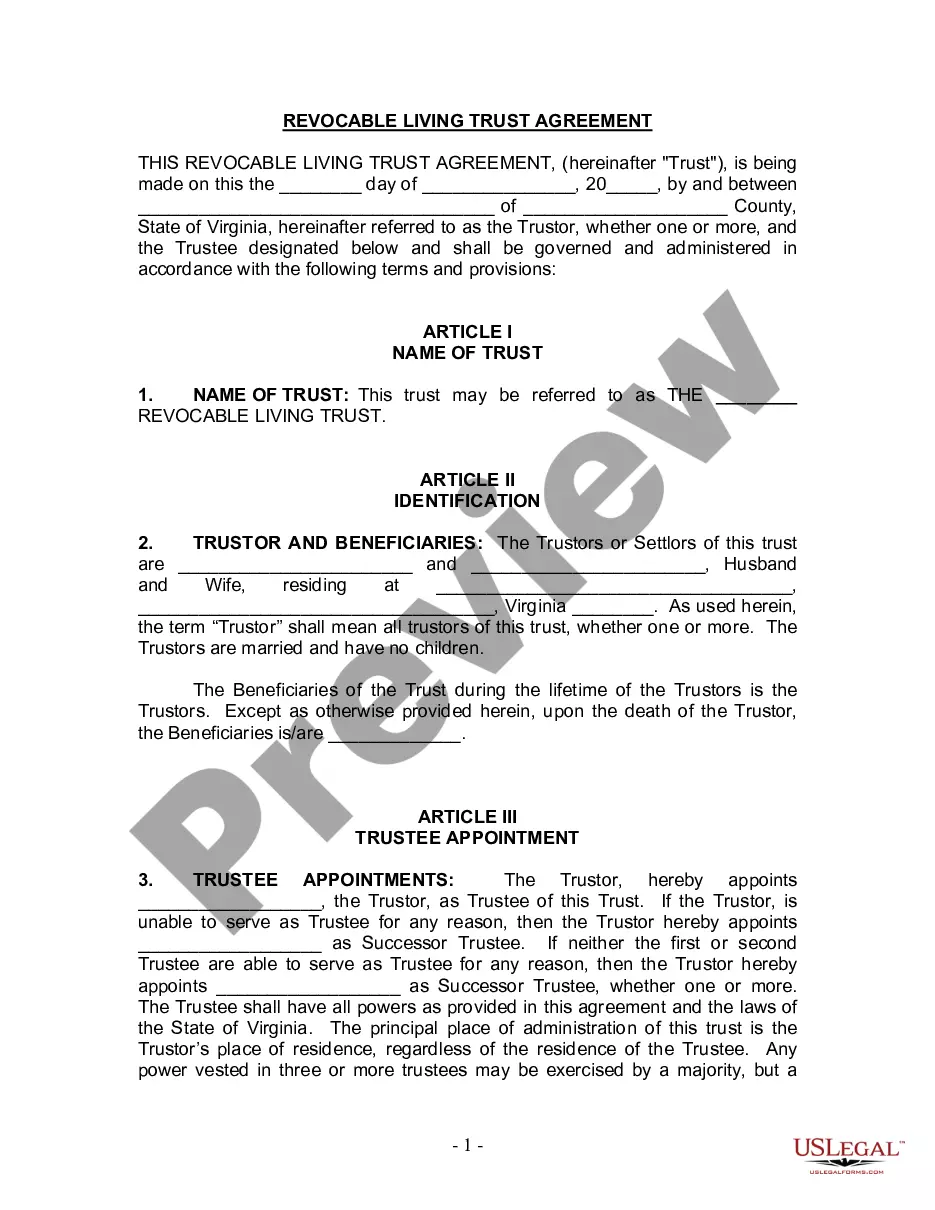
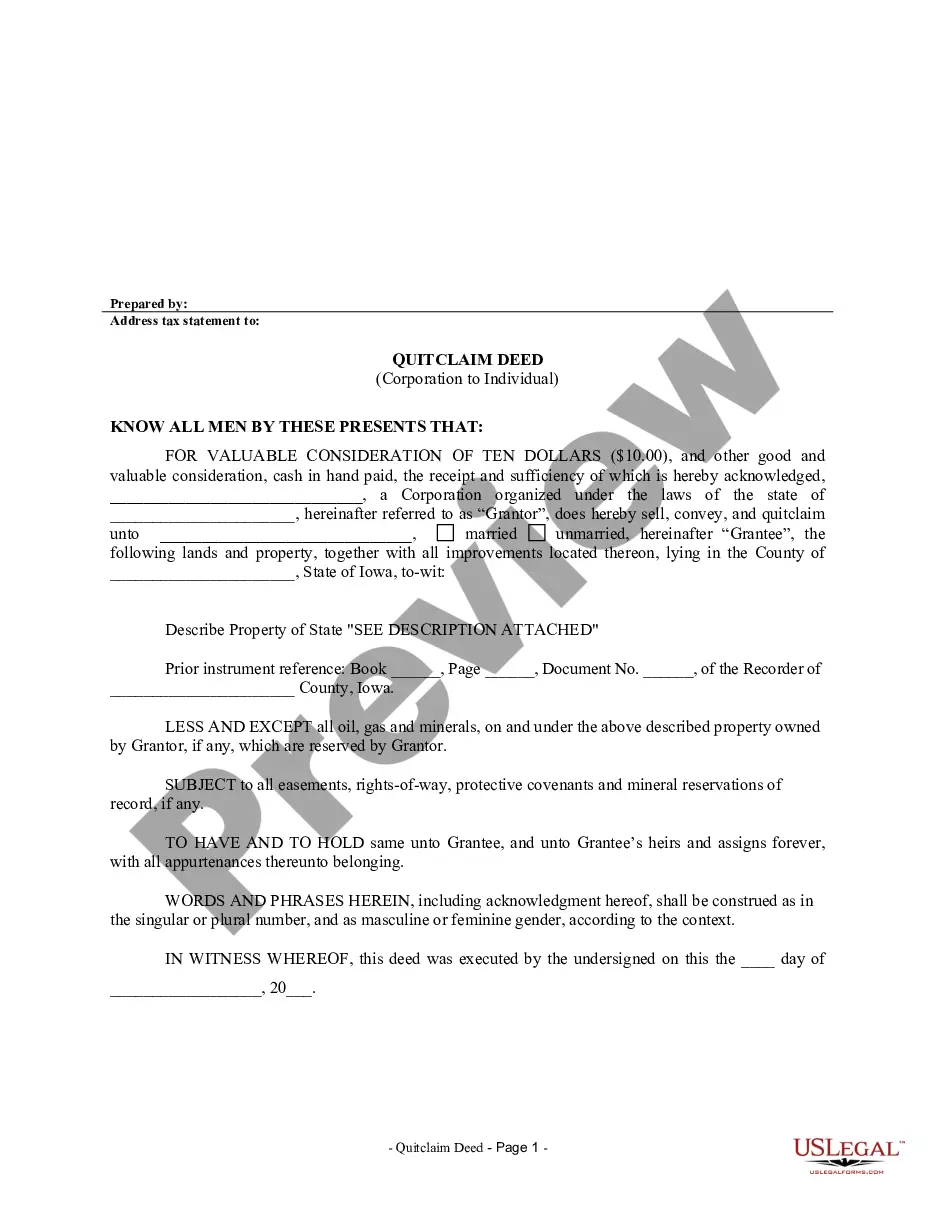
The Quitclaim Deed from Corporation to Individual is a legal document used to transfer ownership of property from a corporation (the Grantor) to an individual (the Grantee). Unlike warranty deeds, this quitclaim deed does not guarantee that the property is free from claims; it simply transfers whatever rights the Grantor has in the property. This form is essential for formalizing the transfer of ownership in real estate transactions involving corporate entities and individuals.
Main sections of this form
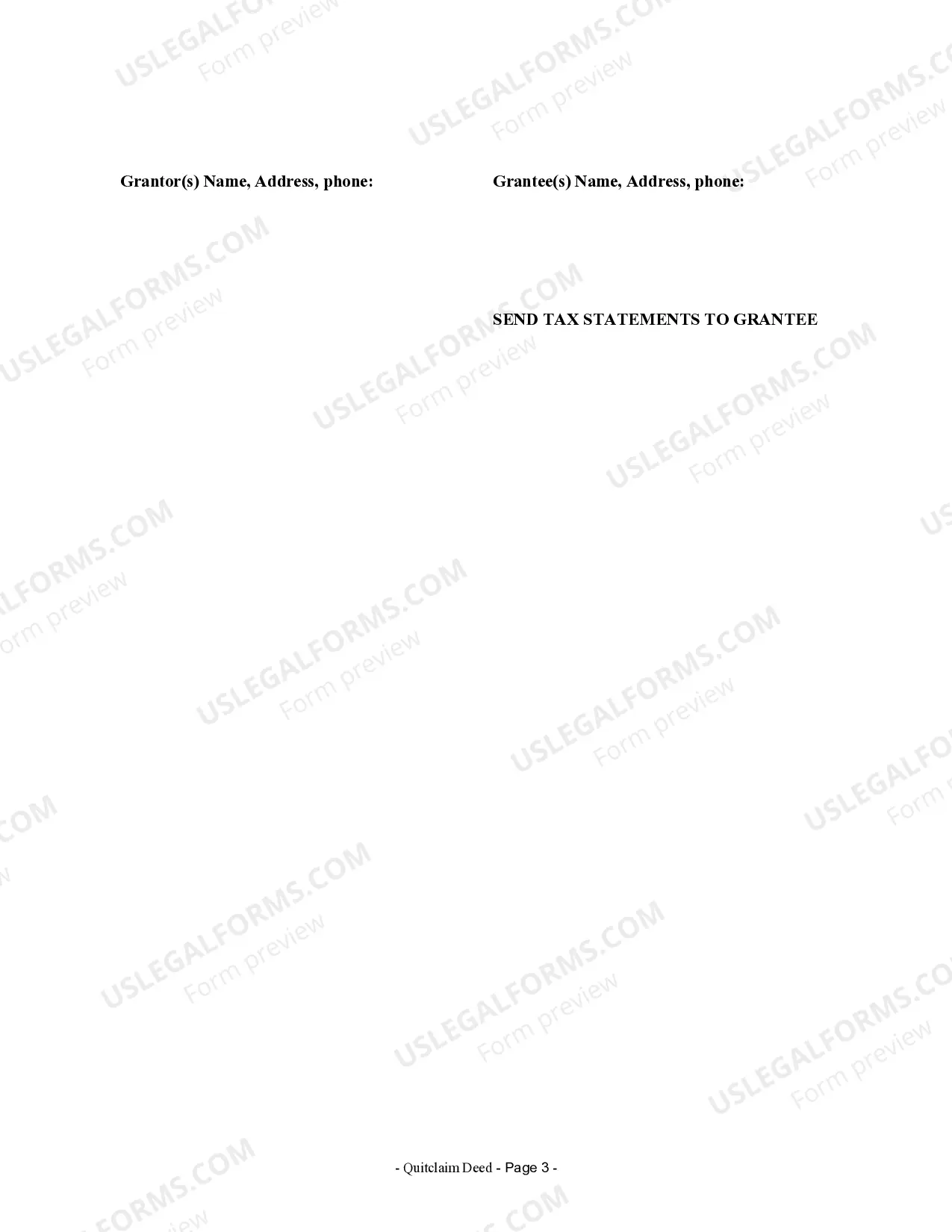
- Identifying information regarding the Grantor (corporation) and Grantee (individual).
- Description of the property being conveyed.
- Statement regarding the transfer of ownership and reservation of oil, gas, and minerals.
- Execution details, including signatures and titles of corporate representatives.
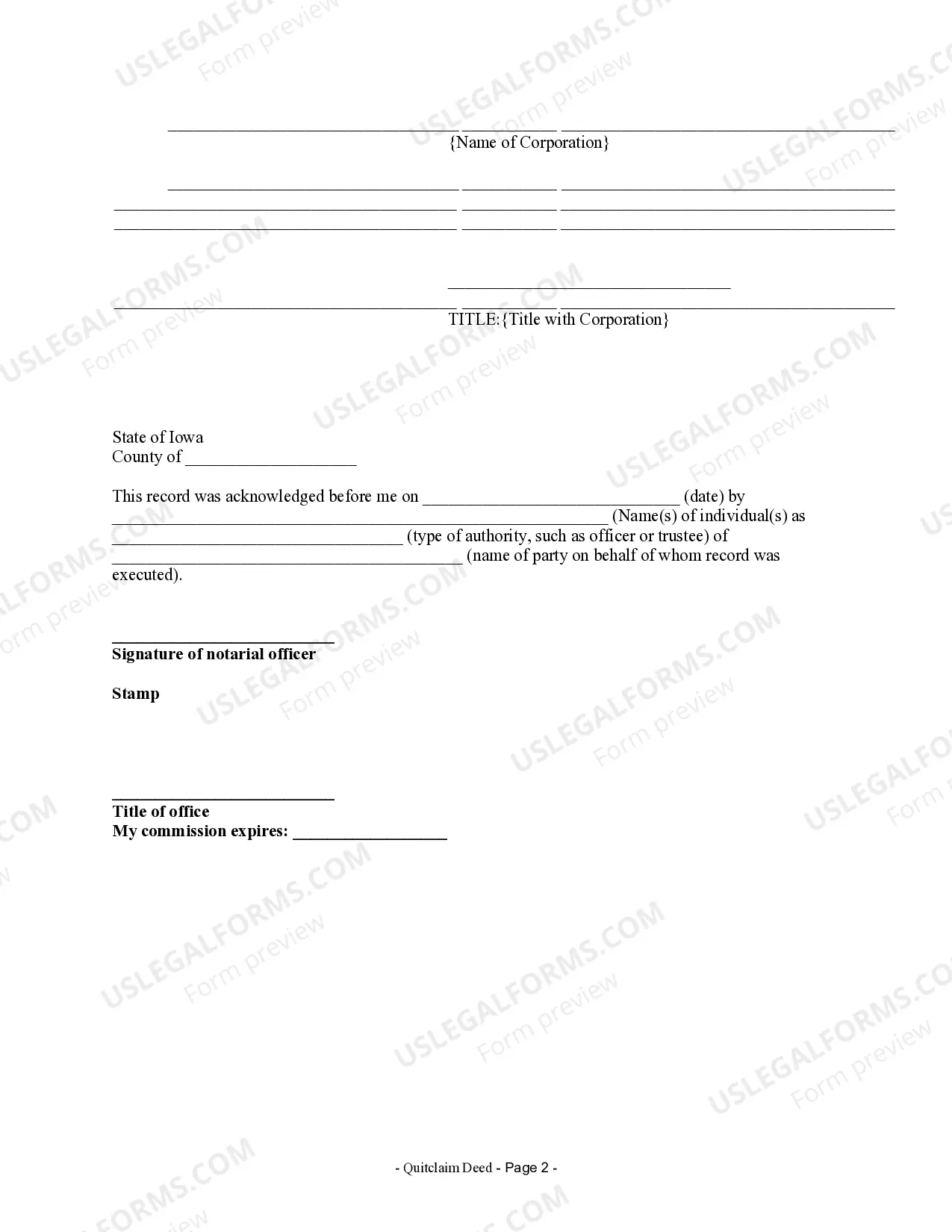
- Notary acknowledgment section to validate the deed.
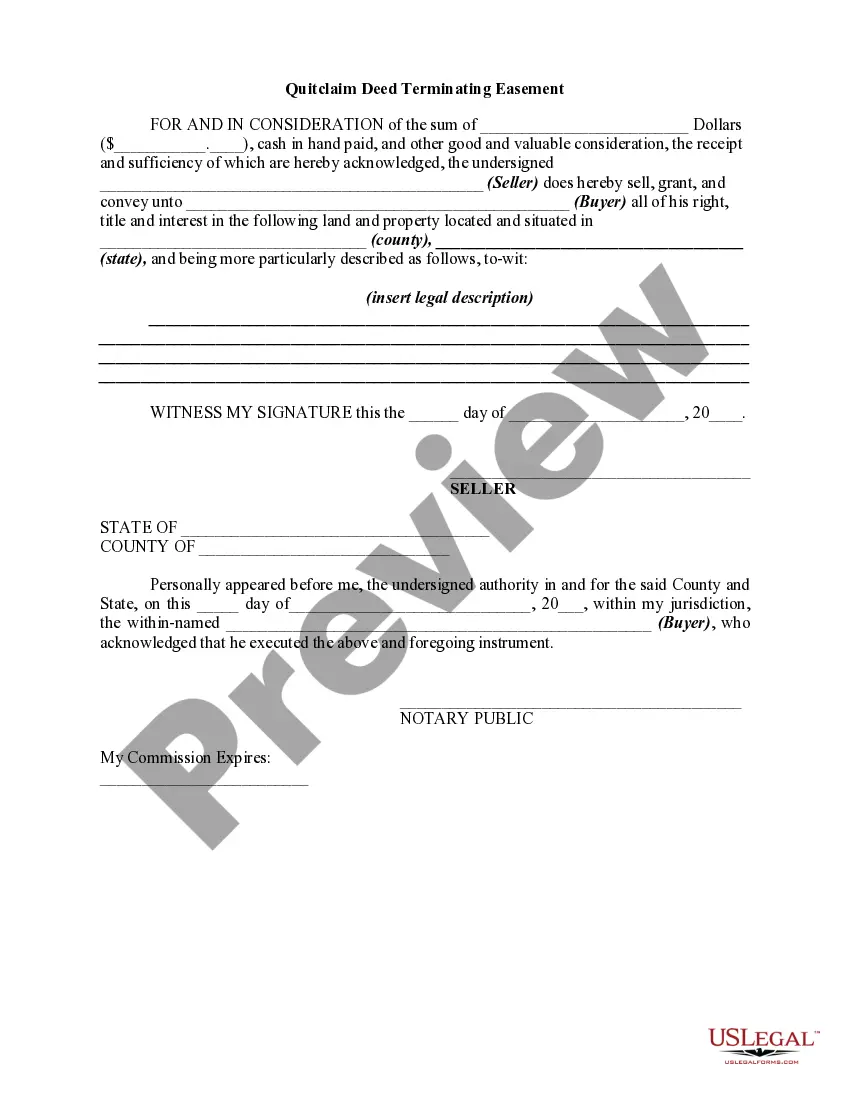


Situations where this form applies
This form is used when a corporation decides to transfer property ownership to an individual. Typical scenarios include selling or gifting corporate property, merging business interests, or when an individual is purchasing property from a corporation. It is crucial to use this deed when the intention is to quickly transfer rights without providing warranties about the propertyâs legal status.
Who needs this form
This form is suitable for:
- Corporations looking to transfer real estate properties to individuals.
- Individuals receiving property from a corporation.
- Real estate professionals handling property transactions involving corporate entities.
Completing this form step by step
- Identify the parties involved: Enter the full name of the corporation as the Grantor and the individual as the Grantee.
- Specify the property: Clearly describe the property being transferred, including any attached legal descriptions.
- Note any reservations: Indicate the reservation of oil, gas, and minerals, if applicable.
- Obtain necessary signatures: Have authorized representatives of the corporation sign the deed with their titles.
- Complete notary section: Ensure the deed is notarized by a qualified notary public for legal validity.
Notarization guidance
Yes, this form must be notarized to be legally valid. US Legal Forms offers integrated online notarization services that are available 24/7 through secure video calls, ensuring your document is processed efficiently and legally without the need to travel.
Get your form ready online
Our built-in tools help you complete, sign, share, and store your documents in one place.
Make edits, fill in missing information, and update formatting in US Legal Forms—just like you would in MS Word.
Download a copy, print it, send it by email, or mail it via USPS—whatever works best for your next step.
Sign and collect signatures with our SignNow integration. Send to multiple recipients, set reminders, and more. Go Premium to unlock E-Sign.
If this form requires notarization, complete it online through a secure video call—no need to meet a notary in person or wait for an appointment.
We protect your documents and personal data by following strict security and privacy standards.

Make edits, fill in missing information, and update formatting in US Legal Forms—just like you would in MS Word.

Download a copy, print it, send it by email, or mail it via USPS—whatever works best for your next step.

Sign and collect signatures with our SignNow integration. Send to multiple recipients, set reminders, and more. Go Premium to unlock E-Sign.

If this form requires notarization, complete it online through a secure video call—no need to meet a notary in person or wait for an appointment.

We protect your documents and personal data by following strict security and privacy standards.
Common mistakes to avoid
- Failing to accurately describe the property can lead to disputes later.
- Not obtaining the required signatures from the corporation's authorized officers.
- Missing the notary acknowledgment, which may invalidate the deed.
- Assuming the deed removes all liabilities or claims without proper warranties.
Benefits of using this form online
- Convenience of accessing and downloading your form from anywhere at any time.
- Editability allows you to customize the form to fit your specific transaction needs.
- Forms are drafted by licensed attorneys, ensuring their reliability and compliance with state laws.
Legal use & context
- Quitclaim deeds are used primarily for transferring property when the Grantor's title is uncertain.
- This form does not guarantee that the property is free of liens or claims.
- It serves as a quick mechanism for property transfer without extensive legal ramifications.
Quick recap
- The Quitclaim Deed from Corporation to Individual is essential for transferring property ownership from a corporation to an individual.
- Proper completion includes accurate property descriptions, obtaining appropriate signatures, and notarization.
- Understanding when and why to use this form can streamline real estate transactions involving corporate entities.
Looking for another form?


Form popularity
FAQ
The grantor, or the person transferring their interest in the property, initiates a quitclaim deed. This person must complete the deed and provide it to the grantee, the individual receiving the property interest. In the case of the Iowa Quitclaim Deed from Corporation to Individual, the corporation typically acts as the grantor, facilitating a clear transfer process.
Yes, you can create a quitclaim deed yourself in Iowa, but ensure you understand the process and legal requirements. Include accurate property descriptions and the full names of all parties involved. If you want peace of mind and clear guidance, consider using uslegalforms for the Iowa Quitclaim Deed from Corporation to Individual, which can simplify the paperwork.
Absolutely, you can prepare a quitclaim deed on your own in Iowa. To do this correctly, ensure that you use the right legal format and include all required information. Nevertheless, utilizing services like uslegalforms can streamline the process, especially for the Iowa Quitclaim Deed from Corporation to Individual, by providing easy-to-follow instructions and pre-made templates.
Yes, you can draft a quitclaim deed yourself in Iowa, but it is important to include all necessary details and follow proper formatting. Providing clear information about the transferor, transferee, and property description is crucial for successful execution. However, using a platform like uslegalforms can offer templates and guidance, ensuring compliance with Iowa laws regarding the Iowa Quitclaim Deed from Corporation to Individual.
In Iowa, a quitclaim deed transfers interest in property without guaranteeing that the title is clear. It must be signed by the grantor in the presence of a notary public and recorded with the county recorder’s office. When dealing with the Iowa Quitclaim Deed from Corporation to Individual, remember to include specific property details. This ensures clarity and protects the interests of all parties involved.
In Iowa, a quitclaim deed allows a corporation to transfer property rights to an individual without guaranteeing the extent of ownership. The process involves drafting the deed, signing it in front of a notary, and then recording it with the county recorder. This straightforward approach simplifies the transfer process, particularly in an Iowa Quitclaim Deed from Corporation to Individual. By utilizing platforms like uslegalforms, you can ensure that your quitclaim deed meets all necessary requirements.
Yes, a title company can prepare a quitclaim deed, including the Iowa Quitclaim Deed from Corporation to Individual. They have the expertise to ensure all legal requirements are met, thereby helping to protect your interests. Utilizing a title company can streamline the process and offer peace of mind. However, it is always wise to review the deed before signing to verify that all information is accurate.
A quitclaim deed, especially the Iowa Quitclaim Deed from Corporation to Individual, is commonly used in situations such as transferring property between family members or clearing up title defects. It is also effective when one party wants to relinquish their interest in a property without guarantees. For example, if a corporation passes ownership to an individual, a quitclaim deed can simplify the process. Always consider the implications before proceeding.
A quitclaim deed can become invalid for several reasons, including improper execution or failure to meet state requirements. For instance, if the Iowa Quitclaim Deed from Corporation to Individual lacks the necessary signatures or is not notarized, it may be deemed invalid. Additionally, if the property description is unclear or incorrect, the deed can also face challenges. It is important to ensure all details are accurate to avoid future complications.
To remove someone from a deed in Iowa, you typically need to execute an Iowa Quitclaim Deed from Corporation to Individual. This process involves filling out the deed with the current owner's details as well as the person being removed. Following that, you should file the deed with the county recorder’s office. Make sure to consult with a legal professional to ensure compliance with all applicable laws.