Hawaii Guaranty or Guarantee of Payment of Rent
What this document covers
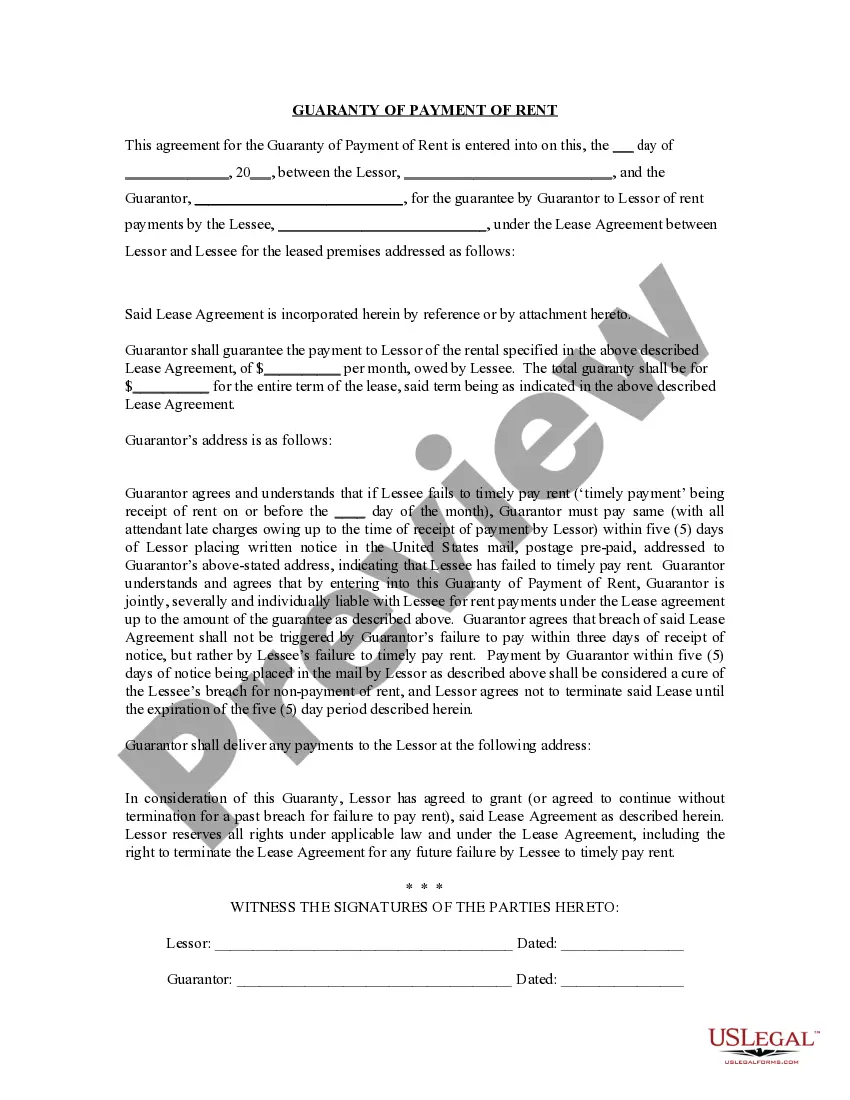
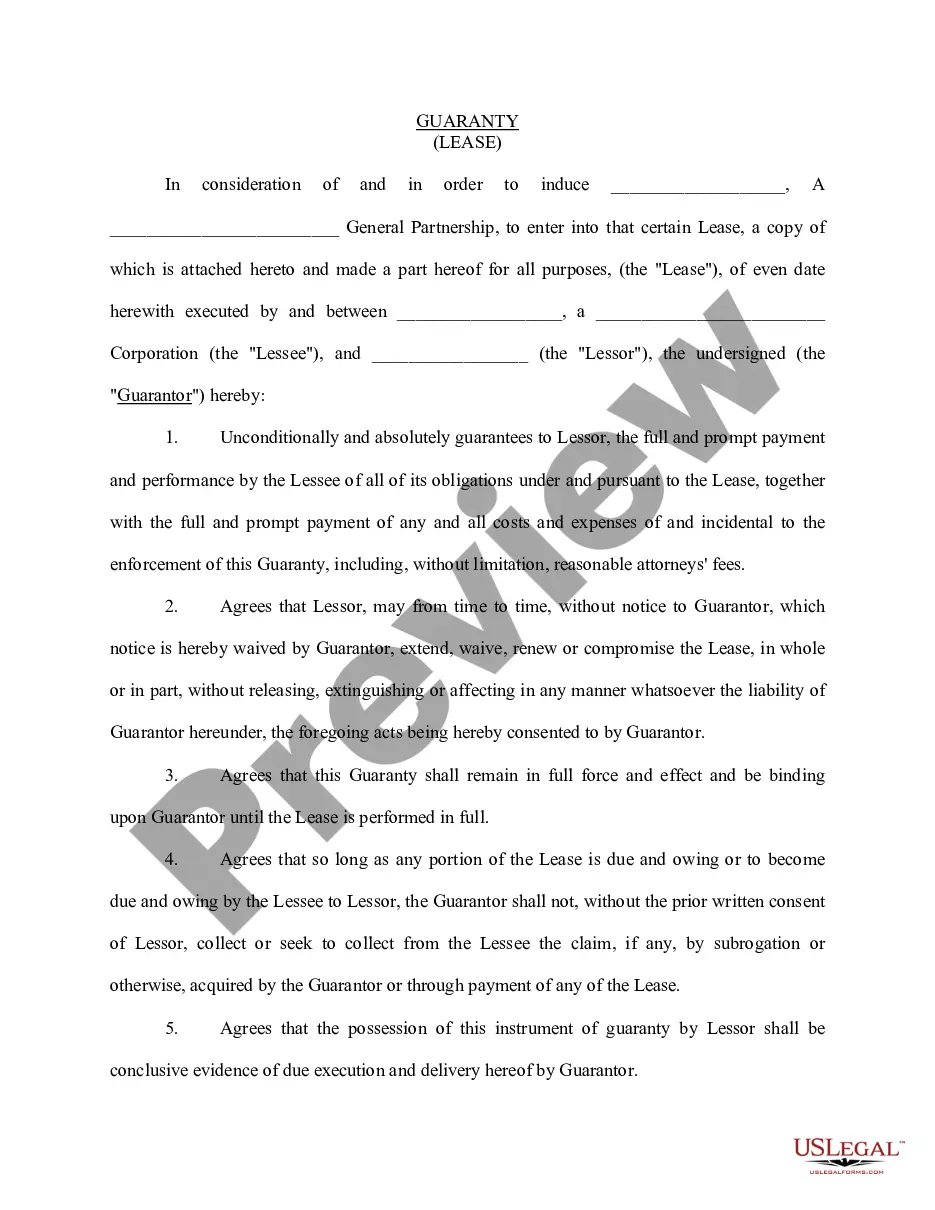
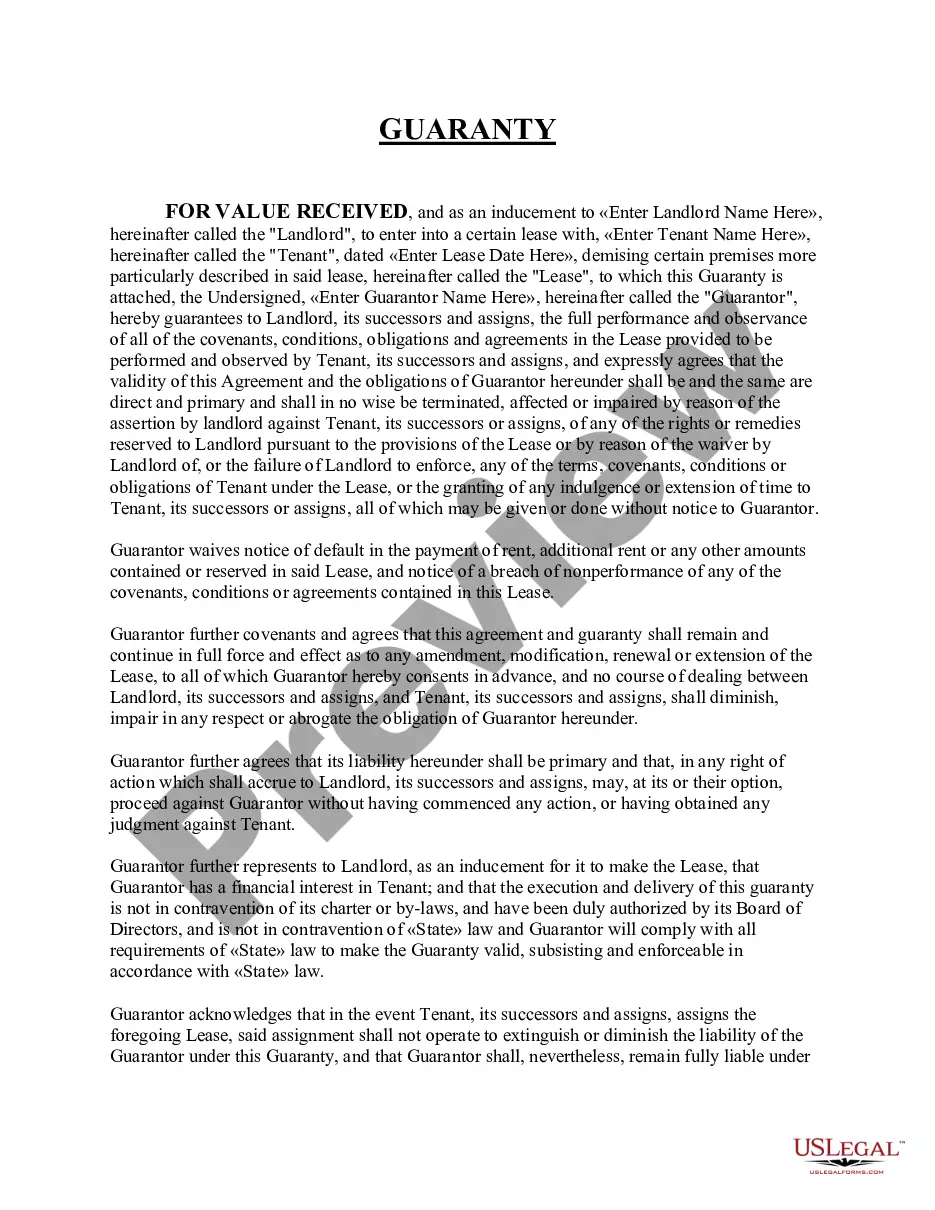
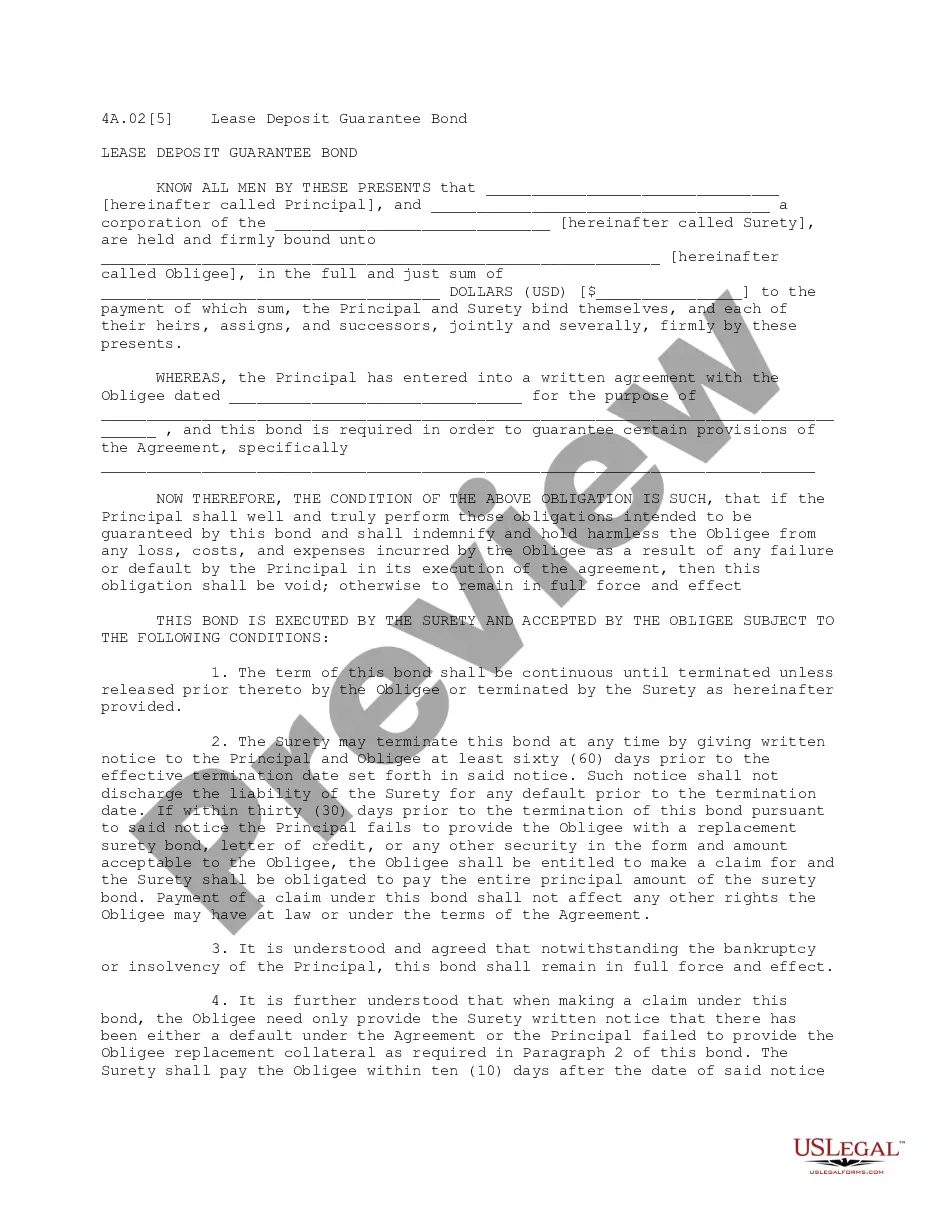
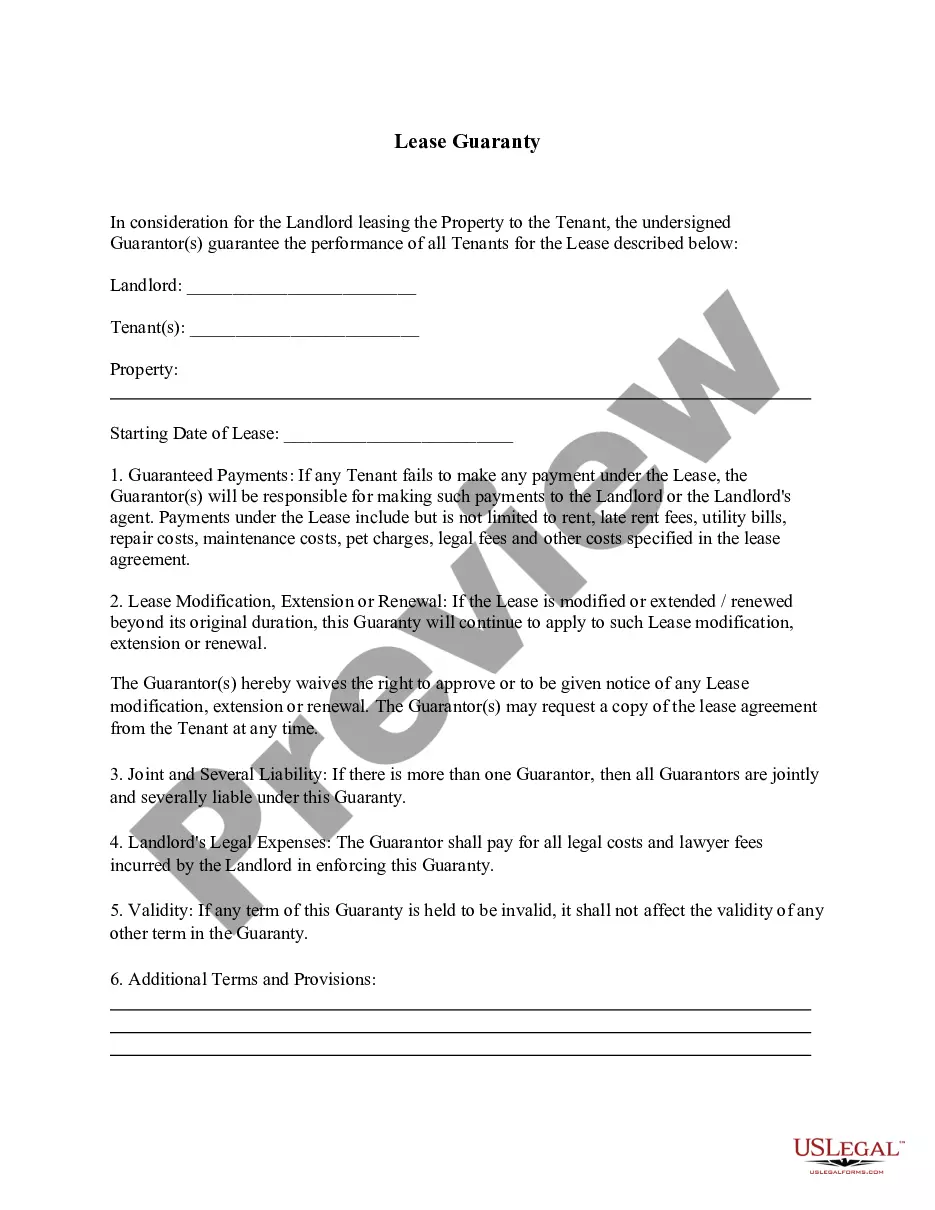
The Guaranty or Guarantee of Payment of Rent is a legal agreement where a guarantor promises to cover rent payments if the tenant fails to do so. This form clarifies the responsibilities of the guarantor and the conditions under which payments need to be made. It is different from other rental agreements as it focuses specifically on the support role of the guarantor in ensuring rent is paid, thus providing security to the landlord.
Key parts of this document
- Guarantor's address: Document the complete address of the guarantor.
- Lessor's information: Include the details of the landlord or property manager (lessor).
- Signature lines: Designated areas for both the lessor and guarantor to sign, confirming the agreement.
- Date fields: Spaces to insert the dates when the contract is signed by both parties.
When this form is needed
This form is essential when a tenant lacks sufficient credit history or financial stability to qualify for a rental agreement. By securing a guarantor, landlords reduce the risk of unpaid rent. It is commonly used in residential leases, particularly for students, recent graduates, or individuals transitioning to a new career.
Who this form is for
- Tenants: Individuals renting property who may need a guarantor to secure their lease.
- Guarantors: Persons willing to take on the financial responsibility for another's rent obligations.
- Landlords: Property owners requiring additional security for their rental agreements.
Steps to complete this form
- Identify the parties involved: Clearly write the names and addresses of both the lessor and the guarantor.
- Enter the details of the property: Specify the address of the rental property for clarity.
- Fill in date fields: Include the dates on which the contract is signed by both parties.
- Ensure signatures are obtained: Both the lessor and the guarantor must sign the document to finalize the agreement.
Is notarization required?
Notarization is generally not required for this form. However, certain states or situations might demand it. You can complete notarization online through US Legal Forms, powered by Notarize, using a verified video call available anytime.
Get your form ready online
Our built-in tools help you complete, sign, share, and store your documents in one place.
Make edits, fill in missing information, and update formatting in US Legal Forms—just like you would in MS Word.
Download a copy, print it, send it by email, or mail it via USPS—whatever works best for your next step.
Sign and collect signatures with our SignNow integration. Send to multiple recipients, set reminders, and more. Go Premium to unlock E-Sign.
If this form requires notarization, complete it online through a secure video call—no need to meet a notary in person or wait for an appointment.
We protect your documents and personal data by following strict security and privacy standards.

Make edits, fill in missing information, and update formatting in US Legal Forms—just like you would in MS Word.

Download a copy, print it, send it by email, or mail it via USPS—whatever works best for your next step.

Sign and collect signatures with our SignNow integration. Send to multiple recipients, set reminders, and more. Go Premium to unlock E-Sign.

If this form requires notarization, complete it online through a secure video call—no need to meet a notary in person or wait for an appointment.

We protect your documents and personal data by following strict security and privacy standards.
Common mistakes to avoid
- Not including the full address of the guarantor, which could create confusion.
- Forgetting to date the agreement, which is essential for legal clarity.
- Skipping signatures from one or both parties, rendering the contract ineffective.
Benefits of using this form online
- Convenience: Easily access and download the form from anywhere at any time.
- Editability: Customize the form to suit specific needs and circumstances.
- Reliability: Ensure that the form is drafted by licensed attorneys, minimizing legal risks.
Quick recap
- The Guaranty or Guarantee of Payment of Rent protects landlords by ensuring rent is paid through a guarantor's commitment.
- Clear completion of the form is essential for legal enforceability.
- The form is adaptable for usage across various jurisdictions with attention to local laws.
Looking for another form?
Form popularity
FAQ
The minimum guaranteed rent in Hawaii can vary significantly based on location, property type, and current market conditions. However, a rent guarantee typically ensures landlords will receive a set amount regardless of tenant payment habits. For landlords looking to establish this guarantee, consulting the resources at US Legal Forms can provide the necessary documents to set it up correctly.
Normal wear and tear in Hawaii typically includes minor issues like faded paint, worn carpets, and small scuffs on walls. These are expected outcomes of occupancy and do not warrant deductions from a tenant’s security deposit. It’s vital for both landlords and tenants to understand what constitutes normal wear to avoid disputes, and US Legal Forms can provide valuable documentation to outline these terms.
Landlords in Hawaii are generally not responsible for repairs due to tenant negligence, damage caused by guests, or normal wear and tear. Understanding these boundaries is essential for both parties to maintain a healthy landlord-tenant relationship. Resources available on US Legal Forms can help clarify specific responsibilities outlined in rental agreements.
Hawaii law does not set a specific grace period for rent payments; however, many landlords provide a 5 to 10-day grace period to accommodate late payments. It’s crucial to review your lease agreement for detailed terms regarding late fees and payment timelines. A clear understanding of these terms can help avoid misunderstandings down the line.
In Hawaii, landlords must address repair requests in a reasonable time frame, generally around 7 days for urgent issues affecting health and safety. For non-urgent repairs, the timeline may vary but should still be completed in a timely manner. If repairs are not made, tenants can seek legal solutions with the help of platforms like US Legal Forms.
In Hawaii, renters enjoy various protections, including rights related to lease agreements, privacy, and maintenance issues. The law mandates timely repairs and prohibits retaliatory actions against tenants who exercise their rights. For further clarity on these protections, US Legal Forms can help you find the right resources to protect your interests as a renter.
A rent guarantee, or Hawaii Guaranty of Payment of Rent, is an agreement ensuring landlords receive their rent payments even if tenants default. This can greatly reduce financial risks for property owners while offering peace of mind. As a landlord, having a rent guarantee in place can stabilize your income and simplify tenant negotiations.
Hawaii has several laws to protect tenants, ensuring safe and fair rental practices. These laws cover issues like security deposits, eviction procedures, and habitability requirements. If you face any challenges in your rental situation, it’s wise to consult resources like US Legal Forms, which can provide you with the necessary documents and guidance.
A lease guaranty form is a specific document that formalizes the agreement between a tenant, their guarantor, and the landlord. This form specifies the guarantor's obligations to cover rental payments, ensuring that all parties understand their responsibilities. Using a precise lease guaranty form is vital in Hawaii to provide security to landlords through a Guarantee of Payment of Rent. Consider uslegalforms for reliable templates to help you draft an effective lease guaranty form.
A form of guaranty outlines the terms under which a guarantor agrees to fulfill a tenant's rent obligations. This document details the responsibilities, including rent amount and duration of the lease, providing clarity for both parties. In the context of Hawaii, having a clear Guarantee of Payment of Rent form protects landlords and tenants alike. You can find useful templates for these forms on uslegalforms, making it easier to create a legally binding agreement.