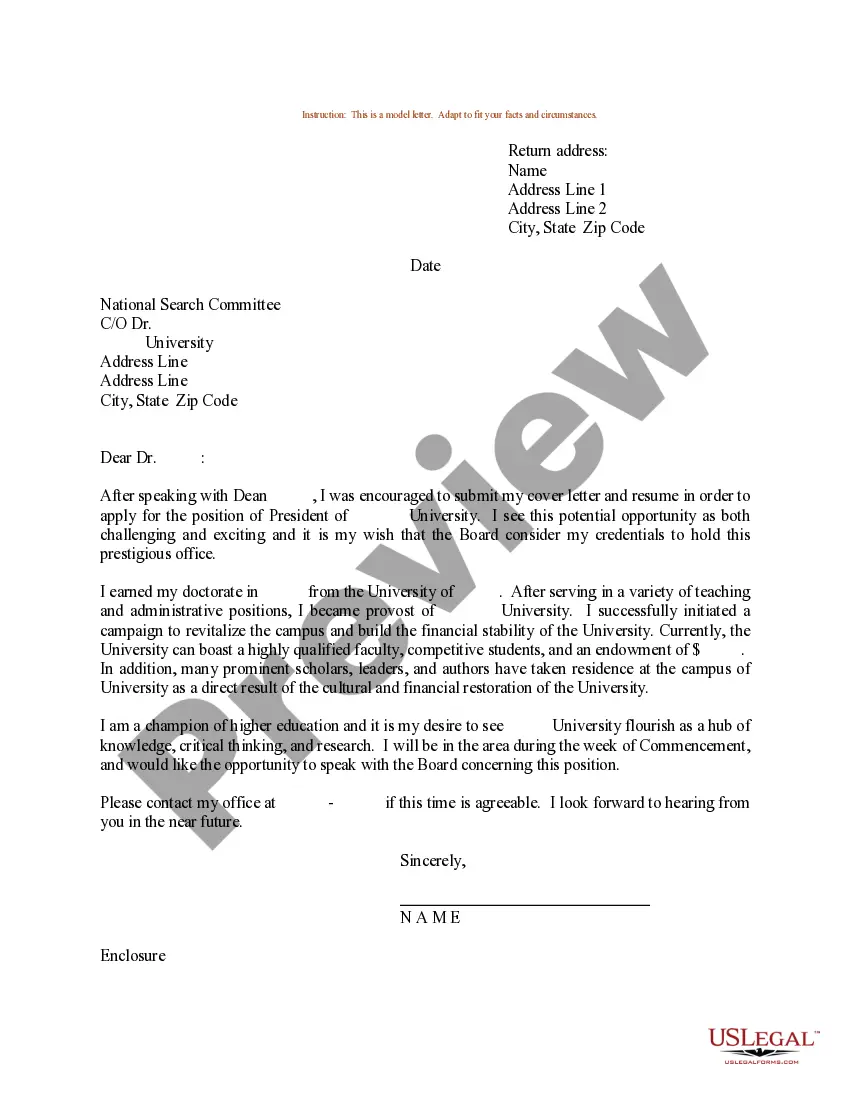
Hawaii Letter from Tenant to Landlord containing Request for permission to sublease
About this form
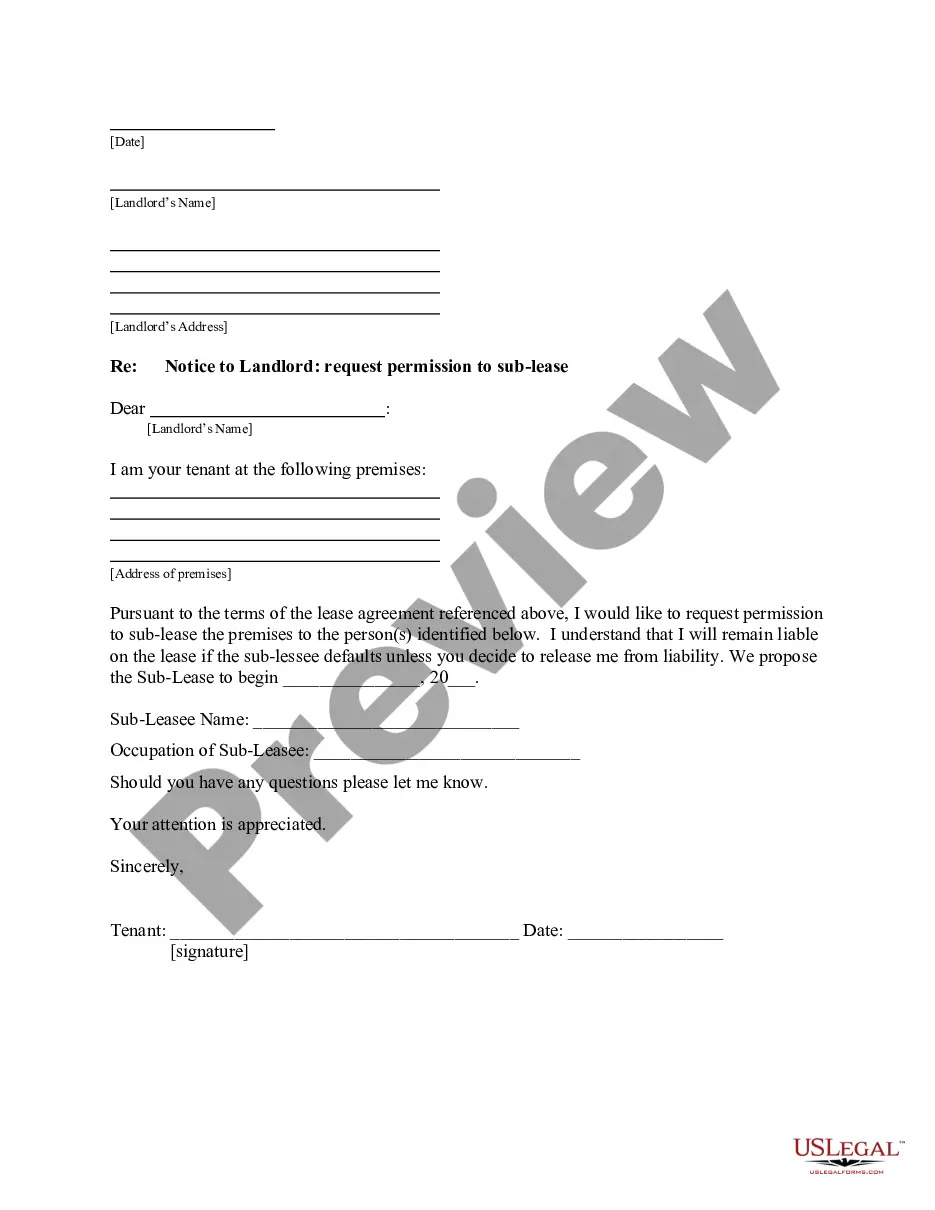
This Letter from Tenant to Landlord containing Request for permission to sublease is a formal communication from a tenant to their landlord. This letter serves to request consent for subleasing the rental property to another individual. It clarifies the tenant's continued responsibility for the lease, even if a subtenant is involved. This form is essential for tenants who wish to maintain clear communication with their landlords regarding any changes in occupancy and is particularly different from informal agreements or verbal requests for subleasing.
Key parts of this document
- Name of the sub-leasee
- Occupation of the sub-leasee
- Tenantâs acknowledgment of ongoing lease liability
- Request for landlord's consent to sublease
- Signature of the tenant with date
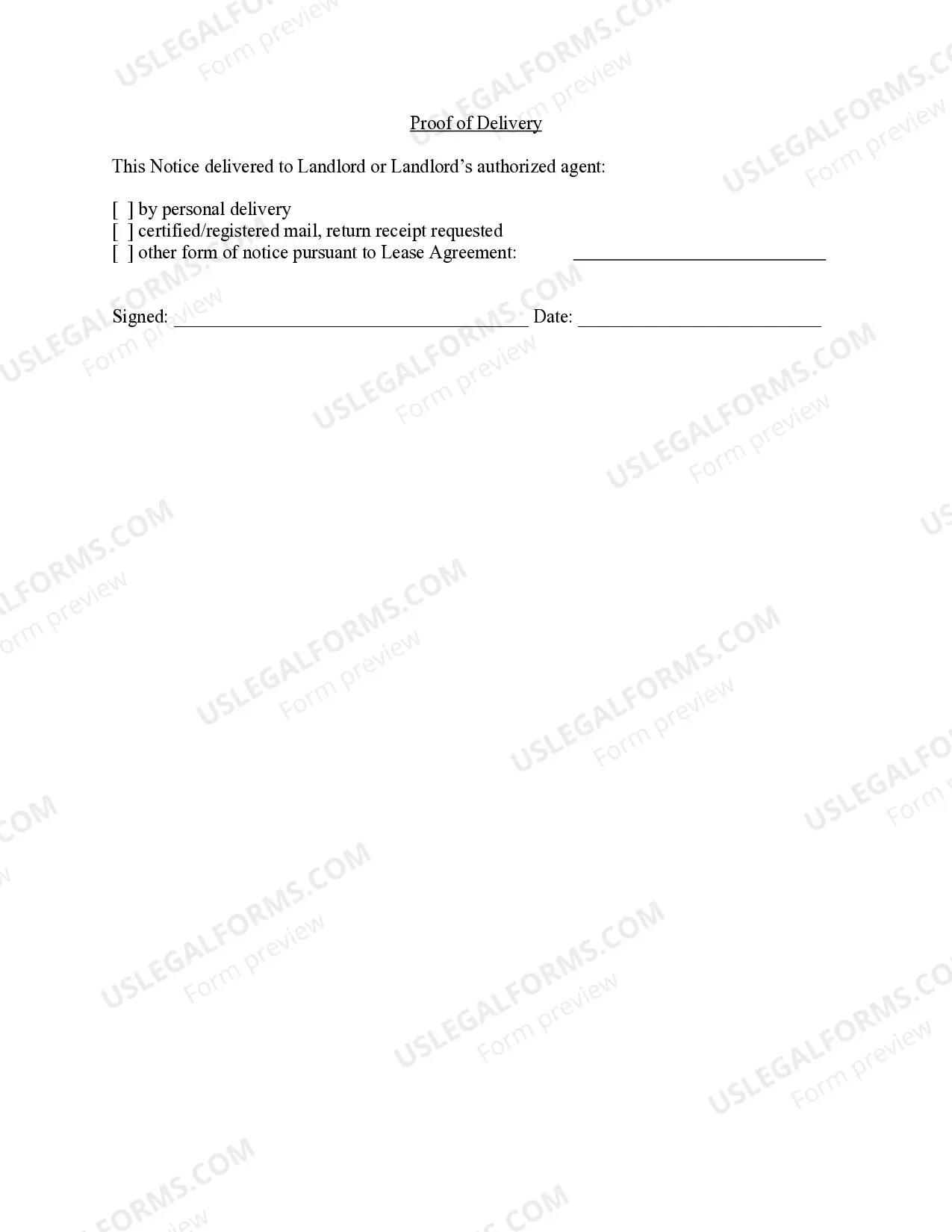
- Proof of delivery section for how the notice was delivered
When to use this document
This form should be used when a tenant wants to sublease their rental property and needs to formally notify their landlord. It is especially necessary if the lease agreement stipulates that subleasing requires landlord approval. This letter should be sent prior to any subleasing activity to ensure compliance with the lease terms and local laws.
Intended users of this form
- Current tenants planning to sublease their rental property
- Tenants who are required to obtain landlord permission before subleasing
- Individuals who want to ensure clear communication with their landlord
How to prepare this document
- Identify the sub-leasee by entering their full name.
- Include the occupation of the sub-leasee next to their name.
- Clearly state your request for permission to sublease.
- Sign and date the letter to validate your request.
- Choose a delivery method to send this letter to your landlord.
Does this document require notarization?
This form does not typically require notarization unless specified by local law. It is recommended to check local regulations to confirm if notarization is necessary for your specific situation.
Get your form ready online
Our built-in tools help you complete, sign, share, and store your documents in one place.
Make edits, fill in missing information, and update formatting in US Legal Forms—just like you would in MS Word.
Download a copy, print it, send it by email, or mail it via USPS—whatever works best for your next step.
Sign and collect signatures with our SignNow integration. Send to multiple recipients, set reminders, and more. Go Premium to unlock E-Sign.
If this form requires notarization, complete it online through a secure video call—no need to meet a notary in person or wait for an appointment.
We protect your documents and personal data by following strict security and privacy standards.

Make edits, fill in missing information, and update formatting in US Legal Forms—just like you would in MS Word.

Download a copy, print it, send it by email, or mail it via USPS—whatever works best for your next step.

Sign and collect signatures with our SignNow integration. Send to multiple recipients, set reminders, and more. Go Premium to unlock E-Sign.

If this form requires notarization, complete it online through a secure video call—no need to meet a notary in person or wait for an appointment.

We protect your documents and personal data by following strict security and privacy standards.
Common mistakes to avoid
- Failing to include the sub-leasee's complete information.
- Not confirming whether landlord approval is necessary according to the lease.
- Sending the letter without a signature or date.
Advantages of online completion
- Easy access to professionally crafted templates.
- Convenient download options for timely communications.
- Editable fields allow you to customize the document to your specific situation.
- Reliable format ensures compliance with legal standards.
Looking for another form?


Form popularity
FAQ
Getting into subleasing involves several steps. Start by reviewing your lease agreement to ensure that subleasing is permitted. Next, identify a suitable subtenant and verify their background to ensure they will meet your landlord’s expectations. Finally, submit a Hawaii Letter from Tenant to Landlord containing Request for permission to sublease to formally seek approval, creating a transparent and compliant process.
To convince your landlord to let you sublet, you should prepare a solid case. Start by showing your landlord the benefits of subletting, such as maintaining rental payments and avoiding vacancies. Additionally, provide potential subtenants' profiles to demonstrate their reliability. A well-crafted Hawaii Letter from Tenant to Landlord containing Request for permission to sublease can showcase your proactive approach and respect for the lease agreement.
No, you cannot sublet without informing your landlord. Most lease agreements require tenants to get written permission before subletting. Ignoring this requirement could lead to legal issues or even eviction. It's best to send a Hawaii Letter from Tenant to Landlord containing Request for permission to sublease, ensuring you follow the proper process.
To inquire about subletting, begin by reviewing your lease agreement for any existing clauses related to subleasing. Next, prepare a thoughtful communication, such as a Hawaii Letter from Tenant to Landlord containing Request for permission to sublease. In your letter, clearly express your reasons for wanting to sublet and include details about the potential subtenant. This respectful approach can foster an open dialogue and increase the chances of receiving a favorable response.
Yes, subleasing is legal in Hawaii, but there are specific regulations that renters must follow. A tenant should consult their lease agreement to understand any restrictions or requirements regarding subleasing. To ensure compliance, it’s advisable to draft a Hawaii Letter from Tenant to Landlord containing Request for permission to sublease. This letter not only clarifies your intentions but also protects your rights as a tenant.
To write a letter of permission to a tenant, begin by clearly expressing your approval of their request to sublease. Provide details such as the subtenant's name and the timeframe of the sublease. This document should be clear yet concise, ensuring that all parties understand their obligations under the original lease.
Many landlords dislike subleasing due to concerns about tenants subletting to unreliable individuals, which can lead to property damage or unpaid rent. Additionally, there are worries about the inability to screen sublessees properly. By understanding this, tenants can effectively communicate through a well-crafted letter to address these concerns.
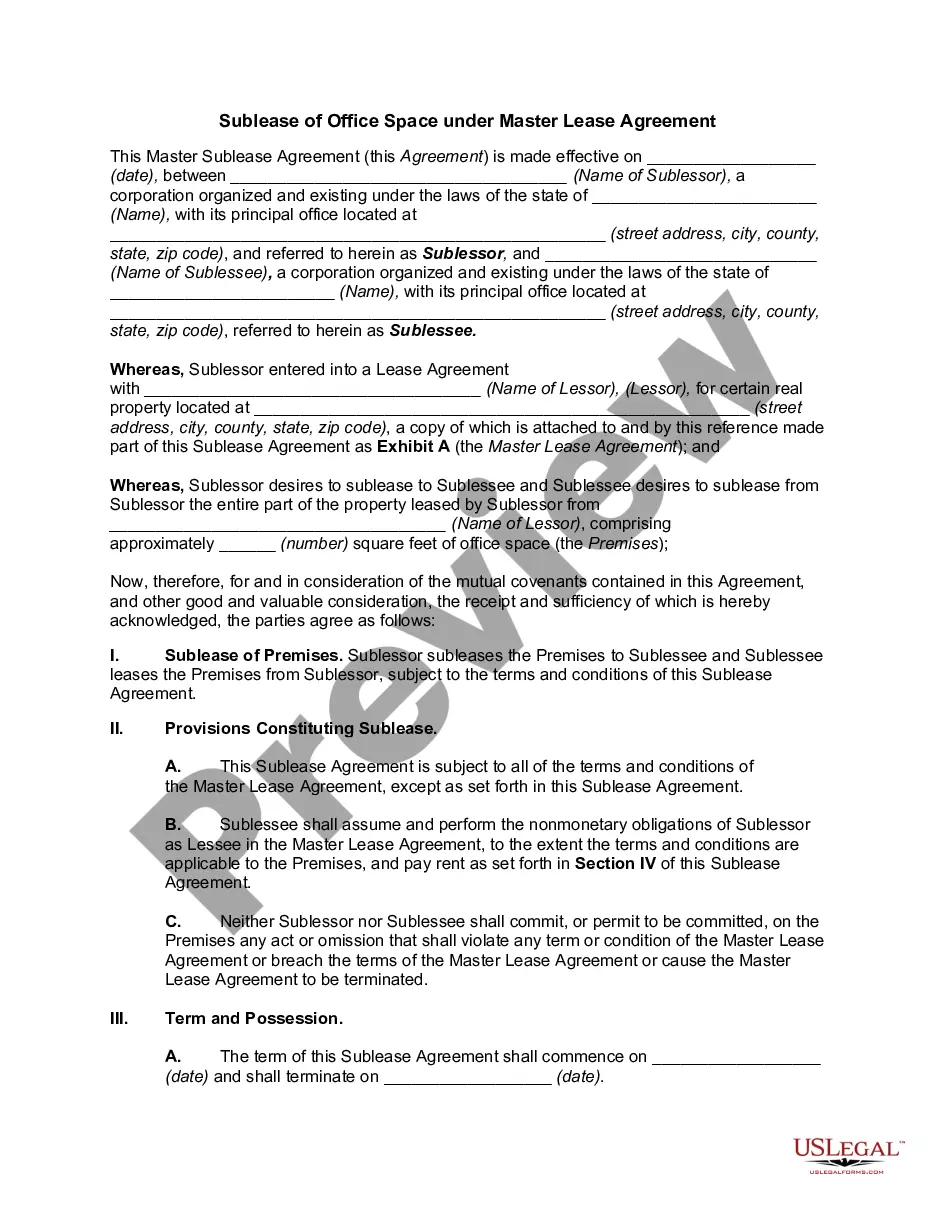
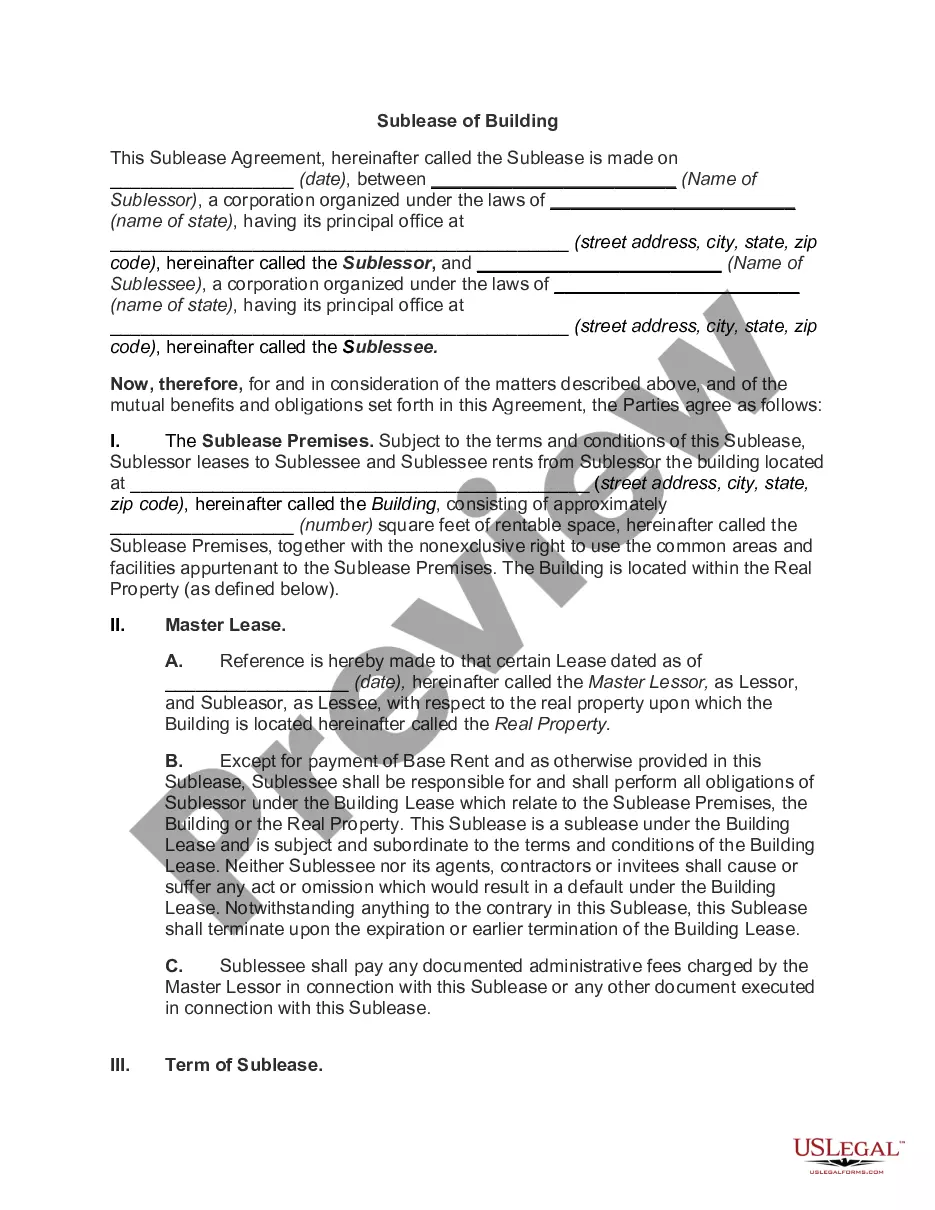
A sublease example involves a tenant renting out their apartment to another person while remaining responsible for the rent to the landlord. For instance, if you need to move temporarily, you can create a Hawaii Letter from Tenant to Landlord containing Request for permission to sublease, and then proceed to find a reliable subtenant who meets lease requirements.
An example of consent to a sublease is a written letter from your landlord explicitly stating their approval of your request. This document typically mentions the subtenant’s name and confirms that the terms of the original lease remain applicable. Make sure to keep this consent on file, as it serves as a legal safeguard.
To ask for permission to sublease, send a polite Hawaii Letter from Tenant to Landlord containing Request for permission to sublease. Explain your reasons for needing to sublet, and provide details about your prospective subtenant. This communication helps maintain a positive landlord-tenant relationship and increases the likelihood of approval.