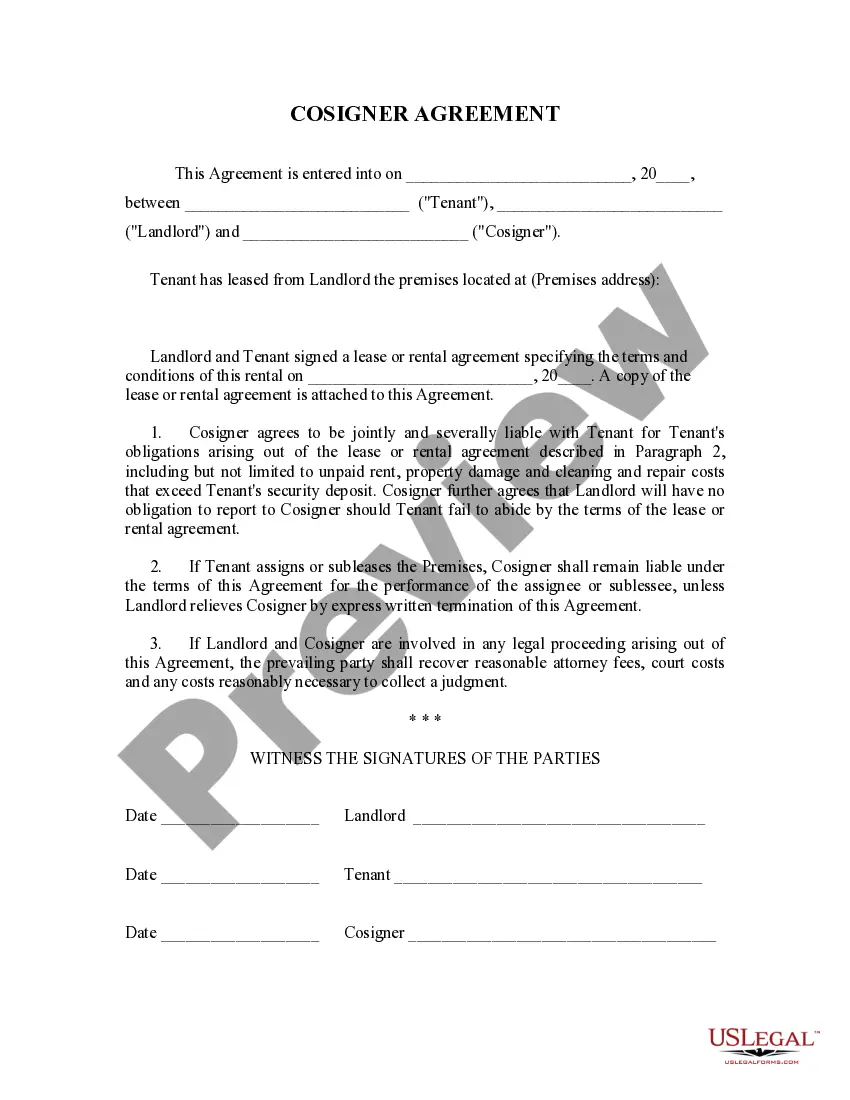
Georgia Landlord Tenant Lease Co-Signer Agreement
What is this form?
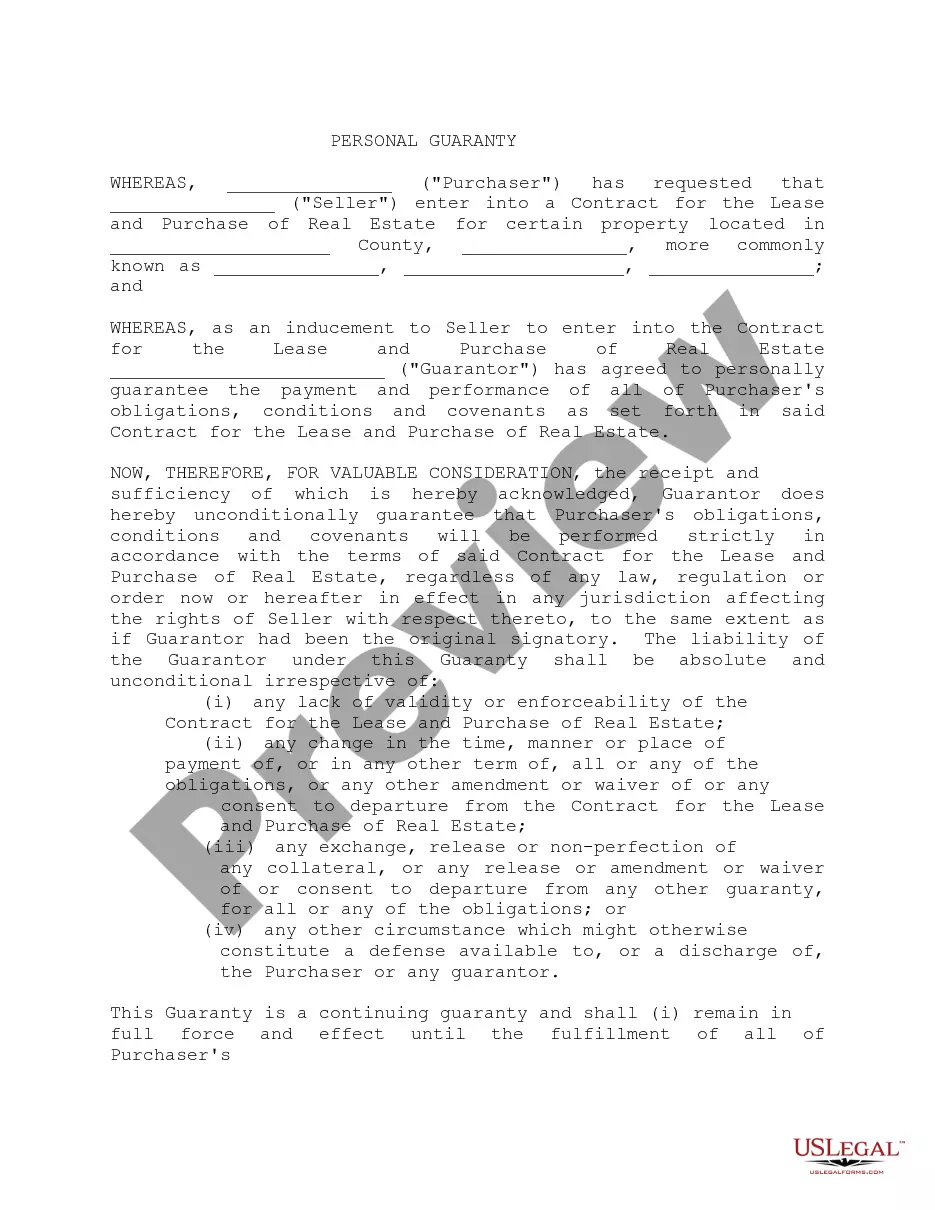
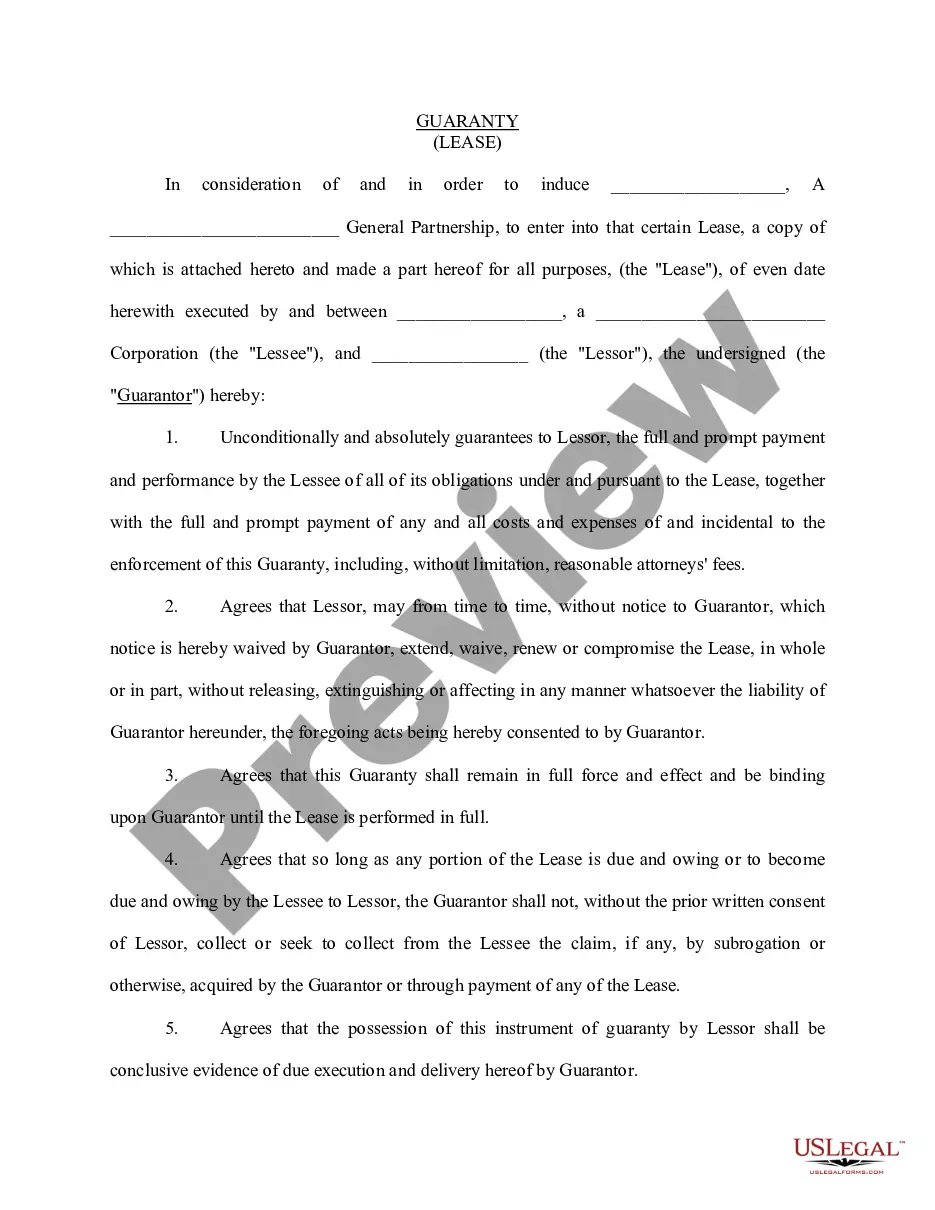
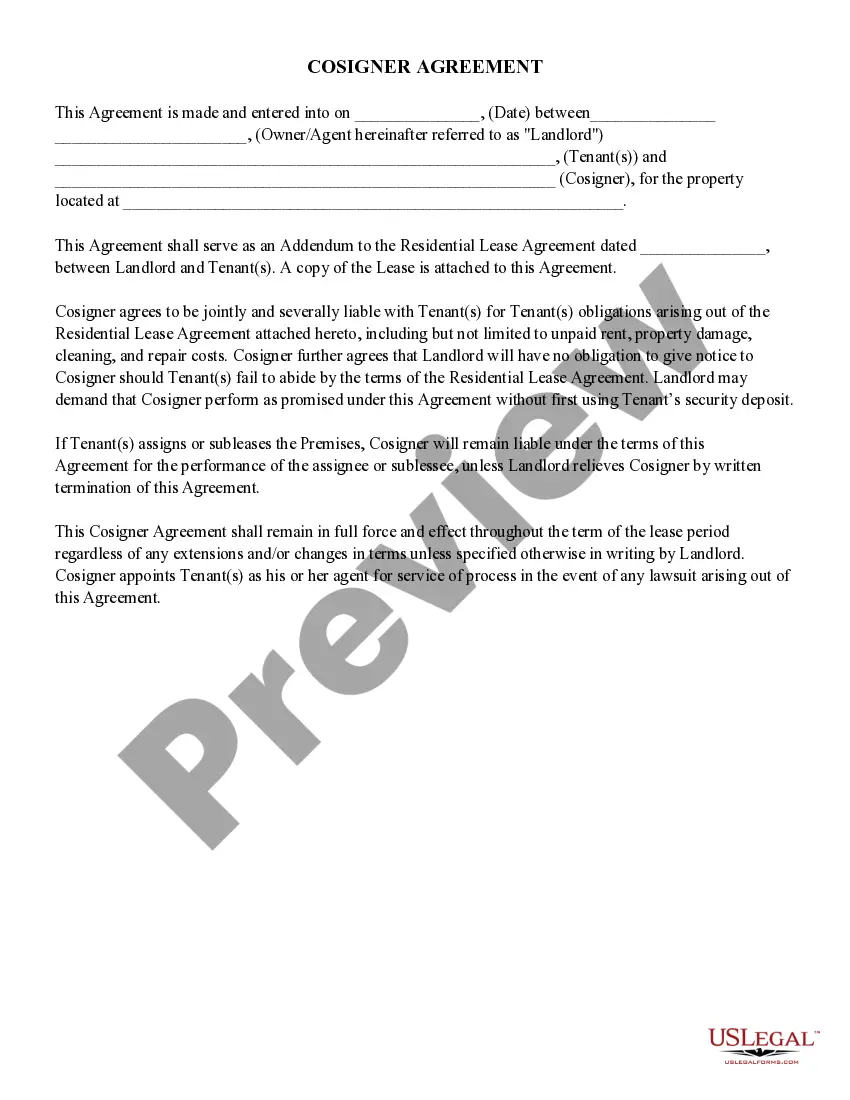
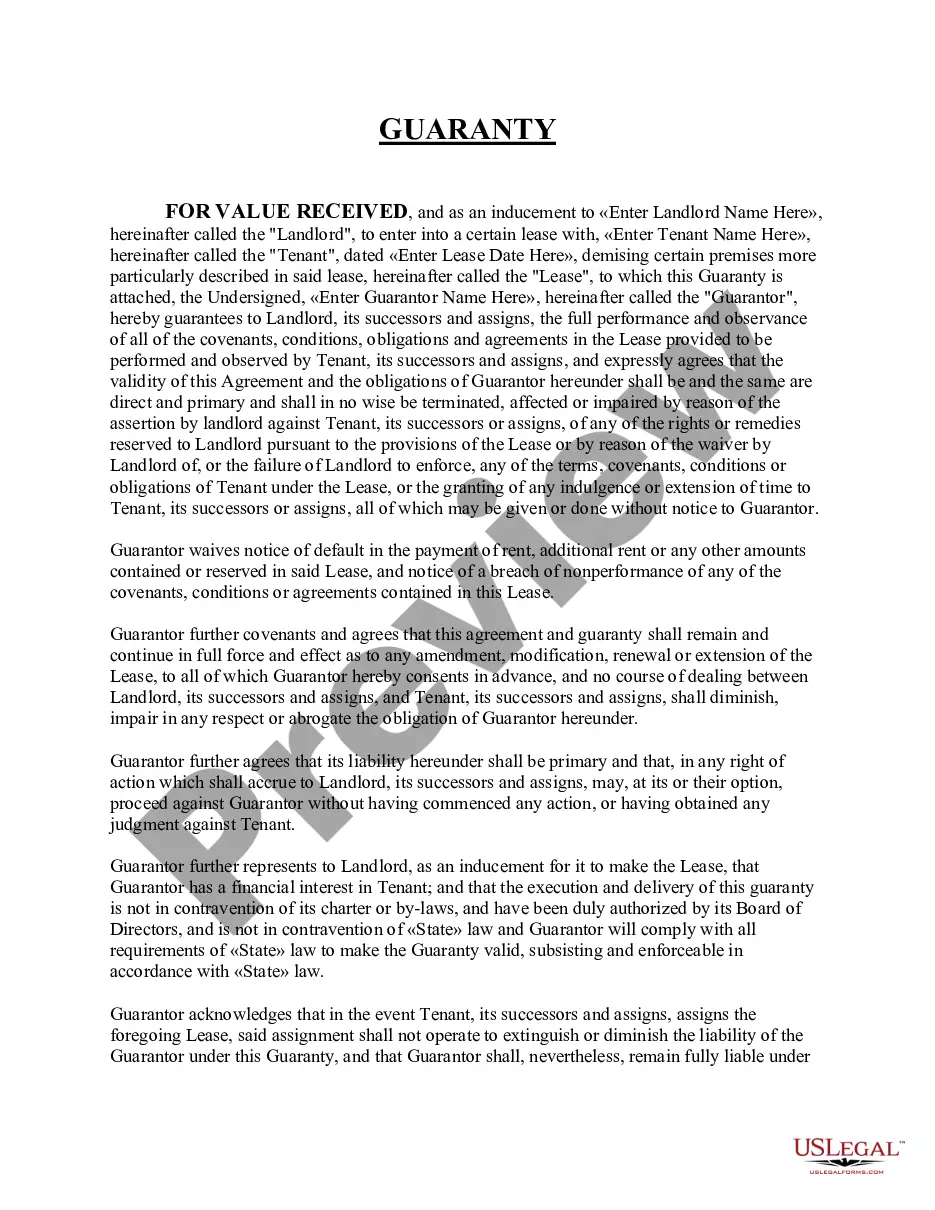
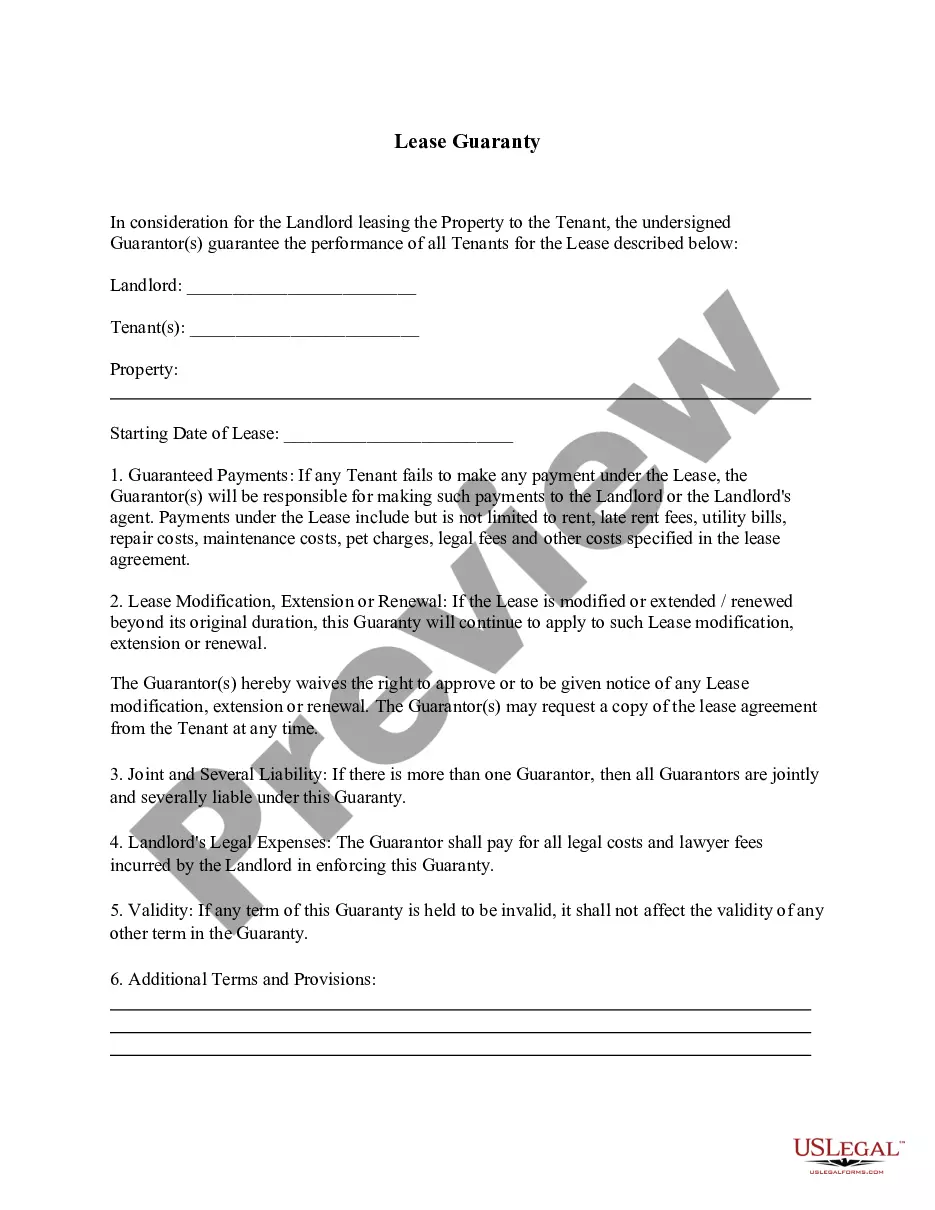
The Landlord Tenant Lease Co-Signer Agreement is a legal document used to establish a contractual relationship between a landlord, tenant, and co-signer (or guarantor). This agreement ensures that the co-signer is responsible for rent payments and any damages if the tenant fails to meet their obligations under the lease. This form is particularly useful in situations where the tenant may have limited credit history or income, providing extra security for the landlord.
What’s included in this form
- Identification of parties involved: Tenant, Landlord, and Co-signer.
- Details of the leased premises, including the property address.
- Conditions under which the co-signer remains liable, including assignments or subleases by the tenant.
- Provision for legal fees in case of disputes.
When to use this form
This form is commonly used when a landlord requires additional assurance for rent and damages from a tenant who may pose a higher risk of default, such as someone with poor credit or limited financial resources. It is particularly relevant in residential leases where the landlord seeks to minimize potential financial losses.
Who can use this document
- Landlords who want added security for their leases.
- Tenants who may need a co-signer due to inadequate credit history.
- Co-signers who agree to take responsibility if the tenant fails to meet lease obligations.
Completing this form step by step
- Identify and enter the names of the Tenant, Landlord, and Co-signer.
- Specify the address of the leased premises.
- Include the date the agreement is entered into.
- Ensure all parties review the terms and sign and date the agreement.
Does this form need to be notarized?
This form does not typically require notarization unless specified by local law.
Get your form ready online
Our built-in tools help you complete, sign, share, and store your documents in one place.
Make edits, fill in missing information, and update formatting in US Legal Forms—just like you would in MS Word.
Download a copy, print it, send it by email, or mail it via USPS—whatever works best for your next step.
Sign and collect signatures with our SignNow integration. Send to multiple recipients, set reminders, and more. Go Premium to unlock E-Sign.
If this form requires notarization, complete it online through a secure video call—no need to meet a notary in person or wait for an appointment.
We protect your documents and personal data by following strict security and privacy standards.

Make edits, fill in missing information, and update formatting in US Legal Forms—just like you would in MS Word.

Download a copy, print it, send it by email, or mail it via USPS—whatever works best for your next step.

Sign and collect signatures with our SignNow integration. Send to multiple recipients, set reminders, and more. Go Premium to unlock E-Sign.

If this form requires notarization, complete it online through a secure video call—no need to meet a notary in person or wait for an appointment.

We protect your documents and personal data by following strict security and privacy standards.
Mistakes to watch out for
- Not including all partiesâ signatures and dates.
- Failing to specify the leased premises correctly.
- Ignoring the legal ramifications of not fulfilling the agreement.
Benefits of using this form online
- Convenient access to a professionally drafted legal form.
- Edit and customize the document easily to fit your specific needs.
- Downloadable format allows for immediate use and printing.
Legal use & context
- This agreement legally binds the co-signer to ensure payment if the tenant defaults.
- It is enforceable in court, providing landlords with a means to recover owed rent.
Key takeaways
- The Landlord Tenant Lease Co-Signer Agreement protects landlords financially.
- Cosigners should fully understand their responsibilities before signing.
- Completion of all required fields and signatures is crucial for legality.
Looking for another form?

Form popularity
FAQ
To add someone to an existing lease, you should first check your lease terms about modifications. Generally, you will need the landlord's consent, and they may request a new Georgia Landlord Tenant Lease Co-Signer Agreement to reflect the change. It's best to prepare any necessary documentation, like proof of income or background checks, to facilitate the process. Open communication with your landlord is crucial to ensure a seamless transition.
Some landlords may hesitate to allow cosigners due to concerns about payment reliability. They prefer to rent to tenants who can independently fulfill their lease obligations without additional assistance. However, understanding the Georgia Landlord Tenant Lease Co-Signer Agreement can help clarify the protections for both parties. In some cases, providing a strong justification for a cosigner can help convince landlords to permit one.
Finding a cosigner for a lease can be straightforward. Start by reaching out to family members or close friends who may be willing to help. Be transparent about your rental situation and the responsibilities involved in a Georgia Landlord Tenant Lease Co-Signer Agreement. You can also explore options like credit unions or community organizations that may assist you in locating a reliable cosigner.
Adding a cosigner to a rental lease generally involves reviewing your lease agreement with your landlord. You will likely need to complete a Georgia Landlord Tenant Lease Co-Signer Agreement, which may require credit checks or income verification. Communicating openly with your landlord can help simplify the process. With the right documentation, you can smoothly incorporate the cosigner into the lease.
To add a co-signer to a rental lease, you need to discuss this with your landlord first. They may have specific requirements or documents for the Georgia Landlord Tenant Lease Co-Signer Agreement. Ensure that the co-signer understands their responsibilities, as they will share liability for rent payments and any potential damages. Once agreed upon, you can typically draft an amendment to include the co-signer in your lease.
To include a cosigner in a Georgia Landlord Tenant Lease Co-Signer Agreement, you should first ensure the lease document has a designated section for cosigners. Clearly outline the cosigner's responsibilities, such as financial guarantees. After completing the paperwork, have all parties sign the agreement. Using a platform like USLegalForms can simplify this process and provide reliable templates to ensure everything is legally sound.
Yes, co-applicants are generally regarded as tenants within a Georgia Landlord Tenant Lease Co-Signer Agreement. They share equal rights and obligations concerning the lease. It is important to note that their involvement signifies a commitment to uphold the terms of the agreement. This distinction fosters better communication and understanding among all parties.
A guarantor in a Georgia Landlord Tenant Lease Co-Signer Agreement is similarly not classified as a tenant. Their main responsibility lies in ensuring the lease is fulfilled financially. This means a guarantor can be held accountable for payments but does not possess any tenant rights. Knowing this can clarify responsibilities for both landlords and borrowers.
In the context of a Georgia Landlord Tenant Lease Co-Signer Agreement, cosigners are not typically considered tenants. Their primary role is to back the lease financially. While they may share responsibility for rent payments, they do not have the same rights as tenants unless specified in the agreement. Understanding this distinction can help all parties involved.
Many landlords accept guarantors, recognizing their value in enhancing rental security. While some landlords may have preferences, a well-structured Georgia Landlord Tenant Lease Co-Signer Agreement can ease any worries they have. It's important to communicate openly about this arrangement to foster trust and understanding between you and your landlord.