Georgia Letter from Tenant to Landlord containing Notice that heater is broken, unsafe or inadequate and demand for immediate remedy
What this document covers
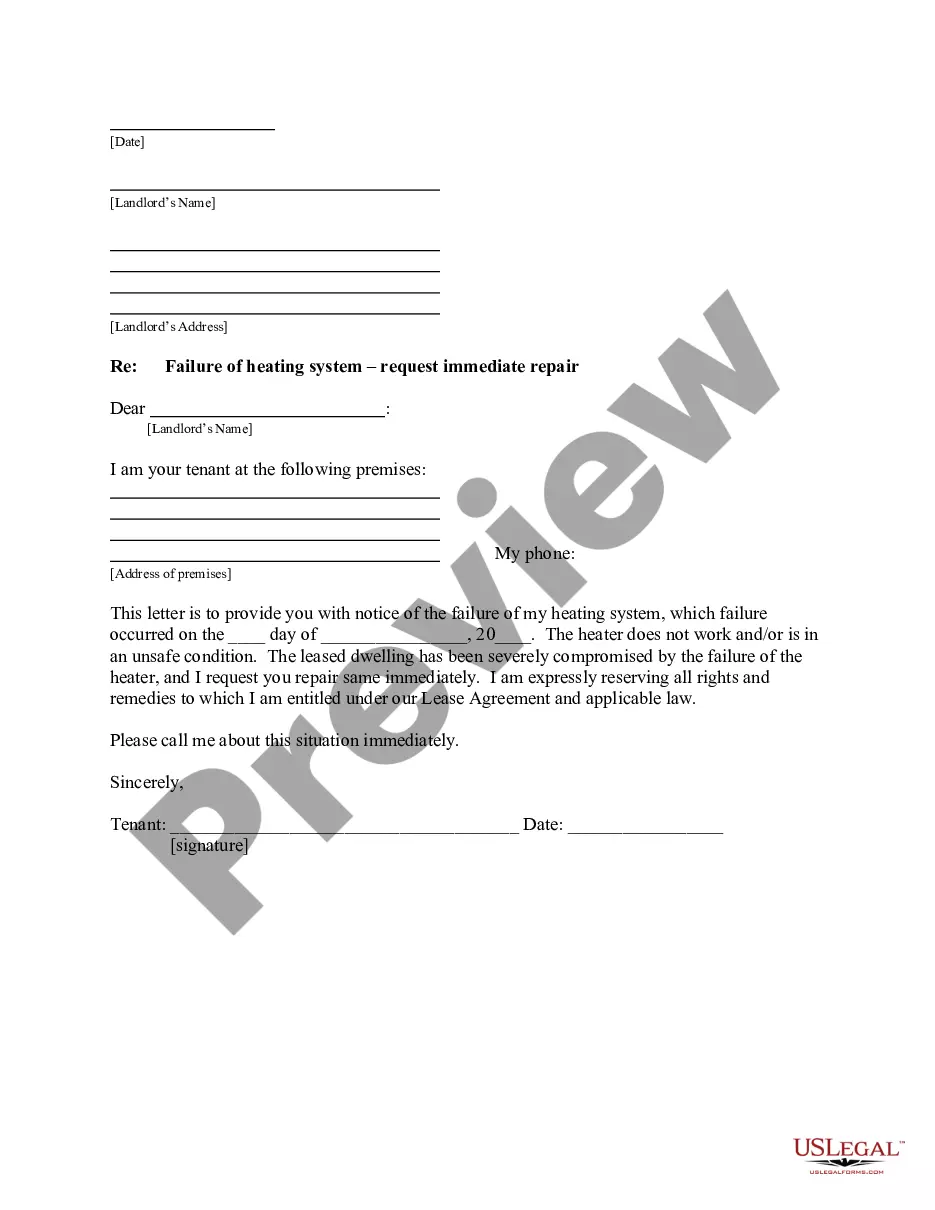
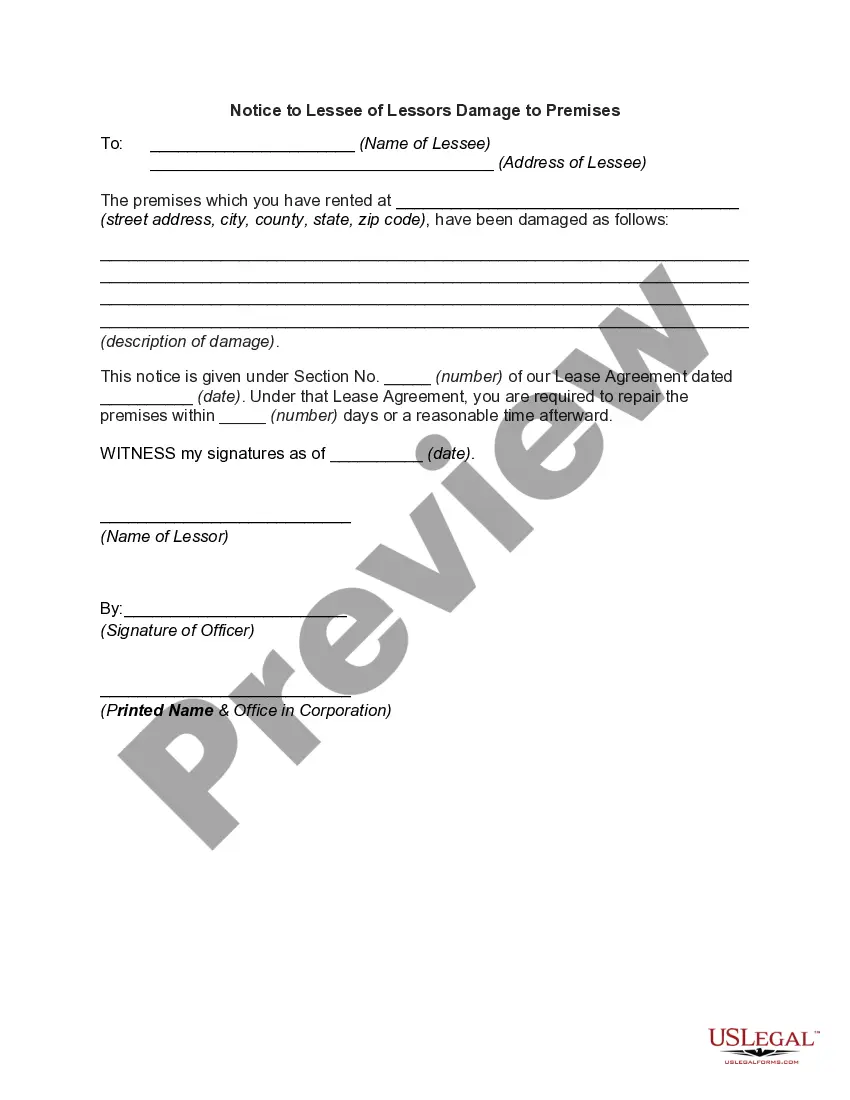
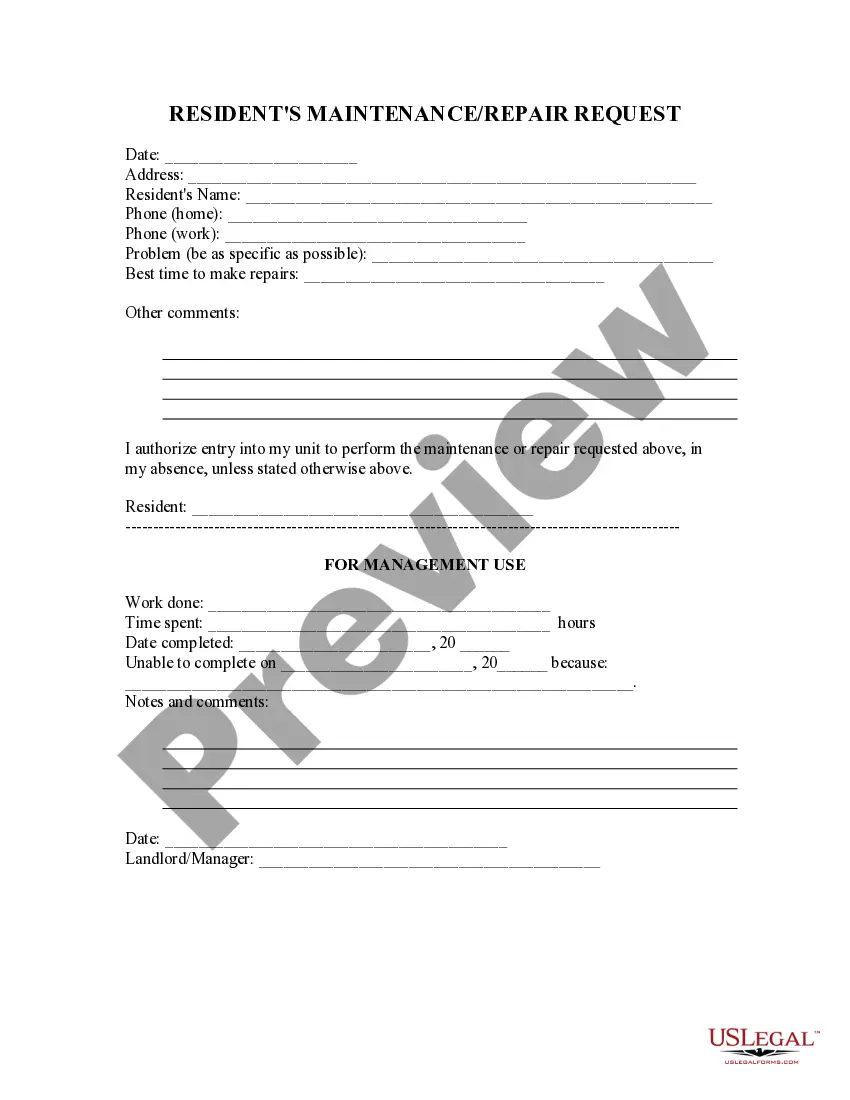
This form is a Letter from Tenant to Landlord that notifies the landlord about a broken, unsafe, or inadequate heating system. It serves to inform the landlord of their legal obligation to maintain the property in a liveable condition and demands prompt repairs. This form is crucial for tenants who need to address heating issues effectively and ensures that the landlord is aware of their responsibilities under the lease agreement.
Key components of this form
- Tenant's contact information
- Landlord's contact information
- Details of the heating issue
- A demand for immediate repair
- Request for a call back regarding the situation
- Date and tenant's signature


When to use this form
This form should be used when a tenant experiences problems with the heating system in their rental unit. Situations that may warrant using this form include a complete heating failure, inadequate heating during cold weather, or any unsafe conditions related to the heating system. Promptly notifying the landlord can help facilitate necessary repairs and potentially avoid further issues.
Who this form is for
Eligible users of this form include:
- Tenants residing in rental properties with heating issues
- Individuals who have a lease agreement that requires the landlord to maintain heating systems
- Persons seeking to document their communication for legal purposes regarding rental conditions
How to complete this form
- Identify the parties involved by filling in the tenant's and landlord's contact information.
- Describe the heating issue clearly and concisely.
- State your demand for immediate repairs and indicate the urgency of the situation.
- Provide a request for the landlord to contact you about the issue.
- Add the date and include your signature at the bottom of the form.
Notarization guidance
This form does not typically require notarization unless specified by local law.
Get your form ready online
Our built-in tools help you complete, sign, share, and store your documents in one place.
Make edits, fill in missing information, and update formatting in US Legal Forms—just like you would in MS Word.
Download a copy, print it, send it by email, or mail it via USPS—whatever works best for your next step.
Sign and collect signatures with our SignNow integration. Send to multiple recipients, set reminders, and more. Go Premium to unlock E-Sign.
If this form requires notarization, complete it online through a secure video call—no need to meet a notary in person or wait for an appointment.
We protect your documents and personal data by following strict security and privacy standards.

Make edits, fill in missing information, and update formatting in US Legal Forms—just like you would in MS Word.

Download a copy, print it, send it by email, or mail it via USPS—whatever works best for your next step.

Sign and collect signatures with our SignNow integration. Send to multiple recipients, set reminders, and more. Go Premium to unlock E-Sign.

If this form requires notarization, complete it online through a secure video call—no need to meet a notary in person or wait for an appointment.

We protect your documents and personal data by following strict security and privacy standards.
Avoid these common issues
- Failing to provide clear details about the heating issue.
- Not including both the tenant's and landlord's correct contact information.
- Omitting the date or signature, which can render the notice ineffective.
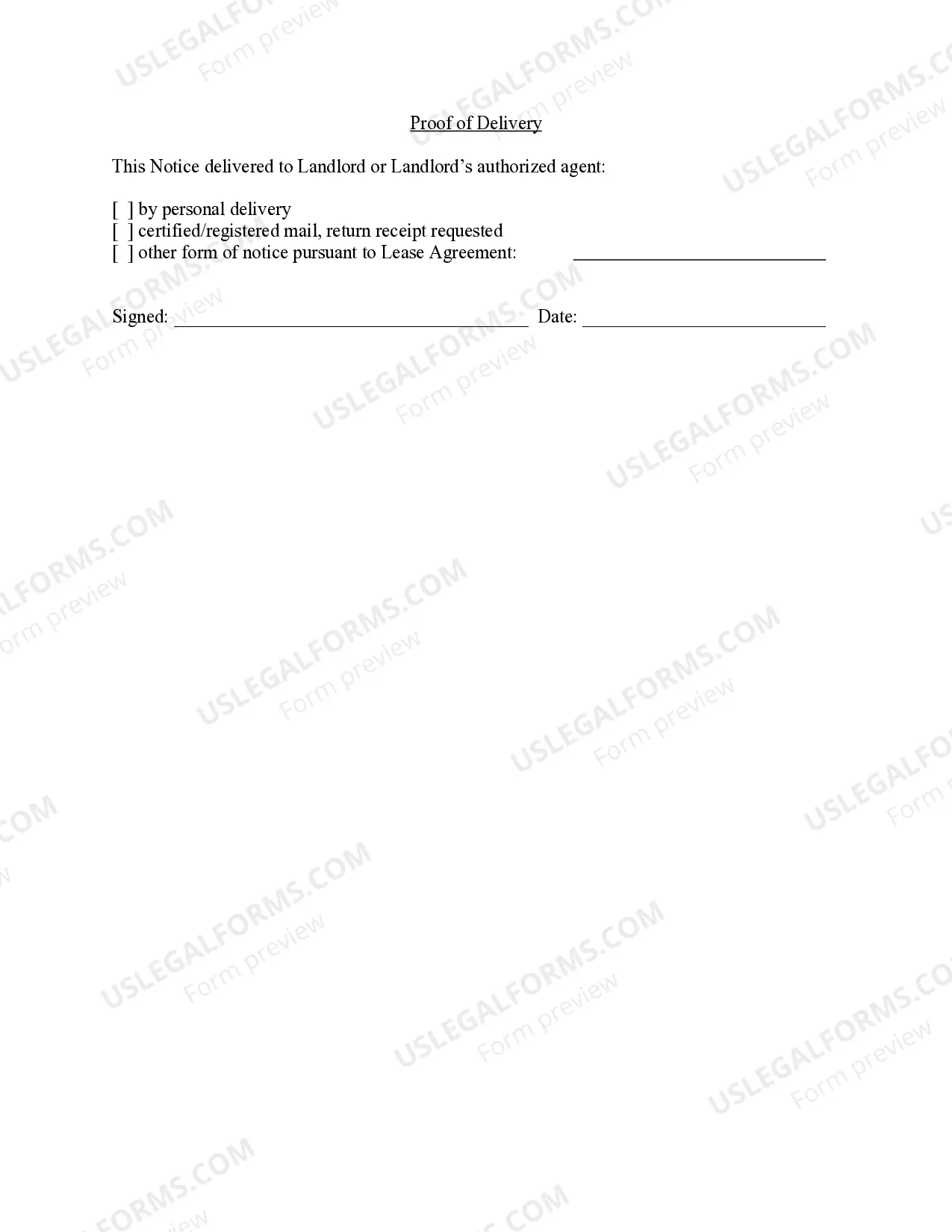
- Not sending the notice through a trackable method like certified mail.
Why use this form online
- Convenient access and instant download.
- Editability allows you to customize the details to your situation.
- Reliability as the form is drafted by licensed attorneys, ensuring legal compliance.
Legal use & context
- This form serves as a documented notice to the landlord, which may be used in legal proceedings if necessary.
- It emphasizes the landlord's duty to maintain a habitable environment, reinforcing tenant rights.
- Using this form may help establish a timeline of issues and communications regarding property maintenance.
Summary of main points
- Use this form to formally notify your landlord of a heating issue.
- Clearly state the problem and demand immediate repairs.
- Ensure all information is accurate and complete for effective communication.
Looking for another form?





Form popularity
FAQ
This form is a Letter From Tenant to Landlord that notifies the landlord about a broken, unsafe, or inadequate heating system and demands immediate repair, reflecting the landlord's obligation to keep the property livable. It documents the issue, includes both parties’ contact information, details of the problem, a call for prompt remedy, and space for date and signature.
The Georgia Letter From Tenant To Landlord provides a structured notice that clearly describes the heating issue, lists the tenant and landlord contact information, details the problem, demands immediate repair, requests a callback, and records the date and tenant’s signature, giving a formal, enforceable tone.
This form is designed for heating problems and demands immediate remedy; it does not specify a legal deadline, but it signals urgency to prompt action and ensures the landlord addresses the heating issue promptly. By sending this notice, the tenant creates a formal record showing concern about safety and habitability.
This form frames livable conditions around the heating system; a broken, unsafe, or inadequate heater supports the landlord’s duty to maintain a livable property. By notifying the landlord and demanding immediate repair, the tenant seeks to remedy conditions that could render the unit uninhabitable.
This form focuses on heating issues and the landlord’s duty to repair; it does not address mold directly. For concerns about mold, a separate form or guidance may be needed, while this letter documents a heating problem and requests timely remediation.
It is heater-specific, demands immediate remedy, and includes a callback request, along with structured fields for both parties’ contact information, the issue description, date, and signature. The emphasis on urgent heating repair distinguishes it from a generic repair notice aimed at broader maintenance concerns.