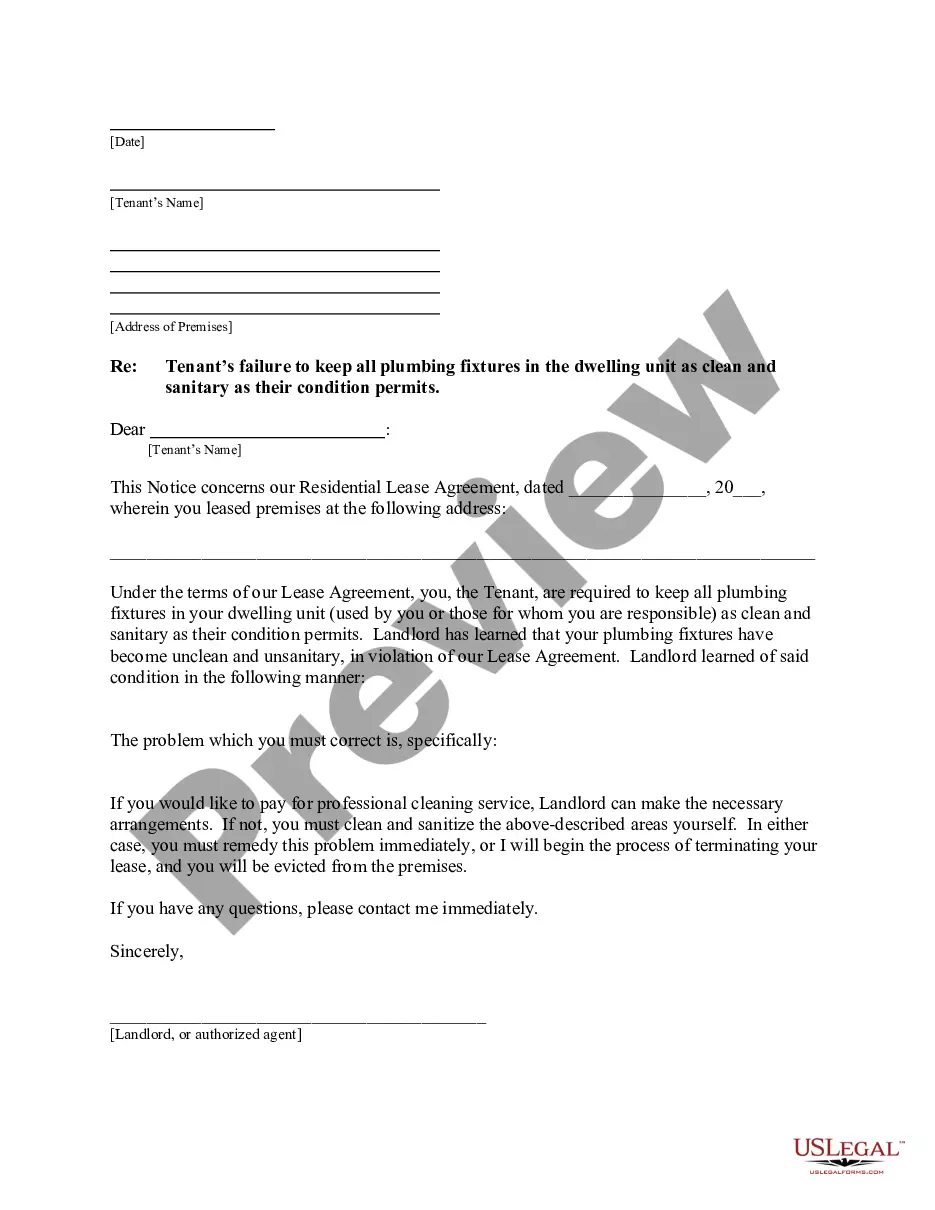
Wyoming Protecting Deceased Persons from Identity Theft
Understanding this form package
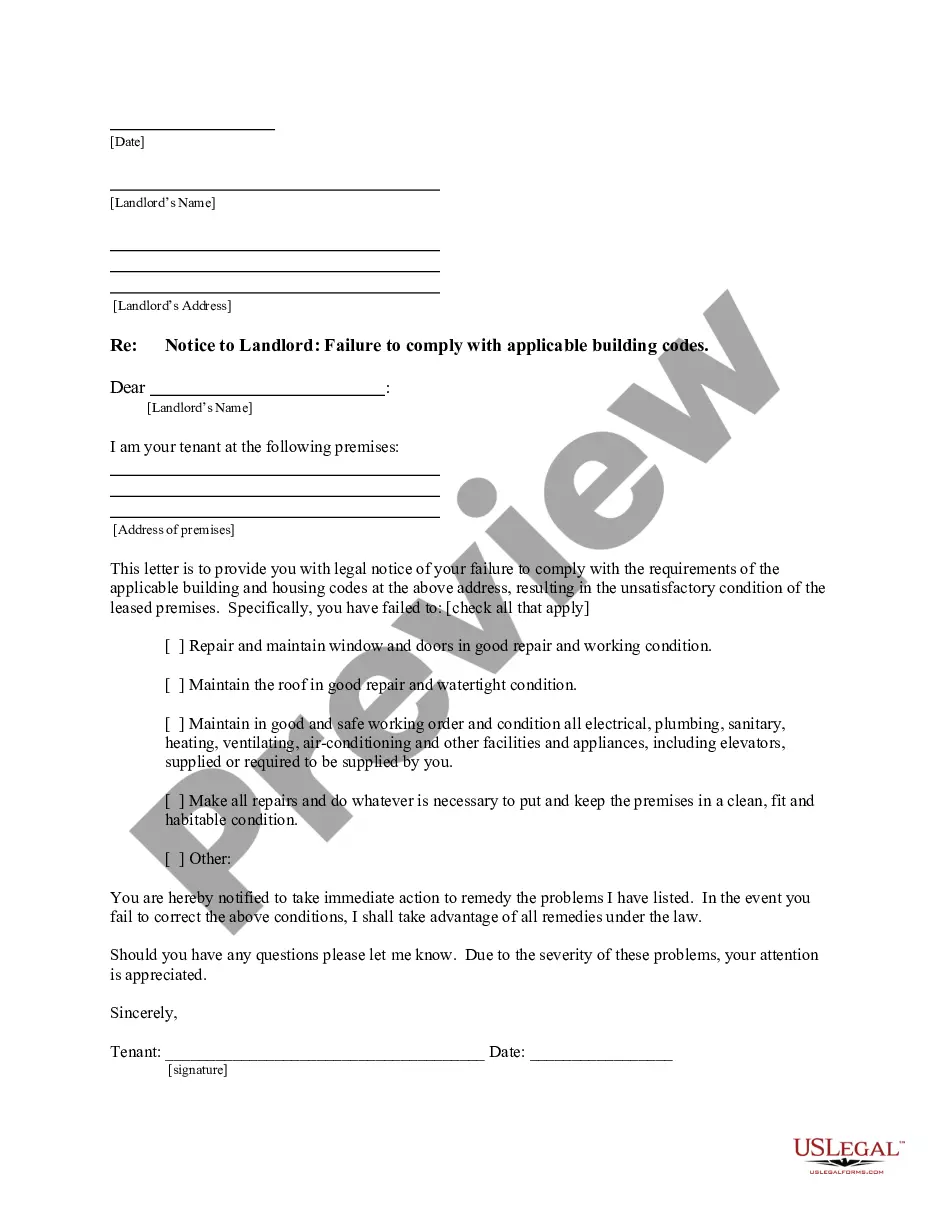
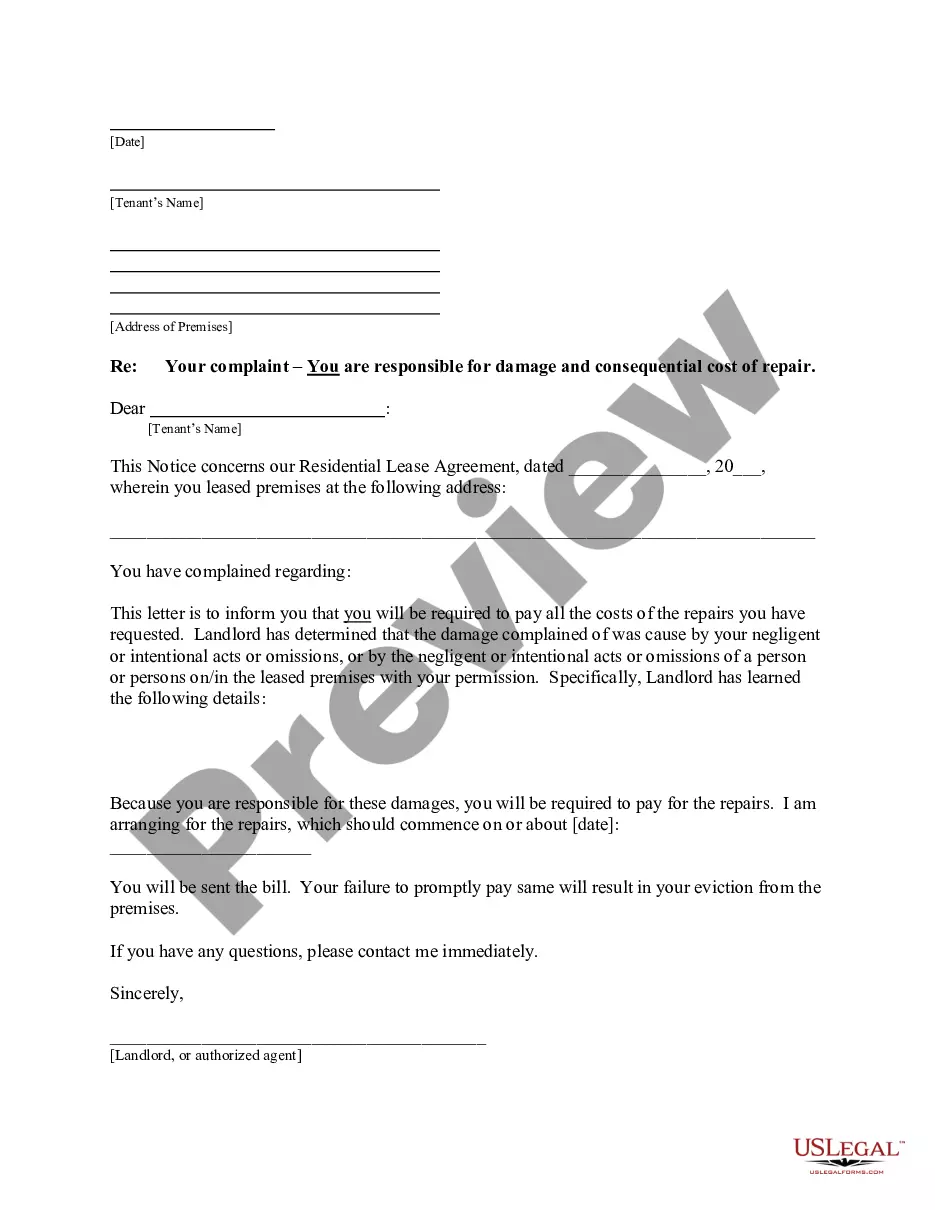
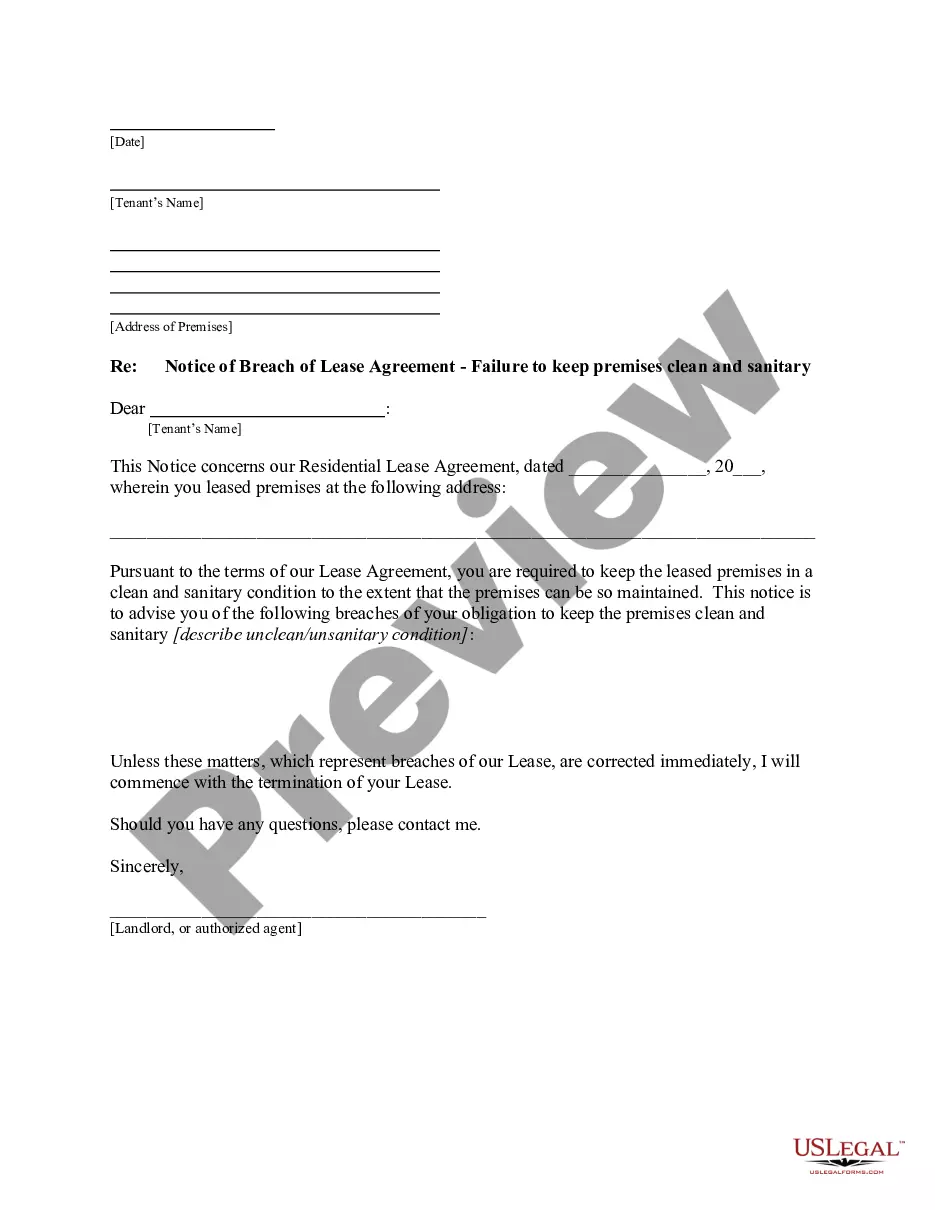
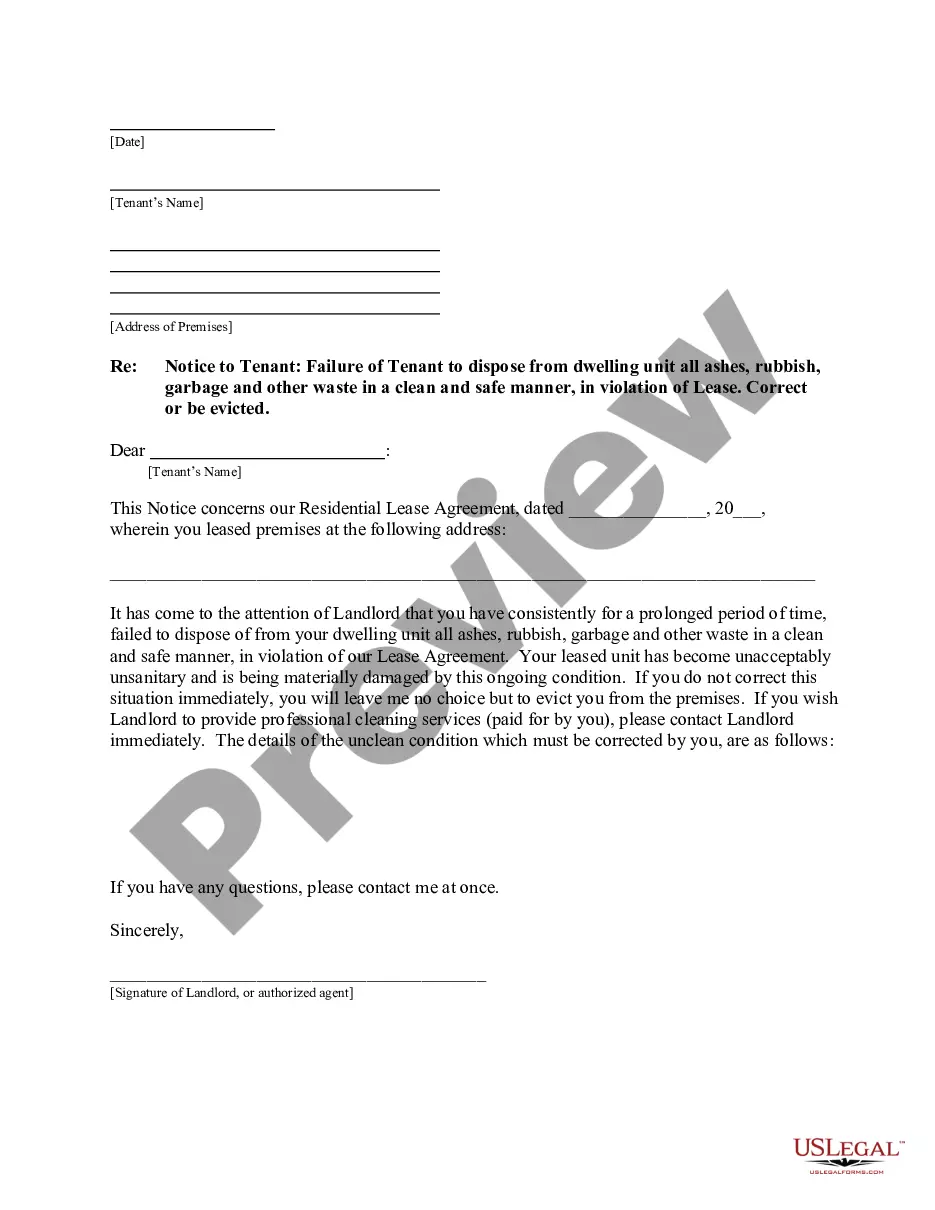
The Wyoming Protecting Deceased Persons from Identity Theft form package provides comprehensive documentation designed to mitigate the risks associated with identity theft for individuals who have passed away. This package contains essential forms that assist in notifying creditors, government agencies, and other relevant entities about the death, as well as managing any identity theft incidents. It is tailored specifically for the state of Wyoming, ensuring that users have the appropriate resources needed for this situation.
What’s included in this form package
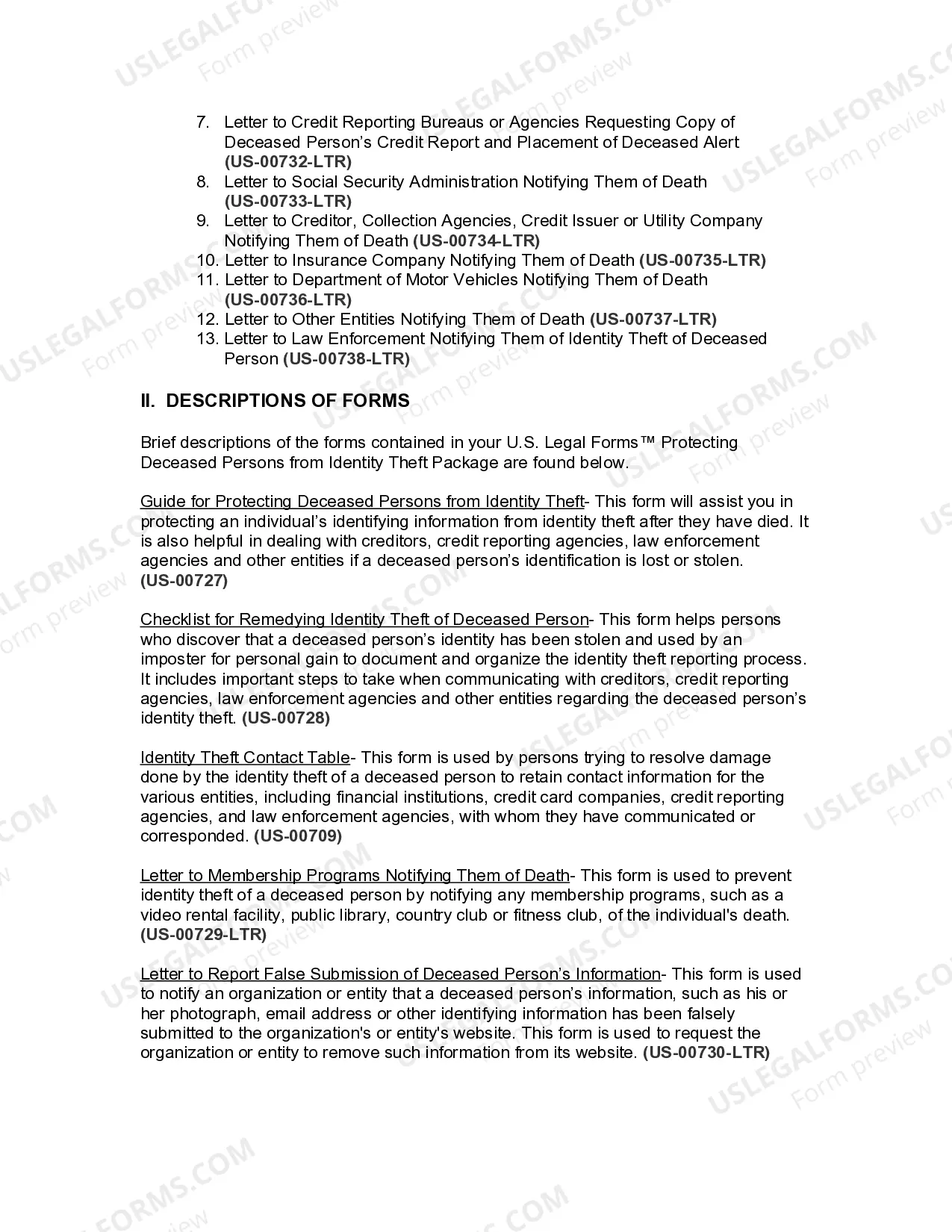
- Identity Theft Contact Table
- Guide for Protecting Deceased Persons from Identity Theft
- Checklist for Remedying Identity Theft of Deceased Persons
- Letter to Membership Programs Notifying Them of Death
- Letter to Report False Submission of Deceased Person's Information
- Letter to Credit Card Companies and Financial Institutions Notifying Them of Death
- Letter to Credit Reporting Bureaus or Agencies Requesting Copy of Deceased Person's Credit Report and Placement of Deceased Alert
- Letter to Social Security Administration Notifying Them of Death
- Letter to Creditor, Collection Agencies, Credit Issuer or Utility Company Notifying Them of Death
- Letter to Insurance Company Notifying Them of Death
- Letter to Department of Motor Vehicles Notifying Them of Death
- Letter to Other Entities Notifying Them of Death
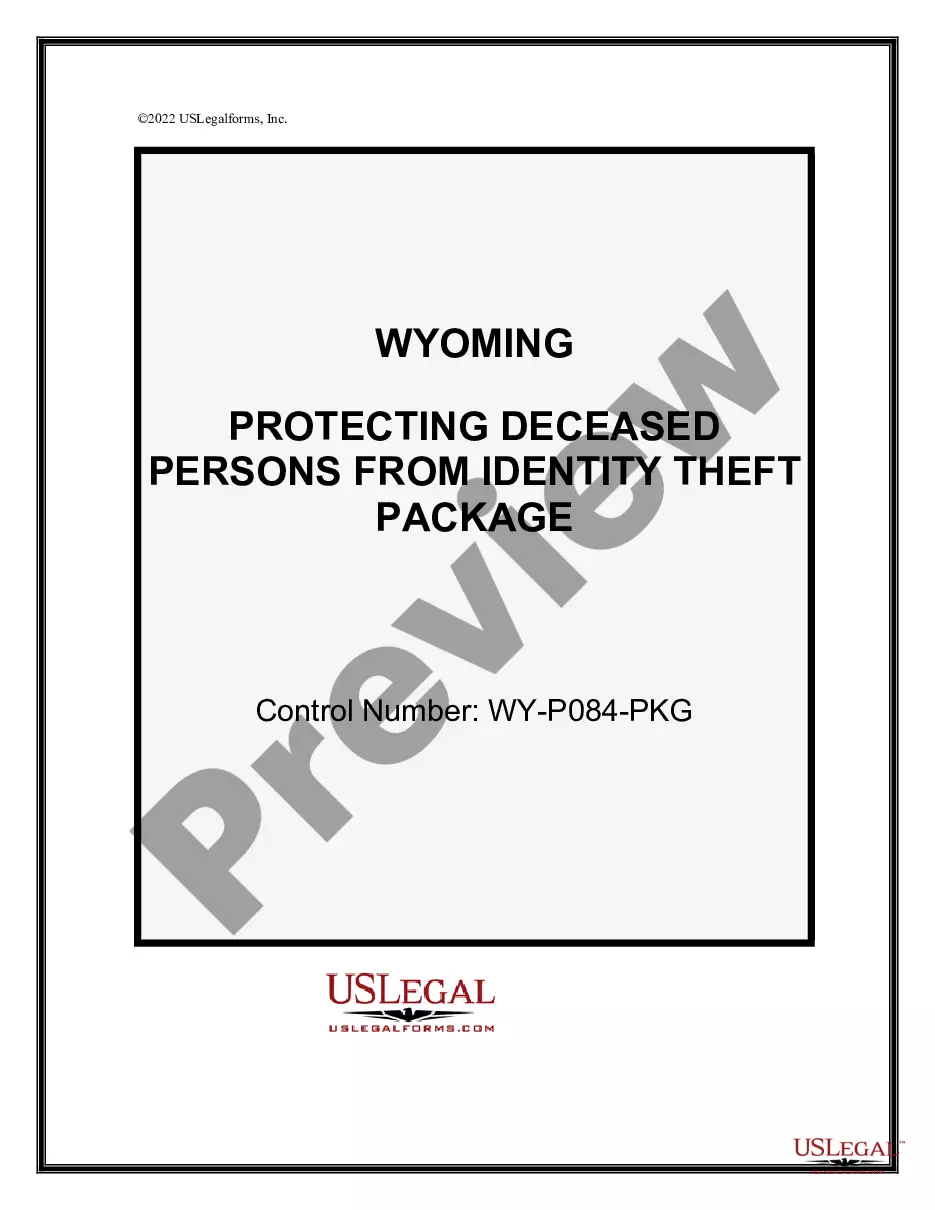
- Letter to Law Enforcement Notifying Them of Identity Theft of Deceased Person
When this form package is needed
This form package should be utilized in various scenarios, including:
- When a loved one has passed away and there are concerns about identity theft.
- If a deceased person's personal information is believed to have been compromised or misused.
- When it is necessary to report a death to creditors and financial institutions.
- If unauthorized transactions or accounts are discovered in the name of the deceased.
Who should use this form package
- Family members or executors of the estate of a deceased individual.
- Individuals responsible for managing the financial affairs of a deceased person.
- Anyone needing to notify creditors and agencies about a death or potential identity theft.
How to prepare this document
- Review all included forms carefully to understand the purpose of each document.
- Gather necessary information such as the deceased's identification details and relevant account information.
- Complete each form as instructed, ensuring accuracy and clarity.
- Send the completed forms to the appropriate entities, keeping records of all correspondence.
- Monitor any subsequent communications from creditors or agencies regarding the deceased's identity.
Do forms in this package need to be notarized?
Forms in this package typically do not require notarization. However, certain states or document types may still need it. US Legal Forms provides online notarization powered by Notarize, available 24/7 for your convenience.
Get your form ready online
Our built-in tools help you complete, sign, share, and store your documents in one place.
Make edits, fill in missing information, and update formatting in US Legal Forms—just like you would in MS Word.
Download a copy, print it, send it by email, or mail it via USPS—whatever works best for your next step.
Sign and collect signatures with our SignNow integration. Send to multiple recipients, set reminders, and more. Go Premium to unlock E-Sign.
If this form requires notarization, complete it online through a secure video call—no need to meet a notary in person or wait for an appointment.
We protect your documents and personal data by following strict security and privacy standards.

Make edits, fill in missing information, and update formatting in US Legal Forms—just like you would in MS Word.

Download a copy, print it, send it by email, or mail it via USPS—whatever works best for your next step.

Sign and collect signatures with our SignNow integration. Send to multiple recipients, set reminders, and more. Go Premium to unlock E-Sign.

If this form requires notarization, complete it online through a secure video call—no need to meet a notary in person or wait for an appointment.

We protect your documents and personal data by following strict security and privacy standards.
Mistakes to watch out for
- Failing to notify all relevant creditors and agencies, which can lead to ongoing identity theft issues.
- Not keeping copies of sent forms and communications for record-keeping purposes.
- Overlooking specific requirements for notifications in Wyoming, leading to ineffective requests.
Advantages of online completion
- Convenience of downloading and completing forms at your own pace.
- Editability allows for tailored information specific to your circumstances.
- Reliable forms drafted by licensed attorneys, ensuring legal compliance.
Looking for another form?


Form popularity
FAQ
Wyoming has a simplified probate process for small estates. To use it, an executor files a written request with the local probate court asking to use the simplified procedure. The court may authorize the executor to distribute the assets without having to jump through the hoops of regular probate.
Generally, the deceased person's estate is responsible for paying any unpaid debts. The estate's finances are handled by the personal representative, executor, or administrator. That person pays any debts from the money in the estate, not from their own money.
The probate process can take up a large part of a year, although Wyoming law requires that probate be completed within one year of the PR's appointment unless there is good cause for delay.
Dying Without a Will in WyomingIf you die without a valid will, you'll lose control over what happens to your assets after your death.If there isn't a will, the heirs by law must agree and appoint someone to serve as the executor of the probate estate. The person appointed must consent to the role.
Register the death. Find out if there's a will. Apply for a grant of probate and sort inheritance tax. Complete a probate application form. Complete an inheritance tax form. Send your application form. Tell all organisations and close accounts. Pay off any debts.
An executor can be held personally liable for the debts of the estate up to the value of the estate. If they distribute the estate and leave a creditor outstanding, that creditor may bring a claim against the executors. This is the case even where the executor had no idea the debt even existed.
If you are named in someone's will as an executor, you may have to apply for probate. This is a legal document which gives you the authority to share out the estate of the person who has died according to the instructions in the will. You do not always need probate to be able to deal with the estate.
An executor will not be held personally responsible for paying off a deceased credit card debt or other debt. However, an executor can be held responsible for mistakes made while settling an estate.Any assets must first be used to pay creditors for outstanding debt, with the order determined by state law.
Applying for probate in New South Wales All applications must be filed at the Supreme Court of New South Wales Registry, either in person or by post. The application must be accompanied by supporting documents including the will and death certificate, as well as an application fee.