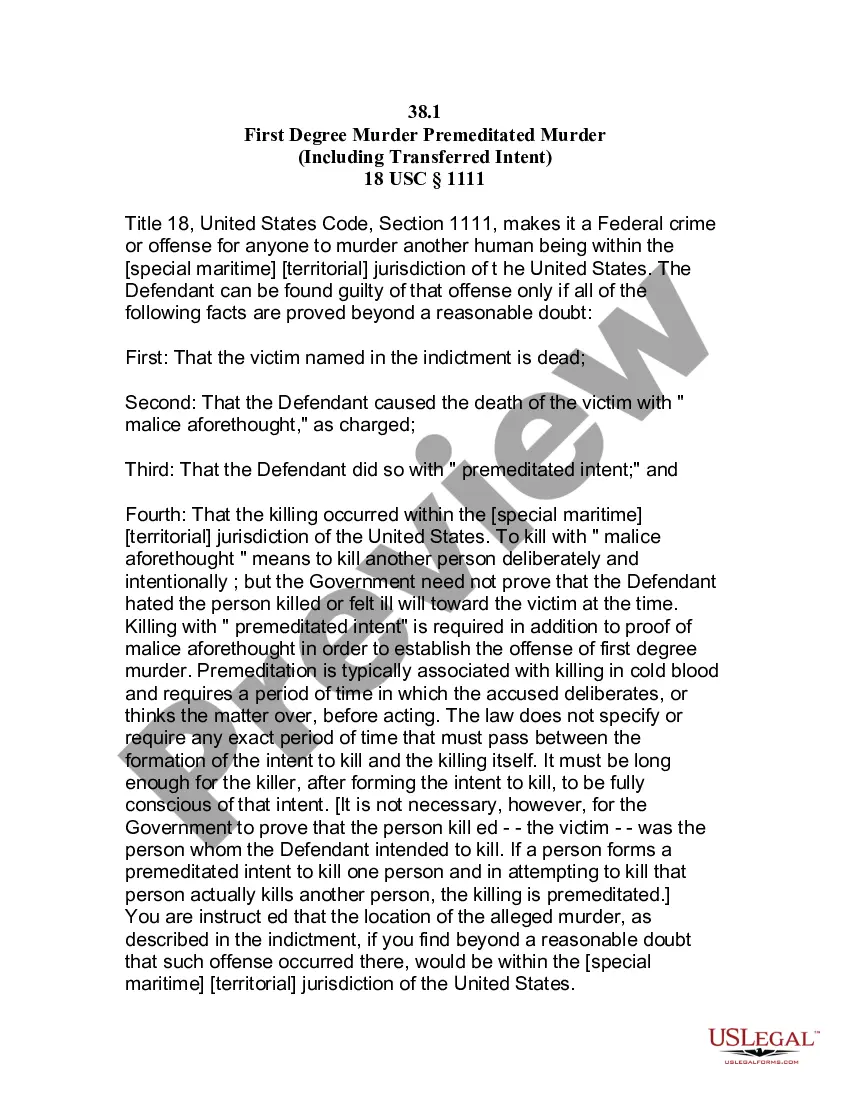
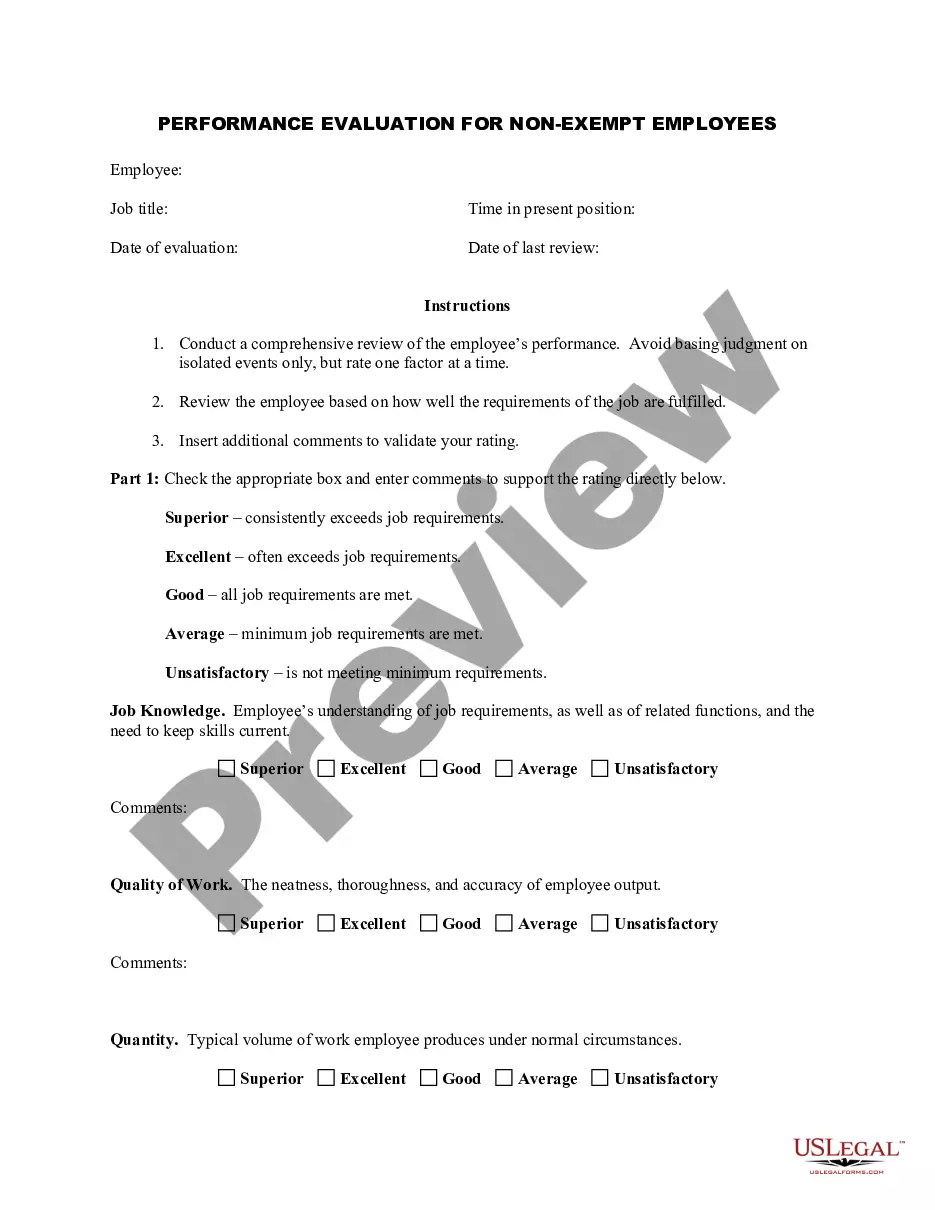
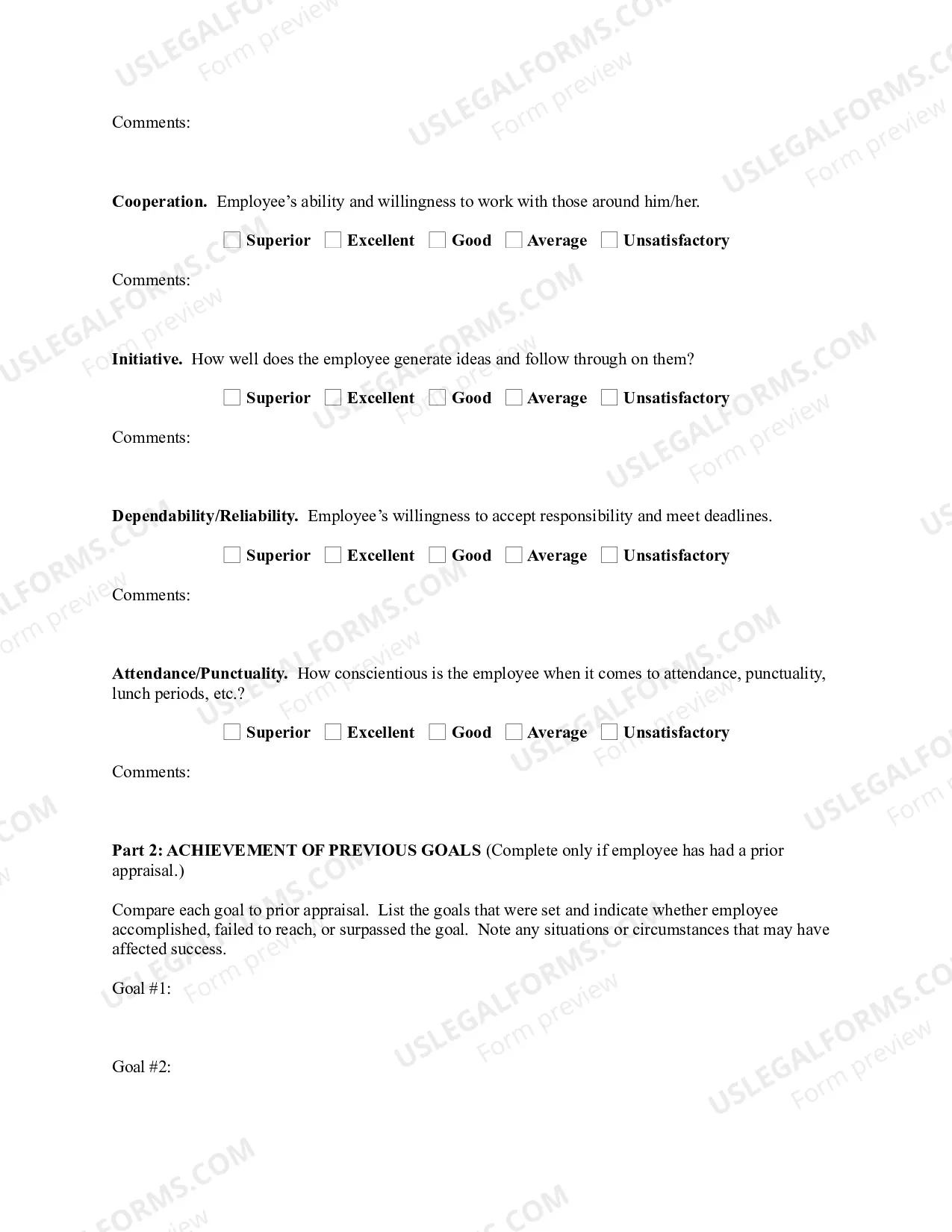
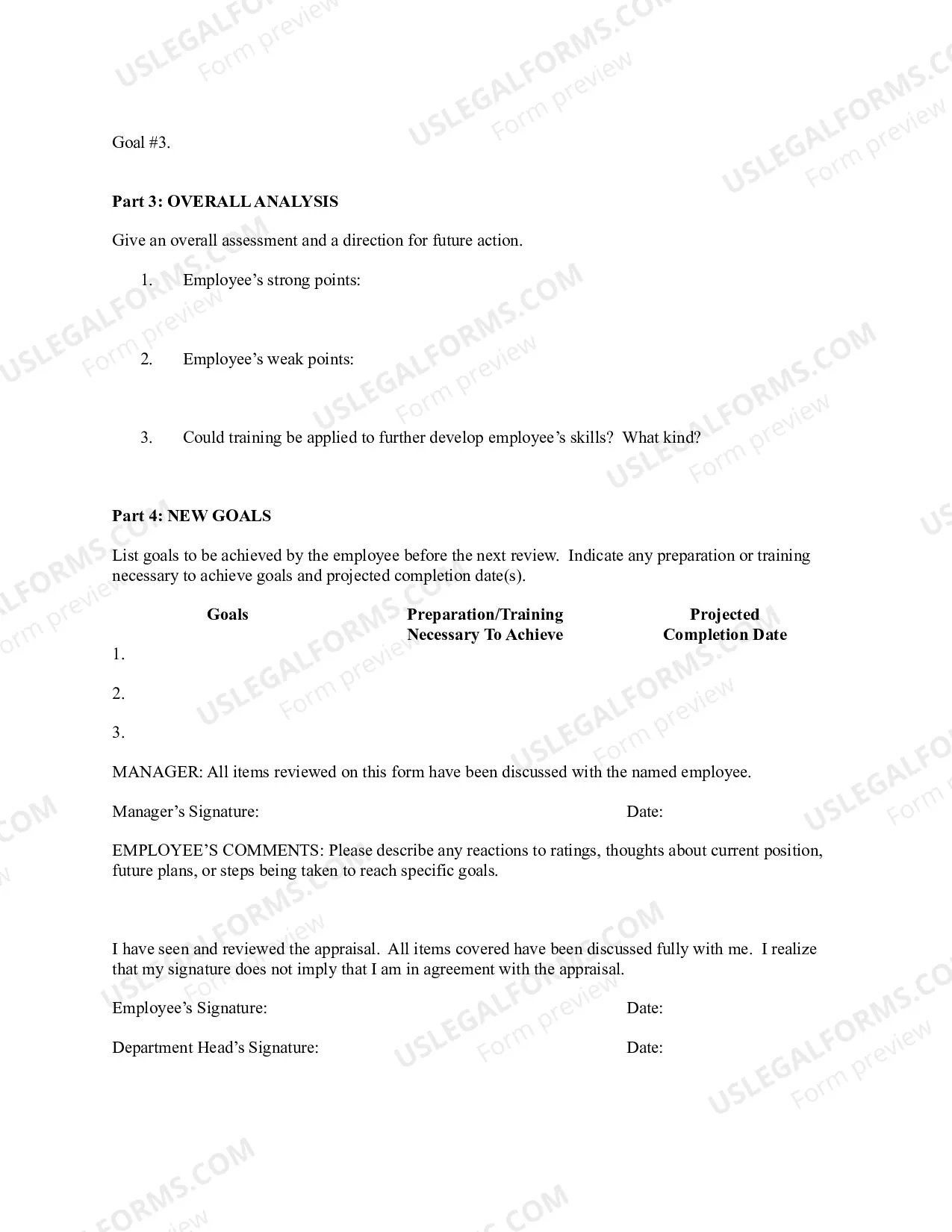
Wisconsin Employee Evaluation Form for Pharmacist
Description
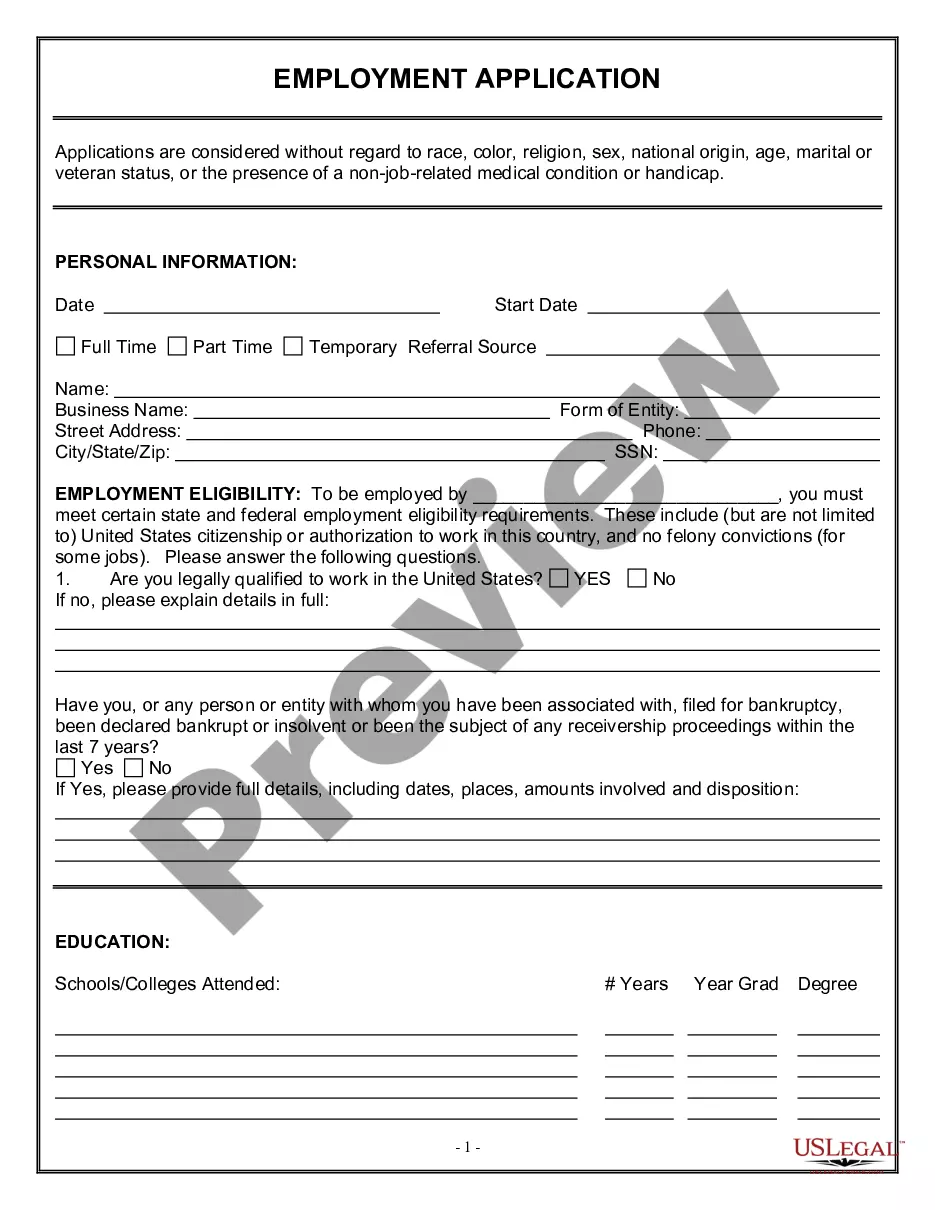
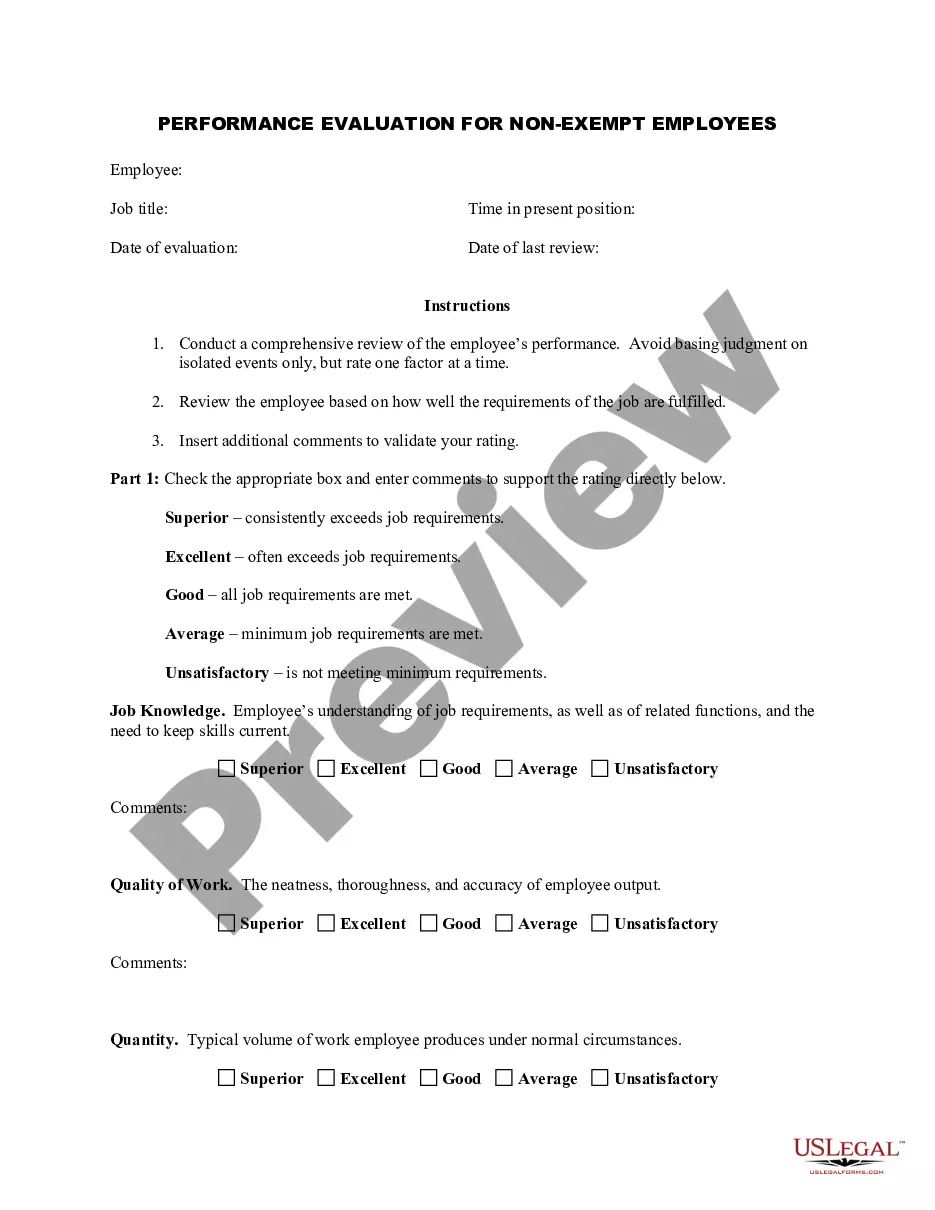
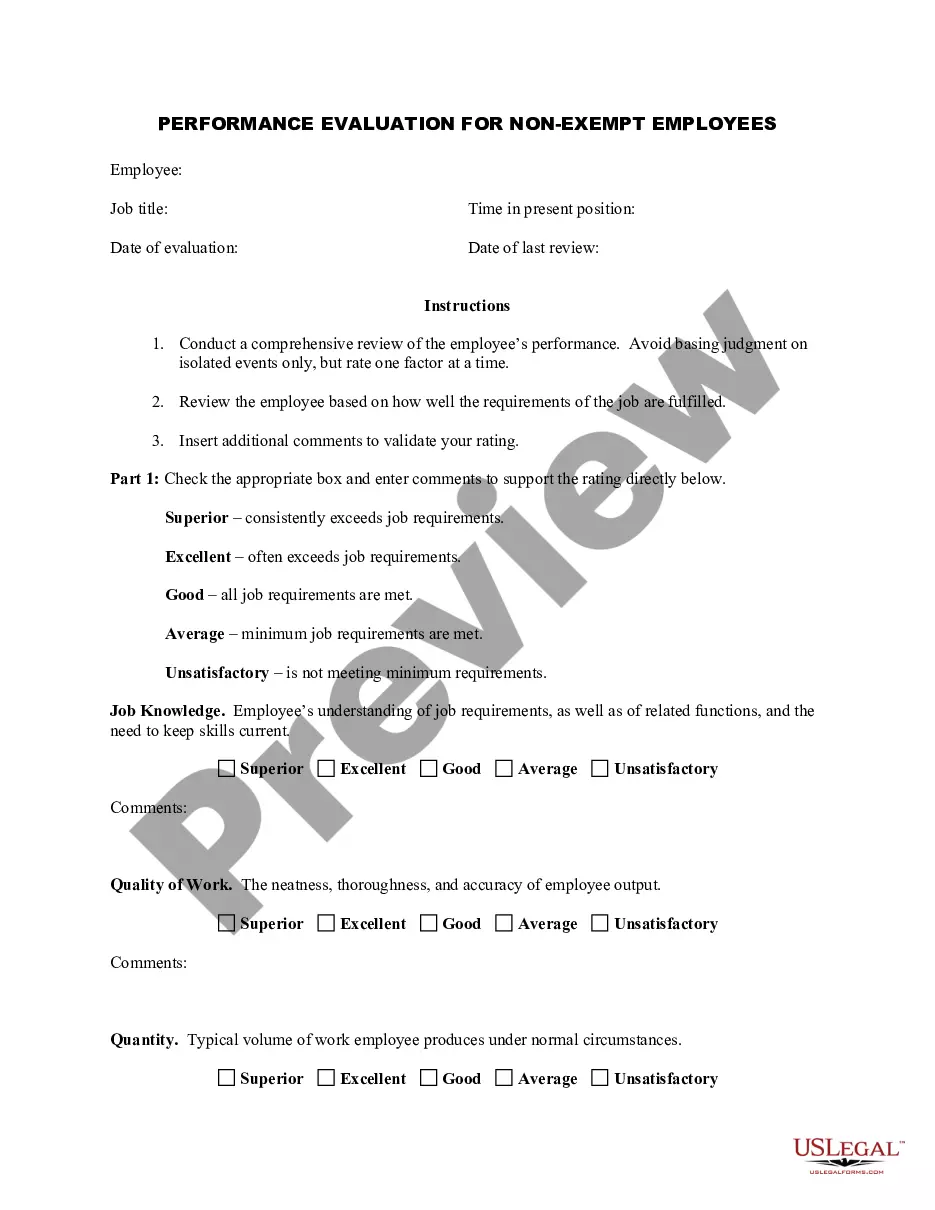
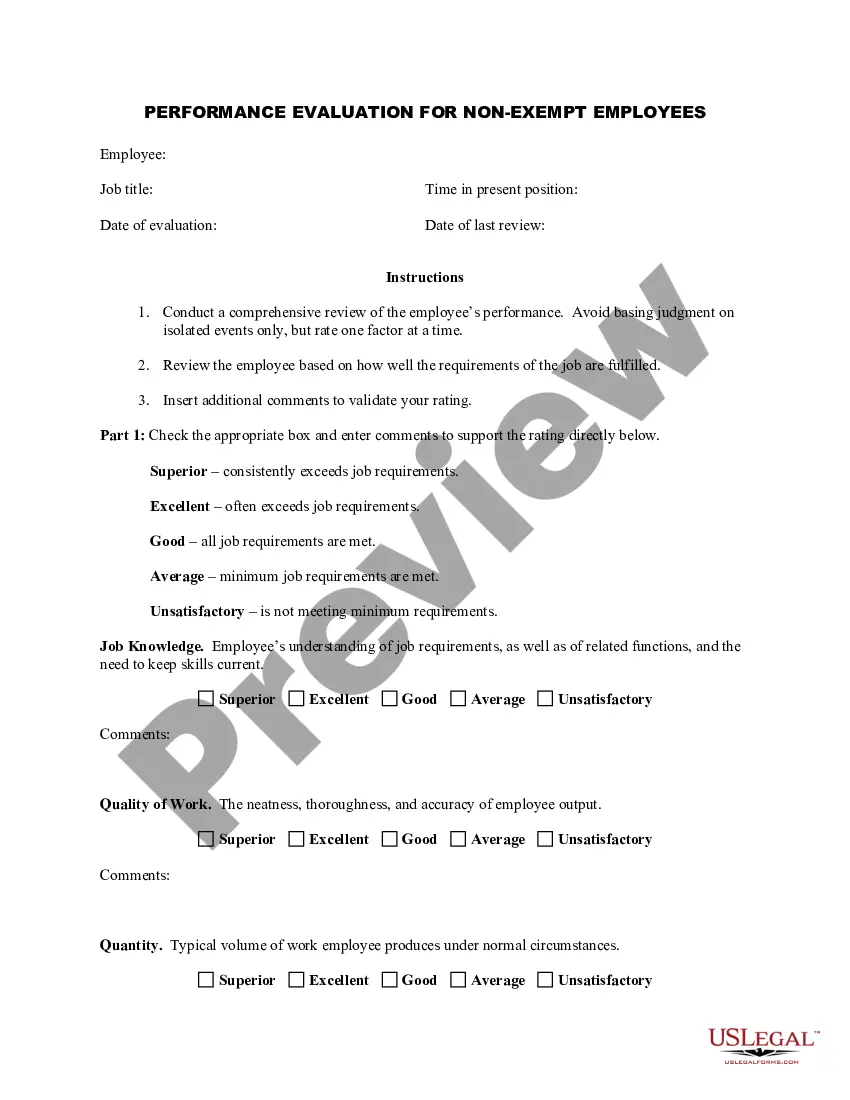
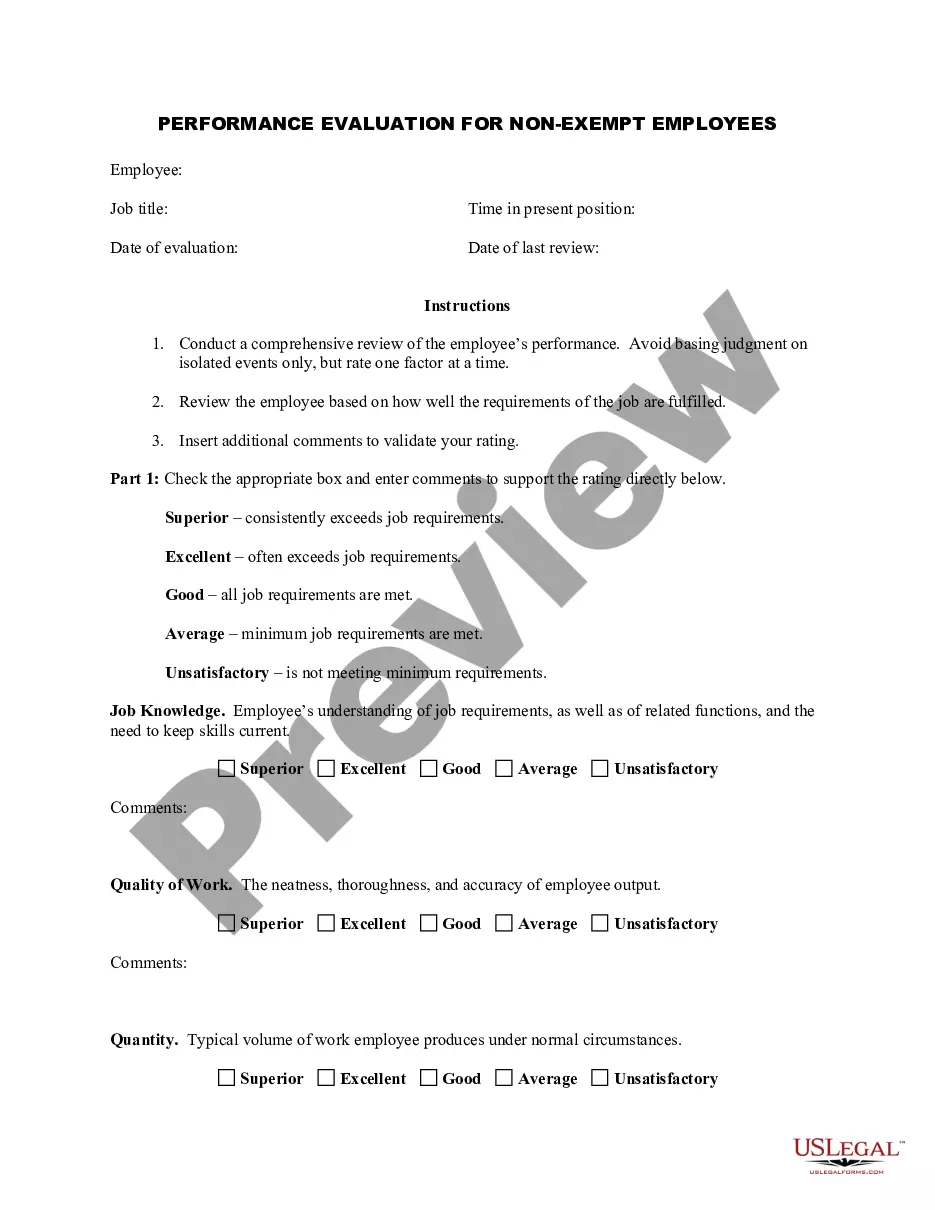
Get your form ready online
Our built-in tools help you complete, sign, share, and store your documents in one place.
Make edits, fill in missing information, and update formatting in US Legal Forms—just like you would in MS Word.
Download a copy, print it, send it by email, or mail it via USPS—whatever works best for your next step.
Sign and collect signatures with our SignNow integration. Send to multiple recipients, set reminders, and more. Go Premium to unlock E-Sign.
If this form requires notarization, complete it online through a secure video call—no need to meet a notary in person or wait for an appointment.
We protect your documents and personal data by following strict security and privacy standards.

Make edits, fill in missing information, and update formatting in US Legal Forms—just like you would in MS Word.

Download a copy, print it, send it by email, or mail it via USPS—whatever works best for your next step.

Sign and collect signatures with our SignNow integration. Send to multiple recipients, set reminders, and more. Go Premium to unlock E-Sign.

If this form requires notarization, complete it online through a secure video call—no need to meet a notary in person or wait for an appointment.

We protect your documents and personal data by following strict security and privacy standards.
Looking for another form?
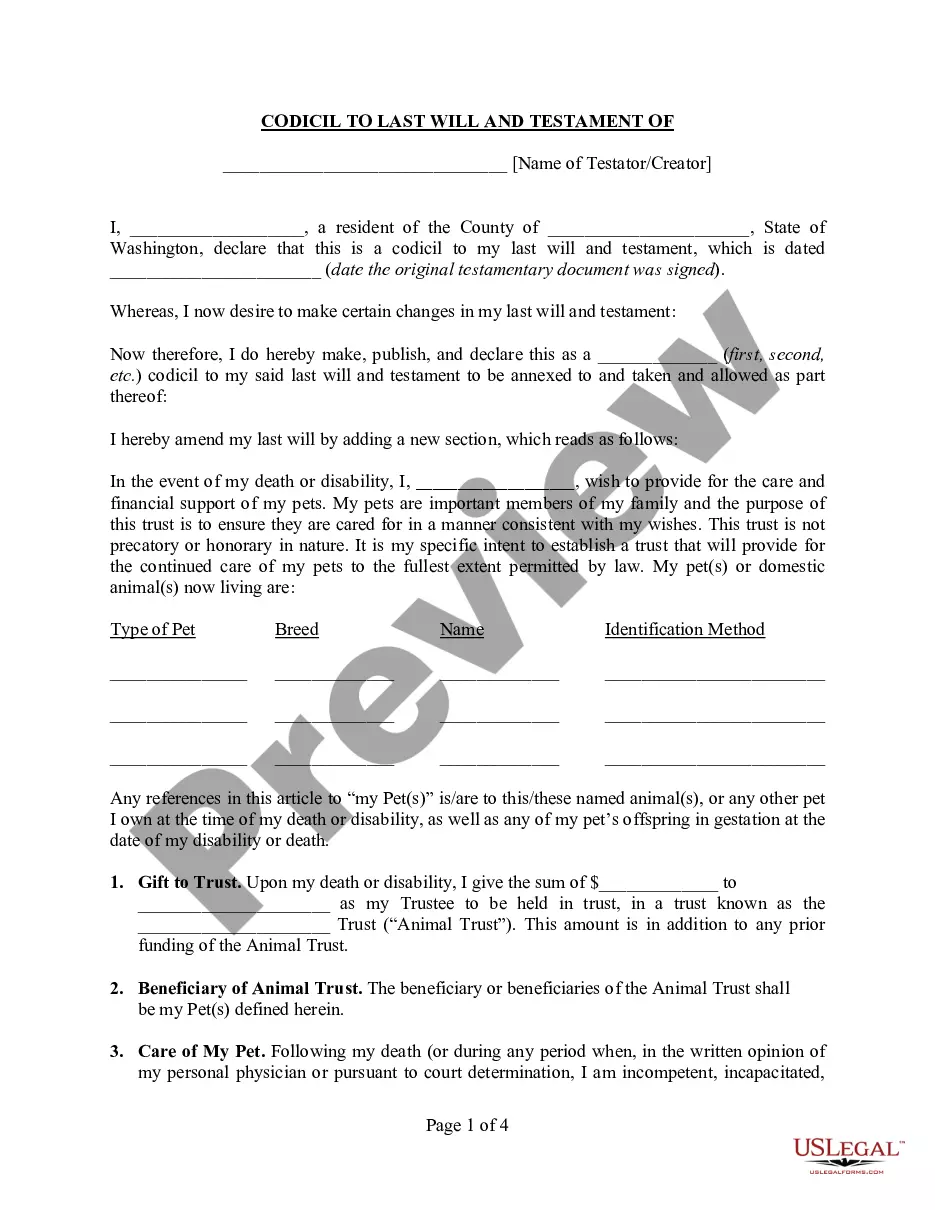



How to fill out Employee Evaluation Form For Pharmacist?
US Legal Forms - one of the largest collections of legal documents in the USA - offers a variety of legal paper templates that you can download or print.
Through the website, you can find thousands of forms for business and personal purposes, categorized by types, states, or keywords. You can access the latest forms like the Wisconsin Employee Evaluation Form for Pharmacist in no time.
If you have a monthly subscription, Log In and download the Wisconsin Employee Evaluation Form for Pharmacist from your US Legal Forms library. The Download button will appear on each form you view. You can access all of your previously acquired forms in the My documents section of your account.
Complete the transaction. Use your credit card or PayPal account to finalize the purchase.
Select the format and download the form onto your device. Edit. Fill out, modify, and print and sign the downloaded Wisconsin Employee Evaluation Form for Pharmacist. Every document you added to your account does not expire and is yours permanently. So, if you need to download or print another copy, simply navigate to the My documents section and click on the form you require. Gain access to the Wisconsin Employee Evaluation Form for Pharmacist with US Legal Forms, the most extensive library of legal paper templates. Utilize thousands of professional and state-specific templates that cater to your business or personal requirements and needs.
- Ensure you have selected the correct form for your city/state.
- Click the Review button to examine the content of the form.
- Check the form description to confirm that you have picked the right one.
- If the form does not meet your needs, use the Search field at the top of the screen to find one that does.
- Once satisfied with the form, confirm your selection by clicking the Acquire now button.
- Then, choose the payment plan you prefer and provide your details to register for an account.
Form popularity
FAQ
The pharmacist is a well-respected member of this interdisciplinary team because of his or her knowledge of medications, which helps ensure that patients are placed on appropriate therapies.
Pharmacists are responsible for a variety of patient activities such as reconciling medication, detecting drug interactions, checking laboratory tests to monitor drug therapy and prescribed medications, extending prescriptions, and imparting patient education.
The presence of clinical pharmacists in a multidisciplinary team provides added value to the treatment of patients. In fact, clinical pharmacists play an important role in drug safety on hospital wards, optimising drug prescriptions and improving surveillance.
Medication evaluation or medication-use evaluation (MUE) is a quality assurance (QA) tool. It reviews a patient's prescription and medication against a set of standards. A multidisciplinary team, comprising physicians, pharmacists, nurses, and administrators, prepares these standards.
The evaluation of effectiveness of pharmacotherapy includes measurable improvement in clinical signs and symptoms and/or laboratory values. The evaluation of the safety of pharmacotherapy includes evidence of adverse drug reactions and/or toxicity.
Pharmacists dispense prescription medications to patients and offer expertise in the safe use of prescriptions. They also may conduct health and wellness screenings, provide immunizations, oversee the medications given to patients, and provide advice on healthy lifestyles.
. The supplementary prescribing qualification enables pharmacists to prescribe a number of medicines within the context of a patient-specific clinical management plan agreed by a doctor. The pharmacist independent prescriber (PIP) role was created in 2006, although it excluded controlled drugs until 2012.
Pharmacy is an interdisciplinary field of science, which covers the knowledge of fate of drugs (pharmacons), excipients and formulated pharmaceutical products outside and inside the body.
The second aspect includes the determinants of pharmacists' work in conducting a pharmacotherapy assessment, such as the number of medications, the number of medical conditions for which a patient is taking medications, and the number of drug therapy problems a patient is experiencing.
Pharmacists are highly trained health professionals who provide a broad spectrum of services, including conducting health and wellness testing, managing chronic diseases, performing medication management, and administering immunizations.