Wisconsin Certificate of Trust for Mortgage
Description
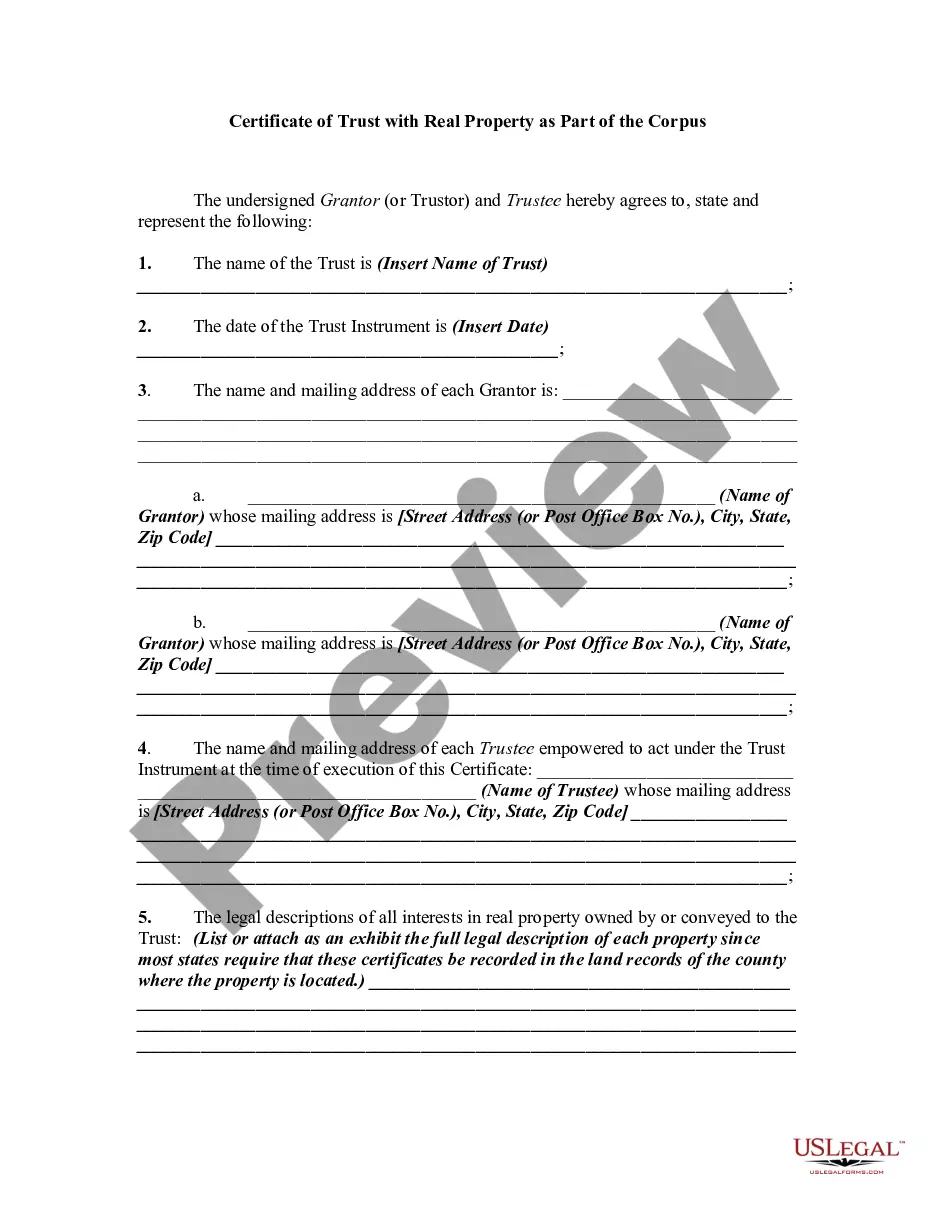
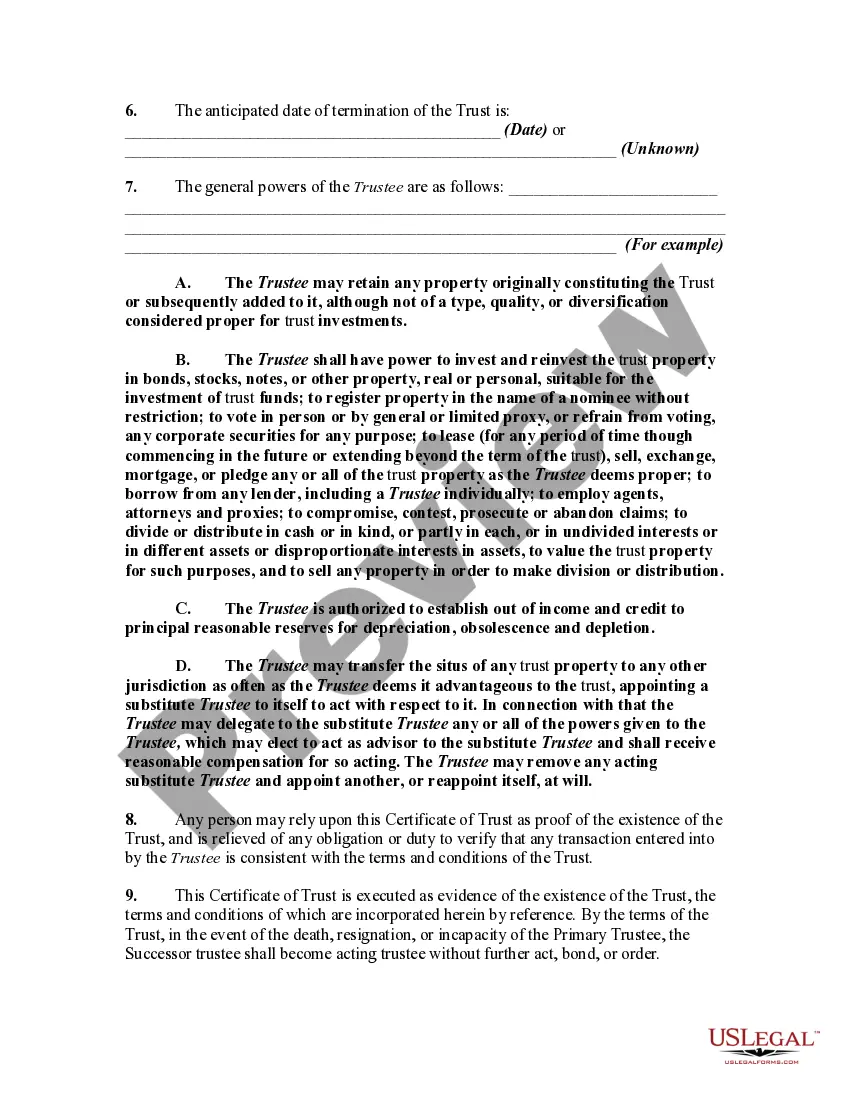
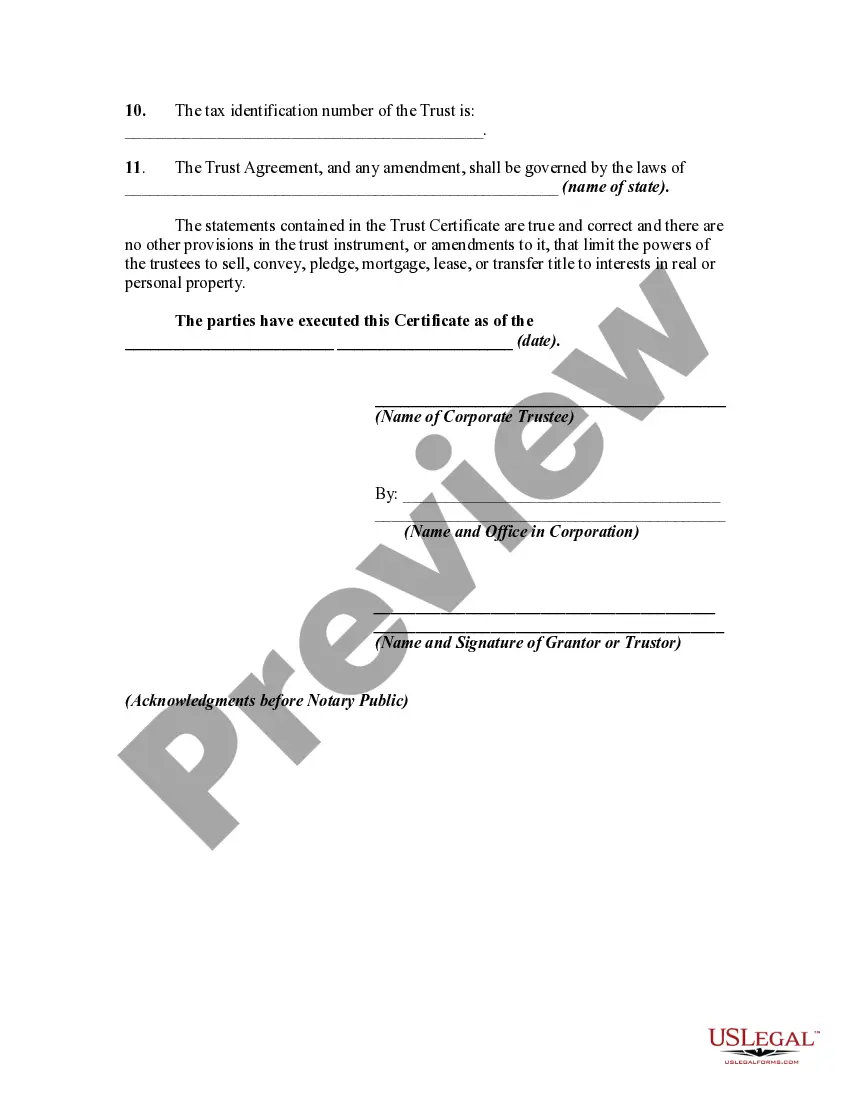
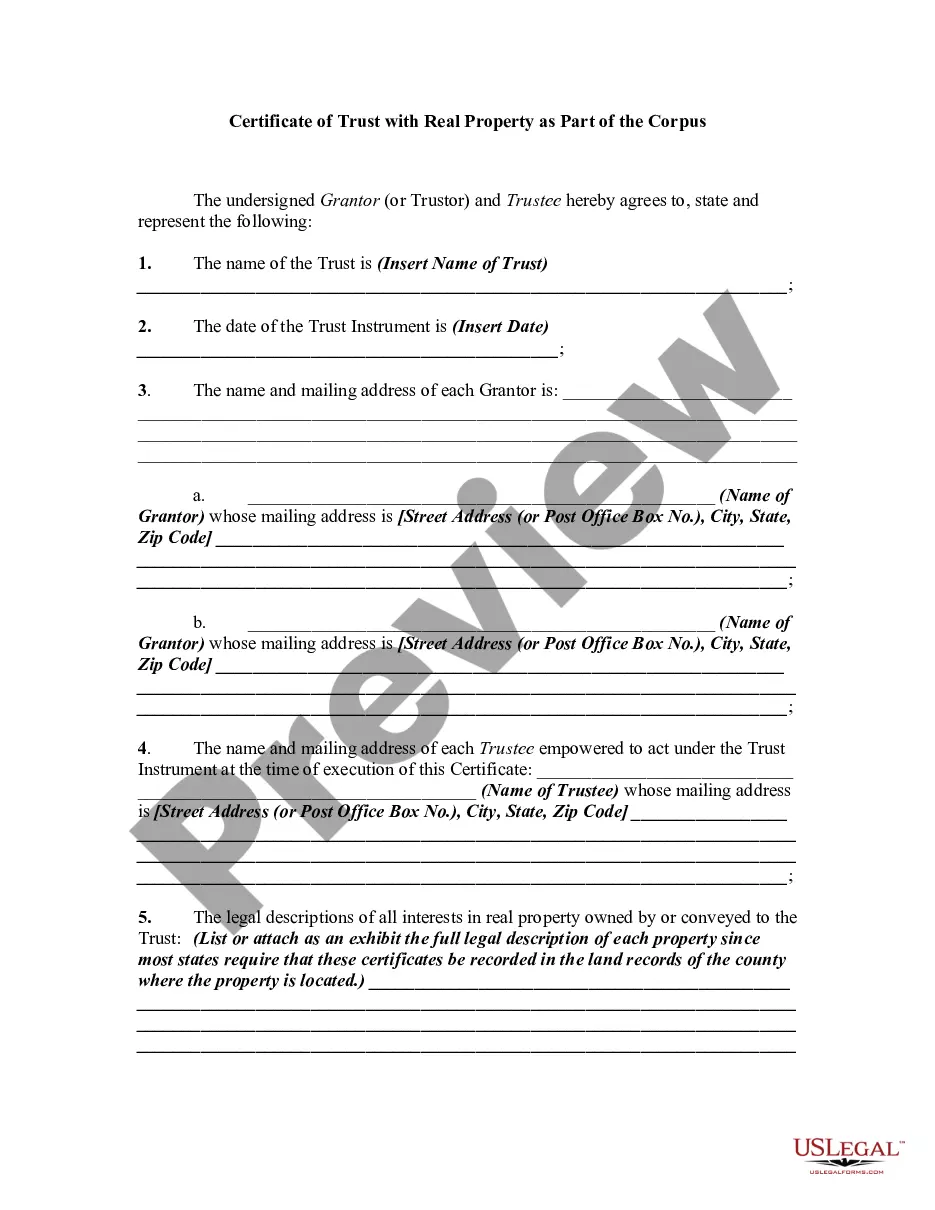
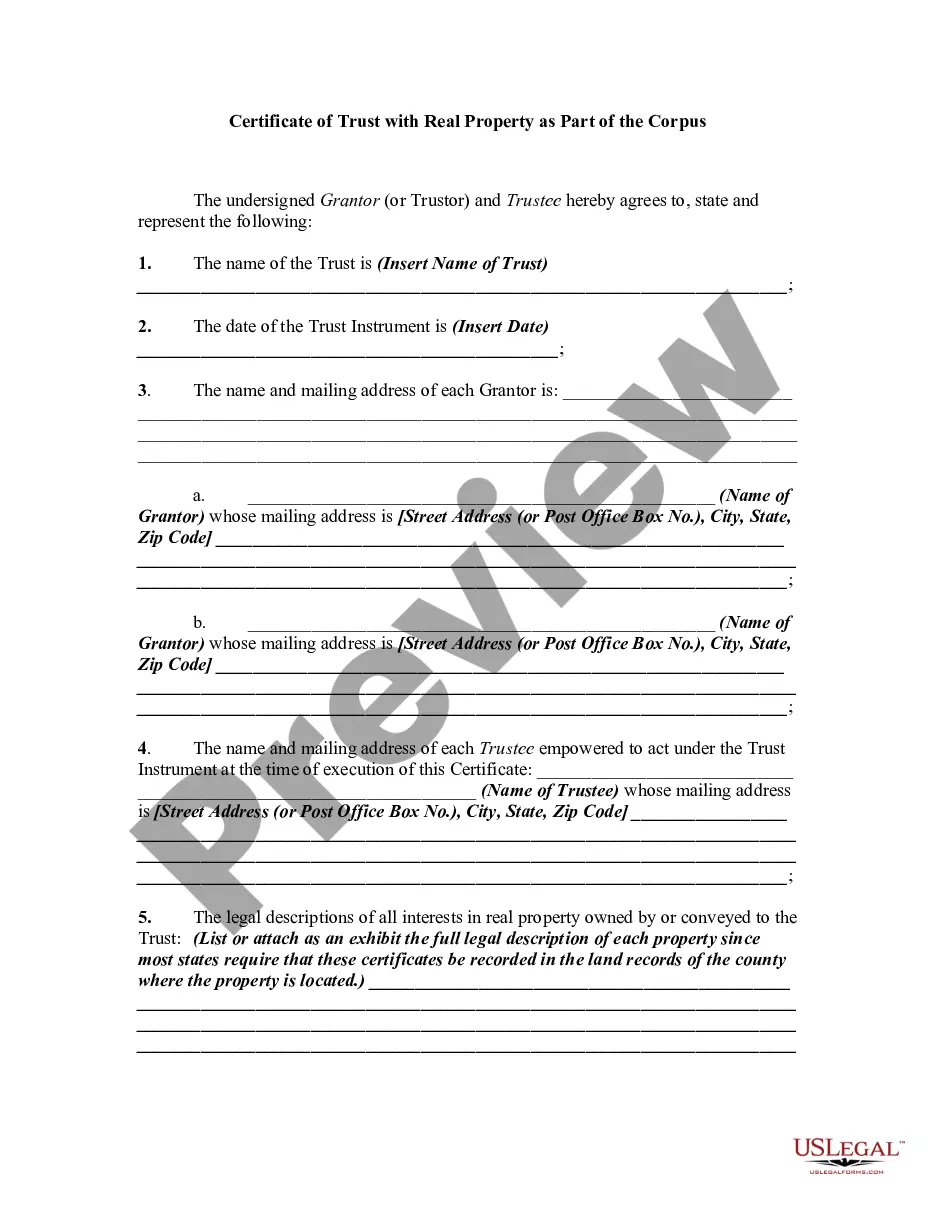
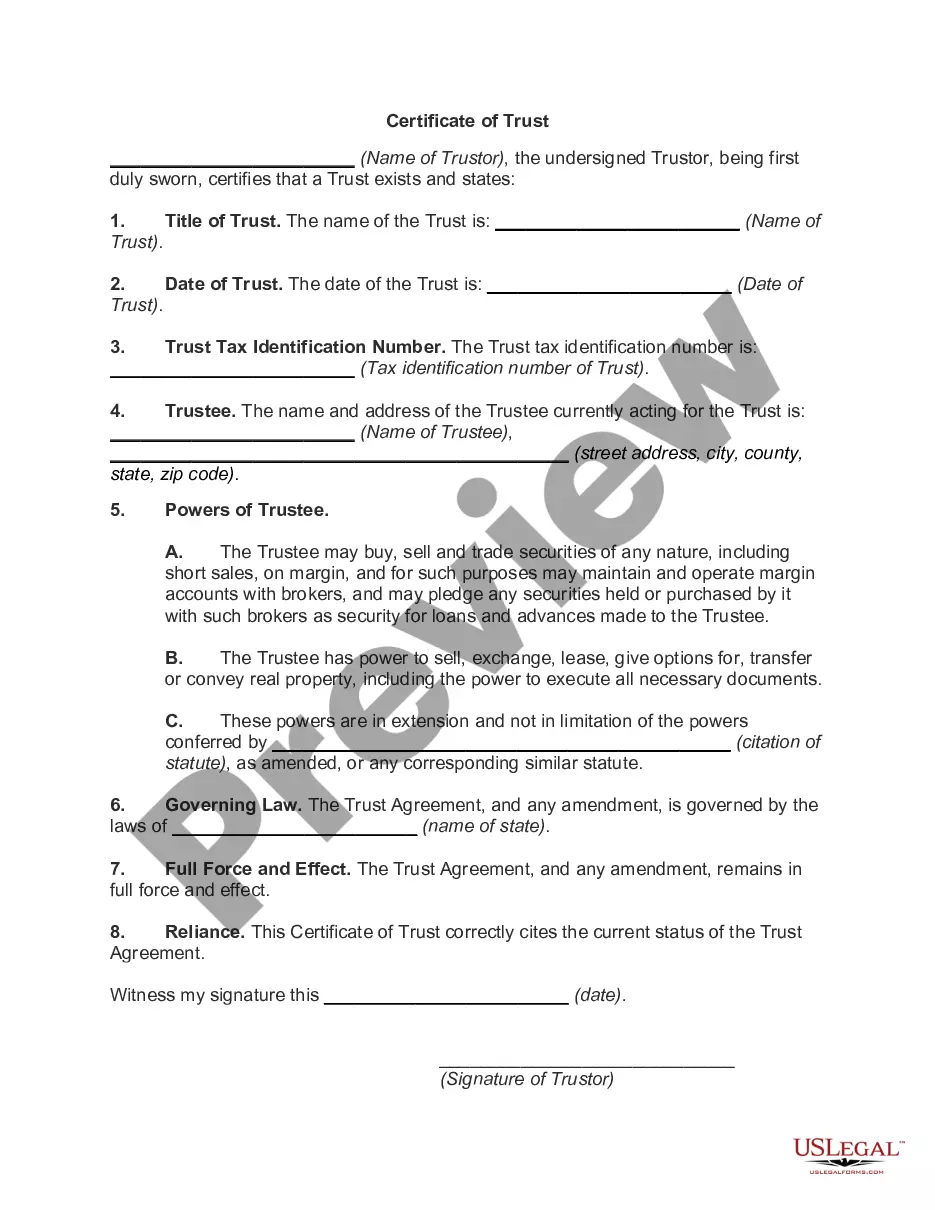
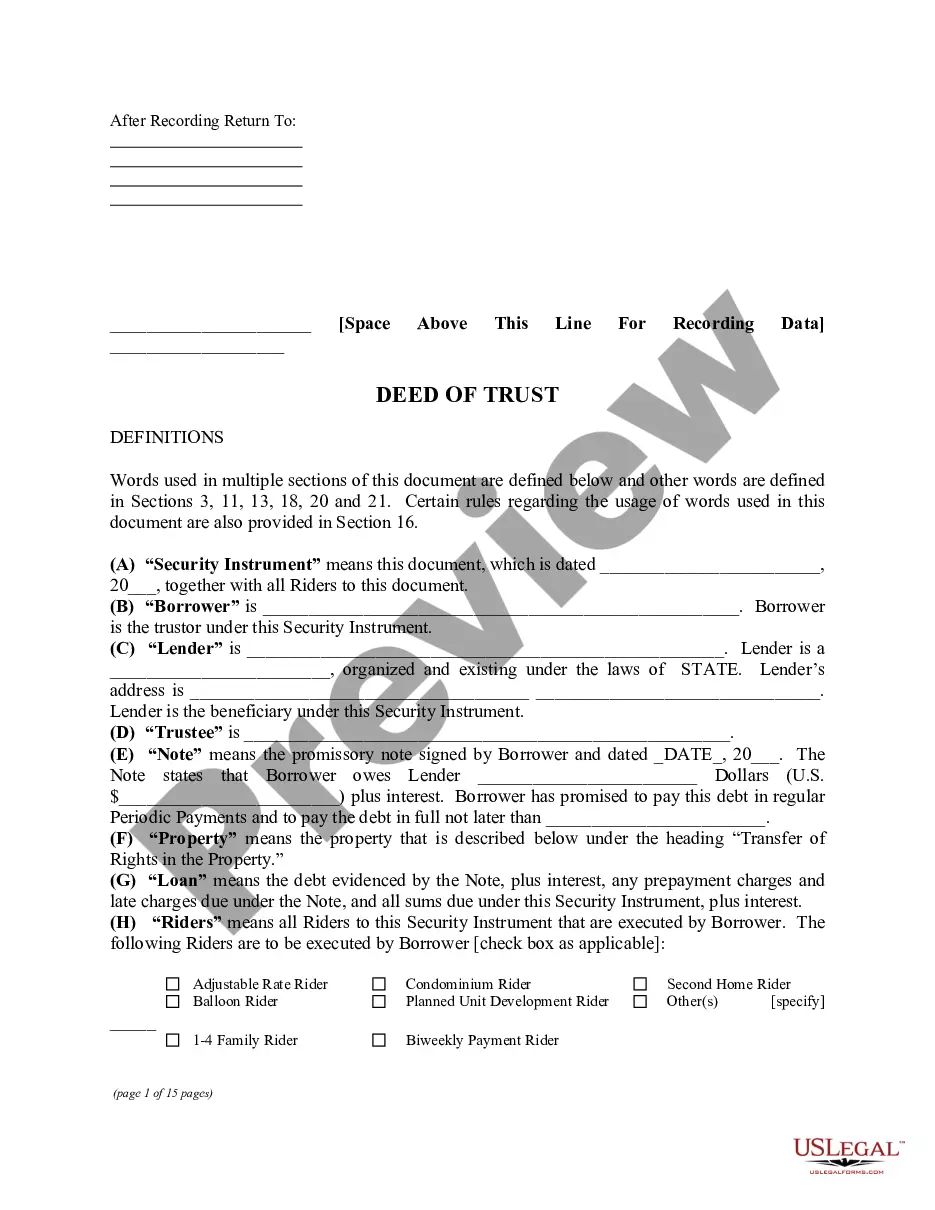
Get your form ready online
Our built-in tools help you complete, sign, share, and store your documents in one place.
Make edits, fill in missing information, and update formatting in US Legal Forms—just like you would in MS Word.
Download a copy, print it, send it by email, or mail it via USPS—whatever works best for your next step.
Sign and collect signatures with our SignNow integration. Send to multiple recipients, set reminders, and more. Go Premium to unlock E-Sign.
If this form requires notarization, complete it online through a secure video call—no need to meet a notary in person or wait for an appointment.
We protect your documents and personal data by following strict security and privacy standards.

Make edits, fill in missing information, and update formatting in US Legal Forms—just like you would in MS Word.

Download a copy, print it, send it by email, or mail it via USPS—whatever works best for your next step.

Sign and collect signatures with our SignNow integration. Send to multiple recipients, set reminders, and more. Go Premium to unlock E-Sign.

If this form requires notarization, complete it online through a secure video call—no need to meet a notary in person or wait for an appointment.

We protect your documents and personal data by following strict security and privacy standards.
Looking for another form?


How to fill out Certificate Of Trust For Mortgage?
Are you in a situation where you need documents for both business or personal reasons almost every workday? There are numerous legal document templates accessible online, but finding ones you can trust isn't simple.
US Legal Forms provides thousands of template forms, including the Wisconsin Certificate of Trust for Mortgage, that are created to comply with federal and state regulations.
If you are already familiar with the US Legal Forms website and have an account, simply Log In. After that, you can download the Wisconsin Certificate of Trust for Mortgage template.
Access all the document templates you have purchased in the My documents menu. You can obtain an additional copy of the Wisconsin Certificate of Trust for Mortgage at any time if needed. Just select the desired form to download or print the document template.
Utilize US Legal Forms, the most extensive collection of legal forms, to save time and avoid mistakes. The service offers professionally crafted legal document templates that can be utilized for a variety of purposes. Create an account on US Legal Forms and start making your life a little easier.
- Obtain the form you need and ensure it is for the correct city/county.
- Use the Review button to examine the document.
- Check the details to confirm you have selected the right form.
- If the form isn’t what you’re looking for, utilize the Research section to find the form that fits your needs and requirements.
- Once you find the appropriate form, click Get now.
- Choose the pricing plan you prefer, fill in the required information to create your account, and pay for your order using PayPal or credit card.
- Select a preferred document format and download your copy.
Form popularity
FAQ
701.0813 Duty to inform and report. (1) A trustee shall keep the distributees or permissible distributees of trust income or principal, and other qualified beneficiaries who so request, reasonably informed about the administration of the trust.
To create a living trust in Wisconsin, sign your written trust document before a notary public. Next, transfer ownership of assets into the trust to make it effective.
The trust agreement is the parent document that details anything and everything regarding the trust, including its agreements. Meanwhile, the certificate of trust is used in tandem to keep nonessential information confidential.
701.1013 Certification of trust. (1) Instead of furnishing a copy of the trust instrument to a person other than a beneficiary, the trustee may furnish to the person a certification of trust containing the following information: (a) That the trust exists and the date on which the trust instrument was executed.
Understanding Irrevocable Trusts in Wisconsin An irrevocable trust is a trust that cannot be changed, amended, or terminated after it is created (with some limited exceptions). By creating an irrevocable trust, the grantor is relinquishing their control over the assets placed in the trust.
A Trust Certification gives a Trustee the ability to provide anyone who needs it (think: financial institutions or other third parties) important information about the Trust - like the date it was formed, the legal/formal name of the Trust, who the Trustee is (or Trustees are) and other information institutions may ...
In Wisconsin, a trust is revocable unless it specifically states it is irrevocable in the trust document. Usually a living revocable trust becomes irrevocable (not open to changes) when you die. A trust involves three parties: The settlor or grantor is you, the person who creates the trust.