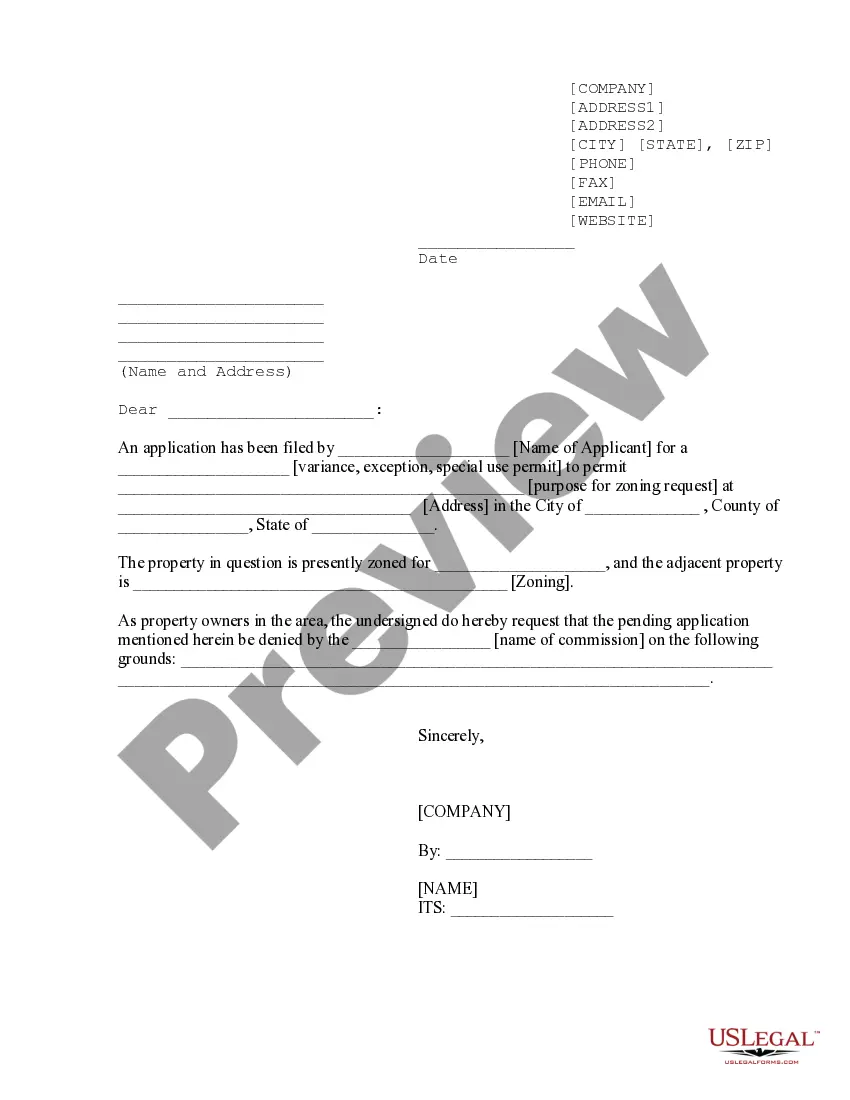
This is a Complaint pleading for use in litigation of the title matter. Adapt this form to comply with your facts and circumstances, and with your specific state law. Not recommended for use by non-attorneys.
Wisconsin Complaint For Declaratory Judgment, Temporary Restraining Order, Preliminary and Permanent Injunction From Enforcement Of County Hog farming Ordinances
Instant download
Description
Free preview
















Get your form ready online
Our built-in tools help you complete, sign, share, and store your documents in one place.
Built-in online Word editor
Make edits, fill in missing information, and update formatting in US Legal Forms—just like you would in MS Word.
Export easily
Download a copy, print it, send it by email, or mail it via USPS—whatever works best for your next step.
E-sign your document
Sign and collect signatures with our SignNow integration. Send to multiple recipients, set reminders, and more. Go Premium to unlock E-Sign.
Notarize online 24/7
If this form requires notarization, complete it online through a secure video call—no need to meet a notary in person or wait for an appointment.
Store your document securely
We protect your documents and personal data by following strict security and privacy standards.

Make edits, fill in missing information, and update formatting in US Legal Forms—just like you would in MS Word.

Download a copy, print it, send it by email, or mail it via USPS—whatever works best for your next step.

Sign and collect signatures with our SignNow integration. Send to multiple recipients, set reminders, and more. Go Premium to unlock E-Sign.

If this form requires notarization, complete it online through a secure video call—no need to meet a notary in person or wait for an appointment.

We protect your documents and personal data by following strict security and privacy standards.
Looking for another form?


How to fill out Complaint For Declaratory Judgment, Temporary Restraining Order, Preliminary And Permanent Injunction From Enforcement Of County Hog Farming Ordinances?
Locating the suitable authorized document template can be quite challenging. Obviously, there are numerous templates accessible online, but how can you find the legal form you require? Utilize the US Legal Forms website. The service offers thousands of templates, including the Wisconsin Complaint For Declaratory Judgment, Temporary Restraining Order, Preliminary and Permanent Injunction From Enforcement Of County Hog Farming Ordinances, which you can use for both business and personal needs. All of the forms are reviewed by professionals and comply with state and federal requirements.
If you are currently registered, Log In to your account and click on the Acquire button to obtain the Wisconsin Complaint For Declaratory Judgment, Temporary Restraining Order, Preliminary and Permanent Injunction From Enforcement Of County Hog Farming Ordinances. Use your account to browse through the legal forms you have purchased previously. Visit the My documents tab of your account and retrieve another copy of the document you need.
If you are a new user of US Legal Forms, here are some simple steps you should follow: First, ensure that you have selected the correct form for your city/region. You can review the form using the Preview button and examine the form description to confirm it is the right one for you. If the form does not meet your needs, use the Search field to find the appropriate form. Once you are certain that the form is correct, click the Purchase now button to acquire the form. Choose the pricing plan you wish and enter the required information. Create your account and complete the purchase using your PayPal account or credit card. Select the file format and download the legal document template to your device. Finally, complete, edit, print, and sign the obtained Wisconsin Complaint For Declaratory Judgment, Temporary Restraining Order, Preliminary and Permanent Injunction From Enforcement Of County Hog Farming Ordinances.
- US Legal Forms is the largest repository of legal forms where you can find numerous document templates.
- Utilize the service to download properly crafted paperwork that comply with state requirements.
- Access a wide range of templates for various legal situations.
- Ensure your forms are accurate and ready for use.
- Benefit from expert-reviewed templates that meet legal standards.
- Streamline your legal documentation process efficiently.
Form popularity
FAQ
A deferred entry of judgment in Wisconsin allows a court to postpone the final decision on a case while the defendant meets certain conditions. This option can be beneficial if you are involved in a dispute related to a Wisconsin Complaint For Declaratory Judgment, Temporary Restraining Order, Preliminary and Permanent Injunction From Enforcement Of County Hog Farming Ordinances. Successfully completing the required conditions may lead to the dismissal of charges, giving you a chance to resolve issues without a permanent record. Consulting an attorney can provide clarity on this process.
Filing a complaint with the Wisconsin Bar Association involves a straightforward process. First, gather all relevant details about the attorney's conduct that concerns you. You can then submit your complaint in writing, outlining the specifics of your case, including any issues related to a Wisconsin Complaint For Declaratory Judgment, Temporary Restraining Order, Preliminary and Permanent Injunction From Enforcement Of County Hog Farming Ordinances. The Bar Association will review your complaint and determine the appropriate course of action.
In Wisconsin, a restraining order may be requested when an individual faces imminent harm or threat from another party. To qualify, you need to demonstrate that harassment or domestic abuse has occurred. Consider filing a Wisconsin Complaint For Declaratory Judgment, Temporary Restraining Order, Preliminary and Permanent Injunction From Enforcement Of County Hog Farming Ordinances if such ordinances threaten your rights. Understanding the legal criteria can help you navigate this process effectively.
To file a harassment complaint in Wisconsin, you should gather evidence of the harassment and complete the necessary forms, which can often be found on the court's website or through legal resources like US Legal Forms. The complaint should clearly describe the harassment incidents and relate to the Wisconsin Complaint For Declaratory Judgment, Temporary Restraining Order, Preliminary and Permanent Injunction From Enforcement Of County Hog Farming Ordinances if applicable. After filing, a hearing may be scheduled where you can present your case. Utilizing the right forms and guidance can streamline this process.
A temporary restraining order (TRO) is a short-term measure used to maintain the status quo until a court hearing can take place, while a temporary injunction is a longer-term solution that follows a more detailed hearing process. Both relate to the Wisconsin Complaint For Declaratory Judgment, Temporary Restraining Order, Preliminary and Permanent Injunction From Enforcement Of County Hog Farming Ordinances, but a TRO is typically issued quickly to prevent immediate harm. The temporary injunction usually requires the court to evaluate the case more thoroughly before making a ruling. Understanding these differences can help you choose the appropriate legal step.
During an injunction hearing in Wisconsin, the court evaluates the evidence presented by both parties concerning the Wisconsin Complaint For Declaratory Judgment, Temporary Restraining Order, Preliminary and Permanent Injunction From Enforcement Of County Hog Farming Ordinances. The judge listens to testimonies and reviews documents to determine if there is a legitimate need for the requested injunction. If granted, this injunction can prevent enforcement of the county's hog farming ordinances until the case is resolved. Remember, having the right legal documentation can significantly influence the outcome.
Fourth: You cannot practically appeal a TRO because it may only last for at most 28 days, if contested. Once you are served with the Ex-Parte TRO, you may request a motion to modify or dissolve the TRO after giving your spouse 48-hour notice and seek attorney fees if the filing was false or frivolous.
In determining whether to grant or deny a preliminary injunctive relief, the courts generally look to several of the factors including: (1) the plaintiff's likelihood of prevailing on the merits;(2) a showing of irreparable injury to plaintiff if relief is not granted; (3) the threatened injury to the movant is ...
An "injunction" is a term used in Wisconsin to refer to a restraining order that lasts for a longer period of time than the TRO. Injunctions are usually ordered to last two to four years, but can last up to 10 years depending on the facts of the case.
How to fight against a restraining order in Wisconsin Understand the basis of the restraining order. Carefully review the order and become familiar with the allegations and specific restrictions outlined. ... Gather evidence and documentation. ... Prepare your defense. ... Attend the court hearing. ... Comply with court orders.