Wisconsin Tax Free Exchange Package
What this form package covers
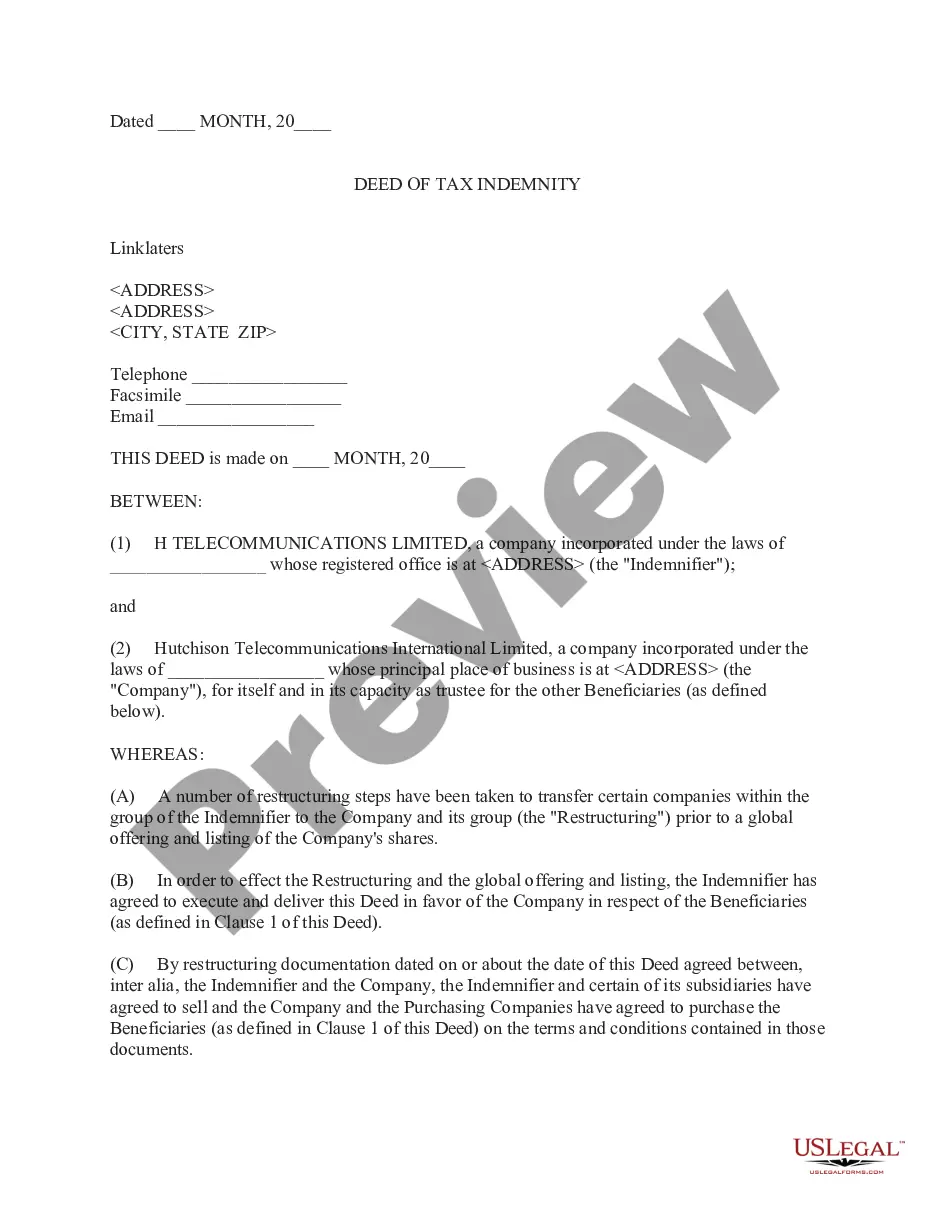
The Wisconsin Tax Free Exchange Package is designed to assist you in completing a tax-free exchange of like-kind properties in compliance with IRS requirements. This form package is unique in that it includes detailed documents drafted by licensed attorneys, which simplify the process of a tax-free exchange under Section 1031. With this package, you can ensure all necessary forms are correctly prepared for a smooth transaction.
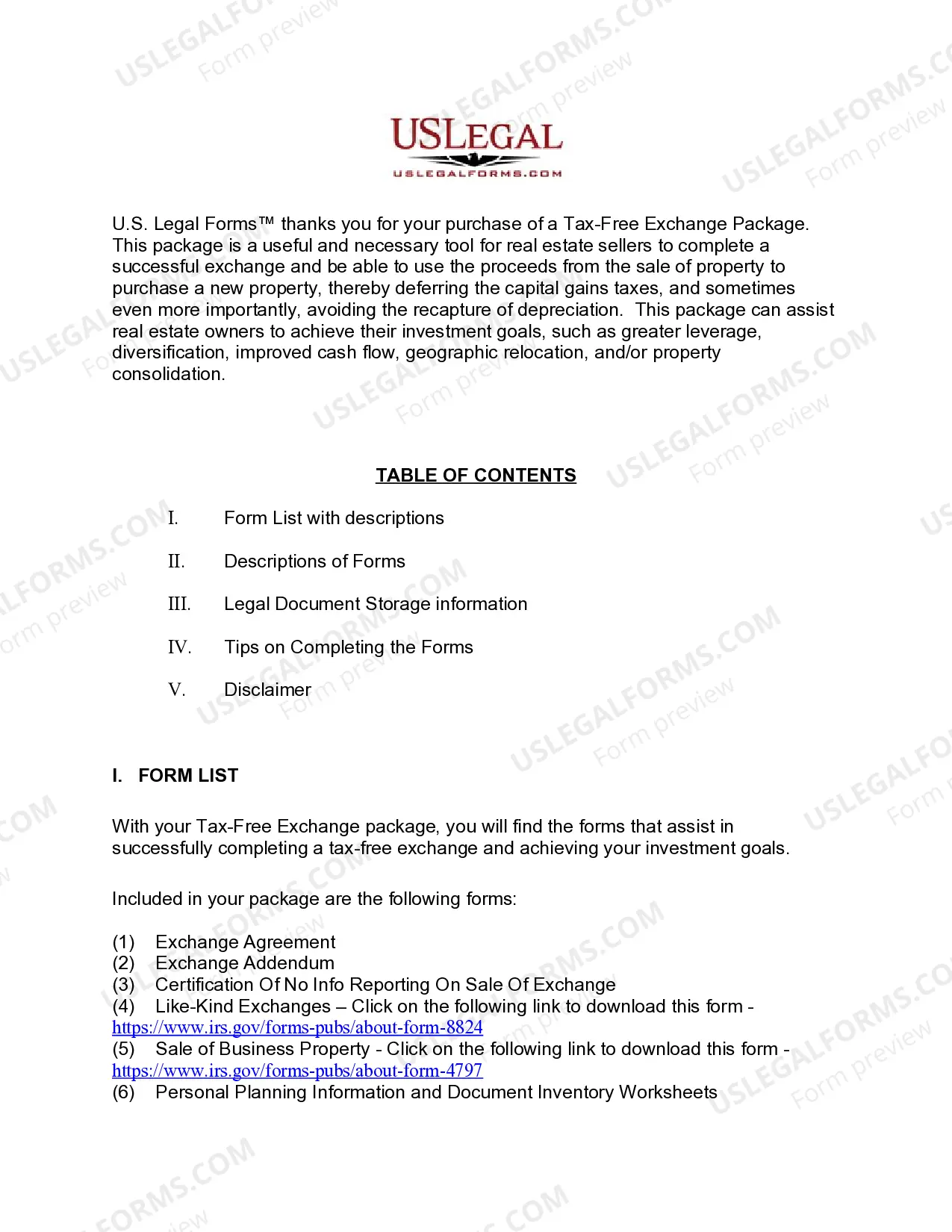
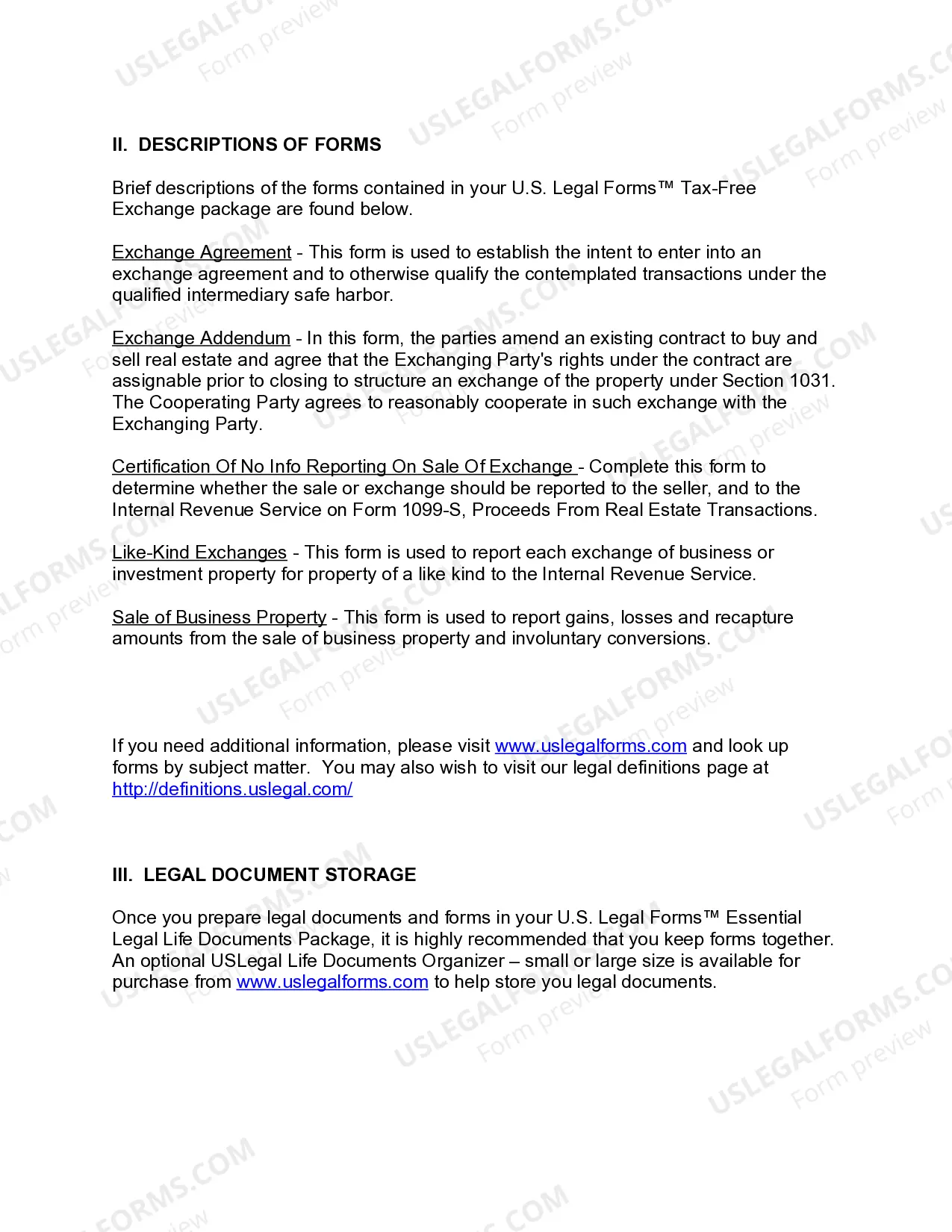
Documents contained in this package
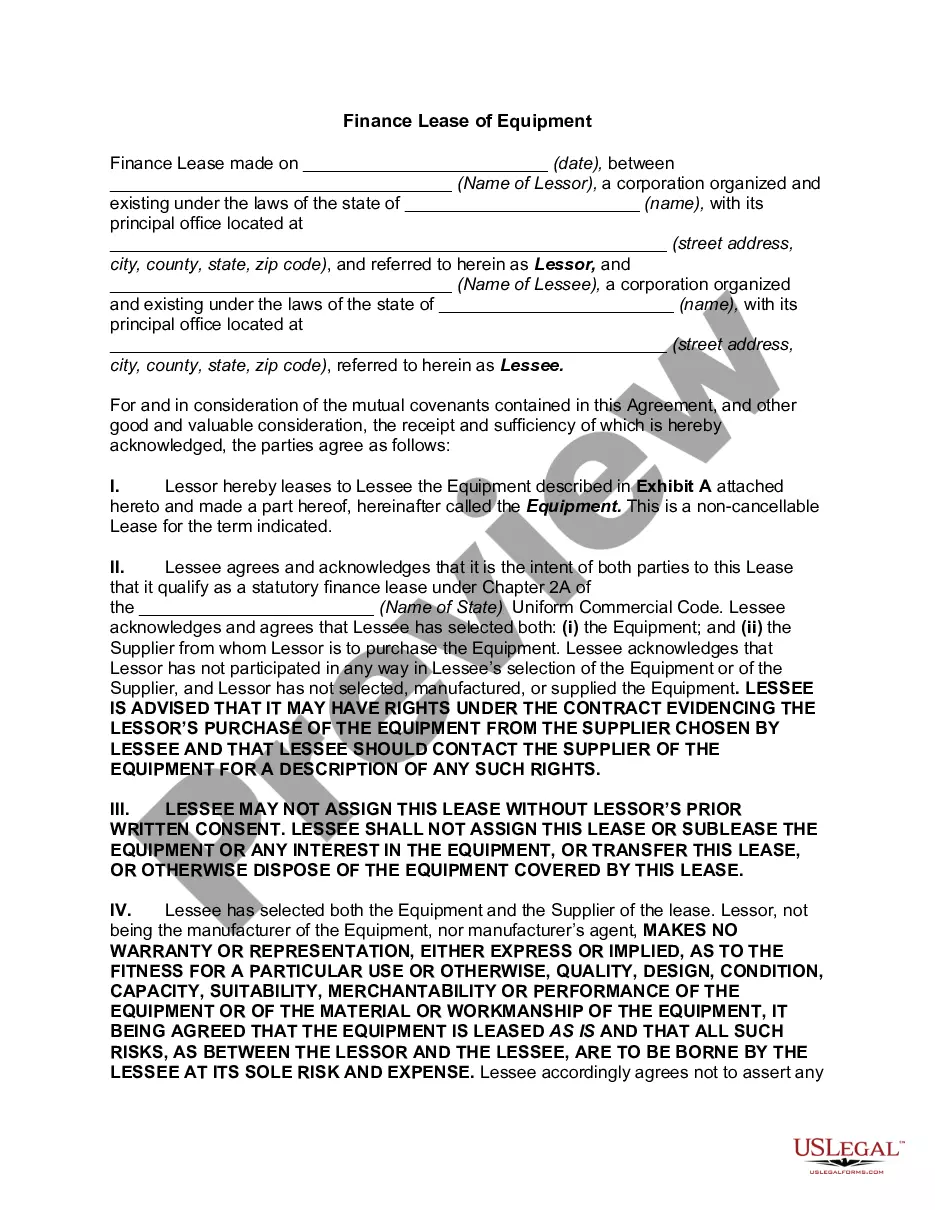

Situations where these forms applies
This form package is useful in various real estate situations, including:
- When you intend to swap one investment property for another, minimizing tax liabilities.
- If you are buying or selling business-property that qualifies as like-kind.
- When you need to document the exchange agreement and related transactions accurately.
Who should use this form package
- Real estate investors looking to defer taxes on property gains through exchanges.
- Business owners engaging in the sale or trade of business properties.
- Individuals seeking to navigate complex IRS regulations on tax-free exchanges.
How to complete these forms
- Review the included forms that are part of the Wisconsin Tax Free Exchange Package.
- Identify all parties involved in the exchange and ensure their details are correctly entered on the forms.
- Carefully fill out the Exchange Agreement and Exchange Addendum to establish mutual intentions and terms.
- Complete the Certification Of No Info Reporting On Sale Of Exchange to clarify reporting responsibilities.
- Consult a tax advisor if uncertain about any form requirements or implications.
Notarization details for included forms
Most forms in this package do not require notarization. However, local laws or specific situations may demand it. Our online notarization service, powered by Notarize, lets you complete the process through a verified video call, available anytime.
Get your form ready online
Our built-in tools help you complete, sign, share, and store your documents in one place.
Make edits, fill in missing information, and update formatting in US Legal Forms—just like you would in MS Word.
Download a copy, print it, send it by email, or mail it via USPS—whatever works best for your next step.
Sign and collect signatures with our SignNow integration. Send to multiple recipients, set reminders, and more. Go Premium to unlock E-Sign.
If this form requires notarization, complete it online through a secure video call—no need to meet a notary in person or wait for an appointment.
We protect your documents and personal data by following strict security and privacy standards.

Make edits, fill in missing information, and update formatting in US Legal Forms—just like you would in MS Word.

Download a copy, print it, send it by email, or mail it via USPS—whatever works best for your next step.

Sign and collect signatures with our SignNow integration. Send to multiple recipients, set reminders, and more. Go Premium to unlock E-Sign.

If this form requires notarization, complete it online through a secure video call—no need to meet a notary in person or wait for an appointment.

We protect your documents and personal data by following strict security and privacy standards.
Avoid these common issues
- Failing to use the correct forms specific to Wisconsin regulations.
- Not entering the accurate details of the properties involved in the exchange.
- Overlooking the necessity of signatures and dates on important documents.
Benefits of using this package online
- Convenience of accessing and downloading forms instantly.
- Editability allows users to fill in forms accurately from their home or office.
- Reliability by ensuring all documents are legally sound and up-to-date with current laws.
Legal use & context
- The Exchange Agreement and Addendum facilitate a legally recognized exchange under IRS guidelines.
- Proper completion of forms helps prevent misunderstandings between parties involved in the exchange.
- Understanding the implications of reporting for tax purposes ensures lawful compliance.
Main things to remember
- The Wisconsin Tax Free Exchange Package includes vital forms for conducting a tax-free exchange of properties.
- This package simplifies complex IRS regulations, ensuring a smooth exchange process.
- Completing the forms accurately is essential to avoid potential legal complications and misunderstandings.
Looking for another form?
Form popularity
FAQ
There are many exemptions to state sales tax. This includes, burial caskets, certain agricultural items, certain grocery items, prescription medicine and medical devices, modular or manufactured homes, and certain pieces of manufacturing equipment.
A primary residence usually does not qualify for an exchange because it is not used in trade or business or investment. That said, that portion of the primary residence that is used in a trade or business or for investment may qualify for a 1031 Exchange.
Gain deferred in a like-kind exchange under IRC Section 1031 is tax-deferred, but it is not tax-free. The exchange can include like-kind property exclusively or it can include like-kind property along with cash, liabilities and property that are not like-kind.
Trade up in real estate value with one or more replacement properties. Reinvest all of your 1031 exchange proceeds from the relinquished property into the replacement property. Maintain or increase the amount of debt on the replacement property.
Like-kind exchanges -- when you exchange real property used for business or held as an investment solely for other business or investment property that is the same type or like-kind -- have long been permitted under the Internal Revenue Code.
Goods that are subject to sales tax in Wisconsin include physical property, like furniture, home appliances, and motor vehicles. Prescription medicine, groceries, and gasoline are all tax-exempt. Some services in Wisconsin are subject to sales tax.
Trade up in real estate value with one or more replacement properties. Reinvest all of your 1031 exchange proceeds from the relinquished property into the replacement property.
You can defer capital gains by identifying one or more properties to exchange within 45 days after the EAT receives the replacement property and, typically, completing the transaction within 180 days.
A 1031 exchange gets its name from Section 1031 of the Internal Revenue Code. This tax-deferral strategy is part of the FEDERAL tax code. Whether or not you can defer the state gain varies by state. Several states have no state income tax so there is no need to report the exchange on a state return.