Wisconsin Residential Rental Lease Application
Overview of this form
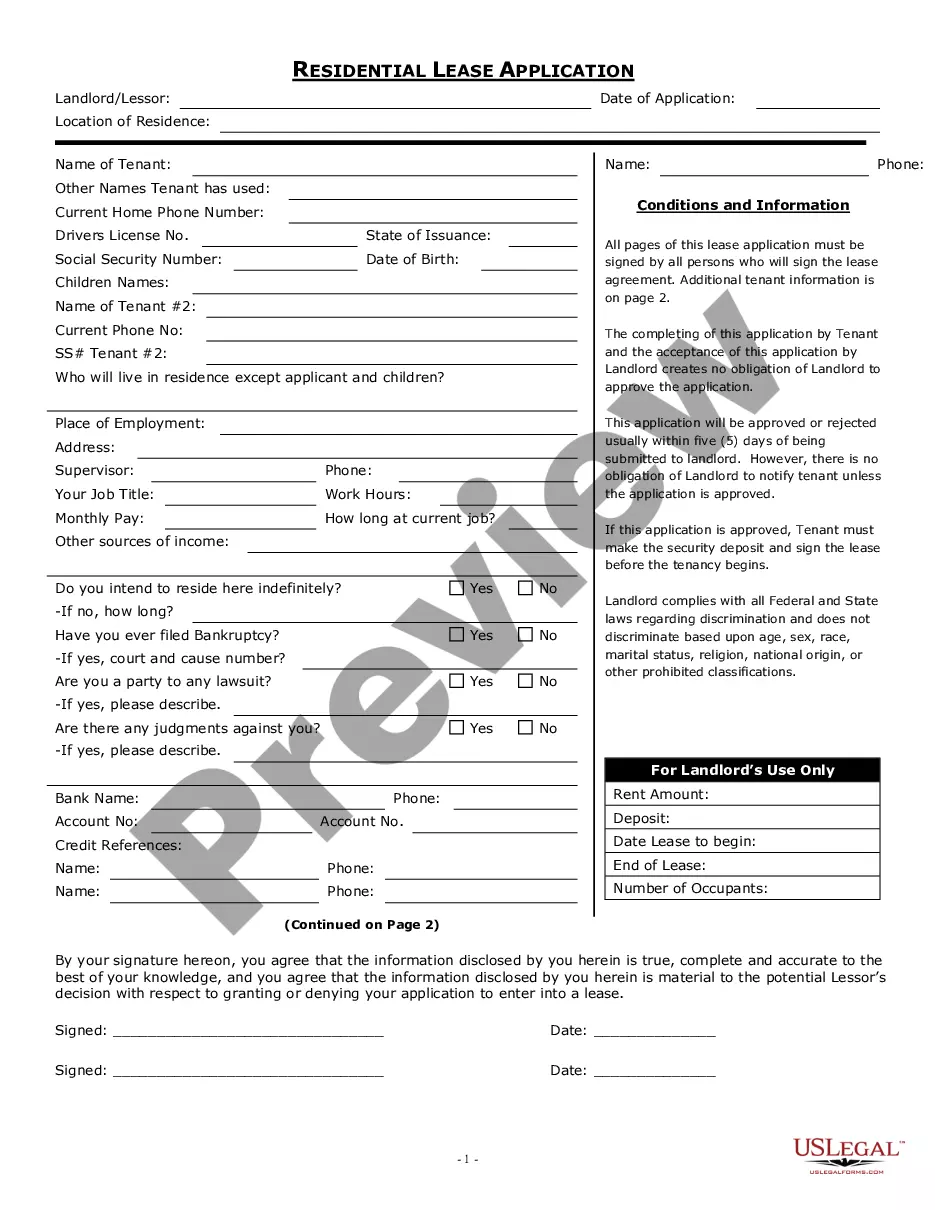
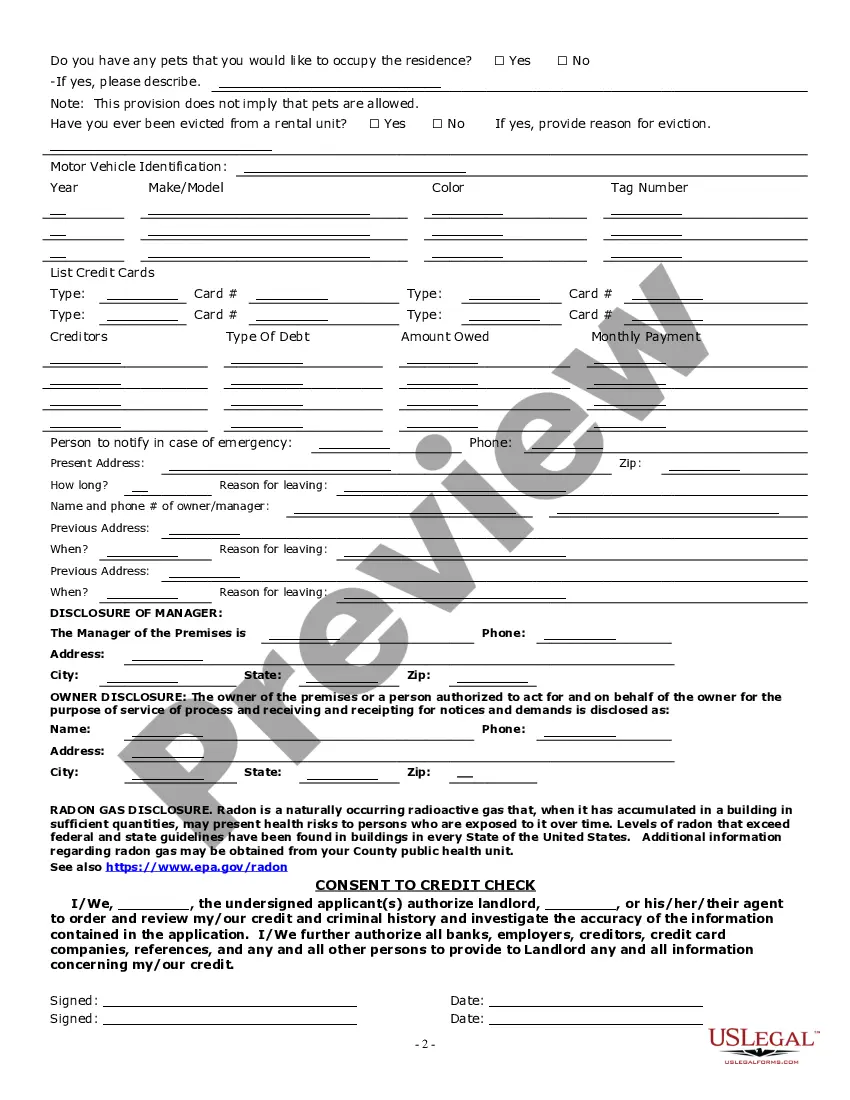
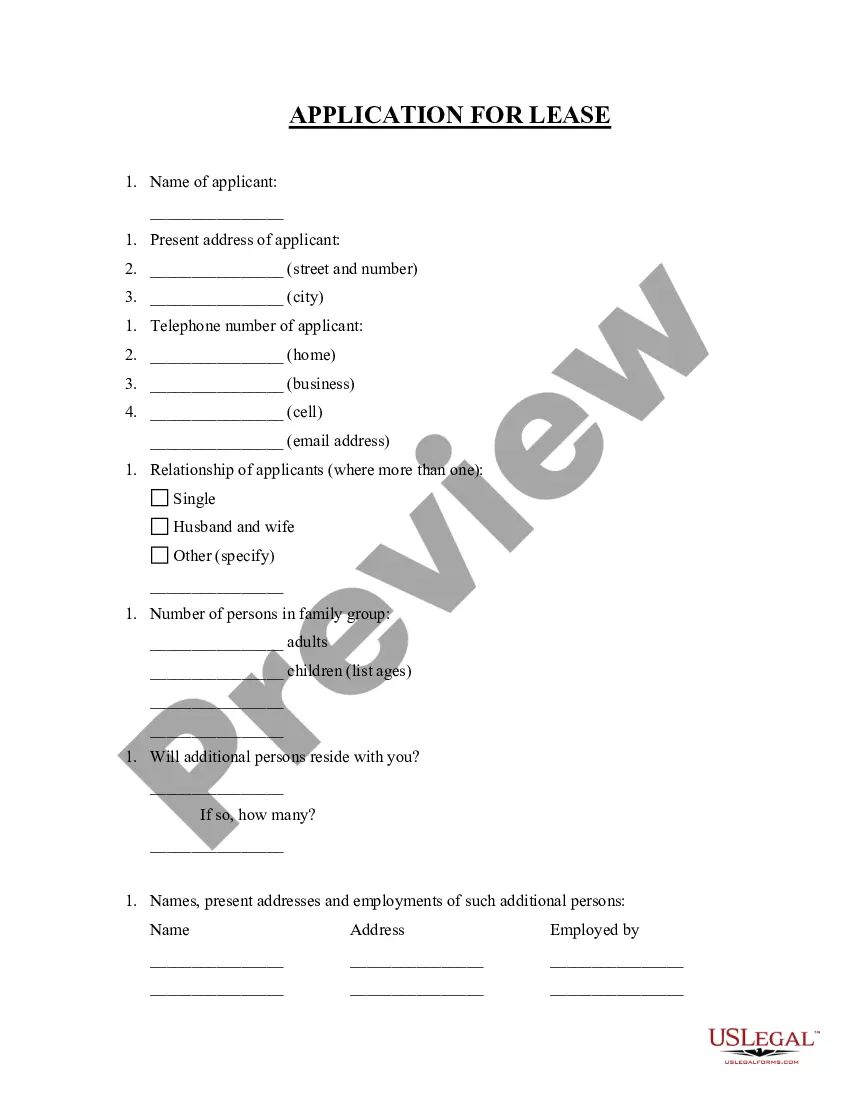
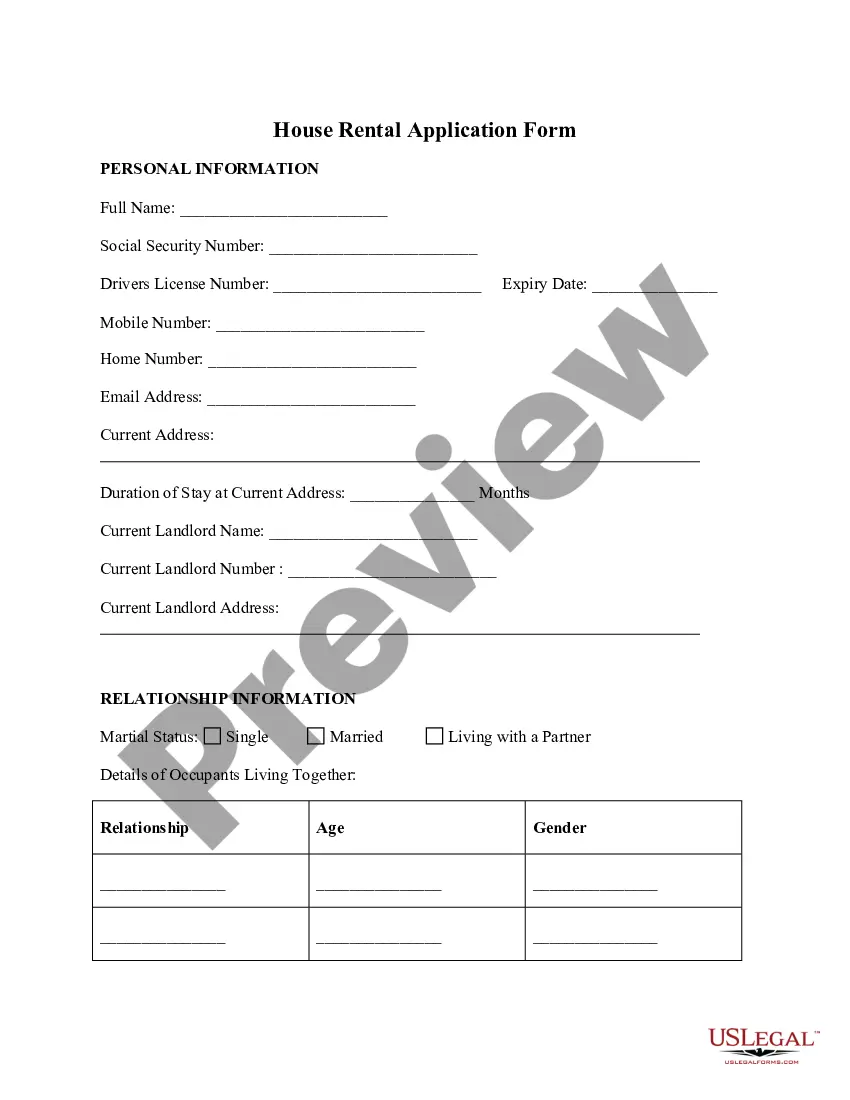
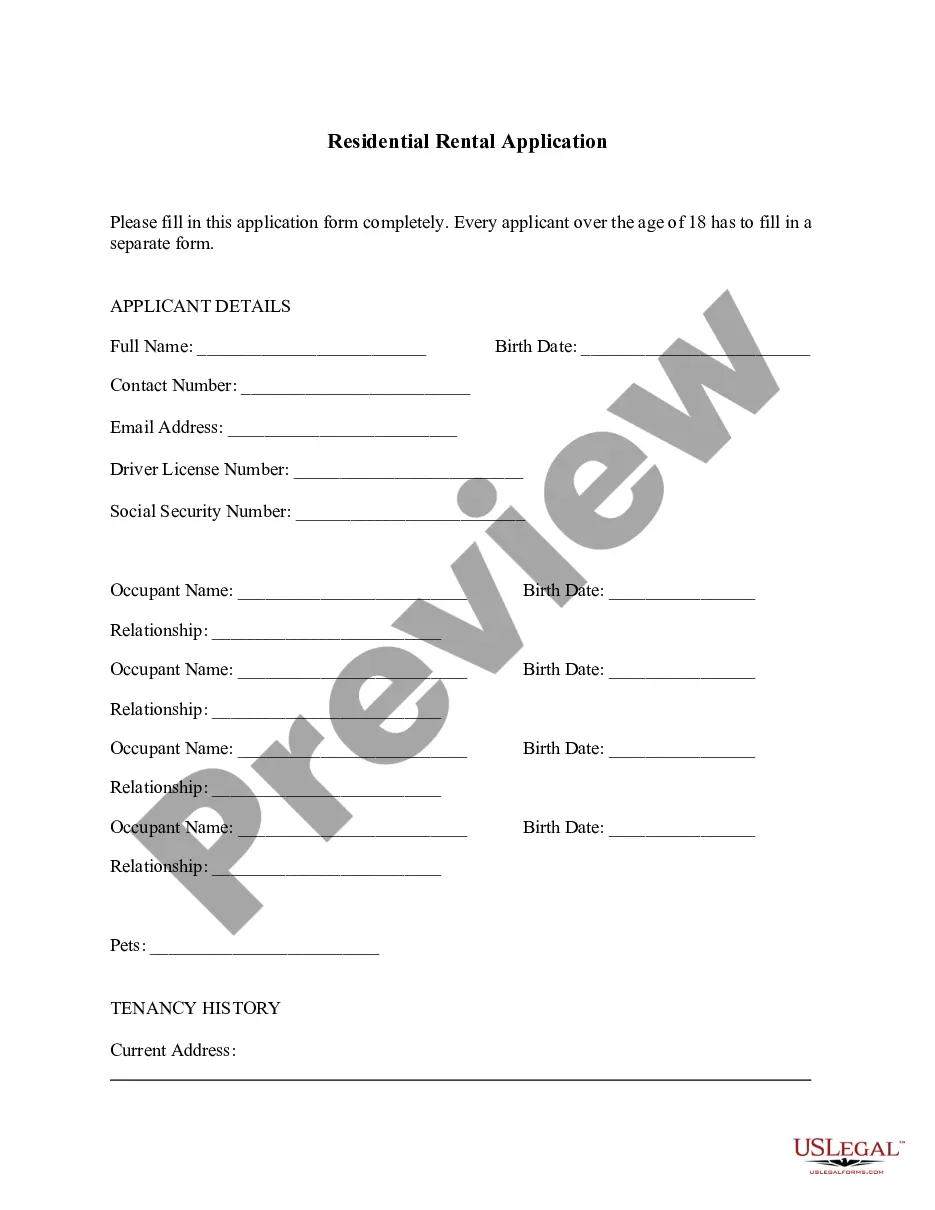
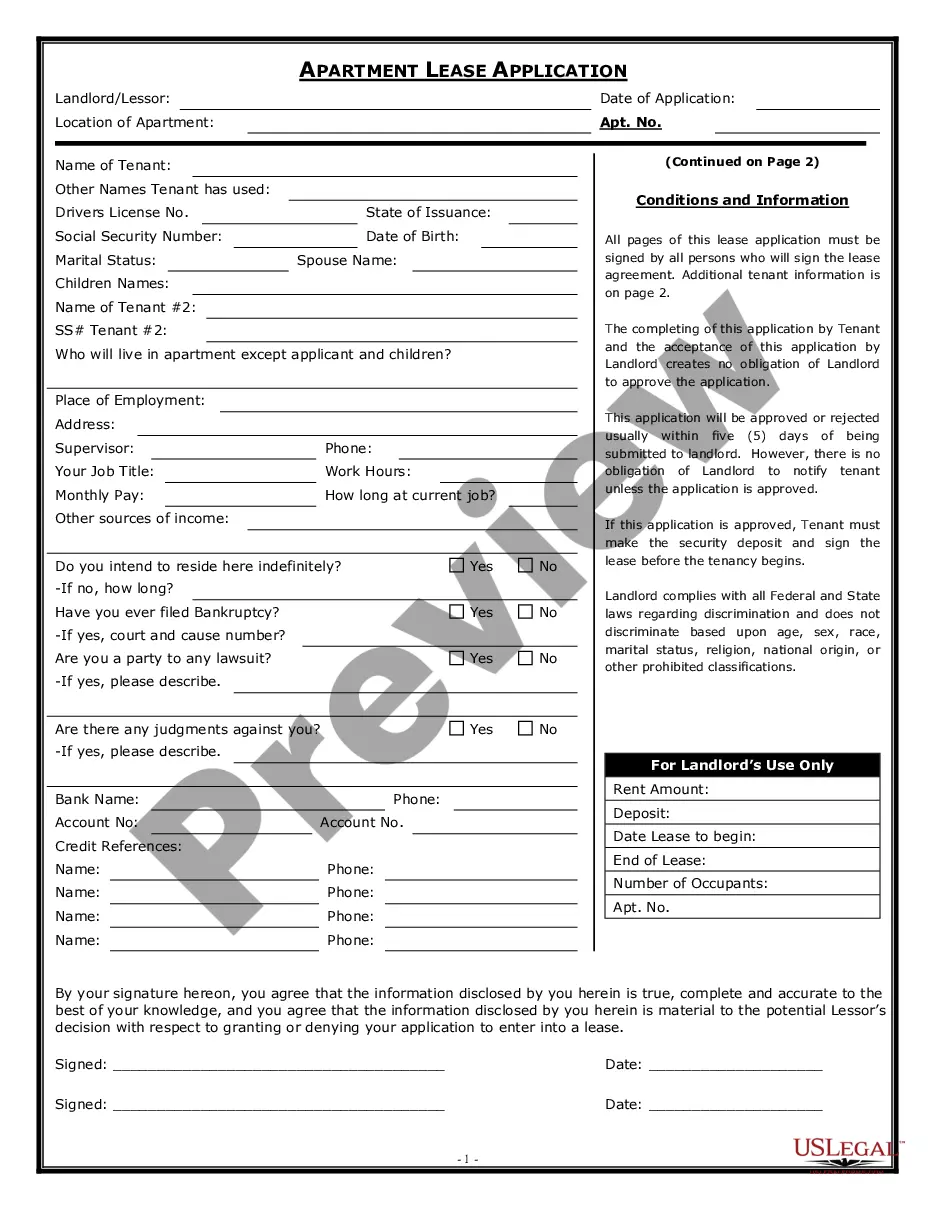
The Residential Rental Lease Application is designed for prospective tenants to formally apply for a rental property. Landlords use this form to collect crucial information about the applicant, assess their suitability as tenants, and conduct background checks. This application differs from other rental forms in that it specifically evaluates the applicant's qualifications before a lease agreement is signed.
Key parts of this document
- Applicant's personal information: Includes name, contact details, and current address.
- Financial information: Requires details about income, employment, and credit history.
- Disclosure statements: Contains necessary disclosures and compliance with anti-discrimination laws.
- Authorization for background checks: Grants the landlord permission to conduct credit and criminal background investigations.
- Signature section: Requires the applicant's signature to confirm the accuracy of the provided information.

Situations where this form applies
This form should be used whenever a landlord requires potential tenants to apply for a rental unit. It's particularly useful when there are multiple applicants for a rental property, allowing for a standardized process in evaluating who meets the landlord's criteria before renting the property.
Intended users of this form
- Prospective tenants looking to rent a residential property.
- Landlords seeking a formal application process for tenant evaluation.
- Real estate agents working on behalf of landlords to find suitable tenants.
- Property management companies that handle tenant applications and leasing.
How to complete this form
- Provide accurate personal information including full name, address, and contact details.
- Enter income and employment details to showcase financial stability.
- Read and understand all disclosure statements included in the form.
- Sign the application to authorize background and credit checks.
- Submit the completed application to the landlord and await approval or rejection.
Notarization requirements for this form
Notarization is generally not required for this form. However, certain states or situations might demand it. You can complete notarization online through US Legal Forms, powered by Notarize, using a verified video call available anytime.
Get your form ready online
Our built-in tools help you complete, sign, share, and store your documents in one place.
Make edits, fill in missing information, and update formatting in US Legal Forms—just like you would in MS Word.
Download a copy, print it, send it by email, or mail it via USPS—whatever works best for your next step.
Sign and collect signatures with our SignNow integration. Send to multiple recipients, set reminders, and more. Go Premium to unlock E-Sign.
If this form requires notarization, complete it online through a secure video call—no need to meet a notary in person or wait for an appointment.
We protect your documents and personal data by following strict security and privacy standards.

Make edits, fill in missing information, and update formatting in US Legal Forms—just like you would in MS Word.

Download a copy, print it, send it by email, or mail it via USPS—whatever works best for your next step.

Sign and collect signatures with our SignNow integration. Send to multiple recipients, set reminders, and more. Go Premium to unlock E-Sign.

If this form requires notarization, complete it online through a secure video call—no need to meet a notary in person or wait for an appointment.

We protect your documents and personal data by following strict security and privacy standards.
Avoid these common issues
- Failing to provide complete personal and financial information.
- Not signing the authorization for background checks.
- Ignoring the disclosure statements, which can lead to miscommunication.
- Submitting the application without verifying that all information is accurate.
Why complete this form online
- Convenience: Easily fill out the form at your own pace and from anywhere.
- Editability: Make changes until all information is accurate and complete.
- Reliability: Ensures the use of legally vetted language and compliance with laws.
Summary of main points
- The Residential Rental Lease Application is essential for tenant evaluation prior to signing a lease.
- Accurate and complete information increases the chances of approval.
- Landlords must comply with discrimination laws when reviewing applications.
Looking for another form?
Form popularity
FAQ
A lease serves as a binding, legal agreement between the property owner and the tenant. As such, it is very important to make sure it thoroughly addresses the rules, policies, and conflict resolution procedures for living in the rental property, and clearly defines tenant and landlord responsibilities.
The Lease Must be in Writing It does not matter if the lease is handwritten or typed.
A written agreement can act as a roadmap for the landlord-tenant relationship, especially if a dispute arises. Also, real estate (land) leases for more than one year must be in writing. If a lease for over one year is not in writing, it will generally not be enforceable in court.
The lease agreement or contract offered by the landlord once the application has been approved is a legally binding document. It becomes legally binding once it is signed by the applicants and landlord.It also explains what items the landlord is responsible for and what the tenants are responsible for.
Collect each party's information. Include specifics about your property. Consider all of the property's utilities and services. Know the terms of your lease. Set the monthly rent amount and due date. Calculate any additional fees. Determine a payment method. Consider your rights and obligations.
The lease becomes legally binding when all parties have signed: the landlord and all tenants living in the unit who are 18 and older. If you're worried about situations where a lease needs to end early, learn about breaking a lease and grounds for eviction.
A lease can be written or verbal, but a verbal lease can be very difficult to enforce.Most leases are fairly standard and cover basic components such as rent amount, duration of lease term, resposiblities of each party and penalties for not following the terms.
Collect each party's information. Include specifics about your property. Consider all of the property's utilities and services. Know the terms of your lease. Set the monthly rent amount and due date. Calculate any additional fees. Determine a payment method. Consider your rights and obligations.
Mostbut not allstates require the lease to be in writing to be considered valid. Among the states that require written leases, valid ones must include a description of the property. The property's physical address is considered a valid description. Leases must include starting and ending dates.