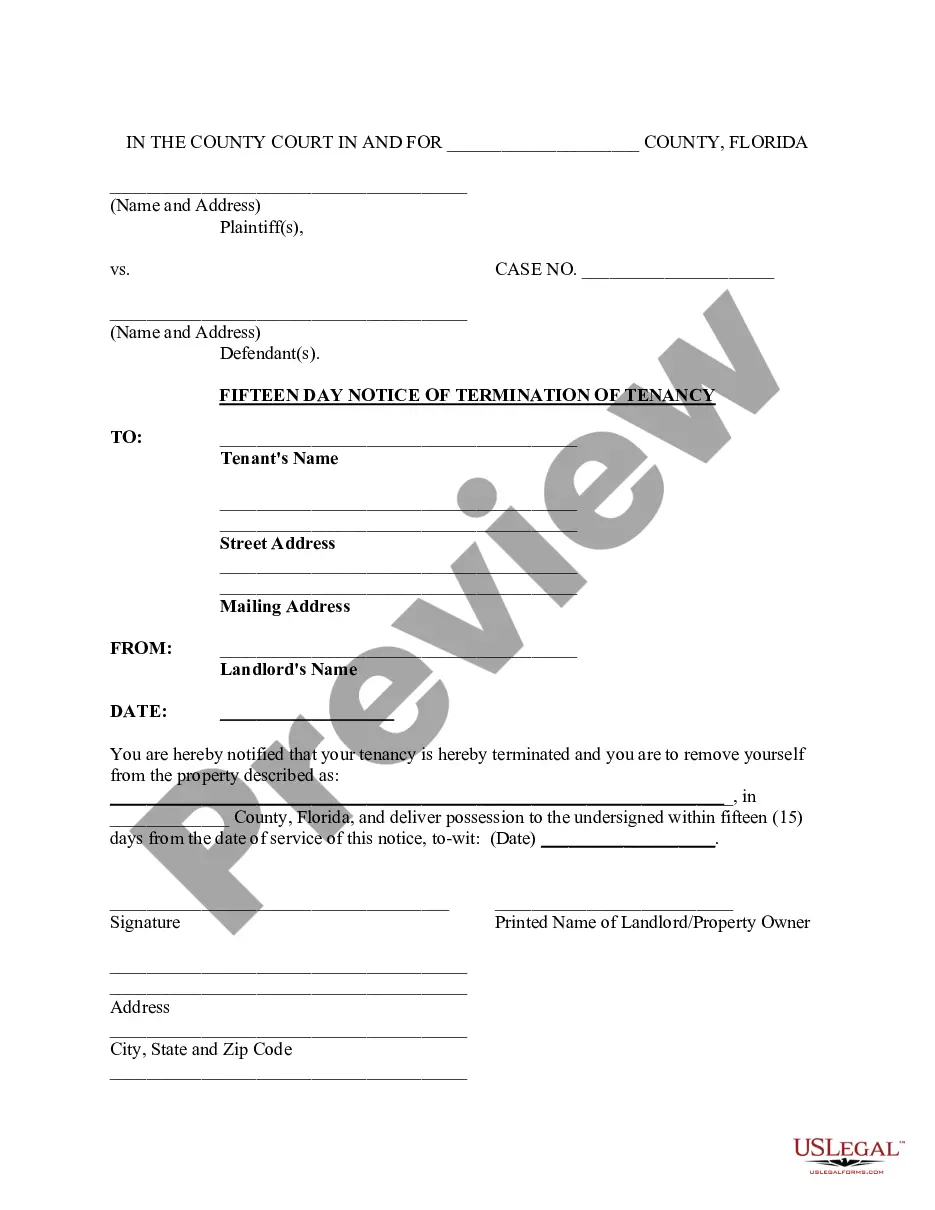
Wisconsin Electrical Contract for Contractor
What this document covers
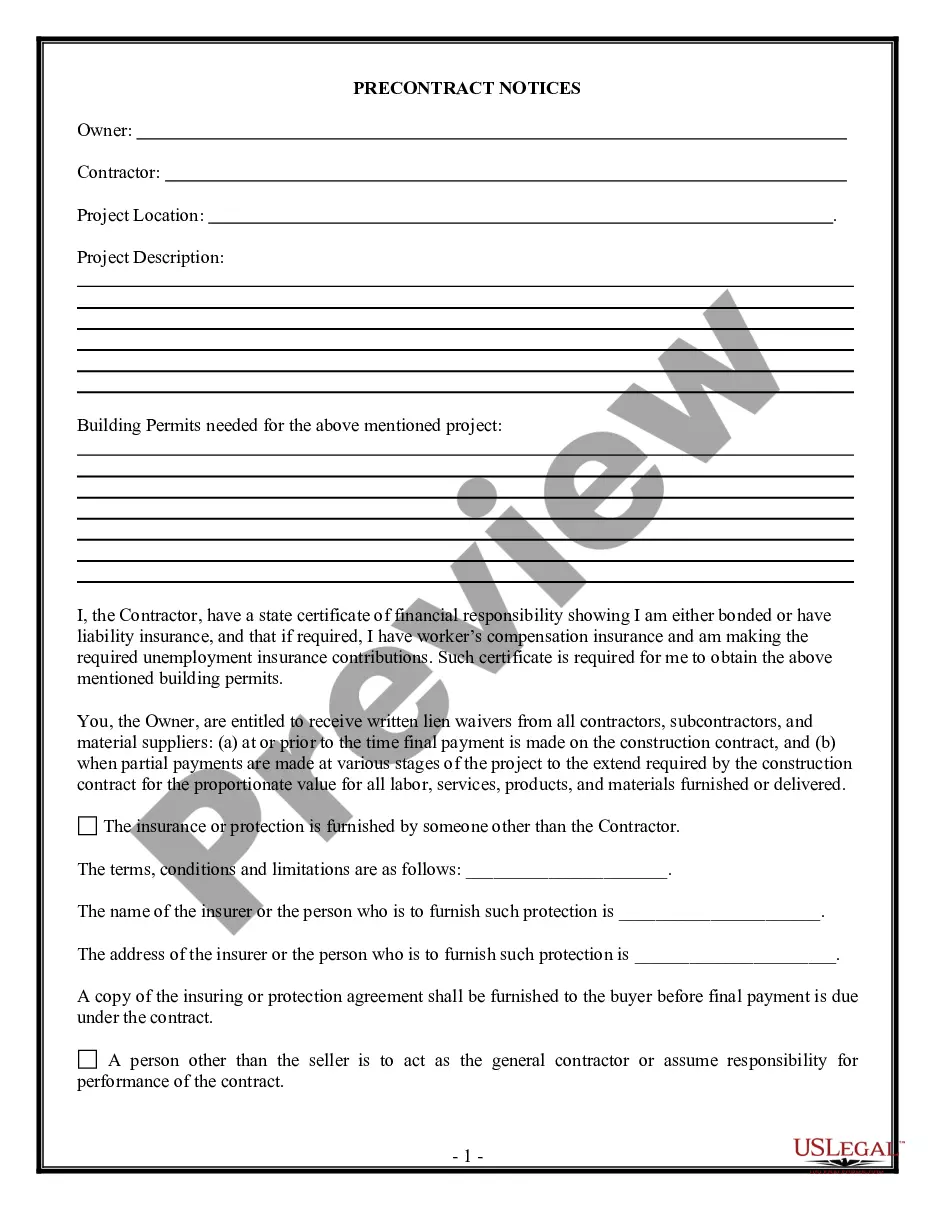
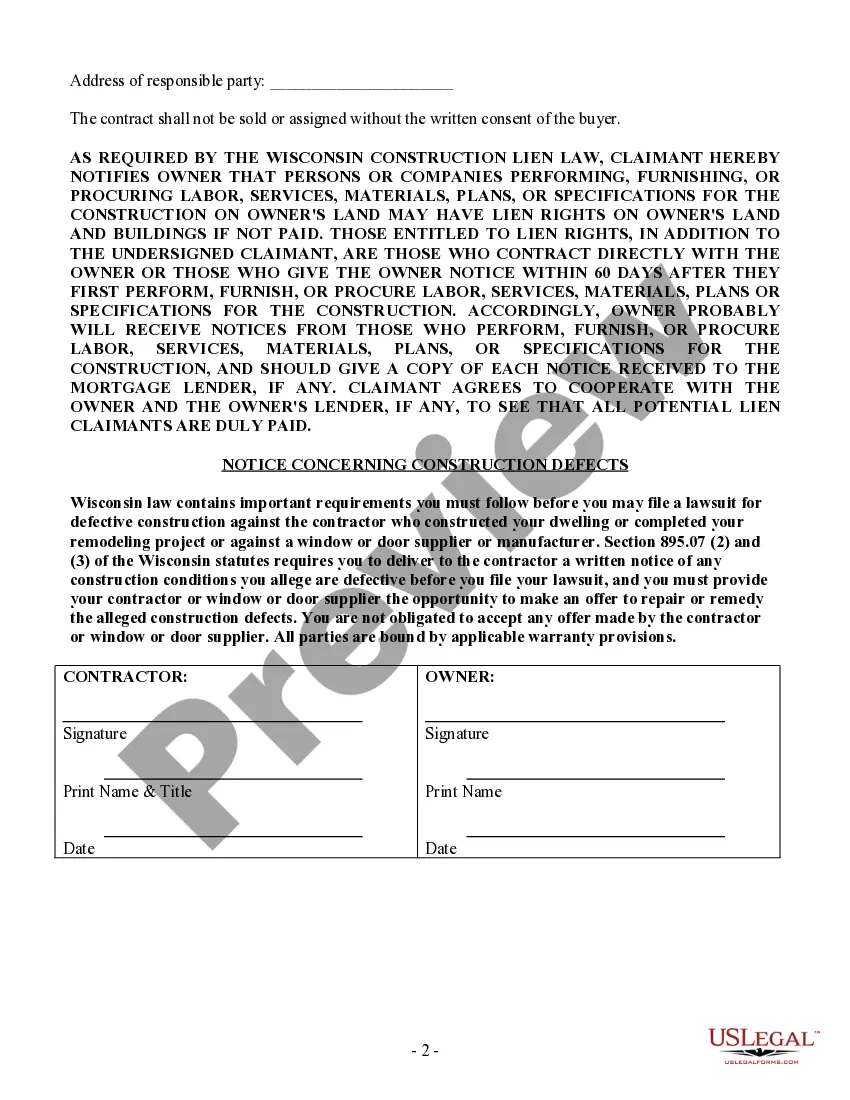
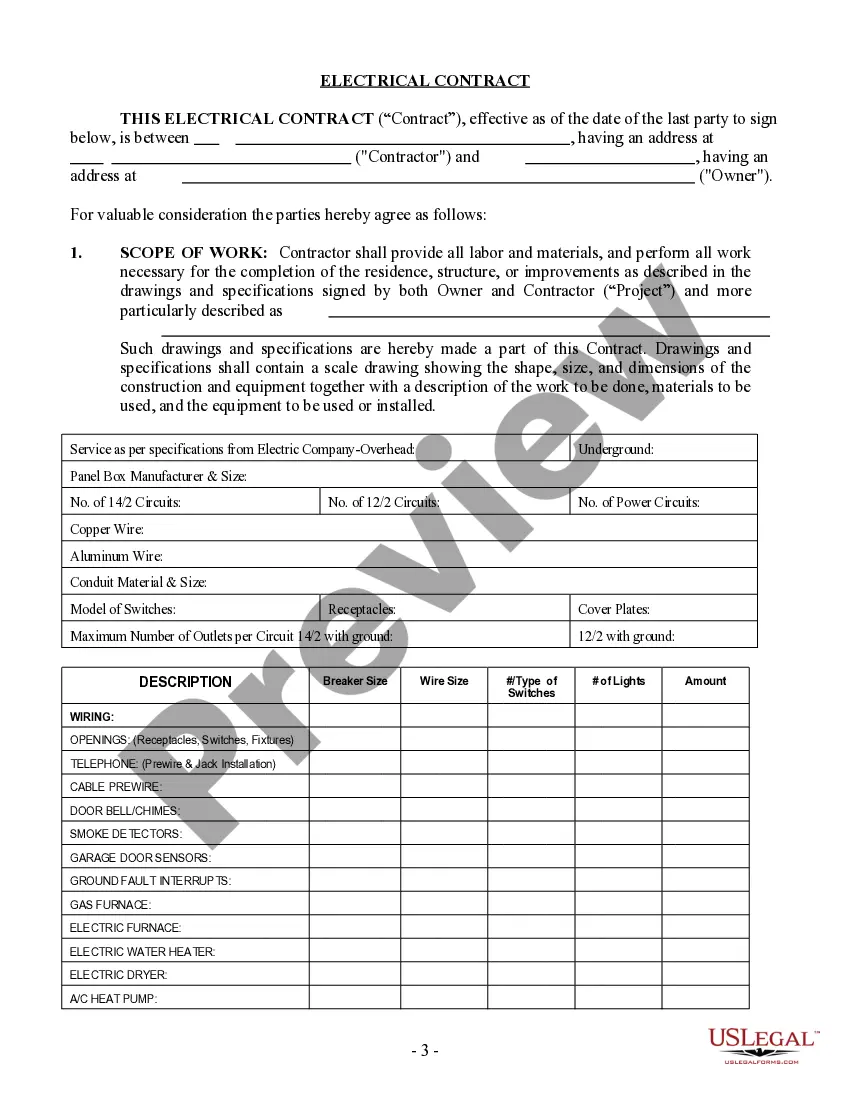
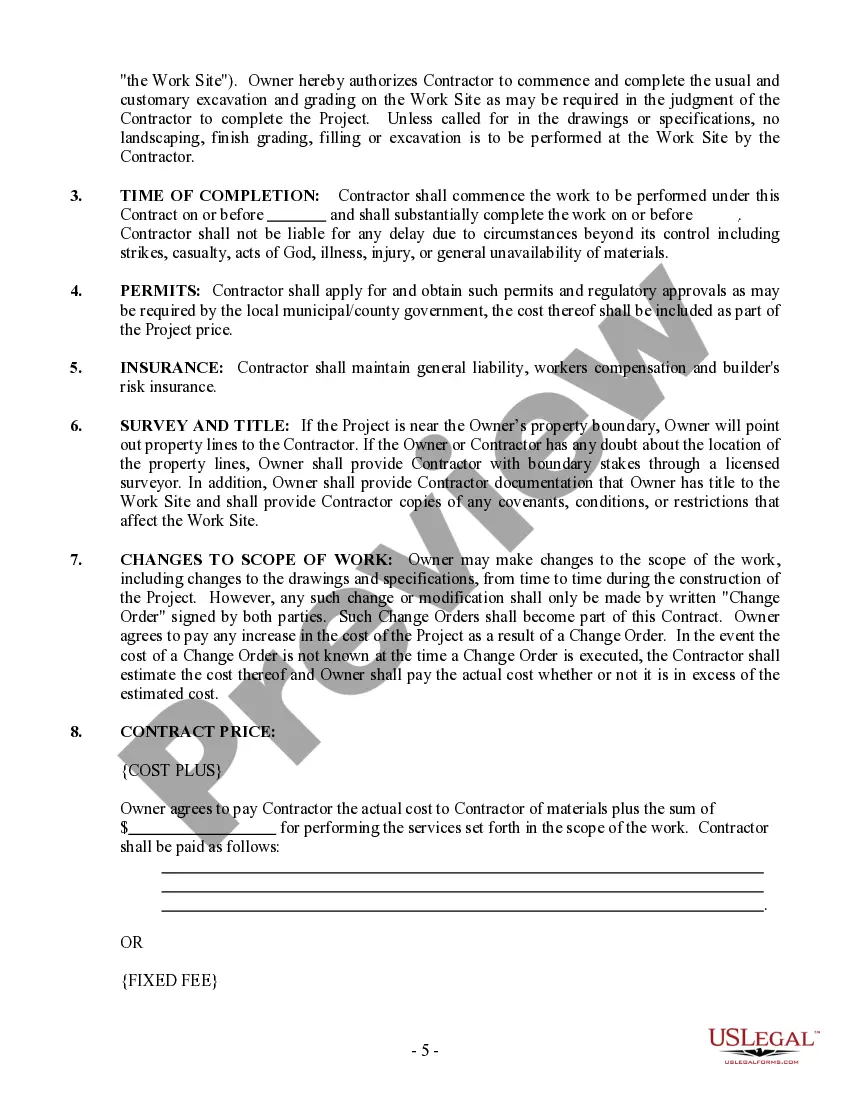
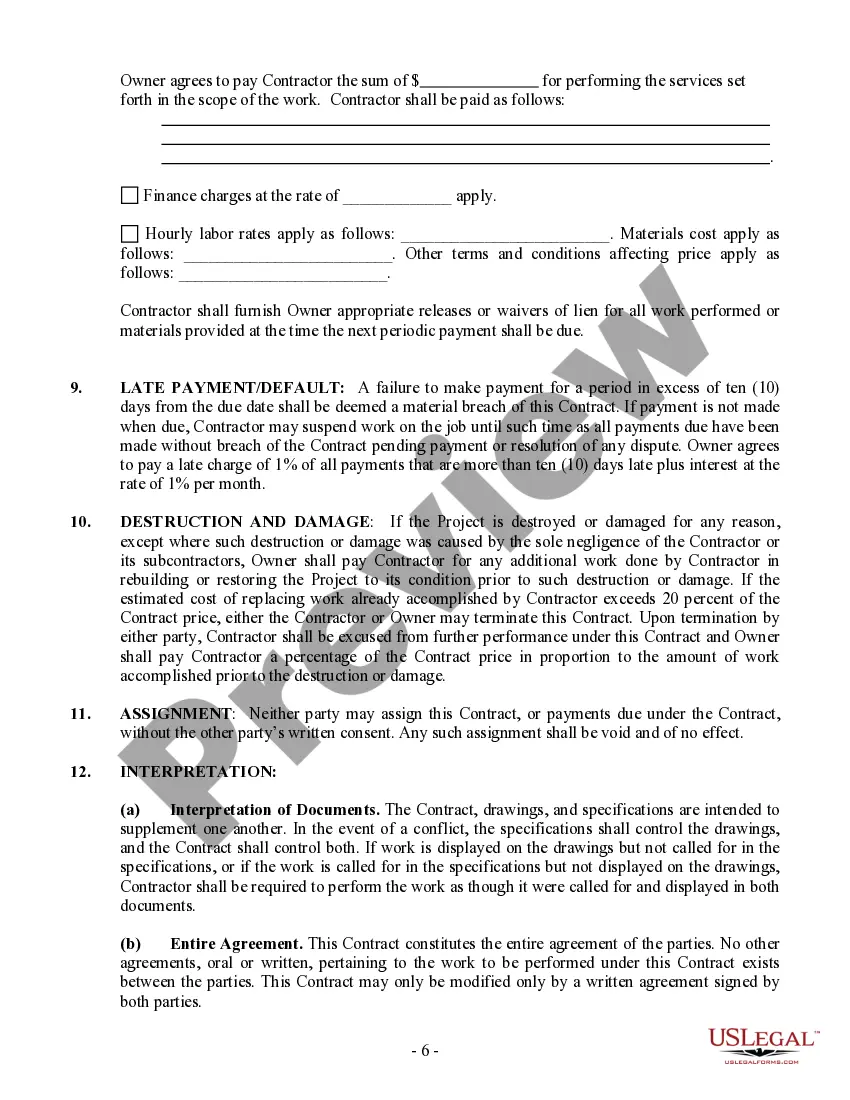
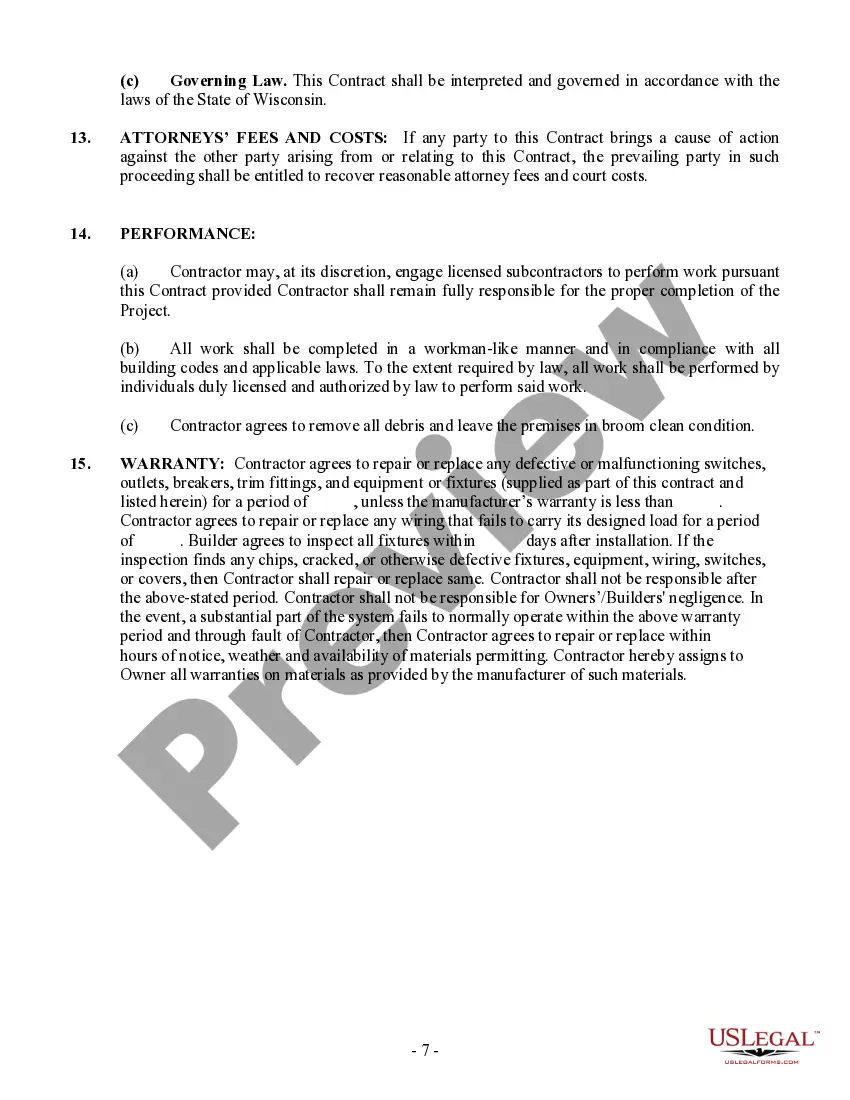
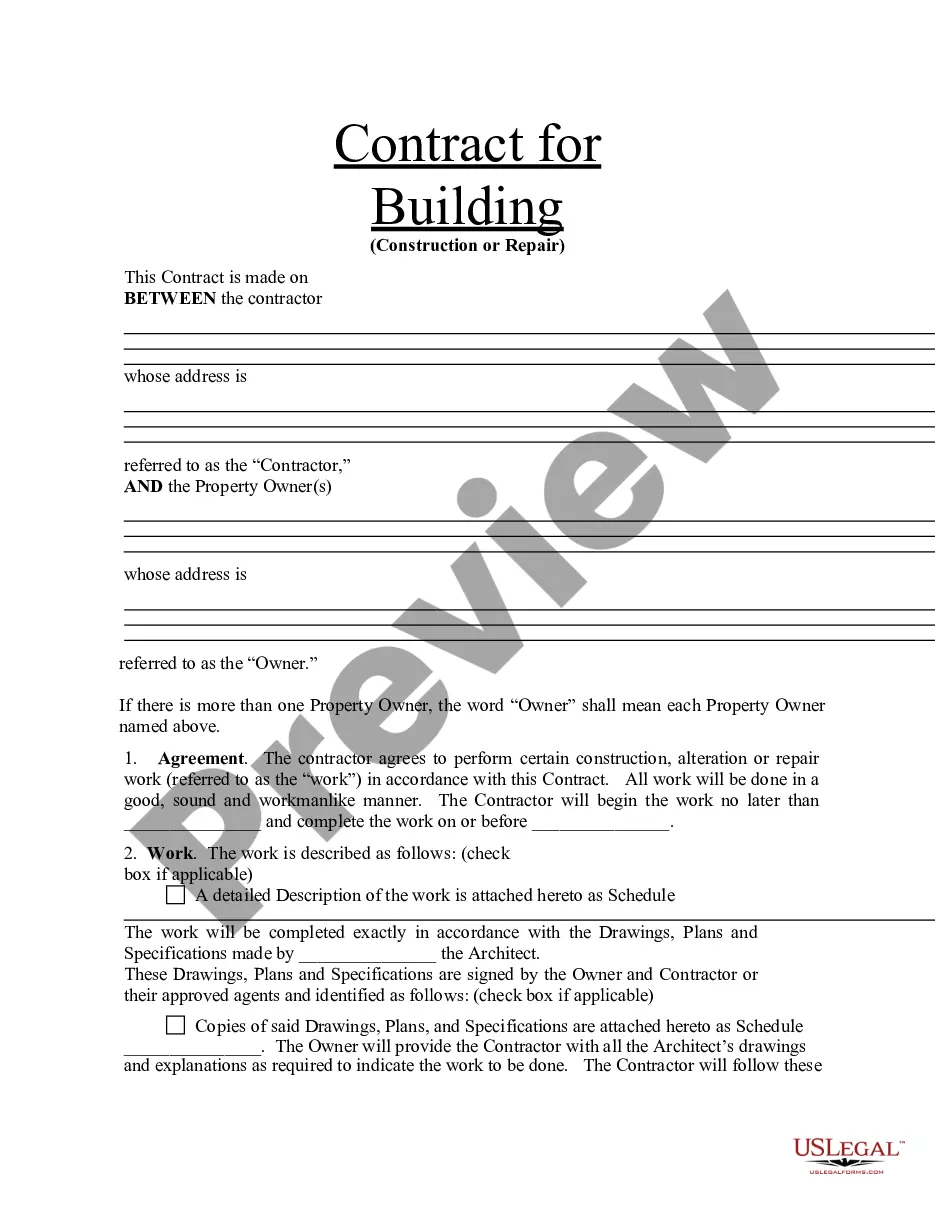
The Electrical Contract for Contractor is a legal document designed for use between electrical contractors and property owners. It can be executed under either a cost plus or fixed fee arrangement and outlines important terms regarding change orders, work site information, warranties, and insurance. This contract is specifically tailored to comply with the laws of Wisconsin, making it an essential tool for ensuring clear communication and legal protection in electrical projects.
Main sections of this form
- Parties involved: Identifies the owner and contractor.
- Payment terms: Specifies whether a cost plus or fixed fee arrangement is used.
- Change orders: Outlines the process for making modifications to the project scope.
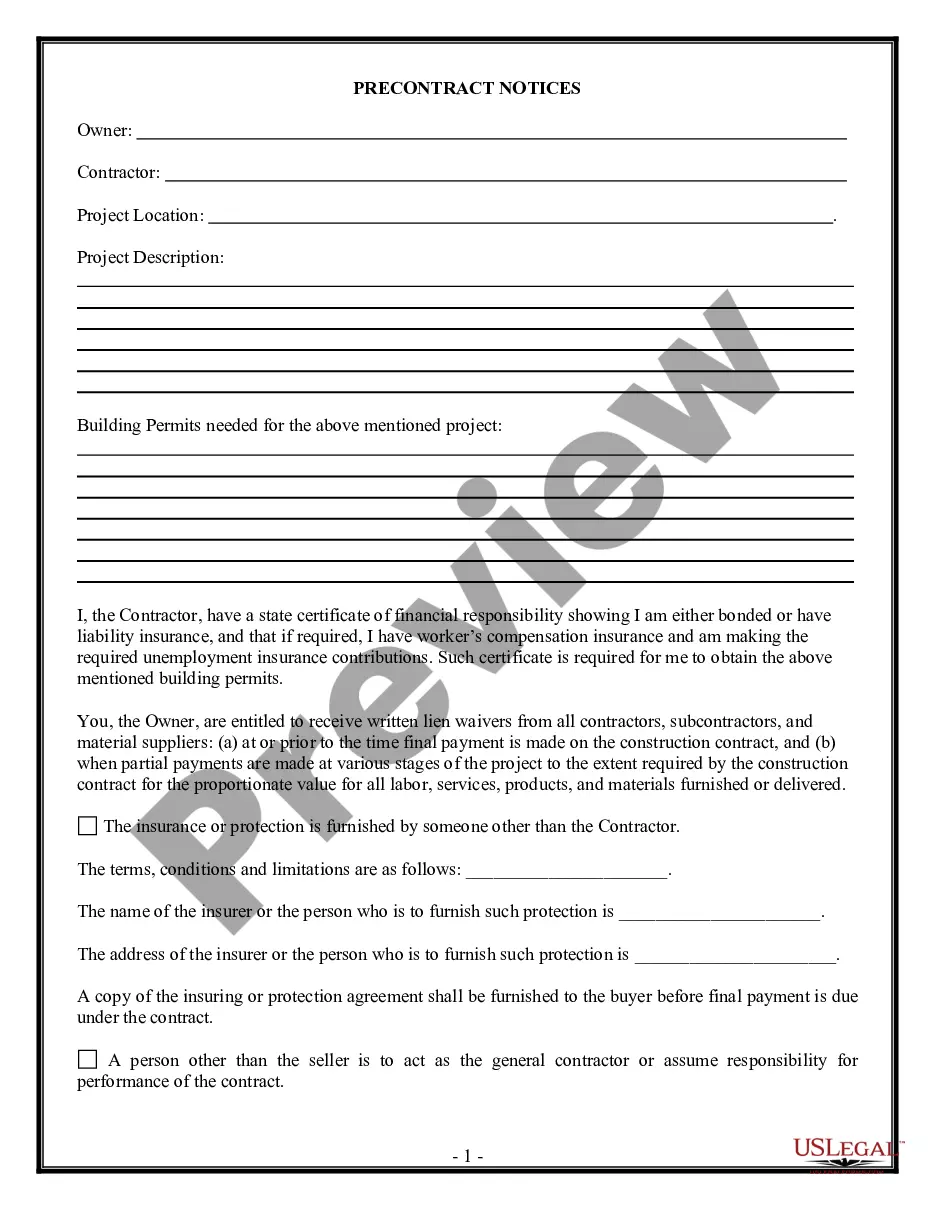
- Inspection and permits: Details responsibilities for obtaining necessary permits.
- Insurance requirements: States the insurance coverage required from the contractor.
- Warranties and liability: Defines the warranties for workmanship and materials.



Situations where this form applies
This form should be used when a property owner engages an electrical contractor to carry out electrical work. It is applicable for new installations, renovations, or repairs, particularly when the project requires clear guidelines on payments, changes to work requirements, and legal protections for both parties involved.
Who can use this document
- Property owners hiring an electrical contractor for a project.
- Electrical contractors seeking a formal agreement for their services.
- Anyone involved in a construction project that includes electrical work in Wisconsin.
How to prepare this document
- Identify the parties: Enter the names and addresses of the owner and contractor.
- Specify payment terms: Define whether the agreement is cost plus or fixed fee.
- Outline the scope of work: Describe the electrical work to be performed clearly.
- Enter insurance details: Provide the information about the insurance coverage held by the contractor.
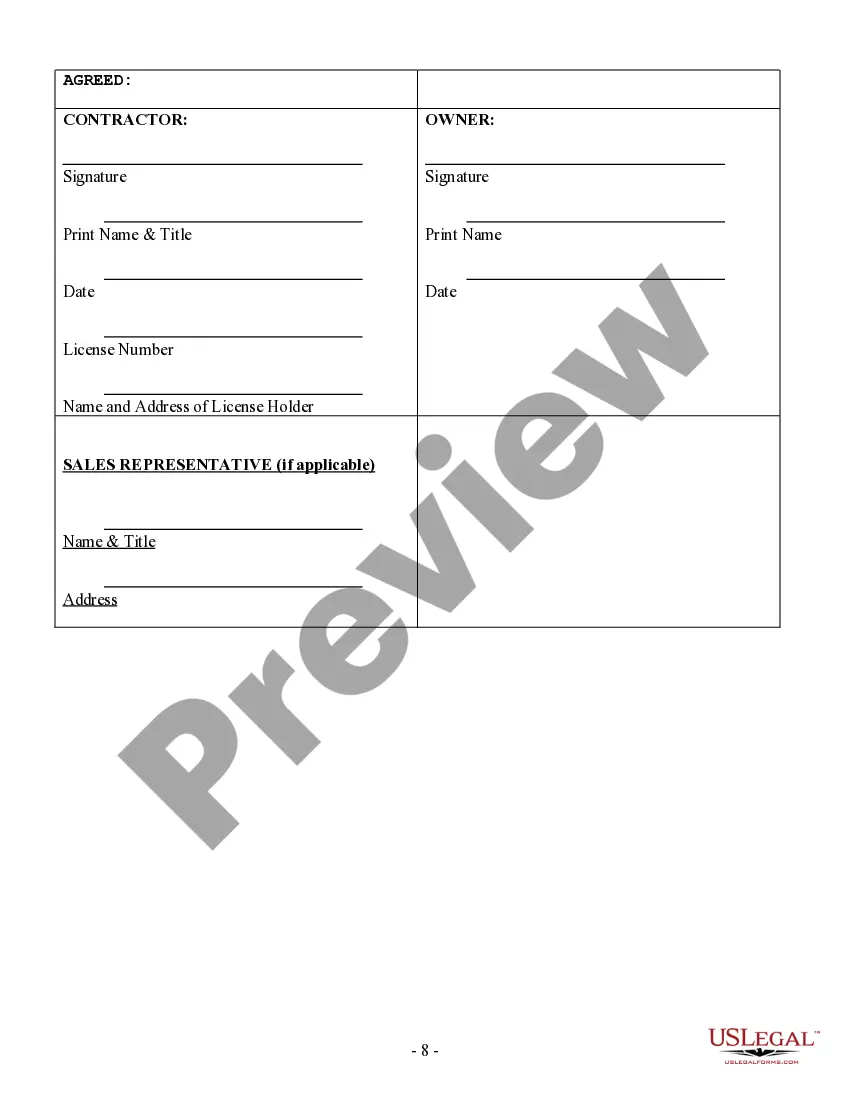
- Sign and date: Both parties should sign and date the document to make it binding.
Does this document require notarization?
This form usually doesn’t need to be notarized. However, local laws or specific transactions may require it. Our online notarization service, powered by Notarize, lets you complete it remotely through a secure video session, available 24/7.
Get your form ready online
Our built-in tools help you complete, sign, share, and store your documents in one place.
Make edits, fill in missing information, and update formatting in US Legal Forms—just like you would in MS Word.
Download a copy, print it, send it by email, or mail it via USPS—whatever works best for your next step.
Sign and collect signatures with our SignNow integration. Send to multiple recipients, set reminders, and more. Go Premium to unlock E-Sign.
If this form requires notarization, complete it online through a secure video call—no need to meet a notary in person or wait for an appointment.
We protect your documents and personal data by following strict security and privacy standards.

Make edits, fill in missing information, and update formatting in US Legal Forms—just like you would in MS Word.

Download a copy, print it, send it by email, or mail it via USPS—whatever works best for your next step.

Sign and collect signatures with our SignNow integration. Send to multiple recipients, set reminders, and more. Go Premium to unlock E-Sign.

If this form requires notarization, complete it online through a secure video call—no need to meet a notary in person or wait for an appointment.

We protect your documents and personal data by following strict security and privacy standards.
Common mistakes
- Failing to specify payment terms clearly, leading to confusion later on.
- Not including important details about change orders, which can complicate modifications.
- Leaving out required insurance information or details about permits.
- Not having both parties sign and date the contract, rendering it less enforceable.
Why complete this form online
- Convenience: Download and complete the form from anywhere, at any time.
- Editability: Tailor the contents easily to meet specific project requirements.
- Guidance: Access to instructions ensures you understand how to fill out the form appropriately.
- Reliability: The form is drafted by licensed attorneys, ensuring it meets legal standards.
Looking for another form?
Form popularity
FAQ
Replacements, Minor Repairs and 'Like for Like' Changes These are the main electrical jobs that you'll be allowed to undertake yourself. So, you might want to change and/or move sockets, ceiling lights or light switches. You can even look to change any wires that might look old or damaged.
Contractor licenses are issued through the Wisconsin Department of Safety and Professional Services. In order to pull permits to do work on one- or two- family homes, you need both the dwelling contractor certification for the business, and at least one person from the company needs a dwelling contractor certification.
Can an unlicensed person install electrical wiring in an owner occupied single family dwelling? Yes.101.862(4)(a) allows a homeowner to install, repair, or maintain electrical wiring without a license on premises that the property owner owns and occupies unless a license is required by a local ordinance.
If you want to make money through your general contracting business, you need a Wisconsin contractor license. It's a must-have, not a nice-to-have.
Identify the Electrical Contractor and the Customer. Define the Scope of the Electrical Project. Identify the Plans and Specifications and the Location. Set Out the Payment Schedule. List Completion Dates and Schedules. Set Out Who Will Pay for Licenses and Fees. Explain the Safety Protocol.
To work as a handyman in Wisconsin you'll need to hold a Wisconsin Dwelling Contractor Qualifier license, which is the contractor license that is issued to individuals. You'll need to complete and pass a 12-hour course to be eligible for a license from the Department of Safety and Professional Services.
Homeowners can pull their own building permits, but they must first read and sign a Cautionary Statement prior to the issuance of the building permit.Electrical Contractors pulling permits need to have a State of WI Master Electrician Certification and possibly a Electrical Contractors Certification.
With no real regulations in place to stop homeowners from carrying out small electrical work in their own home, they continue to do it. Nearly six out of ten DIY projects are relatively safe and successful, even with homeowners lacking necessary skills some jobs require.
A "handyman" or "handyperson" is an unlicensed contractor who offers home maintenance, small home repairs and simple installation services. They may do minor carpentry, plumbing, electrical work, painting, plastering or drywall work, but nothing requiring a license or permit.