Washington Relocation Expense Agreement
Description
Get your form ready online
Our built-in tools help you complete, sign, share, and store your documents in one place.
Make edits, fill in missing information, and update formatting in US Legal Forms—just like you would in MS Word.
Download a copy, print it, send it by email, or mail it via USPS—whatever works best for your next step.
Sign and collect signatures with our SignNow integration. Send to multiple recipients, set reminders, and more. Go Premium to unlock E-Sign.
If this form requires notarization, complete it online through a secure video call—no need to meet a notary in person or wait for an appointment.
We protect your documents and personal data by following strict security and privacy standards.

Make edits, fill in missing information, and update formatting in US Legal Forms—just like you would in MS Word.

Download a copy, print it, send it by email, or mail it via USPS—whatever works best for your next step.

Sign and collect signatures with our SignNow integration. Send to multiple recipients, set reminders, and more. Go Premium to unlock E-Sign.

If this form requires notarization, complete it online through a secure video call—no need to meet a notary in person or wait for an appointment.

We protect your documents and personal data by following strict security and privacy standards.
Looking for another form?


How to fill out Relocation Expense Agreement?
Have you ever found yourself in a situation where you need documentation for either organizational or personal purposes almost daily.
There are numerous legal document templates accessible online, but locating reliable options can be challenging.
US Legal Forms offers thousands of templates, including the Washington Relocation Expense Agreement, designed to comply with state and federal regulations.
Once you find the right template, just click Get now.
Choose the pricing plan you prefer, complete the necessary details to create your account, and place an order using your PayPal or credit card.
- If you are already familiar with the US Legal Forms website and have an account, simply Log In.
- After logging in, you can download the Washington Relocation Expense Agreement template.
- If you do not have an account and wish to start using US Legal Forms, follow these steps.
- Select the template you need and make sure it is for the correct city/region.
- Use the Preview button to examine the document.
- Check the overview to confirm that you have selected the correct template.
- If the template is not what you are looking for, utilize the Lookup section to find the one that fits your needs.
Form popularity
FAQ
You can deduct moving expenses you pay for yourself and members of your household. A member of your household is anyone who has both your former and new home as his or her home. It does not include a tenant or employee unless you can claim that person as a dependent.
The average relocation package costs between $21,327 and $24,913 for renters and between $61,622 and $79,429 for homeowners, according to a 2016 report by Worldwide ERC, a relocation services trade group.
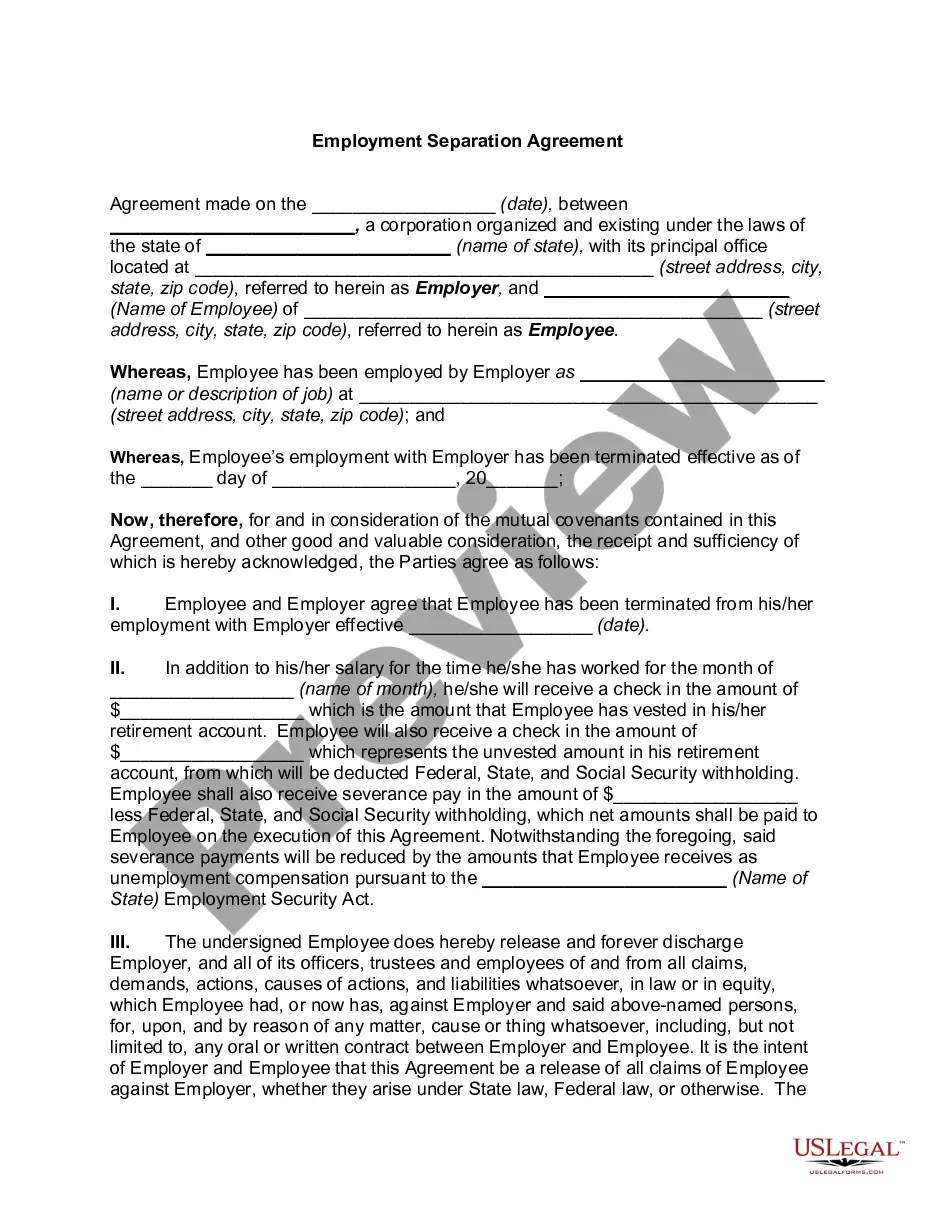
A relocation agreement, sometimes referred to as an employee relocation agreement, is a legal contract executed by an employer and an employee in which the employer agrees to compensate an employee for relocating for business purposes.
Due to the Tax Cuts and Jobs Act (TCJA) passed in 2017, most people can no longer deduct moving expenses on their federal taxes. This aspect of the tax code is pretty straightforward: If you moved in 2020 and you are not an active-duty military member, your moving expenses aren't deductible.
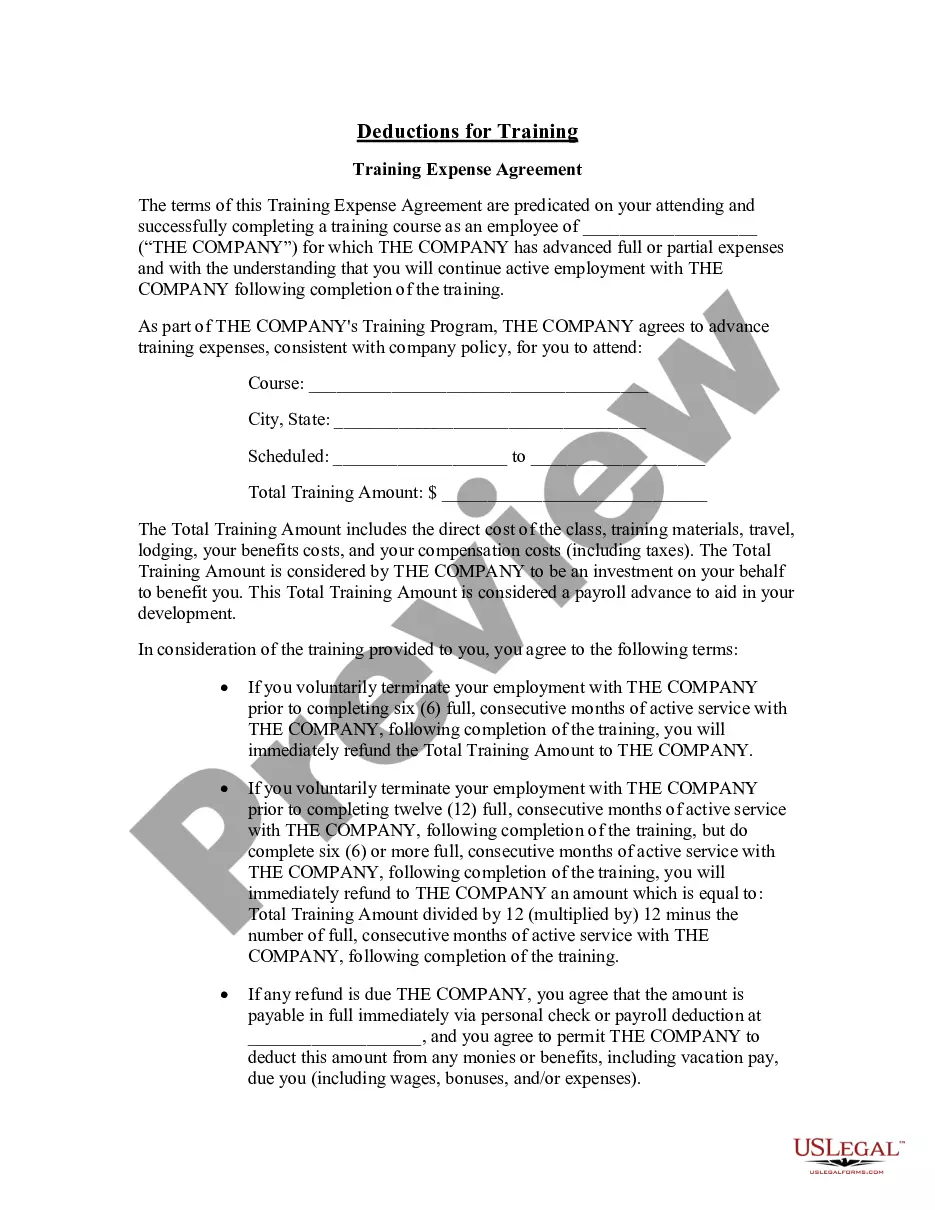
A Repayment Agreement is a legally enforceable contract stating that if the employee resigns or is terminated by the Company within a certain time frame following relocation, the employee agrees to repay the company any relocation expenses that were paid by the company.
IRS moving deductions are no longer allowed under the new tax law. Unfortunately for taxpayers, moving expenses are no longer tax-deductible when moving for work. According to the IRS, the moving expense deduction has been suspended, thanks to the new Tax Cuts and Jobs Act.
Most relocation contracts require you to work for the new company for one to two years, and repay if you voluntarily leave, or are fired for cause.
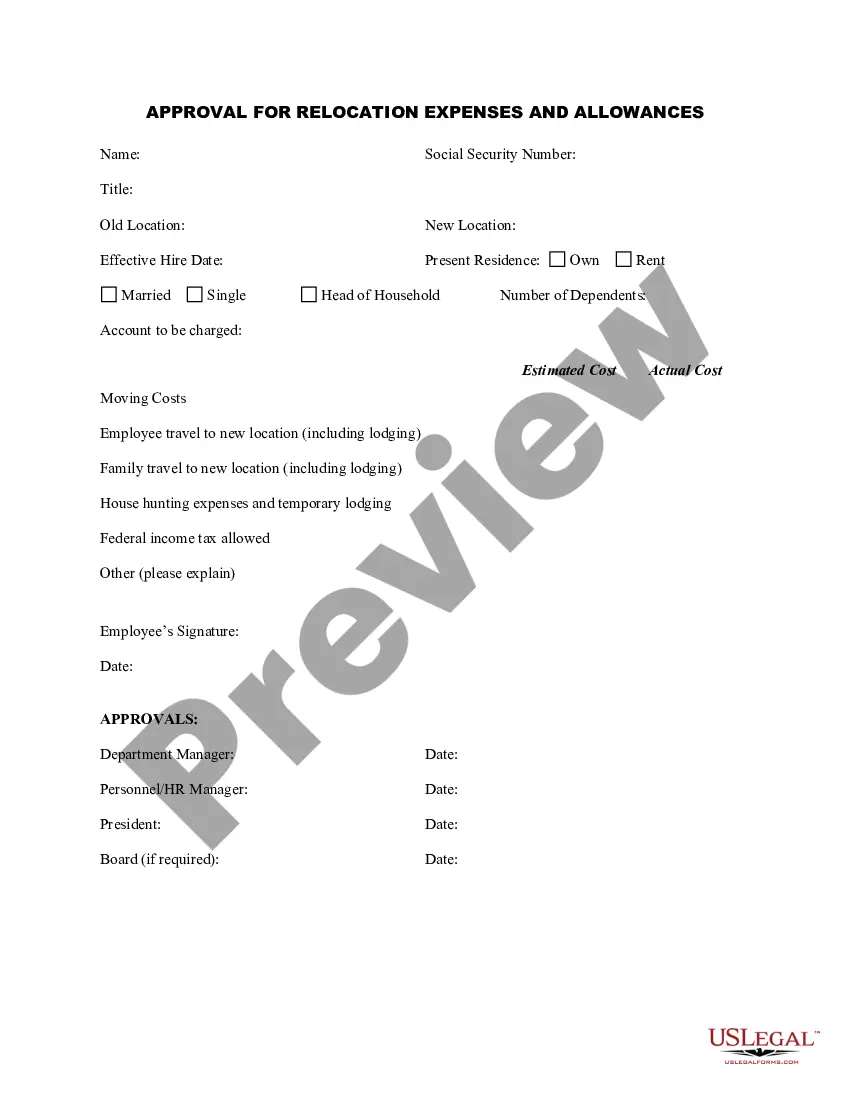
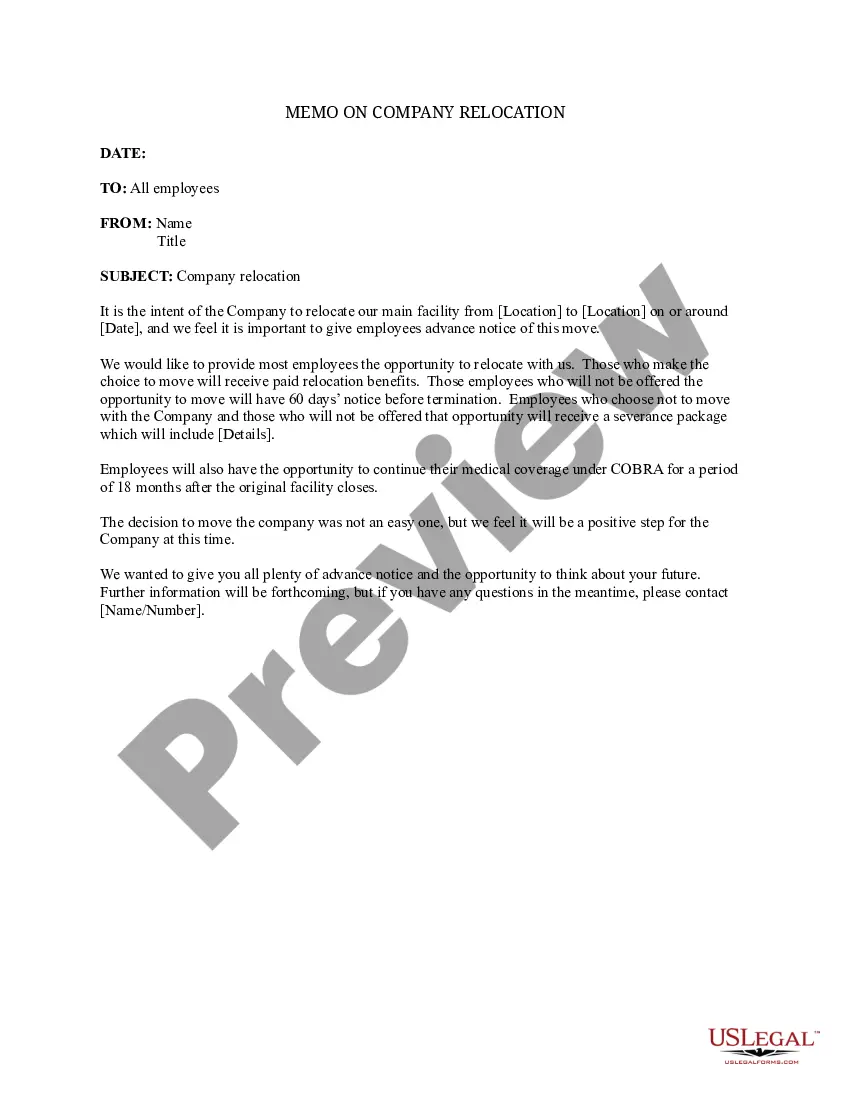
A typical relocation package usually covers the costs of moving and storing furnishings, household goods, assistance with selling an existing home, costs incurred with house-hunting, temporary housing, and all travel costs by the employee and family to the new location.
If there was no contractual agreement to repay, you would not have to pay your employer for relocation costs. If there was a contract requiring reimbursement of relocation expense, such an agreement is valid and enforceable and you would be contractually obligated to repay the expenses.
Accordingly, as of July 2019, only seven states still allowed a moving tax deduction and/or continued to exclude moving reimbursements from income:Arkansas.California.Hawaii.Massachusetts.New Jersey.New York.Pennsylvania.