Washington Motion To Set Show Cause Hearing - Contempt
What this document covers
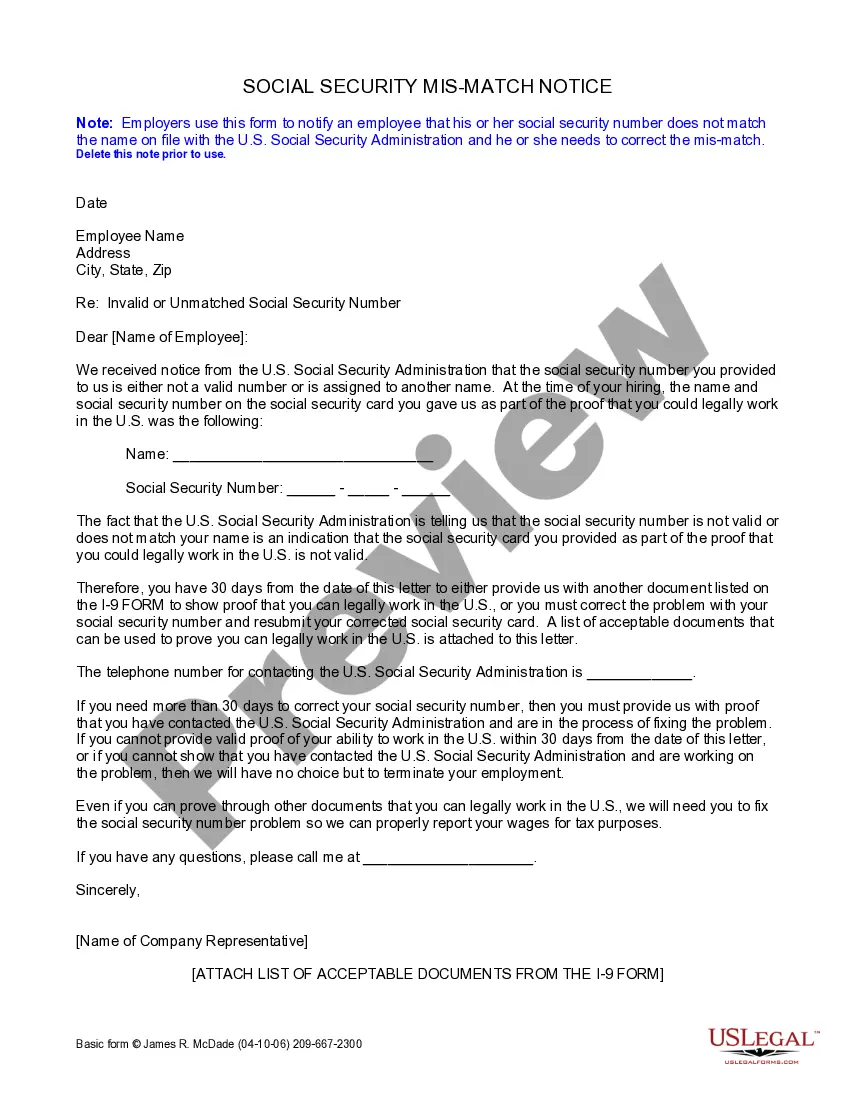
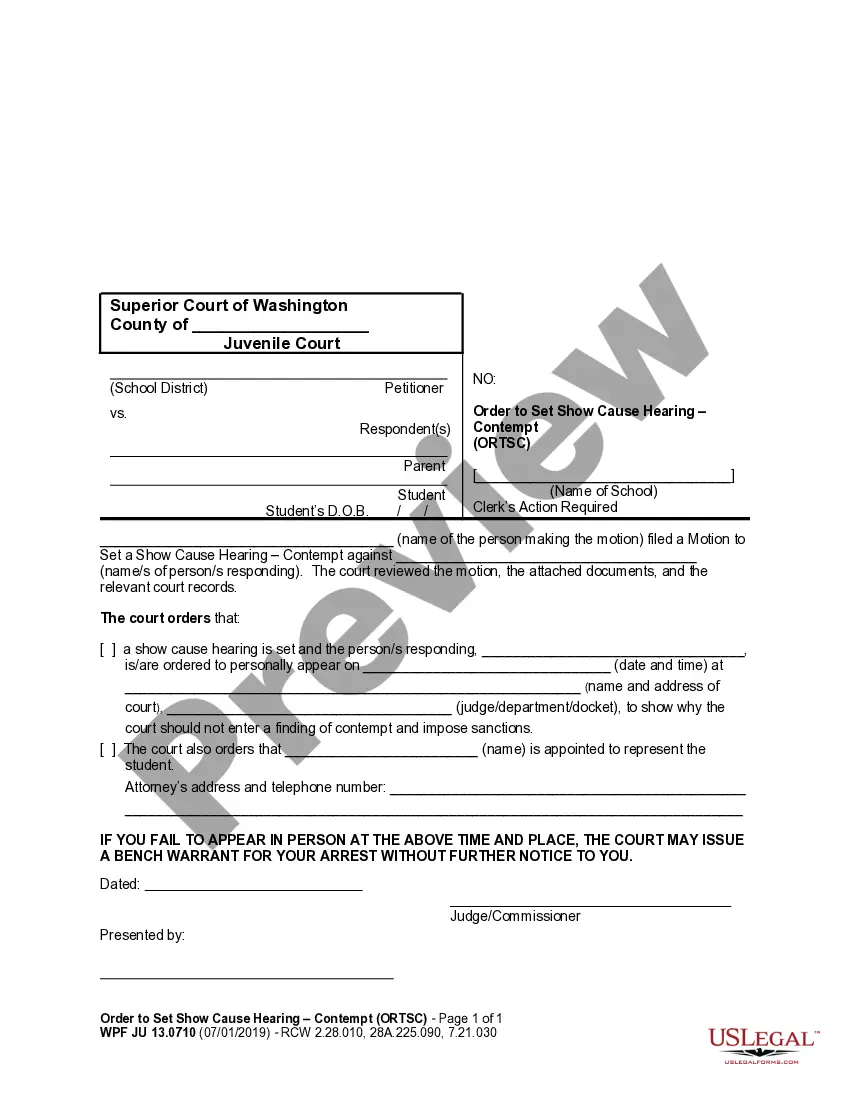
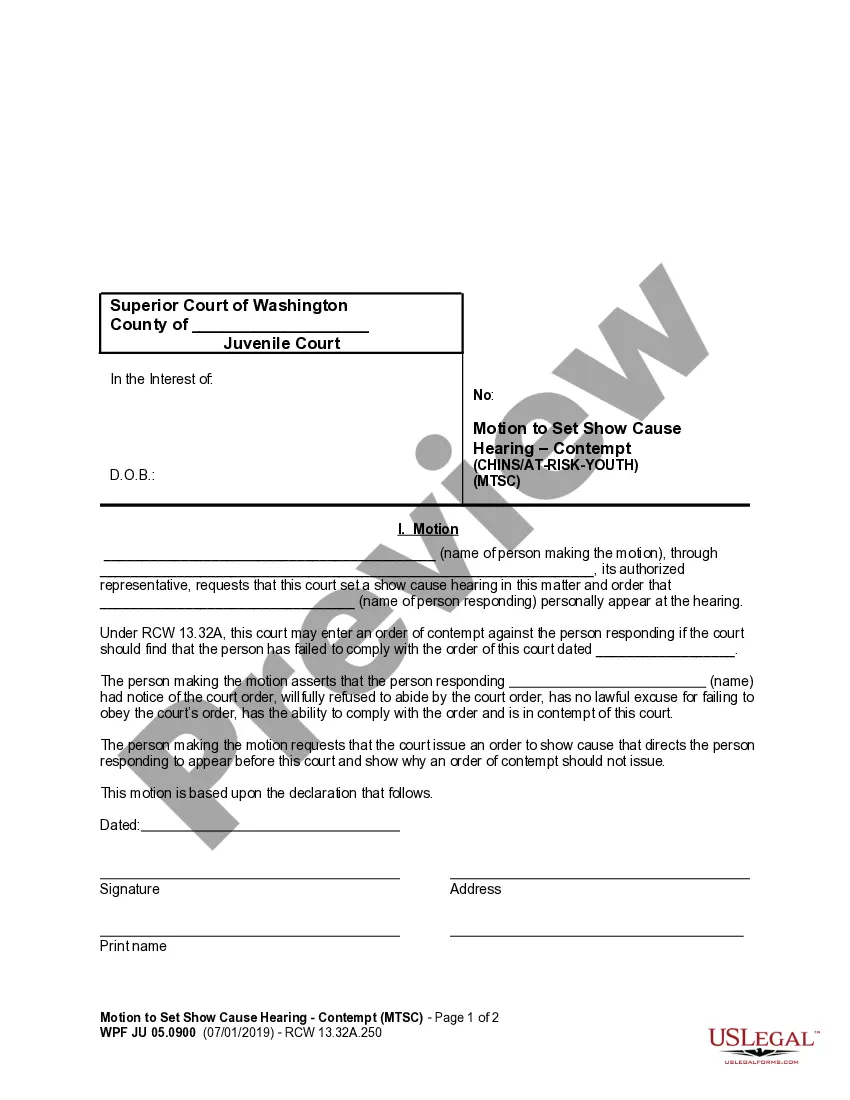
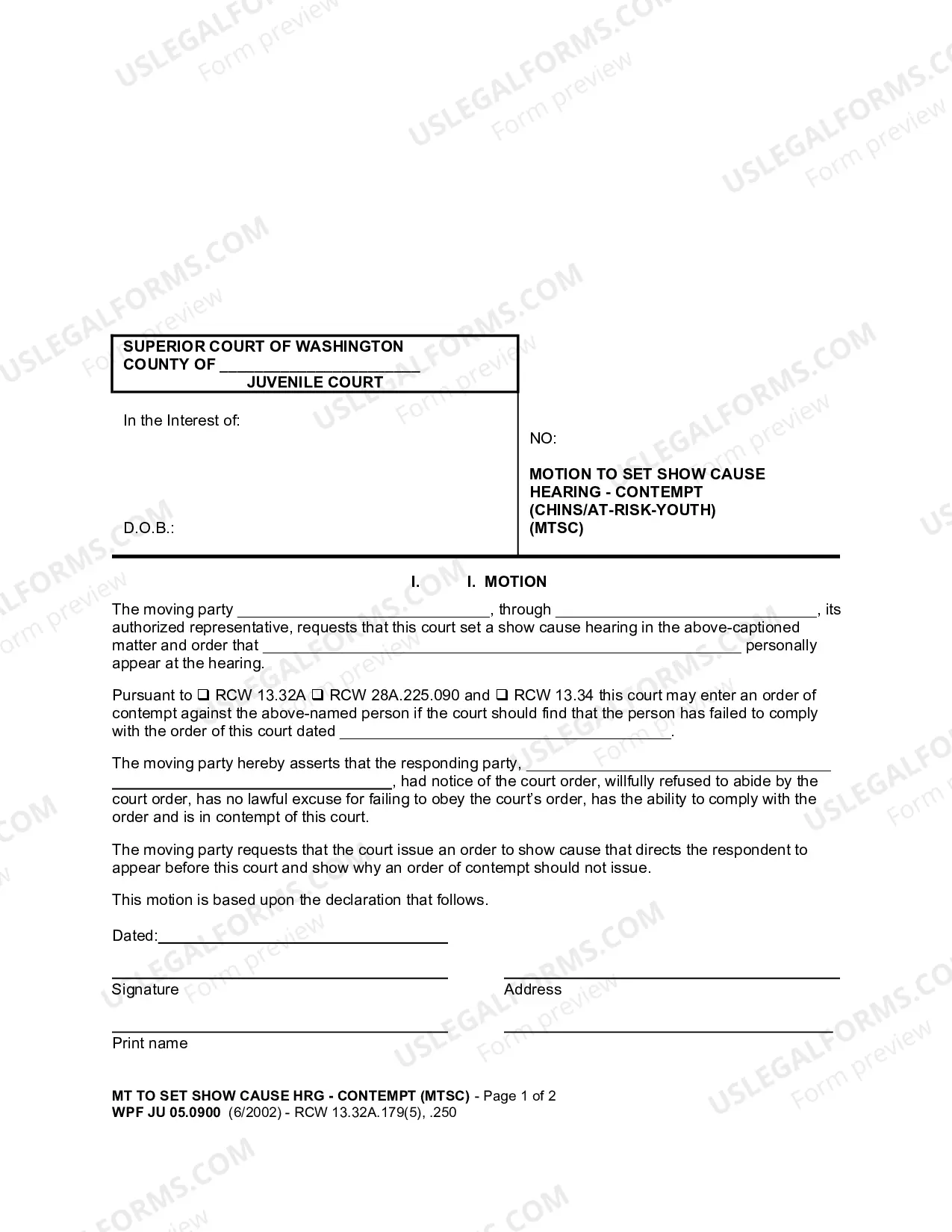
The Motion to Set Show Cause Hearing - Contempt is a legal document used to request a court hearing to determine whether a party has failed to comply with a court order. This form is essential for enforcing compliance in situations where an individual or entity may not be following legal obligations, differing from other motions in its focus on direct violation of court orders.
Key parts of this document
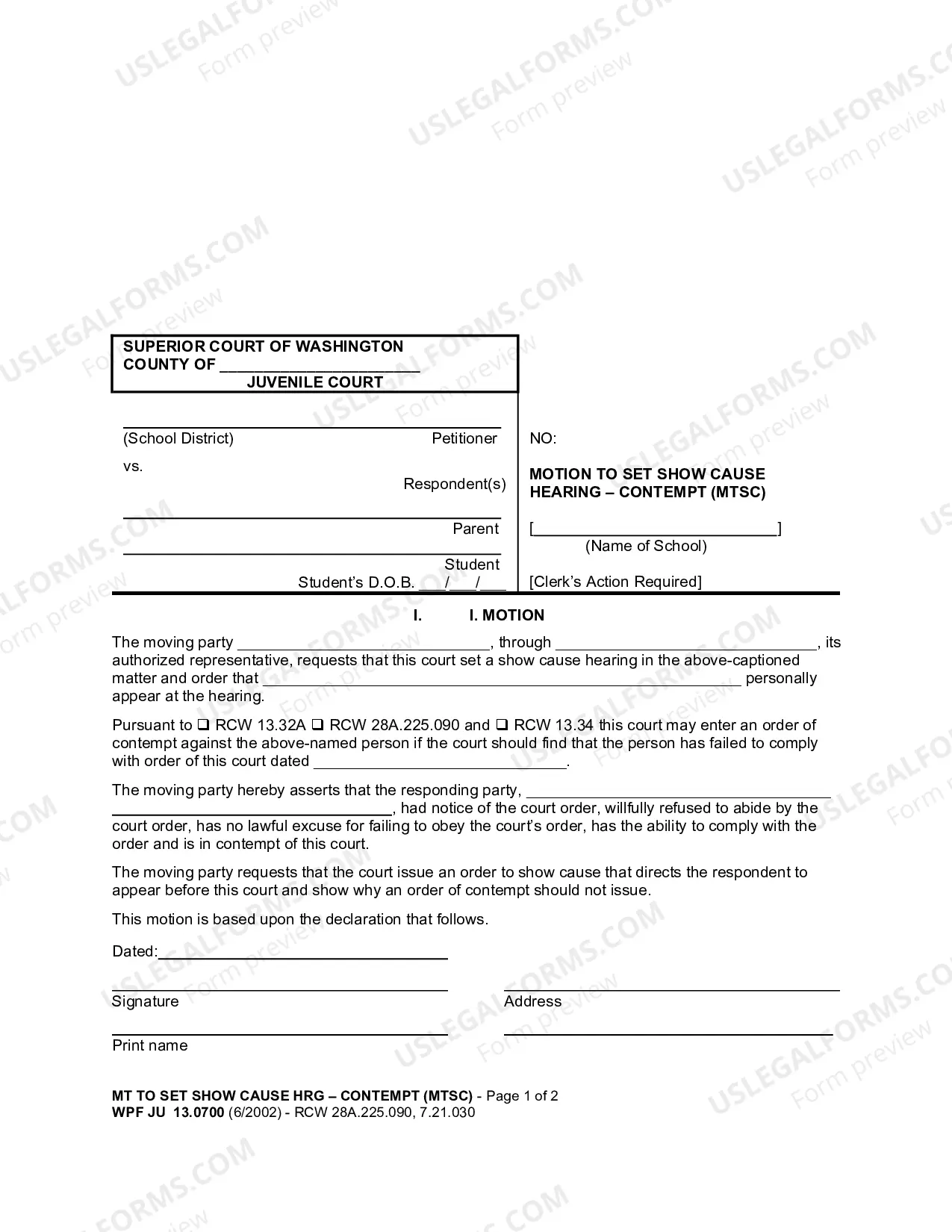
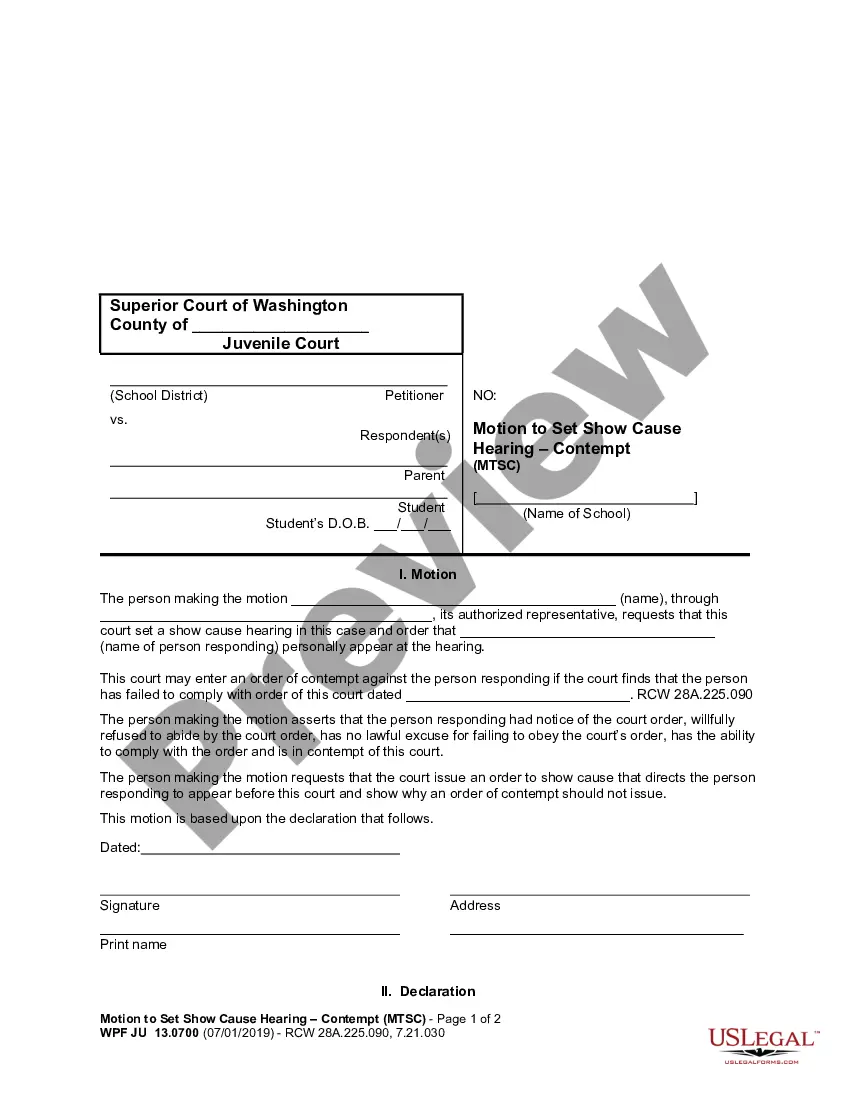
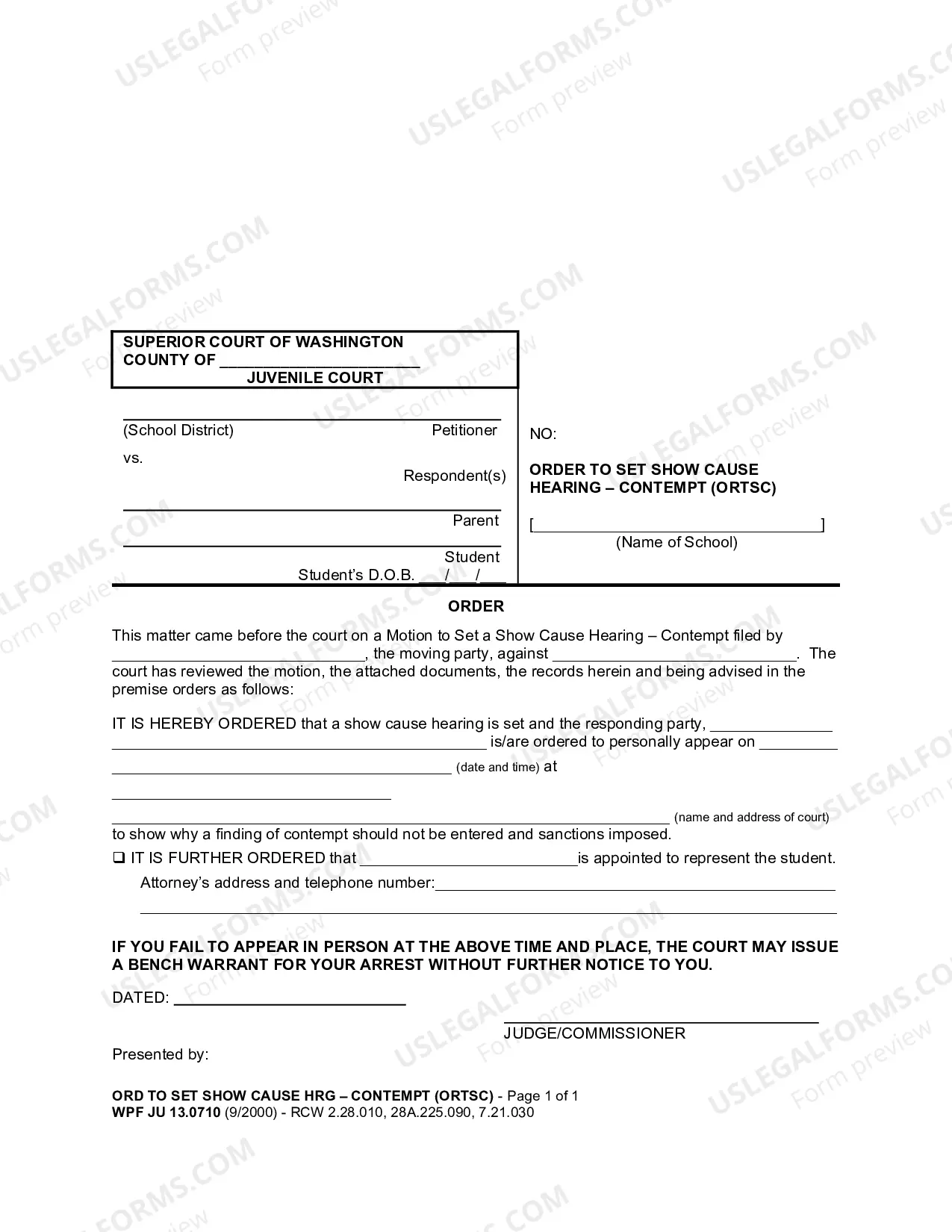
- Caption: The case identity, including the name of the court, parties involved, and case number.
- Introduction: A statement outlining the purpose of the motion and the specific order the party has allegedly violated.
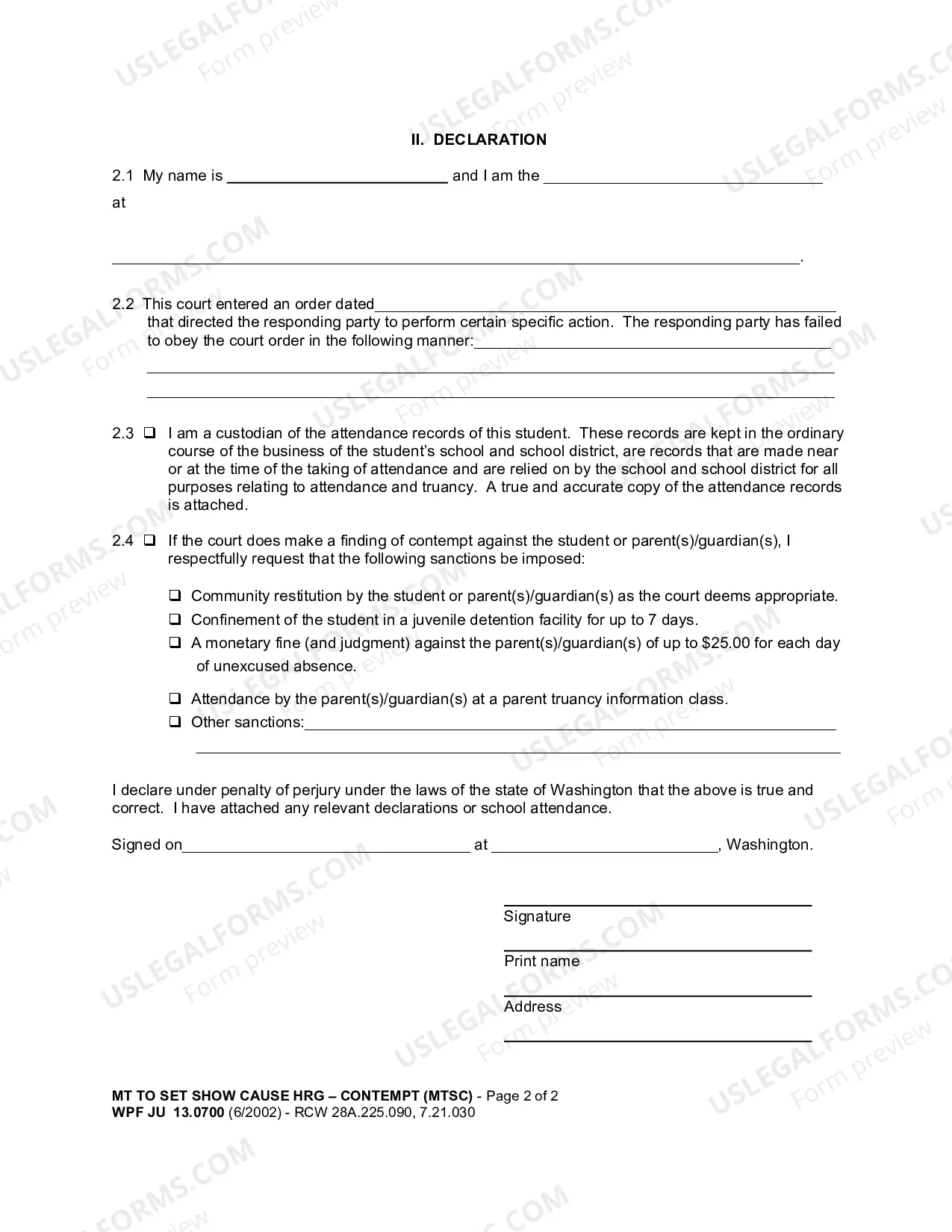
- Details of contempt: A section providing details about how the party failed to comply with the court order.
- Request for hearing: A formal request for the court to schedule a show cause hearing.
- Signature line: Space for the moving party to sign and date the motion.
When to use this form
This form should be used when you believe another party has not adhered to a court order and you need the court to intervene. Common situations include non-payment of child support, violation of a custody agreement, or failure to meet obligations outlined in a divorce decree.
Intended users of this form
- Individuals seeking to enforce a court order against another party.
- Parents requesting enforcement of child support or custody arrangements.
- Anyone involved in a civil case where a party is not complying with a court judgment.
Steps to complete this form
- Identify the parties involved and provide their information in the caption.
- Clearly outline the court order that was allegedly violated in your introduction.
- Detail the actions taken by the other party that constitutes contempt.
- Formally request a hearing by stating your wishes for the court to schedule a date.
- Sign and date the motion before submitting it to the court.
Is notarization required?
Notarization is generally not required for this form. However, certain states or situations might demand it. You can complete notarization online through US Legal Forms, powered by Notarize, using a verified video call available anytime.
Get your form ready online
Our built-in tools help you complete, sign, share, and store your documents in one place.
Make edits, fill in missing information, and update formatting in US Legal Forms—just like you would in MS Word.
Download a copy, print it, send it by email, or mail it via USPS—whatever works best for your next step.
Sign and collect signatures with our SignNow integration. Send to multiple recipients, set reminders, and more. Go Premium to unlock E-Sign.
If this form requires notarization, complete it online through a secure video call—no need to meet a notary in person or wait for an appointment.
We protect your documents and personal data by following strict security and privacy standards.

Make edits, fill in missing information, and update formatting in US Legal Forms—just like you would in MS Word.

Download a copy, print it, send it by email, or mail it via USPS—whatever works best for your next step.

Sign and collect signatures with our SignNow integration. Send to multiple recipients, set reminders, and more. Go Premium to unlock E-Sign.

If this form requires notarization, complete it online through a secure video call—no need to meet a notary in person or wait for an appointment.

We protect your documents and personal data by following strict security and privacy standards.
Avoid these common issues
- Failing to provide sufficient evidence of the alleged contempt.
- Not including all relevant case information in the caption.
- Requesting a hearing without specifying the desired outcome.
Benefits of using this form online
- Convenient access to reliable templates created by licensed attorneys.
- Easy editability to ensure the document meets individual needs.
- Quick downloading allows for immediate use in legal processes.
Legal use & context
- This motion is enforceable in court and allows for judicial intervention in compliance matters.
- It is important to follow local court rules regarding submission and processing to ensure validity.
What to keep in mind
- The Motion to Set Show Cause Hearing - Contempt is vital for enforcing court orders.
- Proper completion and submission are essential for effective legal action.
- State-specific rules must be followed to ensure compliance and success.
Looking for another form?





Form popularity
FAQ
To pursue a contempt action, you will need to fill out and file the mandatory forms for Washington state. You will need to get the forms at the Washington State Court's website ? you can download them for free. Initially, you will need these documents: (1) Motion for Contempt Hearing (FL All Family 165)
A party may file a motion for reconsideration only of a decision by the judges (1) terminating review, or (2) granting or denying a personal restraint petition on the merits. The motion should be in the form and be served and filed as provided in he rules 17.3 (a), 17.4 (a) & (g), and 18.5.
Show cause orders instruct parties to ?show cause? why the court should decide in their favor on a motion. More accurately, a show cause order instructs a party to appear at a hearing and show cause why the court should not grant a motion another party filed. Many of the most complicated motions are by show cause.
A party moving to extend or reduce time shall file a written motion with the sSuperior cCourt and serve it upon all non-moving parties. The motion shall state (1) the date the act is scheduled or required to occur; (2) the new date requested; and (3) the specific reasons for the motion.
Here is the procedure: You file a motion.You get a hearing date by having a judge sign an Order to Go to Court for Contempt Hearing (Order to Show Cause) You have the contempt papers (and usually the original court order) properly delivered to (served on) every other party. You go to the hearing.
If the court finds there is reasonable cause to believe the obligor has failed to comply with a support or maintenance order, the court may issue an order to show cause requiring the obligor to appear at a certain time and place for a hearing, at which time the obligor may appear to show cause why the relief requested
If the court finds contempt for not following a decree, then it can order the individual to pay the support, it can order the individual to pay the other party's attorney's fees and other fines, and it can also order incarceration.