Employee Evaluation Form for Consultant
Understanding this form
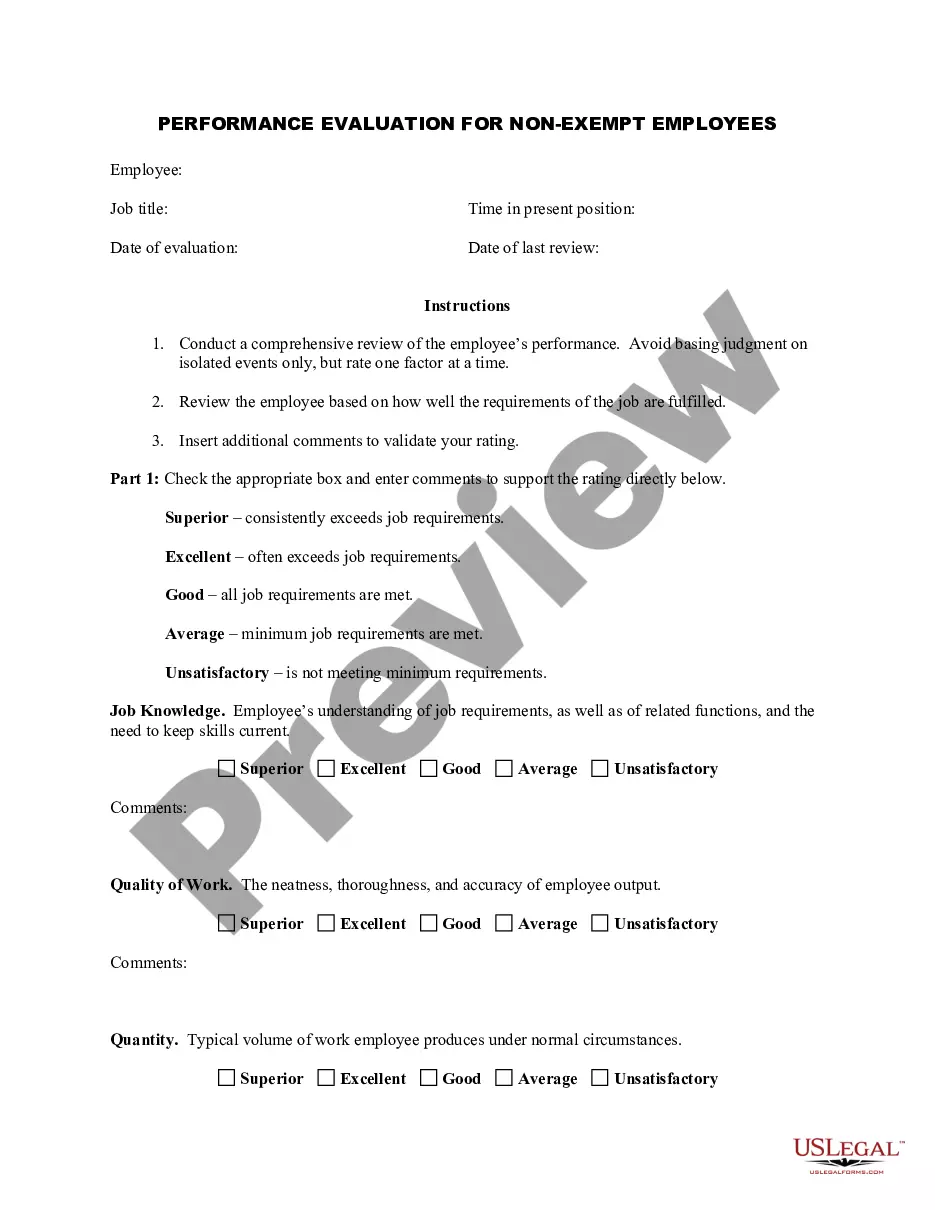
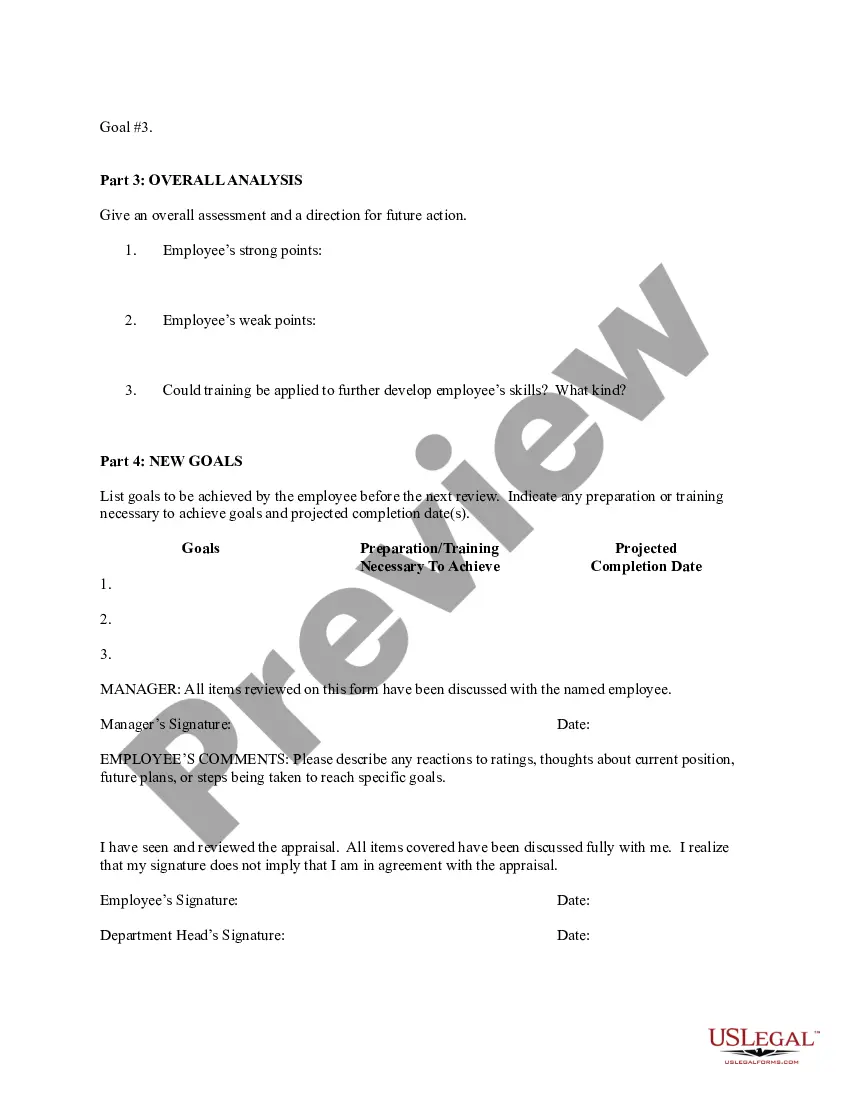
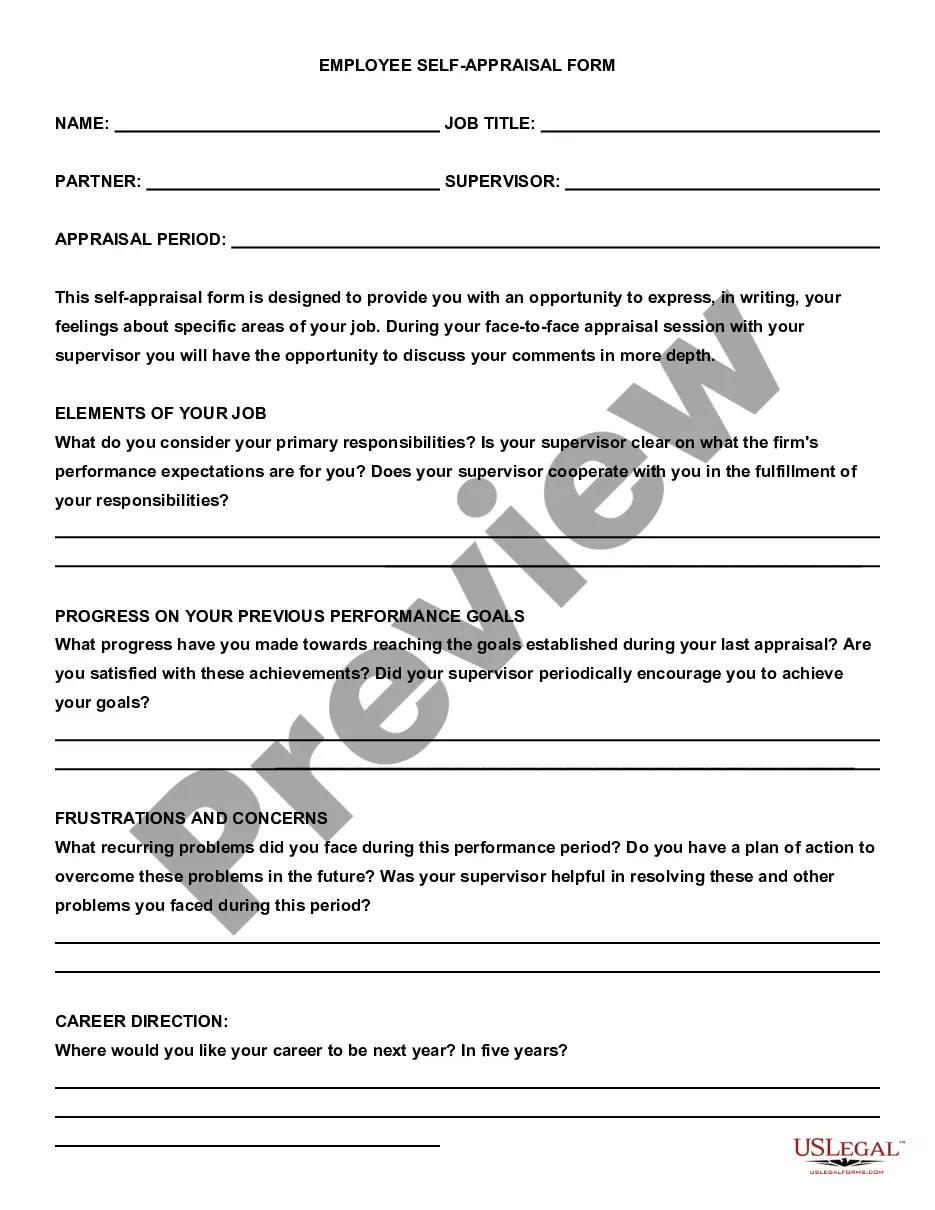
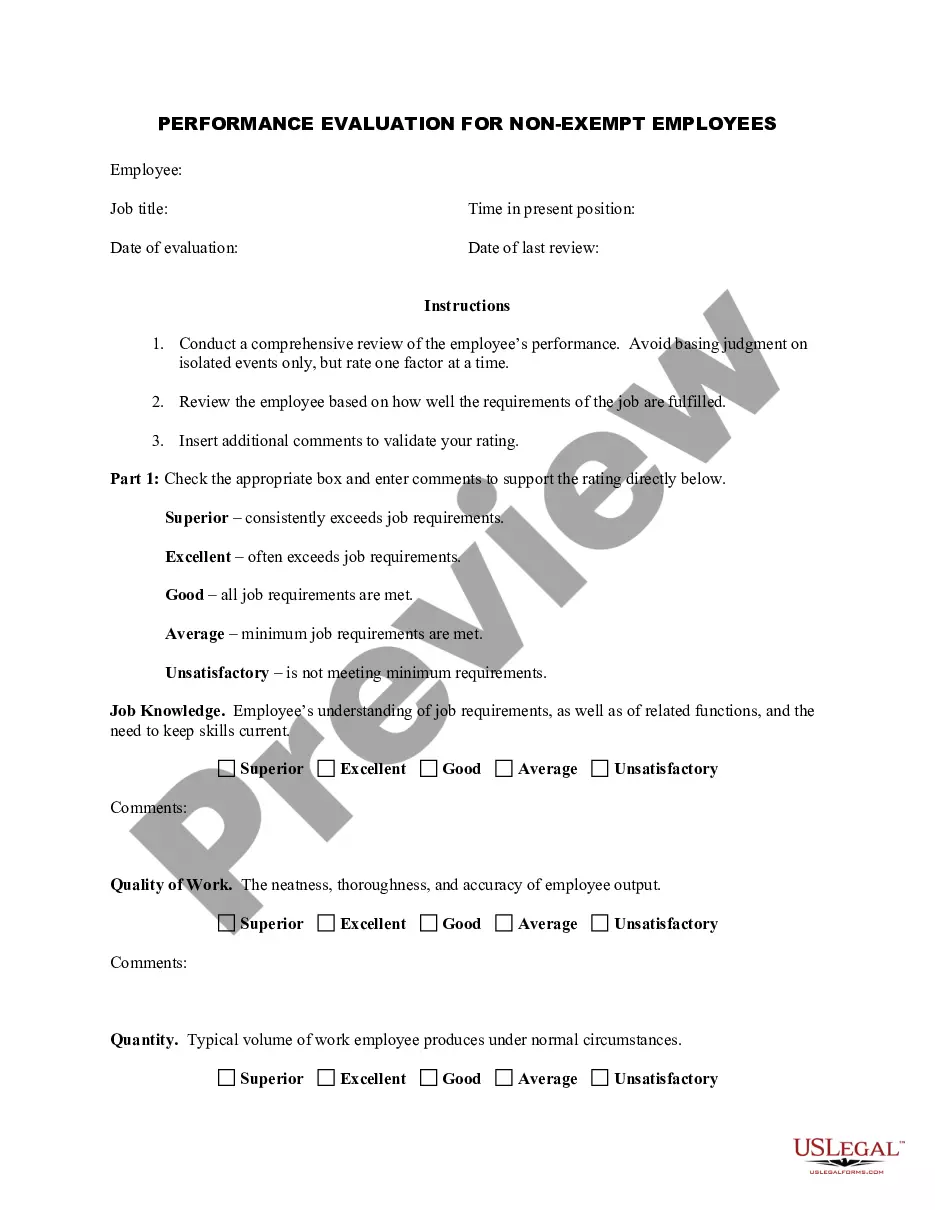
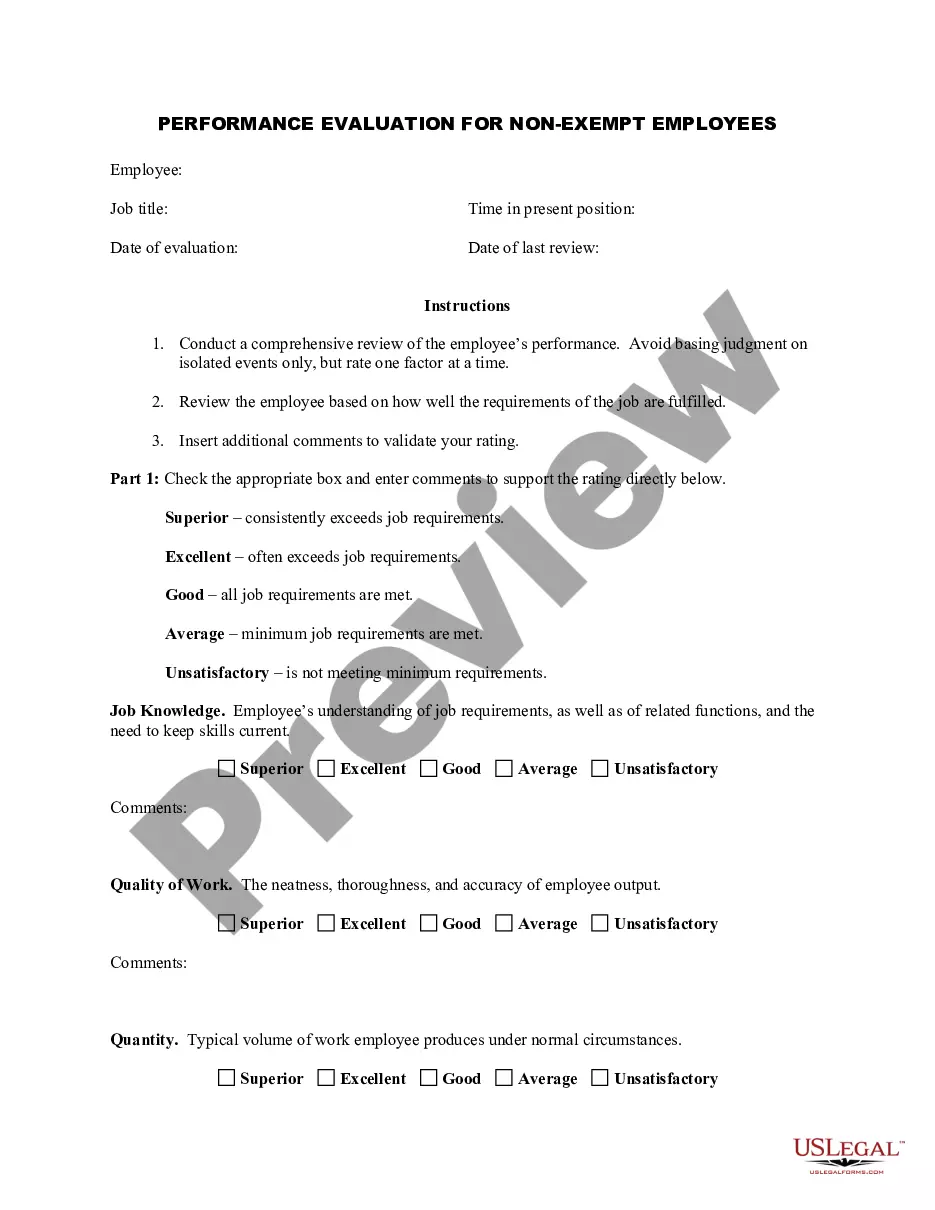
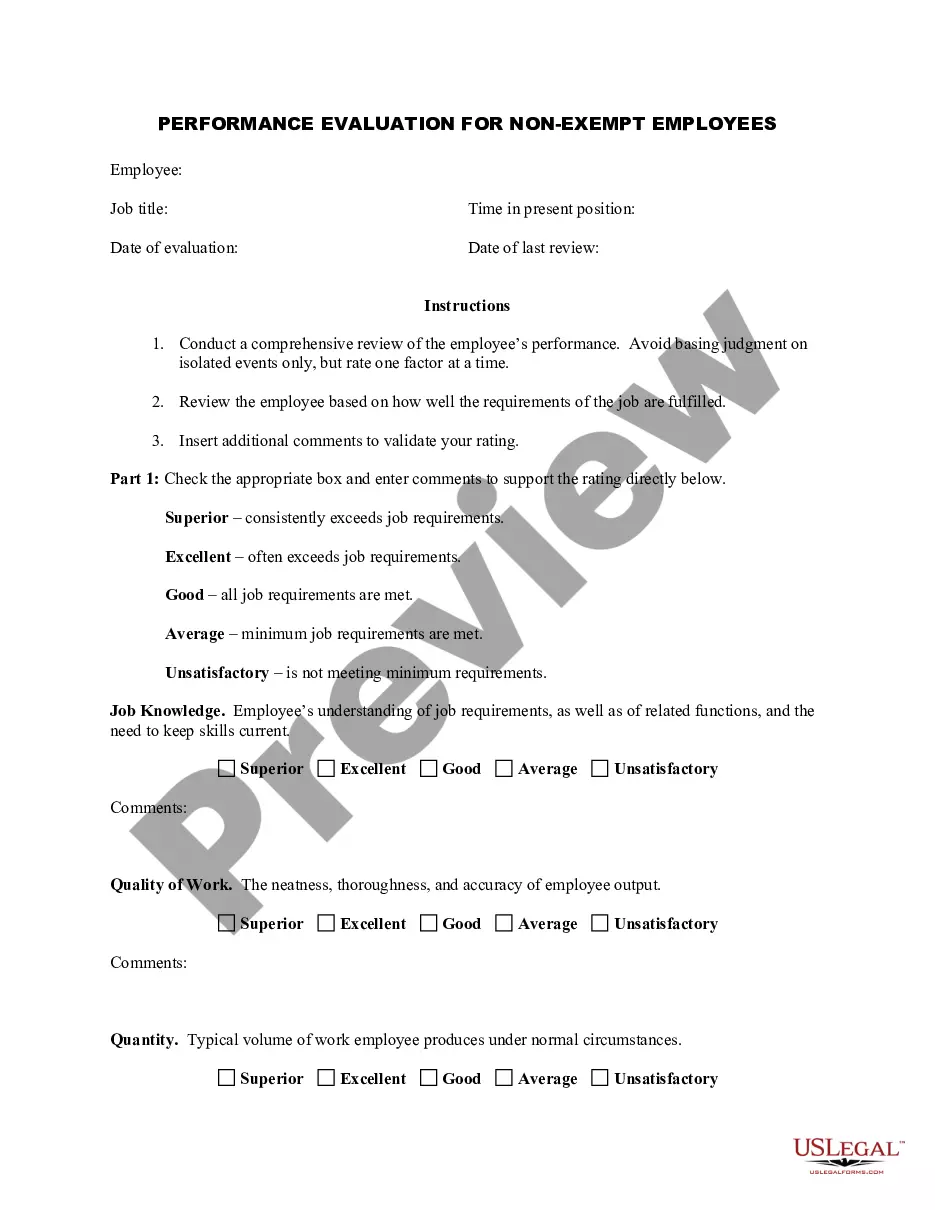
The Employee Evaluation Form for Consultant is a document designed to assess the performance of non-exempt employees. This form facilitates a structured review process, focusing on key performance areas, such as job knowledge, quality of work, and dependability. Unlike general employee evaluation forms, this specific template is tailored for consultants, ensuring that performance metrics are relevant to their unique role and expectations.
Form components explained
- Employee Information: Records essential details about the employee being evaluated.
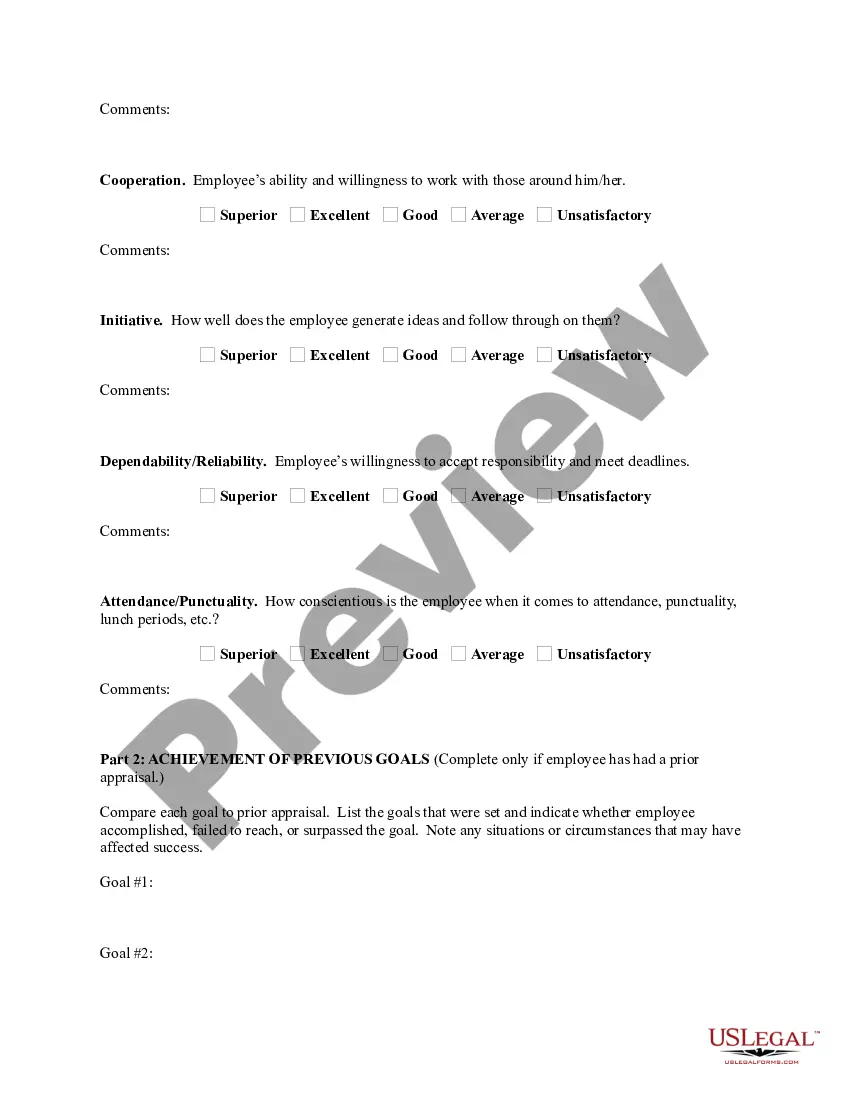
- Performance Ratings: A structured rating system for various performance aspects, including job knowledge and quality of work.
- Comments Section: Provides space for evaluators to include specific observations and feedback.
- Goal Assessment: Reviews achievements of previously set goals and establishes new goals for the future.
- Signatures: Requires signatures from both the manager and the employee to acknowledge the review process.
Situations where this form applies
This employee evaluation form should be used during scheduled performance reviews, typically conducted annually or biannually. It is essential for organizations to maintain a consistent review cycle to assess an employee's work performance, identify areas for improvement, and plan career development opportunities. This form is also useful during the onboarding process to establish performance expectations for new consultants.
Who should use this form
- Managers responsible for evaluating the performance of consultants within their departments.
- HR professionals conducting performance reviews for non-exempt employees.
- Team leads who need to provide constructive feedback and set goals for their team members.
Instructions for completing this form
- Gather relevant performance data and examples that highlight the employeeâs work throughout the review period.
- Rate each performance category using the provided scoring system, ensuring to consider all aspects of the employee's job responsibilities.
- Include constructive comments in the designated sections to provide context for each rating.
- Assess any previous goals set for the employee, marking their progress and acknowledging achievements.
- Sign the form alongside the employee to validate the evaluation discussion and clarify future goals.
Is notarization required?
This form does not typically require notarization unless specified by local law. It is recommended to check state regulations to ensure compliance.
Get your form ready online
Our built-in tools help you complete, sign, share, and store your documents in one place.
Make edits, fill in missing information, and update formatting in US Legal Forms—just like you would in MS Word.
Download a copy, print it, send it by email, or mail it via USPS—whatever works best for your next step.
Sign and collect signatures with our SignNow integration. Send to multiple recipients, set reminders, and more. Go Premium to unlock E-Sign.
If this form requires notarization, complete it online through a secure video call—no need to meet a notary in person or wait for an appointment.
We protect your documents and personal data by following strict security and privacy standards.

Make edits, fill in missing information, and update formatting in US Legal Forms—just like you would in MS Word.

Download a copy, print it, send it by email, or mail it via USPS—whatever works best for your next step.

Sign and collect signatures with our SignNow integration. Send to multiple recipients, set reminders, and more. Go Premium to unlock E-Sign.

If this form requires notarization, complete it online through a secure video call—no need to meet a notary in person or wait for an appointment.

We protect your documents and personal data by following strict security and privacy standards.
Avoid these common issues
- Failing to provide specific examples to support ratings, leading to unclear feedback.
- Not reviewing the form before the evaluation meeting, which can cause missed details during discussion.
- Relying on isolated incidents rather than considering overall performance for the evaluation period.
Benefits of completing this form online
- Convenient access and editability, allowing for updates and adjustments as needed.
- Secure storage and retrieval of completed forms ensure important employee evaluations are retained and easily accessed.
- Time-efficient process as employees and managers can conduct evaluations remotely.
Legal use & context
- This form serves as a helpful tool for maintaining performance standards within an organization.
- Providing a legally defensible review process can aid in employee management and development.
Summary of main points
- The Employee Evaluation Form for Consultant is essential for assessing job performance in a structured manner.
- It's important to provide specific feedback to support evaluations effectively.
- This evaluated information can significantly inform future training and development needs for employees.
Looking for another form?


Form popularity
FAQ
Gather information. List employee responsibilities. Use objective language. Use action verbs. Compare performance ratings. Ask open-ended questions. Use a point system.
Reflect on feedback. Make a list of your top accomplishments and identify areas for improvements. Gather analytics to show impact. Make a commitment to improve. Set a SMART goal for yourself. Create a plan of action. Communication. Job Performance.
Industry Experience. The global consulting industry is exploding, with over $430 billion in revenue generated in 2014. Issue-Specific Knowledge. Operating or Consulting Experience. Seniority & Experience Level. Motivation. Culture Fit.
What were the lessons learned from this project? To what degree were each of the 7 items on the Bill of Rights met? What worked well? What could have been improved? Knowing what you know now, what could have been done differently? Where were there surprises? What were positive things that came up?
Track Record of Success. You should always ask about who they have worked with and how successful the project was. An Experienced Team. You can learn a lot about a consulting firm based on how they pitch you as a client. Reasonable Cost Structure. Added Value. Communication Skills.
Keep the Audience in Mind. Stay Relevant. Keep Track of All Achievements. Use Specific, Measurable, Confident Language. Document Goals.
Communication. Collaboration and teamwork. Problem-solving. Quality and accuracy of work. Attendance, punctuality and reliability. The ability to accomplish goals and meet deadlines.
Analysis of past performance. Summary of changes approved in the reporting period. Current status of risks and issues. Results of variance analysis. Work completed during the reporting period. Work to be completed during the next reporting period. Forecasted project completion.
Gather information. List employee responsibilities. Use objective language. Use action verbs. Compare performance ratings. Ask open-ended questions.