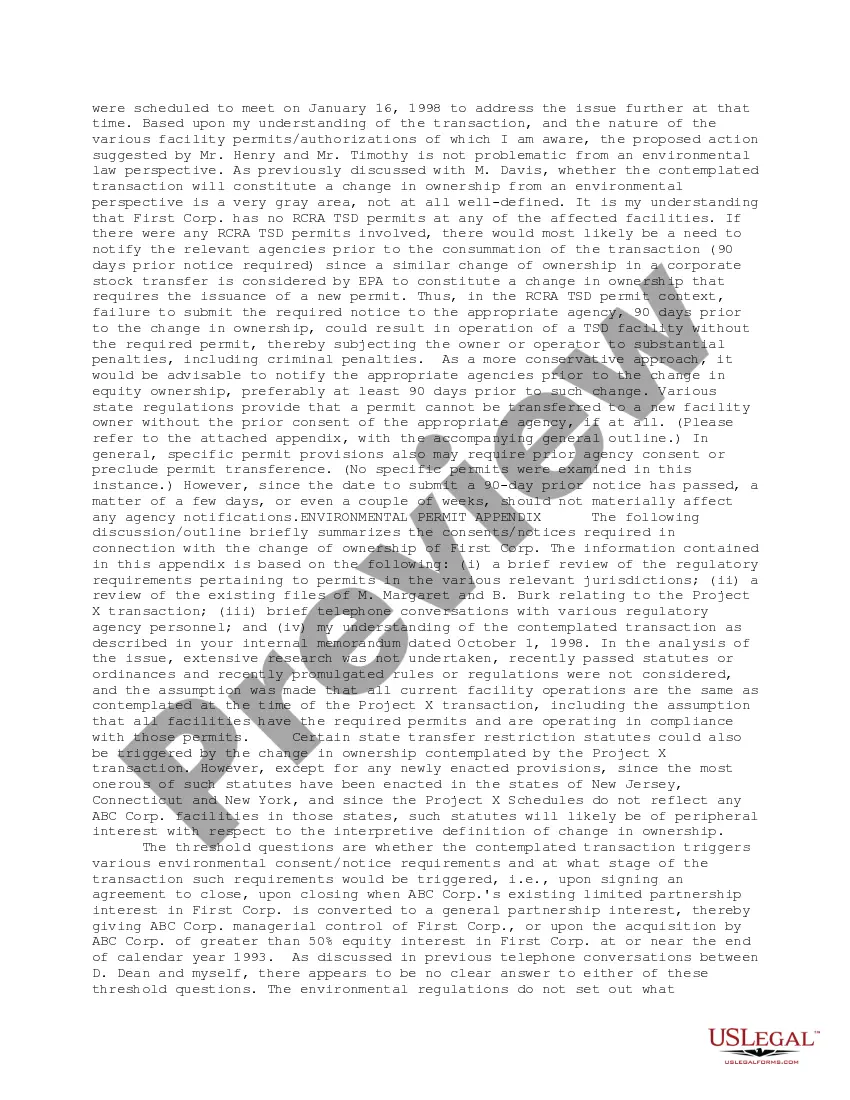
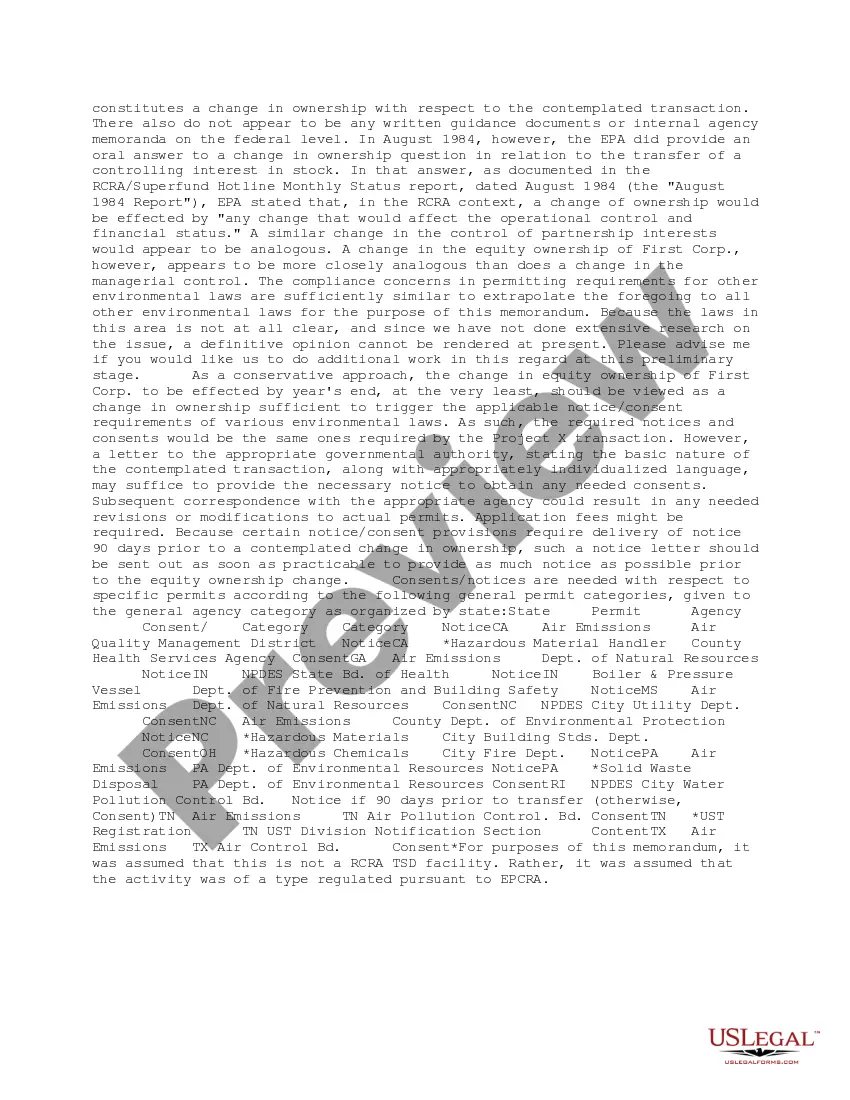
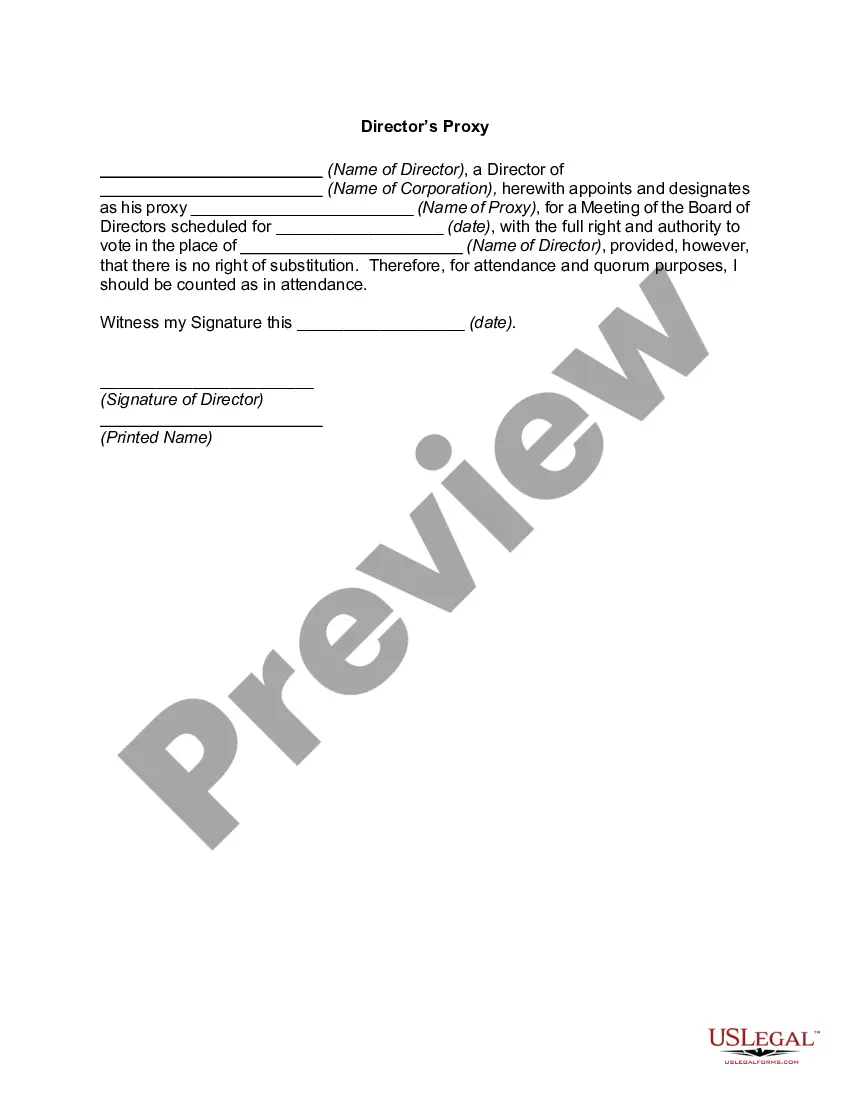
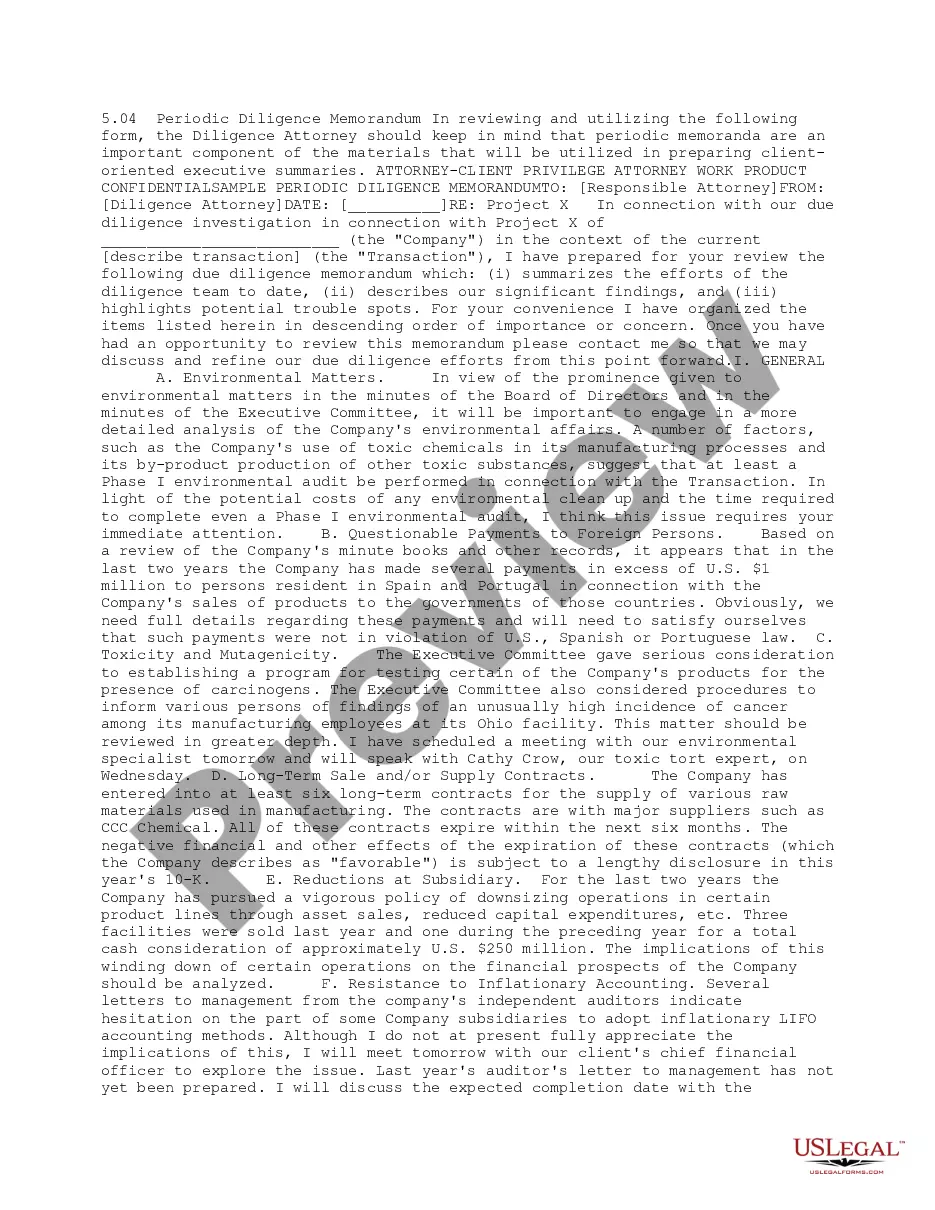
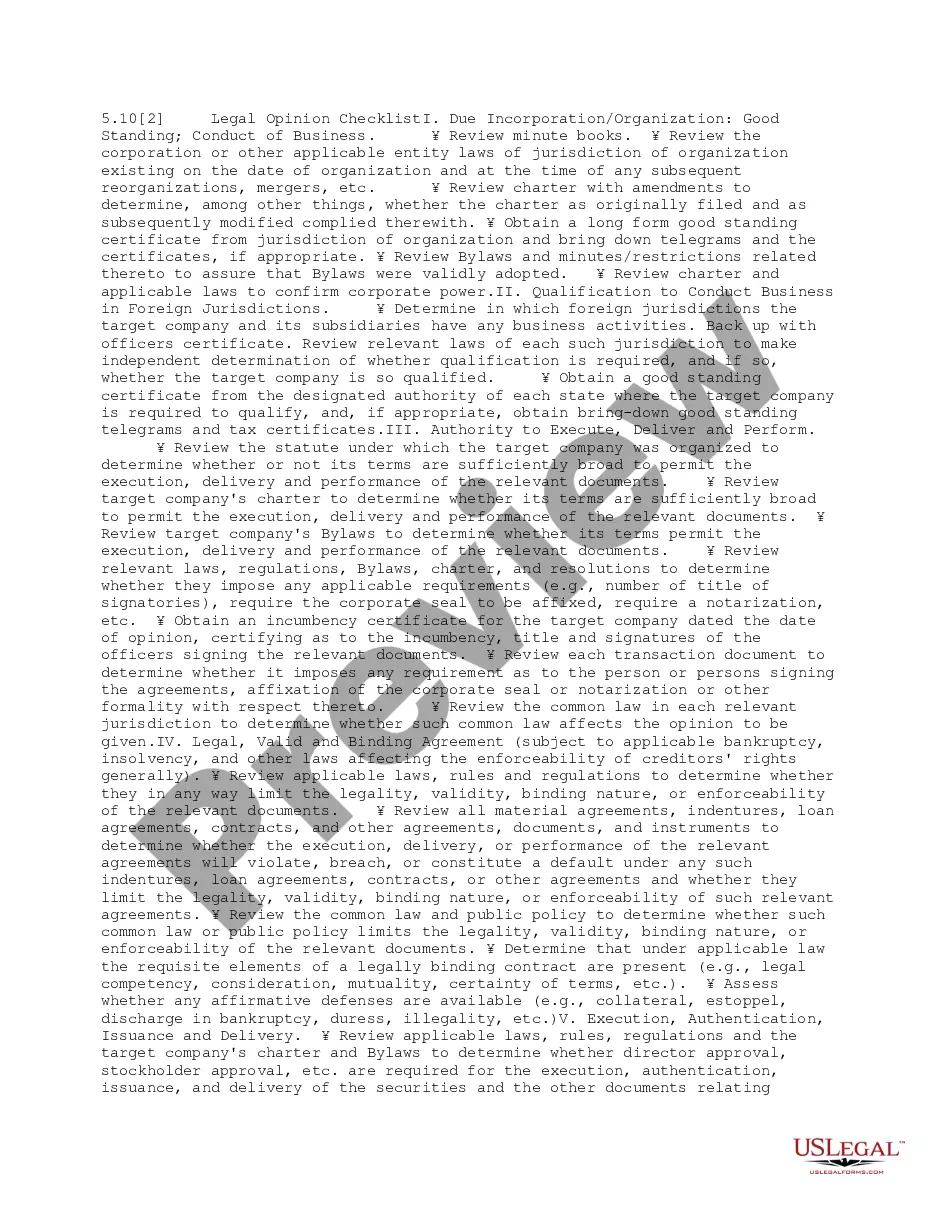
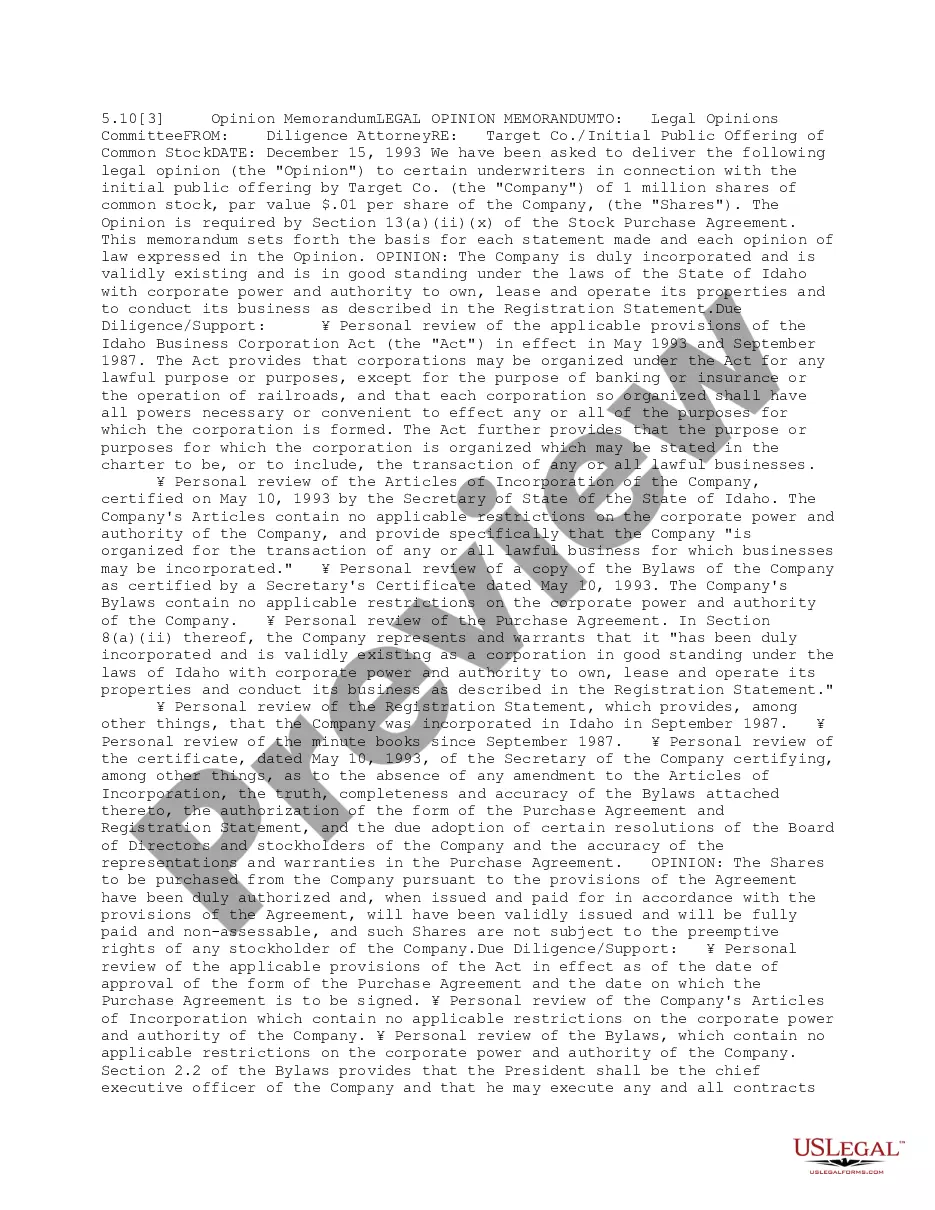
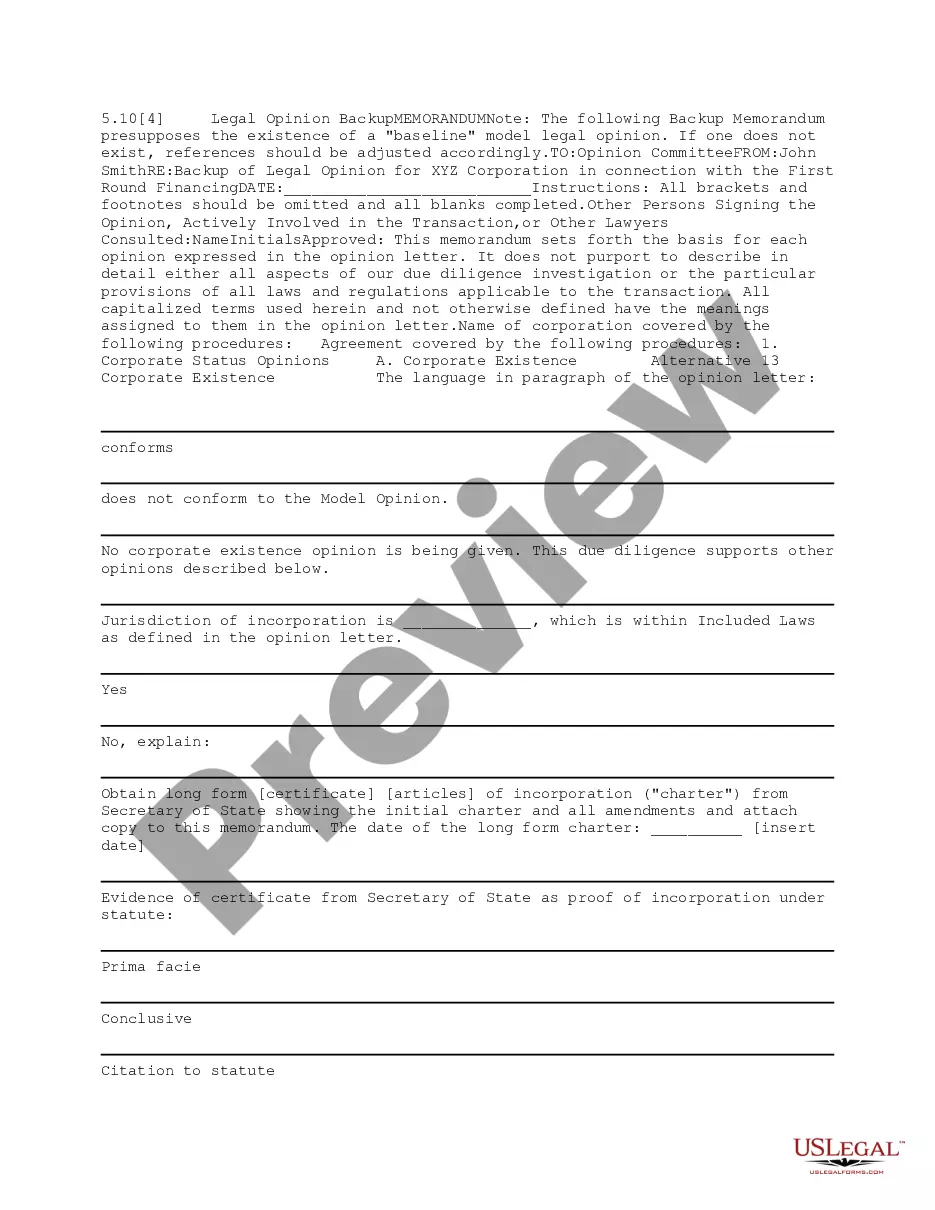
This due diligence form is a memorandum completed by the attorney responsible for analyzing and addressing competitors and other issues of interest in business transactions.
Vermont Attorney Specialist Memoranda
Category:
State:
Multi-State
Control #:
US-DD0503
Format:
Word;
PDF;
Rich Text
Instant download
Description
Free preview
Get your form ready online
Our built-in tools help you complete, sign, share, and store your documents in one place.
Built-in online Word editor
Make edits, fill in missing information, and update formatting in US Legal Forms—just like you would in MS Word.
Export easily
Download a copy, print it, send it by email, or mail it via USPS—whatever works best for your next step.
E-sign your document
Sign and collect signatures with our SignNow integration. Send to multiple recipients, set reminders, and more. Go Premium to unlock E-Sign.
Notarize online 24/7
If this form requires notarization, complete it online through a secure video call—no need to meet a notary in person or wait for an appointment.
Store your document securely
We protect your documents and personal data by following strict security and privacy standards.

Make edits, fill in missing information, and update formatting in US Legal Forms—just like you would in MS Word.

Download a copy, print it, send it by email, or mail it via USPS—whatever works best for your next step.

Sign and collect signatures with our SignNow integration. Send to multiple recipients, set reminders, and more. Go Premium to unlock E-Sign.

If this form requires notarization, complete it online through a secure video call—no need to meet a notary in person or wait for an appointment.

We protect your documents and personal data by following strict security and privacy standards.
Looking for another form?



How to fill out Attorney Specialist Memoranda?
Choosing the best legitimate papers format could be a have difficulties. Needless to say, there are plenty of themes available online, but how do you find the legitimate type you require? Use the US Legal Forms site. The assistance delivers 1000s of themes, for example the Vermont Attorney Specialist Memoranda, which you can use for company and personal needs. Each of the types are inspected by experts and meet up with federal and state demands.
If you are previously listed, log in in your accounts and then click the Acquire key to obtain the Vermont Attorney Specialist Memoranda. Make use of accounts to appear from the legitimate types you possess ordered in the past. Go to the My Forms tab of the accounts and obtain yet another backup in the papers you require.
If you are a fresh customer of US Legal Forms, listed below are easy directions that you can follow:
- Initial, make certain you have chosen the correct type for the metropolis/county. You can look over the shape using the Review key and study the shape information to make sure it will be the best for you.
- If the type fails to meet up with your needs, take advantage of the Seach field to find the proper type.
- When you are certain the shape is proper, click on the Buy now key to obtain the type.
- Pick the rates prepare you want and type in the needed info. Make your accounts and pay money for the order making use of your PayPal accounts or bank card.
- Choose the submit format and acquire the legitimate papers format in your product.
- Complete, edit and print and sign the acquired Vermont Attorney Specialist Memoranda.
US Legal Forms will be the most significant collection of legitimate types in which you can discover a variety of papers themes. Use the company to acquire expertly-made paperwork that follow condition demands.
Form popularity
FAQ
In the course of representing a client a lawyer shall not knowingly make a false statement of material fact or law to a third person. [1] A lawyer is required to be truthful when dealing with others on a client's behalf, but generally has no affirmative duty to inform an opposing party of relevant facts.
(2) a lawyer shall not use, endanger, or encumber money held in trust for a client or third person for purposes of carrying out the business of another client or person without the permission of the owner given after full disclosure of the circumstances.
Rule 4.2 of the New York Rules of Professional Conduct, also known as the ?No Contact Rule,? is frequently implicated, yet not always fully understood. At a high level, the Rule prohibits lawyers from speaking directly with a party the lawyer knows to be represented by counsel about the subject of the representation.
It is professional misconduct for a lawyer to: This paragraph does not limit the ability of a lawyer to accept, decline, or withdraw from a representation in ance with Rule 1.16. This paragraph does not preclude legitimate advice or advocacy consistent with these rules.
Prof. Cond. 4.2. In representing a client, a lawyer shall not communicate about the subject of the representation with a person the lawyer knows to be represented by another lawyer in the matter, unless the lawyer has the consent of the other lawyer or is authorized to do so by law or a court order.
Complaints can be filed by email or U.S. Mail: By email: JUD.PRPComplaints@vermont.gov. By U.S. Mail: Professional Responsibility Program. 32 Cherry Street, Suite 213. Burlington, VT 05401.