Vermont Manager's Sexual Harassment Training Document - Workplace
Description
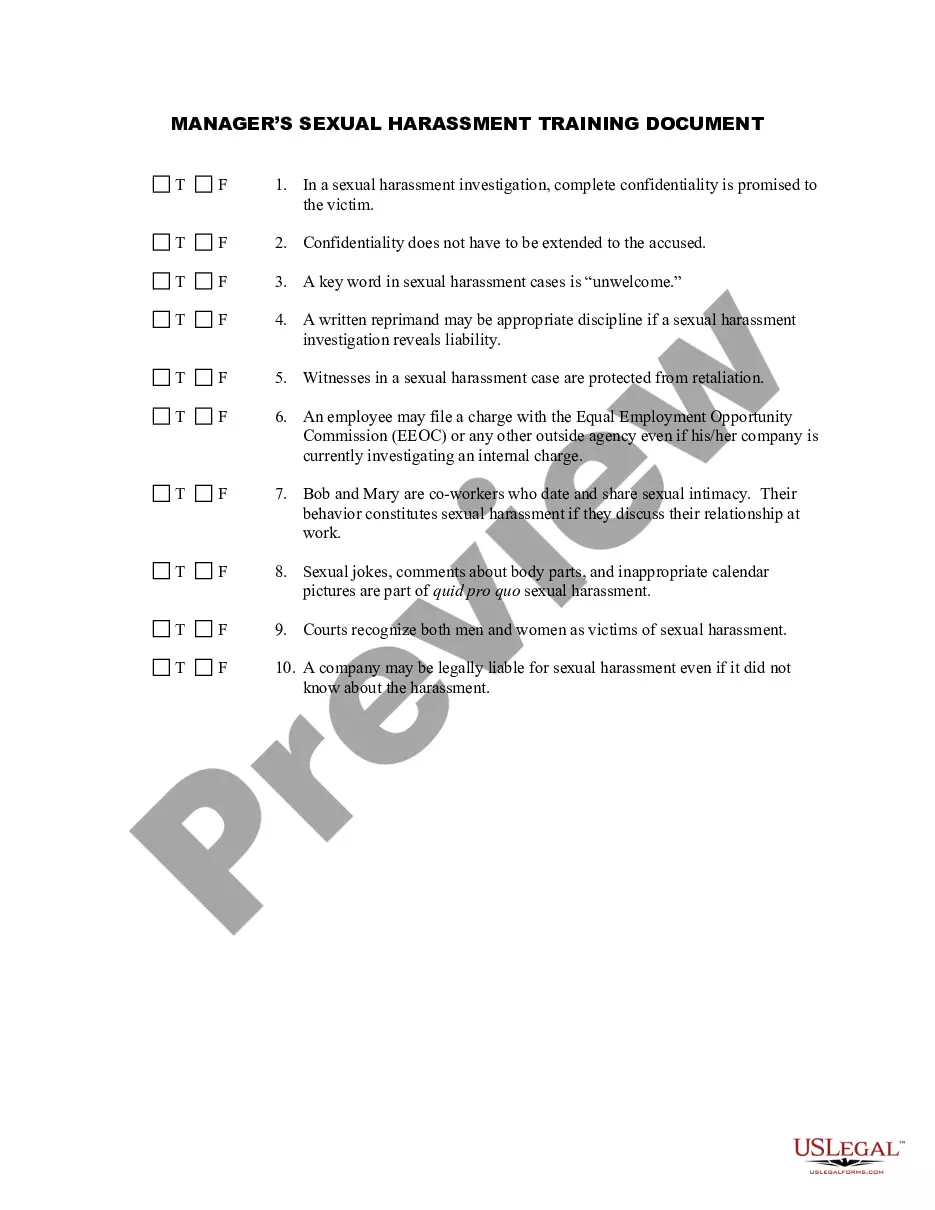
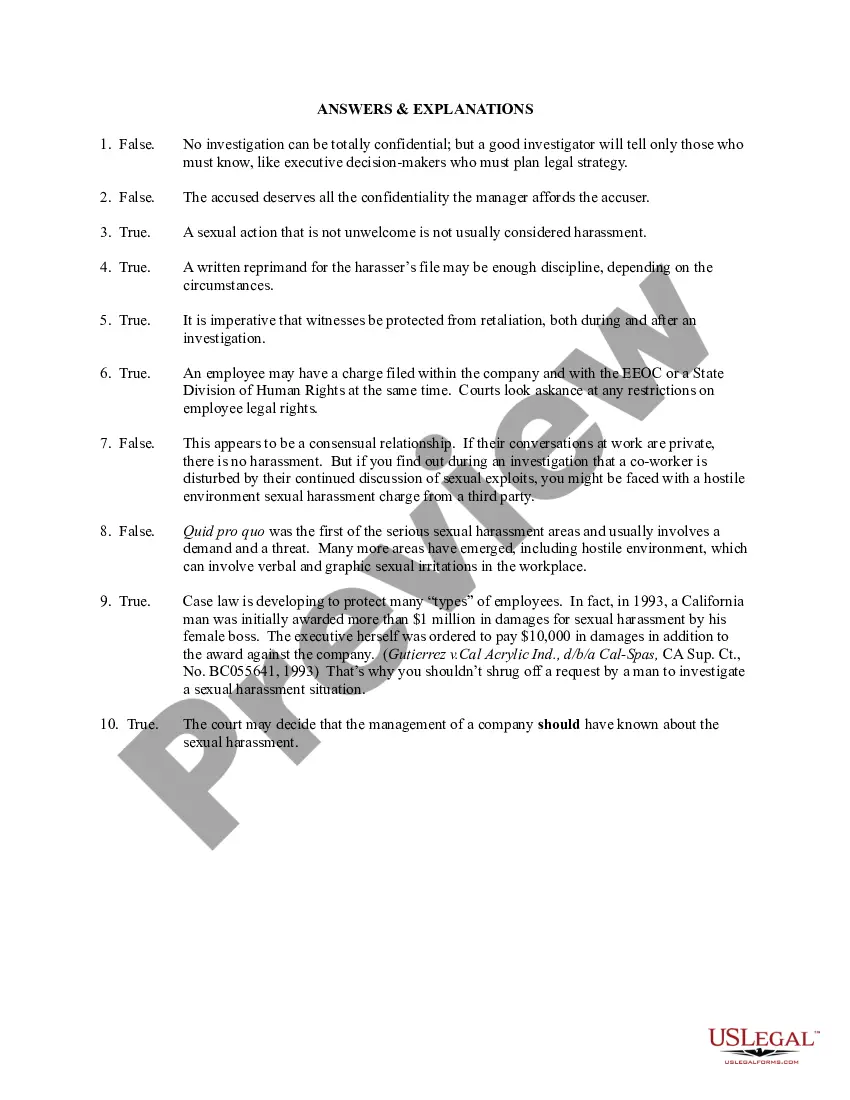
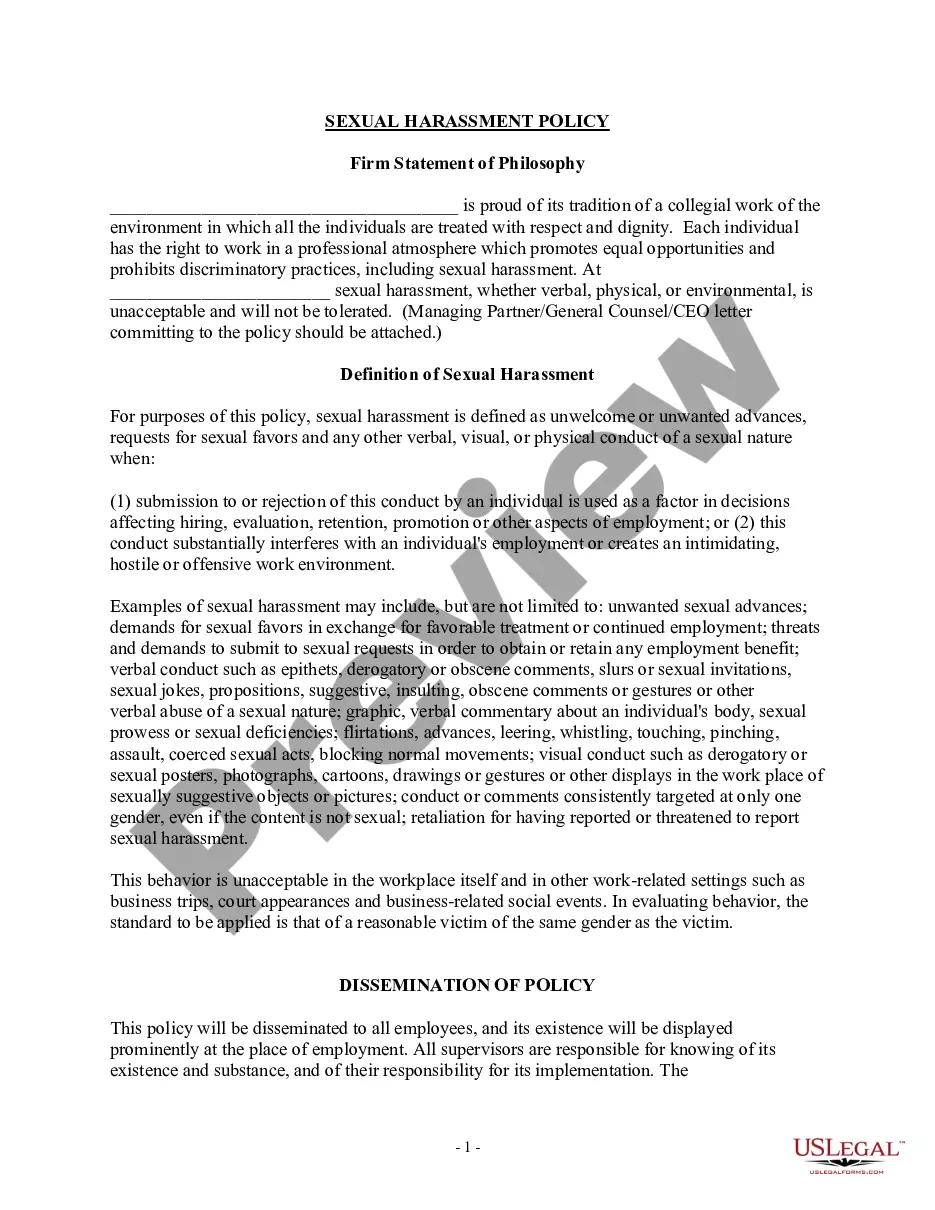
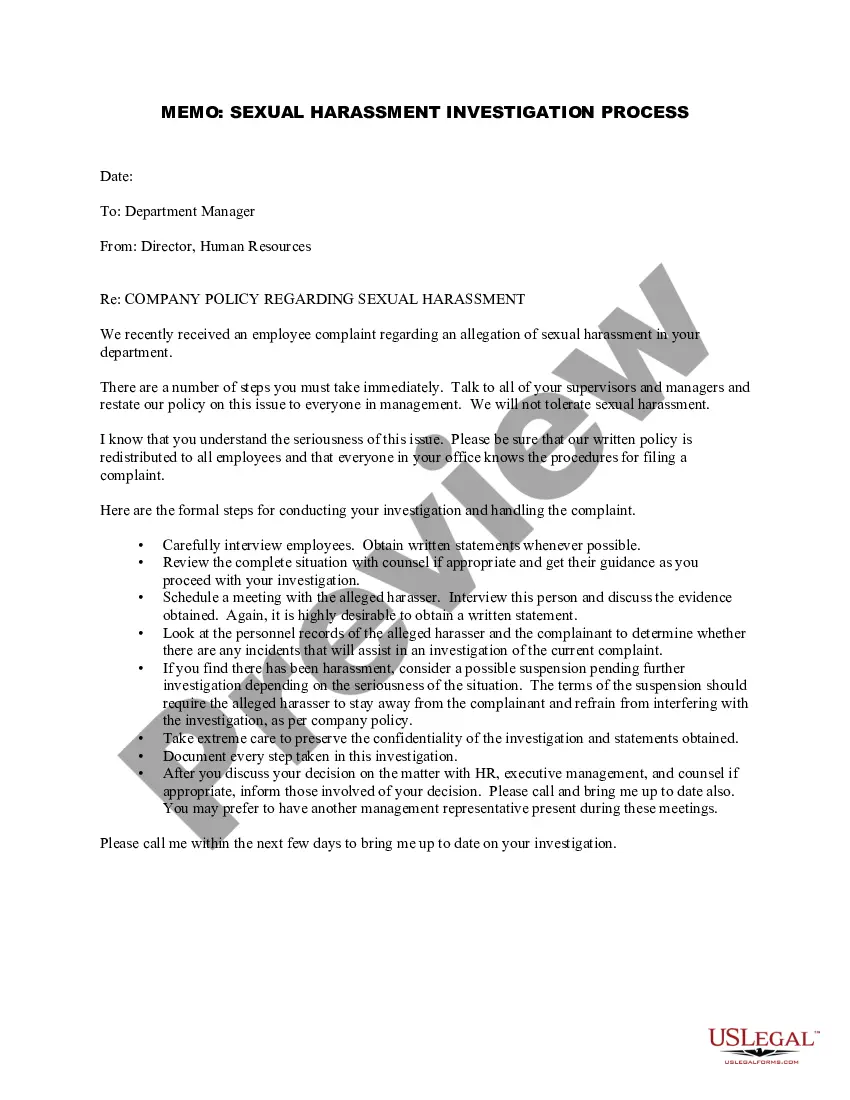



How to fill out Manager's Sexual Harassment Training Document - Workplace?
US Legal Forms - one of the largest collections of legal documents in the United States - provides an extensive array of legal templates that you can download or print. By using the website, you can access thousands of forms for business and personal use, categorized by types, states, or keywords.
You will find the most recent versions of forms such as the Vermont Manager's Sexual Harassment Training Document - Workplace within moments.
If you already have an account, Log In and download the Vermont Manager's Sexual Harassment Training Document - Workplace from your US Legal Forms library. The Download button will appear on each form you view. You can access all previously downloaded forms in the My documents section of your account.
Process the transaction. Use your credit card or PayPal account to complete the transaction.
Select the format and download the form to your device. Make edits. Fill, modify, print and sign the downloaded Vermont Manager's Sexual Harassment Training Document - Workplace. Each template you add to your account does not have an expiration date and is yours permanently. So, if you need to download or print another copy, just go to the My documents section and click on the form you need. Access the Vermont Manager's Sexual Harassment Training Document - Workplace with US Legal Forms, the most extensive library of legal document templates. Utilize thousands of professional and state-specific templates that meet your business or personal needs and requirements.
- If you are using US Legal Forms for the first time, here are some simple steps to help you start.
- Ensure you have selected the correct form for your city/region.
- Click the Preview button to review the form's content.
- Check the form overview to confirm you have chosen the appropriate form.
- If the form does not meet your needs, use the Search field at the top of the screen to find one that does.
- If you are satisfied with the form, confirm your choice by clicking the Purchase now button.
- Then, choose the pricing plan you prefer and provide your details to register for the account.
Form popularity
FAQ
How you announce and get people interested in the training starts at the beginning. Think of a good title for the training beyond Harassment Prevention Training....In your messaging, highlight that the training is meant to:Educate for common understanding.Get people to think differently.Impact culture.
5 Ways to Promote Civility in the WorkplacePay Attention. Simply being observant and considerate can go a long way toward making others feel valued and appreciated.Acknowledge Other People.Be Inclusive.Respect Even a Subtle No.Be Respectful of Others' Time.
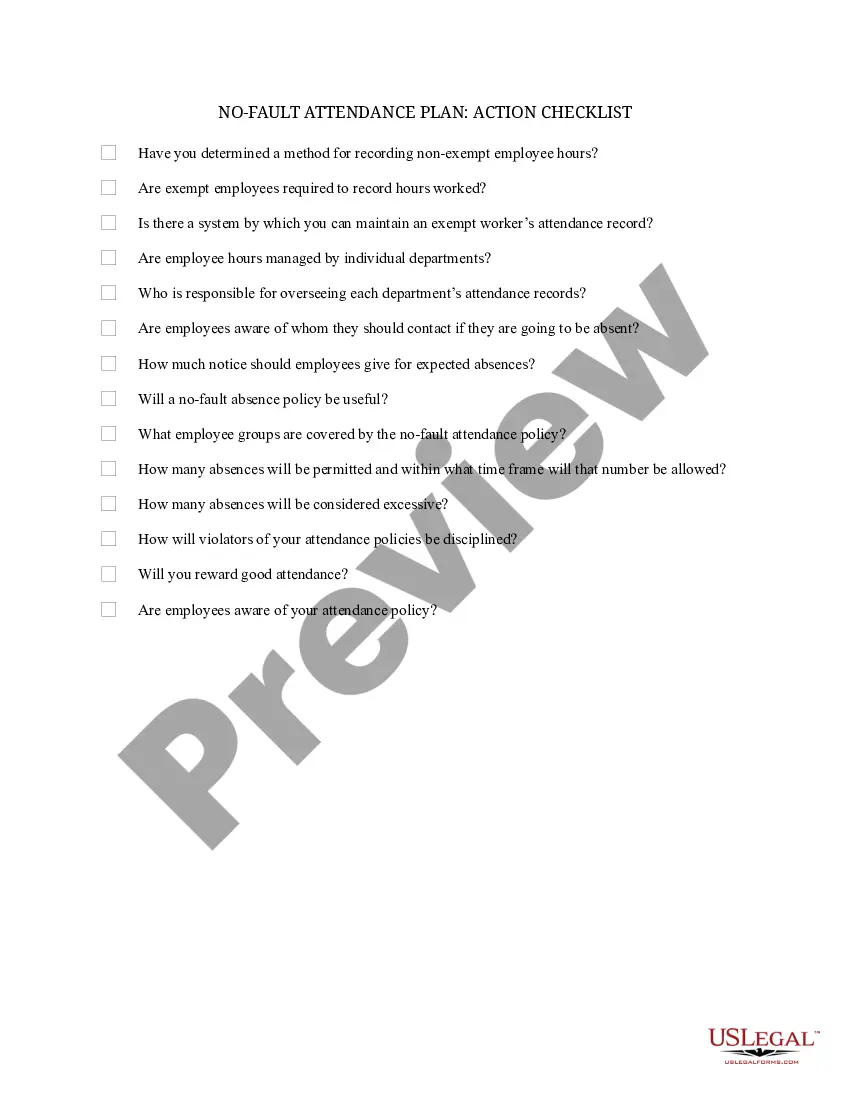
Here are the topics that your employee training should coverYour policy against harassment.What is unwelcome conduct.Hostile work environment, quid pro quo, and bullying.How to deal with harassment.Bystander Intervention.Illegal retaliation.How to file complaints.Company procedures for investigation and resolution.More items...?
An effective sexual harassment training program can reduce the risk of harassment claims, motivate employees to recognize, report and prevent misconduct, and help create a respectful, inclusive workplace culture.
Examples of Civility: Civility involves treating others with dignity and respect, and acting with regard to others' feelings. Examples of civil behavior in the workplace include: 1. Greeting and acknowledging others. 2.
Civility training promotes respectful and considerate behavior on the part of all members of the workforce. This type of training has long been offered by employers seeking to reduce staff conflicts or prevent bullying in the workplace.
Topics covered in the training include:Alberta OH&S Code Part 27 Violence.Statistical analysis to help you understand the prevalence of workplace violence and harassment.Types of workplace violence and harassment.The negative impact of workplace violence and harassment.More items...
Types of Workplace HarassmentAbuse of Power. A manager can make unreasonable demands of an employee.Psychological Harassment. Psychological harassment can be overt or subtle.Online Bullying.Retaliation.
Benefits of Civility Training Civility in the workplace will boost morale and teamwork, enhance employee performance and satisfaction, reduce employee turnover and even the number of sick days. A more positive environment will improve communication and interaction, allow for more innovation, and reduce stress.
Civility and respect is present in a work environment where workers are respectful and considerate in their interactions with one another, as well as with customers, clients, and the public. Respect and civility are based on showing esteem, care, and consideration for others, and acknowledging their dignity.
