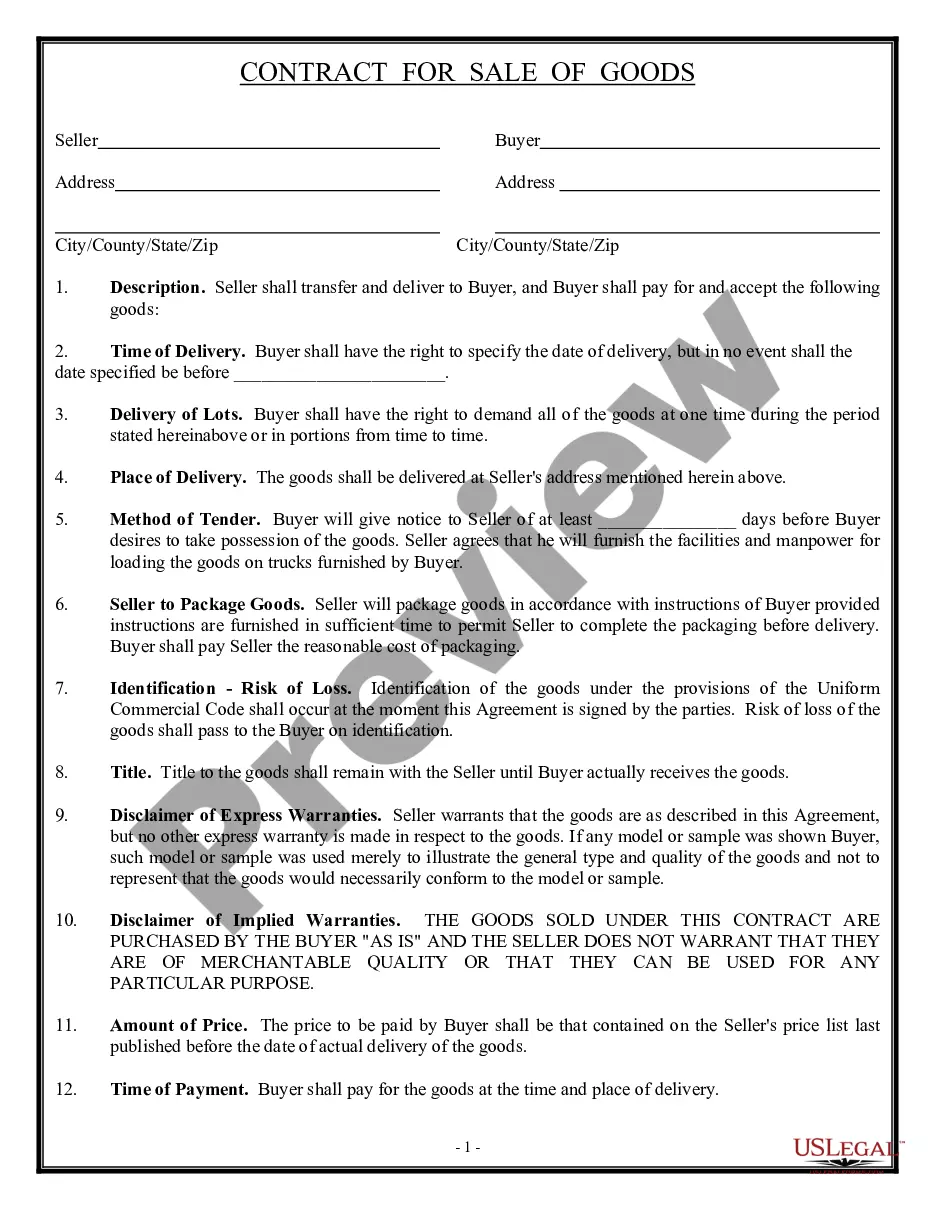
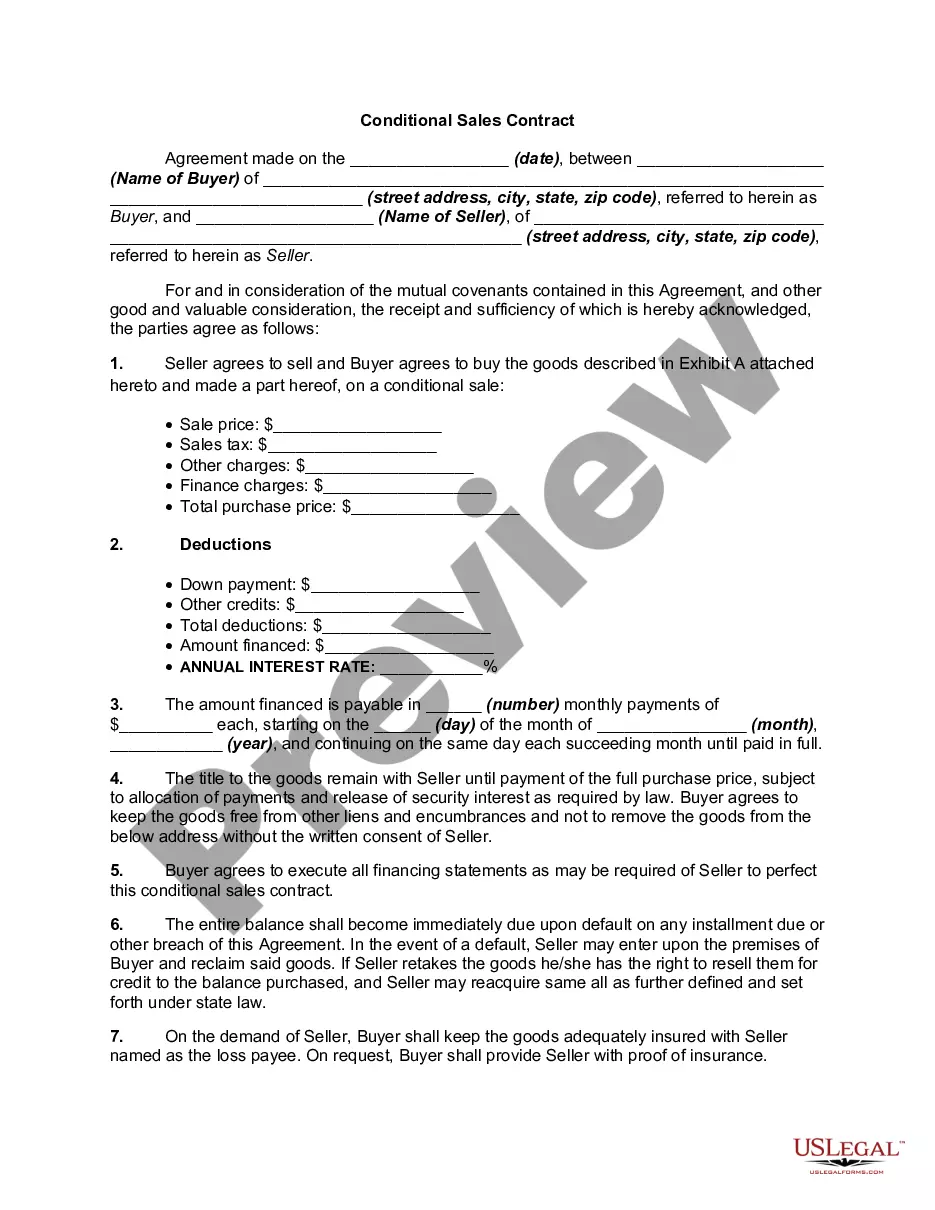
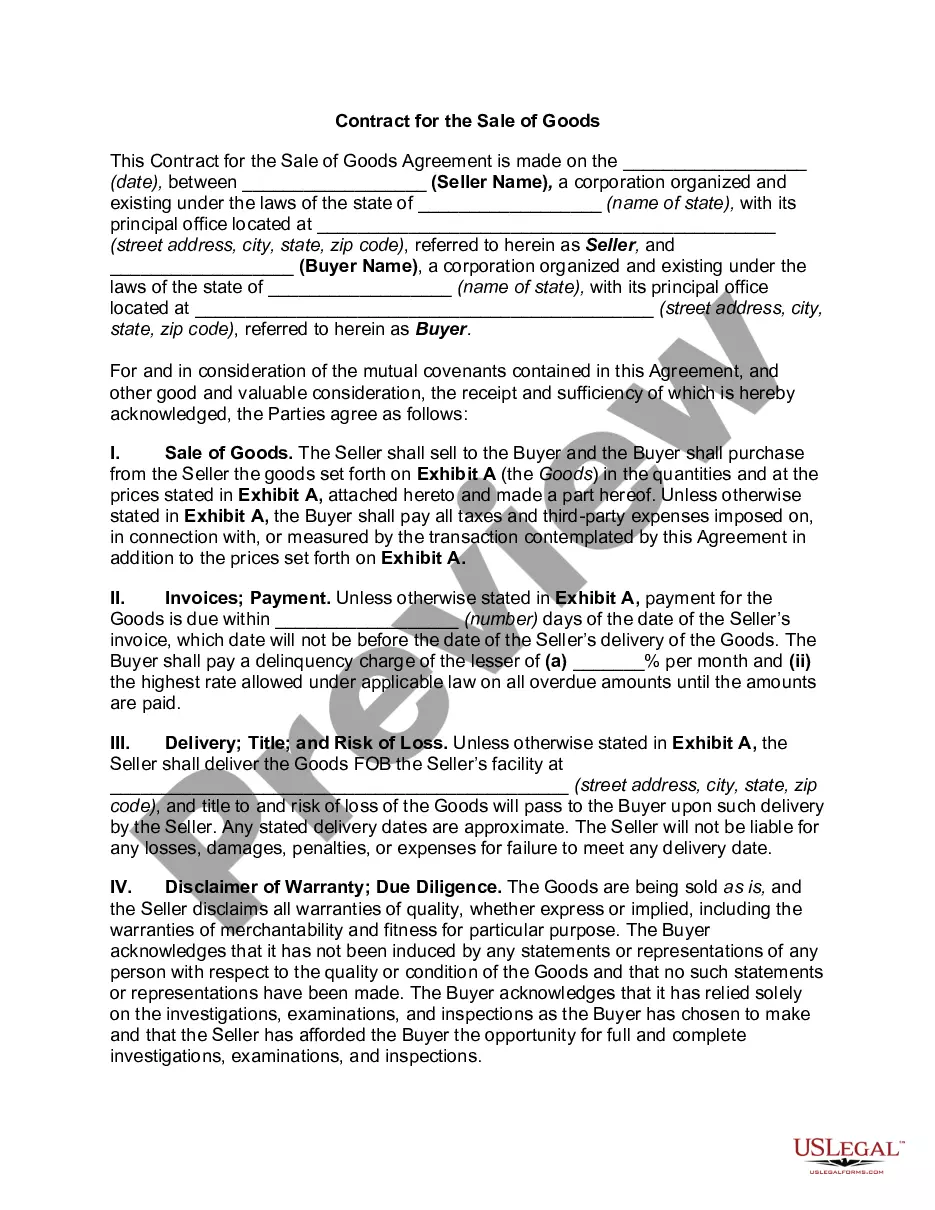
Vermont Conditional Sales Contract
Description
Get your form ready online
Our built-in tools help you complete, sign, share, and store your documents in one place.
Make edits, fill in missing information, and update formatting in US Legal Forms—just like you would in MS Word.
Download a copy, print it, send it by email, or mail it via USPS—whatever works best for your next step.
Sign and collect signatures with our SignNow integration. Send to multiple recipients, set reminders, and more. Go Premium to unlock E-Sign.
If this form requires notarization, complete it online through a secure video call—no need to meet a notary in person or wait for an appointment.
We protect your documents and personal data by following strict security and privacy standards.

Make edits, fill in missing information, and update formatting in US Legal Forms—just like you would in MS Word.

Download a copy, print it, send it by email, or mail it via USPS—whatever works best for your next step.

Sign and collect signatures with our SignNow integration. Send to multiple recipients, set reminders, and more. Go Premium to unlock E-Sign.

If this form requires notarization, complete it online through a secure video call—no need to meet a notary in person or wait for an appointment.

We protect your documents and personal data by following strict security and privacy standards.
Looking for another form?

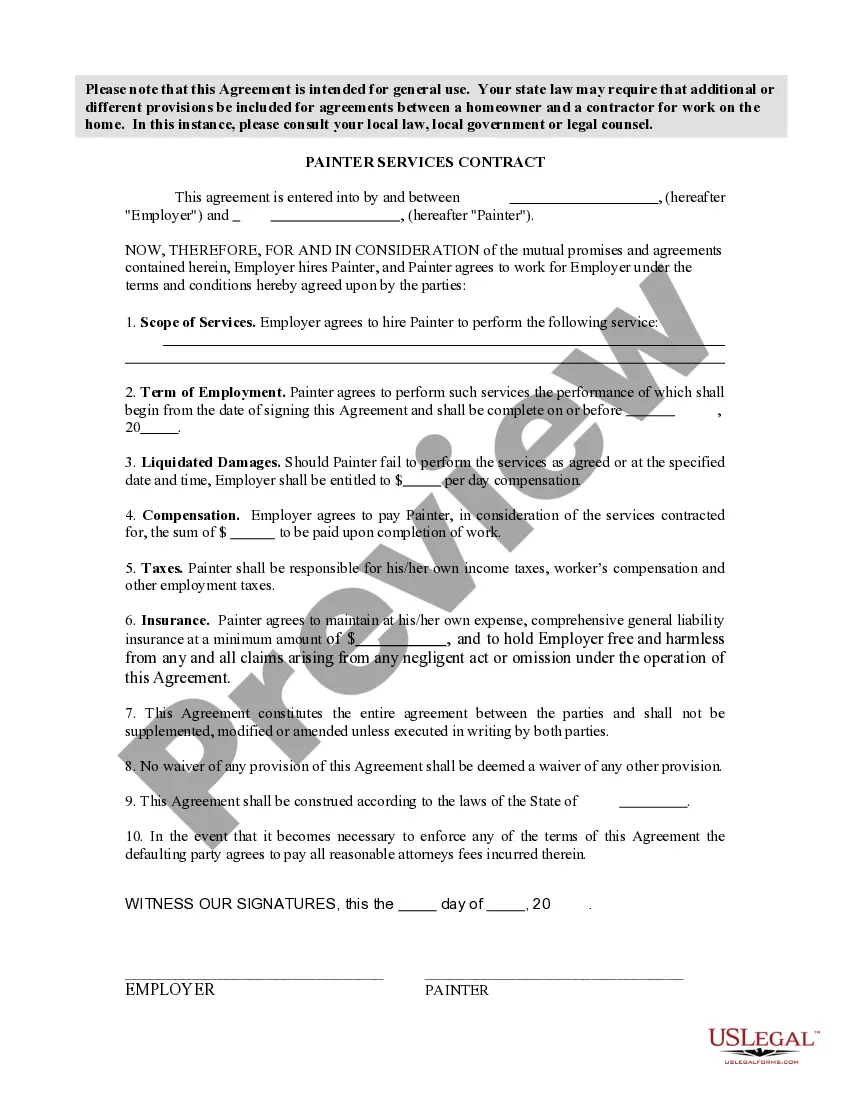

How to fill out Conditional Sales Contract?
If you need to fully download or create official document templates, utilize US Legal Forms, the largest collection of legal forms available online. Employ the site’s straightforward and user-friendly search feature to locate the documents you require. Numerous templates for business and personal purposes are categorized by types and states, or keywords. Use US Legal Forms to find the Vermont Conditional Sales Contract with just a few clicks.
If you are already a US Legal Forms customer, Log In to your account and click the Acquire button to obtain the Vermont Conditional Sales Contract. You can also access forms you previously downloaded from the My documents tab of your account.
If you are using US Legal Forms for the first time, follow the steps below: Step 1. Ensure you have selected the form for the correct area/region. Step 2. Utilize the Preview option to review the form’s content. Remember to read the description. Step 3. If you are not satisfied with the form, use the Search area at the top of the screen to find other types of the legal form template. Step 4. After locating the form you need, click the Get now button. Choose the pricing plan you prefer and enter your credentials to register for the account. Step 5. Process the payment. You can use your credit card or PayPal account to complete the transaction. Step 6. Choose the format of your legal form and download it to your device. Step 7. Complete, modify, and print or sign the Vermont Conditional Sales Contract.
- Every legal document template you purchase is your property for a long time.
- You have access to every form you downloaded with your account.
- Click the My documents section and select a form to print or download again.
- Complete and download, and print the Vermont Conditional Sales Contract with US Legal Forms.
- There are millions of professional and state-specific forms available for your personal business or individual needs.
Form popularity
FAQ
In sum, to be guilty of Kidnapping under CPC §207(a), the prosecution must prove that: You took or held someone through force or fear; AND, You moved, or made the person move, a substantial distance; AND, The other person didn't consent; AND, You didn't actually believe the person consented. California Penal Code § [Section] 207(a) ? Kidnapping kannlawoffice.com ? kidnapping kannlawoffice.com ? kidnapping
?Simple? kidnapping is a felony, subjecting you to up to 8 years in the California state prison 3. Aggravated kidnapping ? also a felony ? carries a sentence of five years to life, depending on the facts of the case. Penal Code 207 PC - California "Kidnapping" Laws - Shouse Law shouselaw.com ? defense ? penal-code shouselaw.com ? defense ? penal-code
Ing to Vermont law, 13 V.S.A. § 2405, a person commits the crime of kidnapping if the person knowingly restrains another person with the intent to: hold the restrained person for ransom or reward; or. use the restrained person as a shield or hostage; or.
It is possible for kidnapping charges to be supported by movement of a very short distance under certain circumstances. For example, if the defendant were to move the victim only 30 feet out of the view of potential witnesses in order to rape or otherwise physically harm them. California's Kidnapping Laws | What You Need to Know robertmhelfend.com ? criminal-defense ? ca... robertmhelfend.com ? criminal-defense ? ca...
The State of Vermont has a six-to-eight-year statute of limitations on written contracts, while oral contracts and collection of debt on accounts each have a six year statute of limitations. Judgements carry an eight-year statute of limitations.
"In Vermont, there is no time period during which you can change your mind and cancel a vehicle purchase contract. Any right to cancel the contract must be specified in the purchase agreement you sign with the seller. Unless there is such a term, the dealer may be able to enforce the contract.
Kidnapping is when someone takes another person (either against their will or by luring them away) or keeps a person against their wishes, in order to make that person or someone else give something up to let that person go. False Imprisonment is when someone confines or detains another person without their consent. Kidnapping & False Imprisonment coloradolinc.org ? criminal ? kidnapping-fal... coloradolinc.org ? criminal ? kidnapping-fal...
After the town sells your home at a tax sale, you can still get your home back. This is called the redemption period. You have 12 months from the time of the tax sale to pay the town the amount of money it sold your home for at the tax sale.