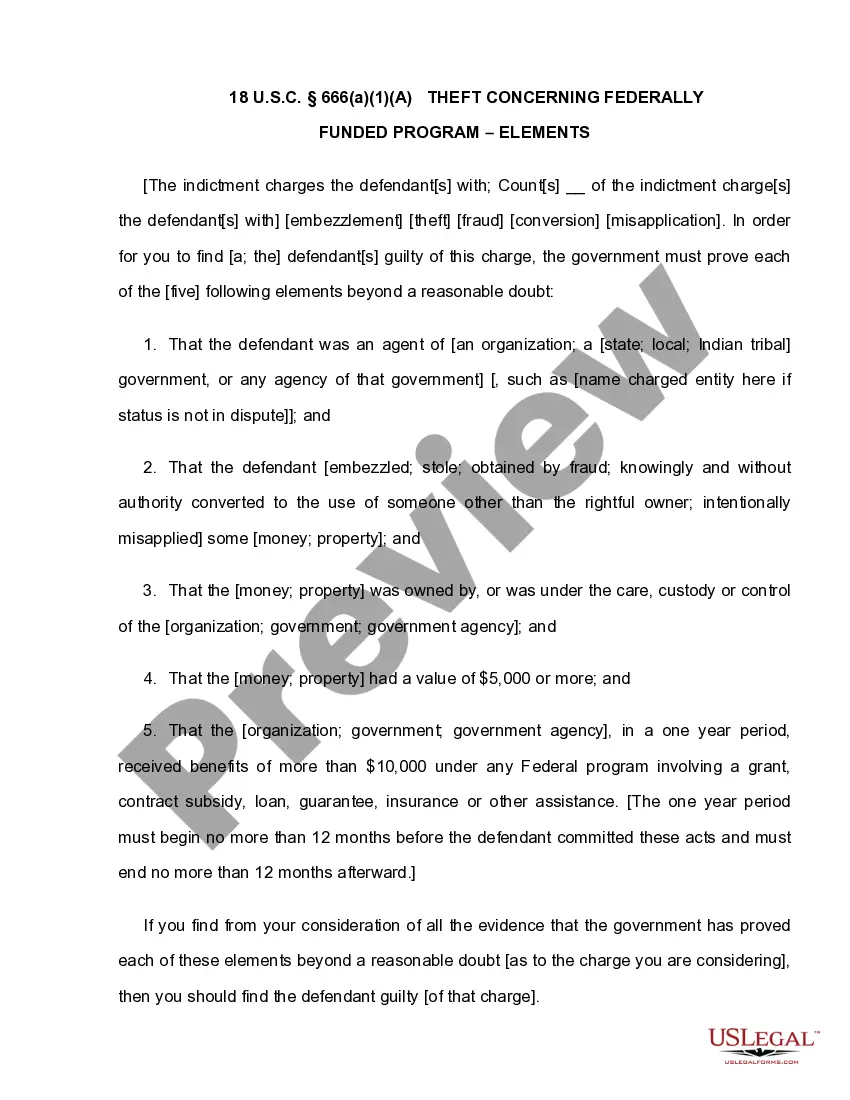
Vermont Scrivener's Affidavit for Modification of Mortgage
About this form
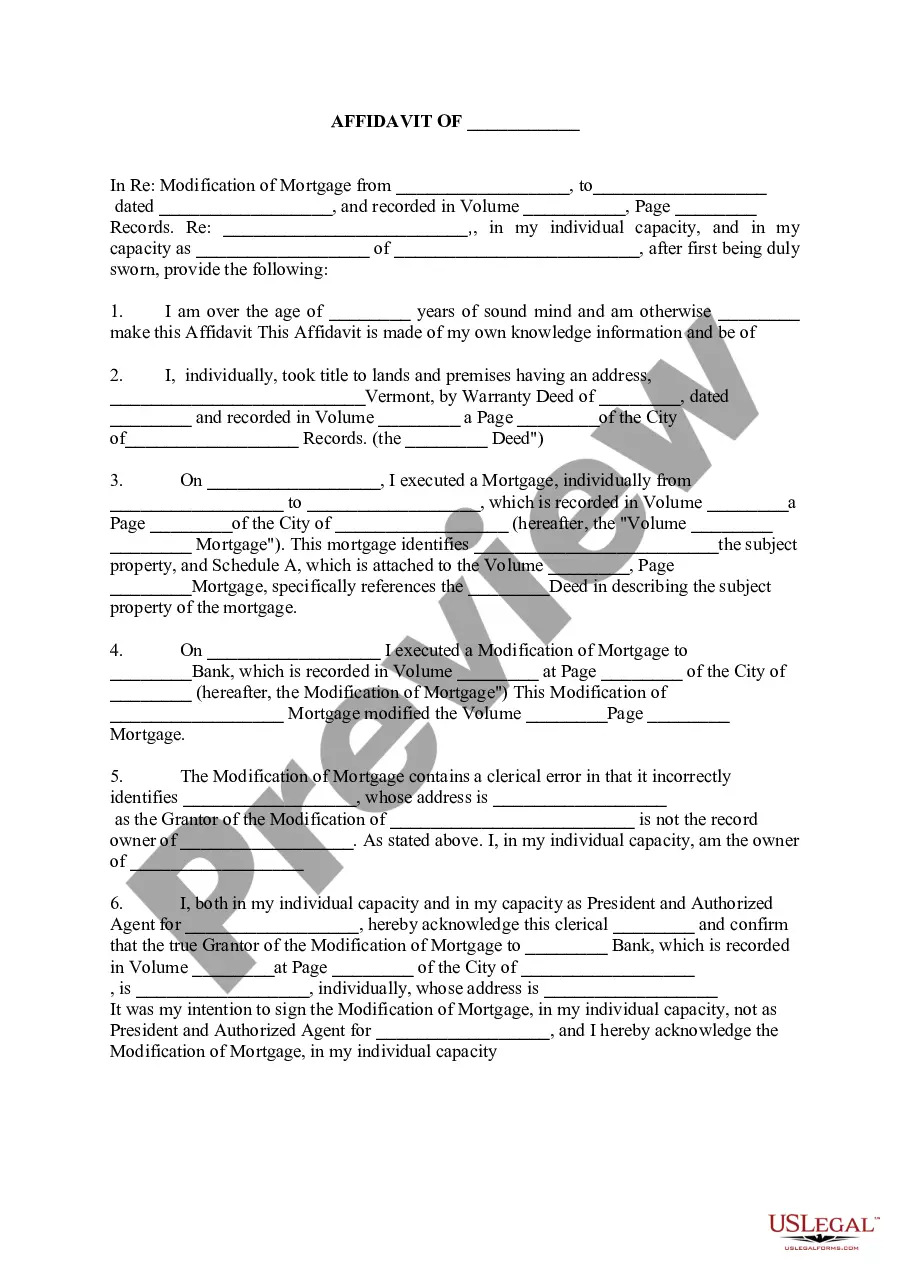
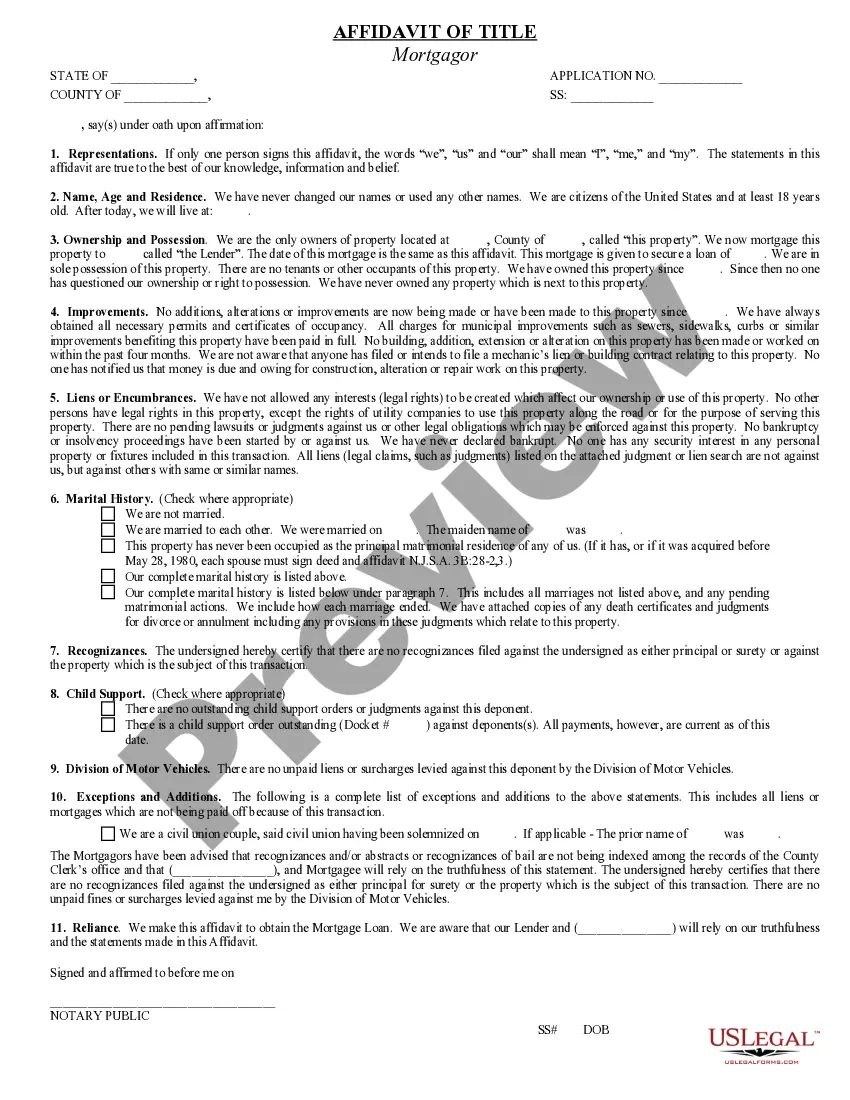
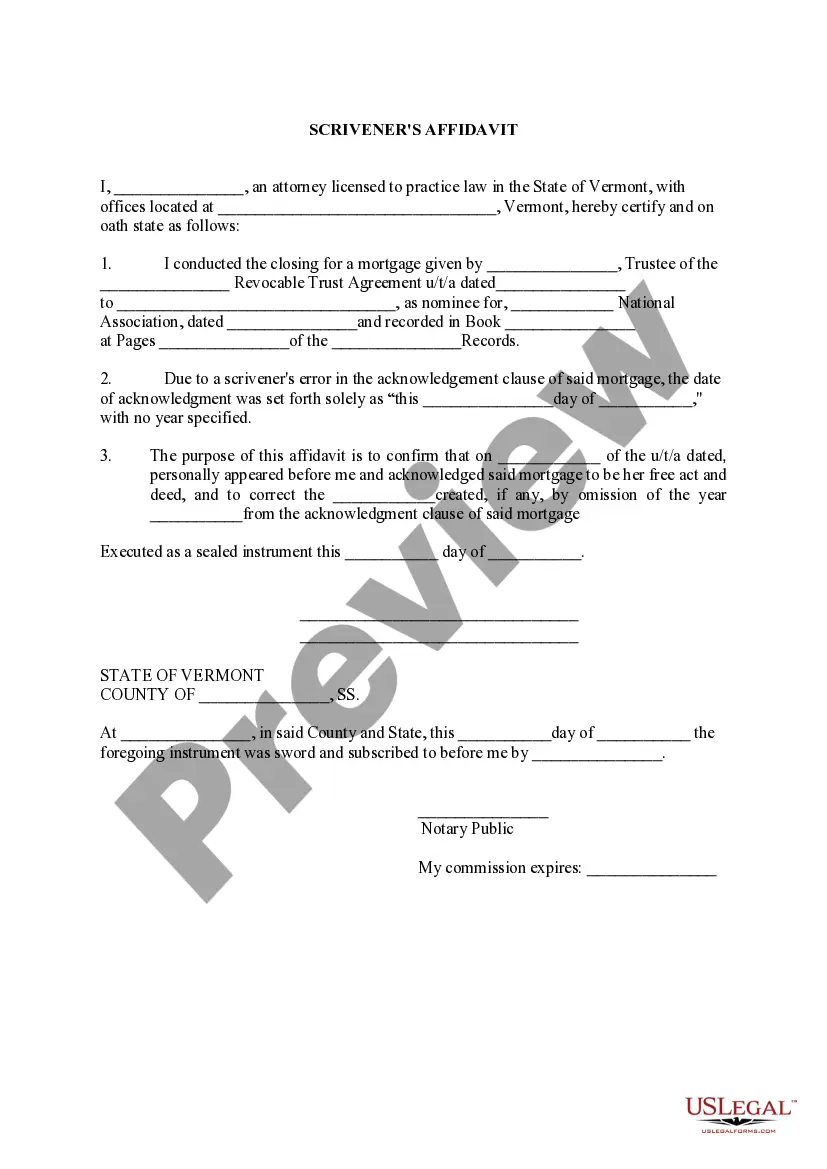
The Scrivener's Affidavit for Modification of Mortgage is a sworn statement by the individual who drafted a mortgage. This form serves to clarify aspects of the original deed rather than correct errors. It helps ensure that the property records accurately reflect the true ownership and intentions of the parties involved, especially in cases where a modification has been made to a mortgage agreement.
Form components explained
- Affidavit declaration identifying the individual making the affidavit.
- Details of the Warranty Deed, including property description and recording information.
- Information about the original mortgage, including its execution details and recording data.
- A statement addressing any clerical errors present in the modification of the mortgage.
- A confirmation of the correct grantor related to the modification.
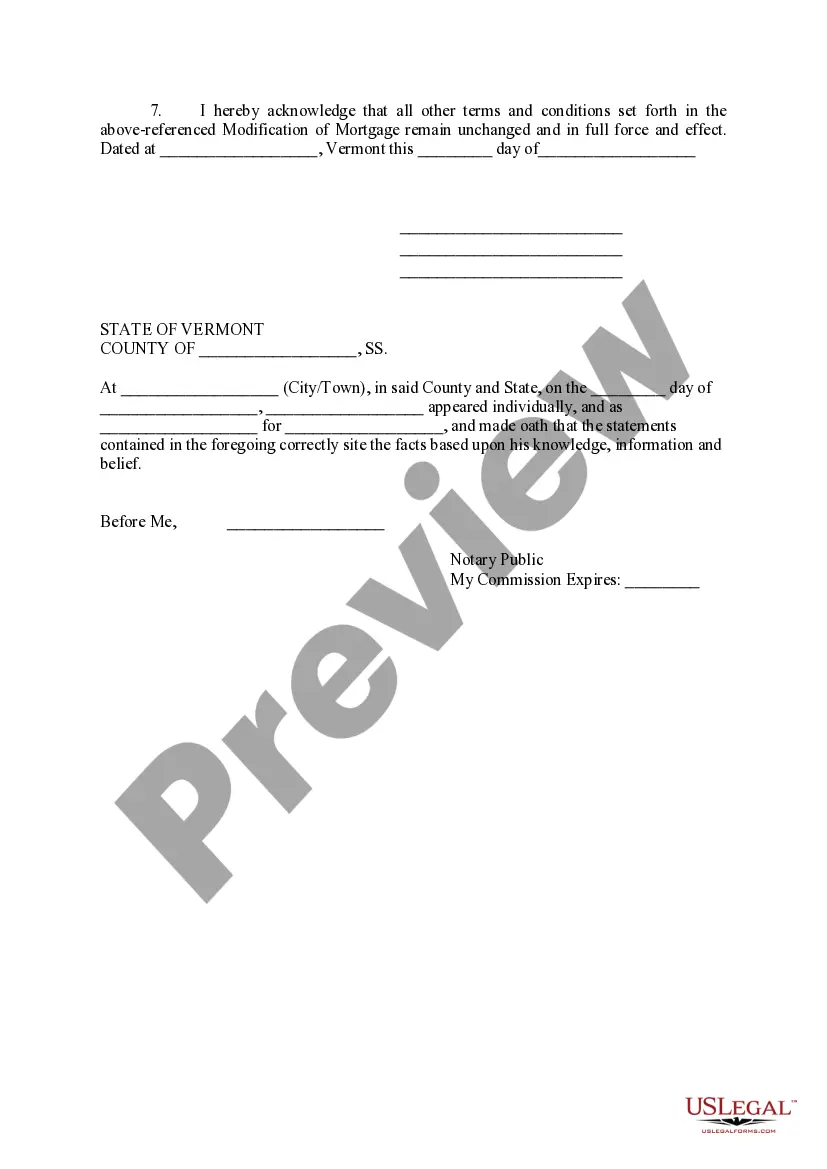
- Oath statement for notarization, affirming the truthfulness of the affidavit's content.
When this form is needed
This form is useful when a modification of a mortgage has been executed, but the records contain clerical errors, such as incorrect grantor information. If you need to clarify the ownership or identify parties involved in a mortgage modification, this affidavit will help accurately update property records and provide clarity for any future transactions involving the property.
Who should use this form
- Property owners who have recently modified a mortgage and need to correct public records.
- Individuals acting as agents for corporations regarding property modifications.
- Anyone involved in real estate transactions who needs to clarify ownership details.
Steps to complete this form
- Identify the individual making the affidavit and provide their personal details.
- Specify the property involved, including its address and related property deed information.
- Record the details of the mortgage, including dates and volume/page numbers for reference.
- Clarify any clerical errors present in the modification and identify the correct grantor.
- Sign and date the affidavit in front of a notary public.
Does this document require notarization?
Yes, this form must be notarized to be legally valid. This will ensure that the statements made in the affidavit are properly authenticated. US Legal Forms offers an integrated online notarization service that allows you to notarize documents securely through a video call, available 24/7.
Get your form ready online
Our built-in tools help you complete, sign, share, and store your documents in one place.
Make edits, fill in missing information, and update formatting in US Legal Forms—just like you would in MS Word.
Download a copy, print it, send it by email, or mail it via USPS—whatever works best for your next step.
Sign and collect signatures with our SignNow integration. Send to multiple recipients, set reminders, and more. Go Premium to unlock E-Sign.
If this form requires notarization, complete it online through a secure video call—no need to meet a notary in person or wait for an appointment.
We protect your documents and personal data by following strict security and privacy standards.

Make edits, fill in missing information, and update formatting in US Legal Forms—just like you would in MS Word.

Download a copy, print it, send it by email, or mail it via USPS—whatever works best for your next step.

Sign and collect signatures with our SignNow integration. Send to multiple recipients, set reminders, and more. Go Premium to unlock E-Sign.

If this form requires notarization, complete it online through a secure video call—no need to meet a notary in person or wait for an appointment.

We protect your documents and personal data by following strict security and privacy standards.
Common mistakes
- Forgetting to include all relevant details of the property and mortgage.
- Not properly identifying the grantor, leading to further confusion.
- Failing to have the affidavit notarized, which can render it invalid.
Benefits of completing this form online
- Convenient access to legal documents that can be downloaded and completed at your own pace.
- Edit and customize the form to fit your specific situation before printing.
- Reliable forms drafted by licensed attorneys, ensuring legal compliance.
Looking for another form?
Form popularity
FAQ
A corrective deed is an instrument filed in the public record in addition to the incorrect deed. It's known as a confirmatory instrument since it perfects an existing title by removing any defects, but it doesn't pass title on its own.
If there is a mistake or omission in the affidavit, the proper way is to file an affidavit expla...the affidavit filed by him in lieu of examination in chief. The said application was dismissed by the learned Magistrate, against which the petitioner preferred revision before the Court of Session...
Determine if the error is harmless or fatal to the transfer of title. Decide what instrument is best suited to the error. Draft a corrective deed, affidavit, or new deed. Obtain the original signature(s) of the Grantor(s). Re-execute the deed with proper notarization and witnessing.
Draw line through entry (thin pen line). Make sure that the inaccurate information is still legible. Initial and date the entry. State the reason for the error (i.e. in the margin or above the note if room). Document the correct information.
A correction deed is a new deed signed and acknowledged by the grantor. A correction affidavit can be signed by either party but is used in limited situations. This press release was authorized by Mark W. Bidwell, an attorney licensed in California.
Vermont Quit Claim Deed Form Before a quit claim deed can be filed with the County Clerk's Office, Form PT-172 must be filled out and filed with the Department of Taxes in order to prove that the property tax has been paid.
Resolving Small Ambiguities: The Scrivener Affidavit. Sometimes an omission attracts attention just after recording. The Correction Deed: Stronger Than a Scrivener's Affidavit. Obtain your correction deed form. Execute the correction deed. Record the correction deed.
Re-recording of the original document. With corrections made in the body of the original document. A cover sheet detailing the changes. Must be re-signed and re-acknowledged. Correction Deed. A new deed reflecting the corrections/changes. Must meet all recording requirements of a deed.
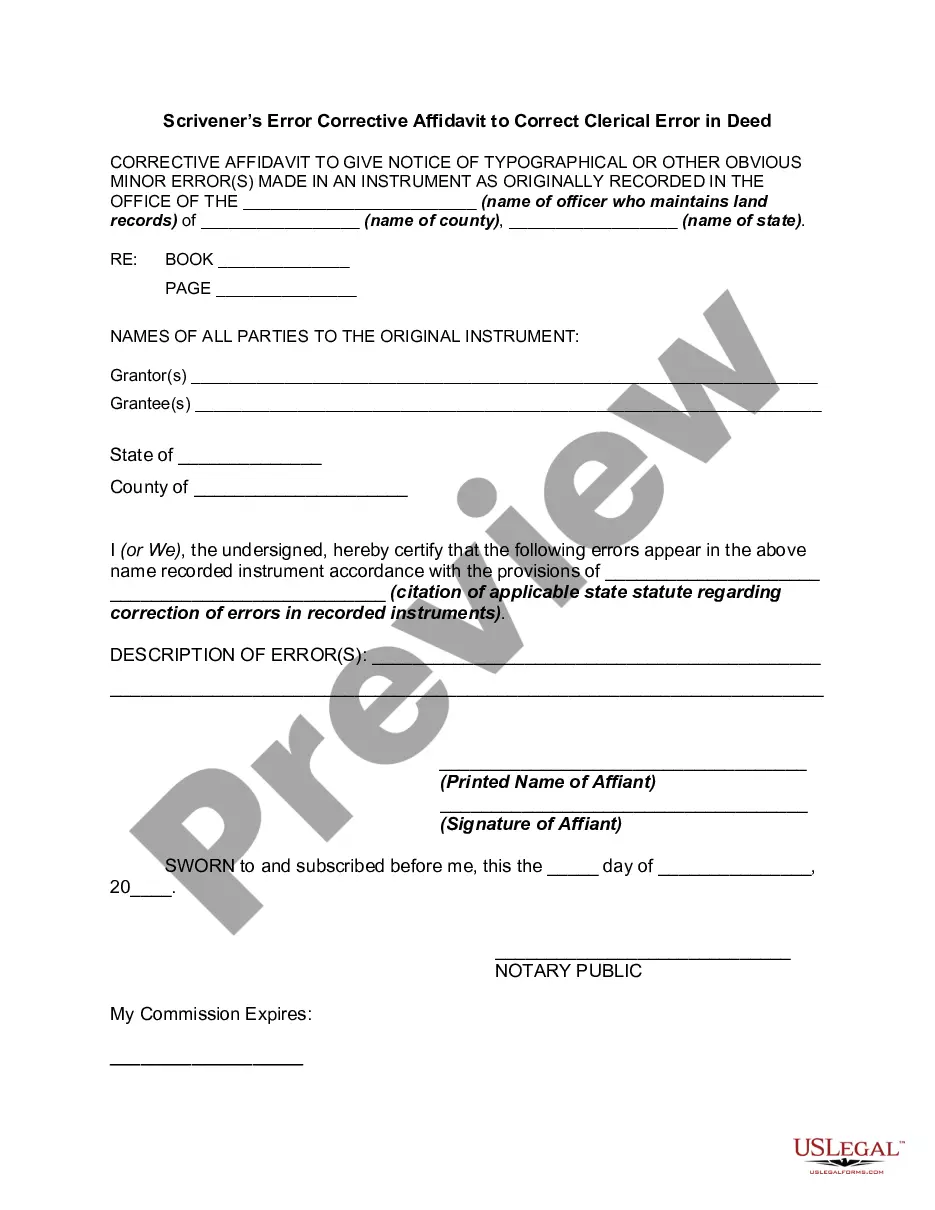
What is a Correction Affidavit? An Affidavit of Correction may be used to correct inaccurate information on an official court or government record. This includes: DMV records, such as vehicle registration or title. Property records, like deeds or liens.