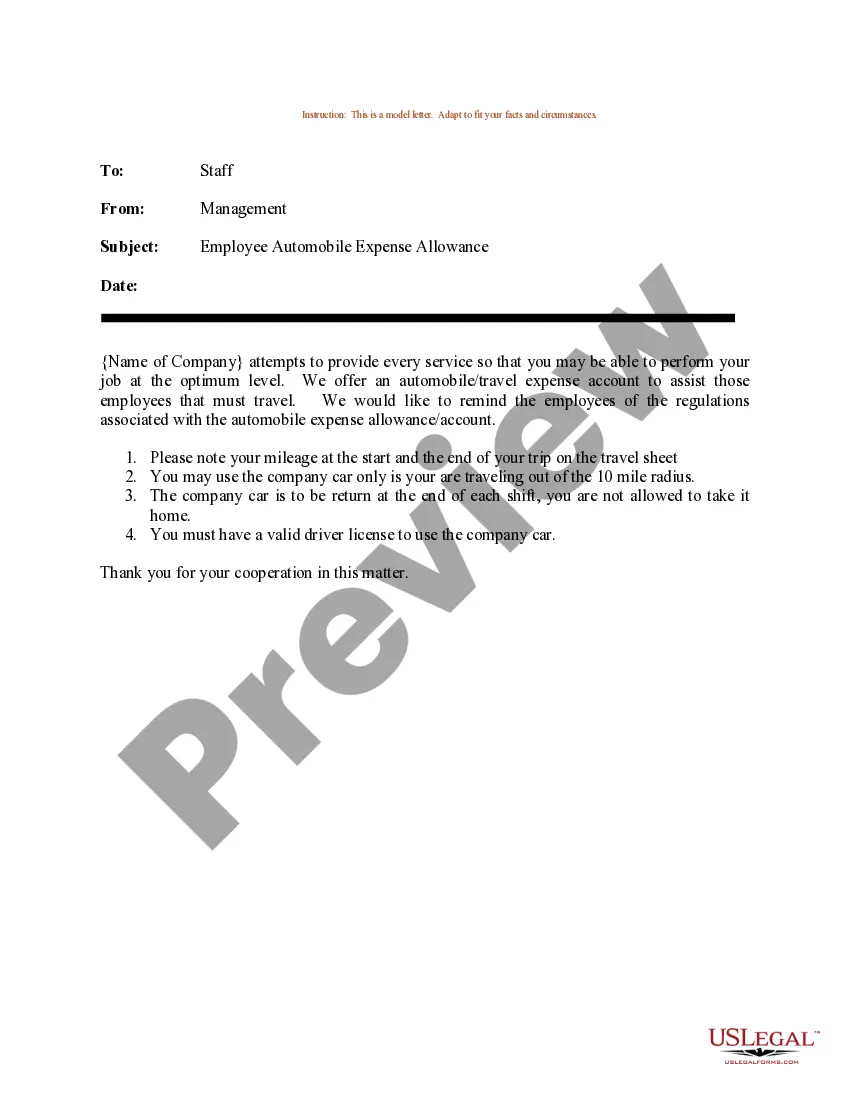
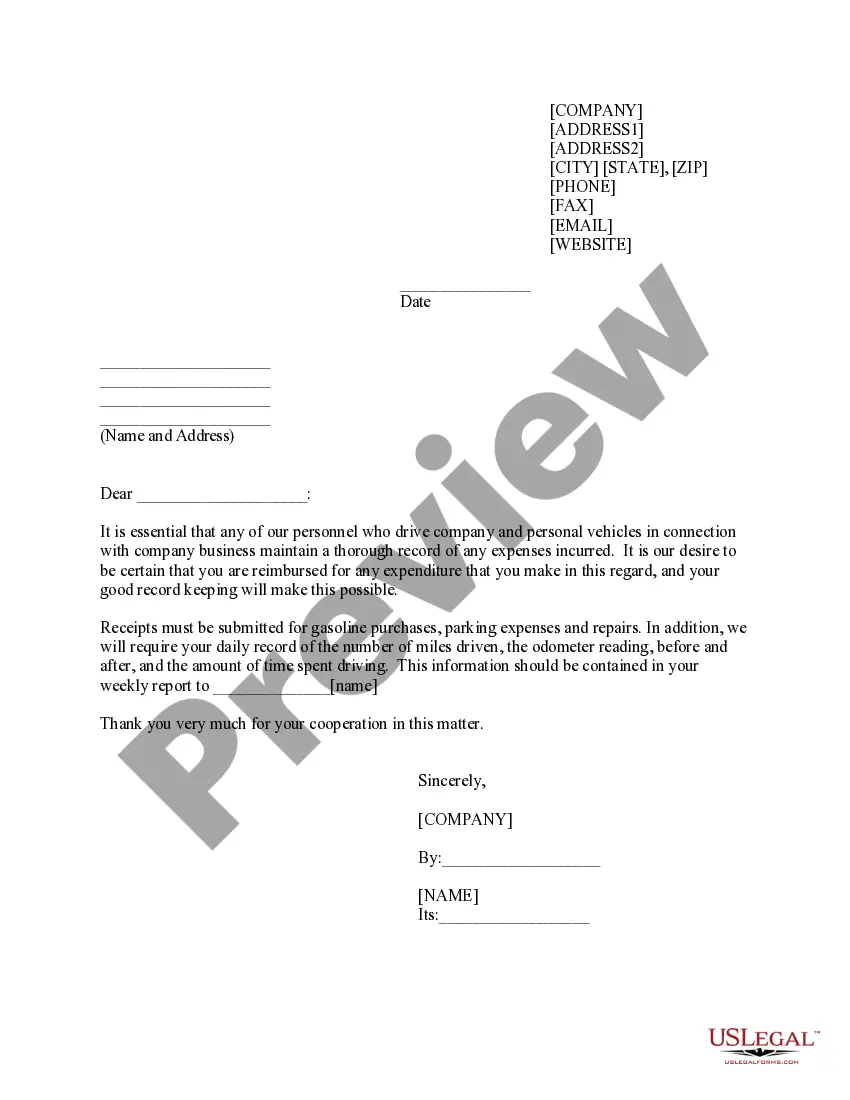
Virgin Islands Sample Letter for Employee Automobile Expense Allowance
Description
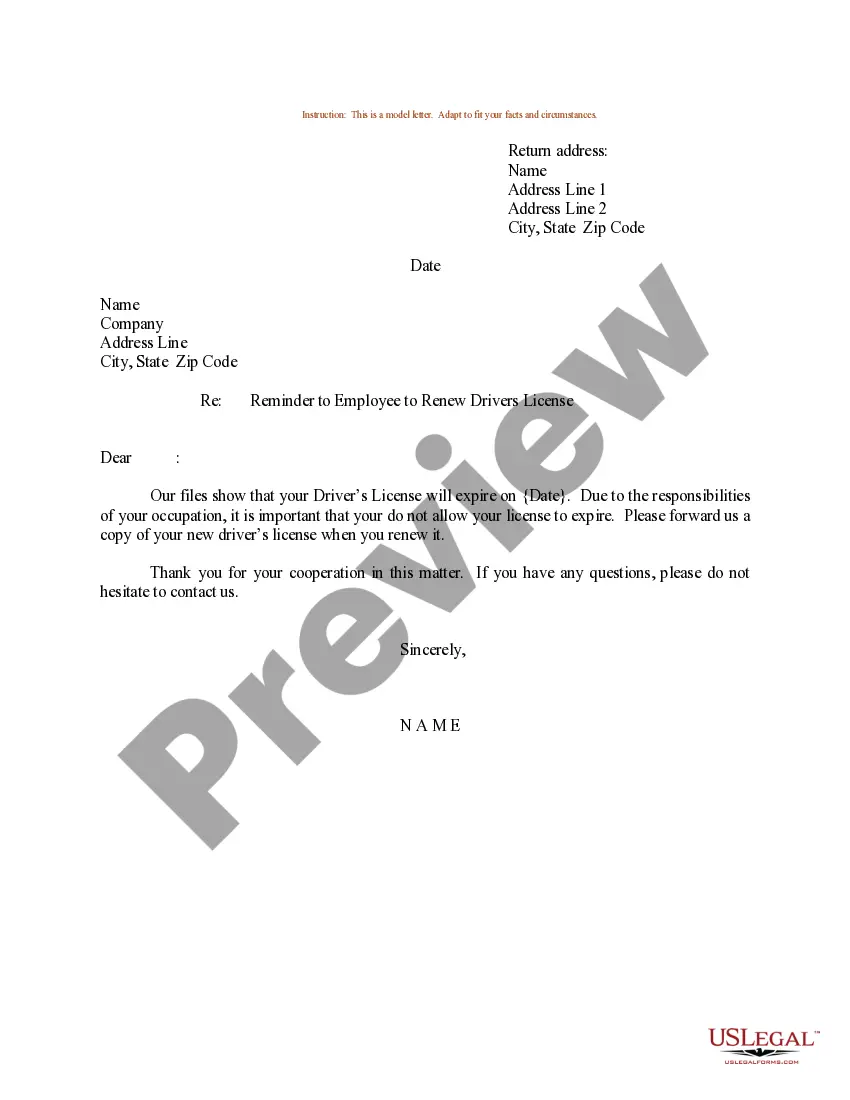
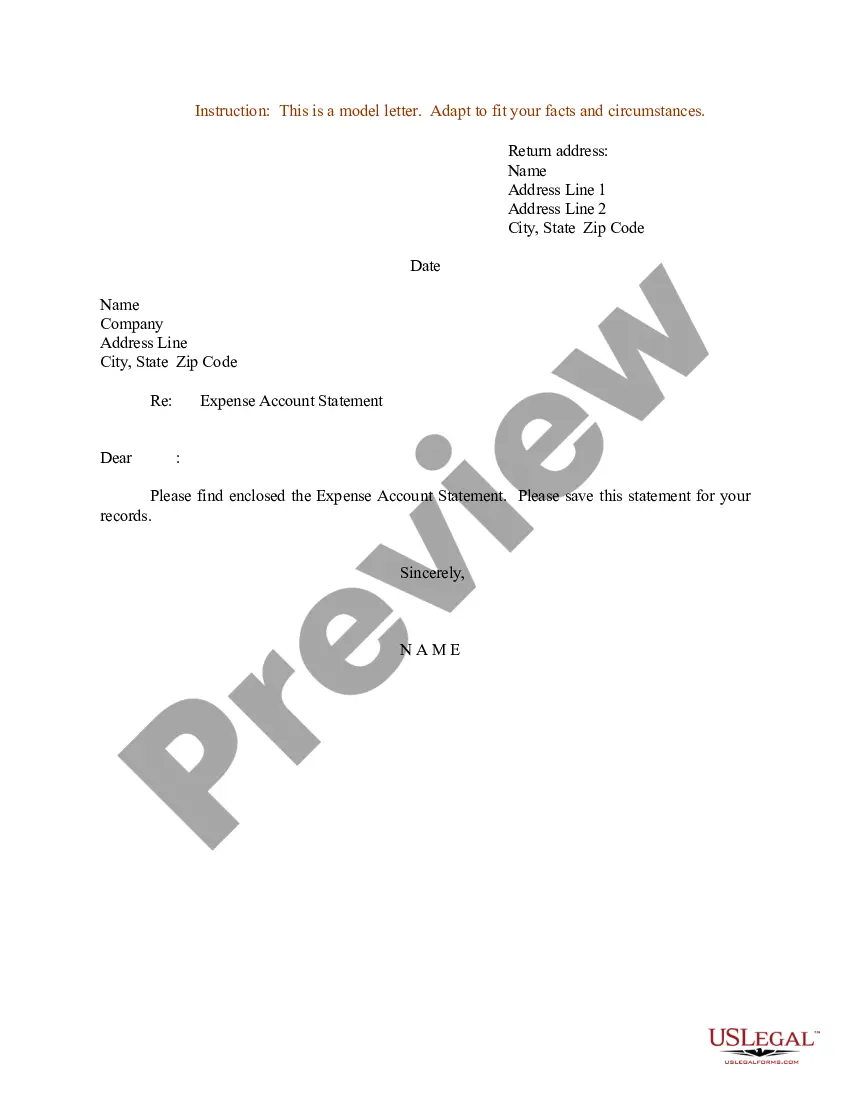
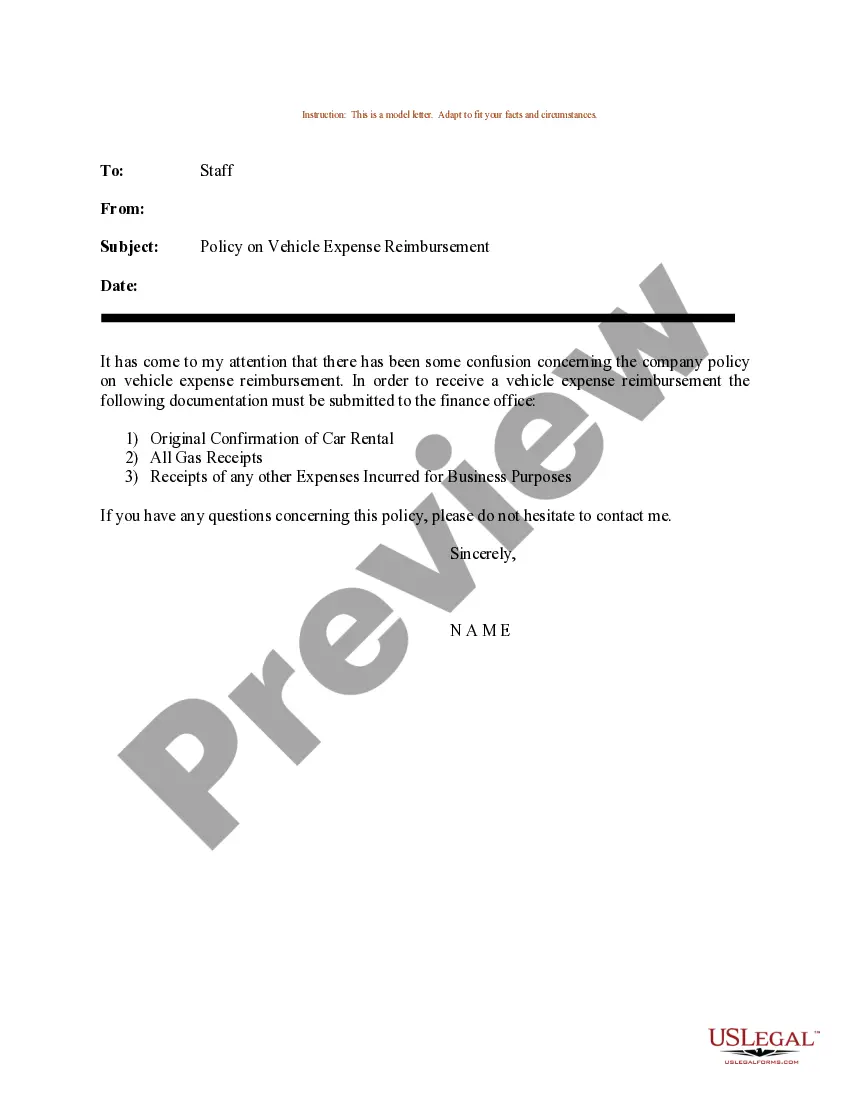
Get your form ready online
Our built-in tools help you complete, sign, share, and store your documents in one place.
Make edits, fill in missing information, and update formatting in US Legal Forms—just like you would in MS Word.
Download a copy, print it, send it by email, or mail it via USPS—whatever works best for your next step.
Sign and collect signatures with our SignNow integration. Send to multiple recipients, set reminders, and more. Go Premium to unlock E-Sign.
If this form requires notarization, complete it online through a secure video call—no need to meet a notary in person or wait for an appointment.
We protect your documents and personal data by following strict security and privacy standards.

Make edits, fill in missing information, and update formatting in US Legal Forms—just like you would in MS Word.

Download a copy, print it, send it by email, or mail it via USPS—whatever works best for your next step.

Sign and collect signatures with our SignNow integration. Send to multiple recipients, set reminders, and more. Go Premium to unlock E-Sign.

If this form requires notarization, complete it online through a secure video call—no need to meet a notary in person or wait for an appointment.

We protect your documents and personal data by following strict security and privacy standards.
Looking for another form?
How to fill out Sample Letter For Employee Automobile Expense Allowance?
It is feasible to spend hours on the internet looking for the authentic document template that meets the state and federal standards you need.
US Legal Forms offers thousands of valid forms that can be reviewed by experts.
You can download or print the Virgin Islands Sample Letter for Employee Automobile Expense Allowance from their service.
If available, utilize the Preview button to review the document template as well.
- If you have a US Legal Forms account, you may sign in and click the Download button.
- Then, you can complete, edit, print, or sign the Virgin Islands Sample Letter for Employee Automobile Expense Allowance.
- Every legitimate document template you obtain is yours indefinitely.
- To get another copy of a purchased form, visit the My documents tab and click the corresponding button.
- If you're using the US Legal Forms website for the first time, follow the simple instructions below.
- First, make sure you have selected the correct document template for the area/region of your choice.
- Check the form description to confirm that you have chosen the appropriate document.
Form popularity
FAQ
Individuals who own a business or are self-employed and use their vehicle for business may deduct car expenses on their tax return. If a taxpayer uses the car for both business and personal purposes, the expenses must be split. The deduction is based on the portion of mileage used for business.
Generally speaking, the Section 179 tax deduction applies to passenger vehicles, heavy SUVs, trucks, and vans used at least 50% of the time for business-related purposes. So, for example, a pool cleaning business can deduct the purchase price of a new pickup truck used to get to and from customers' homes.
The purpose of the car allowance is to cover all expenses relating to the operation of a vehicle. These expenses include: Repairs and maintenance. Fuel, including gas, oil and propane, and charging costs.
Whether you owned or leased your vehicle, you can claim the interest on the money you borrowed to buy or lease it. Take the lower of the following amounts: total interest paid in the year. $10.00 x the number of days for which interest was paid.
Individuals who own a business or are self-employed and use their vehicle for business may deduct car expenses on their tax return. If a taxpayer uses the car for both business and personal purposes, the expenses must be split. The deduction is based on the portion of mileage used for business.
We often get this question: Can I deduct mileage to and from work? The answer here is no; you'd just count the trips after arriving at work or first business destination. For business owners, the trip from home to your main business location, such as an office or store, is not deductible.
Taxpayers who choose the standard mileage rate may not deduct actual expenses, such as depreciation, lease payments, maintenance and repairs, gasoline (including gasoline taxes), oil, insurance or vehicle registration fees.
You can't claim car expenses for travel between home and work or vice versa, even if you live a long way from your work. You can't claim car expenses on your tax return if you were reimbursed for the same costs by your employer. Only claim it if you paid for it yourself.
Actual Car or Vehicle Expenses You Can Deduct Qualified expenses for this purpose include gasoline, oil, tires, repairs, insurance, tolls, parking, garage fees, registration fees, lease payments, and depreciation licenses. Report these expenses accurately to avoid an IRS tax audit.
Individuals who own a business or are self-employed and use their vehicle for business may deduct car expenses on their tax return. If a taxpayer uses the car for both business and personal purposes, the expenses must be split. The deduction is based on the portion of mileage used for business.