Virgin Islands Property or Boundary Line Agreement
Description
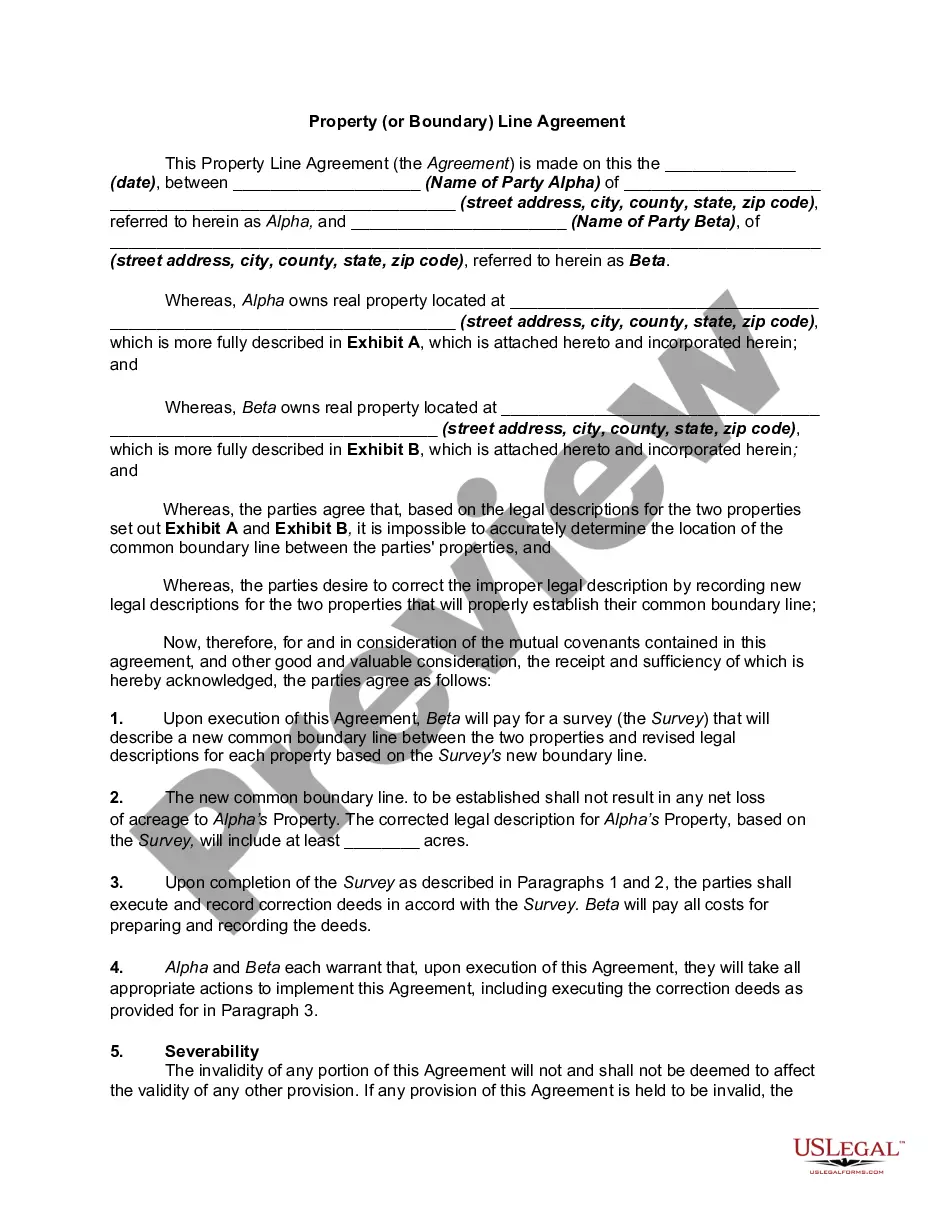
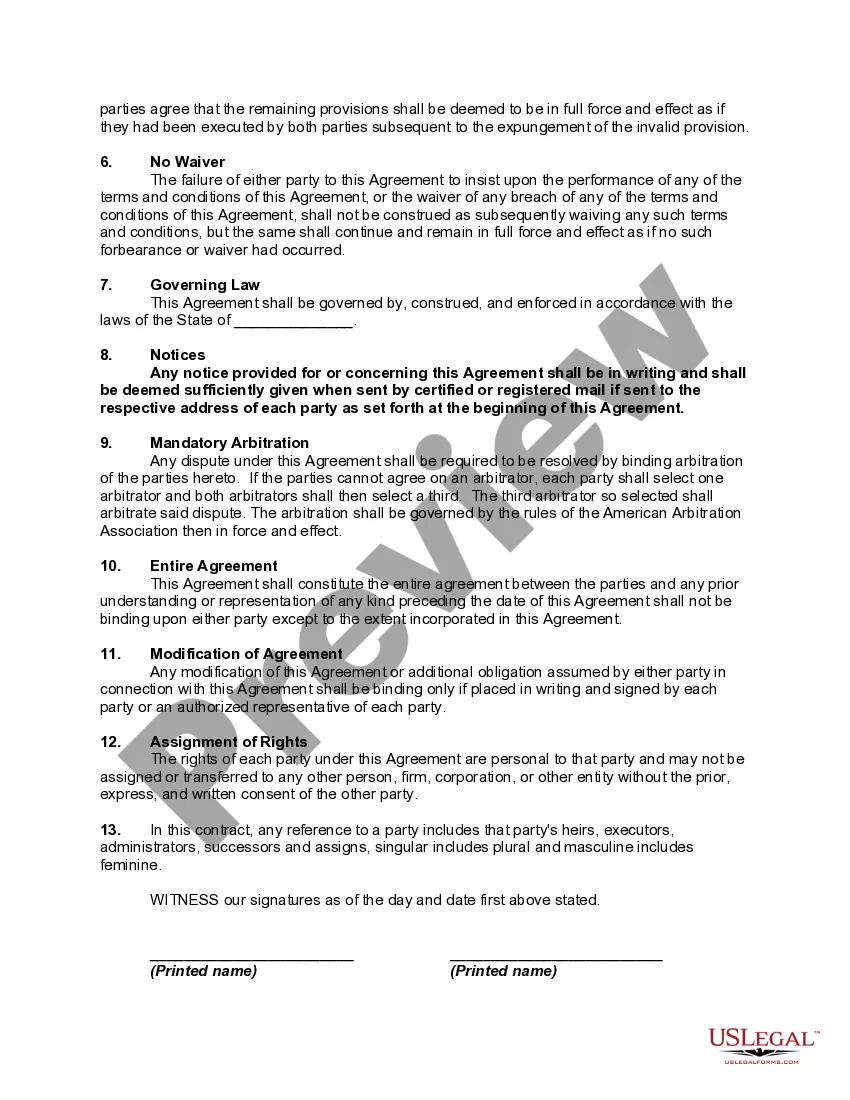

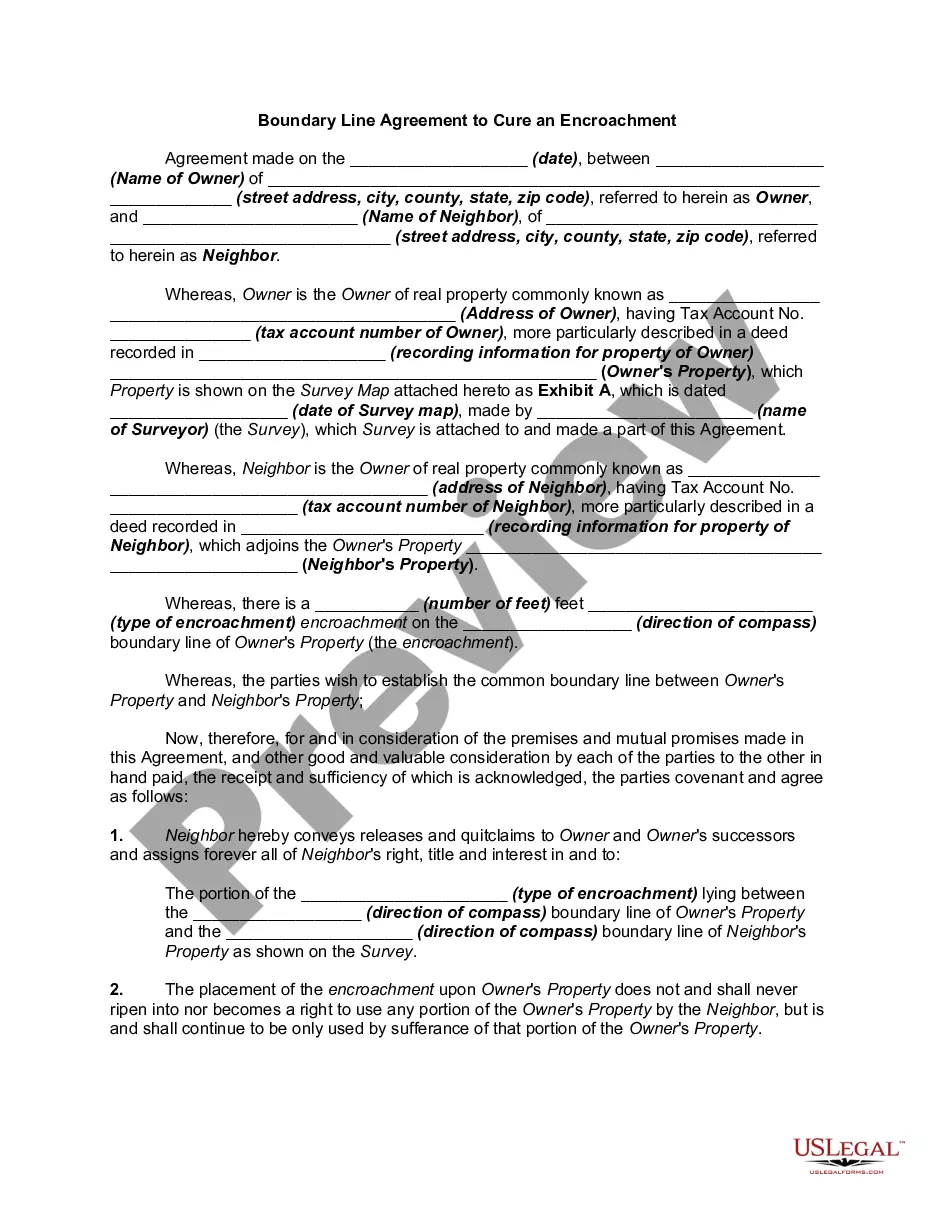
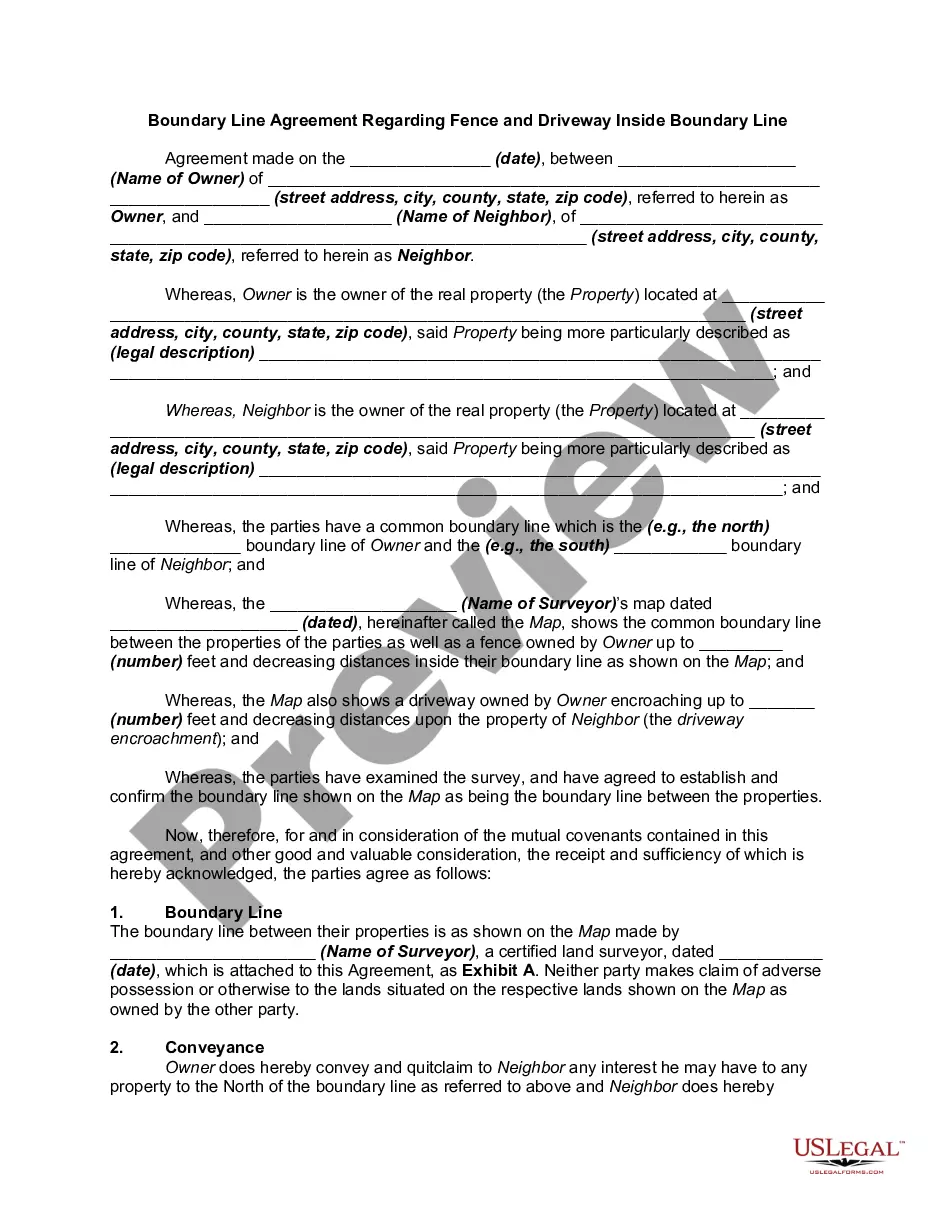
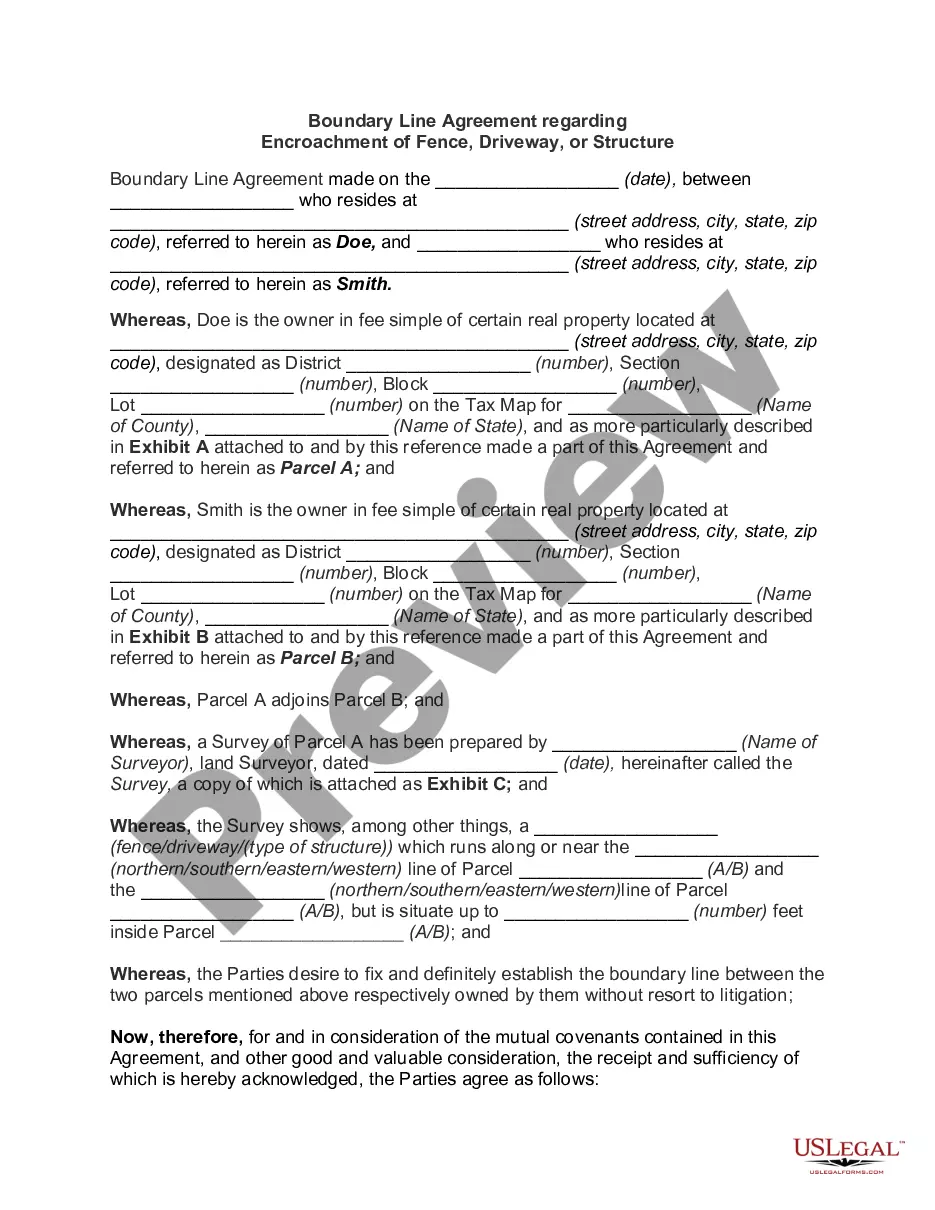
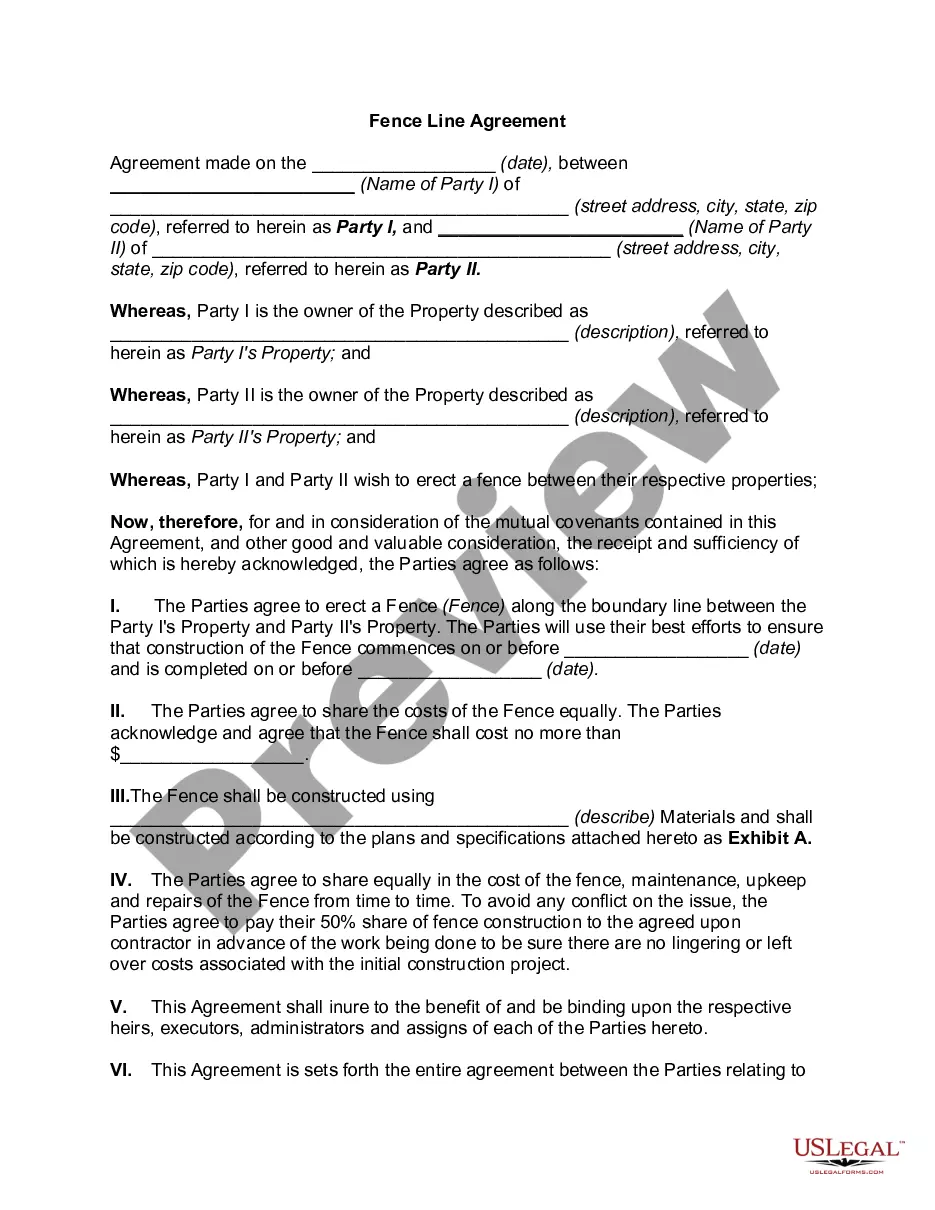
How to fill out Property Or Boundary Line Agreement?
Selecting the appropriate legal document template can be a challenge. Clearly, there are numerous designs available online, but how do you find the legal form you need? Use the US Legal Forms website. This service offers a vast array of templates, such as the Virgin Islands Property or Boundary Line Agreement, that can be utilized for both business and personal purposes.
All of the forms are verified by professionals and comply with state and federal requirements.
If you are already registered, Log In to your account and click the Download button to get the Virgin Islands Property or Boundary Line Agreement. Use your account to browse through the legal forms you have previously purchased. Visit the My documents tab of your account and obtain another copy of the document you need.
Select the format and download the legal document template to your computer. Complete, customize, print, and sign the acquired Virgin Islands Property or Boundary Line Agreement. US Legal Forms is the largest library of legal documents where you can find various document templates. Use this service to download professionally crafted papers that comply with state requirements.
- First, make sure you have selected the correct form for your city/county.
- You can view the form using the Review button and read the form summary to confirm this is the right one for you.
- If the form does not meet your needs, use the Search field to find the appropriate document.
- Once you are sure the form is suitable, click the Buy now button to proceed with obtaining the form.
- Choose the pricing plan you desire and enter the required information.
- Create your account and pay for your order using your PayPal account or credit card.
Form popularity
FAQ
Yes, the Virgin Islands do impose property tax on real estate, which is based on the assessed value of the property. This rate is generally lower than many states on the mainland, providing potential savings for property owners. When establishing a Virgin Islands Property or Boundary Line Agreement, it’s wise to factor in property taxes within your financial plan.
Yes, any US citizen can move to the Virgin Islands without needing specialized visas or permits. This makes it an attractive destination for those seeking a change of scenery or lifestyle. Once settled, ensure that you are well-informed about local real estate regulations, especially when considering a Virgin Islands Property or Boundary Line Agreement.
Absolutely, a US citizen can buy property in the Virgin Islands. The process is generally straightforward, similar to buying property stateside, but local regulations may apply. When drafting a Virgin Islands Property or Boundary Line Agreement, consider using reliable resources like uslegalforms to ensure compliance with local laws.
Yes, US citizens can own property in the Virgin Islands without any restrictions. This enables individuals to enjoy the beautiful landscapes and rich culture of the Islands. If you plan to create a Virgin Islands Property or Boundary Line Agreement, remember that local laws apply, so consulting with a legal professional is advisable.
Your property line is defined by official documents, such as a deed or survey, which outline the legal boundaries of your land. These lines can be marked by physical indicators or described in legal language. When dealing with boundary disputes, knowing your property line is essential, and the Virgin Islands Property or Boundary Line Agreement can provide the necessary support to resolve any conflicts.
Boundary lines and property lines are often used interchangeably, but they can have different implications. Property lines are legally recognized boundaries of your ownership, whereas boundary lines may refer to informal markers. It's vital to clarify these points when entering into a Virgin Islands Property or Boundary Line Agreement to ensure there is no confusion about land ownership.
No, a boundary survey is specifically focused on determining the accurate boundaries of your property, while a property survey encompasses a broader analysis, including structures and land features. Engaging in a boundary survey can significantly aid in your Virgin Islands Property or Boundary Line Agreement. Each type of survey serves its purpose in clarifying your position as a property owner.
A property line defines the official borders of your land, while a boundary line usually refers to natural or artificial markers that signify the edge of land. Understanding these distinctions is crucial when you are involved in a Virgin Islands Property or Boundary Line Agreement. Proper identification can prevent disputes with neighbors and ensure clarity in ownership.
Yes, you can own property in the Virgin Islands. As a buyer, you have the opportunity to invest in both residential and commercial real estate. However, it's important to understand the local laws and regulations regarding property ownership. Consulting a professional can help guide you through the Virgin Islands Property or Boundary Line Agreement process.
The average income in the Virgin Islands varies depending on the type of employment and business sectors. Generally, the tourism and service industries dominate the job market, contributing significantly to overall earnings. If you’re considering a Virgin Islands Property or Boundary Line Agreement, understanding local income levels can impact your investment decisions. Reliable income sources may offer better opportunities for property management and development.