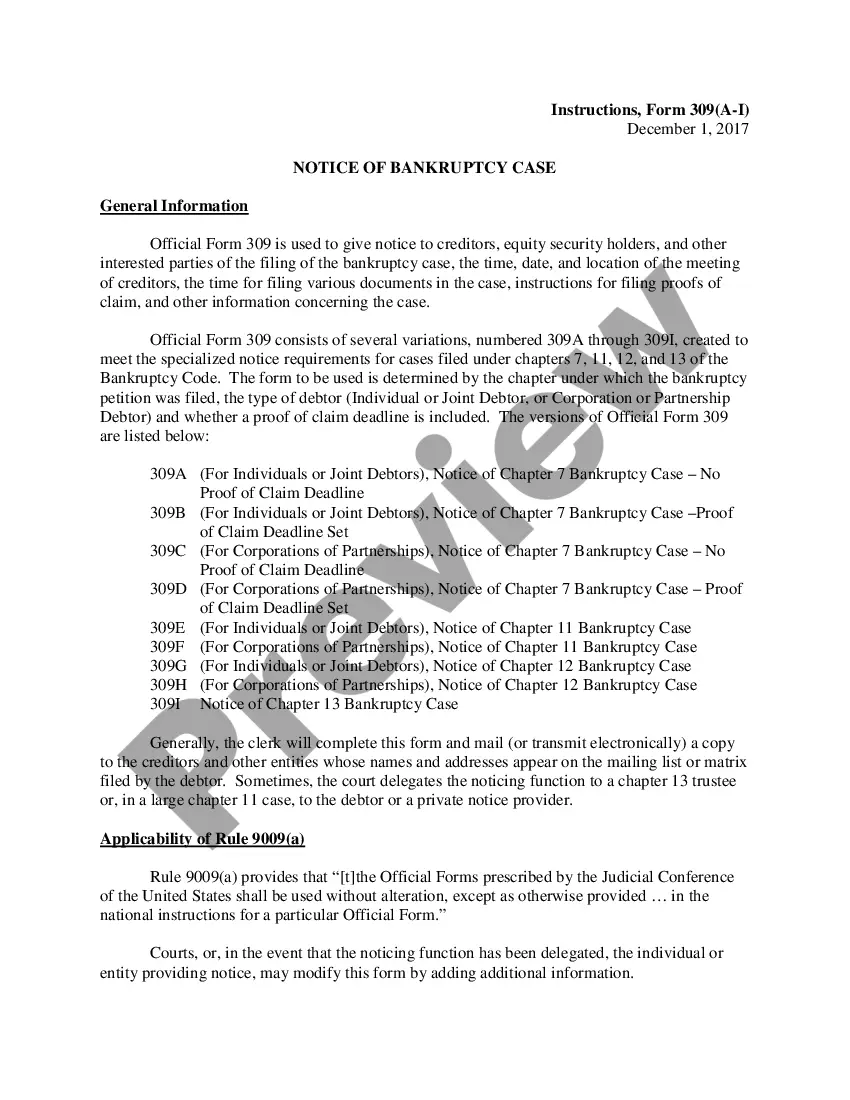
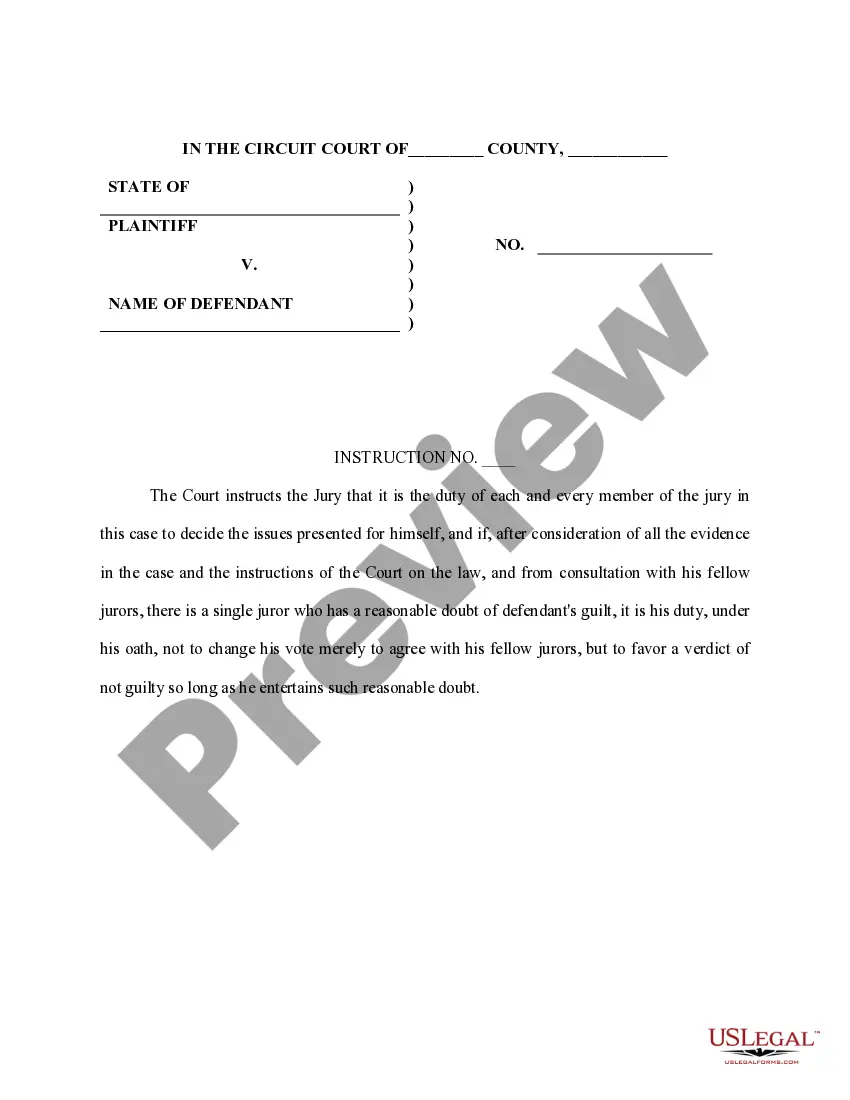
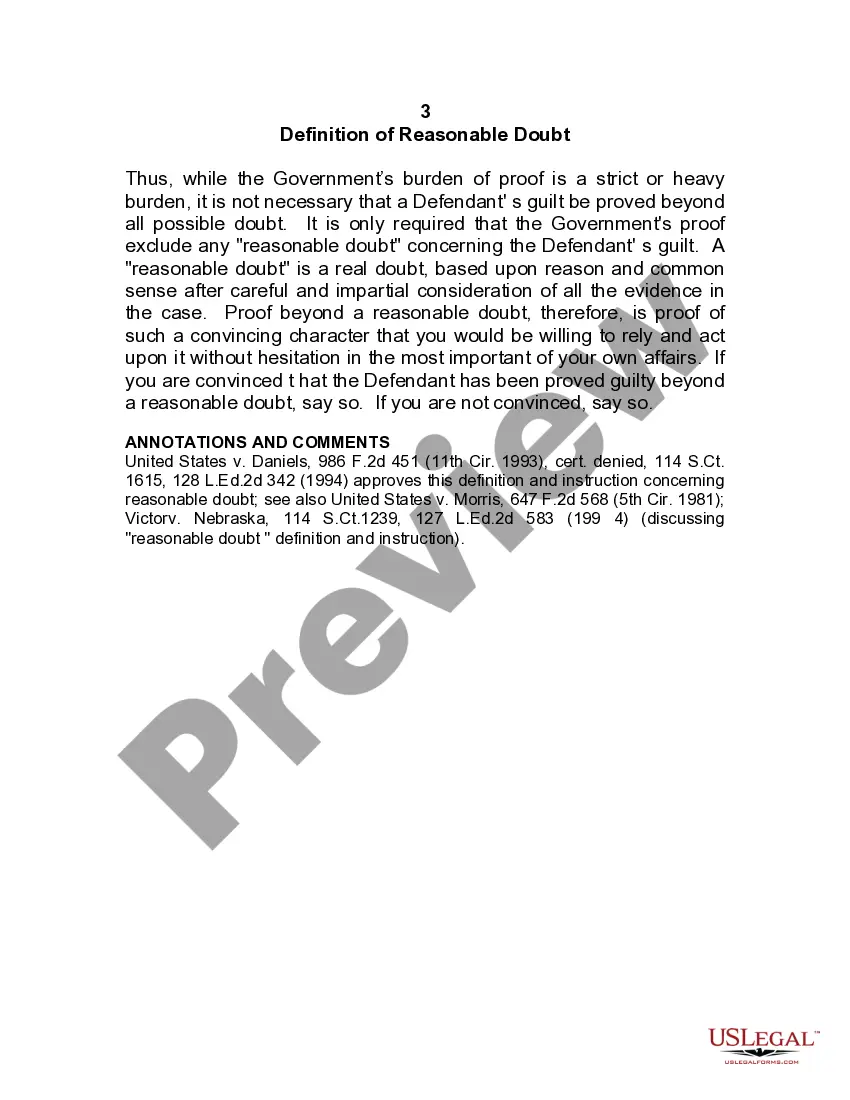
Virgin Islands Reasonable Doubt by Single Juror
Description
Get your form ready online
Our built-in tools help you complete, sign, share, and store your documents in one place.
Make edits, fill in missing information, and update formatting in US Legal Forms—just like you would in MS Word.
Download a copy, print it, send it by email, or mail it via USPS—whatever works best for your next step.
Sign and collect signatures with our SignNow integration. Send to multiple recipients, set reminders, and more. Go Premium to unlock E-Sign.
If this form requires notarization, complete it online through a secure video call—no need to meet a notary in person or wait for an appointment.
We protect your documents and personal data by following strict security and privacy standards.

Make edits, fill in missing information, and update formatting in US Legal Forms—just like you would in MS Word.

Download a copy, print it, send it by email, or mail it via USPS—whatever works best for your next step.

Sign and collect signatures with our SignNow integration. Send to multiple recipients, set reminders, and more. Go Premium to unlock E-Sign.

If this form requires notarization, complete it online through a secure video call—no need to meet a notary in person or wait for an appointment.

We protect your documents and personal data by following strict security and privacy standards.
Looking for another form?





How to fill out Reasonable Doubt By Single Juror?
Locating the appropriate authentic document format can present a challenge. Of course, there are numerous templates accessible online, but how do you find the correct one you seek? Utilize the US Legal Forms website. The platform offers thousands of templates, including the Virgin Islands Reasonable Doubt by Single Juror, which you can utilize for business and personal purposes. All forms are verified by experts and comply with state and federal regulations.
If you are already registered, Log In to your account and click the Acquire button to obtain the Virgin Islands Reasonable Doubt by Single Juror. Use your account to browse through the legal forms you have previously ordered. Navigate to the My documents section of your account and retrieve another copy of the document you require.
If you are a new user of US Legal Forms, here are simple instructions you should adhere to: First, ensure you have selected the correct form for your area or county. You can view the document using the Preview button and review the document details to confirm it is suitable for you. If the form does not meet your requirements, utilize the Search field to find the right form. Once you are certain that the form is appropriate, click the Purchase now button to acquire the form. Choose the payment method you prefer and input the necessary information. Create your account and place the order using your PayPal account or credit card. Choose the file format and download the legal document format to your device. Complete, edit, print, and sign the obtained Virgin Islands Reasonable Doubt by Single Juror.
Take advantage of the vast resources available at US Legal Forms to ensure you have the documents you need without hassle.
- US Legal Forms is the largest collection of legal forms where you can find various document templates.
- Make use of the service to download professionally crafted documents that adhere to state regulations.
- Utilize the platform for both business and personal document needs.
- All forms are reviewed by professionals to ensure compliance with legal standards.
- Access a wide range of templates to suit your specific requirements.
- Easily navigate through your previous orders for convenience.
Form popularity
FAQ
The judge sees that the proper procedures are followed and they makes decisions about all questions of what the law is in relation to the particular case. Because the jury do not decide these questions, many of the discussions and decisions related to the law are made when the jury is not in the courtroom.
A bench trial is a trial by judge, as opposed to a trial by jury. The term applies most appropriately to any administrative hearing in relation to a summary offense to distinguish the type of trial. Many legal systems (Roman, Islamic) use bench trials for most or all cases or for certain types of cases.
We recommend a jury trial because it's better to convince multiple people that you are not-guilty rather than one person. In a jury trial, all jurors have to be unanimous?if we can convince one person that you are not guilty, then you won't be convicted. In a bench trial, we only advocate to one person: the judge.
The most obvious difference between a jury trial and a bench trial is who makes the final decision. In a jury trial, the jury decides the defendant's guilt or innocence, while in a bench trial, the judge makes that decision.
In federal criminal trials, the jury must reach a unanimous decision in order to convict the defendant.
The key difference between a bench trial and a jury trial is whether or not there is a jury to decide the outcome of the case or whether a judge makes a decision. In all civil court cases, including those in which a jury makes a decision, a judge must preside over the case.
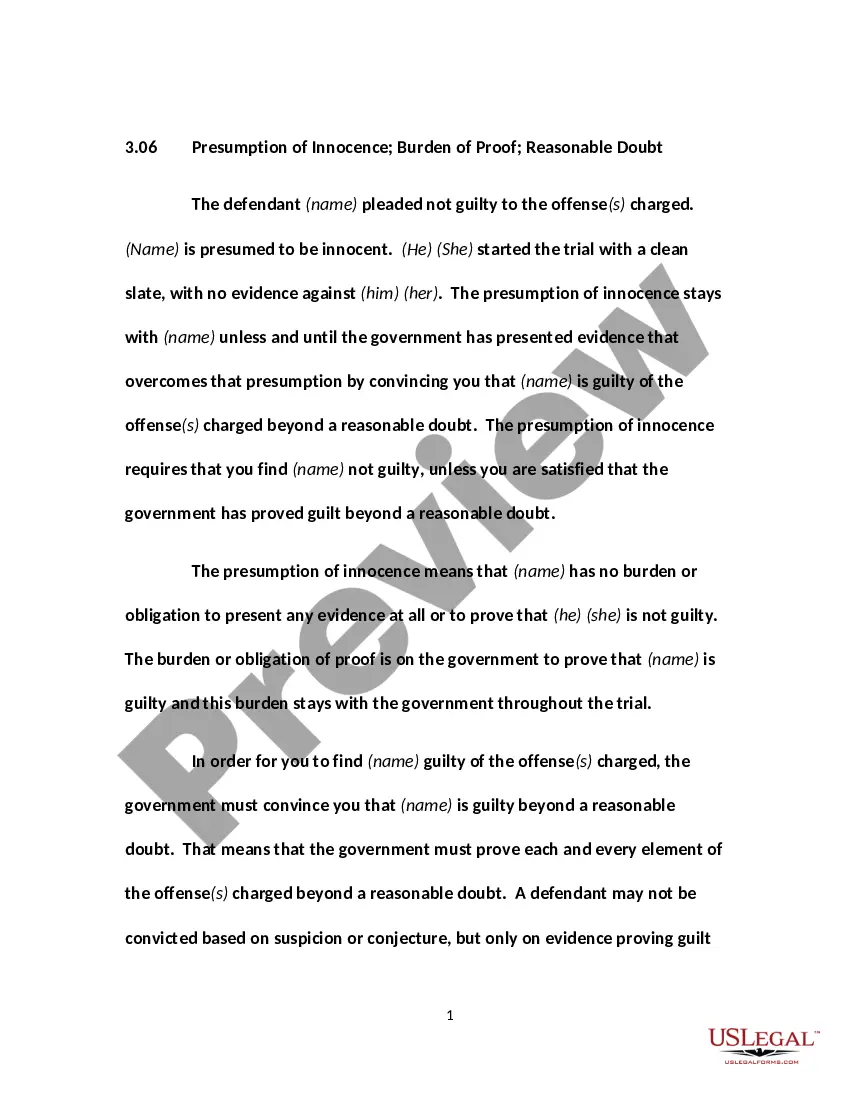
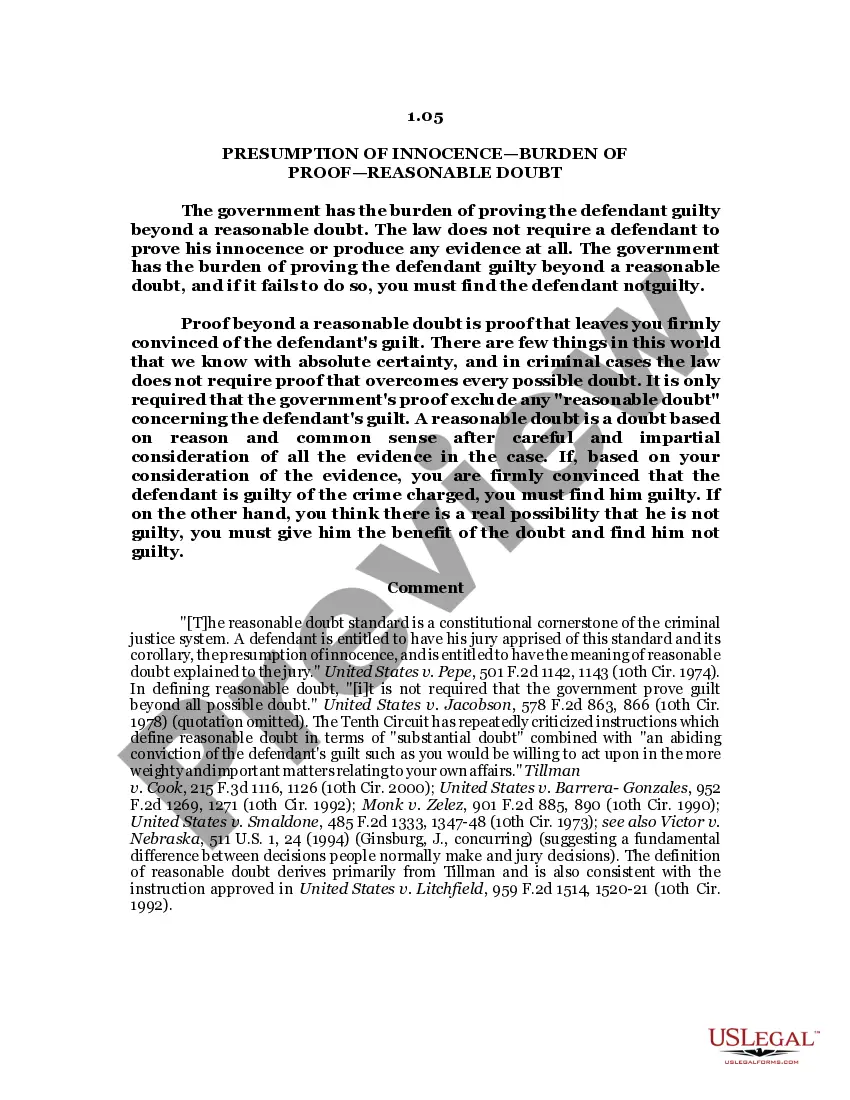
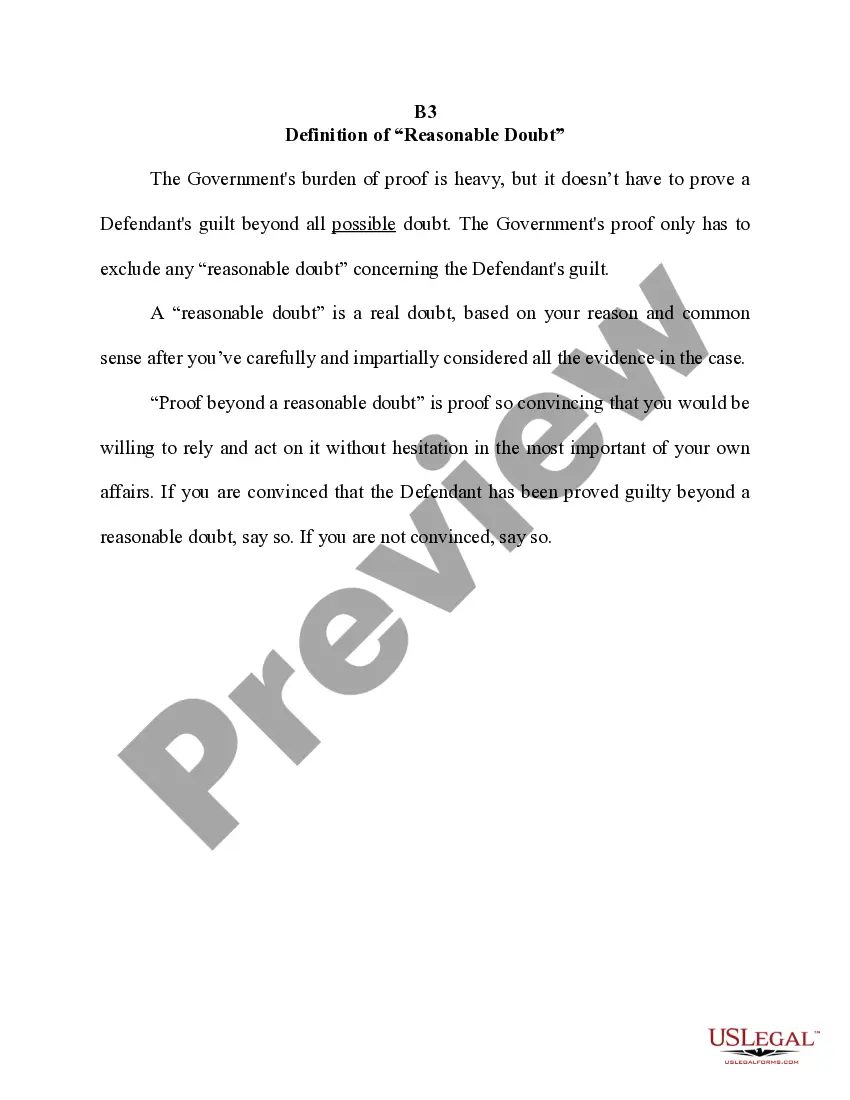
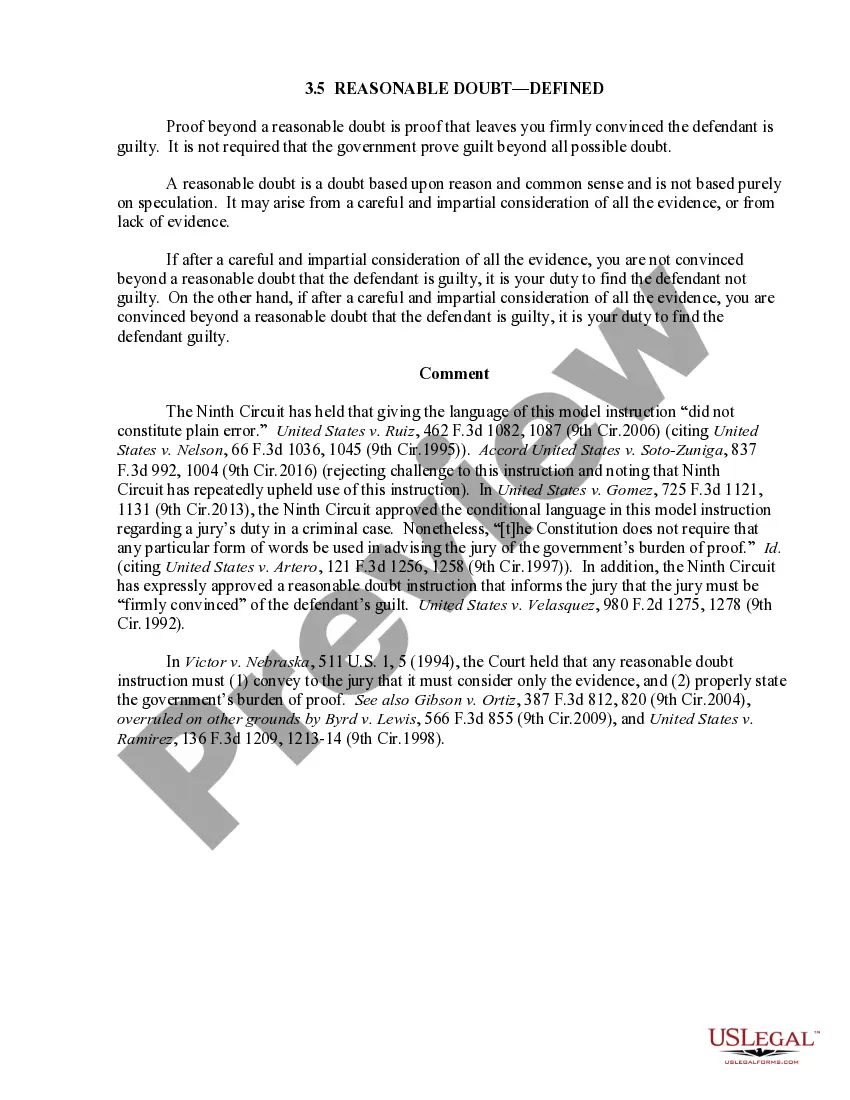
A reasonable doubt is a doubt based upon reason and common sense and is not based purely on speculation. It may arise from a careful and impartial consideration of all the evidence, or from lack of evidence.
A grand jury focuses on preliminary criminal matters only and assesses evidence presented by a prosecutor to determine whether there is ?probable cause? to believe an individual committed a crime and should be put on trial.