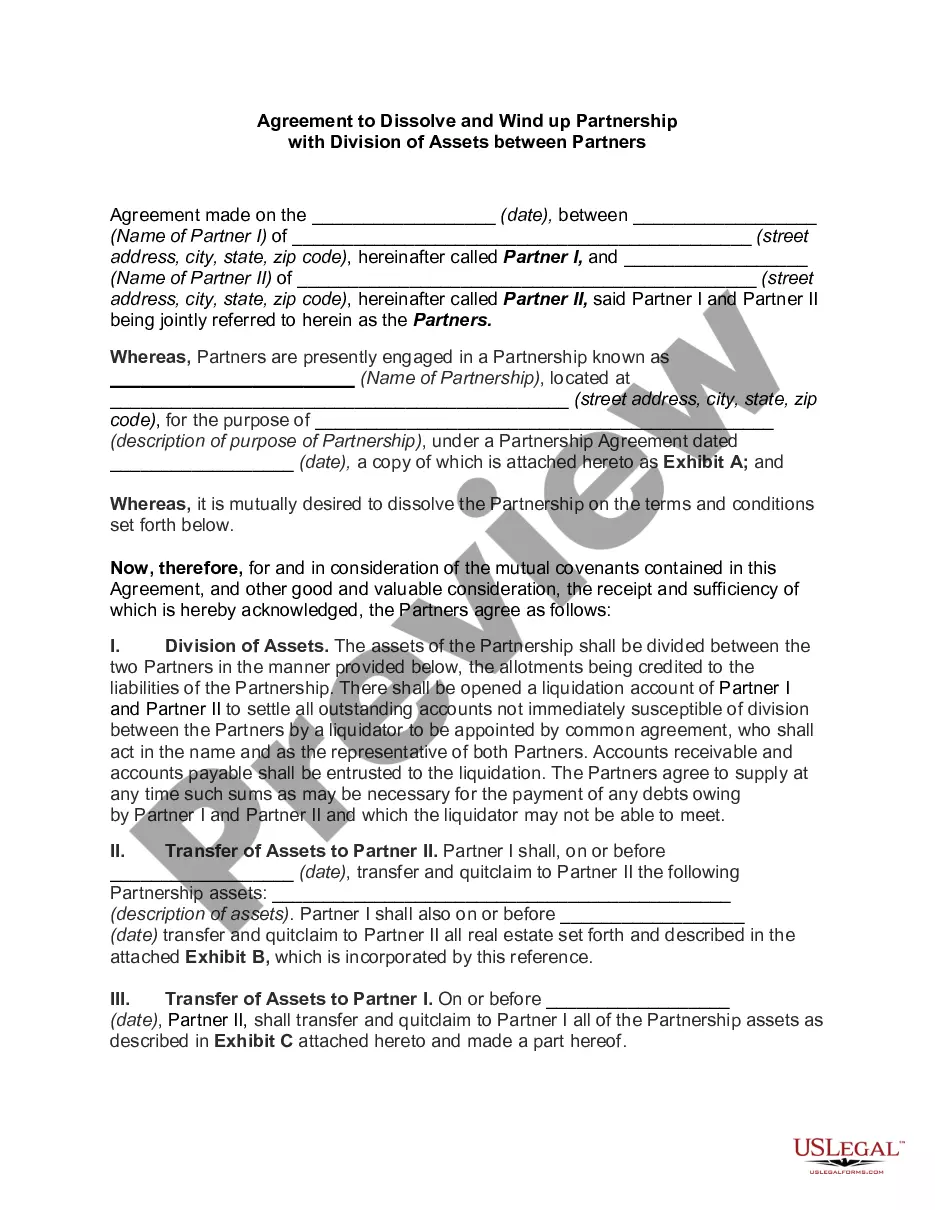
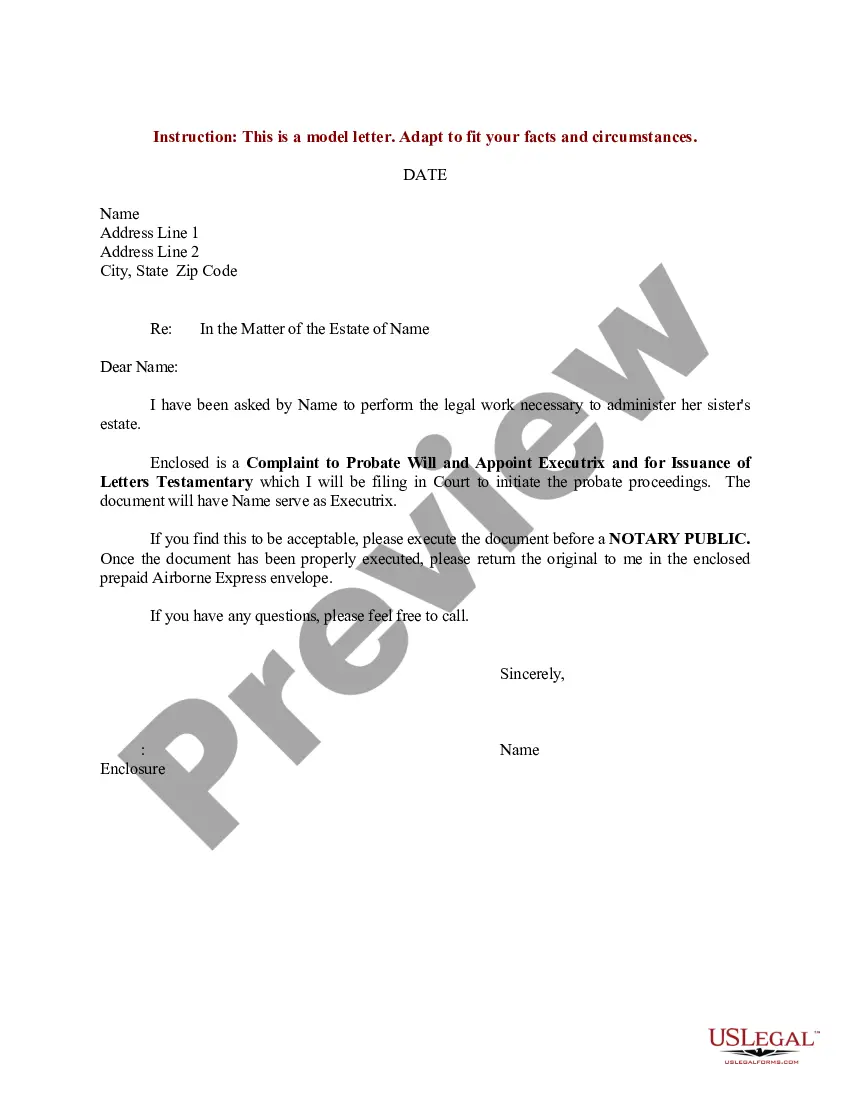
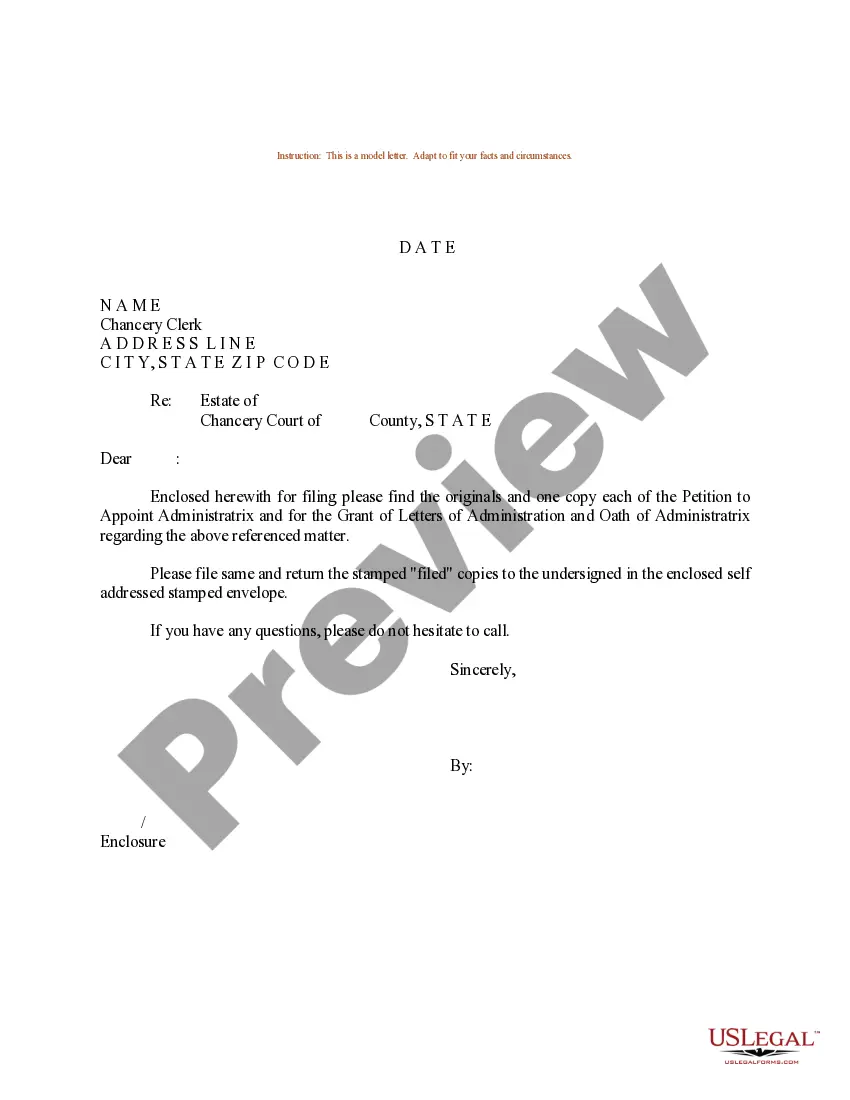
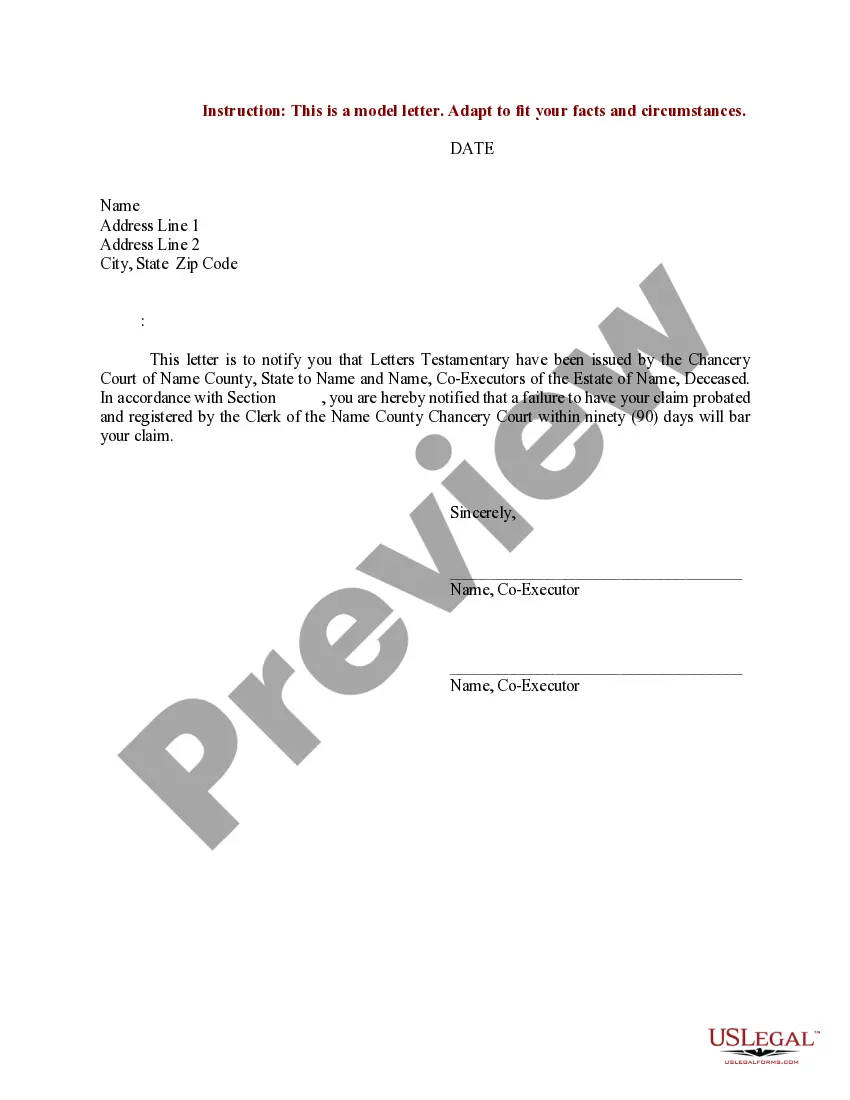
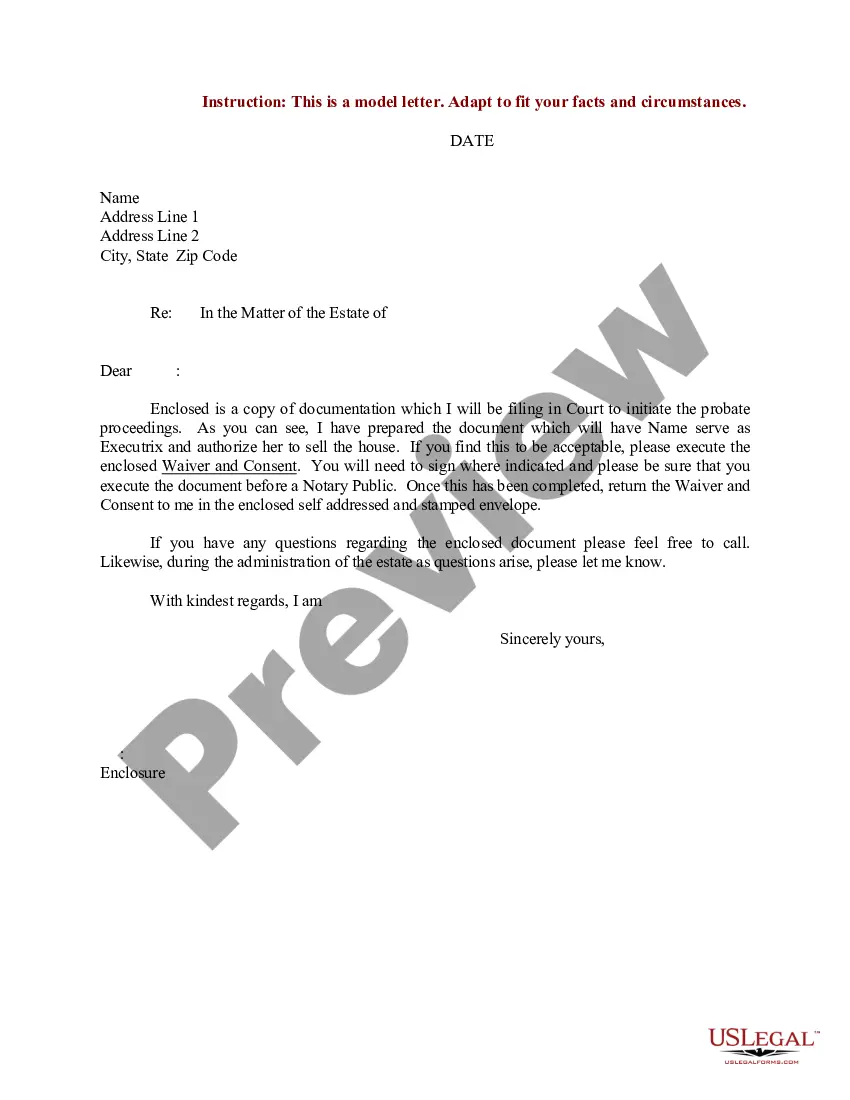
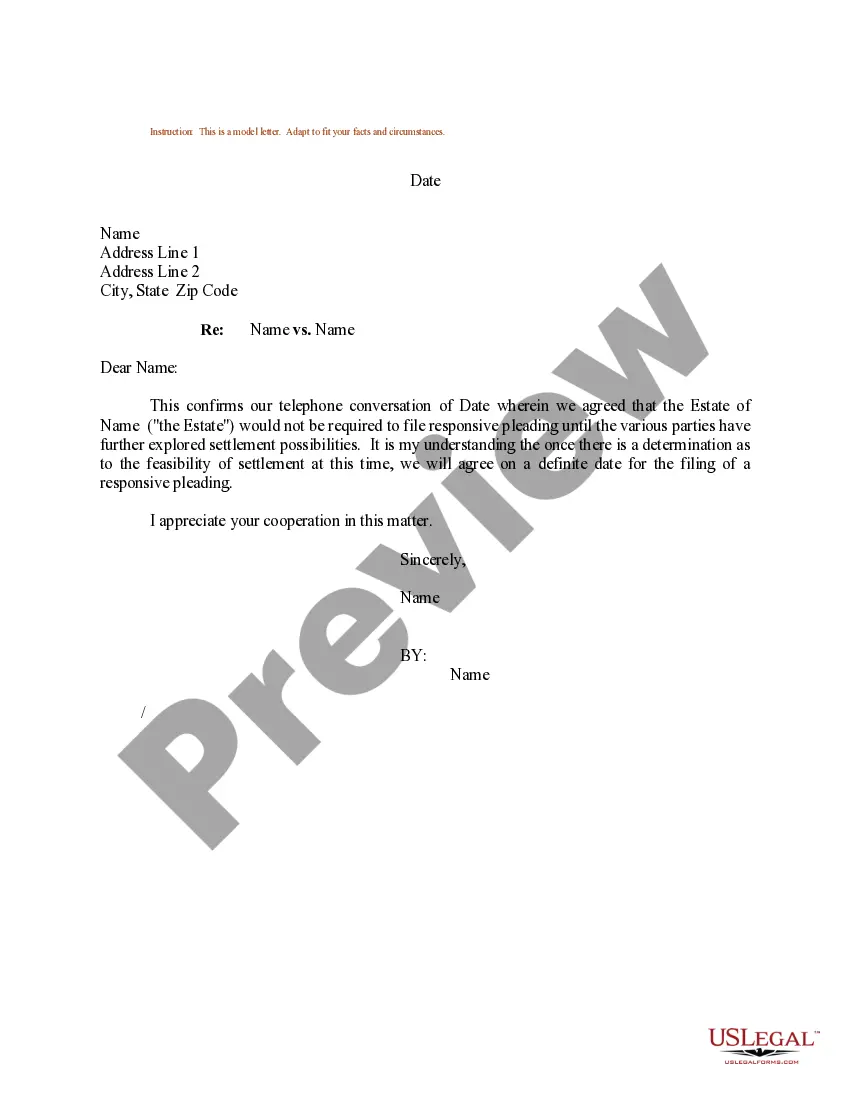
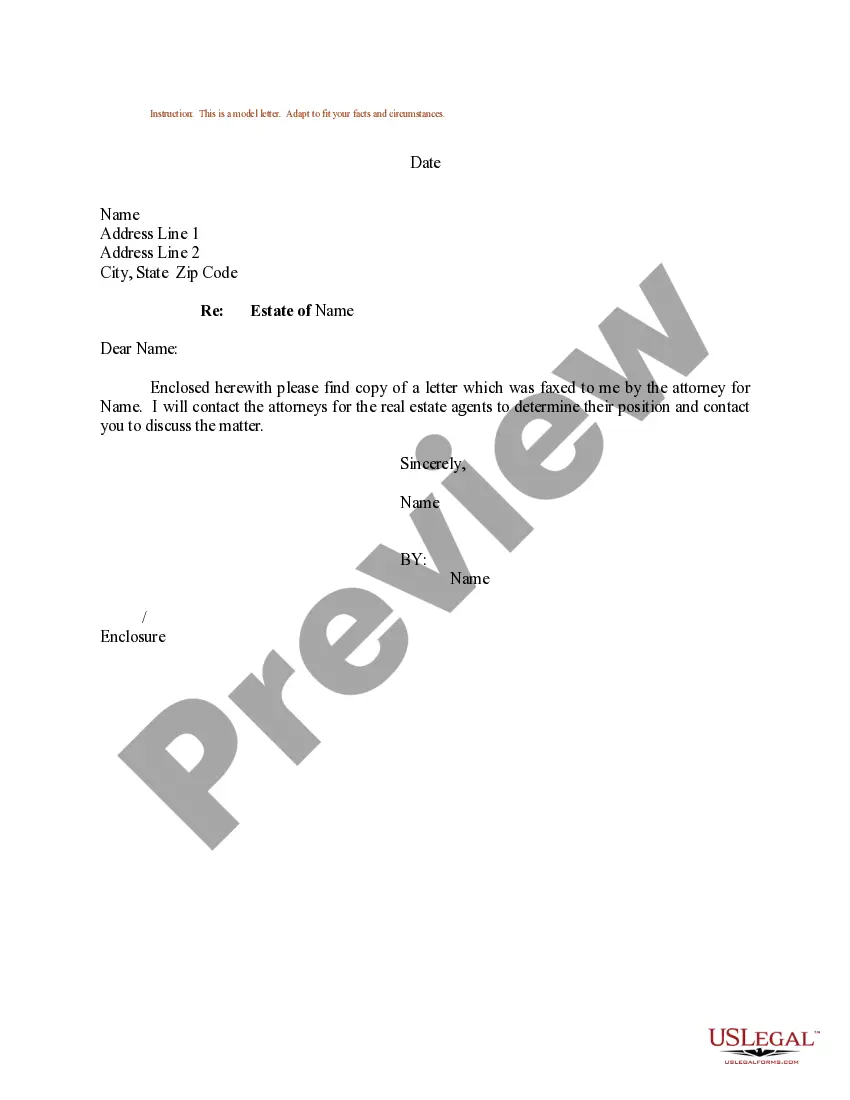
Virginia Sample Letter for Estate Administration
Description
Get your form ready online
Our built-in tools help you complete, sign, share, and store your documents in one place.
Make edits, fill in missing information, and update formatting in US Legal Forms—just like you would in MS Word.
Download a copy, print it, send it by email, or mail it via USPS—whatever works best for your next step.
Sign and collect signatures with our SignNow integration. Send to multiple recipients, set reminders, and more. Go Premium to unlock E-Sign.
If this form requires notarization, complete it online through a secure video call—no need to meet a notary in person or wait for an appointment.
We protect your documents and personal data by following strict security and privacy standards.

Make edits, fill in missing information, and update formatting in US Legal Forms—just like you would in MS Word.

Download a copy, print it, send it by email, or mail it via USPS—whatever works best for your next step.

Sign and collect signatures with our SignNow integration. Send to multiple recipients, set reminders, and more. Go Premium to unlock E-Sign.

If this form requires notarization, complete it online through a secure video call—no need to meet a notary in person or wait for an appointment.

We protect your documents and personal data by following strict security and privacy standards.
Looking for another form?




How to fill out Sample Letter For Estate Administration?
It is possible to devote hrs on-line attempting to find the legitimate document design which fits the state and federal specifications you require. US Legal Forms offers a huge number of legitimate types which are evaluated by experts. You can easily acquire or printing the Virginia Sample Letter for Estate Administration from the services.
If you already possess a US Legal Forms profile, you are able to log in and click on the Download option. Following that, you are able to full, modify, printing, or sign the Virginia Sample Letter for Estate Administration. Every legitimate document design you get is yours forever. To obtain yet another backup of any bought form, visit the My Forms tab and click on the related option.
If you work with the US Legal Forms internet site the first time, keep to the easy directions beneath:
- Initial, make sure that you have selected the right document design for your area/metropolis of your choosing. See the form explanation to make sure you have chosen the correct form. If offered, make use of the Preview option to search with the document design as well.
- In order to find yet another variation of the form, make use of the Look for discipline to obtain the design that fits your needs and specifications.
- After you have found the design you want, click on Get now to move forward.
- Select the pricing program you want, type your credentials, and register for an account on US Legal Forms.
- Total the deal. You should use your Visa or Mastercard or PayPal profile to pay for the legitimate form.
- Select the format of the document and acquire it to your gadget.
- Make changes to your document if necessary. It is possible to full, modify and sign and printing Virginia Sample Letter for Estate Administration.
Download and printing a huge number of document templates utilizing the US Legal Forms site, that offers the most important selection of legitimate types. Use specialist and condition-certain templates to handle your organization or personal requirements.
Form popularity
FAQ
A letter of instruction (also known as a letter of intent) is an informal supplement to an estate plan which provides your Successor Trustee/Executor with detailed information concerning your wishes after you die.
A: The certificate of qualification, sometimes referred to as ?letters testamentary,? is the certificate that the personal representative receives from the Clerk at the time of qualification, which states that the person has qualified as executor or administrator and has authority to act on behalf of the estate.
7 elements to include in your letter of last instruction Contact information. ... Legal form, document, and property locations. ... Personal and financial passwords. ... Beneficiary information. ... Guidance for pets. ... Funeral or memorial service wishes. ... Legal and financial information and wishes.
As you write (or type!) your letter of instruction, include all important details and information you believe will be valuable to your heirs. You might also add some personal touches along the way. Remember, this letter will be read after something has happened to you.
Here are six steps to write a letter of instruction: Create a header. Before you write the content of the letter, create a header at the top left-hand corner of the document. ... Address the reader. ... Explain the project or task. ... List each step. ... Conclude your letter. ... Revise the document.
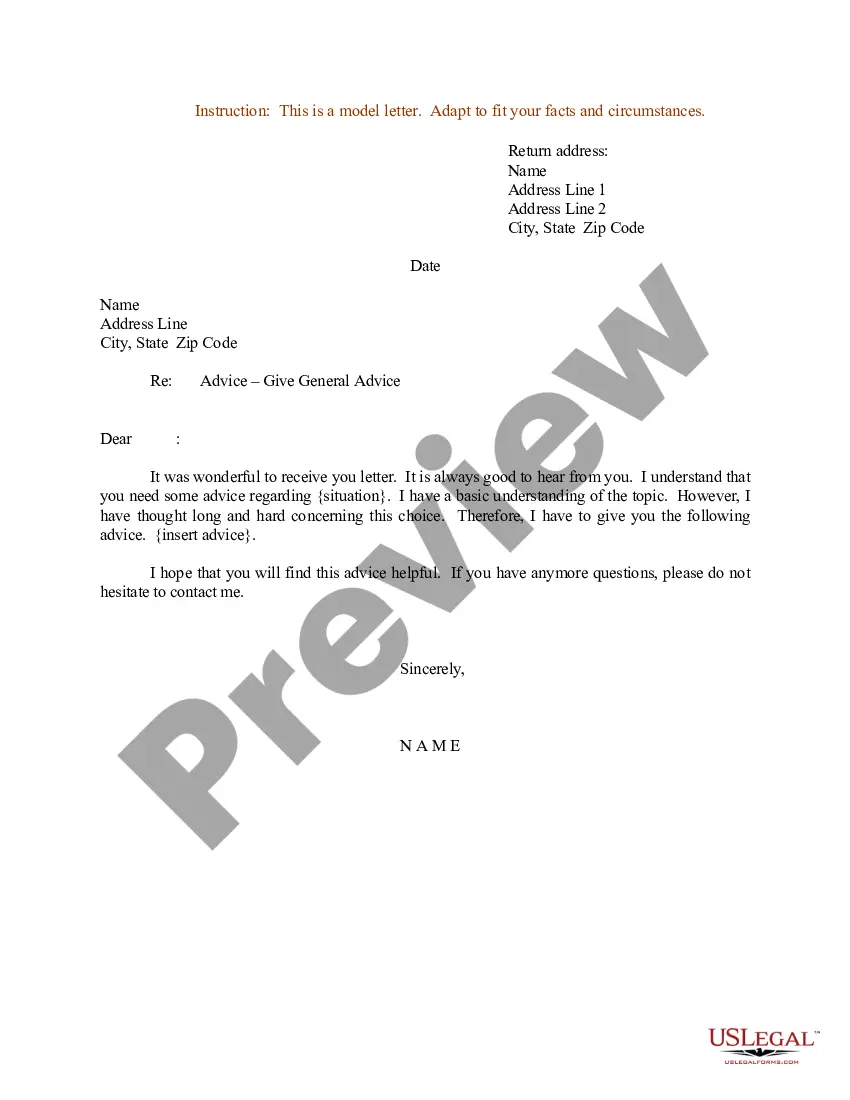
Estate Plan Letter of Instruction. Dear ______________ (Executor, Agent, Trustee, Loved One, Etc.) I am writing this letter to provide you with important information you will need to know in the event of my incapacity or death. Please refer to this letter for assistance as you deal with my affairs.
The letter of instruction should include the following information: A summary of all assets and debts. The location of valuable physical assets (e.g., jewelry, art, collectibles, real estate) Details about your retirement and investment accounts.
Note: Virginia does not issue ?letters testamentary?. A qualification certificate stamped with the seal of the Court is issued showing that an executor or administrator has been qualified, posted bond and has authority to act on behalf of the estate.