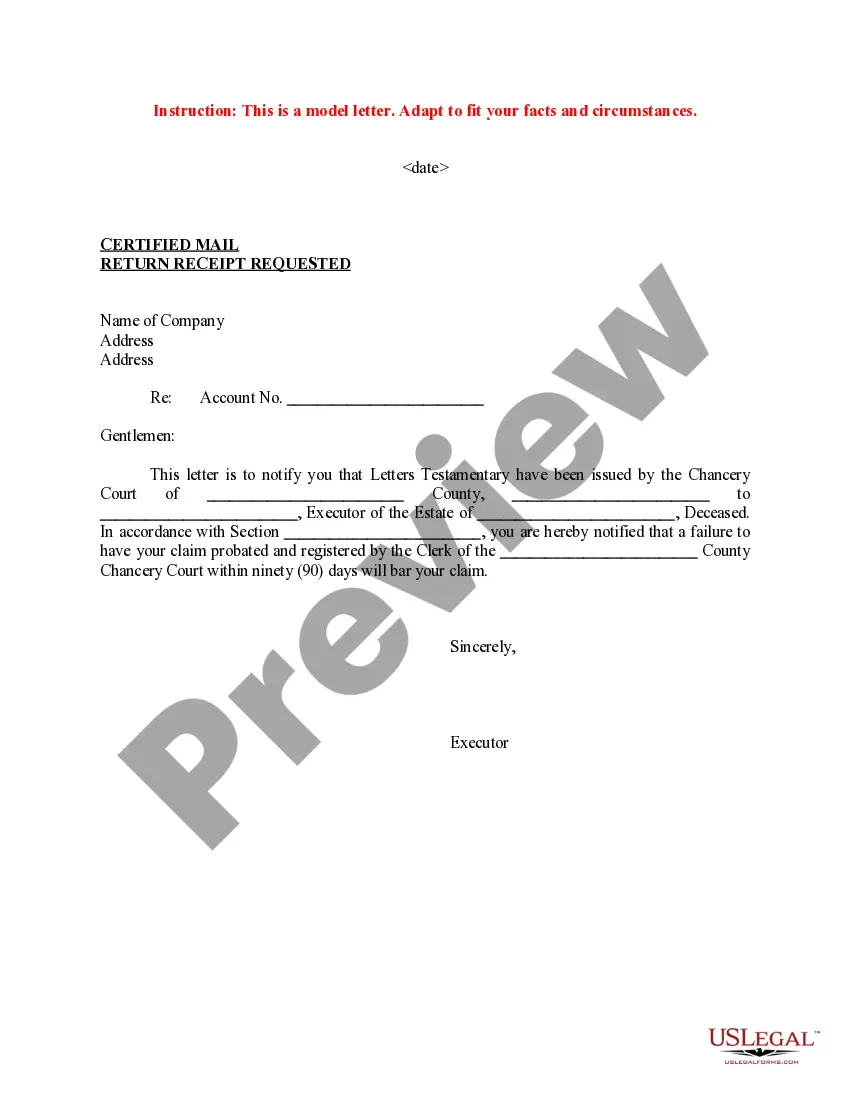
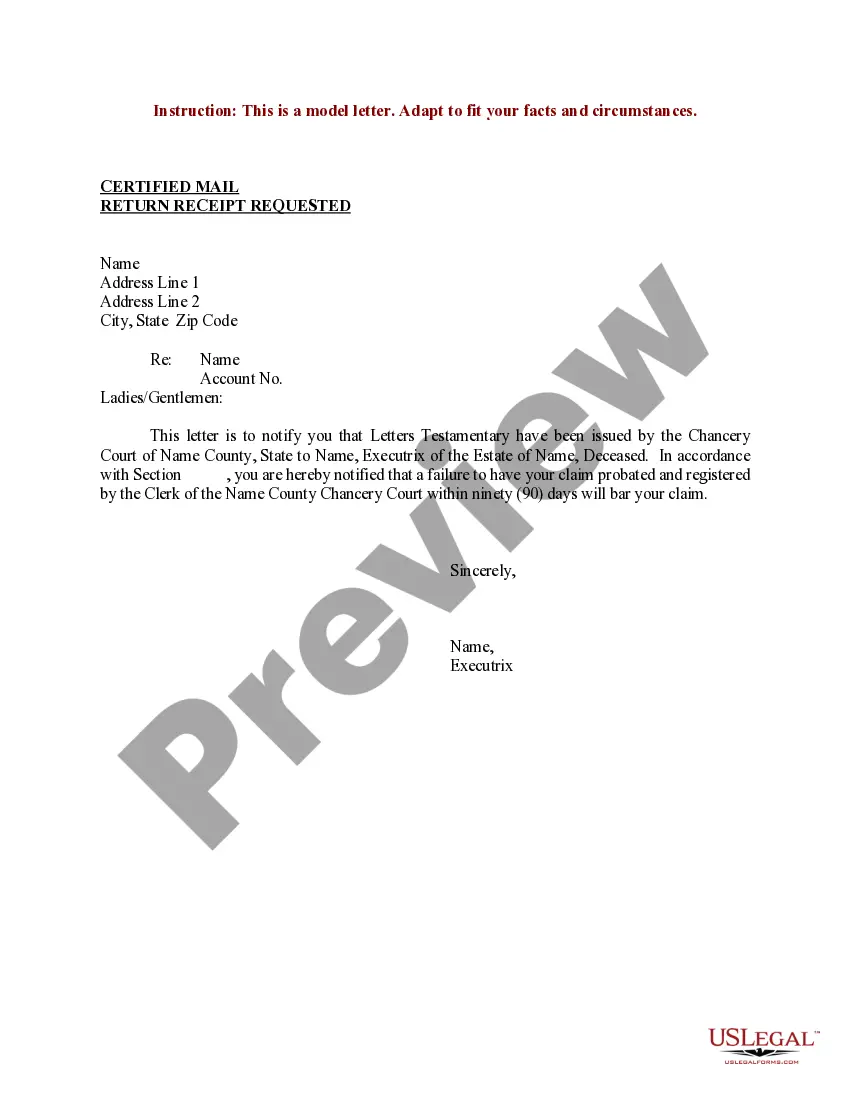
Virginia Sample Letter for Notification to Creditor to Probate and Register Claim
Description

Get your form ready online
Our built-in tools help you complete, sign, share, and store your documents in one place.
Make edits, fill in missing information, and update formatting in US Legal Forms—just like you would in MS Word.
Download a copy, print it, send it by email, or mail it via USPS—whatever works best for your next step.
Sign and collect signatures with our SignNow integration. Send to multiple recipients, set reminders, and more. Go Premium to unlock E-Sign.
If this form requires notarization, complete it online through a secure video call—no need to meet a notary in person or wait for an appointment.
We protect your documents and personal data by following strict security and privacy standards.

Make edits, fill in missing information, and update formatting in US Legal Forms—just like you would in MS Word.

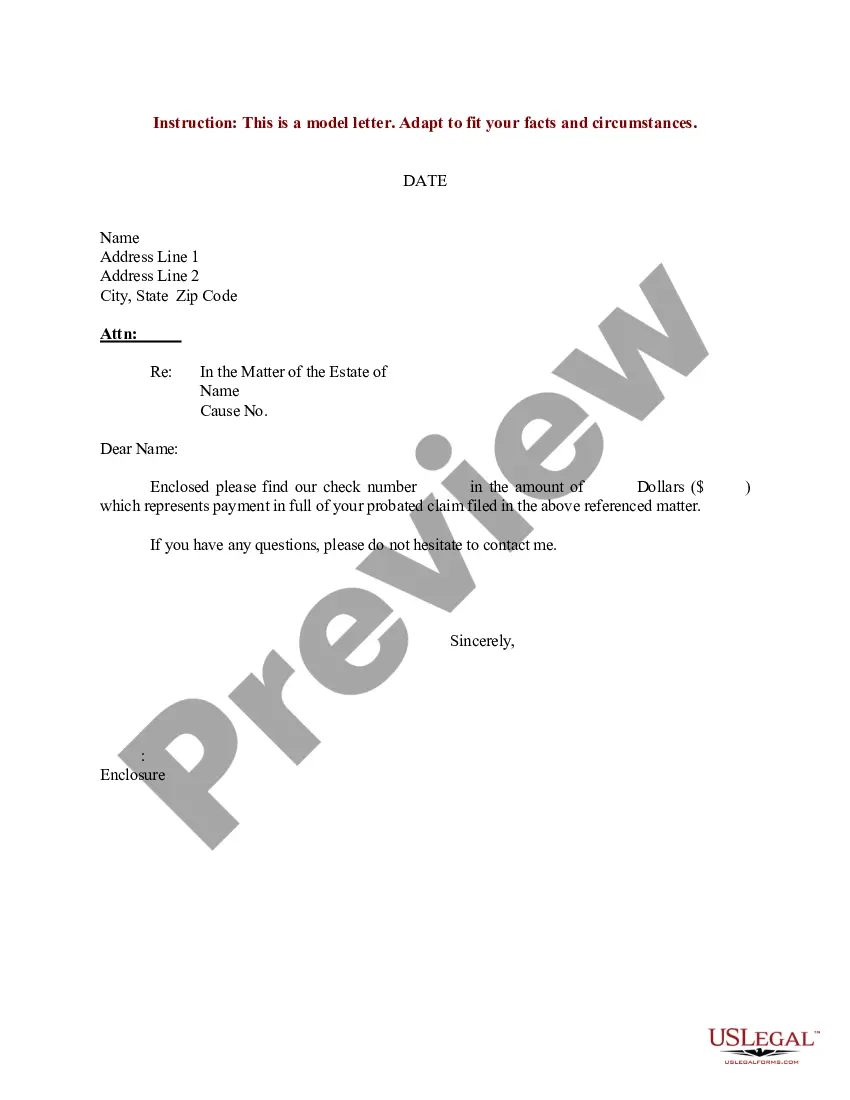
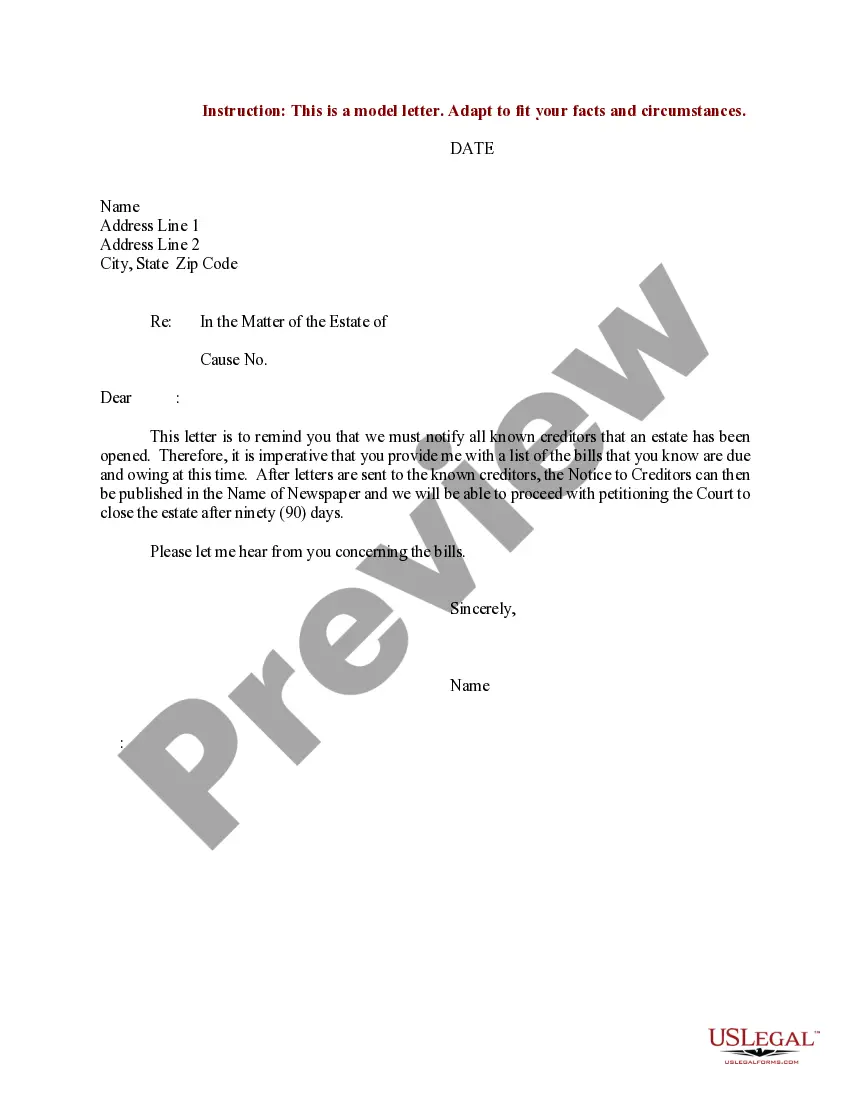
Download a copy, print it, send it by email, or mail it via USPS—whatever works best for your next step.

Sign and collect signatures with our SignNow integration. Send to multiple recipients, set reminders, and more. Go Premium to unlock E-Sign.

If this form requires notarization, complete it online through a secure video call—no need to meet a notary in person or wait for an appointment.

We protect your documents and personal data by following strict security and privacy standards.
Looking for another form?


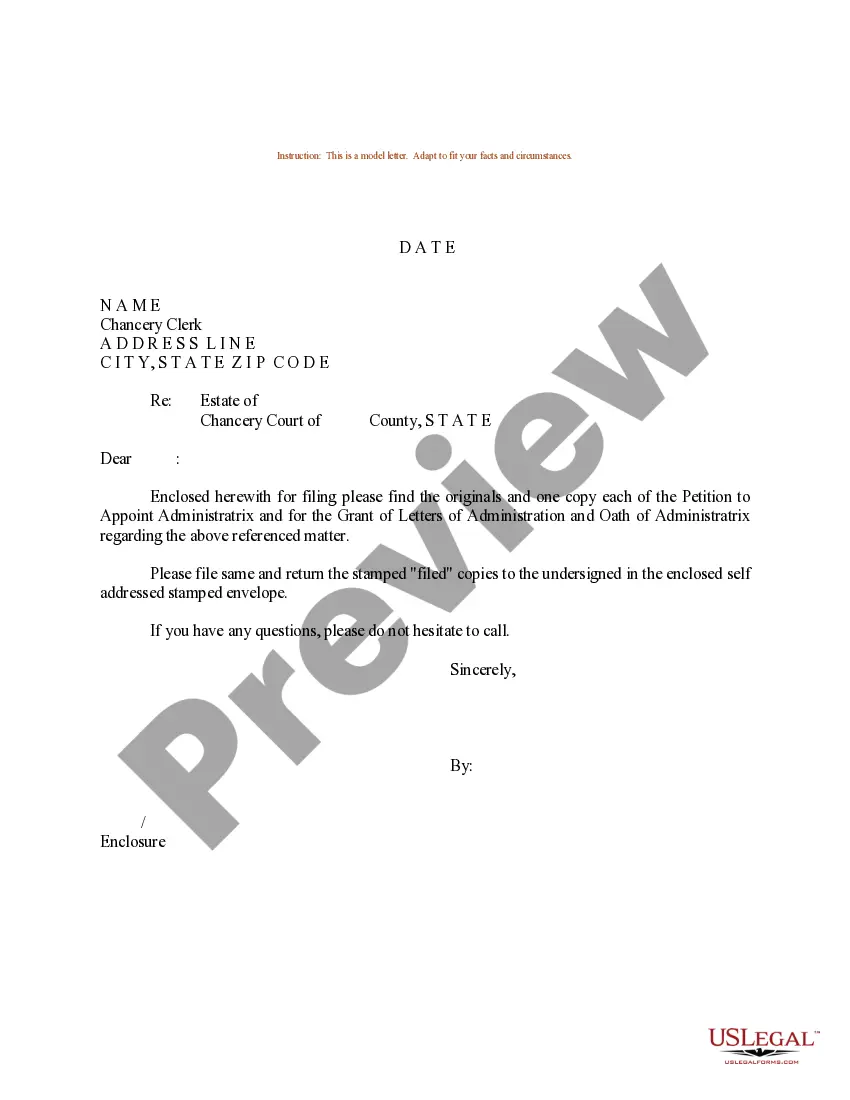
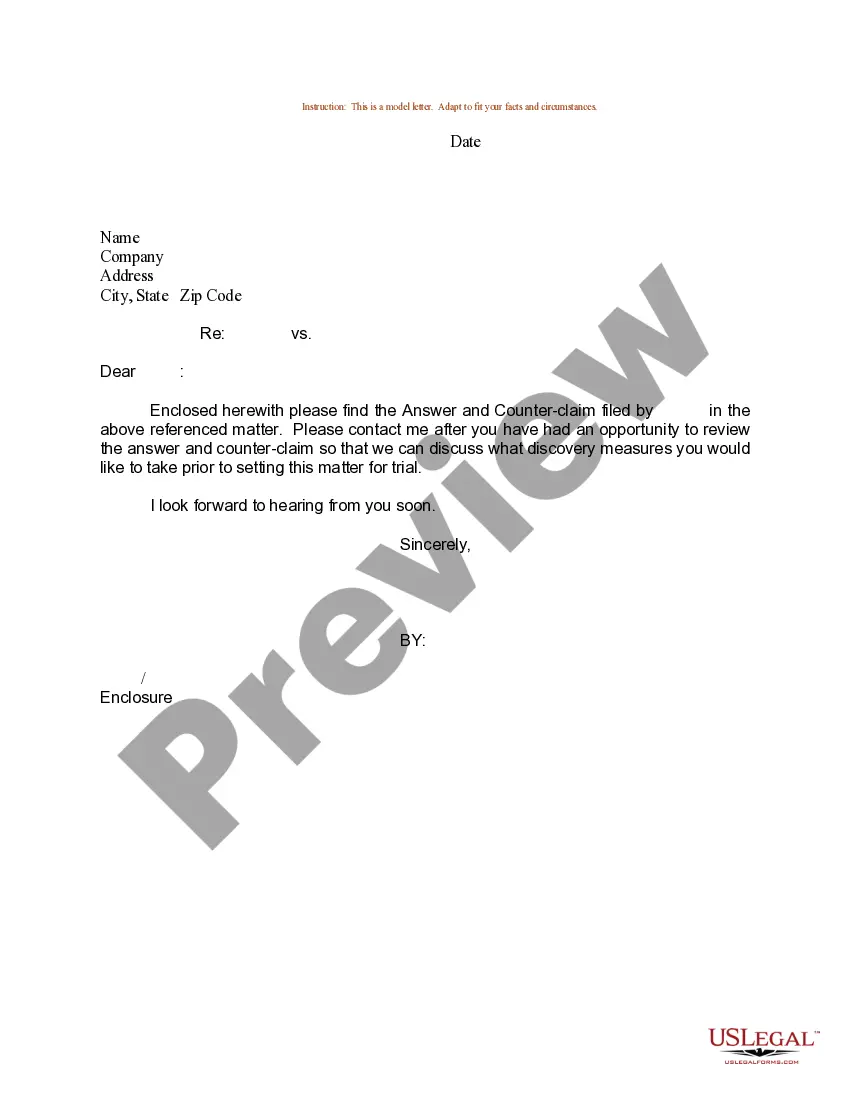
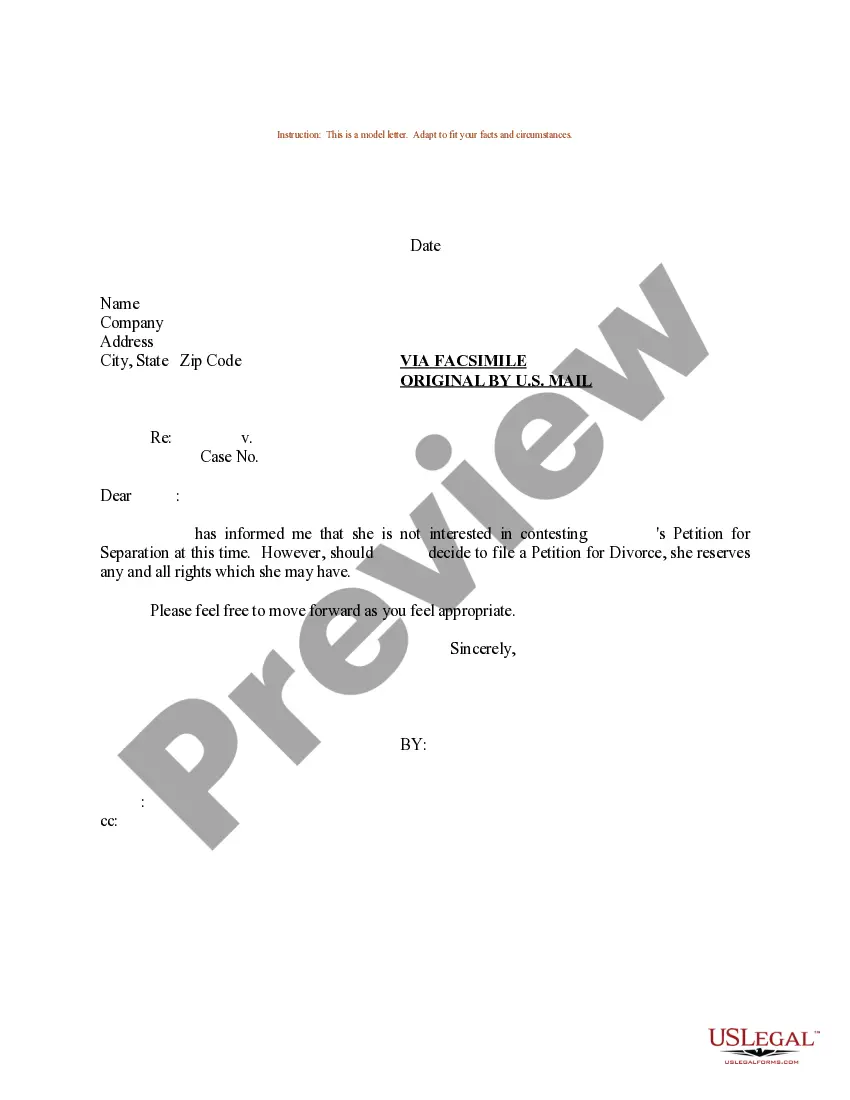
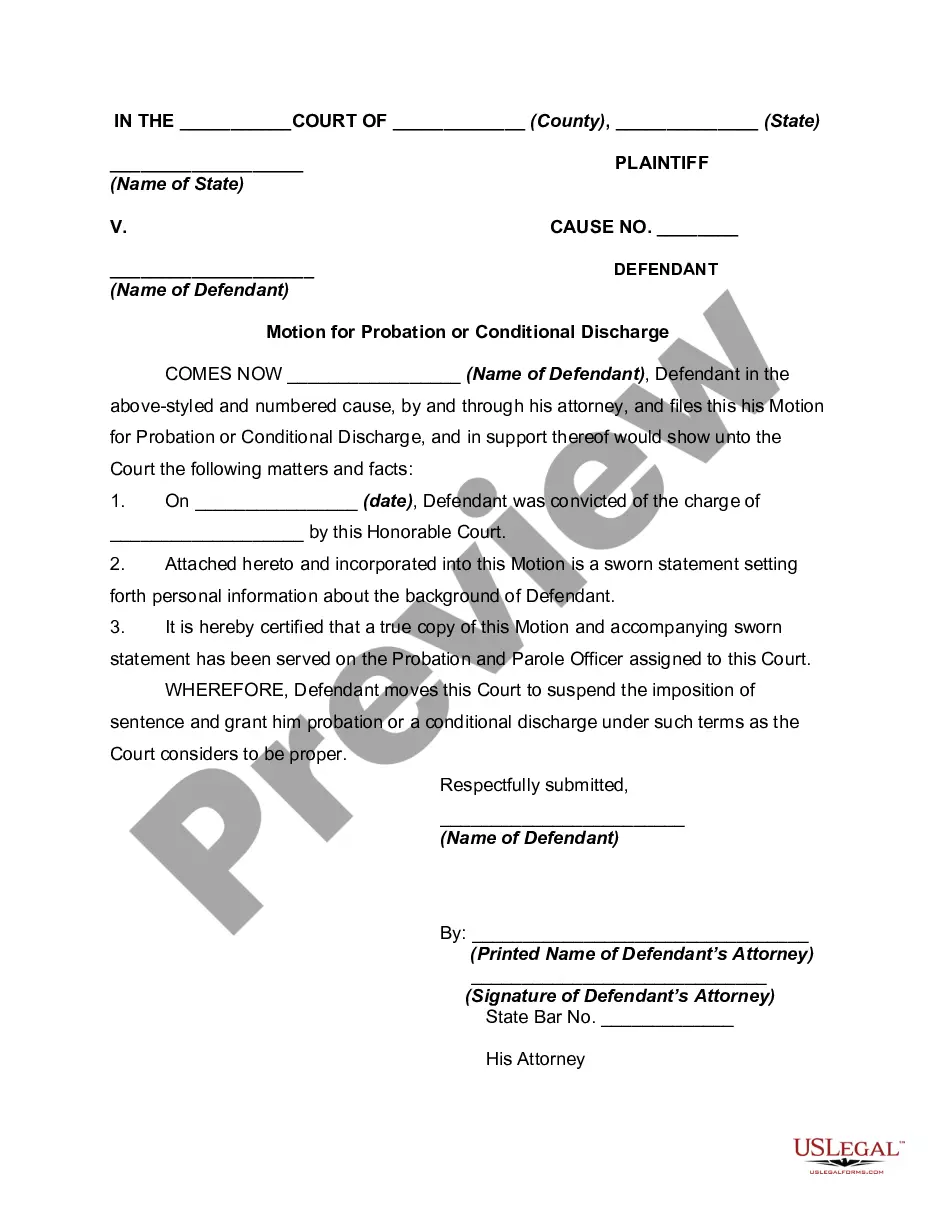
How to fill out Sample Letter For Notification To Creditor To Probate And Register Claim?
Choosing the best authorized record format could be a have difficulties. Needless to say, there are a lot of templates accessible on the Internet, but how will you get the authorized kind you require? Take advantage of the US Legal Forms internet site. The service offers thousands of templates, including the Virginia Sample Letter for Notification to Creditor to Probate and Register Claim, which you can use for enterprise and personal demands. Every one of the forms are examined by specialists and satisfy state and federal requirements.
When you are previously signed up, log in in your account and then click the Download switch to get the Virginia Sample Letter for Notification to Creditor to Probate and Register Claim. Make use of account to check with the authorized forms you possess bought formerly. Go to the My Forms tab of your own account and have one more duplicate in the record you require.
When you are a new consumer of US Legal Forms, here are straightforward directions so that you can comply with:
- Initial, make sure you have selected the appropriate kind to your metropolis/state. It is possible to check out the form using the Review switch and look at the form outline to guarantee this is basically the right one for you.
- If the kind does not satisfy your expectations, utilize the Seach field to discover the appropriate kind.
- Once you are certain that the form is acceptable, select the Purchase now switch to get the kind.
- Pick the rates program you want and enter in the required information and facts. Make your account and purchase the transaction with your PayPal account or credit card.
- Pick the file structure and download the authorized record format in your device.
- Complete, modify and produce and signal the received Virginia Sample Letter for Notification to Creditor to Probate and Register Claim.
US Legal Forms will be the largest collection of authorized forms where you will find various record templates. Take advantage of the company to download expertly-produced files that comply with state requirements.
Form popularity
FAQ
A notice to creditors is a public statement noting the death of an individual to alert potential creditors to the situation. Still published in local newspapers, the notice is filed by the estate's executor and meant to facilitate the probate proceedings.
Many people assume that creditors have one year from the date of death to make a claim against an estate. However, in Virginia, unlike most states, there is no set time by which creditors must make a claim.
A person can expect for the probate process in Virginia to take anywhere from six months up to a year or more. Generally, there is a creditor period, so an estate cannot be completely distributed and closed prior to the expiration of the six-month period.
The probate of the will can usually wait until a week or so after the funeral. It is recommended that the initial steps in the estate process start within 30 days after death. If any questions exist, call your attorney or your local Circuit Court Clerk's Office.
Common non-probate assets include: Life insurance proceeds or pension benefits payable to a named beneficiary. Assets such as a home owned with someone else in joint tenancy or tenancy by the entirety. Assets with a listed beneficiary outside of the deceased person's will such as an IRA or payable-on-death bank account.
If a person dies without a will, then Virginia's probate laws dictate how the decedent's assets are distributed. Probate isn't always required after someone dies; it depends on what assets the decedent owned.
This form is sent to each person named in another form the Executor or Administrator of an Estate is required to file -- the "List of Heirs." It is a form that the executor or administrator of an estate must send to everyone who would stand to receive a share of an estate under Virginia law if there had been no will.
One way is to execute and fund a trust. If all of your assets are in a trust, they will pass through your trust instead of undergoing the probate process. Another way to avoid probate is to add beneficiary designations or ?transfer on death? or ?payable on death? designations on your bank accounts and other assets.