Virginia Interrogatories
Description
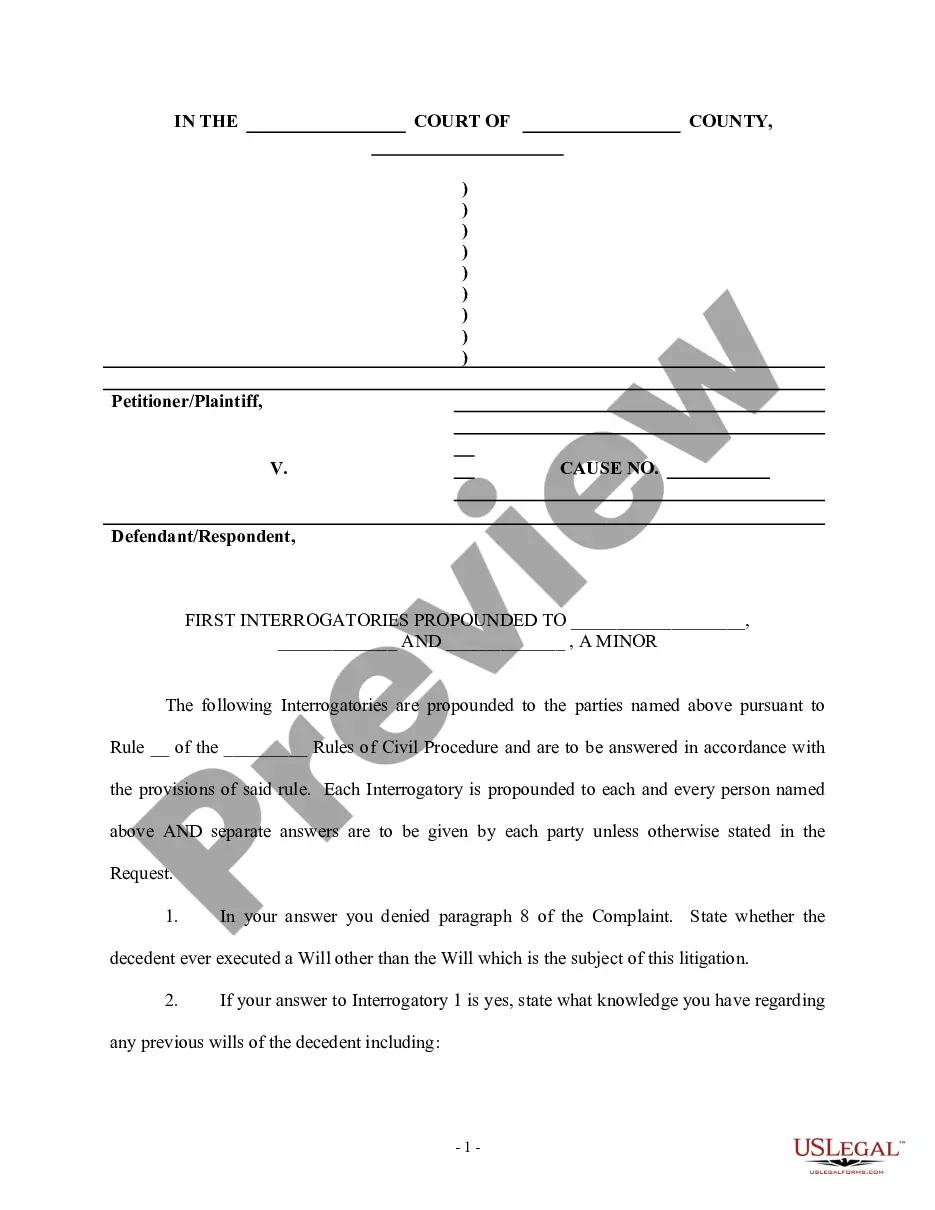
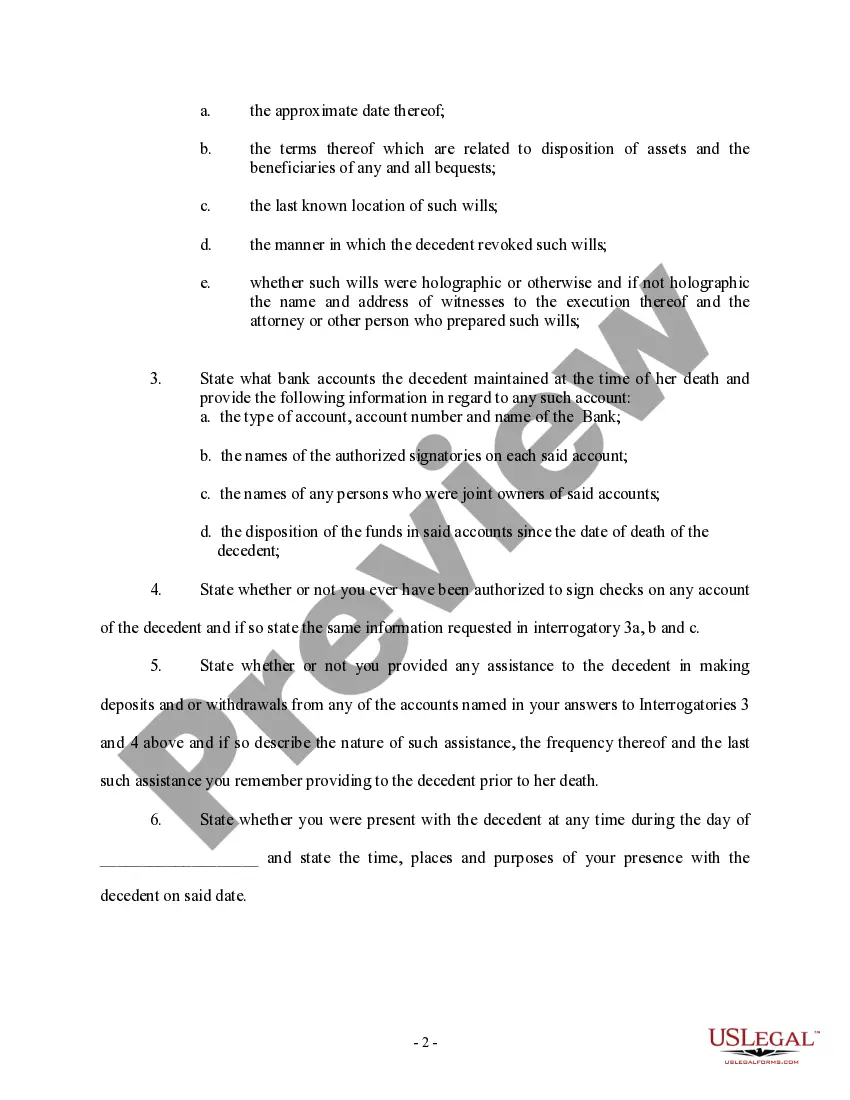
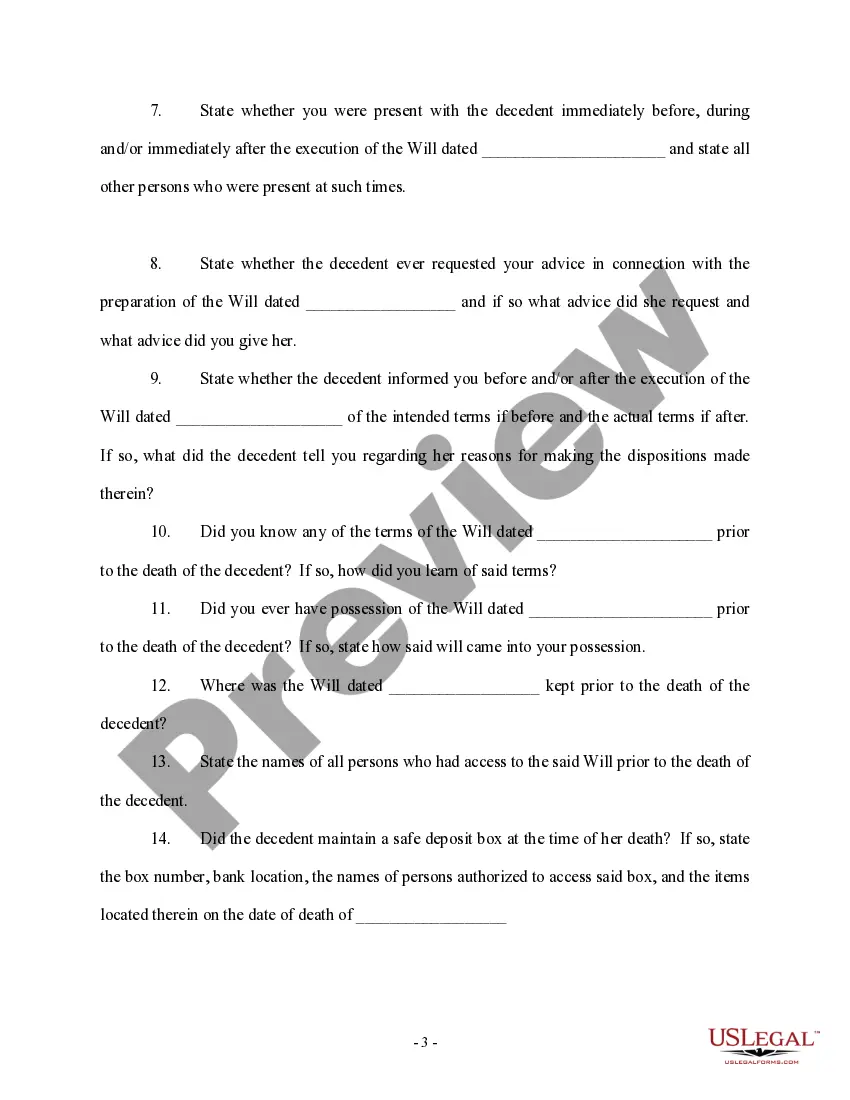
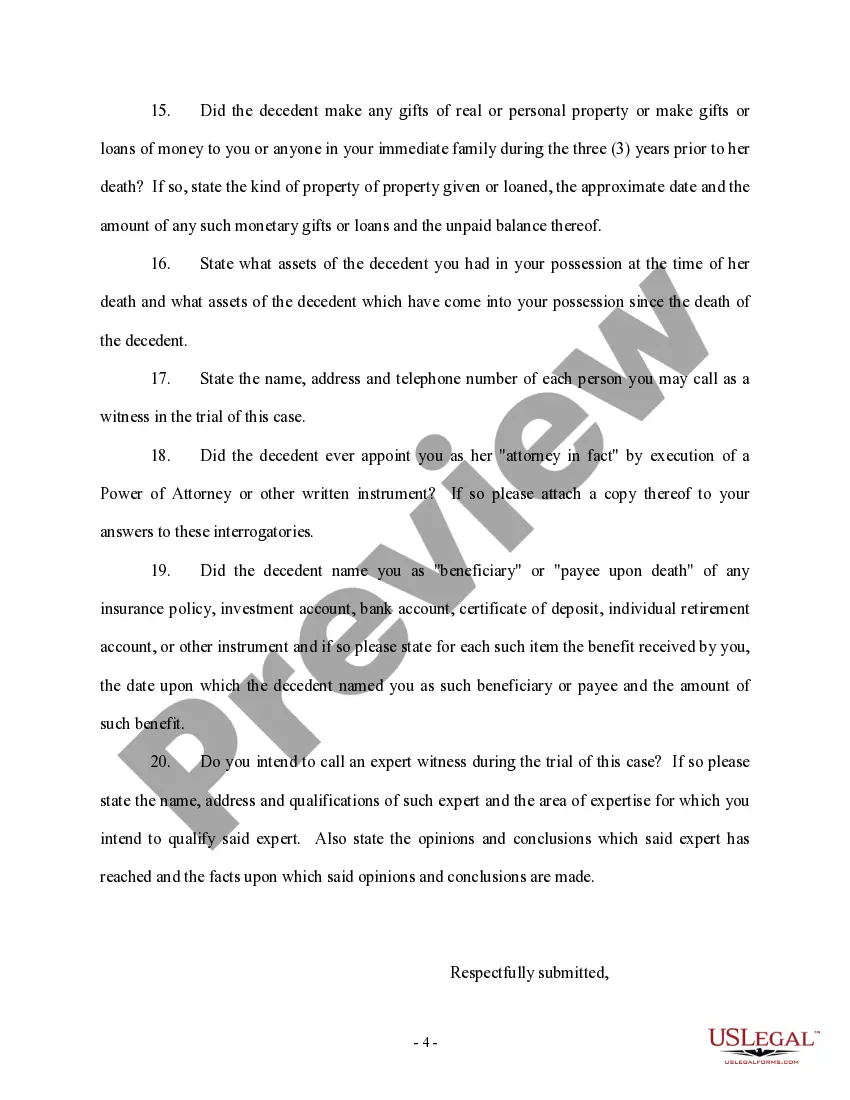
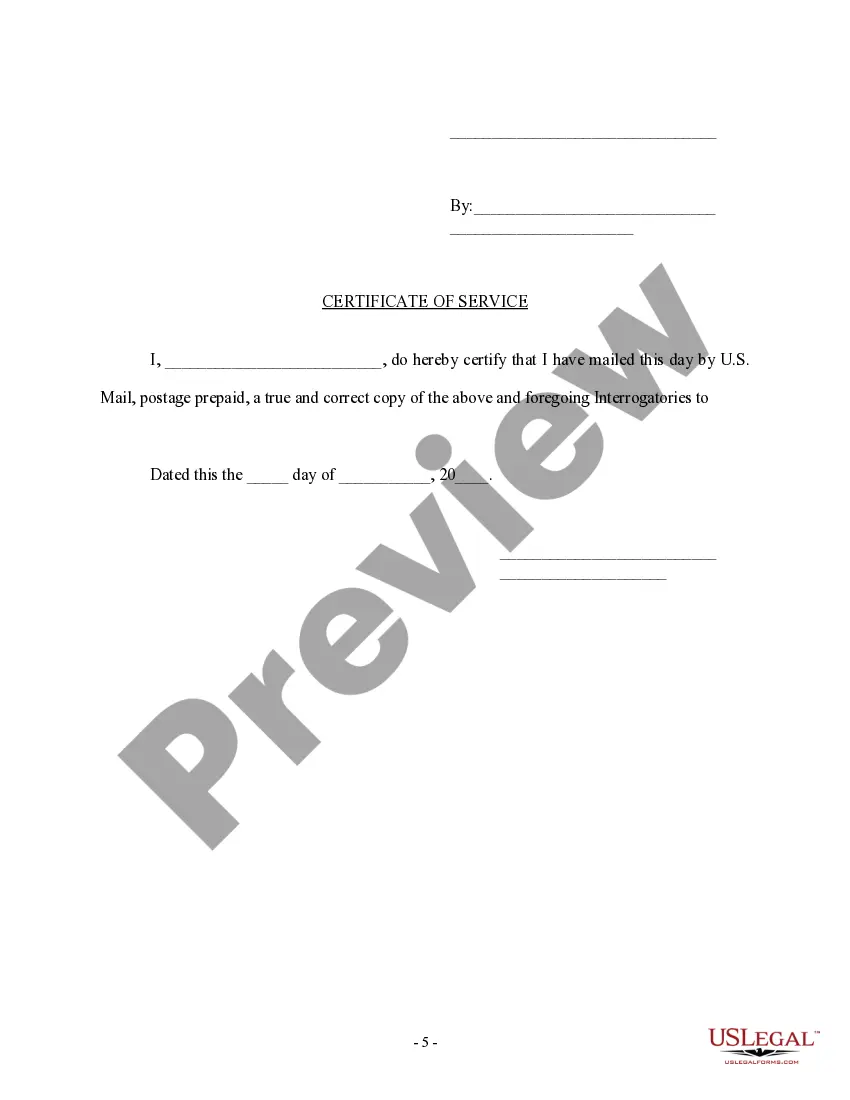
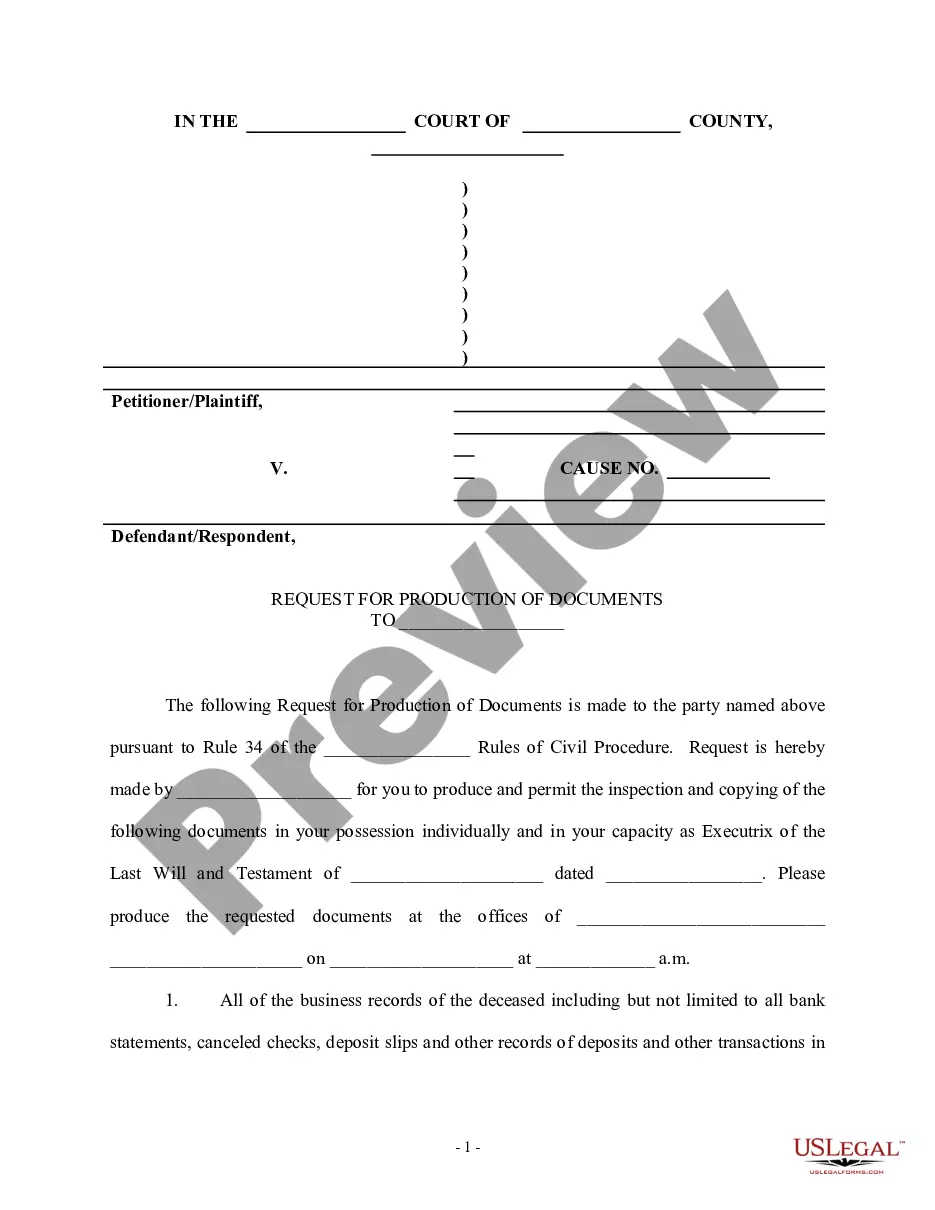
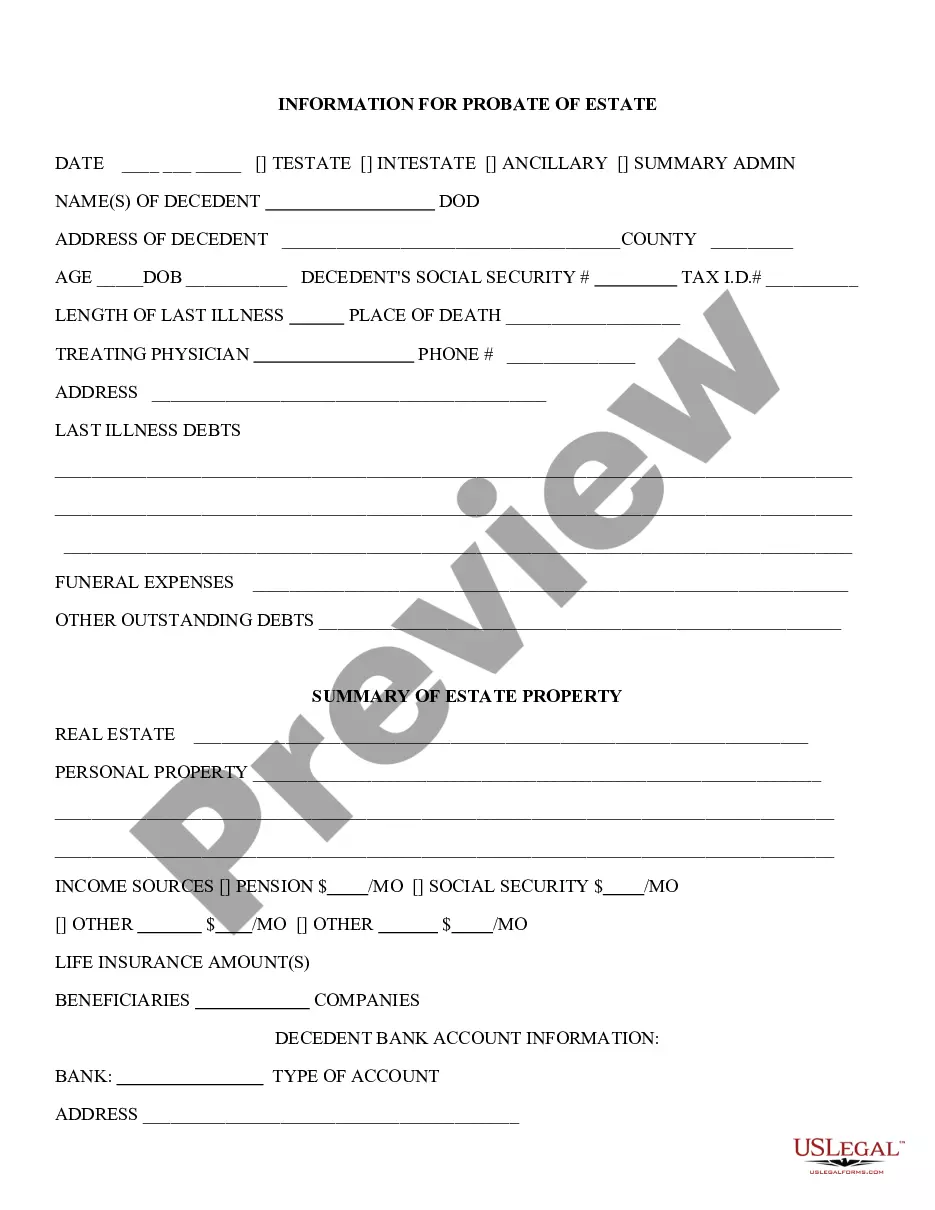
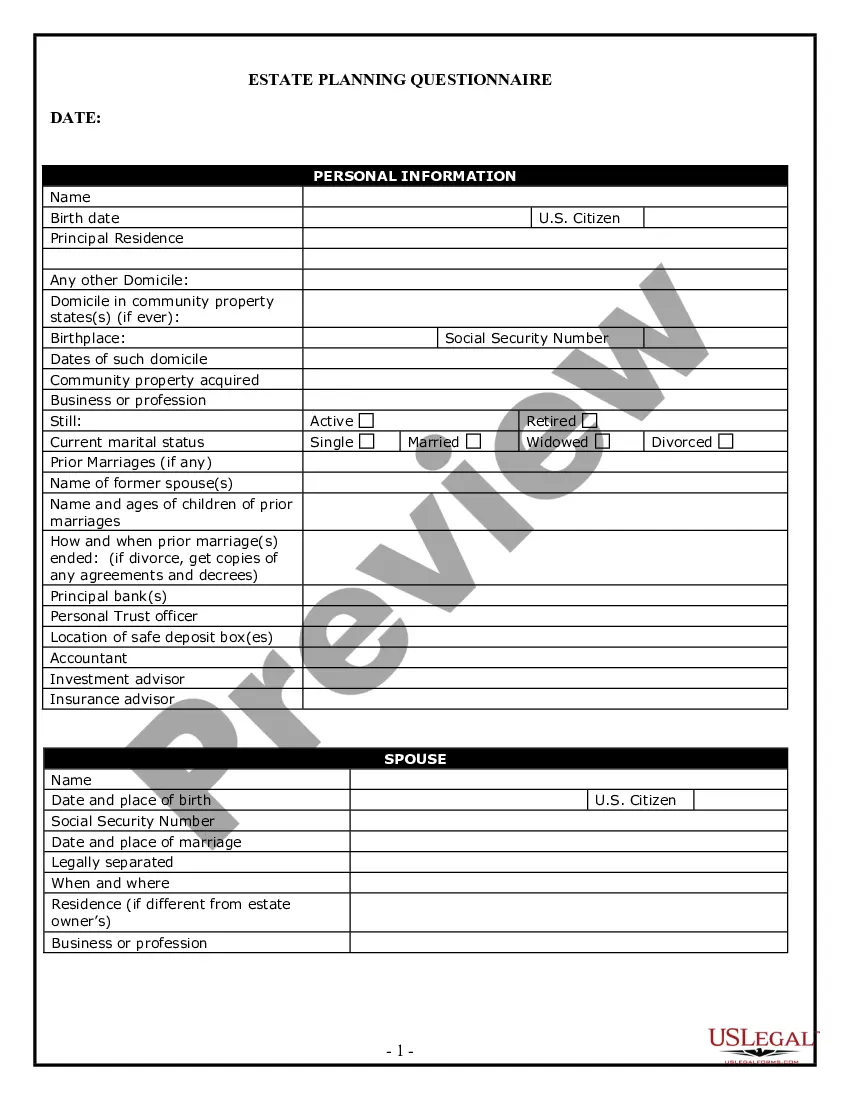
Get your form ready online
Our built-in tools help you complete, sign, share, and store your documents in one place.
Make edits, fill in missing information, and update formatting in US Legal Forms—just like you would in MS Word.
Download a copy, print it, send it by email, or mail it via USPS—whatever works best for your next step.
Sign and collect signatures with our SignNow integration. Send to multiple recipients, set reminders, and more. Go Premium to unlock E-Sign.
If this form requires notarization, complete it online through a secure video call—no need to meet a notary in person or wait for an appointment.
We protect your documents and personal data by following strict security and privacy standards.

Make edits, fill in missing information, and update formatting in US Legal Forms—just like you would in MS Word.

Download a copy, print it, send it by email, or mail it via USPS—whatever works best for your next step.

Sign and collect signatures with our SignNow integration. Send to multiple recipients, set reminders, and more. Go Premium to unlock E-Sign.

If this form requires notarization, complete it online through a secure video call—no need to meet a notary in person or wait for an appointment.

We protect your documents and personal data by following strict security and privacy standards.
Looking for another form?
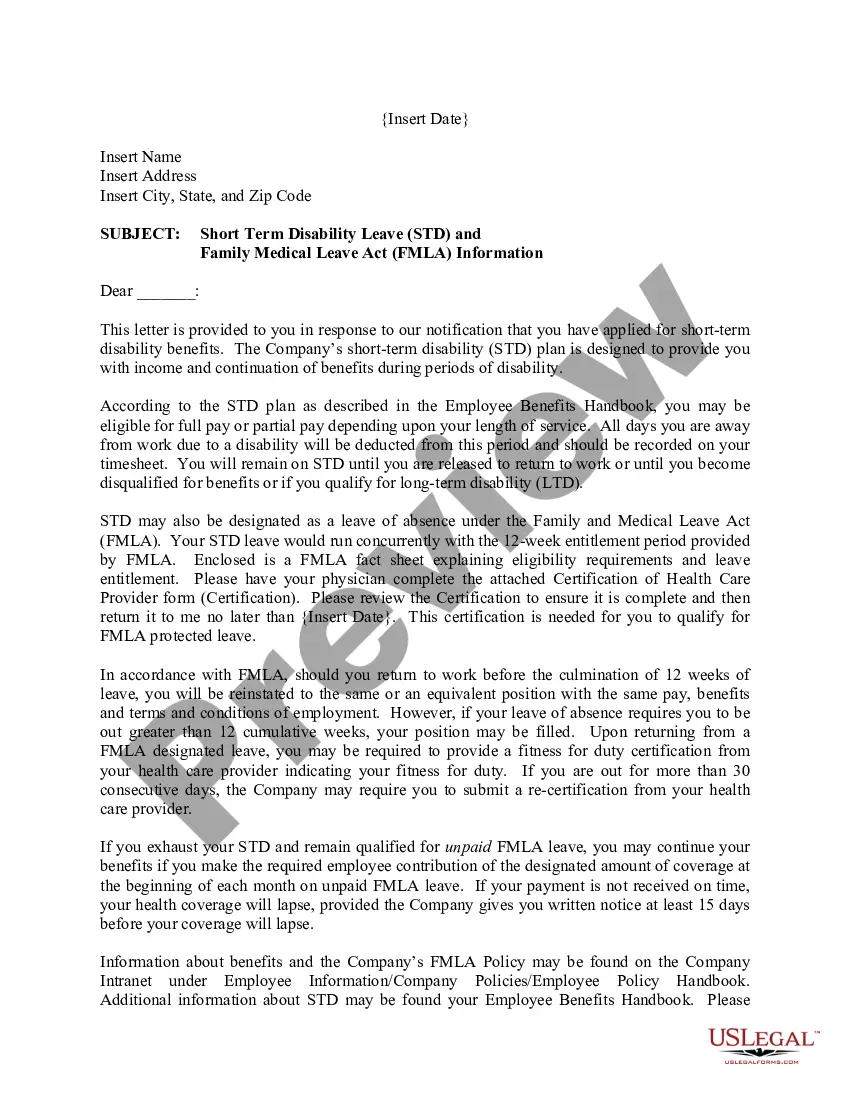
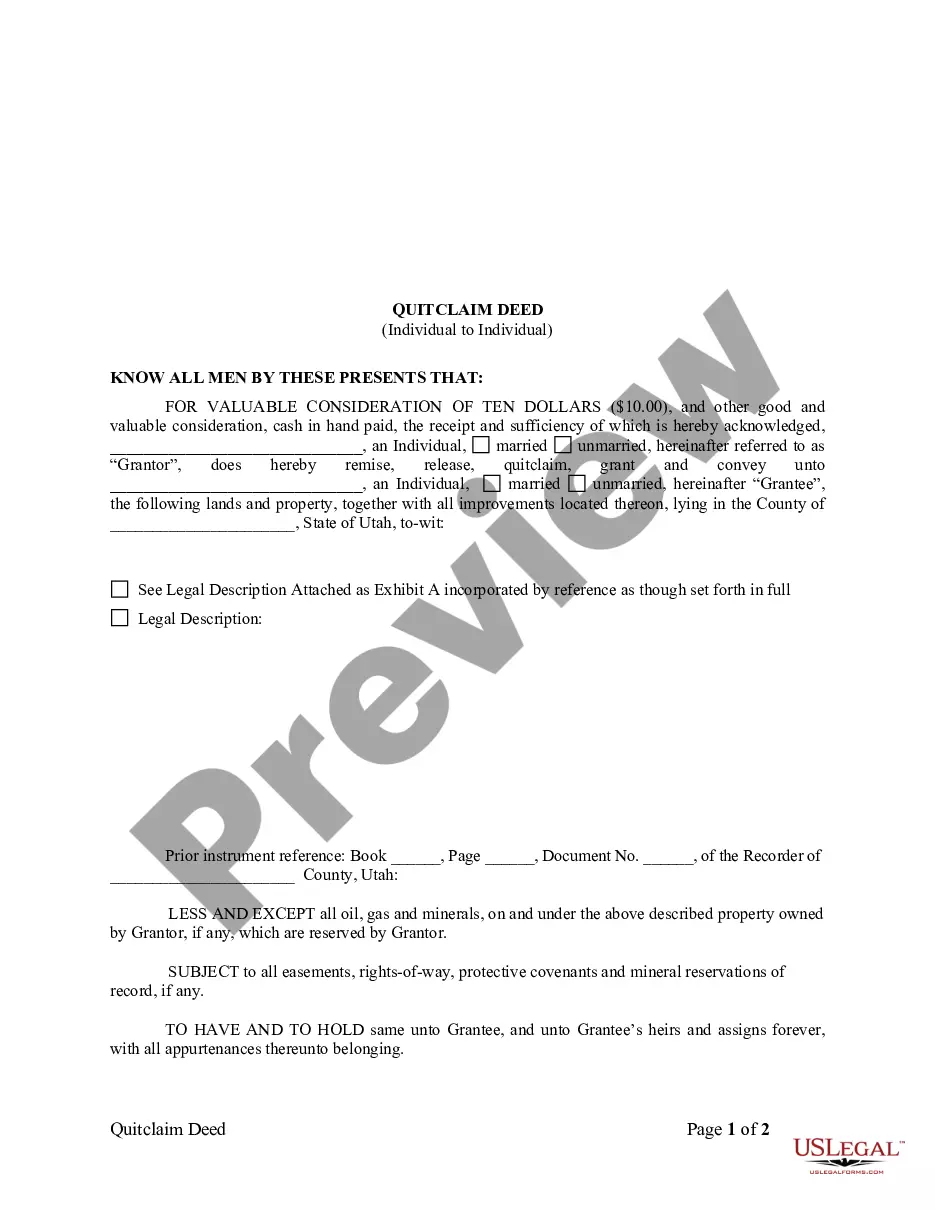

How to fill out Interrogatories?
Are you currently in a situation where you require documents for potentially organizational or personal use nearly every day.
There are numerous legal document templates accessible online, but finding ones you can trust is not simple.
US Legal Forms offers a vast array of form templates, such as the Virginia Interrogatories, designed to meet federal and state requirements.
Utilize US Legal Forms, the most extensive collection of legal forms, to save time and avoid errors.
The service provides professionally crafted legal document templates that you can use for various purposes. Create an account on US Legal Forms and begin simplifying your life.
- If you are already familiar with the US Legal Forms website and have an account, simply Log In.
- Then, you can download the Virginia Interrogatories template.
- If you do not possess an account and wish to start using US Legal Forms, follow these steps.
- Locate the form you need and ensure it is for the correct city/county.
- Use the Preview button to examine the document.
- Read the description to confirm that you have selected the right form.
- If the form is not what you are looking for, utilize the Search section to find the form that meets your needs.
- Once you find the correct form, click Get now.
- Select the pricing plan you want, fill out the necessary information to create your account, and pay for your order using your PayPal or credit card.
- Choose a convenient file format and download your copy.
- Find all the document templates you have purchased in the My documents section.
- You can obtain another copy of Virginia Interrogatories at any time, if needed. Click the required form to download or print the document template.
Form popularity
FAQ
You must answer the questions or file objections to certain questions or the entire set of interrogatories. For example, you might not want to answer a question because it contains incorrect information like asking you to state who treated your broken leg, but you did not break your leg.
Parties may obtain discovery regarding any matter, not privileged, which is relevant to the subject matter involved in the pending action, whether it relates to the claim or defense of the party seeking discovery or to the claim or defense of any other party, including the existence, description, nature, custody, ...
A motion to compel discovery is a motion where attorneys ask the court to sign an order that requires the government to give discovery to the defense. It is the most common way that defense attorneys get discovery in criminal cases.
Parties may obtain discovery regarding any matter, not privileged, which is relevant to the subject matter involved in the pending action, whether it relates to the claim or defense of the party seeking discovery or to the claim or defense of any other party, including the existence, description, nature, custody, ...
You can use interrogatories to find out facts about a case but they cannot be used for questions that draw a legal conclusion.
Generally, interrogatories are objectionable if they seek information that is not within the scope of discovery as defined in Maryland Rule 402 or Federal Rule 26(b). These are typically requests that are not relevant, unduly burdensome, broad, vague, privileged. or protected by the work product doctrine.
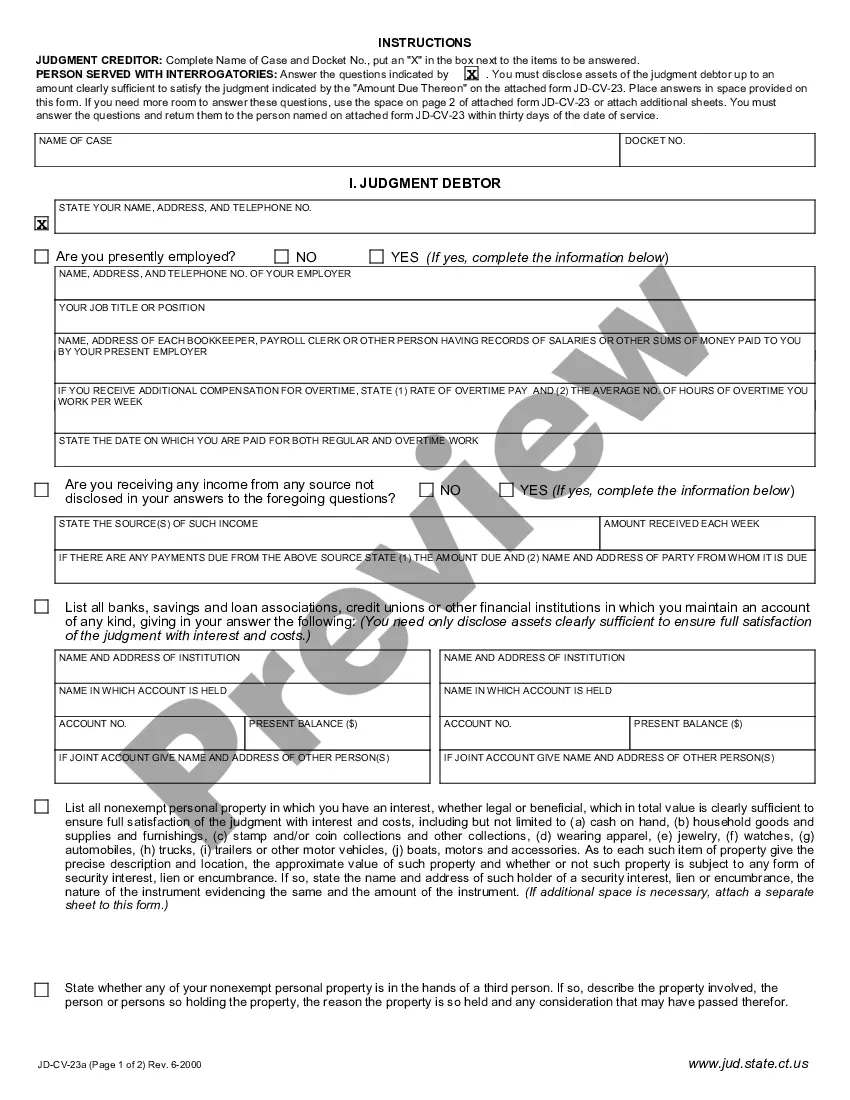
Proceedings by interrogatories to ascertain estate of debtor; summons; proviso; objections by judgment debtor.
No party shall serve upon any other party, at any one time or cumulatively, more than thirty written interrogatories, including all parts and sub-parts without leave of court for good cause shown.