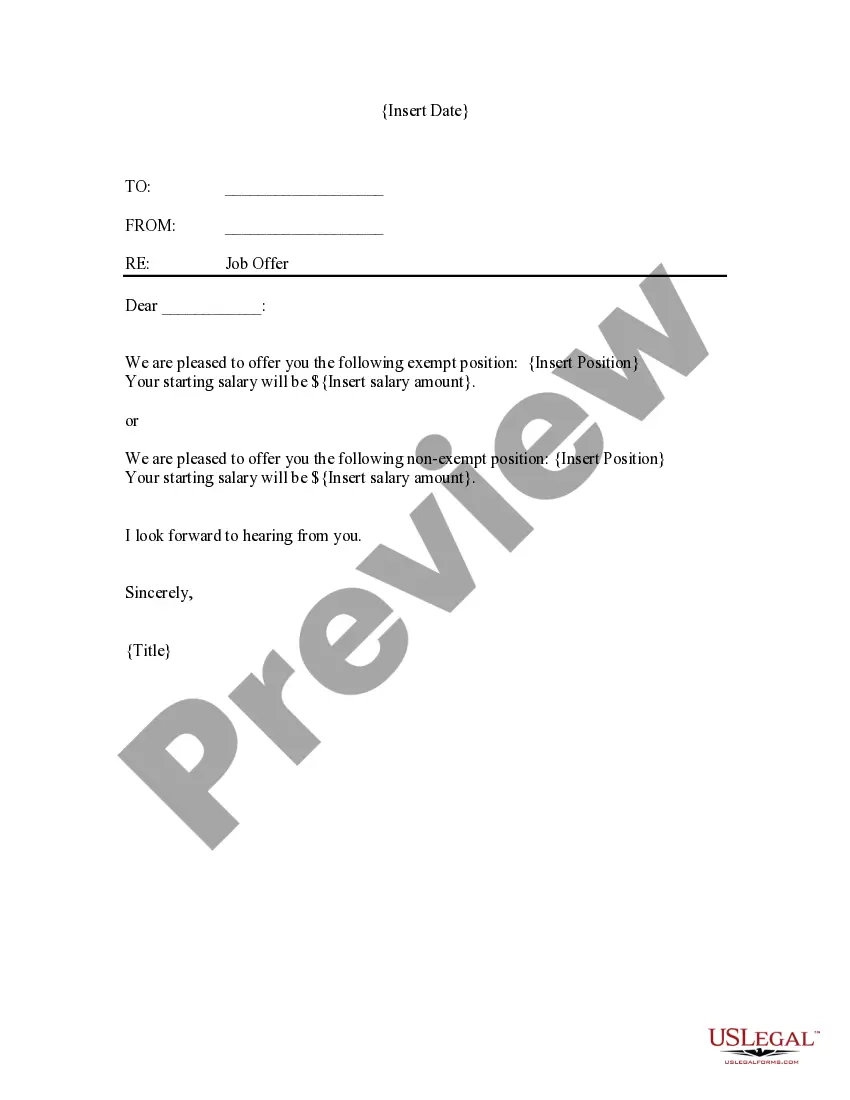
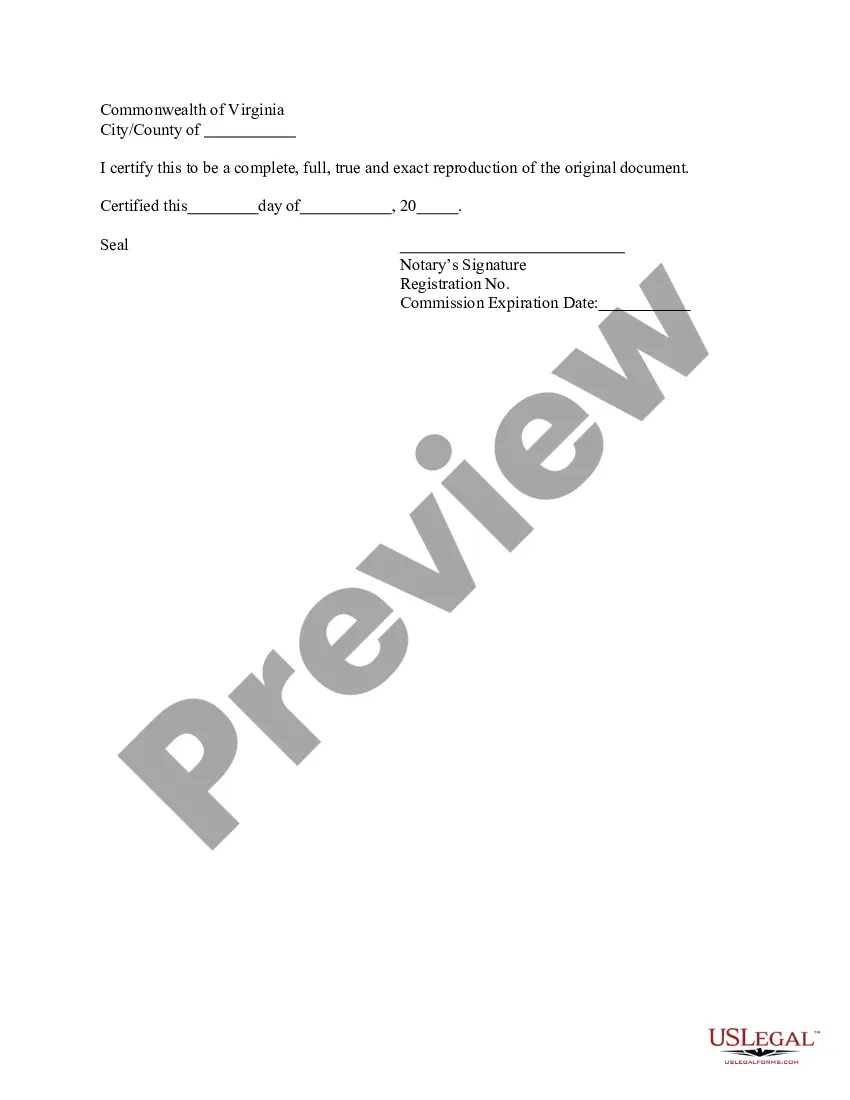
Virginia Acknowledgment of Copy Certification
What this document covers
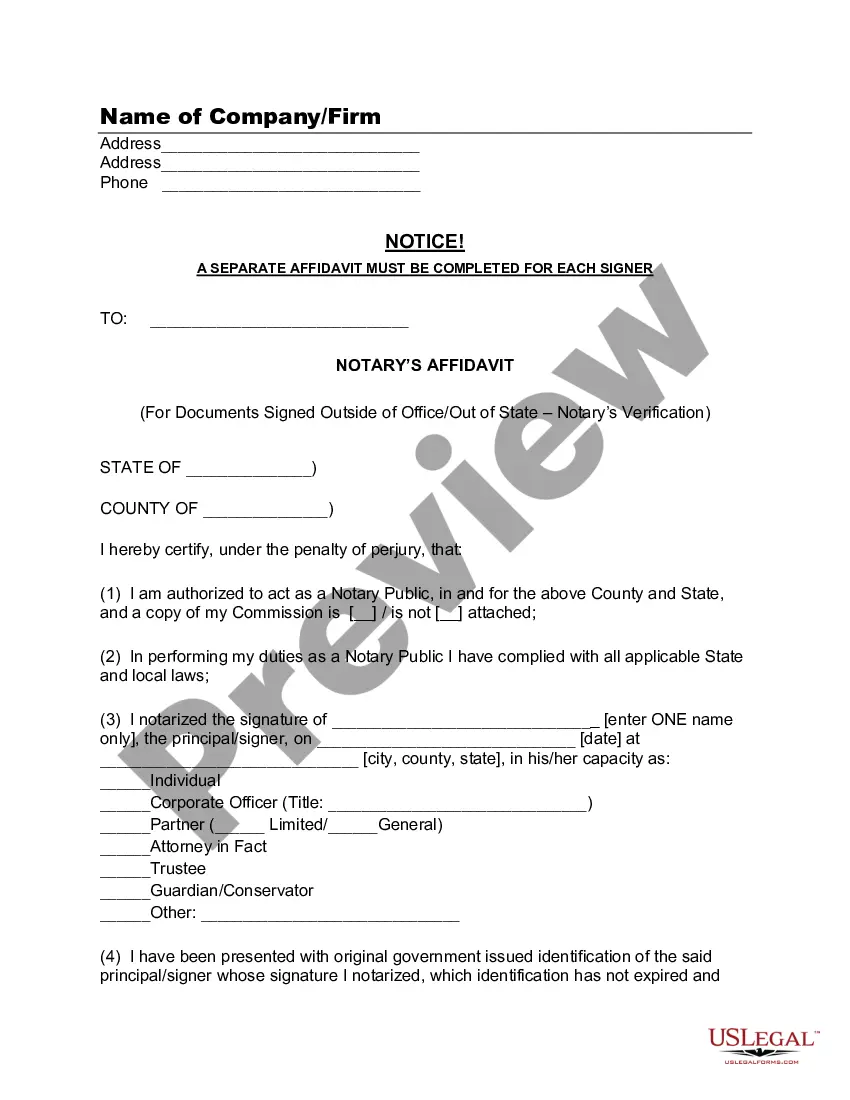
The Acknowledgment of Copy Certification is a legal document used to certify that a copy of a document is a true and accurate reproduction of the original. This form is essential in various legal contexts where a verified copy of a document is necessary. It differs from other forms, such as affidavits, which may require additional witness statements. Using this form helps streamline the process of presenting certified copies in legal proceedings or record-keeping.
Key components of this form
- Certification statement confirming that the copy is a true and accurate reproduction.
- Date of the certification.
- Signature of the individual certifying the copy.
- Seal or stamp from a notary or authorized official, if required.
- Identification of the original document being copied.
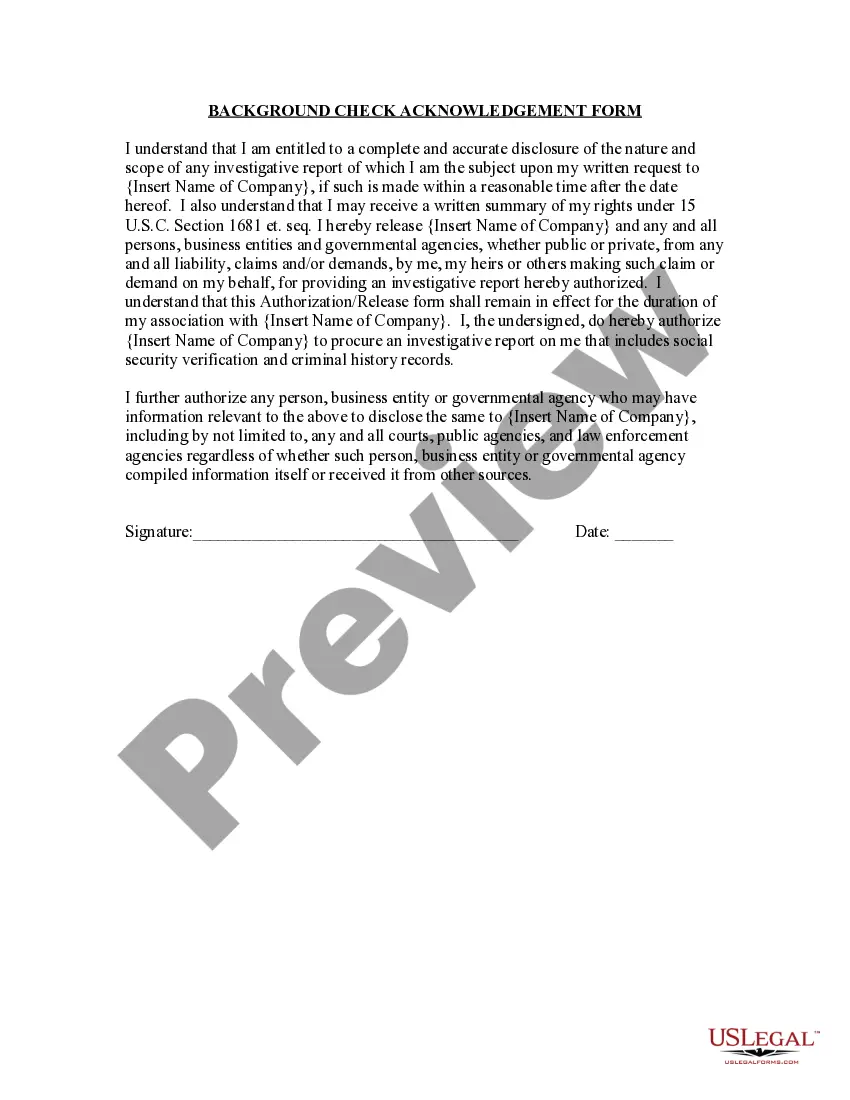

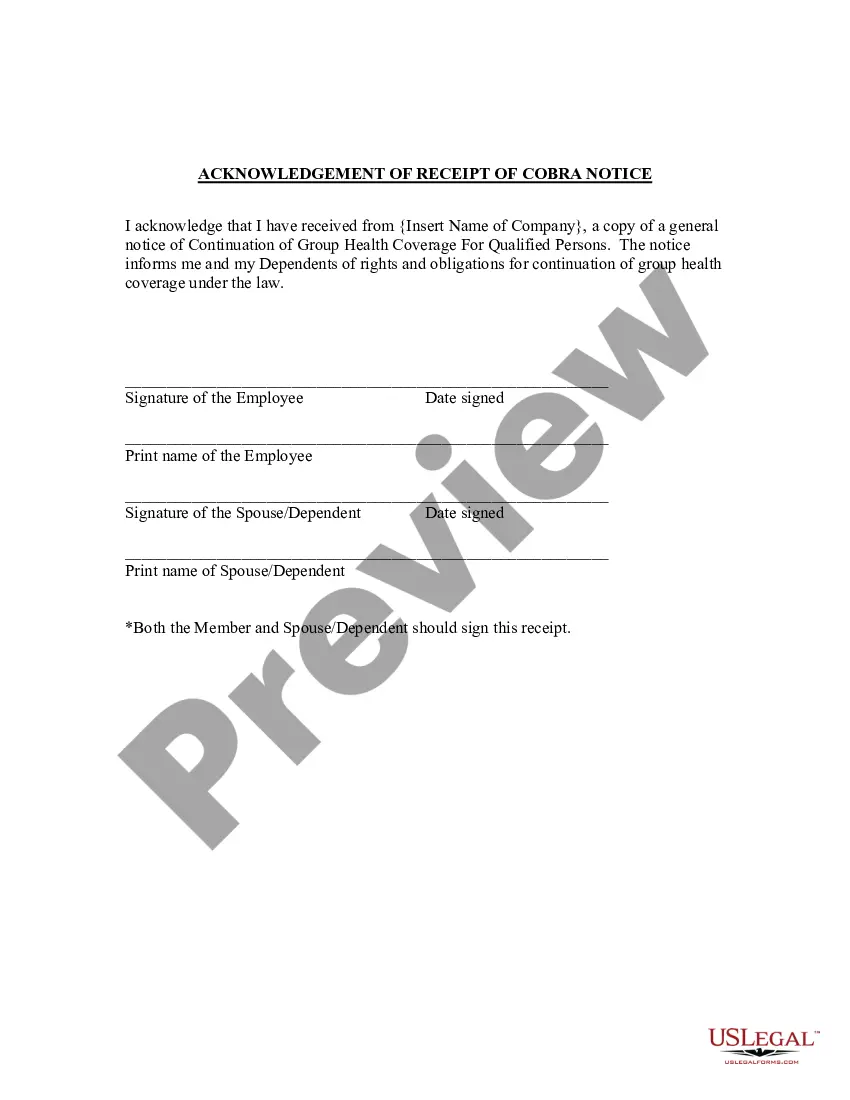
Situations where this form applies
This form is commonly used when you need to provide a legally recognized copy of an important document, such as a birth certificate, academic transcript, or legal agreement. It is particularly relevant in situations where the original document cannot be submitted, yet a validated copy is required for legal, administrative, or business purposes.
Intended users of this form
The Acknowledgment of Copy Certification can be used by:
- Individuals needing to provide certified copies of personal documents.
- Businesses requiring verified documentation for compliance or agreements.
- Legal professionals handling cases that demand accurate document submissions.
- Any organization that needs to maintain records of original documents while submitting copies.
Instructions for completing this form
- Identify the type of document you are certifying and ensure you have the original on hand.
- Fill in the certification statement to confirm the copy is a true reproduction.
- Include the date on which the certification is made.
- Sign the form in the designated area to verify your acknowledgment.
- If required, obtain a notary's signature and seal to make the certification officially recognized.
Does this document require notarization?
This form must be notarized to be legally valid. US Legal Forms provides secure online notarization powered by Notarize, allowing you to complete the process through a verified video call.
Get your form ready online
Our built-in tools help you complete, sign, share, and store your documents in one place.
Make edits, fill in missing information, and update formatting in US Legal Forms—just like you would in MS Word.
Download a copy, print it, send it by email, or mail it via USPS—whatever works best for your next step.
Sign and collect signatures with our SignNow integration. Send to multiple recipients, set reminders, and more. Go Premium to unlock E-Sign.
If this form requires notarization, complete it online through a secure video call—no need to meet a notary in person or wait for an appointment.
We protect your documents and personal data by following strict security and privacy standards.

Make edits, fill in missing information, and update formatting in US Legal Forms—just like you would in MS Word.

Download a copy, print it, send it by email, or mail it via USPS—whatever works best for your next step.

Sign and collect signatures with our SignNow integration. Send to multiple recipients, set reminders, and more. Go Premium to unlock E-Sign.

If this form requires notarization, complete it online through a secure video call—no need to meet a notary in person or wait for an appointment.

We protect your documents and personal data by following strict security and privacy standards.
Common mistakes
- Failing to include the date, which is essential for the certification.
- Omitting a signature or seal, making the document invalid.
- Using the form without the original document in hand for comparison.
- Providing incomplete information about the original document.
Advantages of online completion
- Convenience of accessing and completing the form at any time.
- Easy editability to ensure all information is accurate before submission.
- Reliability of professionally drafted templates, ensuring compliance with legal standards.
- Ability to quickly obtain verified copies, streamlining legal processes.
Looking for another form?

Form popularity
FAQ
The certificate of a notary public, justice of the peace, or other authorized officer, attached to a deed, mortgage, or other instrument, setting forth that the parties thereto personally appeared before him on such a date and acknowledged the instrument to be their free and voluntary act and deed. Read v.
What should a notarial certificate have? The signature of individual and notary, a statement that document was signed before a notary, the seal of the notary.
The purpose of an acknowledgment is for a signer, whose identity has been verified, to declare to a Notary or notarial officer that he or she has willingly signed a document.The signer may either sign the document before appearing before you, or in your presence.
Step 1: Require Personal Appearance. Almost every state requires the signer to personally appear before you during the notarization. Step 2: Check Over The Document. Step 3: Carefully Identify The Signer. Step 4: Record Your Journal Entry. Step 5: Complete The Notarial Certificate.
Notarial Act: Title of Document: Identity of Signer. Date and Time: Notary Fee: The Fee column cannot be left blank. Signature of Signer: Every signer must sign/mark the notary's journal. Thumbprint:
The certificate of a notary public, justice of the peace, or other authorized officer, attached to a deed, mortgage, or other instrument, setting forth that the parties thereto personally appeared before him on such a date and acknowledged the instrument to be their free and voluntary act and deed. Read v.
The preparer of the document adds both acknowledgment certificates for the notary public to decide and execute the acknowledgment certificate most appropriate to the situation. However, most documents that name two principal signers will generally include two notarial certificatesone for each signer.
Step 1: Require Personal Appearance. Step 2: Check Over The Document. Step 3: Carefully Identify The Signer. Step 4: Record Your Journal Entry. Step 5: Complete The Notarial Certificate. A Last Note: Never Give Advice.
Require Personal Appearance. Review The Document. Screen The Signer And Verify The Facts. Record The Notarization. Complete The Notarization.