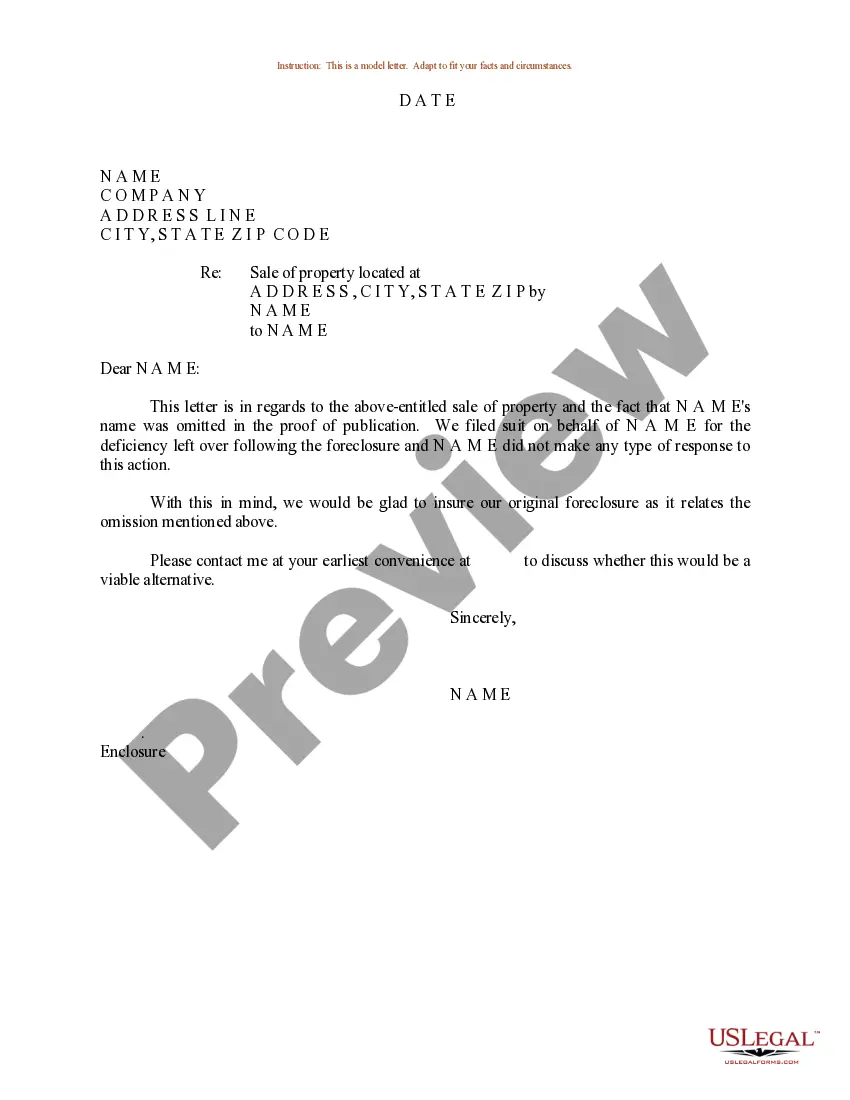
Virginia Paternity Law and Procedure Handbook
About this form
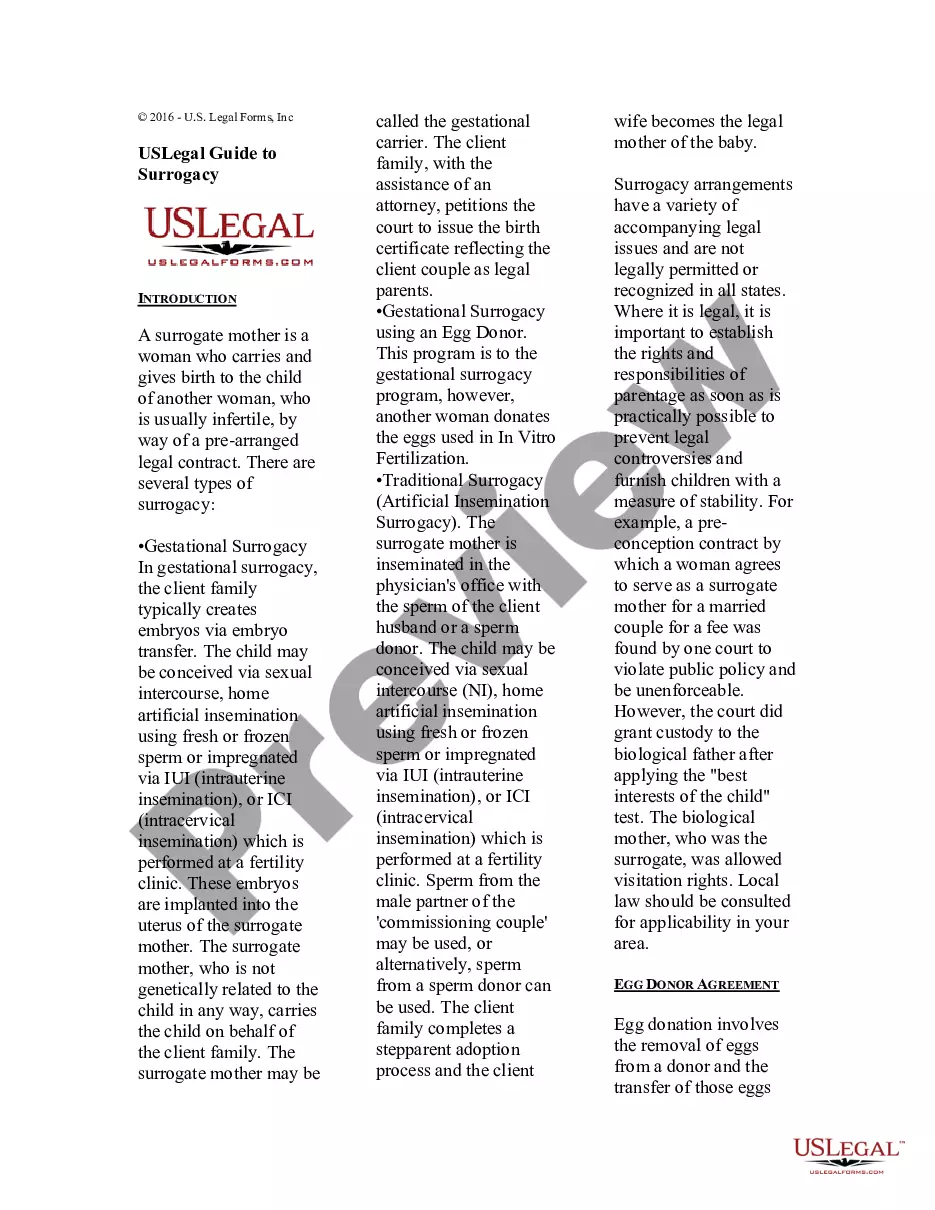
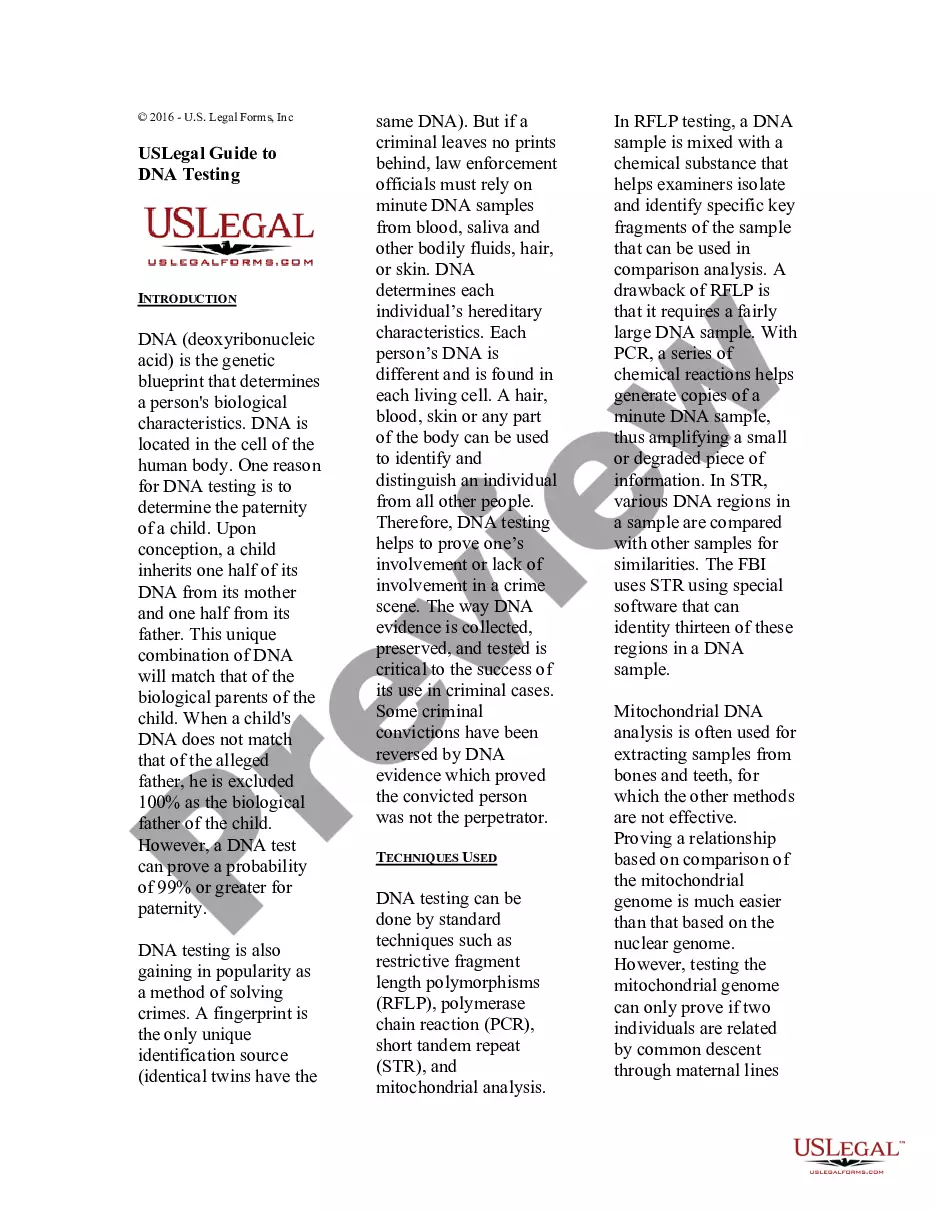
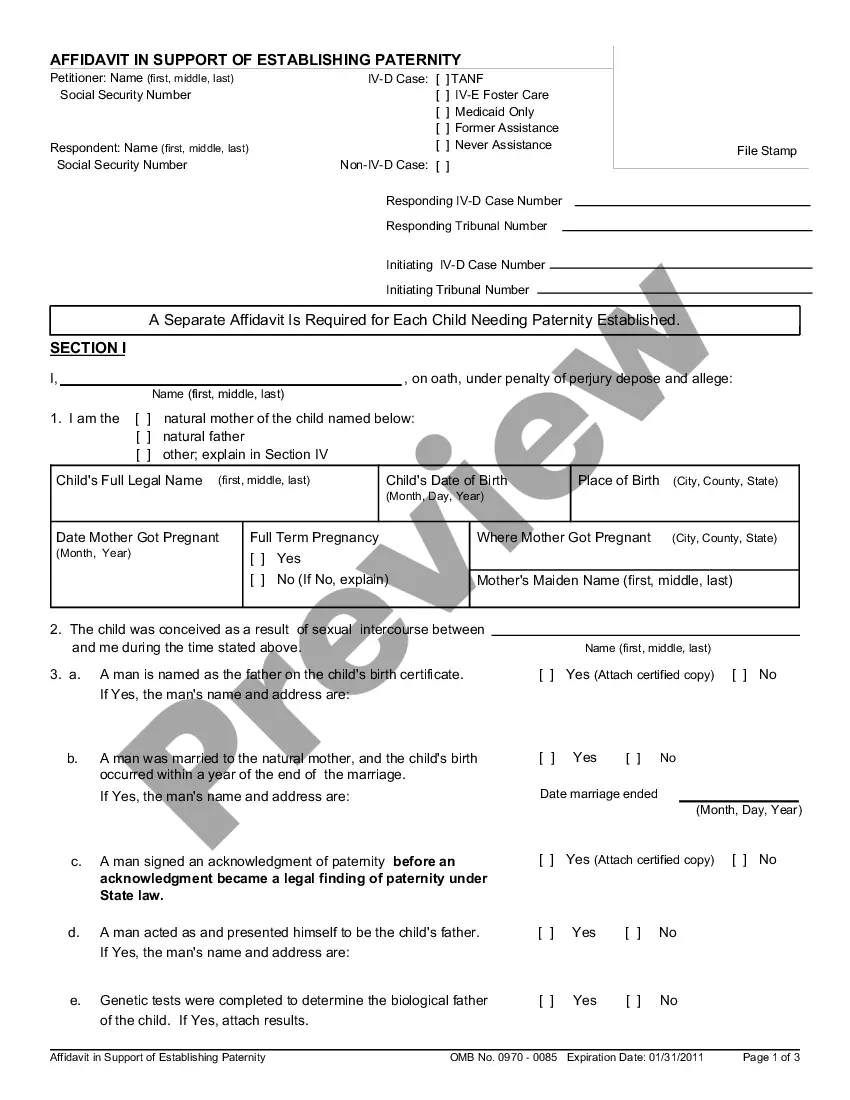
The Paternity Law and Procedure Handbook is a comprehensive guide designed for understanding and navigating the legal processes surrounding the establishment of paternity in the United States. This handbook is particularly useful for parents who are unmarried as it provides essential information about the rights and responsibilities associated with paternity, including the methods for establishing paternity, necessary legal procedures, and state-specific resources. Unlike other generic guides, this handbook addresses variations in paternity laws across different states, helping parents recognize their unique legal landscapes.
What’s included in this form
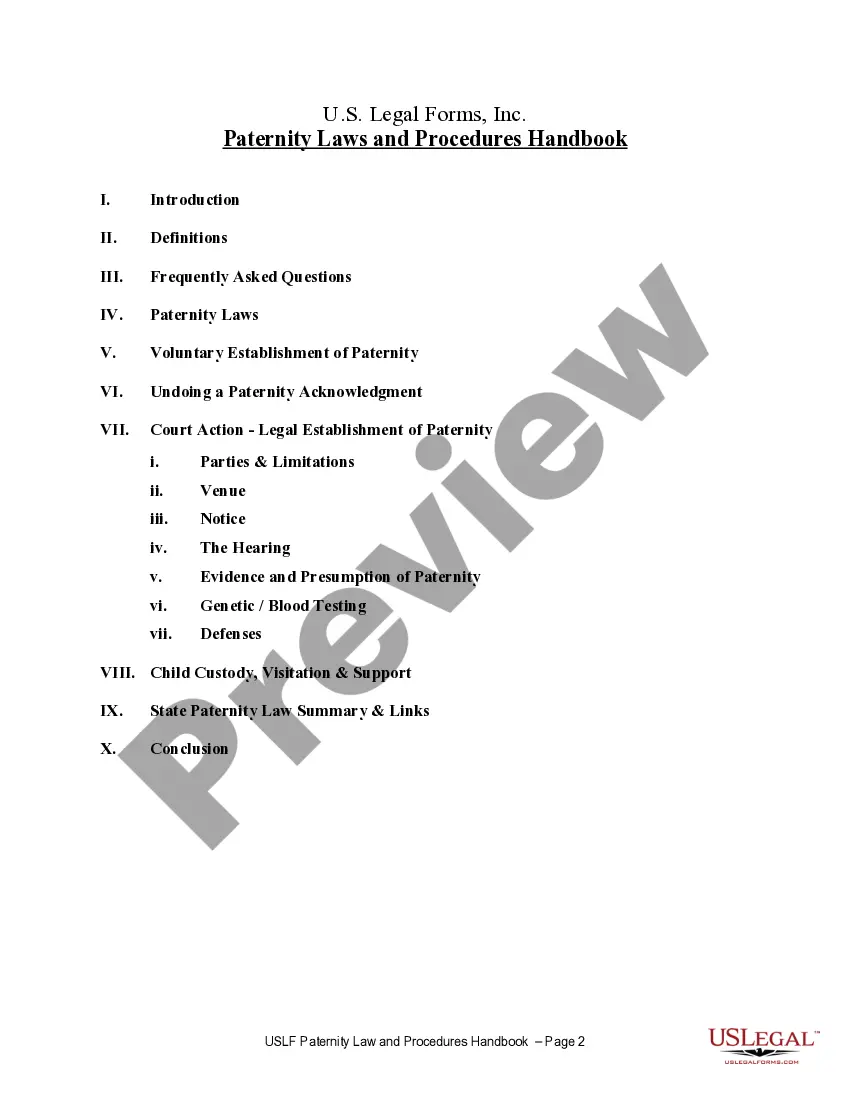
- Introduction to paternity laws and their significance.
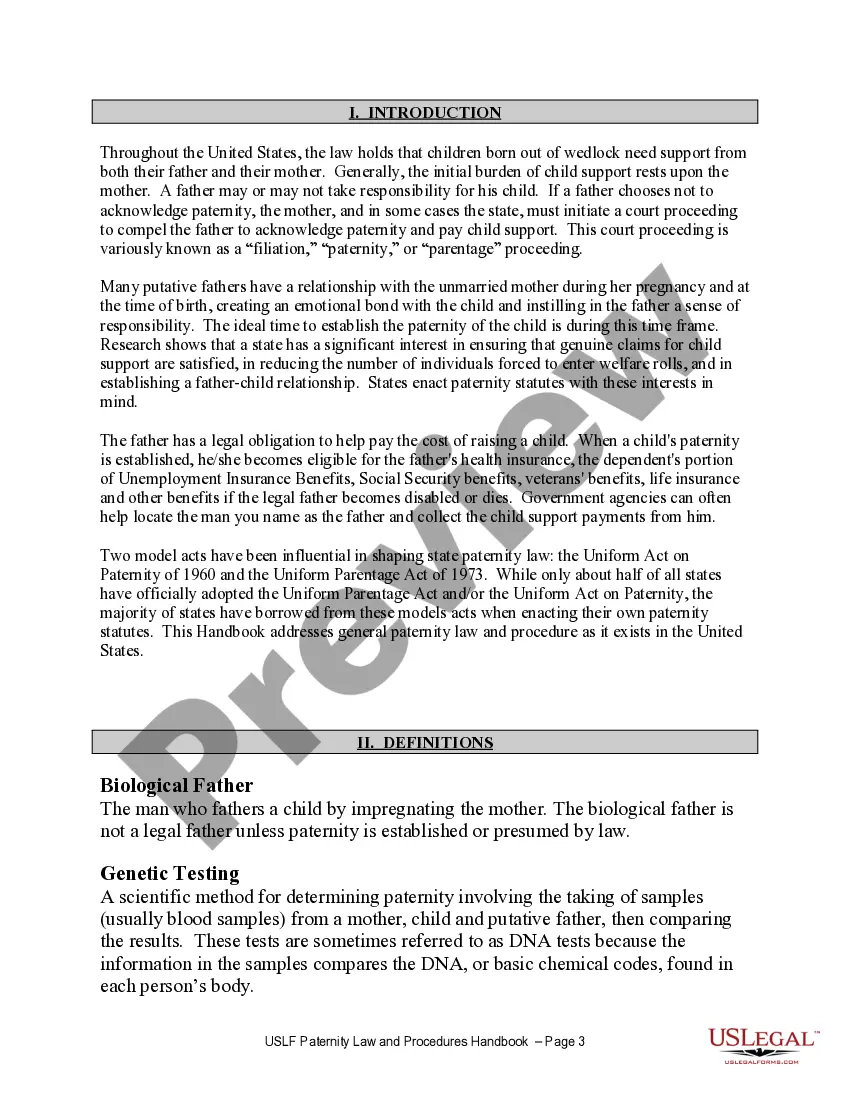
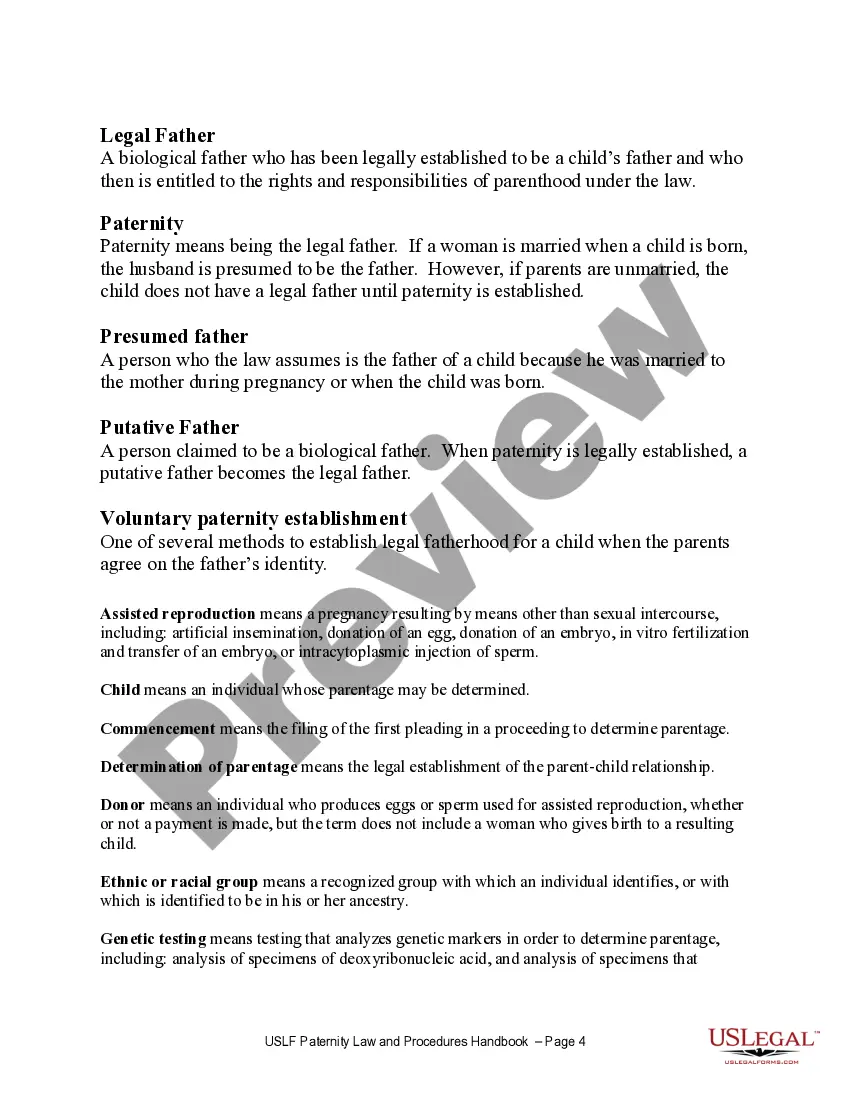
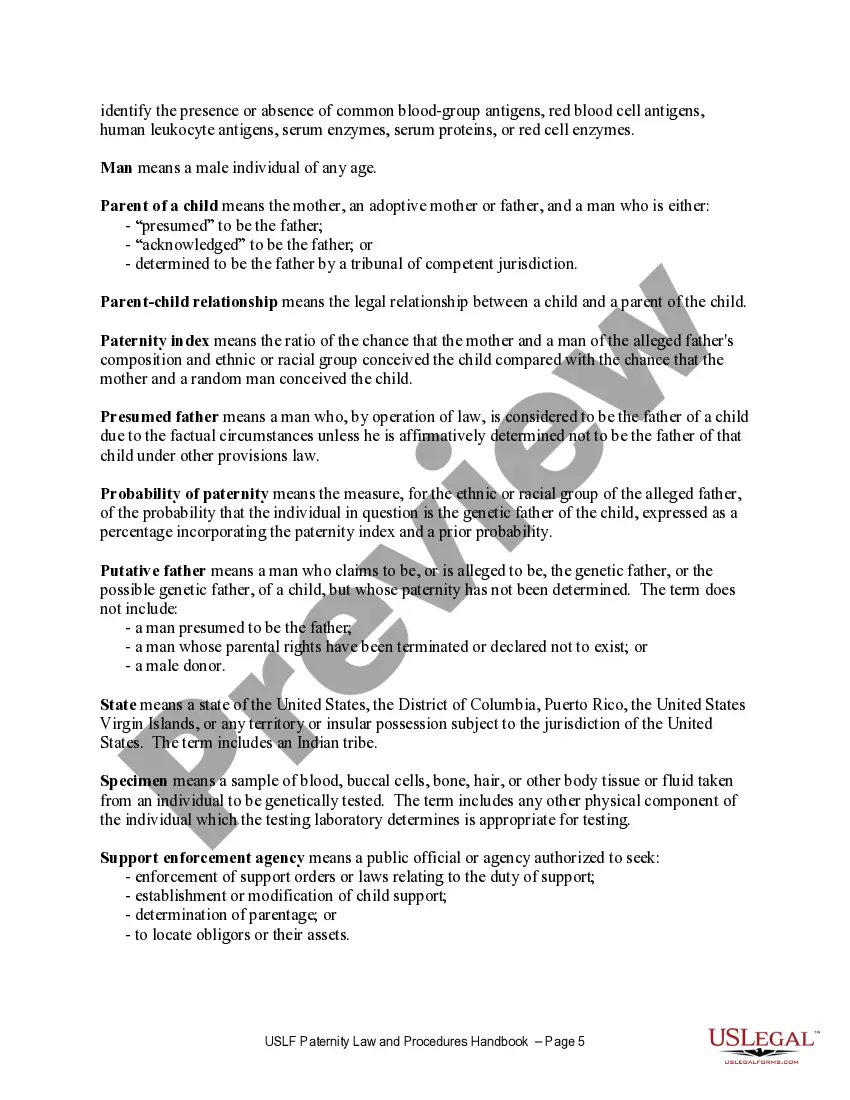
- Definitions of key terms such as biological father, legal father, and genetic testing.
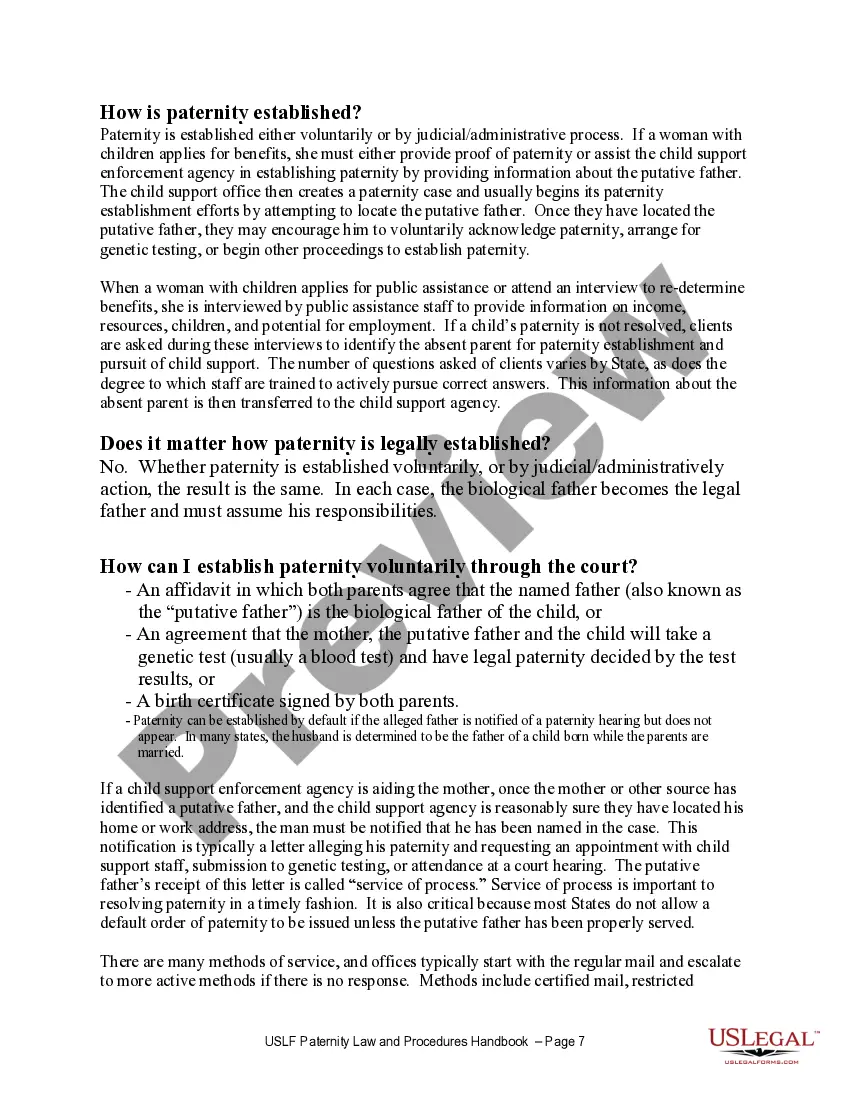
- Detailed procedures for voluntary establishment of paternity and court procedures for legal establishment.
- Guidance on undoing a paternity acknowledgment.
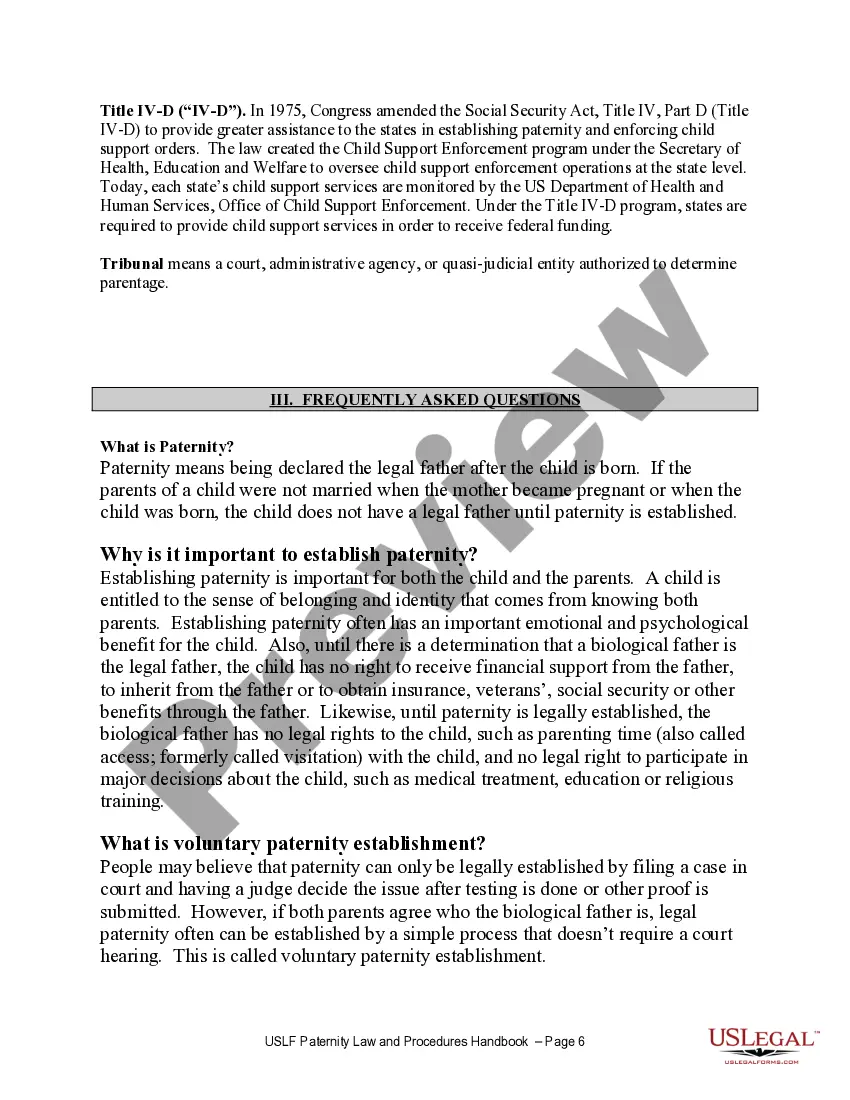
- Information on child custody, visitation, and support obligations.
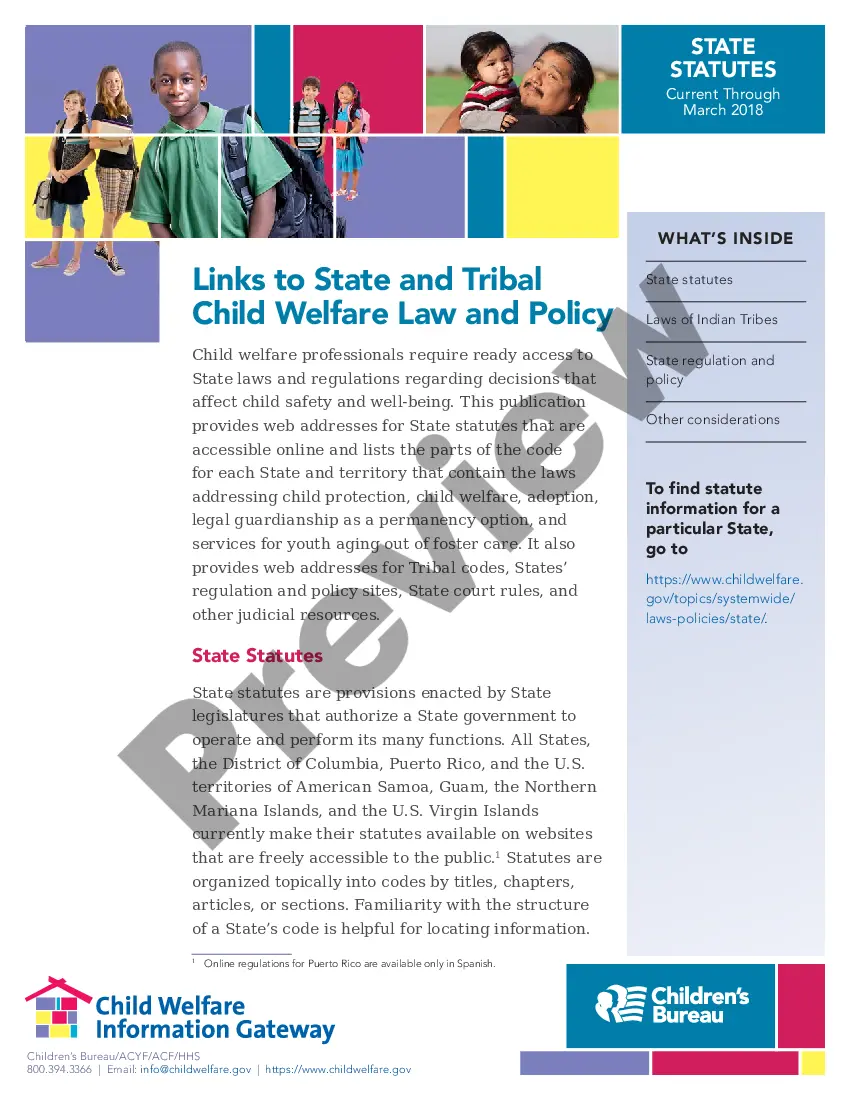
- State-specific summaries that provide links to relevant paternity statutes.


When this form is needed
Use this handbook when you need to establish paternity for a child born to unmarried parents. It is especially relevant if you are experiencing challenges in obtaining medical support, child support, or if there are disputes regarding custody and visitation rights. This handbook will guide you through the processes and legal requirements based on your state laws, whether you are seeking to voluntarily acknowledge paternity or initiate court proceedings.
Who needs this form
Intended Audience:
- Unmarried parents seeking to establish paternity for their child.
- Fathers who want to understand their rights and responsibilities regarding child support.
- Mothers needing to secure financial and emotional support for their child.
- Legal professionals providing guidance to clients on paternity issues.
- Social services agencies involved in child support enforcement.
Instructions for completing this form
Steps to Complete the Paternity Acknowledgment Process:
- Identify the parties involved, including the mother, putative father, and child.
- Determine whether to establish paternity voluntarily or through court action.
- If choosing voluntary acknowledgment, complete the necessary forms at the hospital or designated facility.
- If opting for court action, file the appropriate petition with the court in your jurisdiction.
- Prepare for potential genetic testing if paternity is disputed or court-ordered.
- Await the legal decision and ensure compliance with child support and custody arrangements as established by the court.
Does this document require notarization?
This form does not typically require notarization unless specified by local law. However, consulting with legal professionals is advisable to confirm any specific requirements in your state.
Get your form ready online
Our built-in tools help you complete, sign, share, and store your documents in one place.
Make edits, fill in missing information, and update formatting in US Legal Forms—just like you would in MS Word.
Download a copy, print it, send it by email, or mail it via USPS—whatever works best for your next step.
Sign and collect signatures with our SignNow integration. Send to multiple recipients, set reminders, and more. Go Premium to unlock E-Sign.
If this form requires notarization, complete it online through a secure video call—no need to meet a notary in person or wait for an appointment.
We protect your documents and personal data by following strict security and privacy standards.

Make edits, fill in missing information, and update formatting in US Legal Forms—just like you would in MS Word.

Download a copy, print it, send it by email, or mail it via USPS—whatever works best for your next step.

Sign and collect signatures with our SignNow integration. Send to multiple recipients, set reminders, and more. Go Premium to unlock E-Sign.

If this form requires notarization, complete it online through a secure video call—no need to meet a notary in person or wait for an appointment.

We protect your documents and personal data by following strict security and privacy standards.
Common mistakes
- Failing to sign paternity acknowledgment forms correctly or within the required timeframe.
- Not seeking genetic testing when paternity is in question.
- Ignoring the need to establish both paternity and child support arrangements at the same time.
- Delaying court proceedings which could lead to complications in establishing paternity.
- Overlooking state-specific requirements and procedures for paternity acknowledgment.
Benefits of using this form online
- Convenience of downloading and completing forms online without the need for attorney visits.
- Access to state-specific information tailored to your jurisdiction's paternity laws.
- The opportunity to familiarize yourself with the process before engaging with the legal system.
- Reliability of professionally drafted forms that comply with state legal requirements.
The Paternity Law and Procedure Handbook serves as a useful resource in legal settings to effectively establish paternity. Proper legal acknowledgment aids in securing child support and rights related to custody and visitation. The information provided is aimed at guiding users through the legal requirements and processes inherent in paternity law.
Main things to remember
- The handbook is essential for understanding the laws and procedures around establishing paternity.
- It provides clear steps for both voluntary and court-based paternity establishment processes.
- Users should be aware of the importance of addressing applicable state-specific laws in their paternity matters.
- Proper use of this handbook can help clarify responsibilities and rights for both parents.
- Biological Father: The man who impregnated the mother.
- Legal Father: A biological father who has been legally established as the father of a child.
- Genetic Testing: Testing used to determine paternity, often via blood or saliva samples.
- Paternity: The state of being a legal father to a child.
- Putative Father: A man claimed to be the biological father of a child.
Looking for another form?

Form popularity
FAQ
VA may consider the results of a deoxyribonucleic acid (DNA) test when determining whether a Veteran is the biological parent of a child. Important: VA may not require a claimant to submit to a DNA test.
A legal paternity test fee $335, informational paternity test fee $260 and prenatal non-invasive paternity fee $1500 (Deposit optional).
In Virginia, paternity can be established in four ways: by marriage at least 10 months before the birth of the child (presumption of paternity); by genetic/DNA testing; by voluntary acknowledgement of paternity by both parents; or by lawful adoption of the child.
You can take a DNA test through the Division of Child Support Enforcement (DCSE). You can open a child support case through DCSE. You can file a petition at the Juvenile and Domestic Relations District Court in your area.
FREQUENTLY ASKED QUESTIONS (FAQS) about the Pharmacogenomic Testing for Veterans (PHASER) Program. Sanford Health and the U.S. Department of Veterans Affairs have teamed up to offer genetic testing to current VA health care system patients at no cost to the patient.
Birth certificate. If a birth certificate declares the father and he signs it, this is a legally binding qualification of paternity. DNA test. Court order.
A legal paternity test fee $335, informational paternity test fee $260 and prenatal non-invasive paternity fee $1500 (Deposit optional).