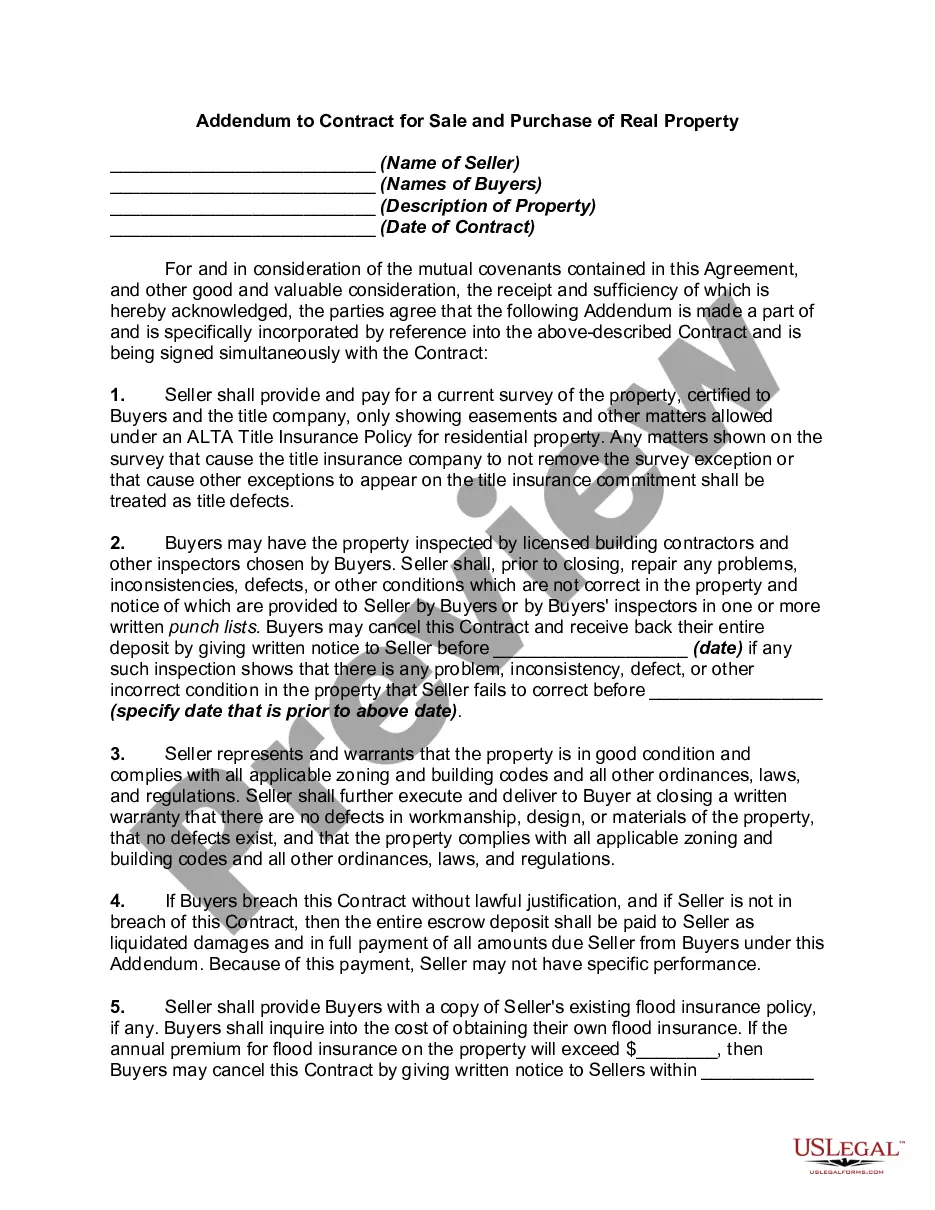
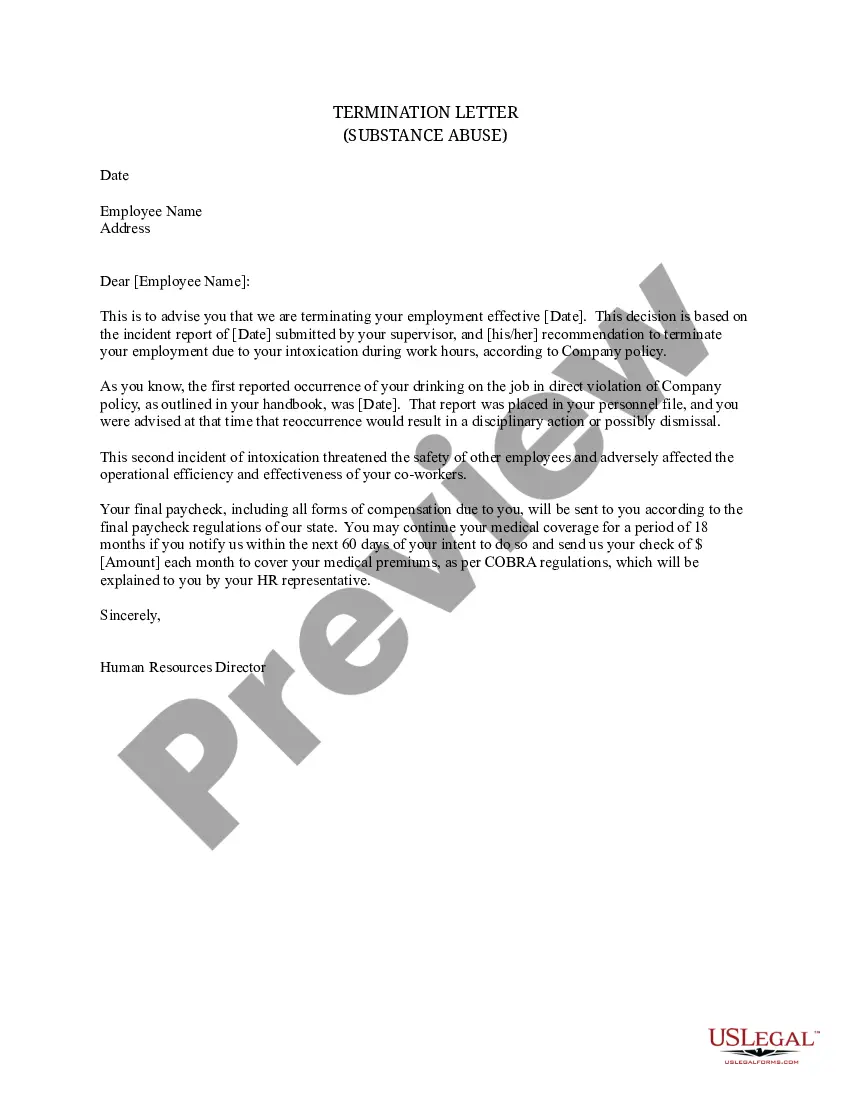
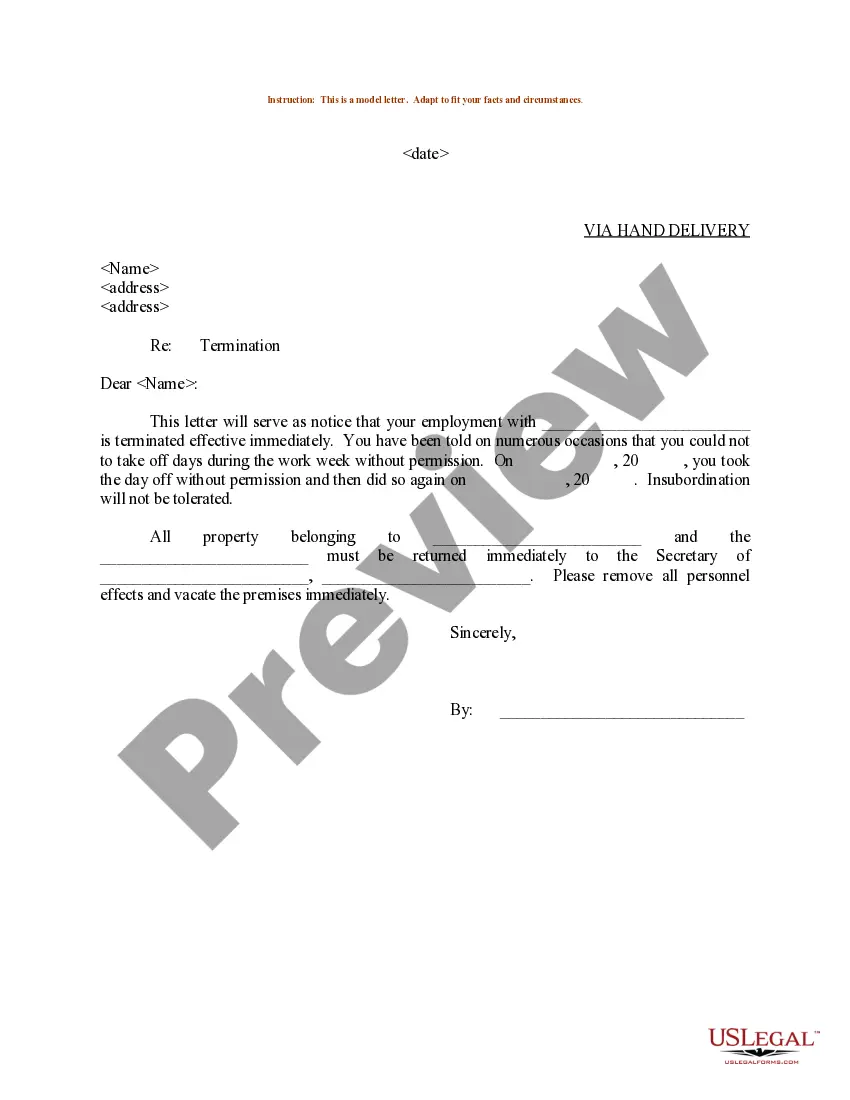
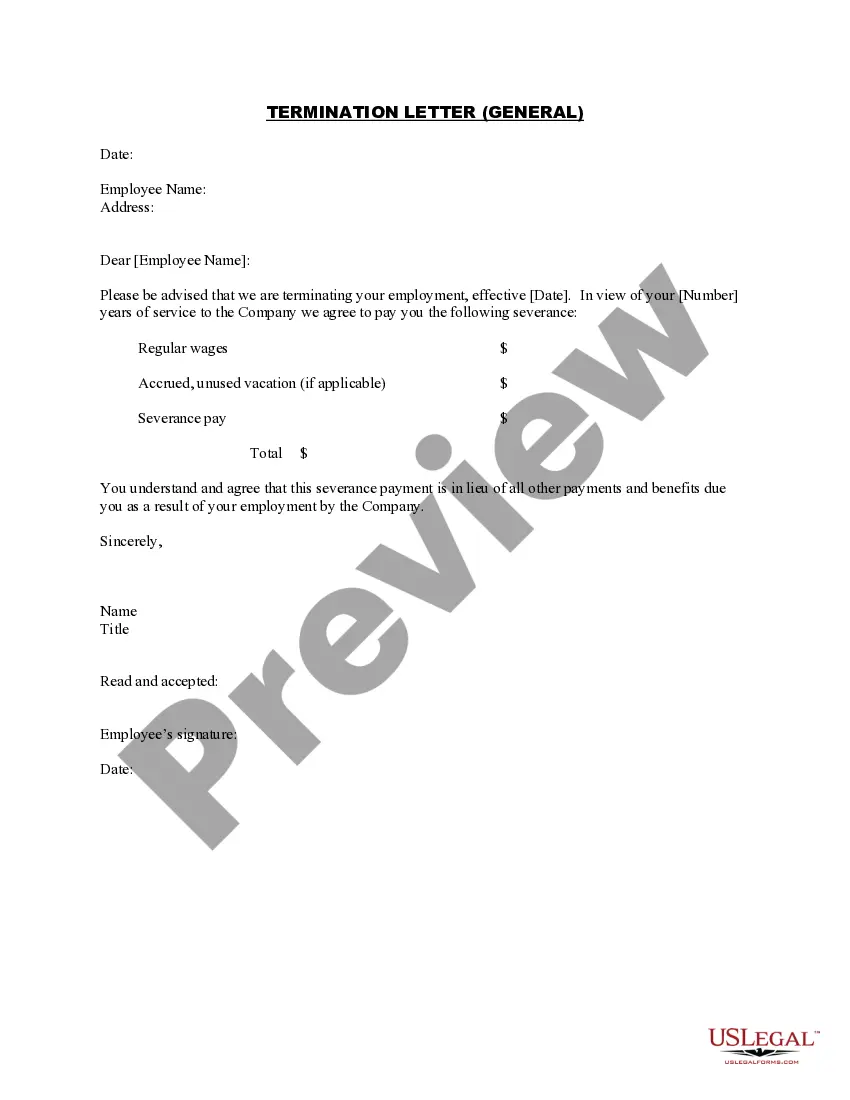
Utah Termination Letter (Substance Abuse)
Description
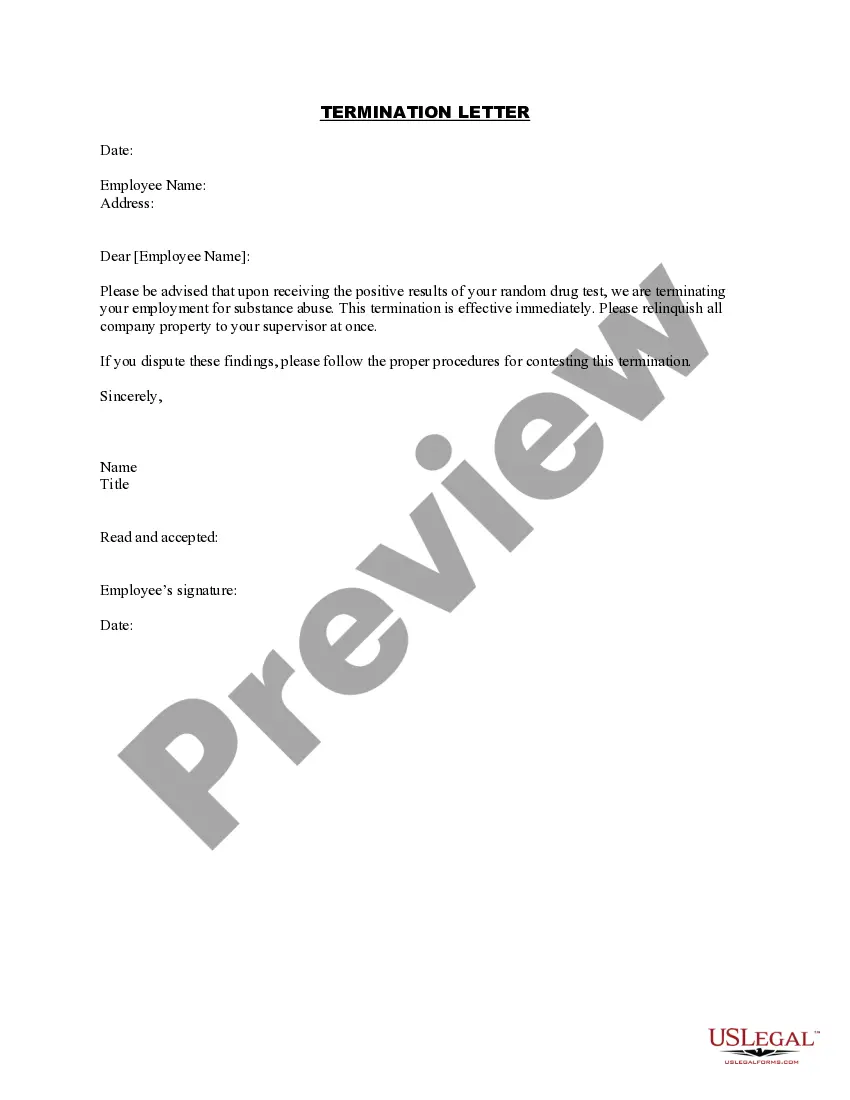
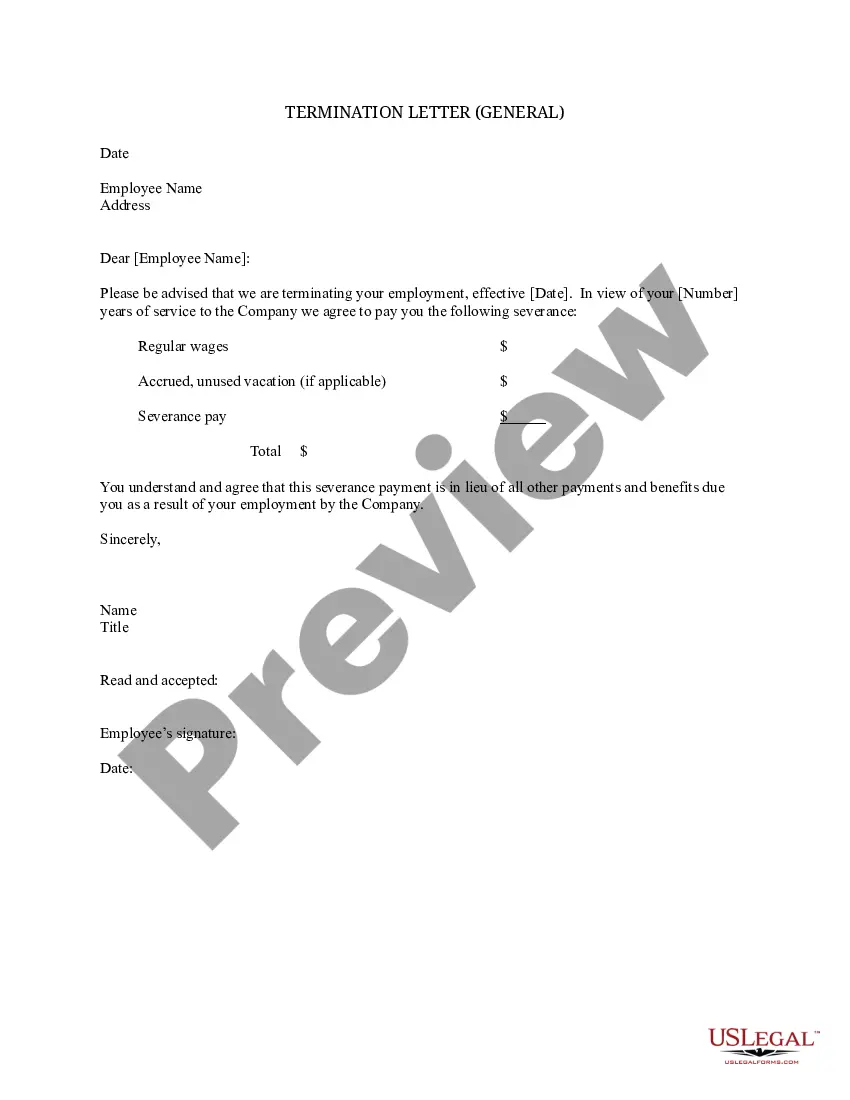
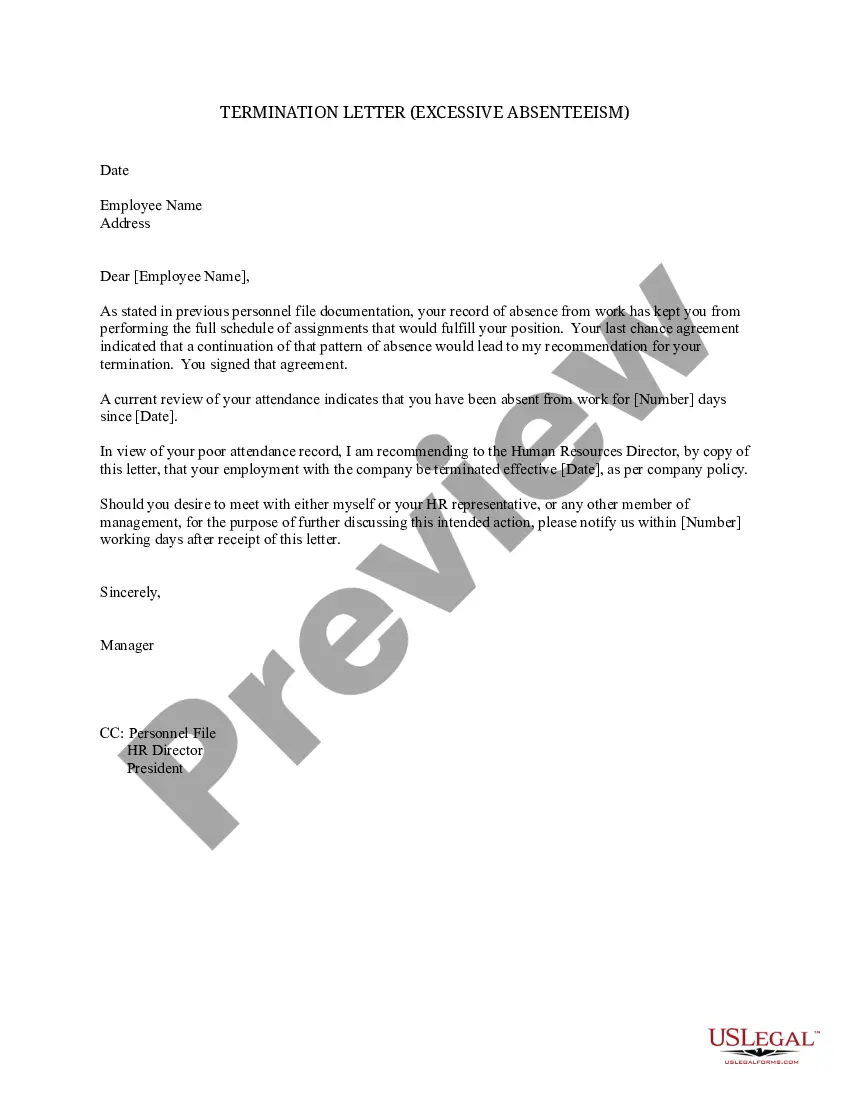
Get your form ready online
Our built-in tools help you complete, sign, share, and store your documents in one place.
Make edits, fill in missing information, and update formatting in US Legal Forms—just like you would in MS Word.
Download a copy, print it, send it by email, or mail it via USPS—whatever works best for your next step.
Sign and collect signatures with our SignNow integration. Send to multiple recipients, set reminders, and more. Go Premium to unlock E-Sign.
If this form requires notarization, complete it online through a secure video call—no need to meet a notary in person or wait for an appointment.
We protect your documents and personal data by following strict security and privacy standards.

Make edits, fill in missing information, and update formatting in US Legal Forms—just like you would in MS Word.

Download a copy, print it, send it by email, or mail it via USPS—whatever works best for your next step.

Sign and collect signatures with our SignNow integration. Send to multiple recipients, set reminders, and more. Go Premium to unlock E-Sign.

If this form requires notarization, complete it online through a secure video call—no need to meet a notary in person or wait for an appointment.

We protect your documents and personal data by following strict security and privacy standards.
Looking for another form?
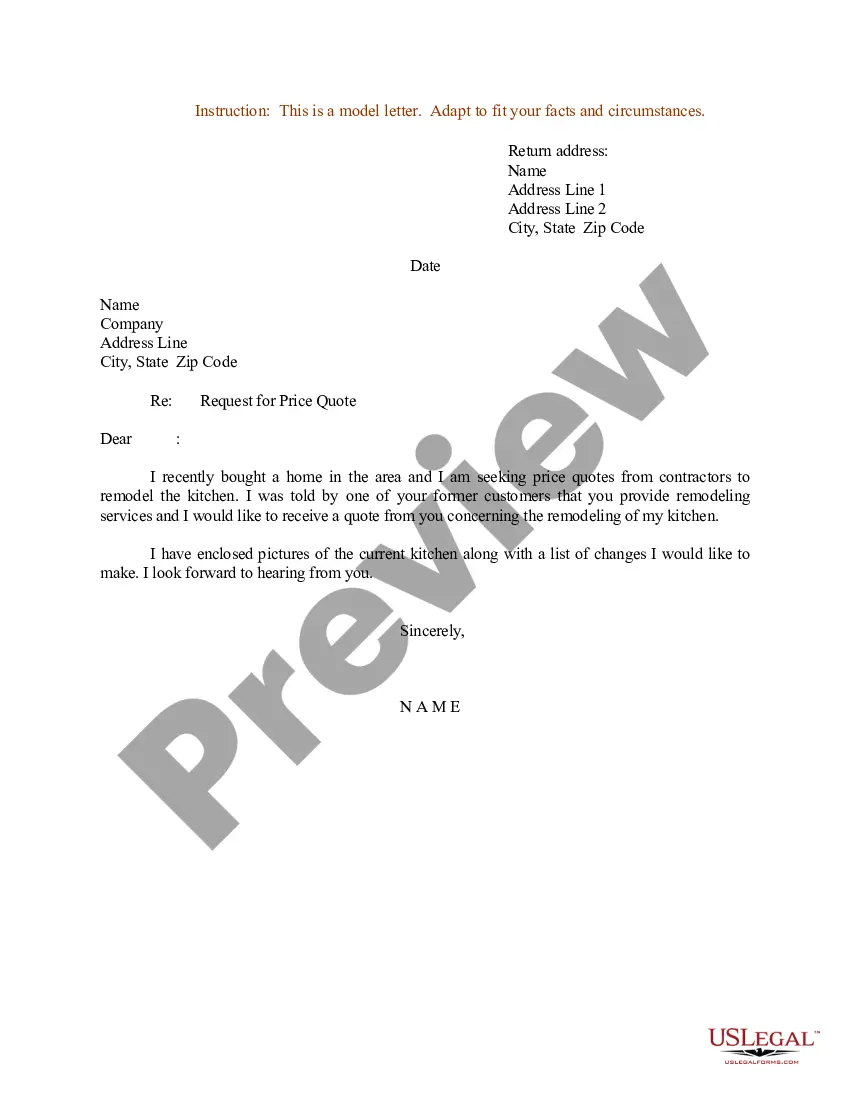
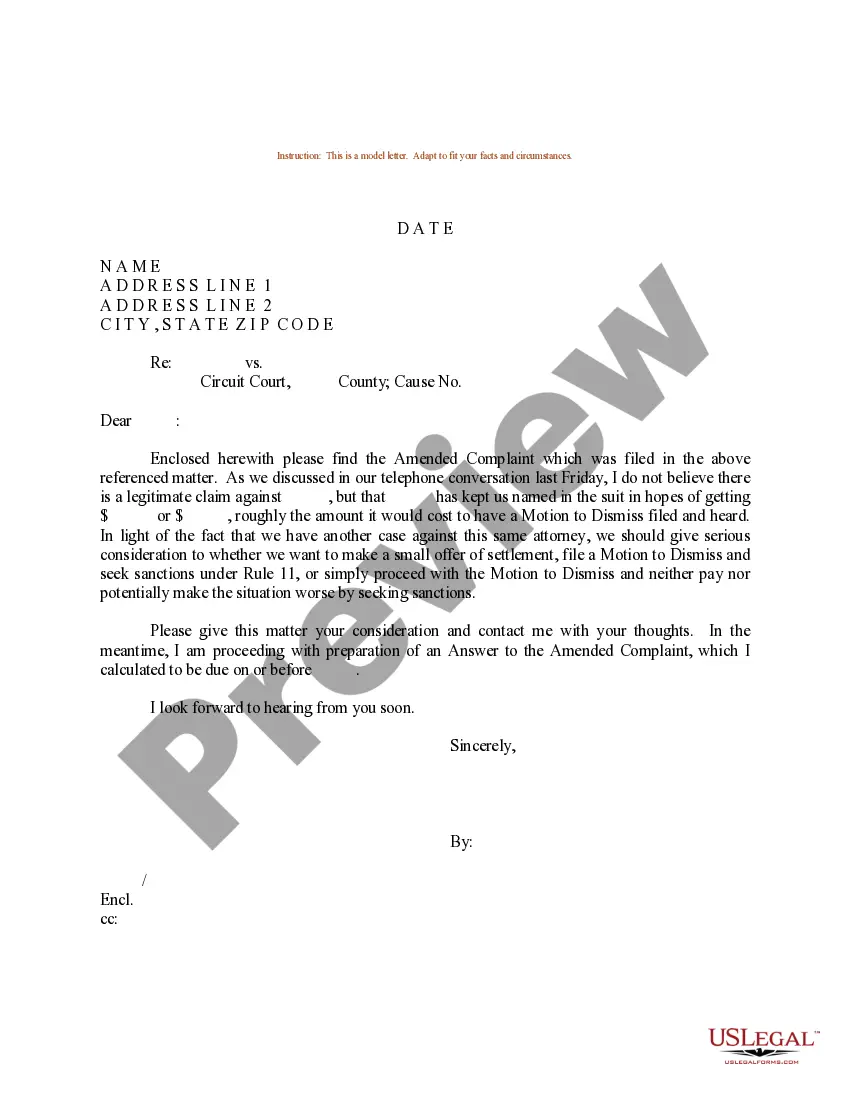
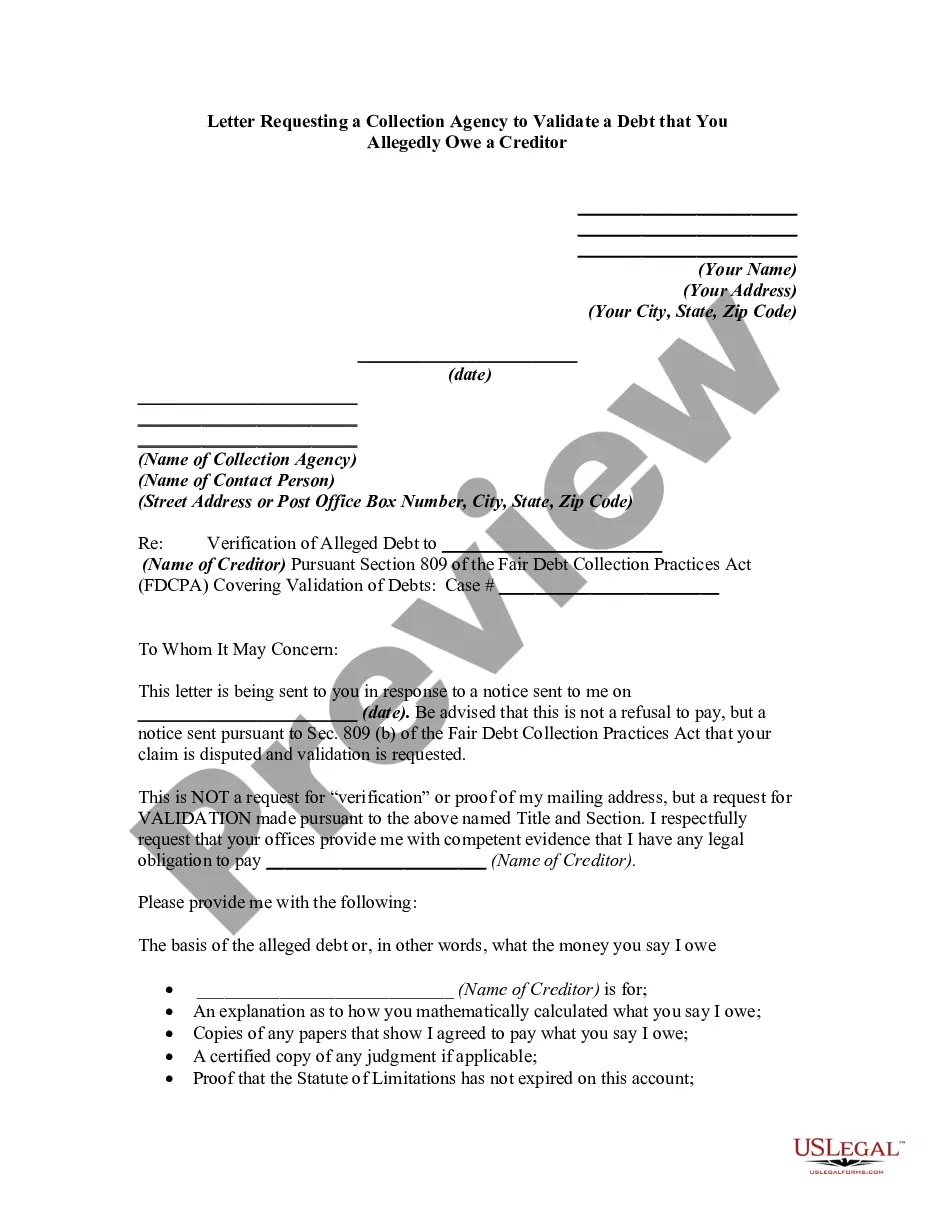
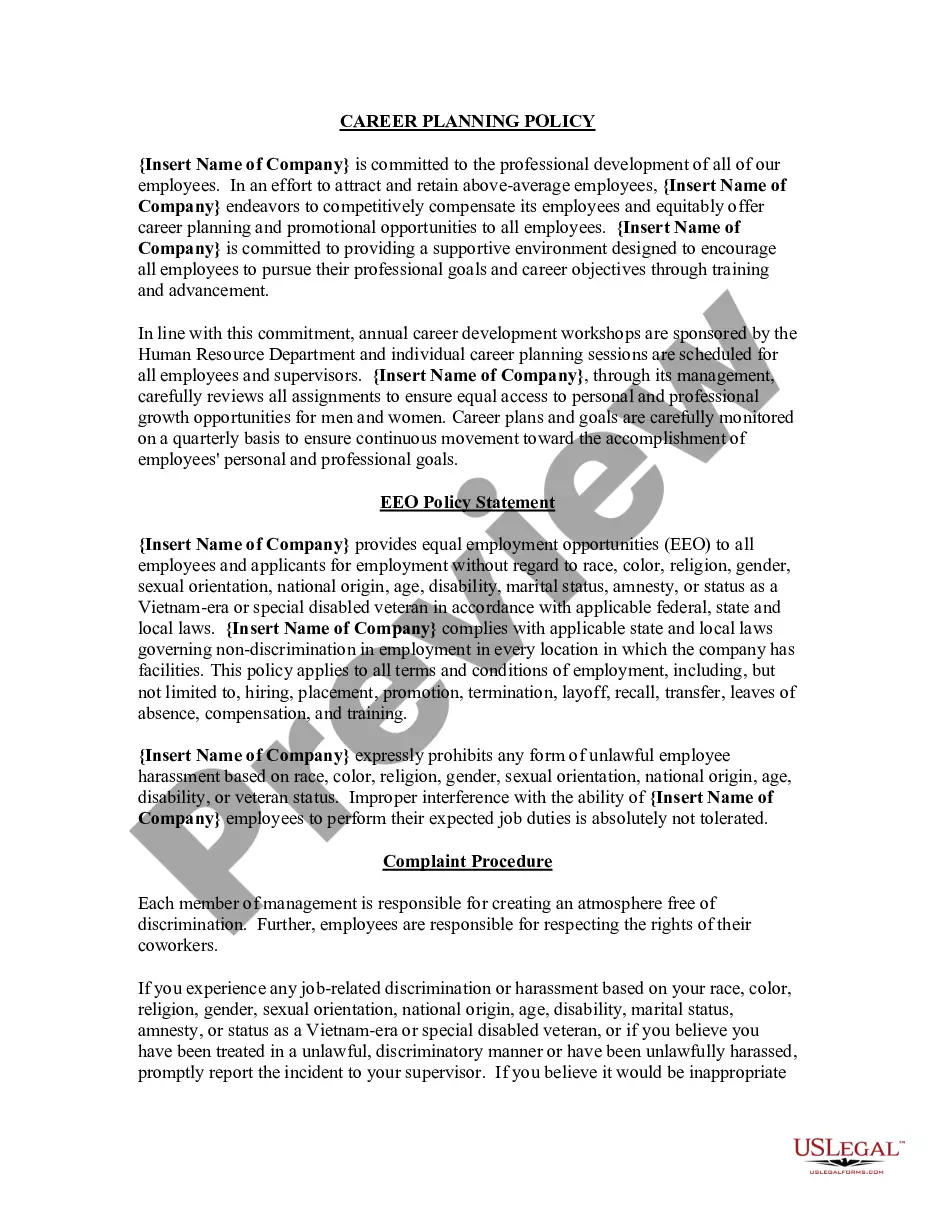

How to fill out Termination Letter (Substance Abuse)?
Are you located in a situation where you require documentation for potential business or personal use almost every day.
There are numerous legal document templates accessible online, but finding reliable ones can be challenging.
US Legal Forms offers thousands of document templates, such as the Utah Termination Letter (Substance Abuse), which are designed to meet federal and state requirements.
If you find the right form, click Get now.
Select the pricing plan you want, enter the required information to create your account, and process the payment via PayPal or credit card. Choose a suitable file format and download your copy. Access all the document templates you have purchased in the My documents menu. You can obtain an additional copy of the Utah Termination Letter (Substance Abuse) at any time if needed. Just click the required form to download or print the document template. Utilize US Legal Forms, which comprises one of the most extensive selections of legal forms, to save time and minimize errors. This service offers professionally crafted legal document templates that you can use for various purposes. Create an account on US Legal Forms and start simplifying your life.
- If you are already familiar with the US Legal Forms website and have an account, simply Log In.
- Then, you can download the Utah Termination Letter (Substance Abuse) template.
- If you do not have an account and want to start using US Legal Forms, follow these steps.
- Find the form you need and ensure it is for the correct region/state.
- Use the Preview button to view the form.
- Review the description to make sure you have selected the correct document.
- If the form is not what you are looking for, use the Search field to find the document that fits your needs.
Form popularity
FAQ
Substance use disorder treatment often involves a combination of medical and psychological interventions. Approaches such as counseling, medication, and support groups can be effective. Many facilities offer comprehensive programs tailored to individual needs, promoting recovery and long-term success. Understanding the legal implications with a Utah Termination Letter (Substance Abuse) can also be crucial in navigating the situation appropriately.
While substance abuse disorders are covered by the VA, they're not considered to be directly service-connected. However, they can be considered secondarily service-connected if the substance abuse disorder arose because of the service-connected condition.
Are Substance Use Disorders Considered Disabilities? In short, yes. Diagnosable drug and alcohol addictions, or substance use disorders (SUDs), are considered disabilities under Section 504 of the Rehabilitation Act, the Americans with Disabilities Act (ADA), and Section 1557 of the Affordable Care Act.
According to the National Institute on Drug Abuse (NIDA) drug addiction is classified as a mental illness because addiction changes the brain in fundamental ways, disturbing a person's normal hierarchy of needs and desires, and substituting new priorities connected with procuring and using drugs.
While it is unlawful for an employer to fire an employee solely because he is an alcoholic, a company may fire a person for unacceptable behavior, such as a safety lapse, violation of company rules or repeated absence, even if the behavior is caused by alcoholism.
Are Substance Use Disorders Considered Disabilities? In short, yes. Diagnosable drug and alcohol addictions, or substance use disorders (SUDs), are considered disabilities under Section 504 of the Rehabilitation Act, the Americans with Disabilities Act (ADA), and Section 1557 of the Affordable Care Act.
Addiction is considered to be a disability and, as such, an employee cannot be fired for being addicted to substances such as drugs or alcohol. In fact, employers are required to accommodate employees who suffer from addiction to the point of undue hardship.
' " Current illegal drug use is not protected, but recovering addicts are protected under the ADA.
Under the ADA, individuals who abuse alcohol may be considered disabled if the person is an alcoholic or a recovering alcoholic. Indeed, alcoholism can result in the fairly obvious impairment of major life activities such as walking, standing, and thinking.
2) Does an individual in treatment or recovery from opioid use disorder have a disability under the ADA? Typically, yes, unless the individual is currently engaged in illegal drug use.