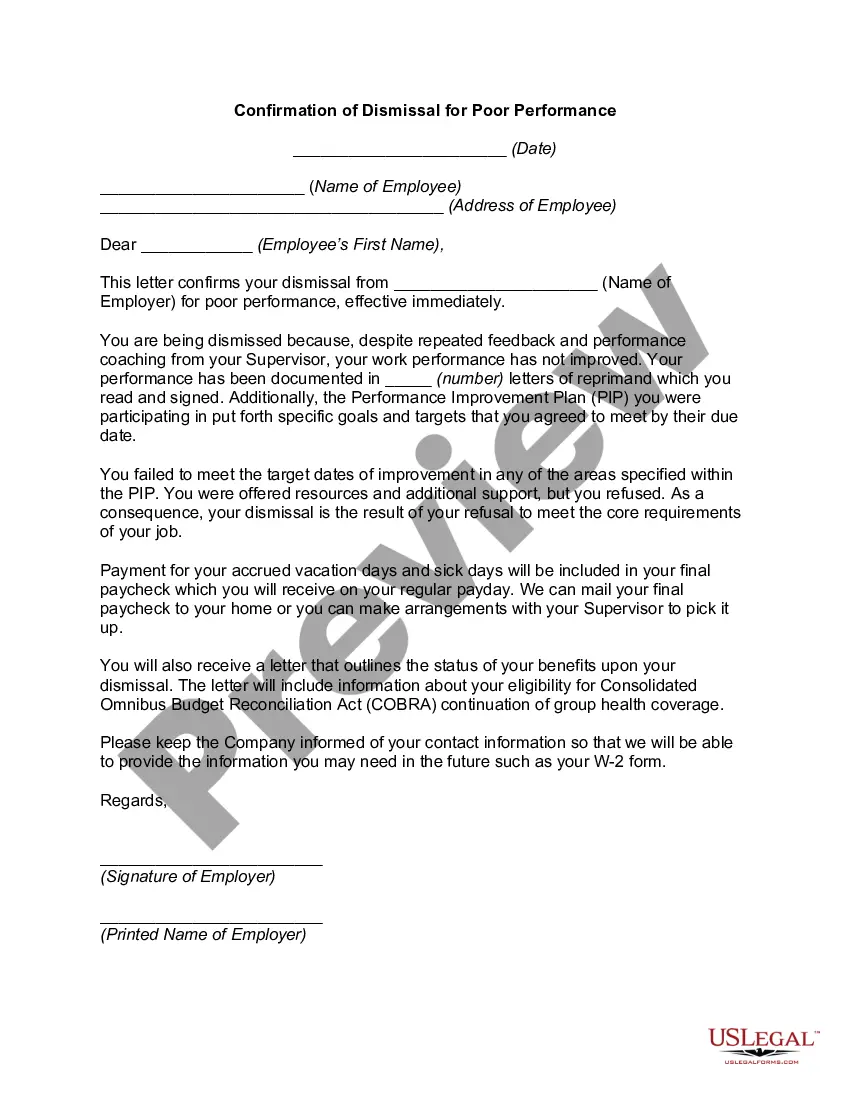
Utah Lease of Dwelling Unit of Cooperative Housing Corporation by Stockholder of Lessor
Description
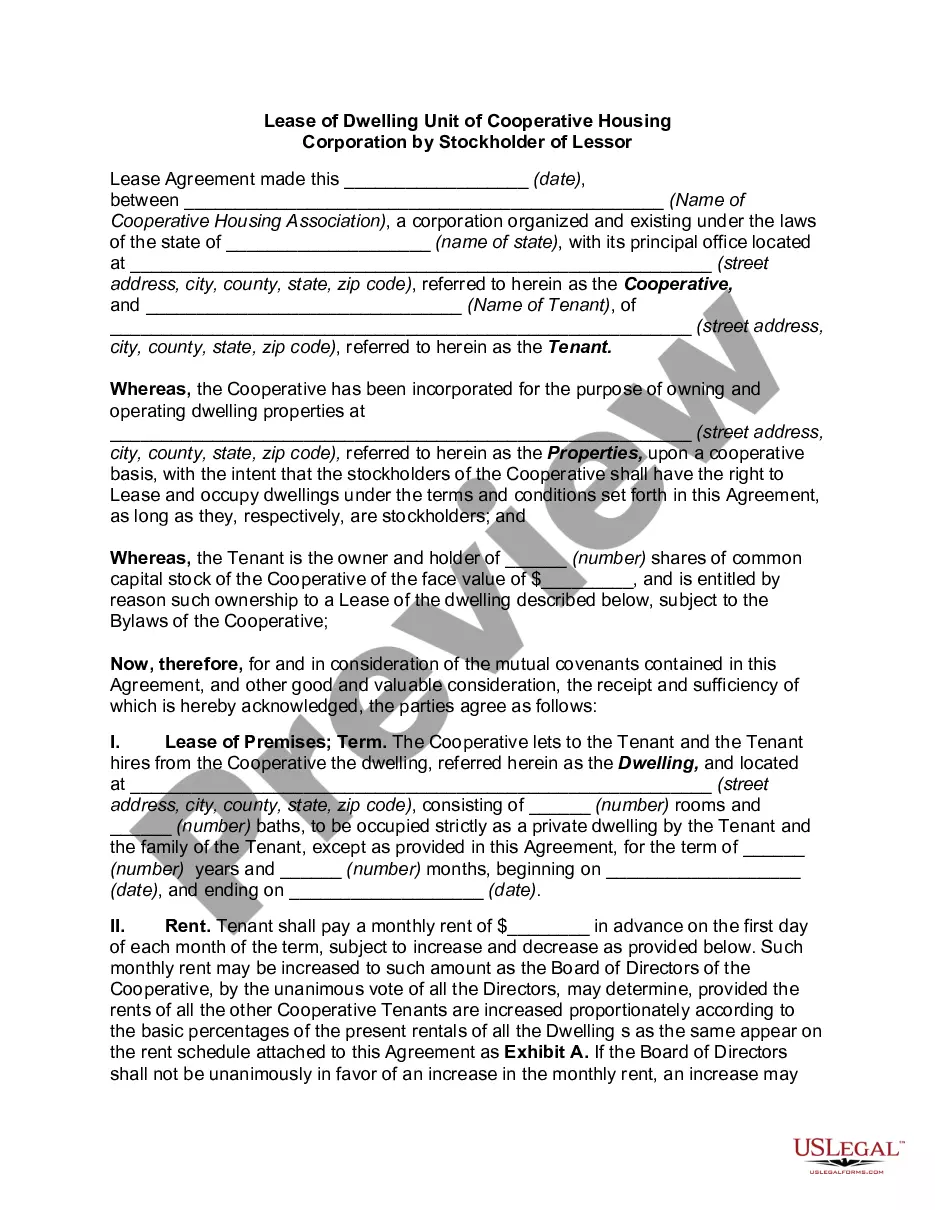
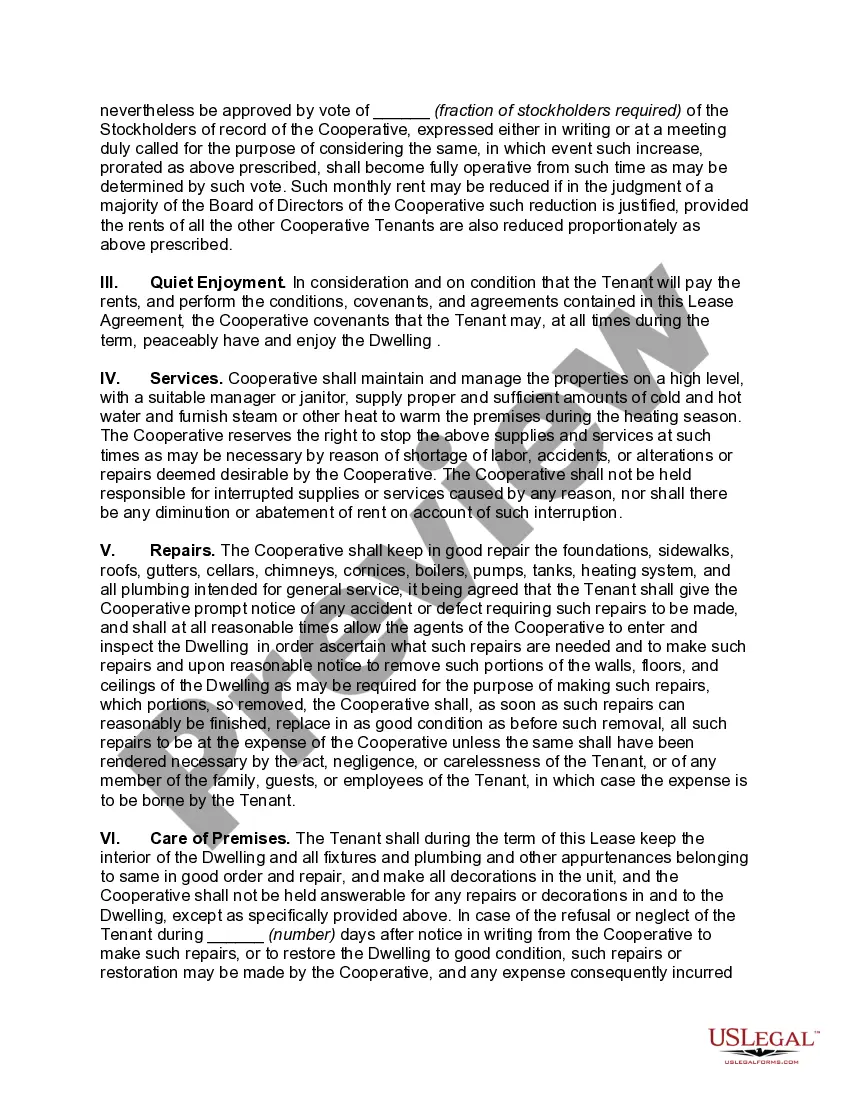
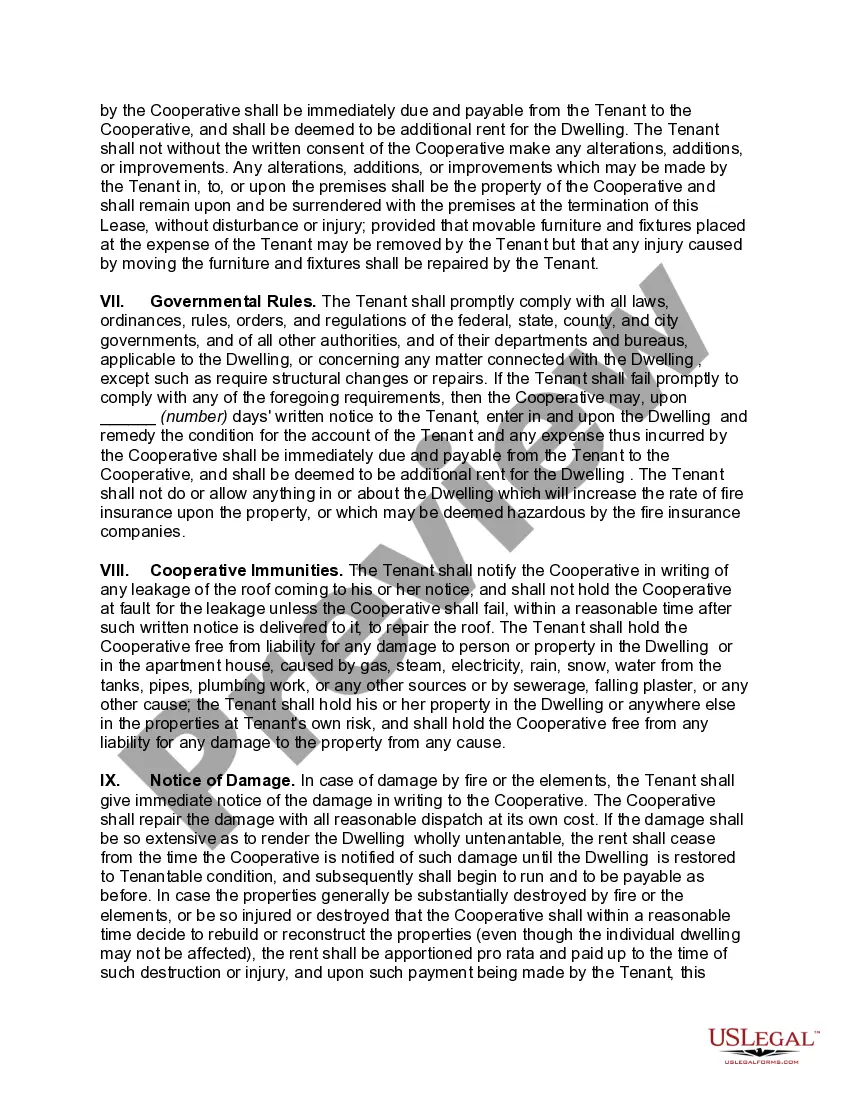

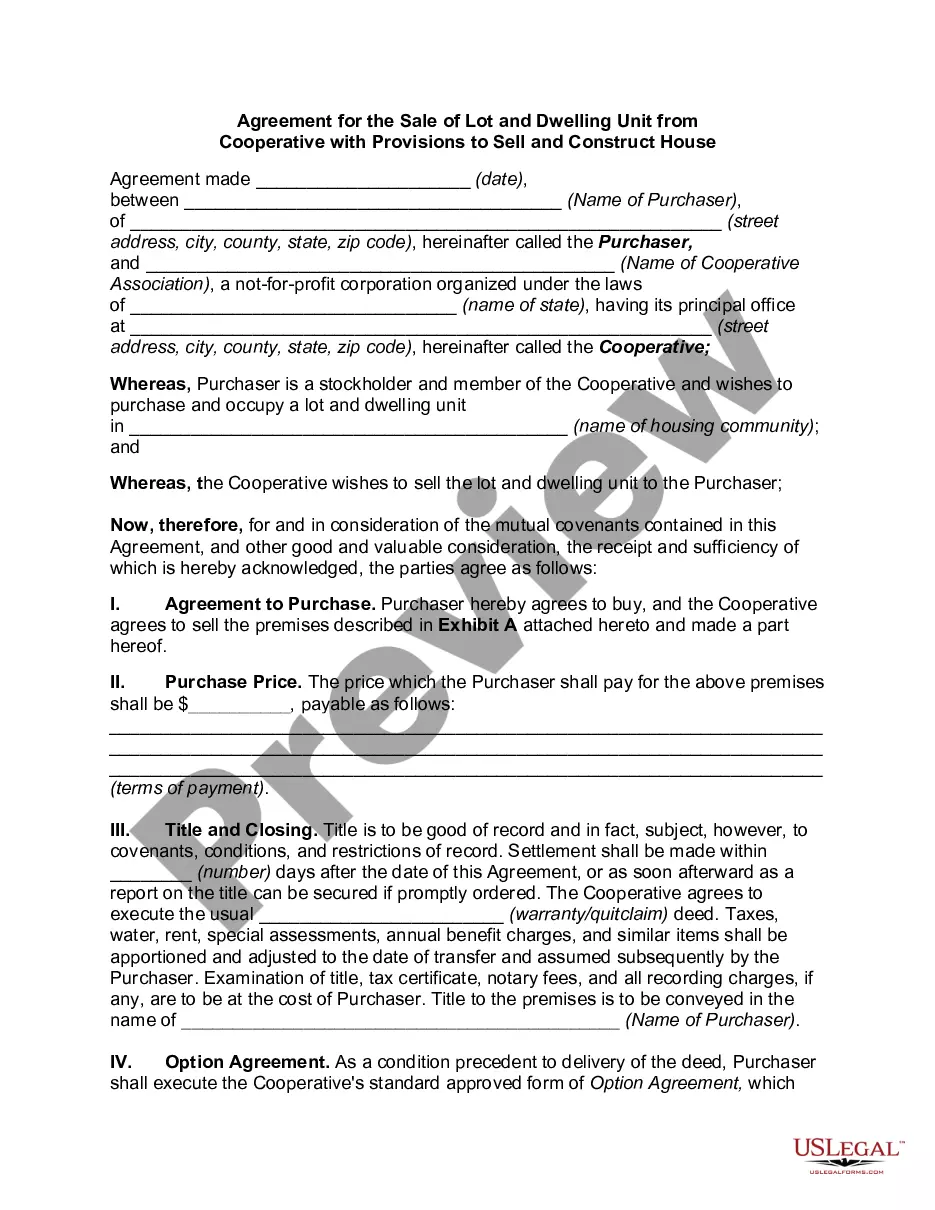
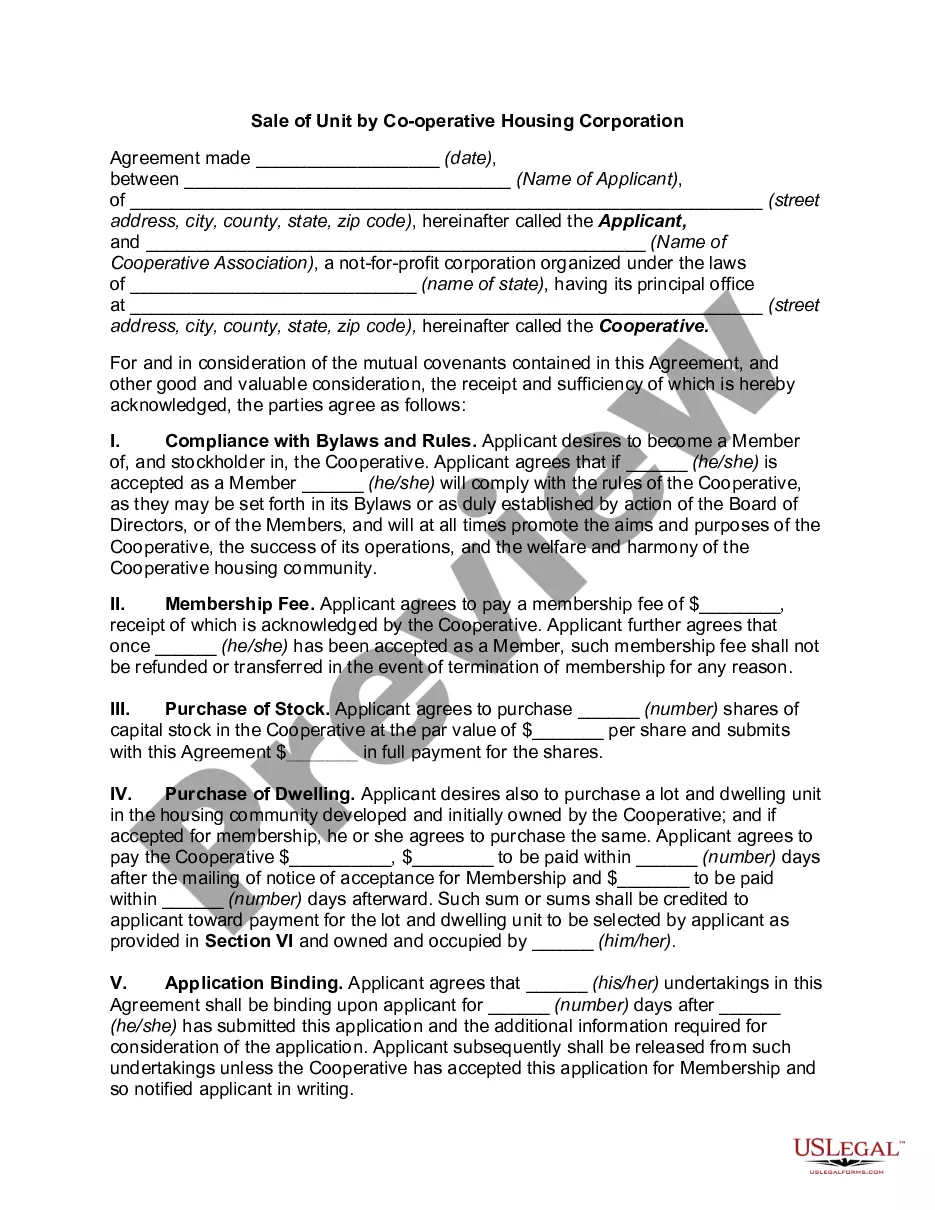
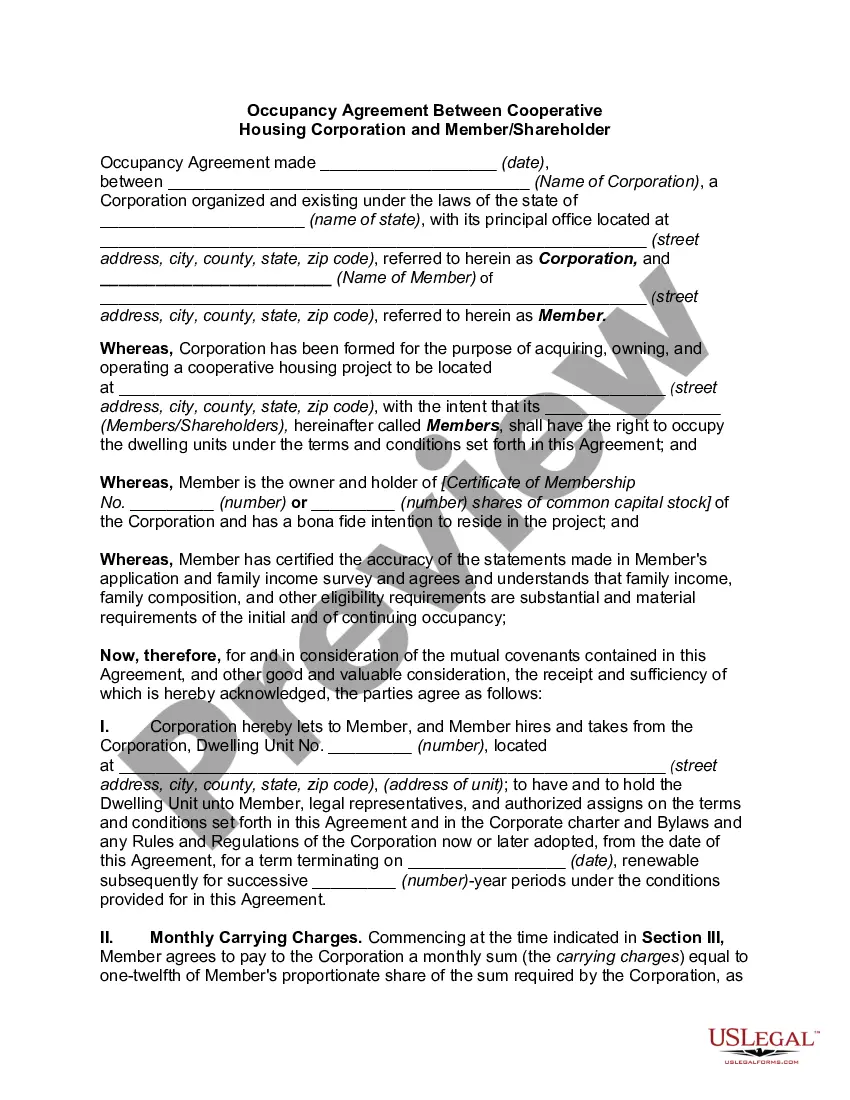
How to fill out Lease Of Dwelling Unit Of Cooperative Housing Corporation By Stockholder Of Lessor?
US Legal Forms - one of the largest collections of legal documents in the USA - offers a broad variety of legal document templates that you can download or print. By using the website, you can discover thousands of forms for business and personal purposes, organized by categories, states, or keywords. You can quickly locate the latest types of documents such as the Utah Lease of Dwelling Unit of Cooperative Housing Corporation by Stockholder of Lessor.
If you already have a monthly subscription, Log In and download the Utah Lease of Dwelling Unit of Cooperative Housing Corporation by Stockholder of Lessor from the US Legal Forms library. The Download button will be visible on each form you view. You can access all previously downloaded forms from the My documents tab in your profile.
If you are looking to use US Legal Forms for the first time, here are some simple steps to get started: Ensure that you have selected the correct form for your city/region. Click the Review button to look over the form’s details. Check the form details to confirm you have chosen the right document. If the form doesn’t meet your needs, utilize the Search area at the top of the screen to find one that does.
- If you are satisfied with the form, confirm your selection by clicking the Purchase now button.
- Then, choose the payment plan you prefer and provide your details to register for an account.
- Proceed with the payment. Use your Visa or Mastercard or PayPal account to finalize the transaction.
- Download the format and retrieve the form to your device.
- Make modifications. Fill out, edit, print, and sign the downloaded Utah Lease of Dwelling Unit of Cooperative Housing Corporation by Stockholder of Lessor.
- Each template you have added to your account has no expiration date and is yours indefinitely. So, if you need to download or print another copy, simply go to the My documents section and click on the form you require.
Form popularity
FAQ
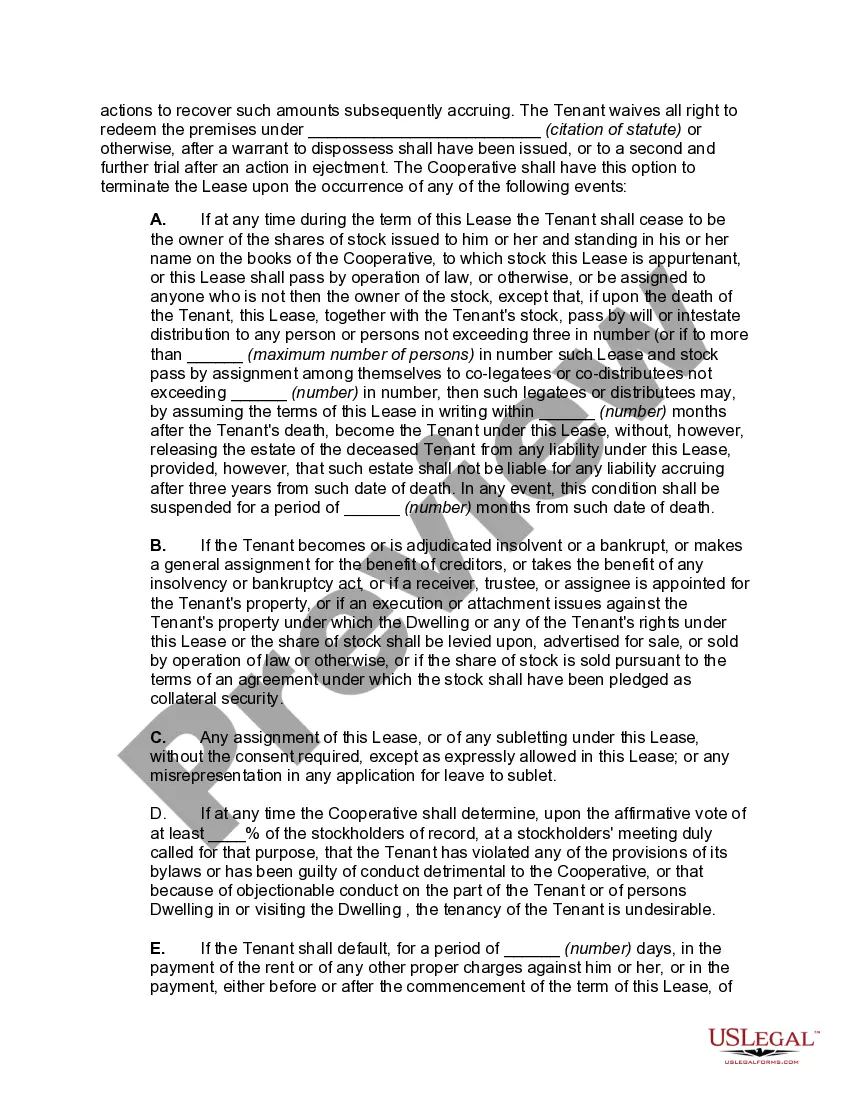
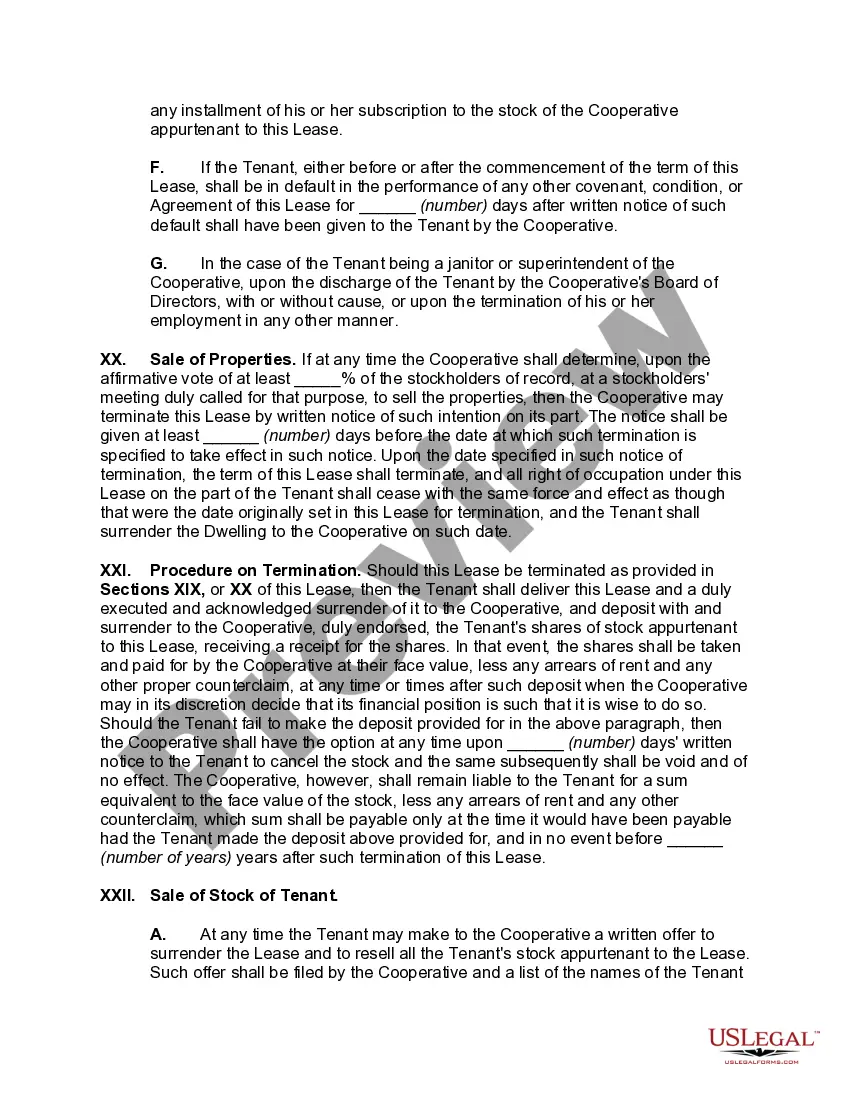
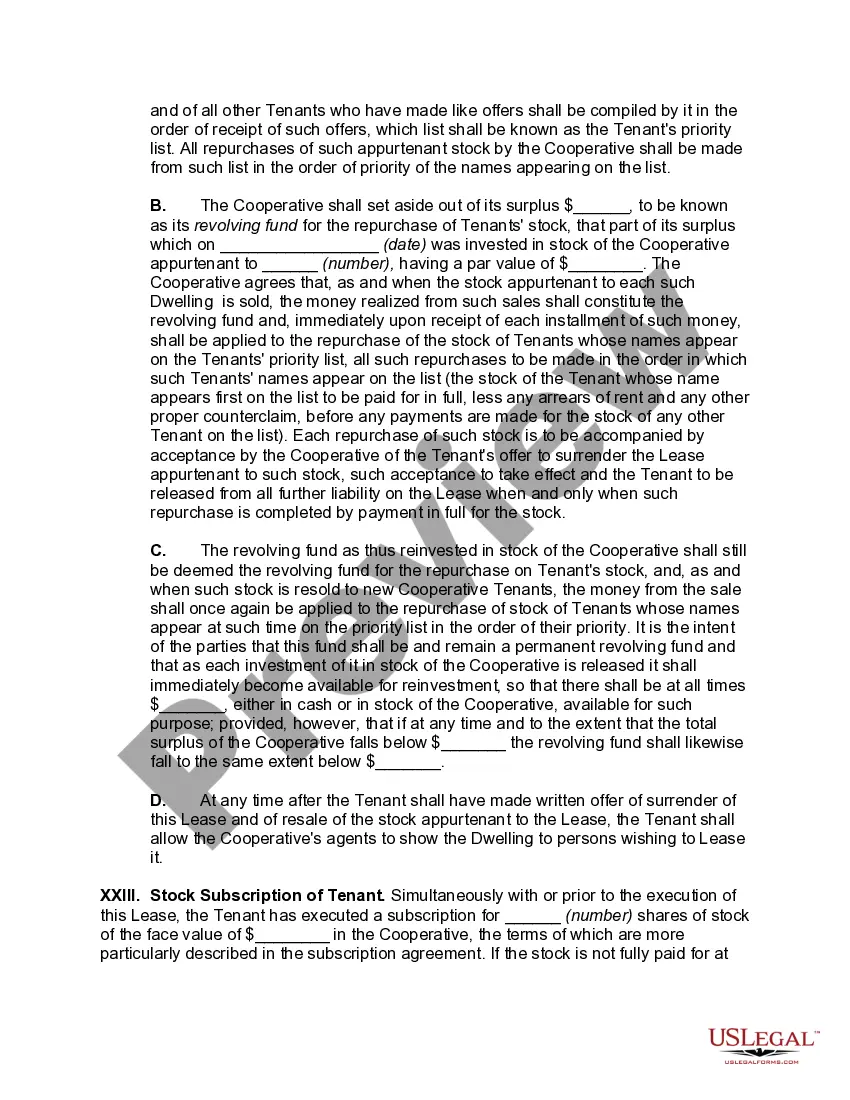
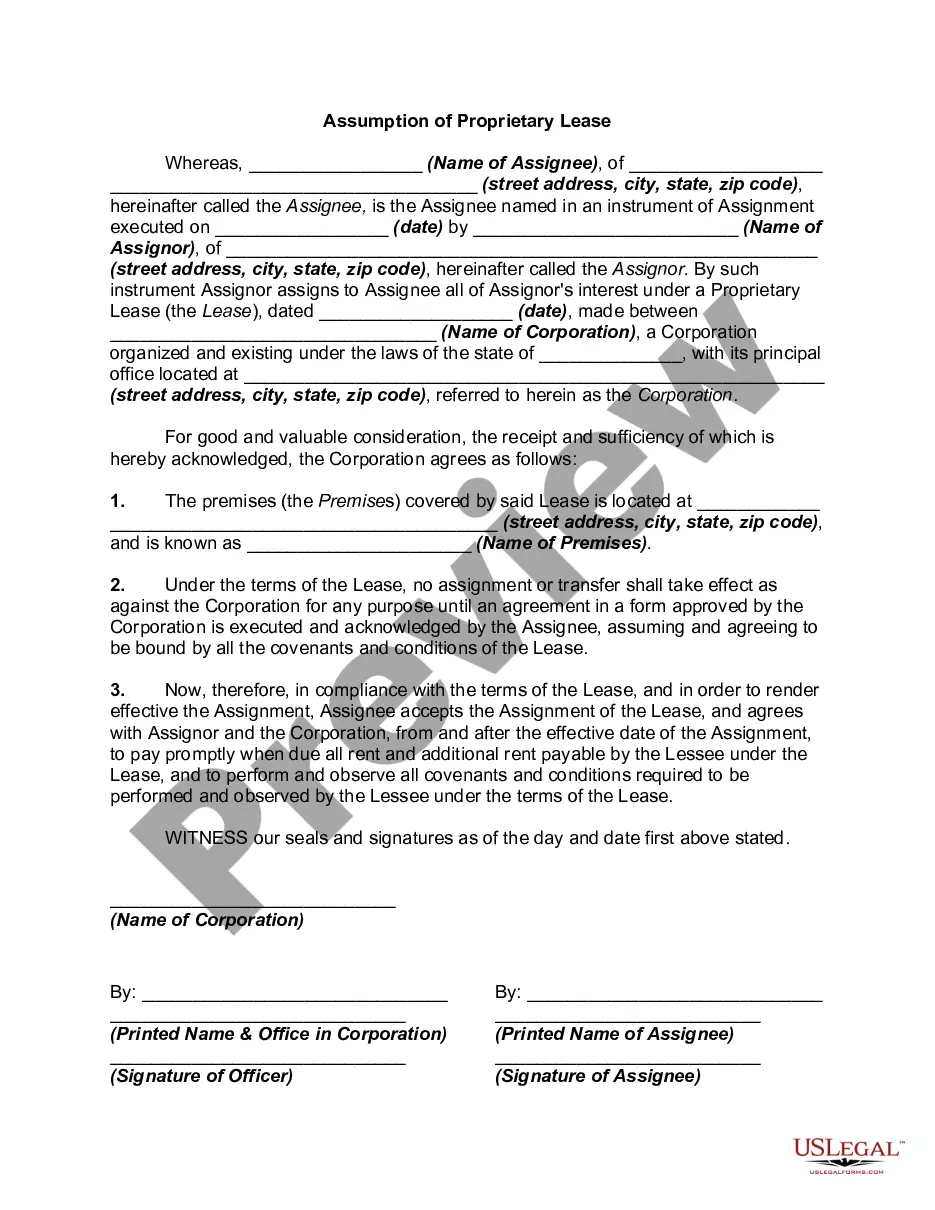
Typically, a cooperative stockholder enters into a proprietary lease. This lease structure allows the stockholder to occupy a unit within the cooperative housing corporation. While it has similarities to other lease types, it mainly grants occupancy rights rather than a traditional leasehold interest. Understanding the nuances of your Utah Lease of Dwelling Unit of Cooperative Housing Corporation by Stockholder of Lessor is crucial for maintaining your rights.
A proprietary lease is an agreement that grants shareholders in a co-op the right to live in a particular apartment space. Also known as occupancy agreements, proprietary leases stake out the rights and responsibilities of shareholders and the cooperative corporation's board of directors.
A proprietary lease is an agreement that grants shareholders in a co-op the right to live in a particular apartment space. Also known as occupancy agreements, proprietary leases stake out the rights and responsibilities of shareholders and the cooperative corporation's board of directors.
A proprietary lease, also referred to as an occupancy agreement, gives a shareholder in a housing cooperative the right to occupy a particular dwelling unit. Homebuyers who join a co-op are purchasing shares in a corporation rather than acquiring real estate.
Proprietary Lease. A lease given by a corporation to another. It is often used in a co-op context, where the owner is given a certain number of shares in the co-op, along with a proprietary lease for one of the residences in the building. Maintenance.
Each co-op owner either holds shares in the association just like owning shares in any other corporation or, if there are no shares, has what is known as a proprietary lease. That lease spells out the rights and responsibilities of the owner, as well as the obligations and duties of the association.
Ownership "Shares" in a Co-op The number of shares owned can be based on the size of the unit. As shareholders in the property, tenants get voting rights on issues affecting the property, including fees, common spaces, improvements, and when new prospective buyers are approved to live in the building.
The main advantage of purchasing a co-op is that they are often cheaper to buy than a condo. Co-ops are typically more financially stable. The instance of foreclosure is rare. Co-ops are typically going to be a higher owner occupancy rate.
In a worker co-op, the people who work there own the business equally. That means everyone has an equal say in how the business is run (one member, one vote), and everyone shares equitably in the profit.
Why is a co-op lease called a proprietary lease? There are extensive management requirements. The lease has a fixed rent.