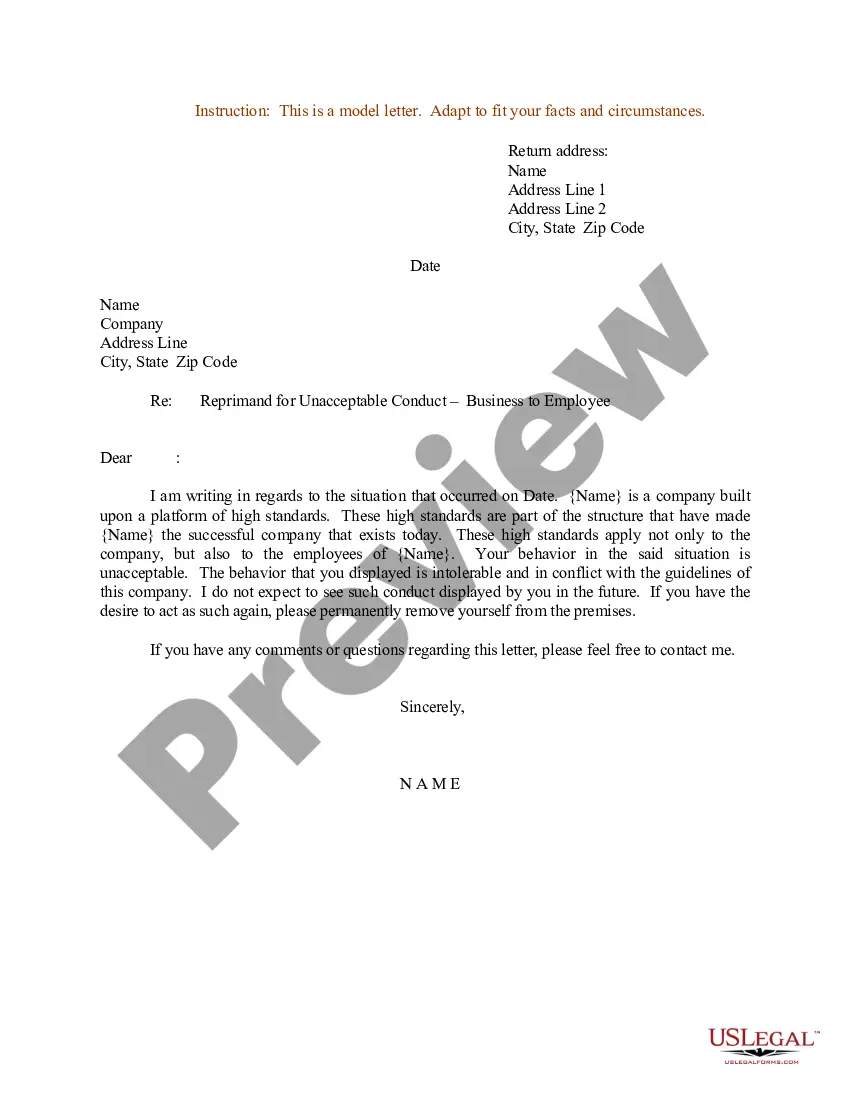
Utah Judicial Sale Deed
Overview of this form
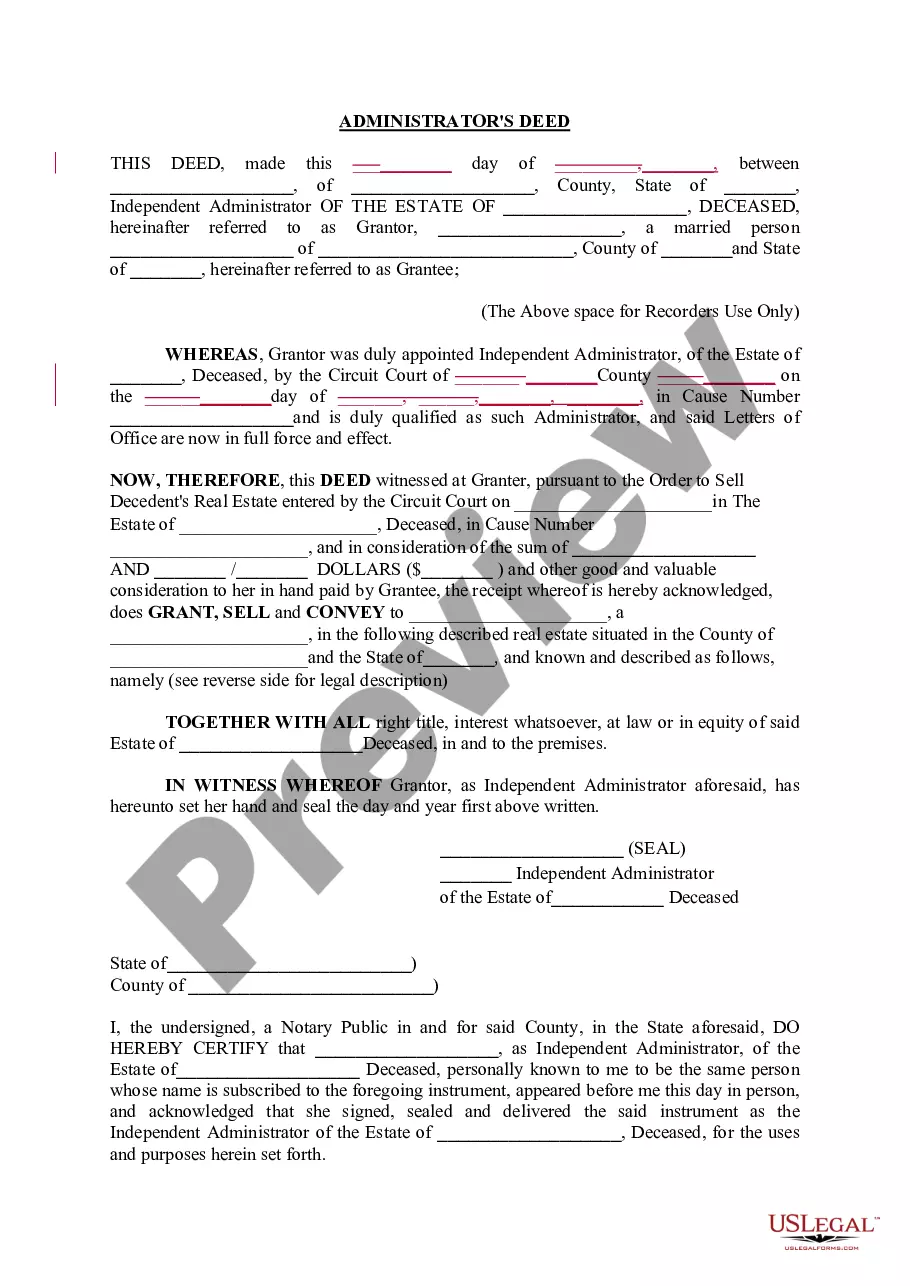
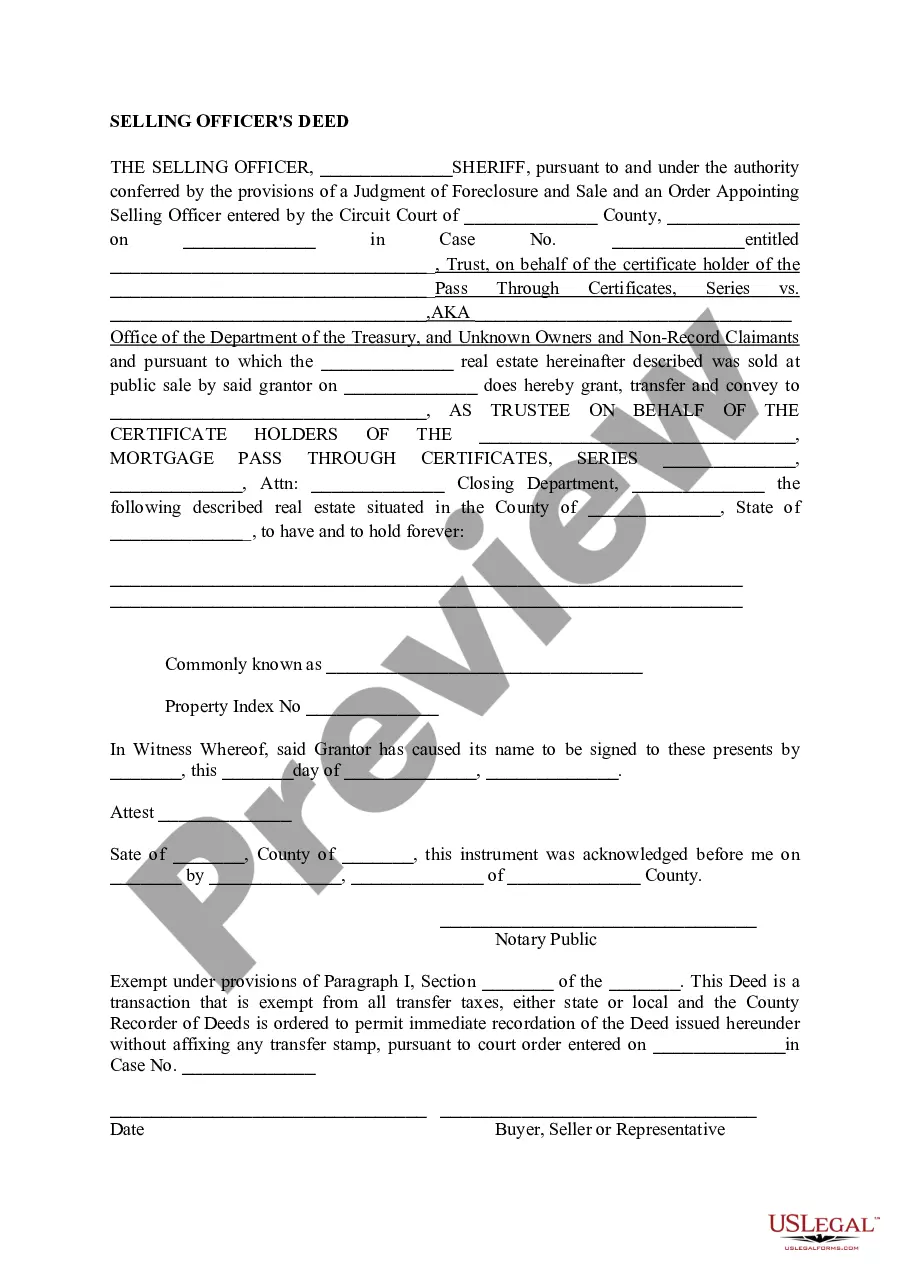
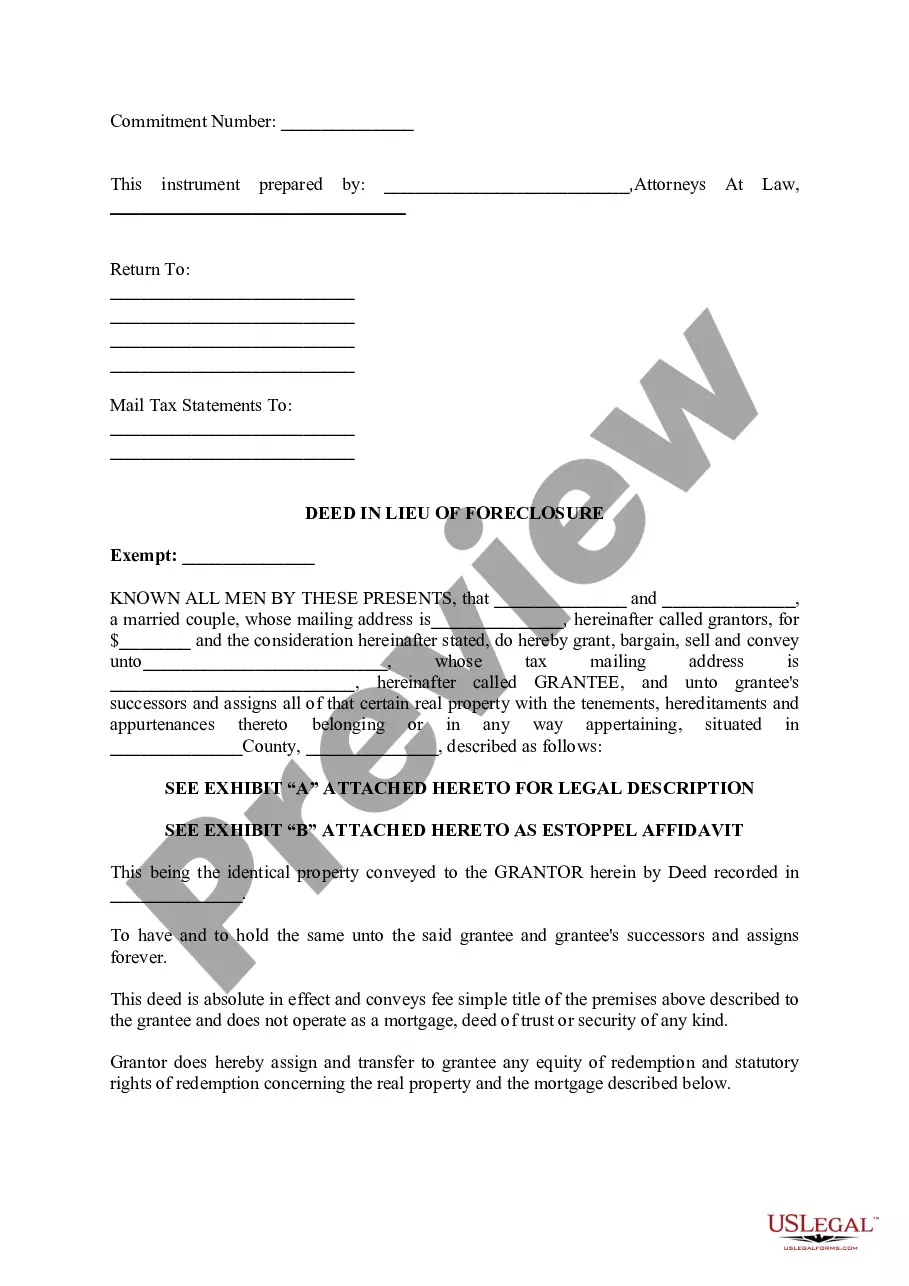
A judicial sale deed is a legal document used to transfer ownership of real estate that has been sold as part of a judicial foreclosure process. It is created after a court order allows for the sale of a property due to the owner's default on a mortgage or other secured obligation. This deed formalizes the transfer of the property from the sheriff or other authorized officer to the buyer, distinguishing it from other types of property deeds by its connection to judicial proceedings.
Form components explained
- Grantor: The party granting the property, typically the county sheriff in charge of the sale.
- Foreclosure judgment details: Includes the title of the document and the Circuit Court information for reference.
- Description of the property: Specific details regarding the real estate being sold, including its location and tax parcel number.
- Signature lines: To be signed by the grantor and witnessed, including a notary public section for acknowledgment.
- Exemption details: Any tax exemptions applicable to the transaction.

When this form is needed
This form is used when a property has been foreclosed and is being sold through a court-ordered process. It is applicable in cases where the owner has defaulted on a mortgage or other financial obligations, leading to a judicial sale of the property to satisfy the debt owed. This deed serves as proof of transfer of ownership to the successful bidder at the auction.
Who should use this form
- County sheriffs or designated officials responsible for executing judicial sales.
- Buyers or bidders who have successfully purchased property at a judicial foreclosure auction.
- Legal representatives acting on behalf of buyers or sellers during foreclosure proceedings.
How to prepare this document
- Identify the grantor as the county sheriff and enter the appropriate details from the foreclosure judgment.
- Provide a detailed description of the property being sold, including all relevant identifiers.
- Enter the date of the sale and the name of the purchaser receiving the property.
- Include signatures: the sheriff's signature and any witnesses, along with the notary acknowledgment.
- Specify any tax exemptions related to this transaction, if applicable.
Is notarization required?
Yes, this form must be notarized to be legally valid. Notarization ensures the authenticity of the signatures and the legitimacy of the document. US Legal Forms offers integrated online notarization services, available 24/7 via secure video call, ensuring a legally equivalent process without the need for in-person visits.
Get your form ready online
Our built-in tools help you complete, sign, share, and store your documents in one place.
Make edits, fill in missing information, and update formatting in US Legal Forms—just like you would in MS Word.
Download a copy, print it, send it by email, or mail it via USPS—whatever works best for your next step.
Sign and collect signatures with our SignNow integration. Send to multiple recipients, set reminders, and more. Go Premium to unlock E-Sign.
If this form requires notarization, complete it online through a secure video call—no need to meet a notary in person or wait for an appointment.
We protect your documents and personal data by following strict security and privacy standards.

Make edits, fill in missing information, and update formatting in US Legal Forms—just like you would in MS Word.

Download a copy, print it, send it by email, or mail it via USPS—whatever works best for your next step.

Sign and collect signatures with our SignNow integration. Send to multiple recipients, set reminders, and more. Go Premium to unlock E-Sign.

If this form requires notarization, complete it online through a secure video call—no need to meet a notary in person or wait for an appointment.

We protect your documents and personal data by following strict security and privacy standards.
Common mistakes to avoid
- Failing to include the complete legal description of the property.
- Not having the document notarized, when required by state laws.
- Omitting essential details such as auction dates or parties involved in the transaction.
- Using incorrect names for the grantor or grantee which can lead to legal disputes.
Advantages of online completion
- Immediate access to a legally compliant judicial sale deed template.
- The convenience of completing and downloading the form from any location.
- Ability to edit the document online before finalizing the details.
- Access to customer support for questions related to the form's usage.
Looking for another form?
Form popularity
FAQ
Utah State Overview: All of the counties in Utah have their tax deed sales on the same day at the same time.The county will sell a property after it has been delinquent for five years. The property owner has up until the auction starts to pay off his or her back taxes, penalties, and fees.
Legally, however, you are not required to vacate your property upon receiving a notice to sell. Depending on the timing of the required notices and previous negotiations with your lender, it can take approximately 120 days to complete a nonjudicial foreclosure.
Tax deed sales must eliminate any community association liens and debts acquired prior to the tax deed. Tax deed sales must reduce any code enforcement liens to hard costs if the tax deed investor timely addresses such liens and underlying issues after purchasing the tax deed.
Pay what you owe. Some states like California allow you to satisfy your mortgage default within up to five days of the scheduled public auction.Stop the foreclosure sale on the same day by contacting your lender to arrange payment of all monies due.
Foreclosure Eliminates Liens, Not Debt Following a first-mortgage foreclosure, all junior liens (including a second mortgage and any junior judgment liens) are extinguished and the liens are removed from the property title.
Judicial foreclosure in Utah is an option which generally follows the same procedure as a non-judicial foreclosure, with the distinction that the process is pursued through the courts. The property is then sold as part of a publicly noticed sale.
Gather your loan documents and set up a case file. Learn about your legal rights. Organize your financial information. Review your budget. Know your options. Call your servicer. Contact a HUD-approved housing counselor.
Don't ignore the problem. Contact your lender as soon as you realize that you have a problem. Open and respond to all mail from your lender. Know your mortgage rights. Understand foreclosure prevention options. Contact a housing counselor. Prioritize your spending. Use your assets.
You can stop the foreclosure process by informing your lender that you will pay off the default amount and extra fees. Your lender would prefer to have the money much more than they would have your home, so unless there are extenuating circumstances, this should work.