Utah Certificate of Service (Lis Pendens)
About this form
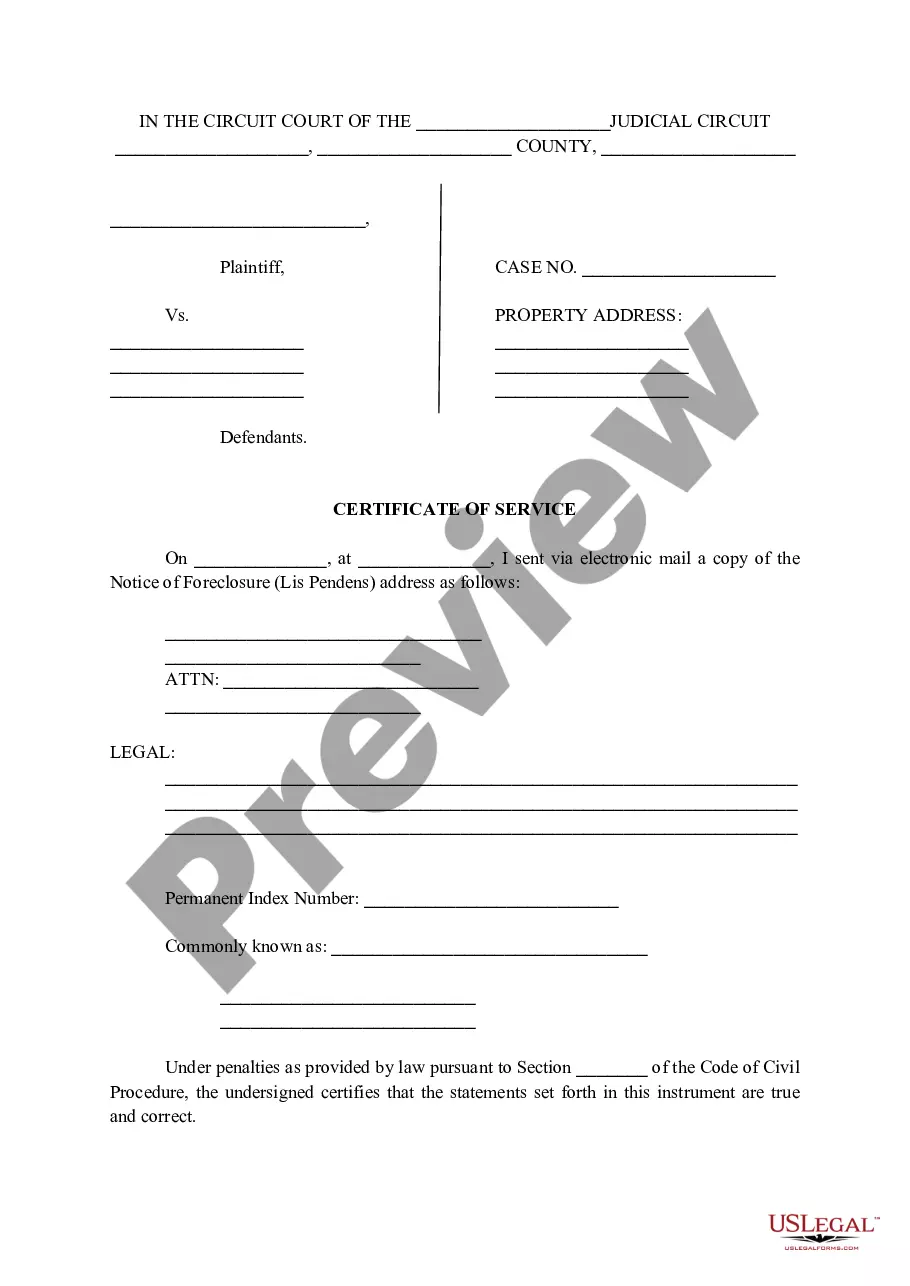
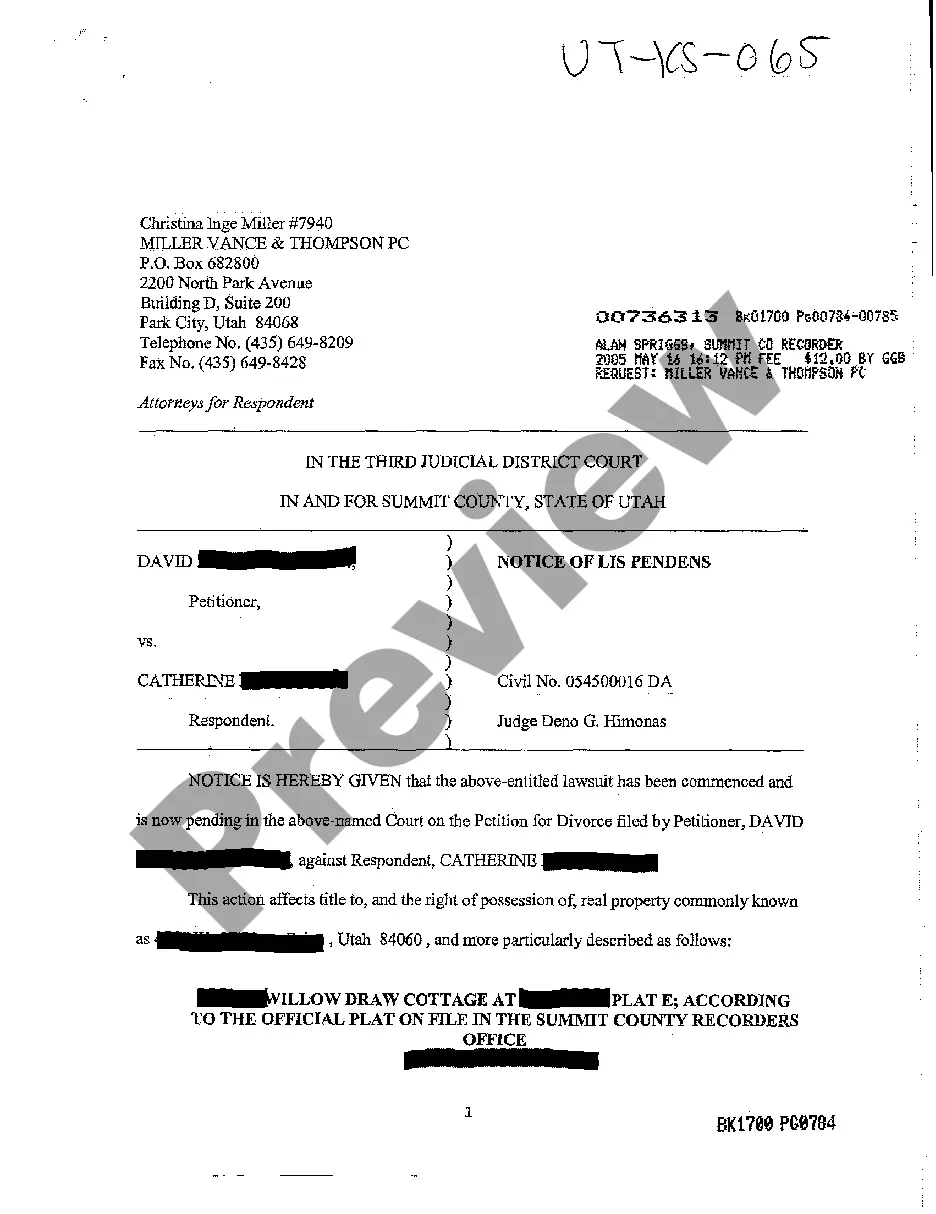
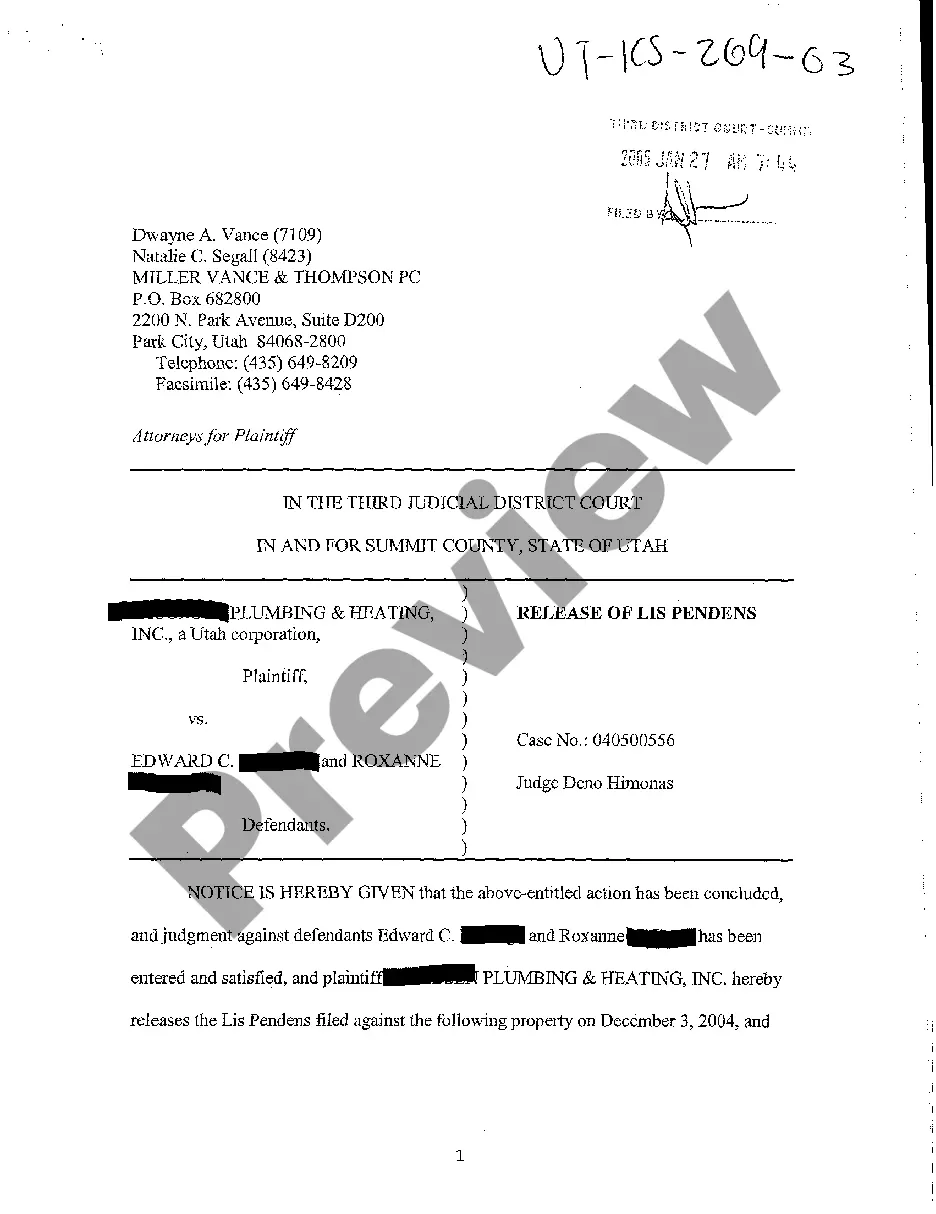
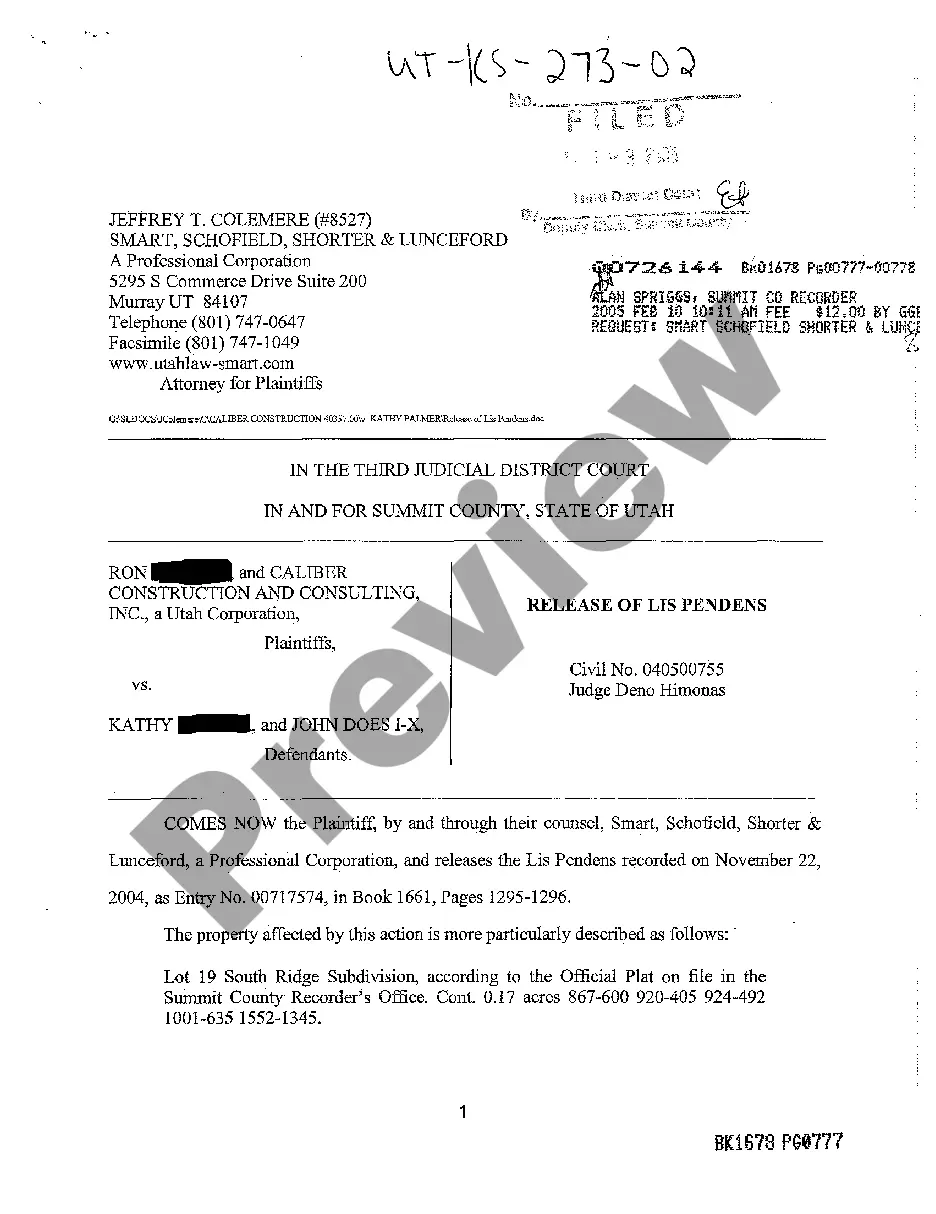
The Certificate of Service (Lis Pendens) is a legal document used to provide written notice of a pending lawsuit concerning real property. This form specifically indicates that a property is in dispute due to a pending foreclosure, distinguishing it from other legal notices. It is essential for informing interested parties that litigation may affect their property rights and ensures compliance with legal procedures regarding service notifications.
What’s included in this form
- Case information: Includes names of the plaintiff and defendants, case number, and property address.
- Certificate of Service section: Details the date and method of service (e.g., electronic mail), including recipient information.
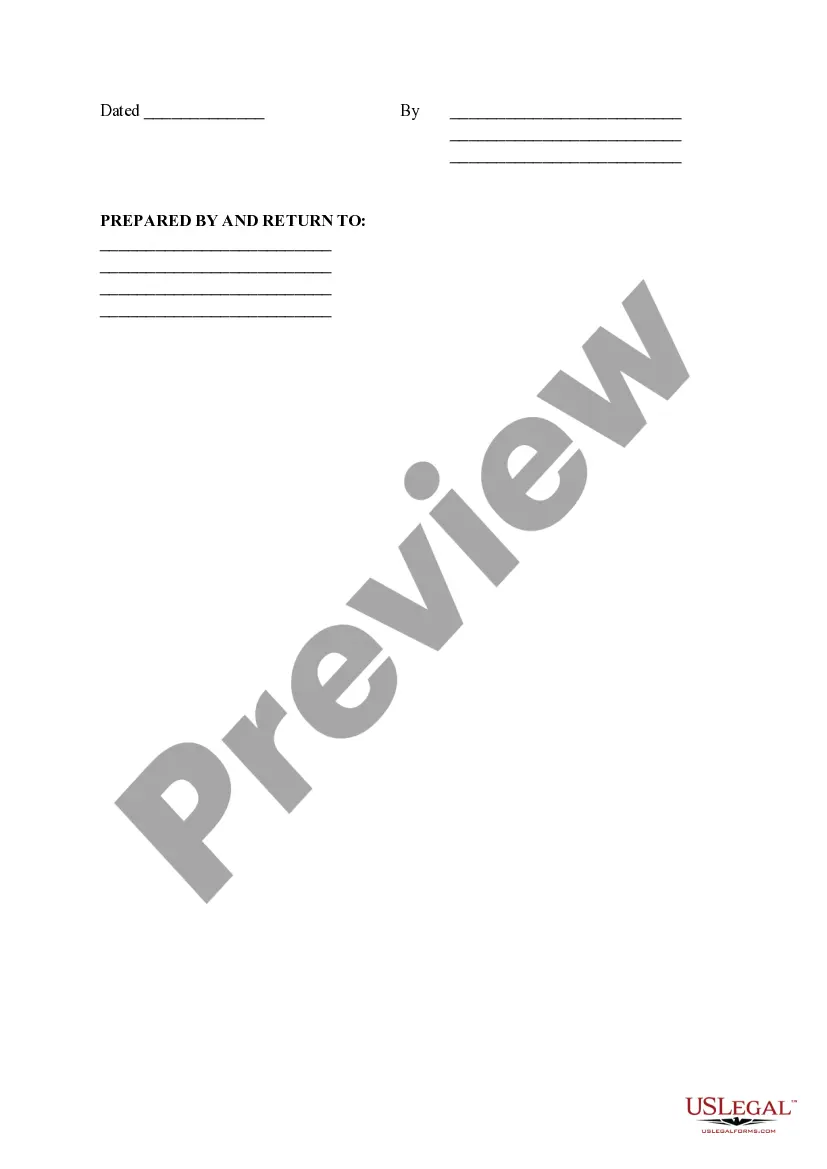
- Statements of truth: Includes a certification section where the undersigned affirms the accuracy of the information provided.
- Prepared by and return to information: Specifies the attorney or individual who completed the form and the return address.
- Permanent Index Number: A unique identifier for the property in question, aiding in legal tracking.
Situations where this form applies
This form should be used when there is an ongoing foreclosure lawsuit involving specific real property. It is crucial for parties affected by the foreclosure to be informed formally of the pending action, allowing them to take necessary steps to protect their rights and interests in the property. Use this form to ensure that all parties are duly notified of the litigation status.
Who can use this document
- Property owners who are facing foreclosure and need to notify interested parties.
- Attorneys representing plaintiffs in foreclosure cases.
- Real estate professionals involved in transactions related to the property in dispute.
- Court officials or clerks who require formal notification of the pending lawsuit.
Instructions for completing this form
- Identify the parties: Fill in the names of the plaintiff and defendants involved in the case.
- Specify the property: Enter the complete address and Permanent Index Number of the property in question.
- Document the date and method of service: Indicate when and how the notice was served (e.g., by electronic mail).
- Provide recipient details: Include the names and addresses of those receiving the notice.
- Sign and date the form: The undersigned must certify the form's accuracy by providing their signature and the date of completion.
Notarization requirements for this form
This form does not typically require notarization unless specified by local law. However, to ensure legal validity and to avoid any potential issues, check the specific requirements of your jurisdiction.
Get your form ready online
Our built-in tools help you complete, sign, share, and store your documents in one place.
Make edits, fill in missing information, and update formatting in US Legal Forms—just like you would in MS Word.
Download a copy, print it, send it by email, or mail it via USPS—whatever works best for your next step.
Sign and collect signatures with our SignNow integration. Send to multiple recipients, set reminders, and more. Go Premium to unlock E-Sign.
If this form requires notarization, complete it online through a secure video call—no need to meet a notary in person or wait for an appointment.
We protect your documents and personal data by following strict security and privacy standards.

Make edits, fill in missing information, and update formatting in US Legal Forms—just like you would in MS Word.

Download a copy, print it, send it by email, or mail it via USPS—whatever works best for your next step.

Sign and collect signatures with our SignNow integration. Send to multiple recipients, set reminders, and more. Go Premium to unlock E-Sign.

If this form requires notarization, complete it online through a secure video call—no need to meet a notary in person or wait for an appointment.

We protect your documents and personal data by following strict security and privacy standards.
Common mistakes to avoid
- Failing to include accurate information about the case or property.
- Not providing complete recipient details, which may invalidate the service.
- Neglecting to sign and date the document, leading to potential legal disputes.
- Using outdated or incorrect versions of the form.
Why use this form online
- Convenience: Downloadable and accessible anytime, allowing for immediate use.
- Editability: Easily modify the form to fit your specific case details.
- Reliability: Prepared by licensed attorneys, ensuring compliance with legal standards.
Looking for another form?
Form popularity
FAQ
The lis pendens can be removed once the lawsuit is settled and the court has ruled on an outcome. It might also be resolved on its own if an agreement is reached between the title owner and whoever filed the complaint. If the claim was wrongfully filed, the lis pendens will be expunged.
How long it takes for your home to foreclose once you receive notice of lis pendens will depend on the state. In California, it might take a minimum of 120 days, and 180 days in Florida, while in New York it can take as long as 15 months after the notice is filed.
A Lis Pendens, if filed can at least temporarily, prevent a party from selling or transferring the property or stop foreclosure proceedings or.
Lenders are usually unwilling to finance a mortgage until the lis pendens has been removed from the title. In addition, while a property can still be sold while there is a lis pendens, title companies will not insure the property, and that alone should be a deterrent to purchasing.
Lis pendens provides constructive notice, or a warning, to prospective homebuyers that the ownership of a property is in dispute and there is litigation pending. Lis pendens can only be filed if a claim is related specifically to the property.
Because lis pendens are typically recorded in the real property records, the effect of lis pendens is that it puts others on notice that there is a dispute concerning the real property.
A lis pendens may be removed through a motion to expunge. A motion to expunge may be granted if the underlying lawsuit or other court action does not contain a real property claim that has probable validity. The motion will be granted it if is more likely than not that the underlying lawsuit or claim will fail.
The lis pendens can be removed once the lawsuit is settled and the court has ruled on an outcome. It might also be resolved on its own if an agreement is reached between the title owner and whoever filed the complaint. If the claim was wrongfully filed, the lis pendens will be expunged.