Utah First Amendment to Non-Exclusive Driveway Access Easement
What this document covers
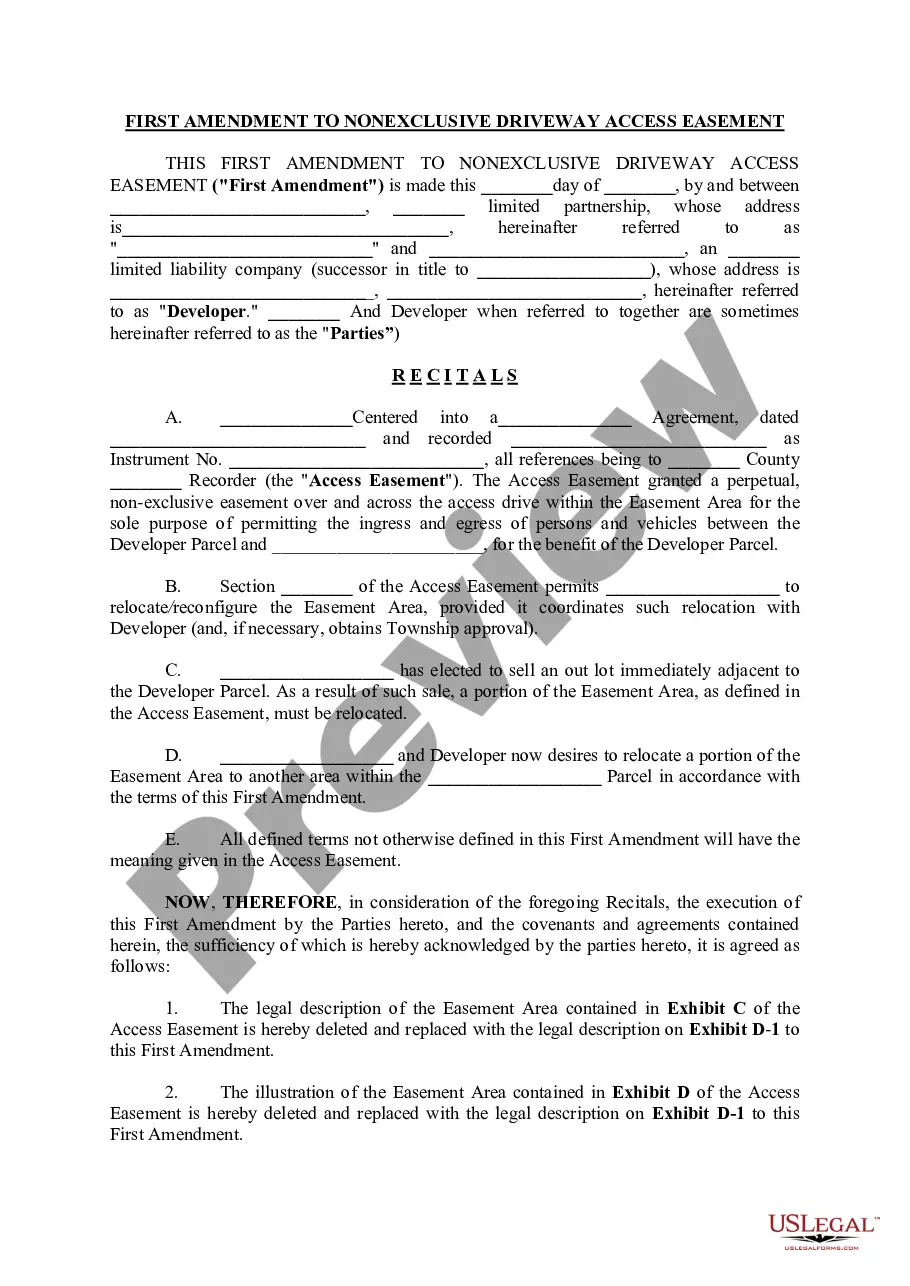
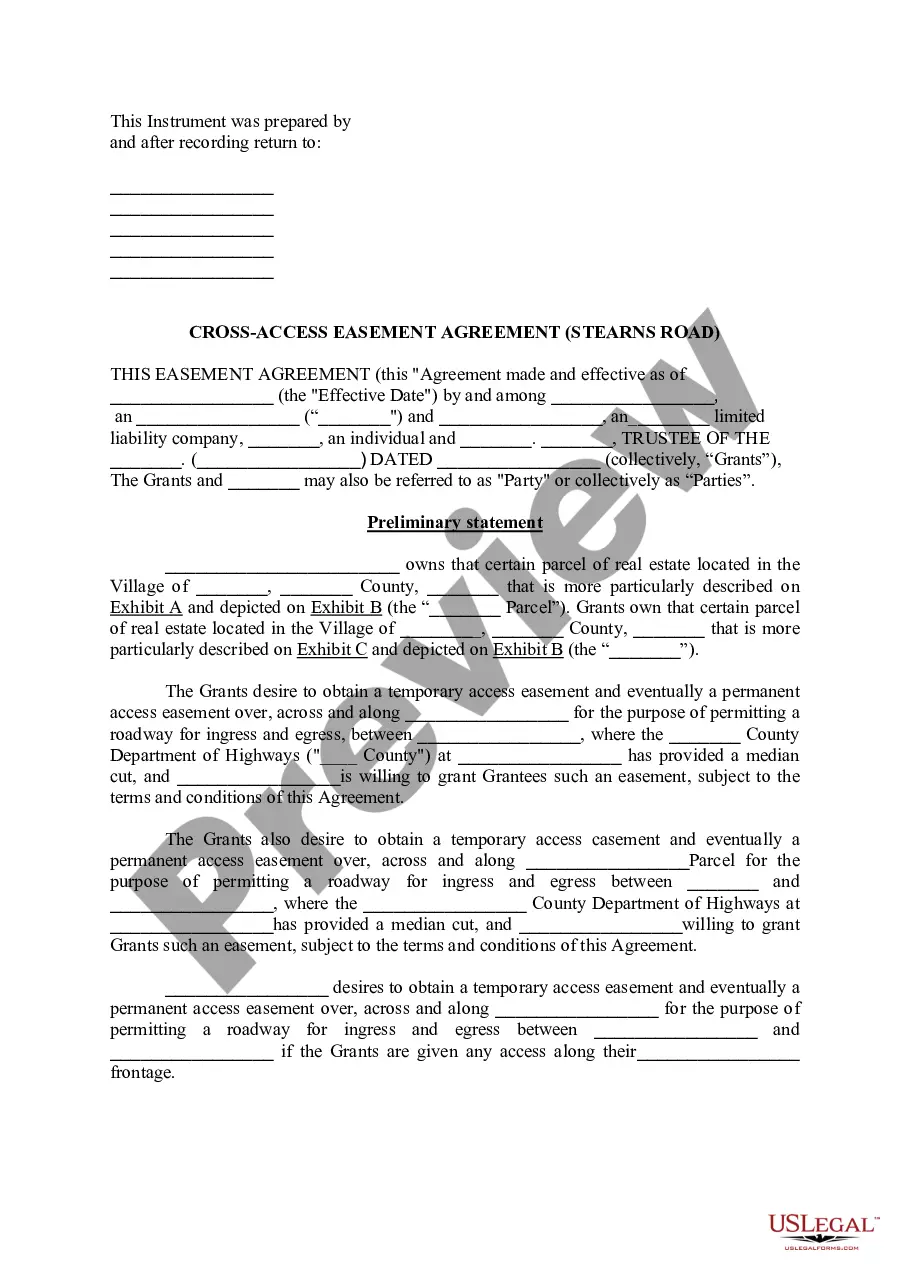
The First Amendment to Non-Exclusive Driveway Access Easement is a legal document that modifies the terms of an existing driveway access easement agreement. This form is specifically used to relocate a portion of the easement area within the property parcel, allowing for continued vehicular and pedestrian access. Unlike a standard easement agreement, this amendment addresses specific changes needed due to the sale of adjacent property, ensuring all parties have a clear understanding of their rights and responsibilities moving forward.
Key components of this form
- Parties involved: Identification of the original easement holder and the developer.
- Recitals: Background information on the original access easement and the need for relocation.
- Amendments: Legal description changes for the easement area, including replacement exhibits.
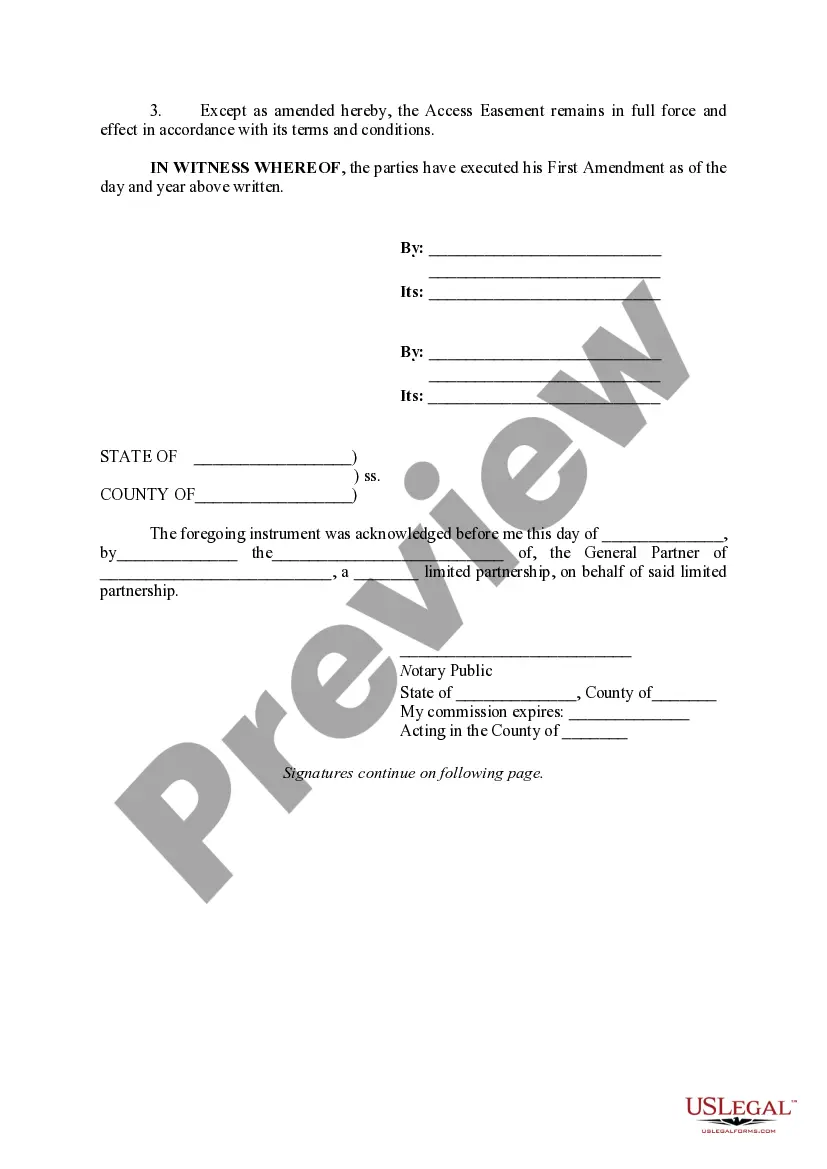
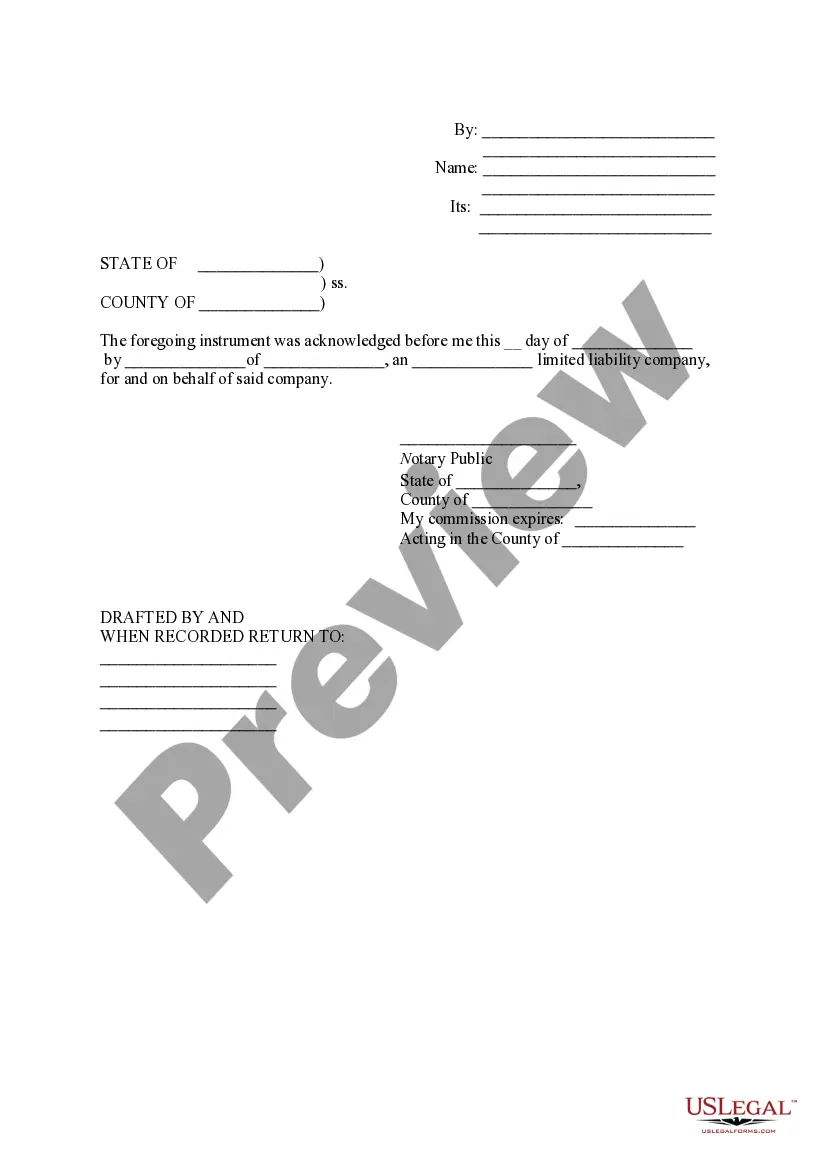
- Notarization requirement: Sections requiring notarization to validate the document.
- Signature lines: Areas for the parties to sign and acknowledge the amendment.
Common use cases
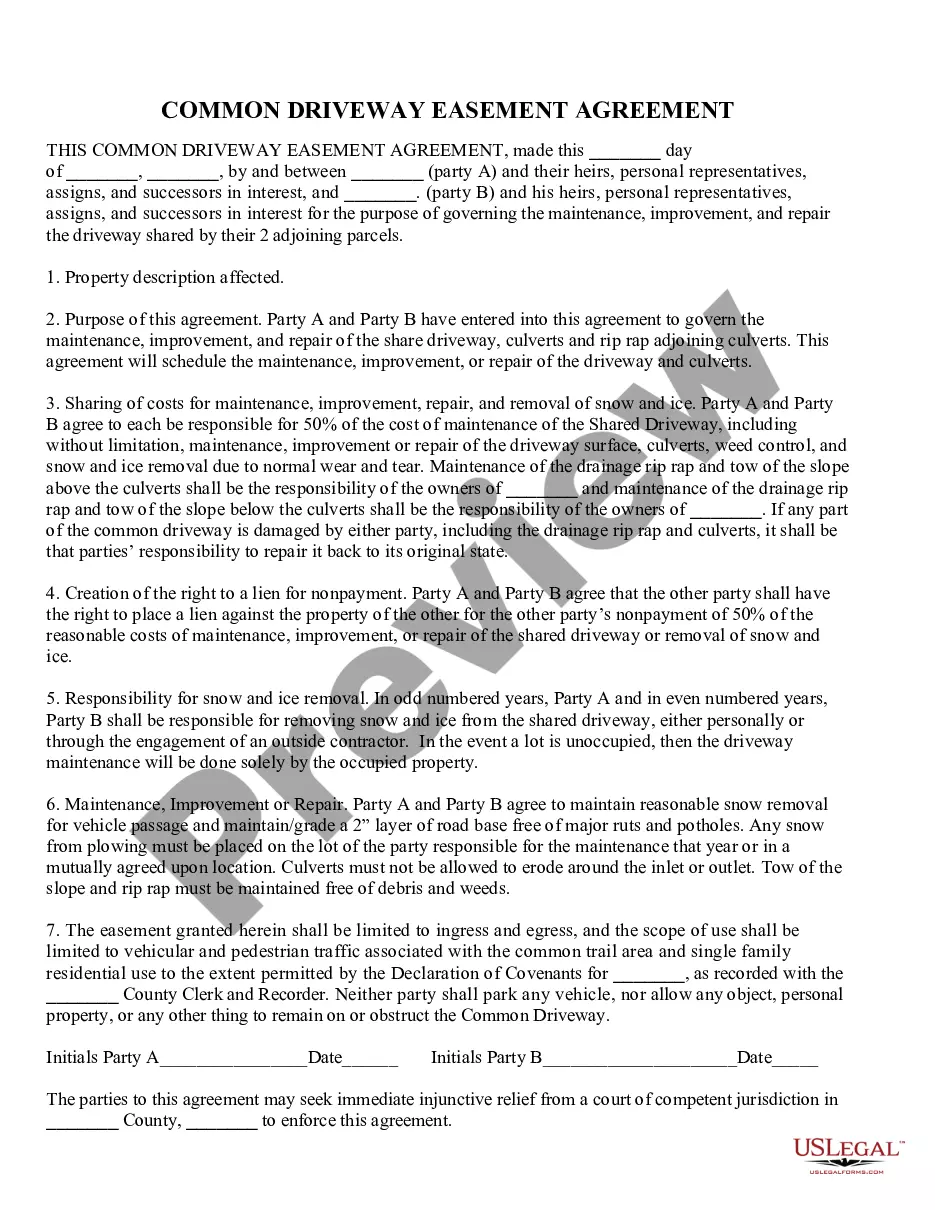
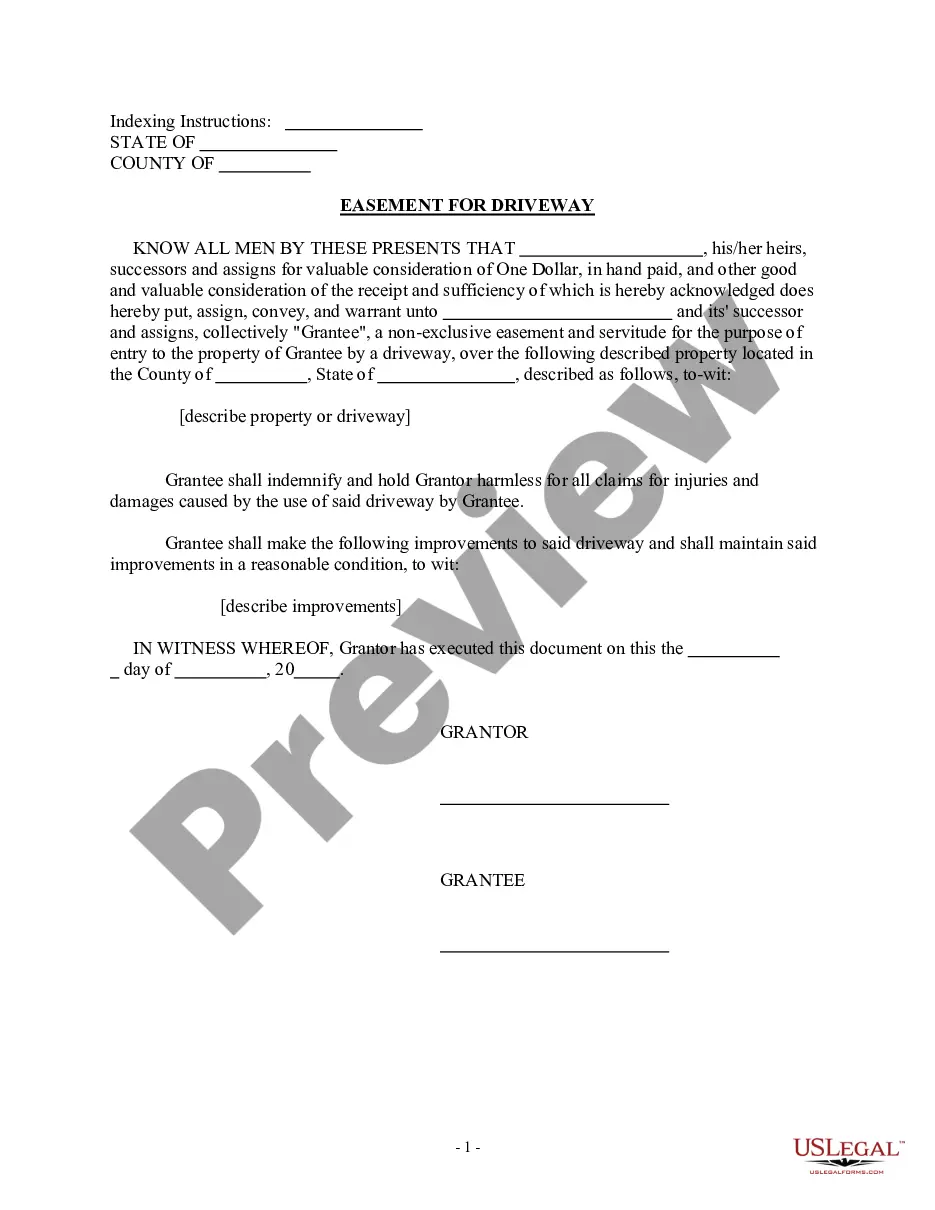
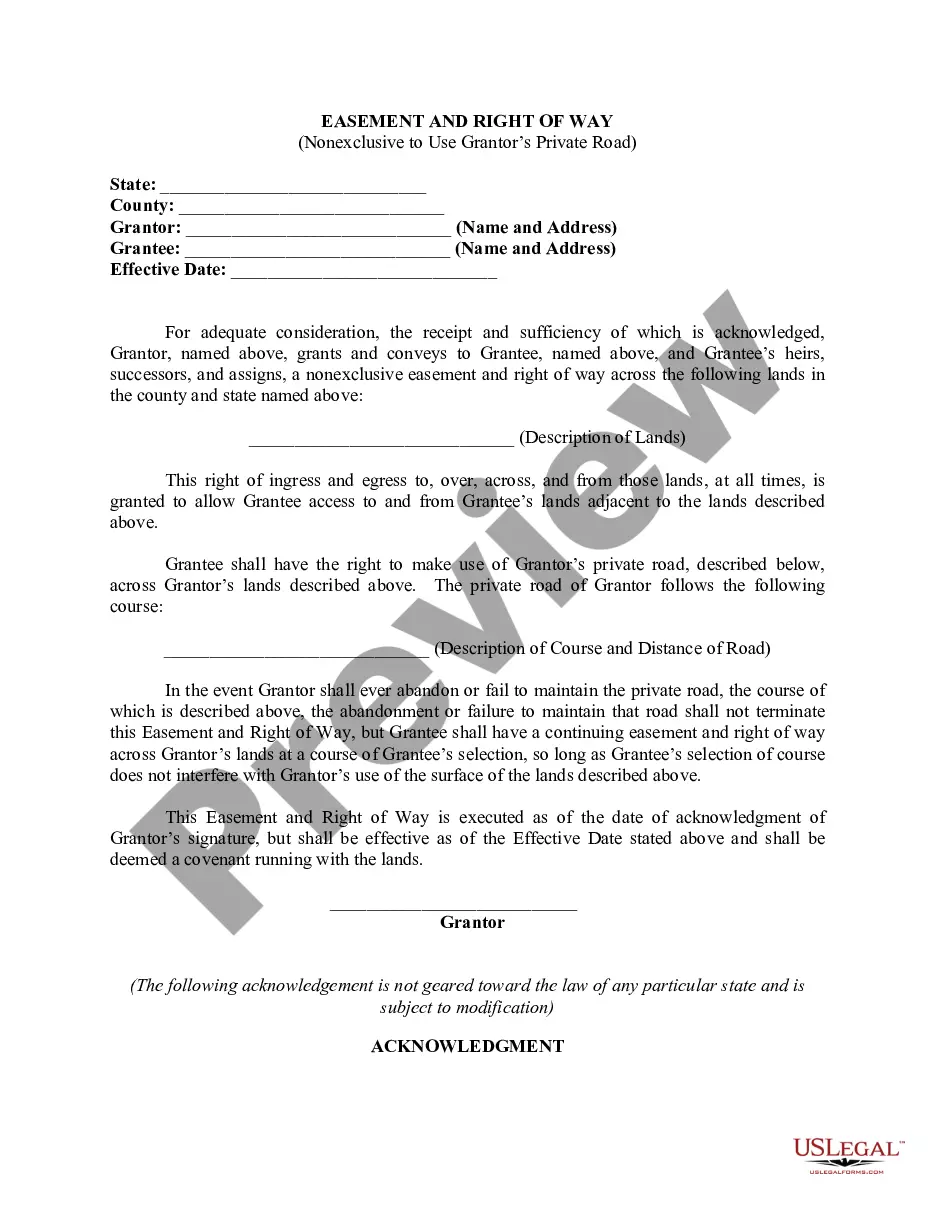
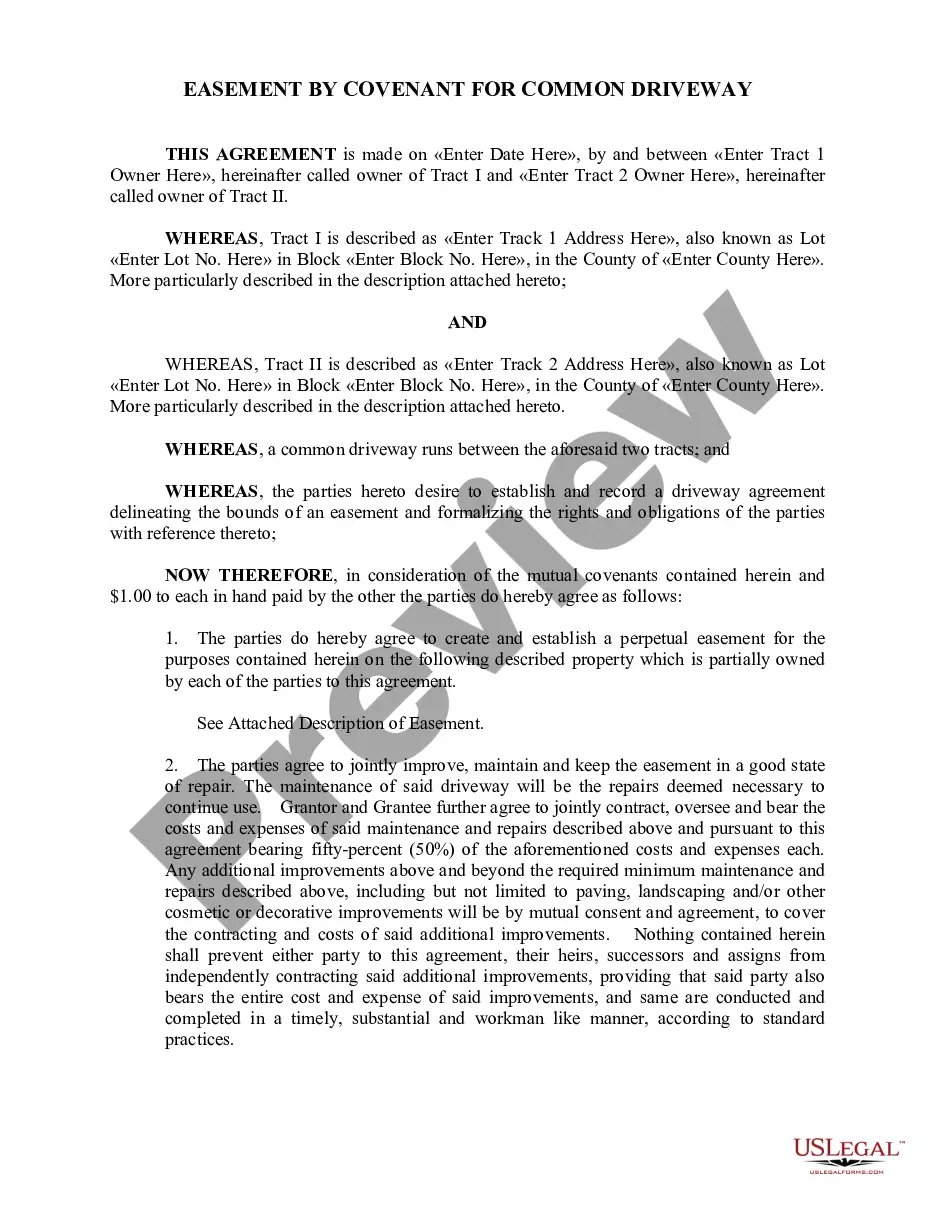
This form should be used when the holder of a non-exclusive driveway access easement wishes to modify the terms of the easement due to changes in property boundaries or usage. For instance, if a land developer has sold part of the property adjacent to the easement and needs to relocate the access area, this amendment would provide the necessary legal adjustments to reflect that change.
Who should use this form
- Property developers looking to amend existing easement agreements.
- Landowners needing to adjust the location of an access easement.
- Legal professionals advising clients on property access rights and easements.
- Real estate buyers or sellers involved in transactions affecting easement areas.
How to prepare this document
- Identify the parties: Fill in the names and details of the easement holder and the developer.
- Provide the date: Enter the date of the amendment at the beginning of the document.
- Update exhibit information: Replace the legal descriptions and illustrations with the new information in the designated exhibits.
- Sign the document: Ensure all parties sign and date the amendment in the appropriate sections.
- Notarization: Confirm that the document is notarized if required under local law.
Does this form need to be notarized?
Yes, this form must be notarized to be legally valid. Notarization verifies the identities of the signers and ensures the authenticity of the document. US Legal Forms offers integrated online notarization, providing a secure video call solution that is available 24/7, so you do not have to travel to a physical location.
Get your form ready online
Our built-in tools help you complete, sign, share, and store your documents in one place.
Make edits, fill in missing information, and update formatting in US Legal Forms—just like you would in MS Word.
Download a copy, print it, send it by email, or mail it via USPS—whatever works best for your next step.
Sign and collect signatures with our SignNow integration. Send to multiple recipients, set reminders, and more. Go Premium to unlock E-Sign.
If this form requires notarization, complete it online through a secure video call—no need to meet a notary in person or wait for an appointment.
We protect your documents and personal data by following strict security and privacy standards.

Make edits, fill in missing information, and update formatting in US Legal Forms—just like you would in MS Word.

Download a copy, print it, send it by email, or mail it via USPS—whatever works best for your next step.

Sign and collect signatures with our SignNow integration. Send to multiple recipients, set reminders, and more. Go Premium to unlock E-Sign.

If this form requires notarization, complete it online through a secure video call—no need to meet a notary in person or wait for an appointment.

We protect your documents and personal data by following strict security and privacy standards.
Common mistakes
- Failing to update all exhibits properly can lead to confusion about the easement area.
- Not obtaining necessary approvals from local authorities before finalizing the amendment.
- Missing signatures from one or more parties, making the document invalid.
- Ignoring the notarization requirement which may be necessary for the amendment to be enforceable.
Benefits of using this form online
- Convenience of downloading from anywhere at any time without the need for physical documentation.
- Editability allows users to customize the form to their specific needs easily.
- Professional drafting ensures that the form is legally compliant and comprehensive.
- Immediate access to the document streamlines the process of easement modification.
Legal use & context
- The First Amendment to Non-Exclusive Driveway Access Easement establishes a legally binding amendment to an existing easement.
- It is essential for maintaining access rights while accommodating changes in property layout.
- Failure to properly document such amendments may lead to disputes over property use and access rights.
What to keep in mind
- The form allows for necessary updates to existing easement agreements.
- Proper completion and notarization ensure legal validity.
- The amendment protects the interests of both parties involved in the easement agreement.
Looking for another form?

Form popularity
FAQ
The party gaining the benefit of the easement is the dominant estate (or dominant tenement), while the party granting the benefit or suffering the burden is the servient estate (or servient tenement). For example, the owner of parcel A holds an easement to use a driveway on parcel B to gain access to A's house.
Easement holders have the right to use the land to their enjoyment as long as it does not place an unreasonable burden on the servient estate. Landowners have the right to make whatever use of the land as long as it doesn't unduly affect the easement.
Basically, the person or party using an easement, known as an easement holder, has a duty to maintain it. Easement holders don't become owners of the land attached to their easements, though, and within limits the actual landowners retain most rights over it.
Exclusive means that only one party or perhaps a limited number of parties can use that easement. Non-exclusive means that a number of different parties can use the easement. Non-exclusive can also mean that additional parties could be granted the right to use that same easement in the future.
The owner of the land that has the benefit of the right of way (the user) also has no obligation to maintain and repair but is entitled to maintain and repair the way but if he does so, he has to do so at his own cost.
An easement grants its holder a non-possessory right to use the land for some purpose.In a non-exclusive easement, the party who benefits from the easement is not permitted to exclude other individuals, including the property owner, from use of that property.
When one of the owners of either the dominant estate which an easement benefits or the servient estate over which the easement runs becomes the owner of both properties, then there is a unity of the two titles, and since an owner does not need an easement over the owner's own property, according to Florida law, the