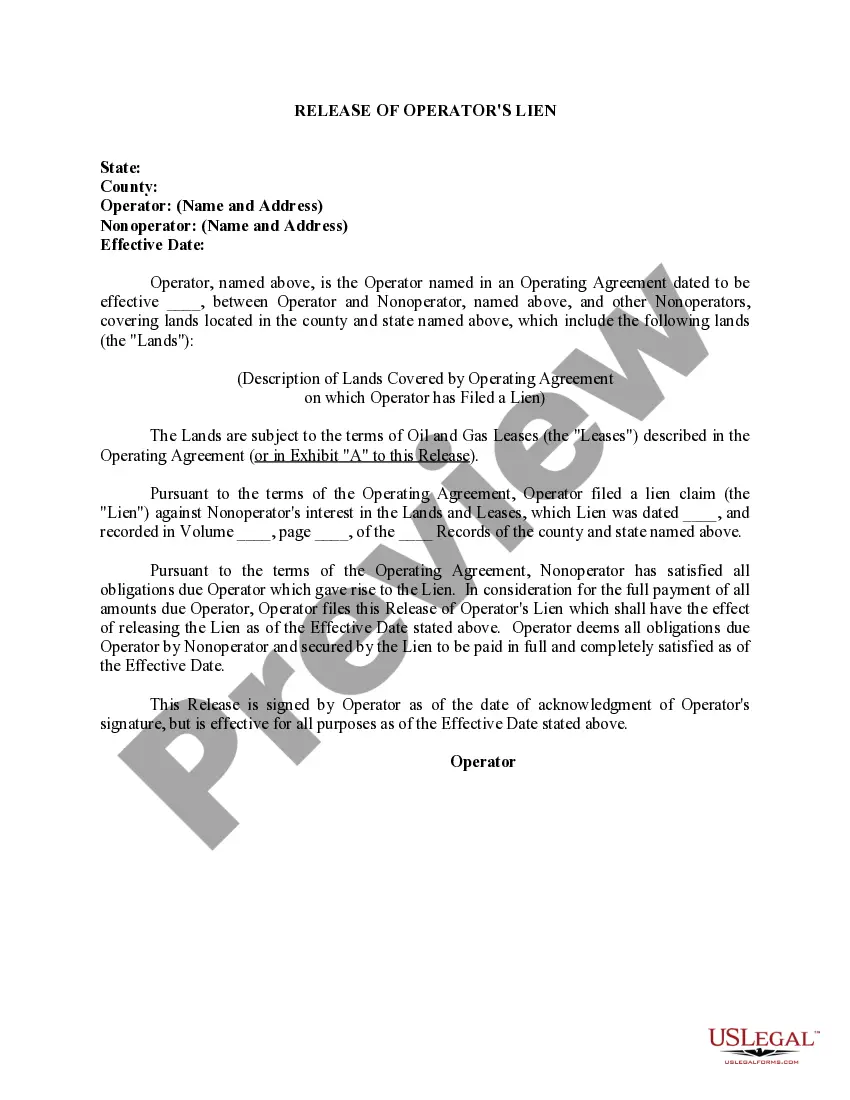
This Notice of Default in Payment of Rent as Warning Prior to Demand to Pay or Terminate for Non-Residential or Commercial Property form is for use by a Landlord to inform Tenant of Tenant's default in the payment of rent as a warning prior to a pay or terminate notice. The form advises the Tenant of the due date of rent and the consequences of late payment. This form may be used where you desire to remind the Tenant of payment terms, the default, demand payment and inform the Tenant that under the laws of this state or lease the Landlord may terminate in rent is not paid timely.
Utah Notice of Default in Payment of Rent as Warning Prior to Demand to Pay or Terminate for Residential Property
State:
Utah
Control #:
UT-1300LT
Format:
Word;
Rich Text
Instant download
Description
Free preview
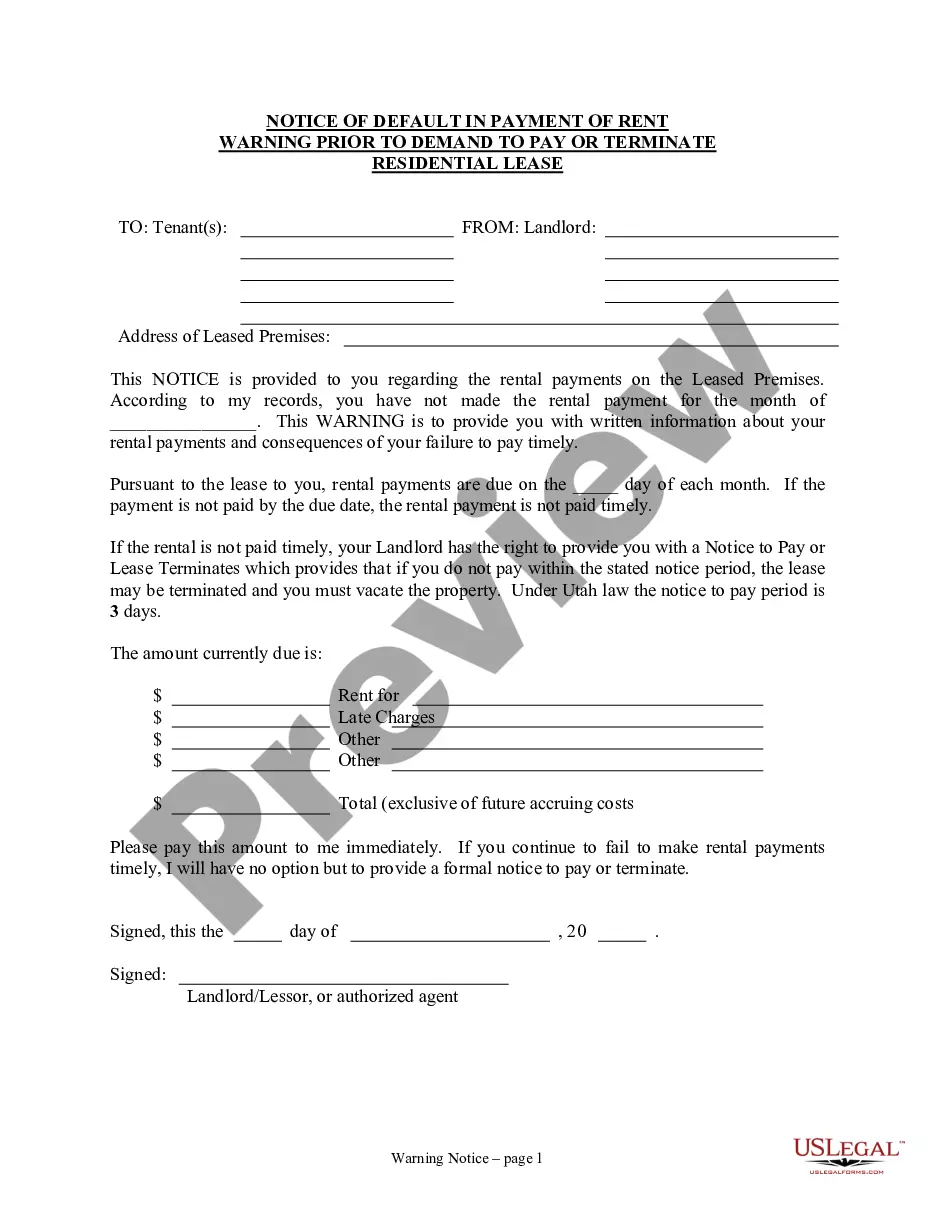
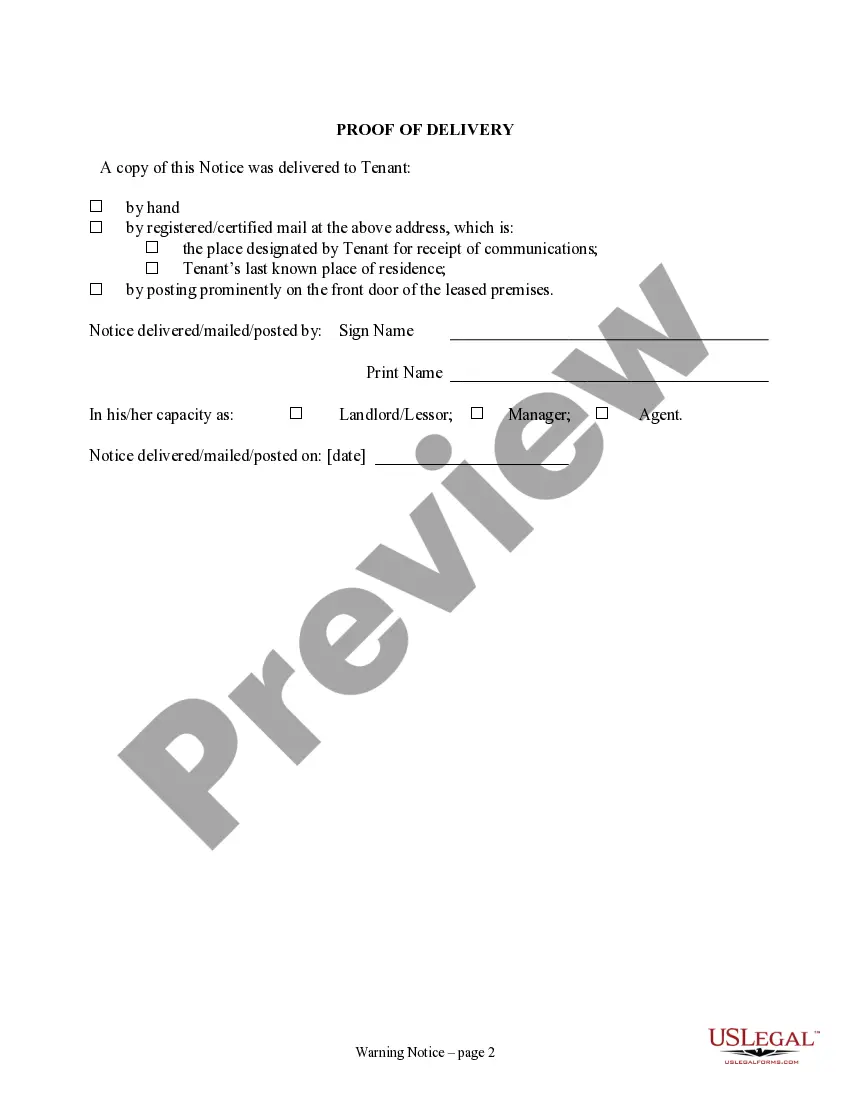
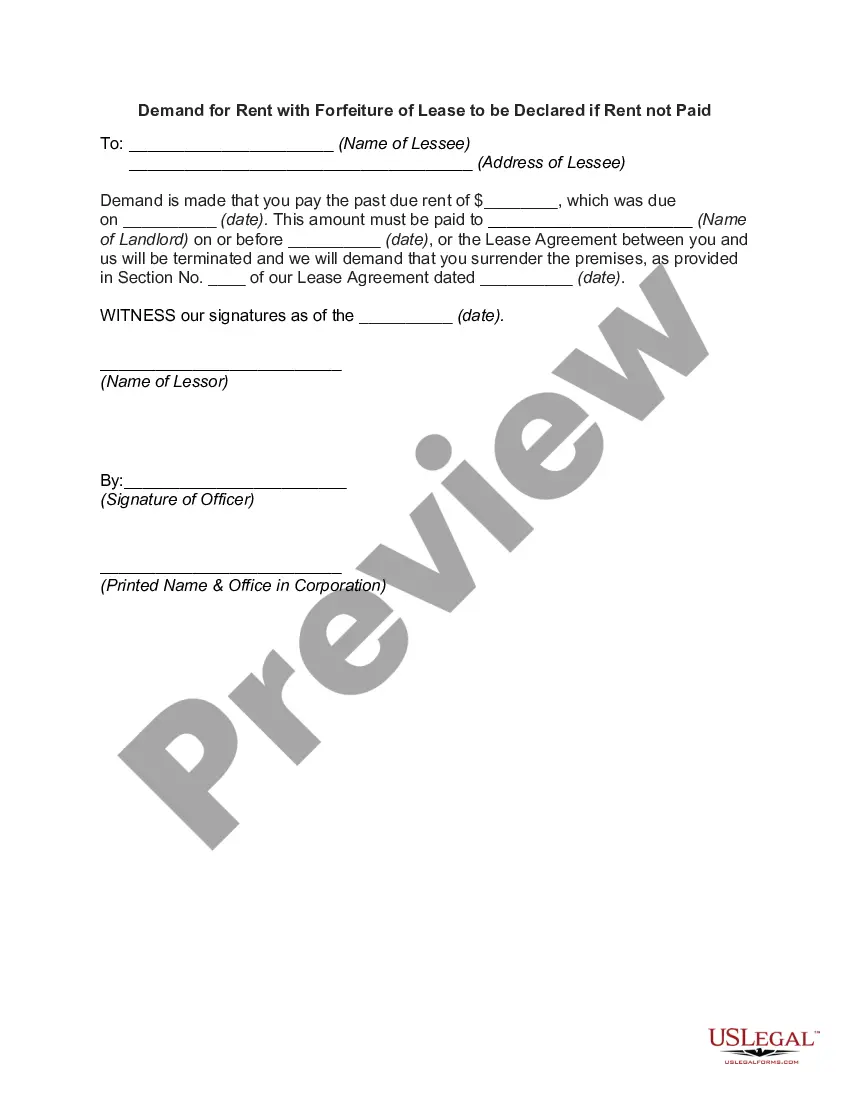


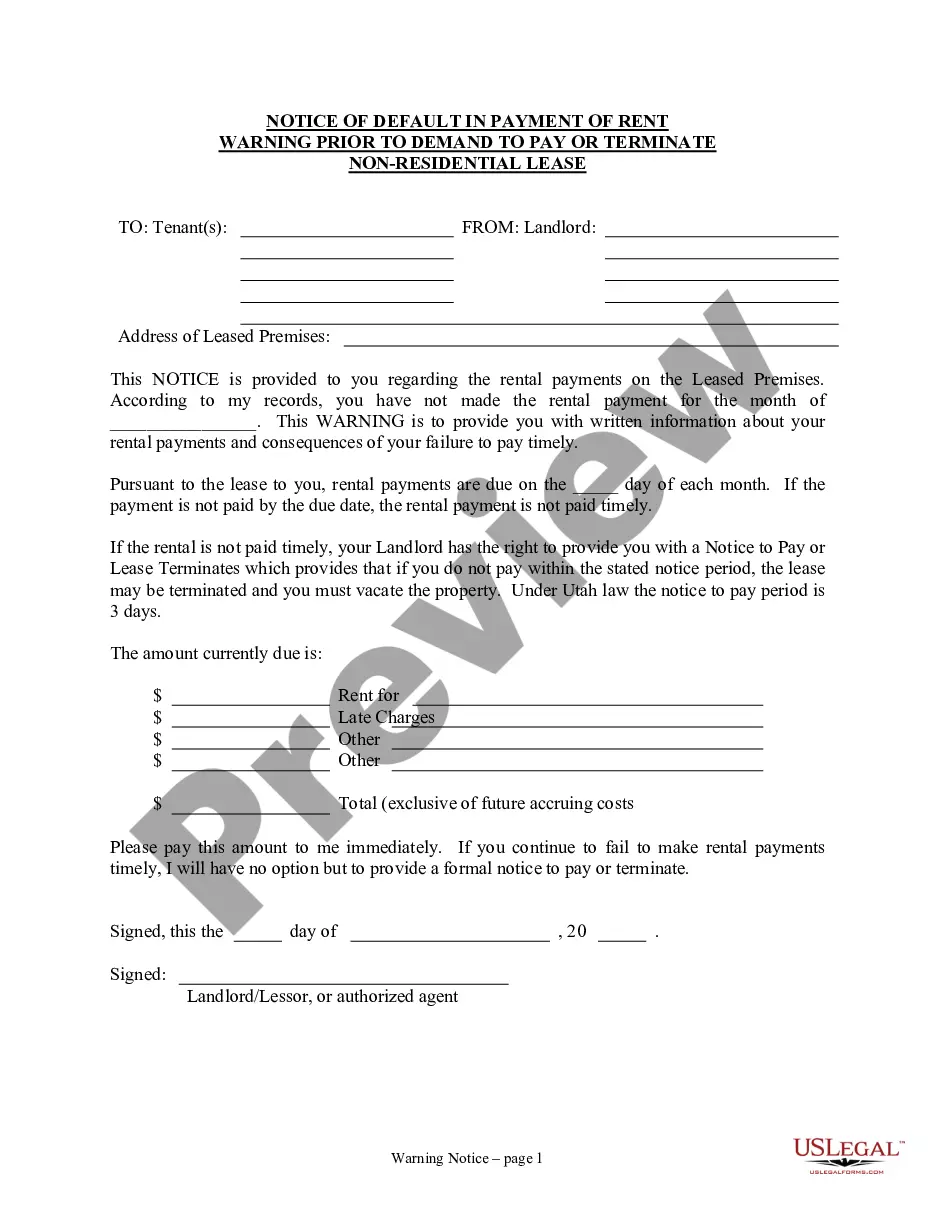
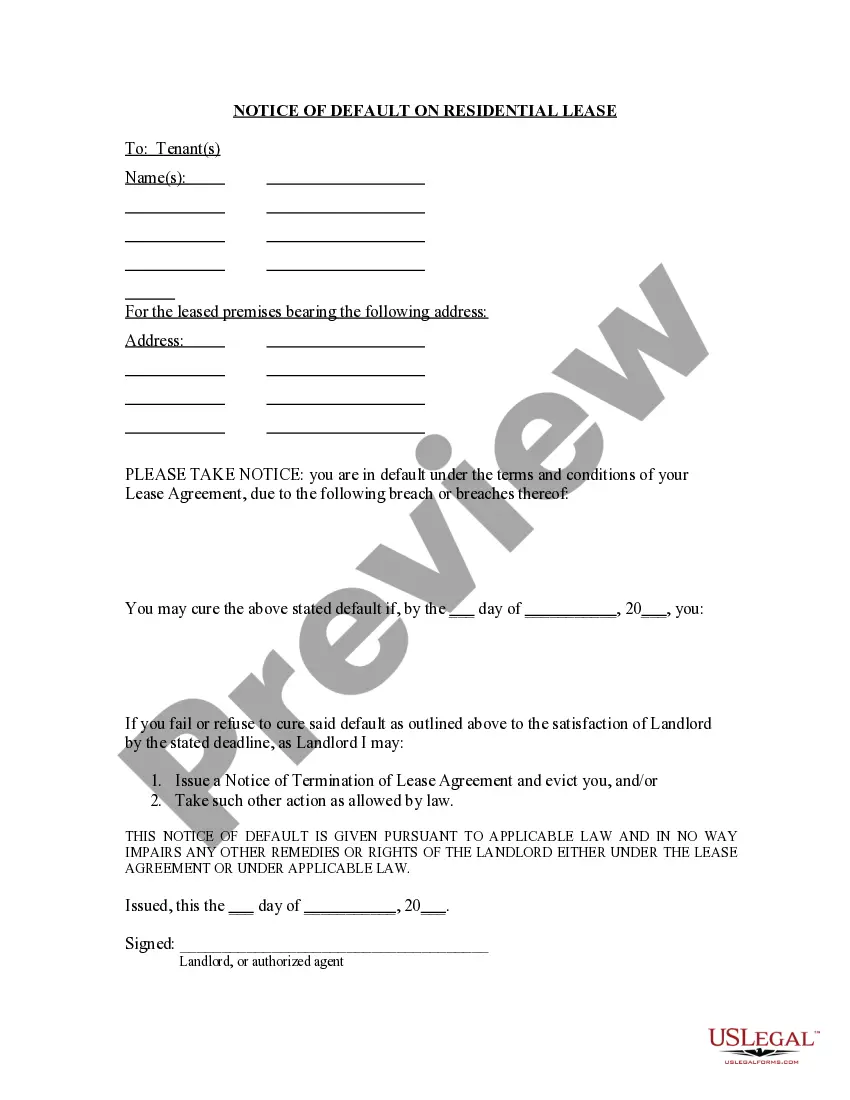
How to fill out Utah Notice Of Default In Payment Of Rent As Warning Prior To Demand To Pay Or Terminate For Residential Property?
Searching for a Utah Notice of Default in Payment of Rent as Warning Prior to Demand to Pay or Terminate for Residential Property online can be stressful. All too often, you see documents that you think are alright to use, but find out later on they’re not. US Legal Forms provides more than 85,000 state-specific legal and tax documents drafted by professional attorneys according to state requirements. Get any document you’re searching for in minutes, hassle free.
If you already have the US Legal Forms subscription, just log in and download the sample. It will instantly be included to your My Forms section. If you do not have an account, you must register and choose a subscription plan first.
Follow the step-by-step guidelines listed below to download Utah Notice of Default in Payment of Rent as Warning Prior to Demand to Pay or Terminate for Residential Property from the website:
- See the document description and click Preview (if available) to verify whether the form meets your requirements or not.
- If the document is not what you need, get others with the help of Search engine or the listed recommendations.
- If it is appropriate, simply click Buy Now.
- Choose a subscription plan and create an account.
- Pay with a credit card or PayPal and download the template in a preferable format.
- Right after downloading it, you can fill it out, sign and print it.
Get access to 85,000 legal templates from our US Legal Forms catalogue. In addition to professionally drafted samples, customers are also supported with step-by-step guidelines concerning how to find, download, and fill out forms.
Form popularity
FAQ
Generally, the eviction process in Utah takes just a matter of days or weeks from the time the landlord files the lawsuit to the time the tenant is out of the property. 11 to 28 days is common, provided that the process has been followed correctly.
You can help the situation a lot by providing as much notice as possible and writing a sincere letter to your landlord explaining why you need to leave early. Ideally you can offer your landlord a qualified replacement tenant, someone with good credit and excellent references, to sign a new lease with your landlord.
Declare a Constructive Eviction. Point Out Landlord Breaches to Reduce Your Debt. Landlords Have a Duty to Mitigate Their Damages. Consequences for Breaking Your Lease. Look for These Clauses in Your Lease. Your Landlord May Have a Duty to Mitigate. Declare a Constructive Eviction.
Injury at Rental Property: You could have a case for a lawsuit against your landlord if you are injured at the rental property due to a landlord's neglect. Filing an Illegal Eviction: You can countersue your landlord if you feel your landlord is trying to evict you illegally.
Step 1: make a formal complaint. You can make a formal complaint by writing a letter to your landlord. Step 2: complain to your local council. If making a formal complaint to your landlord doesn't solve your problem you might be able to complain to your local council.
Use Utah Legal Services to file an official report and receive legal assistance for your landlord complaint by visiting utahlegalservices.org. Visit utcourts.gov for information regarding your rights as a renter who is suing a landlord.
By the law, Utah tenants are required to abide in a certain way. They must follow certain procedures as outlined by the law as well. Tenants also have certain rights that they are entitled to, as well as things they are responsible for. The tenant has the right to dwell in a safe and sanitary housing unit.
Tenants who live in federal-funded housing or HUD properties must file their landlord complaints with the U.S. Department of Housing and Urban Development. The bad landlord Multifamily Housing Complaint Line may be reached by calling (800) 685-8470.