Conflict of Terms
Understanding this form
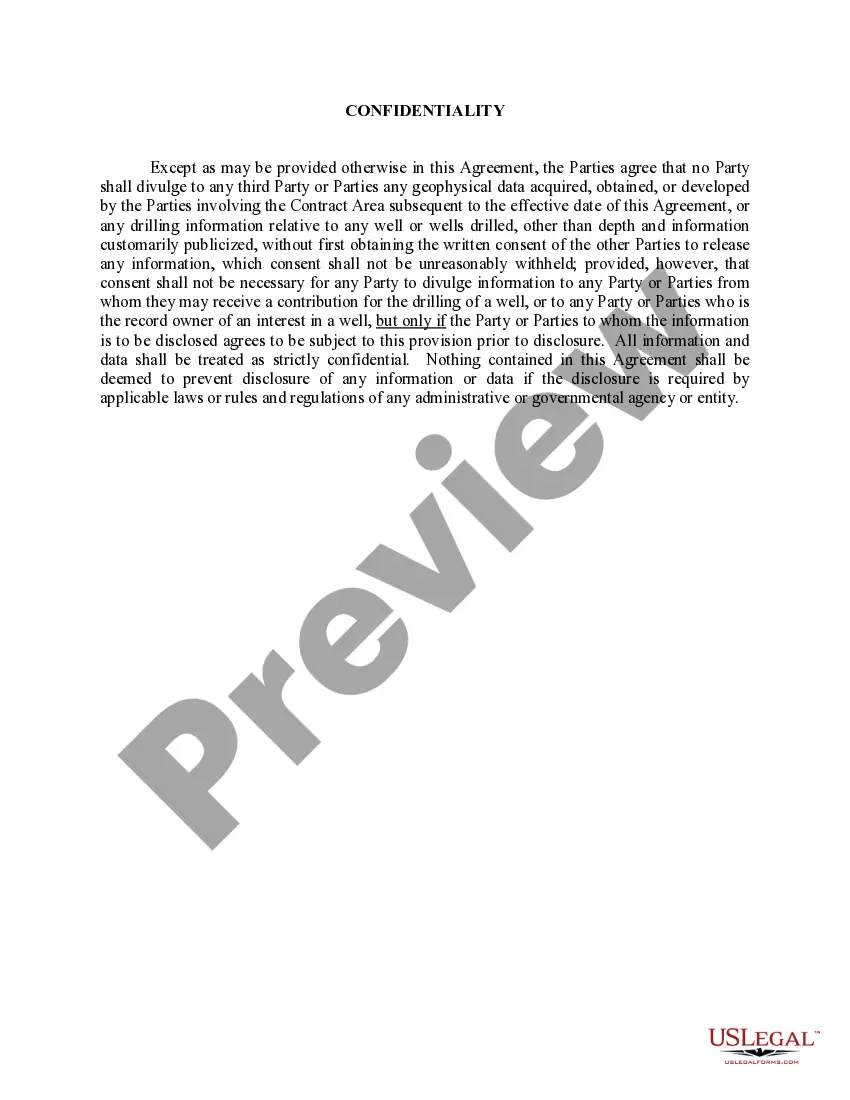
The Conflict of Terms form is a legal document that clarifies which provisions of an agreement take precedence when there is a disagreement between different sections. This form is essential for ensuring that all parties involved in a contract understand that certain articles can override others, thereby helping to prevent confusion and disputes in interpretations.
Main sections of this form
- Article designation for conflict resolution
- Agreement of the parties involved
- Clear indication of governing terms
- Signature lines for parties

When this form is needed
This form is useful when drafting or finalizing contracts that contain several articles with potentially conflicting provisions. It provides clarity on which terms should prevail, making it essential for businesses, partners, or individuals entering into complex agreements.
Intended users of this form
- Business owners drafting contracts
- Partners in a joint venture agreement
- Individuals preparing personal or commercial contracts
- Attorneys assisting clients with contract negotiations
Instructions for completing this form
- Identify the parties involved in the agreement.
- Designate the articles that may conflict.
- State clearly which article takes precedence.
- Review the agreement with all parties to ensure clarity and understanding.
- Gather signatures from all parties involved to formalize the agreement.
Does this document require notarization?
In most cases, this form does not require notarization. However, some jurisdictions or signing circumstances might. US Legal Forms offers online notarization powered by Notarize, accessible 24/7 for a quick, remote process.
Get your form ready online
Our built-in tools help you complete, sign, share, and store your documents in one place.
Make edits, fill in missing information, and update formatting in US Legal Forms—just like you would in MS Word.
Download a copy, print it, send it by email, or mail it via USPS—whatever works best for your next step.
Sign and collect signatures with our SignNow integration. Send to multiple recipients, set reminders, and more. Go Premium to unlock E-Sign.
If this form requires notarization, complete it online through a secure video call—no need to meet a notary in person or wait for an appointment.
We protect your documents and personal data by following strict security and privacy standards.

Make edits, fill in missing information, and update formatting in US Legal Forms—just like you would in MS Word.

Download a copy, print it, send it by email, or mail it via USPS—whatever works best for your next step.

Sign and collect signatures with our SignNow integration. Send to multiple recipients, set reminders, and more. Go Premium to unlock E-Sign.

If this form requires notarization, complete it online through a secure video call—no need to meet a notary in person or wait for an appointment.

We protect your documents and personal data by following strict security and privacy standards.
Avoid these common issues
- Failing to specify which article supersedes others.
- Not reviewing the form with all parties prior to signing.
- Leaving out signature lines for one or more parties.
Why use this form online
- Easy access and instant download.
- Editability allows customization to fit specific needs.
- Reliability from forms drafted by licensed attorneys.
Looking for another form?

Form popularity
FAQ
What Is a Conflict of Interest? A conflict of interest involves a person or entity that has two relationships competing with each other for the person's loyalty. For example, the person might have a loyalty to an employer and also loyalty to a family business.
A conflict of interest in the workplace is when an individual can personally benefit from their professional position. Rather than making decisions for the betterment of your business, the employee might make decisions based on their own personal gain.
Assessing the severity of a conflict of interest depends on determining: (i) the likelihood that public interests or workplace decisions made in the relevant circumstances would be unduly influenced by a private interest, and (ii) the seriousness of the harm or wrong that could result from such influence.
1. Establish a process. The best way to handle a conflict of interest is to already have a process in place to manage it. That means imagining any potential conflict that may happen and deciding how it should be handled, who should be involved in dealing with it.
Hiring an unqualified relative to provide services your company needs. Starting a company that provides services similar to your full-time employer. Failing to disclose that you're related to a job candidate the company is considering hiring.
If no conflict exists, you can state that The Author(s) declare(s) that there is no conflict of interest. If there are potential conflicts of interest, we highly encourage each author to identify and declare clearly to avoid any future investigations by the publisher.
Generally, you'll adopt a conflict of interest policy to maintain integrity and protect the organization's interests. For example, you can write something like the following: Our organization strives to maintain the highest standards of integrity, and it is vital that the public be confident of our commitment.
A conflict of interest occurs when an individual's personal interests family, friendships, financial, or social factors could compromise his or her judgment, decisions, or actions in the workplace. Government agencies take conflicts of interest so seriously that they are regulated.
Within 30 days of discovering their potential COI, an employee should report it to their manager. If the issue is straightforward, the manager can review the situation and direct the employee on how to resolve or mitigate the situation.