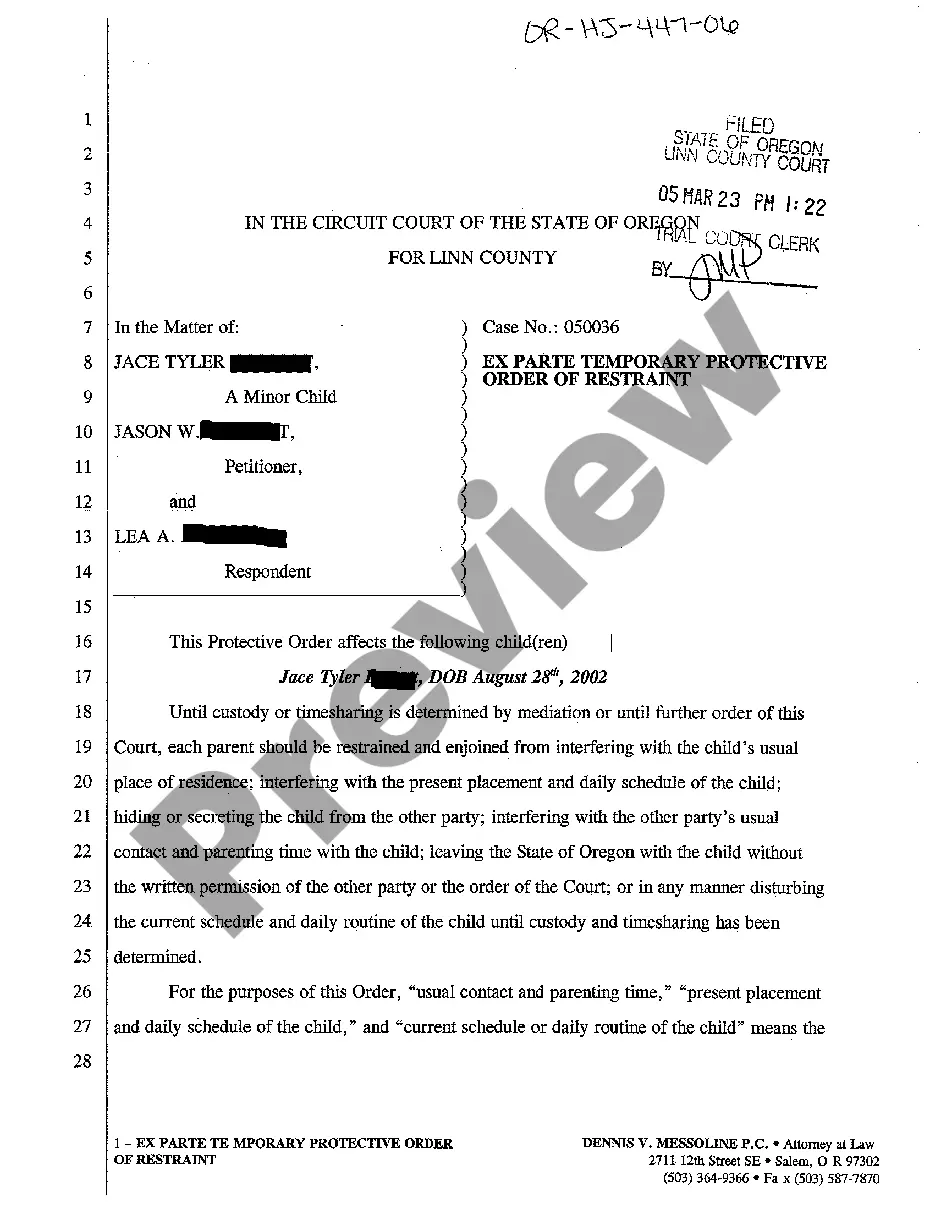
Amendment to Oil and Gas Lease to Amend Pooling Provision
Overview of this form
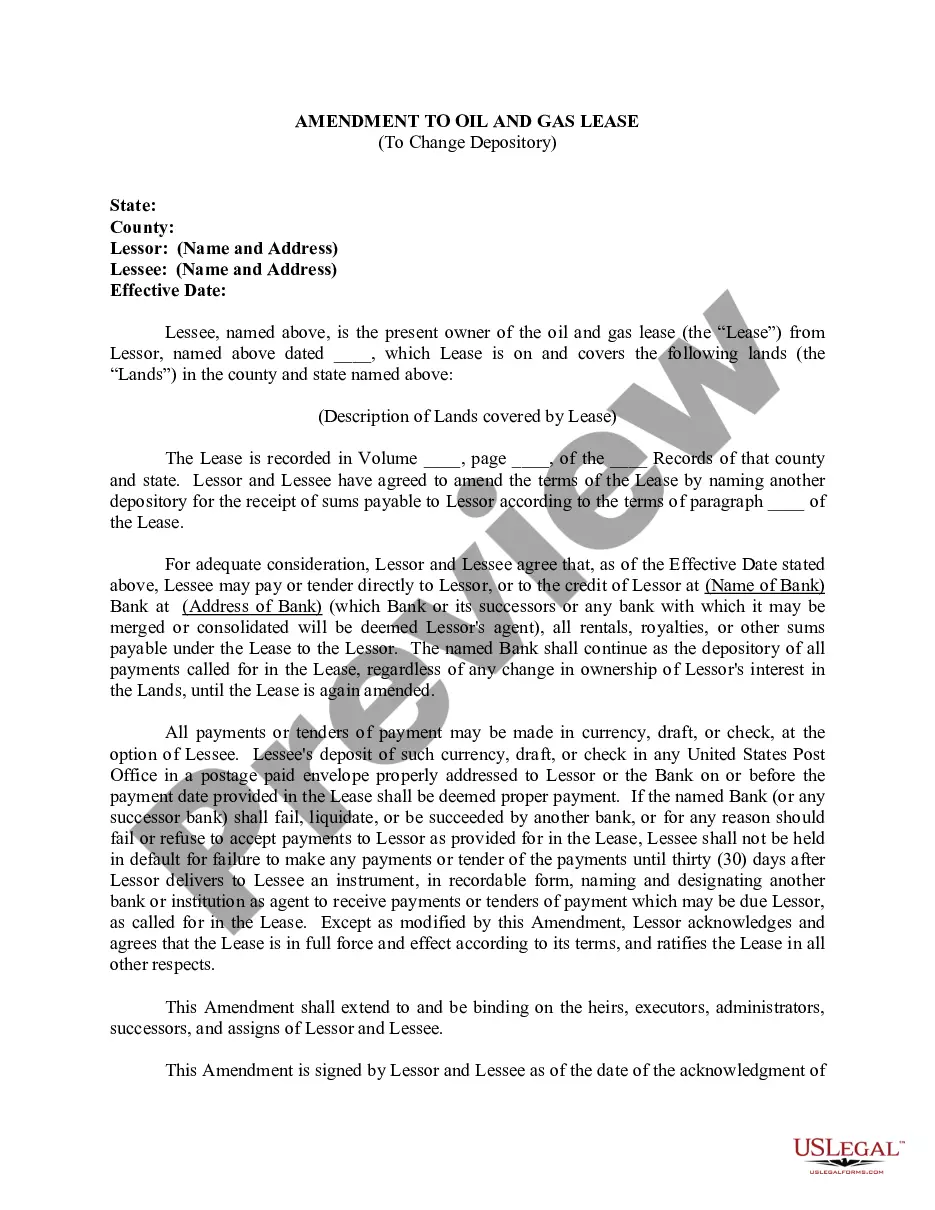
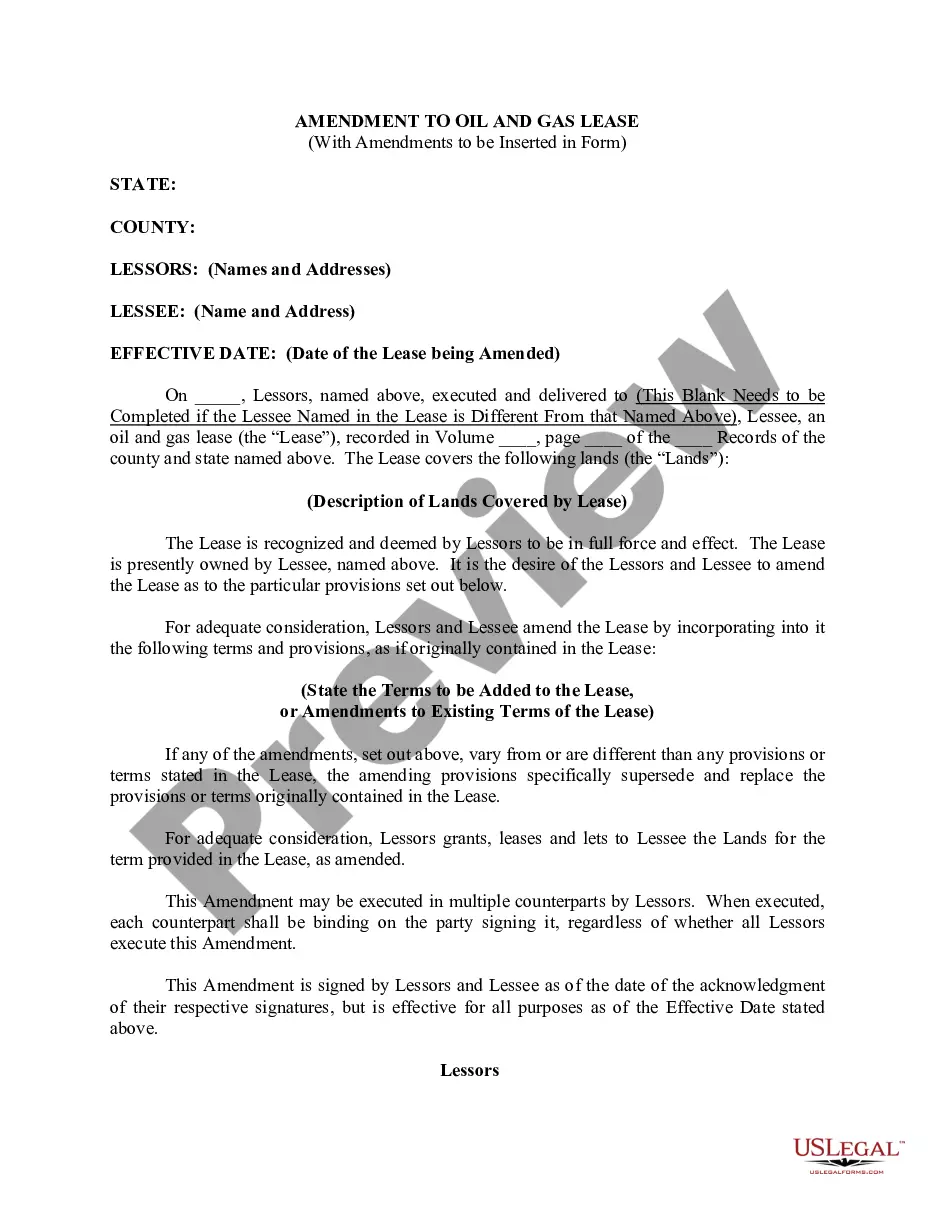
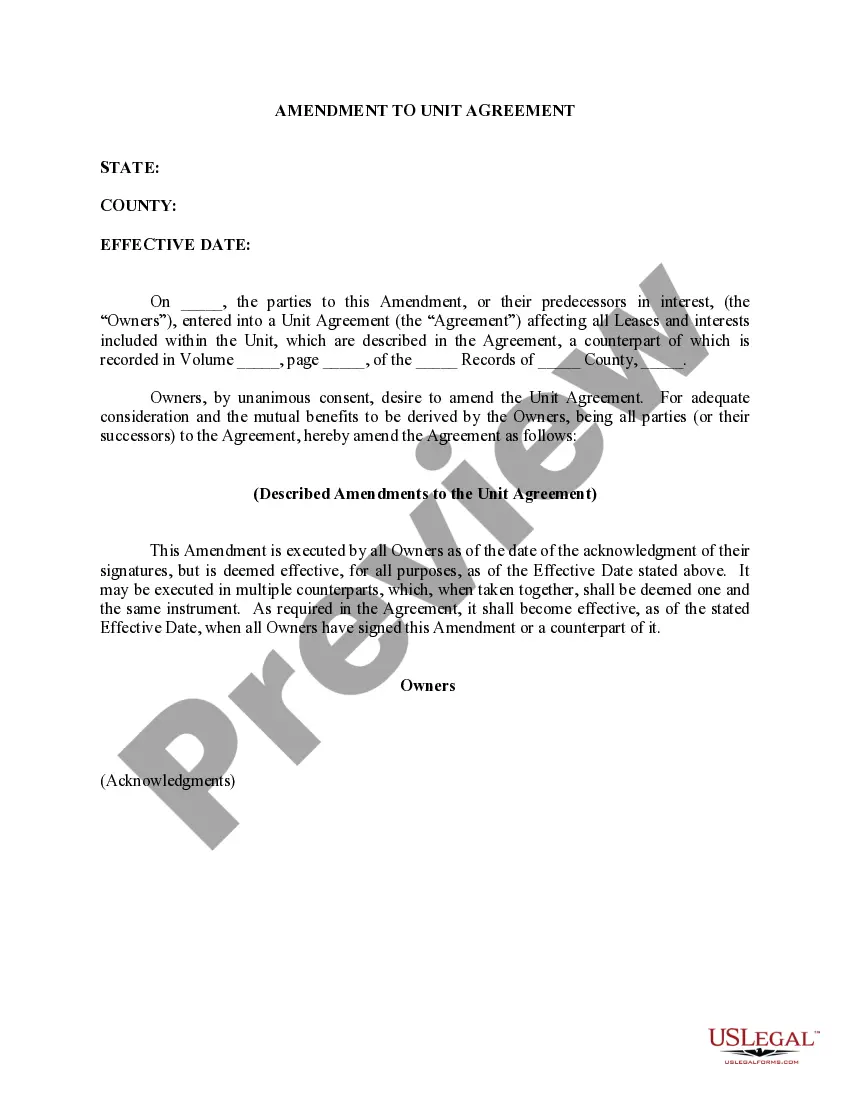
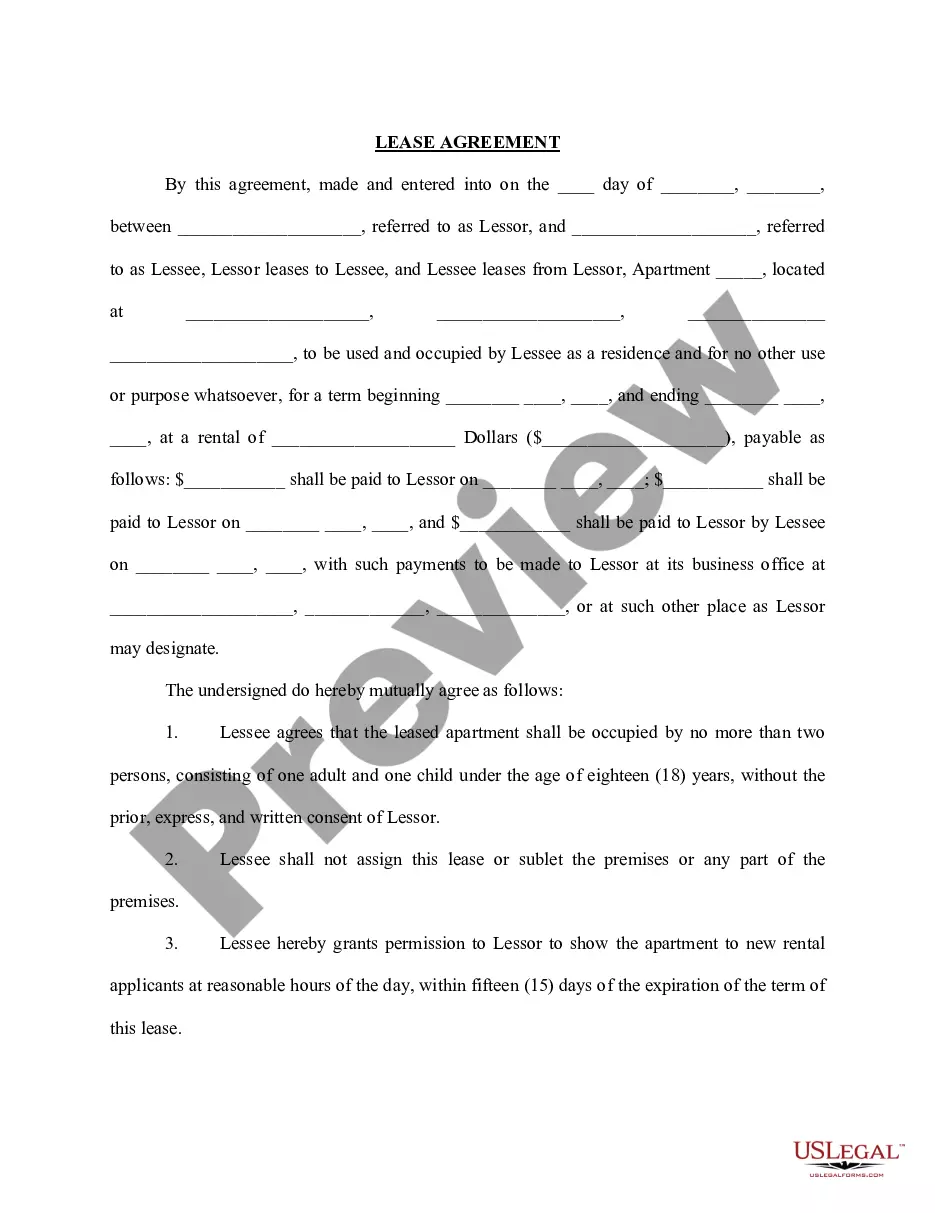
The Amendment to Oil and Gas Lease to Amend Pooling Provision is a legal document that modifies existing oil and gas lease agreements. This specific amendment allows adjustments to the pooling provisions, enabling lessees to create larger pooled units for mineral extraction. Unlike standard lease agreements, this amendment specifically addresses the pooling agreements related to oil and gas development and is essential for complying with regulatory conditions.
Form components explained
- Details of the parties involved, including Lessor and Lessee names and addresses.
- Effective date indicating when the amendment comes into force.
- Description of the lands affected by the lease.
- Specific amendments to the pooling provisions of the original lease.
- Recognition of regulatory agency guidelines governing the pooled units.
- Ratification of the original lease terms alongside the new amendments.

When to use this form
This form should be used when the Lessor and Lessee wish to modify an existing oil and gas lease, specifically to increase the size of pooled units for oil or gas wells beyond what was initially agreed upon. It is particularly relevant when technological advancements or regulatory changes allow for larger extraction units, ensuring legal compliance and maximum efficiency in resource extraction.
Who can use this document
- Lessor: the property owner or their representative.
- Lessee: the individual or company holding the rights to explore and extract oil and gas.
- Operators involved in oil and gas operations needing to amend existing leases.
- Legal professionals assisting in real estate and oil and gas transactions.
How to complete this form
- Identify and enter the names and addresses of the Lessor and Lessee.
- Insert the effective date of the original lease being amended.
- Provide a detailed description of the lands covered by the lease.
- Specify the new acreage limits for pooled units for oil and gas wells.
- Ensure acknowledgment of the regulatory agency that governs proration and spacing rules.
Notarization requirements for this form
This form must be notarized to be legally valid. US Legal Forms provides secure online notarization powered by Notarize, allowing you to complete the process through a verified video call.
Get your form ready online
Our built-in tools help you complete, sign, share, and store your documents in one place.
Make edits, fill in missing information, and update formatting in US Legal Forms—just like you would in MS Word.
Download a copy, print it, send it by email, or mail it via USPS—whatever works best for your next step.
Sign and collect signatures with our SignNow integration. Send to multiple recipients, set reminders, and more. Go Premium to unlock E-Sign.
If this form requires notarization, complete it online through a secure video call—no need to meet a notary in person or wait for an appointment.
We protect your documents and personal data by following strict security and privacy standards.

Make edits, fill in missing information, and update formatting in US Legal Forms—just like you would in MS Word.

Download a copy, print it, send it by email, or mail it via USPS—whatever works best for your next step.

Sign and collect signatures with our SignNow integration. Send to multiple recipients, set reminders, and more. Go Premium to unlock E-Sign.

If this form requires notarization, complete it online through a secure video call—no need to meet a notary in person or wait for an appointment.

We protect your documents and personal data by following strict security and privacy standards.
Typical mistakes to avoid
- Failing to accurately describe the lands covered by the lease.
- Not specifying the regulatory agency that will oversee the pooling provisions.
- Leaving blank sections that could lead to ambiguities in terms.
- Not obtaining proper signatures from all parties involved.
Why complete this form online
- Convenient access to legally vetted forms that can be completed at any time.
- Editable templates allow users to customize details easily.
- Reliable legal language helps ensure compliance with applicable laws.
Legal use & context
- This amendment is legally binding once signed and executed by both parties.
- It is important to ensure that changes made are compliant with state regulations governing oil and gas leasing.
- Failure to complete the amendment properly can result in enforceability issues with the lease.
Key takeaways
- The amendment allows the expansion of pooling provisions in existing oil and gas leases.
- Essential for ensuring compliance with regulatory standards for oil and gas development.
- Users should ensure accuracy in filling out all sections to avoid legal complications.
Looking for another form?
Form popularity
FAQ
Oil and gas lease is an agreement between a mineral owner (lessor) and a company (lessee) in which the owner grants the company the right to explore, drill and produce oil, gas, and other minerals below the surface of the earth.
To ratify a lease means that the landowner and oil & gas producer, as current lessor and lessee of the land, agree (or re-agree) to the terms of the existing lease.In all likelihood, the lessee (usually the current producer) believes that you have legitimate grounds to break the existing lease.
(Oil & Gas) This form is a memorandum of lease that summarizes an oil and gas lease without disclosing confidential information contained in the lease itself. It is filed in the county in which the leased property is located to put third parties on notice that a lease exists.
A Pugh Clause is meant to prevent a lessee from declaring all lands under an oil and gas lease as being held by production, even if production only occurs on a fraction of the property.
In resource management, pooling is the grouping together of resources (assets, equipment, personnel, effort, etc.) for the purposes of maximizing advantage or minimizing risk to the users. The term is used in finance, computing and equipment management.
Not necessarily. Where your royalty is based on volume of production and your lease is for a period of years and as much longer as oil and gas is produced, or similar language is contained in your lease, your lease may not automatically expire at the end of its primary term.
To calculate your oil and gas royalties, you would first divide 50 by 1,000, and then multiply this number by . 20, then by $5,004,000 for a gross royalty of $50,040. Once you calculate your gross royalty amount, compare it to the number you see on your royalty check stubs.
Pooling is the combination of all or portions of multiple oil and gas leases to form a unit for the drilling of a single oil and/or gas well.The oil and gas company can lease these under separate leases and separate terms and then pool these parcels to drill the well.
Landowners who are considering purchasing, or have already purchased a property can search their county Register of Deeds registry to determine if an oil and gas lease is recorded.A search of the public records at the county register of deeds office is necessary.