Temporary Right of Entry to Conduct Environmental Studies
Understanding this form
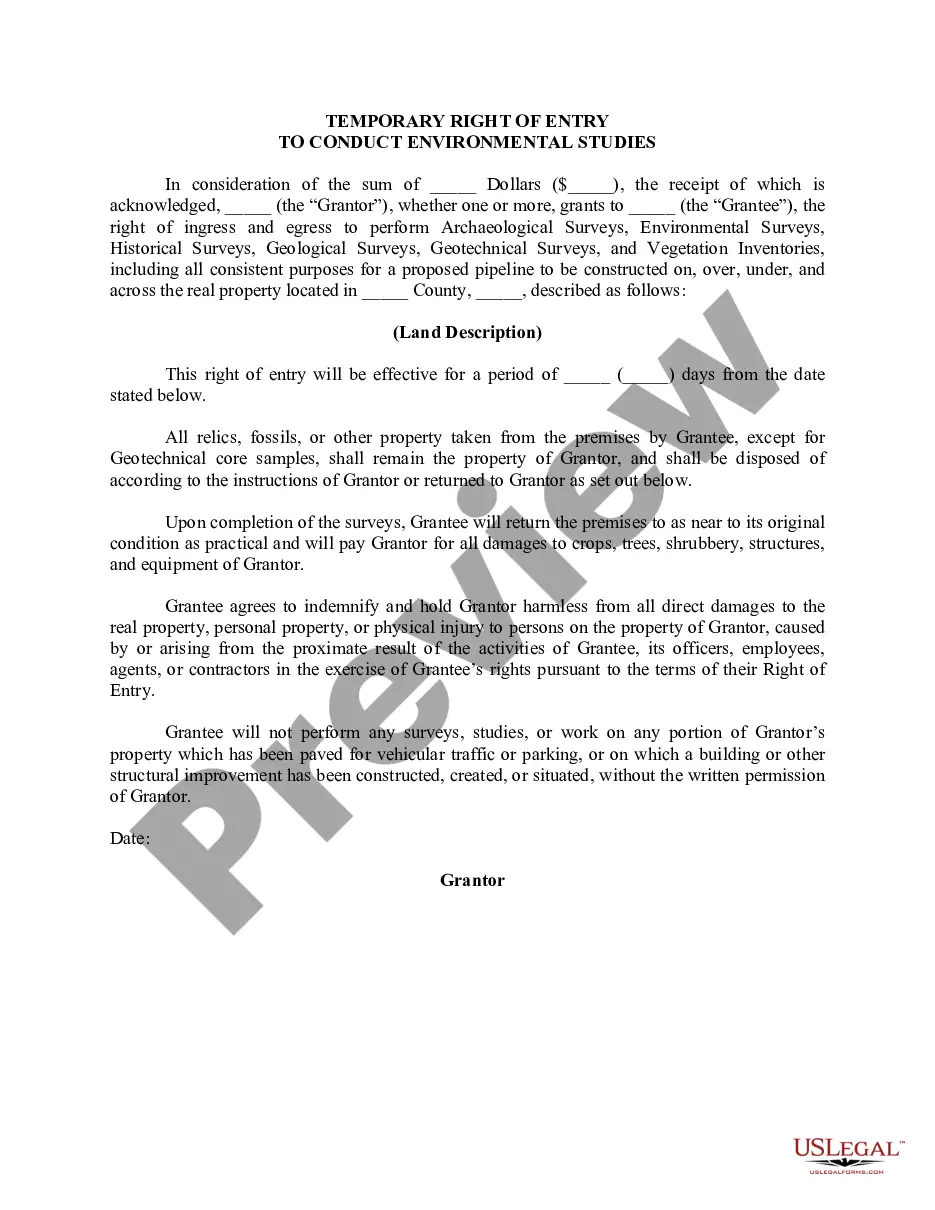
The Temporary Right of Entry to Conduct Environmental Studies form grants permission for a Grantee to enter a property for specific studies related to environmental and archaeological assessments. This form is distinct from general property access agreements as it focuses solely on environmental surveys and the temporary nature of the right granted.
What’s included in this form
- The parties involved: Grantor (property owner) and Grantee (the entity conducting the studies).
- The right of ingress and egress for specific survey activities, such as geological and environmental studies.
- Duration of the right of entry, specified in days.
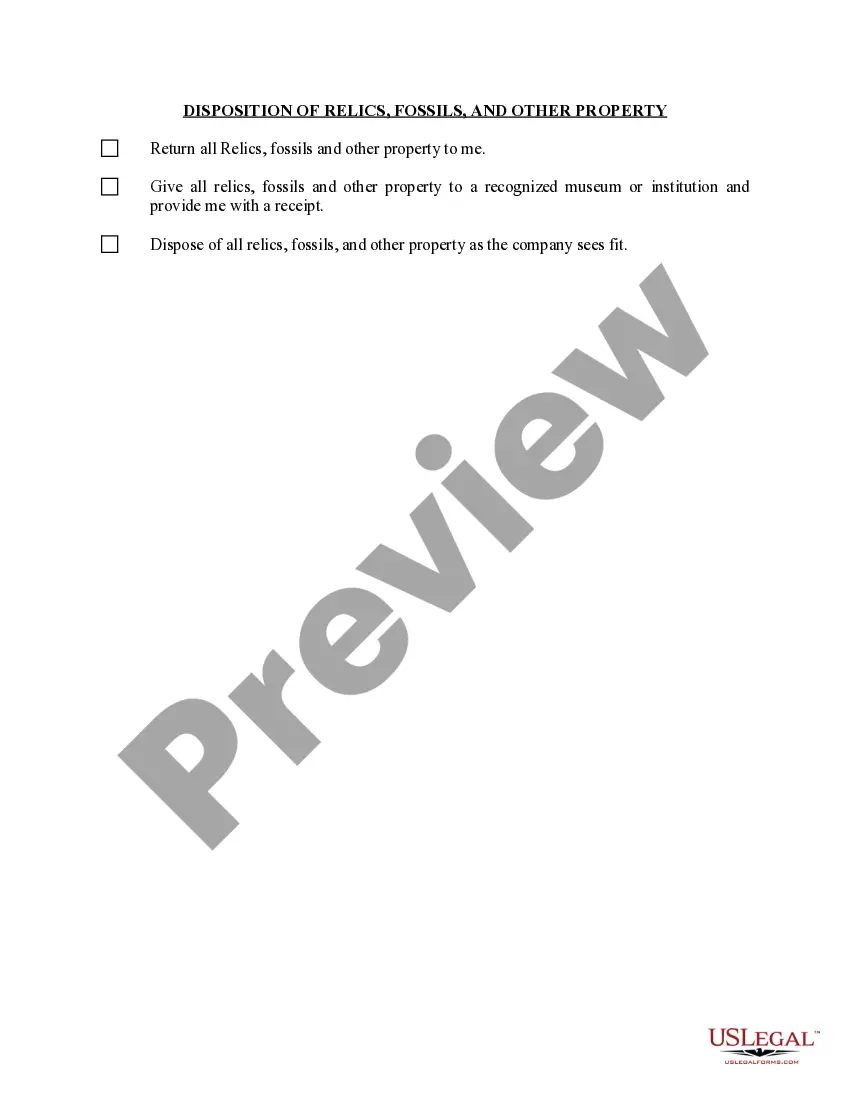
- Disposition of relics and fossils found during studies, with options for return or disposal.
- Indemnity clause to protect the Grantor from damages during the Grantee's activities.
Common use cases
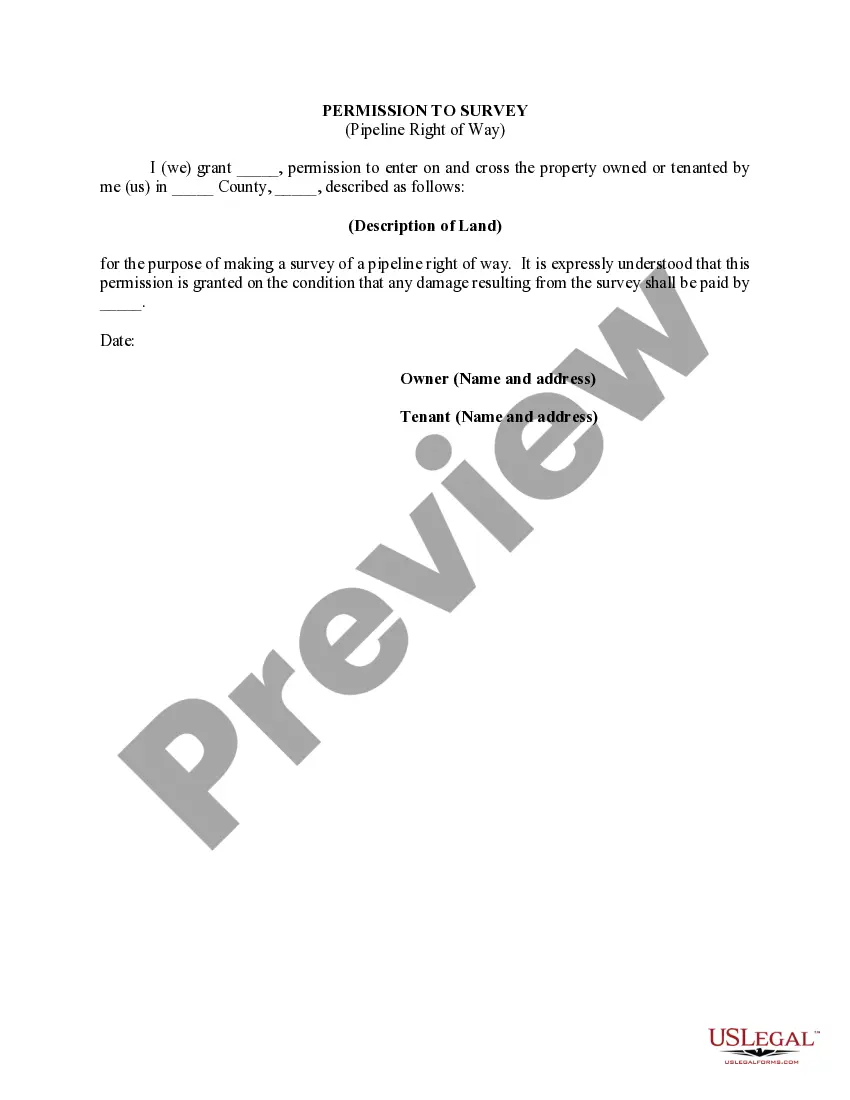
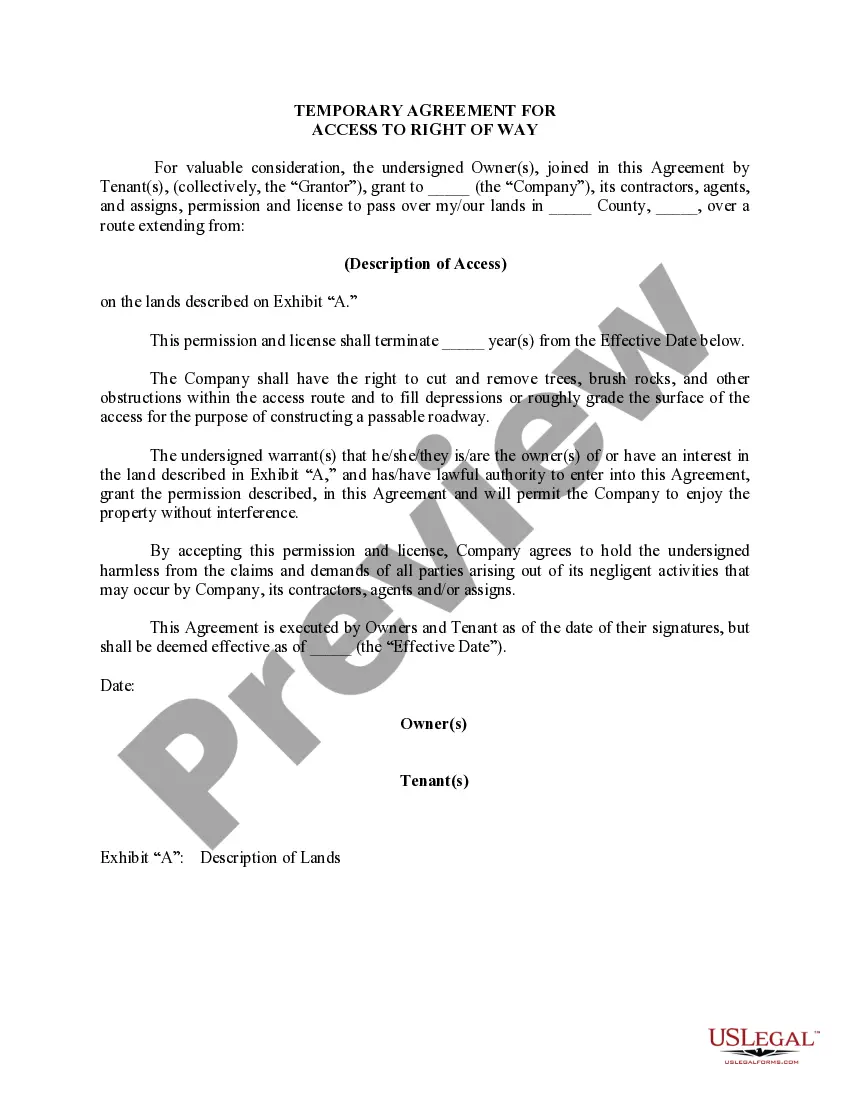
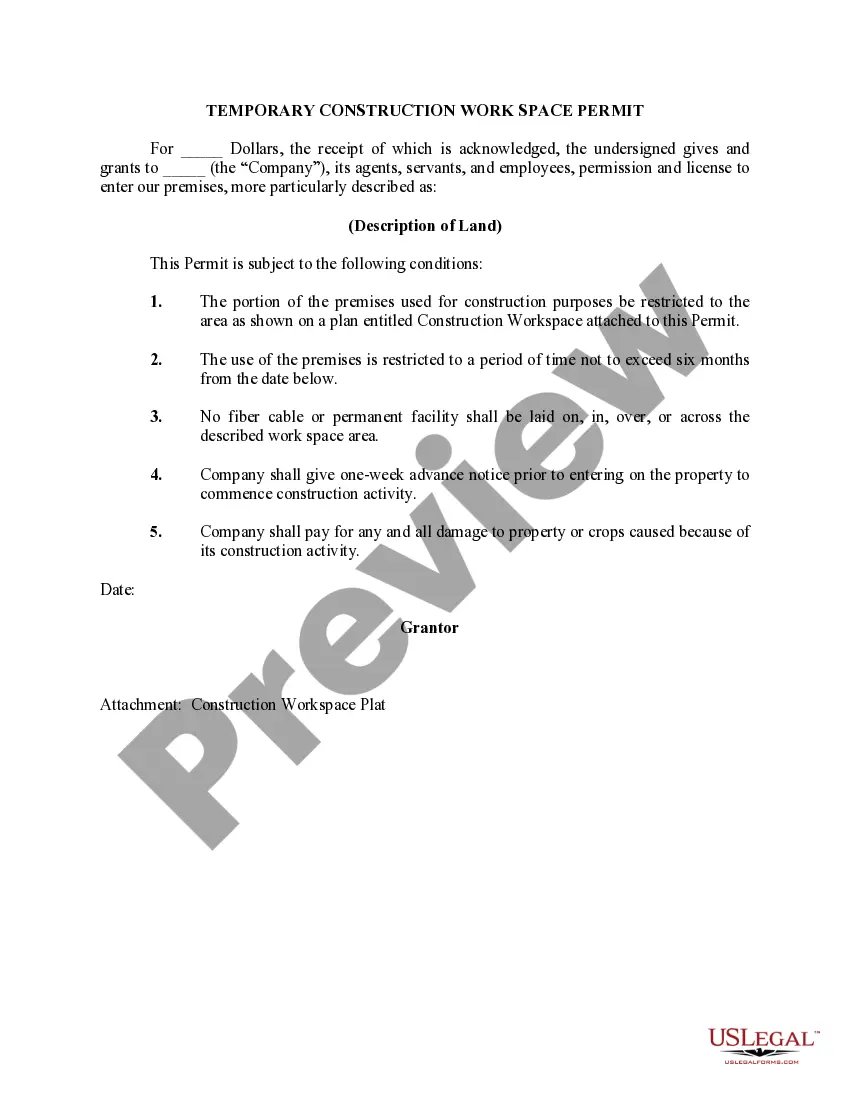
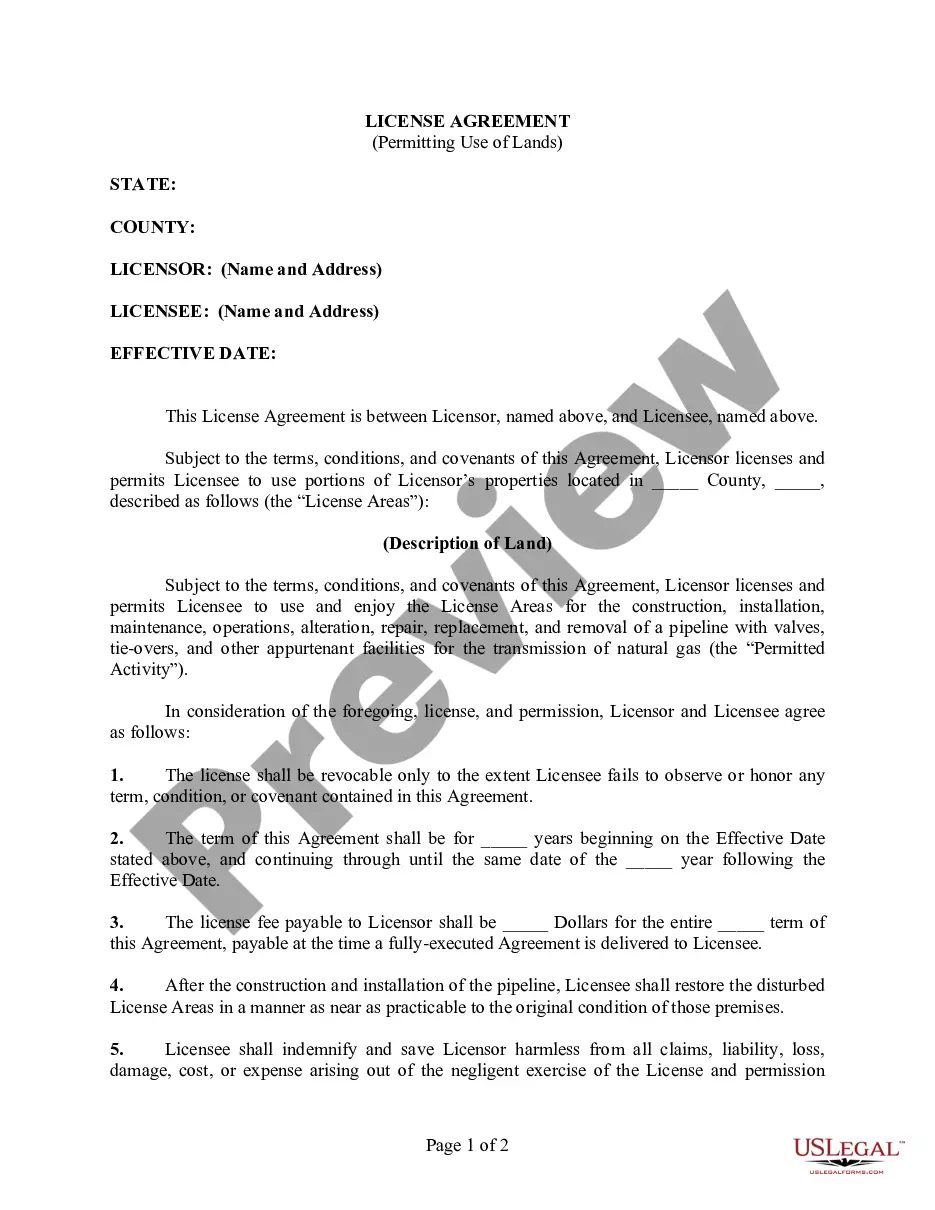
This form is needed when a property owner allows a third party to enter their land for conducting environmental research or surveys. Use this form to ensure clear terms of access, responsibility for damages, and ownership of any findings during the studies, especially for projects like pipeline constructions that require thorough environmental assessments.
Who can use this document
- Property owners (Grantors) who wish to allow access to their land for environmental studies.
- Companies or organizations (Grantees) conducting environmental studies, including geological or archaeological surveys.
- Legal professionals assisting in drafting agreements for temporary property access.
Completing this form step by step
- Identify the parties: Enter the names and addresses of the Grantor and Grantee.
- Specify the property: Provide a detailed description of the property being accessed.
- Enter the compensation: State the amount to be paid to the Grantor for granting access.
- Determine the duration: Specify the number of days the Grantee will have access to the property.
- Include instructions for the disposition of any relics or fossils found during the studies.
Notarization requirements for this form
Notarization is not commonly needed for this form. However, certain documents or local rules may make it necessary. Our notarization service, powered by Notarize, allows you to finalize it securely online anytime, day or night.
Get your form ready online
Our built-in tools help you complete, sign, share, and store your documents in one place.
Make edits, fill in missing information, and update formatting in US Legal Forms—just like you would in MS Word.
Download a copy, print it, send it by email, or mail it via USPS—whatever works best for your next step.
Sign and collect signatures with our SignNow integration. Send to multiple recipients, set reminders, and more. Go Premium to unlock E-Sign.
If this form requires notarization, complete it online through a secure video call—no need to meet a notary in person or wait for an appointment.
We protect your documents and personal data by following strict security and privacy standards.

Make edits, fill in missing information, and update formatting in US Legal Forms—just like you would in MS Word.

Download a copy, print it, send it by email, or mail it via USPS—whatever works best for your next step.

Sign and collect signatures with our SignNow integration. Send to multiple recipients, set reminders, and more. Go Premium to unlock E-Sign.

If this form requires notarization, complete it online through a secure video call—no need to meet a notary in person or wait for an appointment.

We protect your documents and personal data by following strict security and privacy standards.
Avoid these common issues
- Not clearly identifying all parties involved.
- Failing to specify the exact duration of access needed.
- Neglecting to discuss and document the ownership of findings.
- Overlooking the need for an indemnity clause to protect against damages.
Advantages of online completion
- Convenient access: Download the form anytime and anywhere.
- Editability: Fill in the required fields easily before printing.
- Reliability: Ensure that the form is drafted by licensed attorneys, following legal standards.
Legal use & context
- This form serves as a legally binding agreement that defines the terms of access to property for environmental studies.
- It protects the interests of both the property owner and the Grantee by outlining responsibilities and liabilities.
- Usage of this form in compliance with state laws enhances its enforceability.
What to keep in mind
- The Temporary Right of Entry form is crucial for legal access to conduct environmental studies.
- Clarity in duration, liability, and ownership protects both Grantors and Grantees.
- Using this form online provides easy access and reliable legal standards.
Looking for another form?
Form popularity
FAQ
Use it or lose it in fact with a right of way over your neighbour's land, the opposite is true. Case law shows mere failure to use a right does not on its own lead to its loss.Mere failure to use is not by itself enough to destroy the right.
For example, in California, the law states that a landlord must provide written notice before entering your property. If they don't, they are in violation of your lease, oral or written.
What is a Right of Entry (ROE) permit? A1. A Right of Entry (ROE) permit is an agreement between the City of San Diego and the applicant/permittee (an individual, organization, or business) granting the permittee access to enter City-owned lands or dedicated easements for a specific purpose.
Right of entry refers to one's right to take or resume possession of land, or the right of a person to go onto another's real property without committing trespass. It also refers to a grantor's power to retake real estate from a grantee in the case of a fee simple subject to condition subsequent.
Contents of a lease agreement: Names of the lessor and lessee or their agents. Description of the property. Amount of rent and due dates, grace period, late charges. Mode of rent payment.
A Right-of-Entry (ROE) form gives permission to the city/county and state to access your property for the purpose of cleanup activities. By signing an ROE form, you are signing up to participate in the program. The form extends permission to CalRecycle and its contactors to perform the cleanup work.
A ROE document allows the tenant's Financier or its agent's to enter and occupy the leased pharmacy premises in place of the tenant.Understandably, most landlords do not readily give up their rights to re-enter and take possession or control of the leased premises to third parties.
If you disagree with the landlord/agent about reasonable access, apply to the Tribunal for an order to specify or limit the days and times on which they can show the premises. If you refuse access, the landlord/agent can apply to the Tribunal for an order that authorises them or any other person to enter the premises.
Tenants have an expectation of privacy in their rental unit that is protected by law. This right extends to all of the rental premises, including decks, balconies, yards, and garages, if these areas are included in the rental agreement.