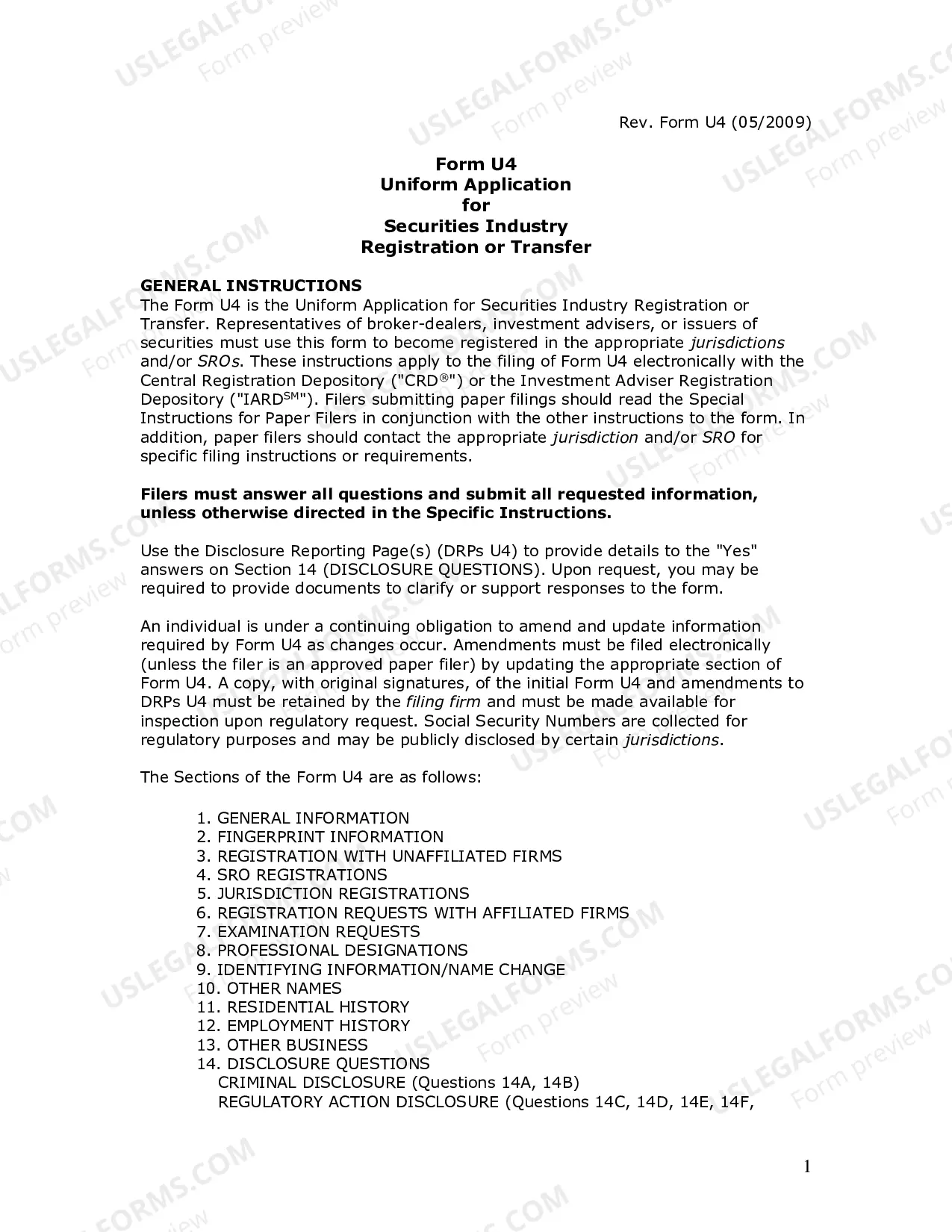
Storage Yard Lease (Fiber Optic Equipment)
Understanding this form
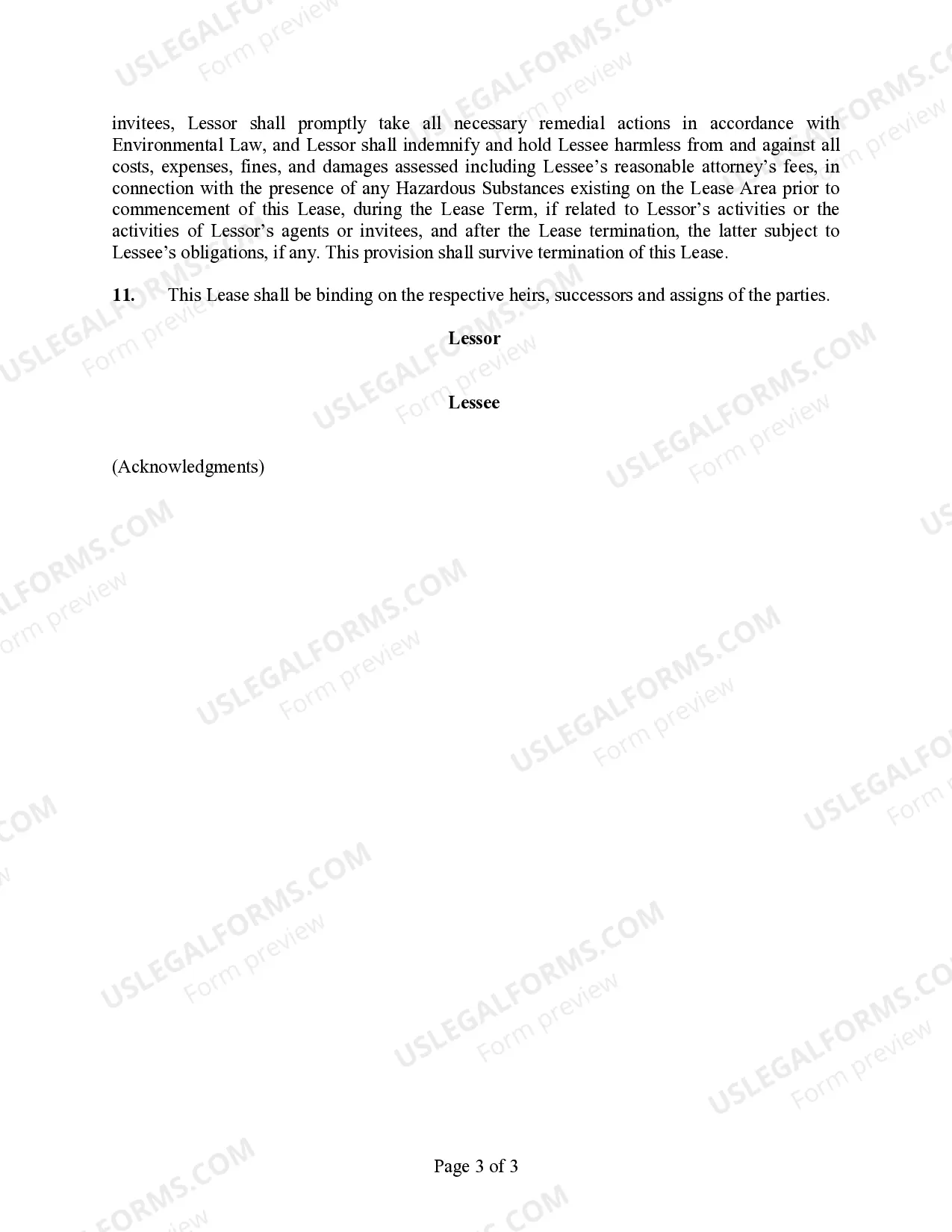
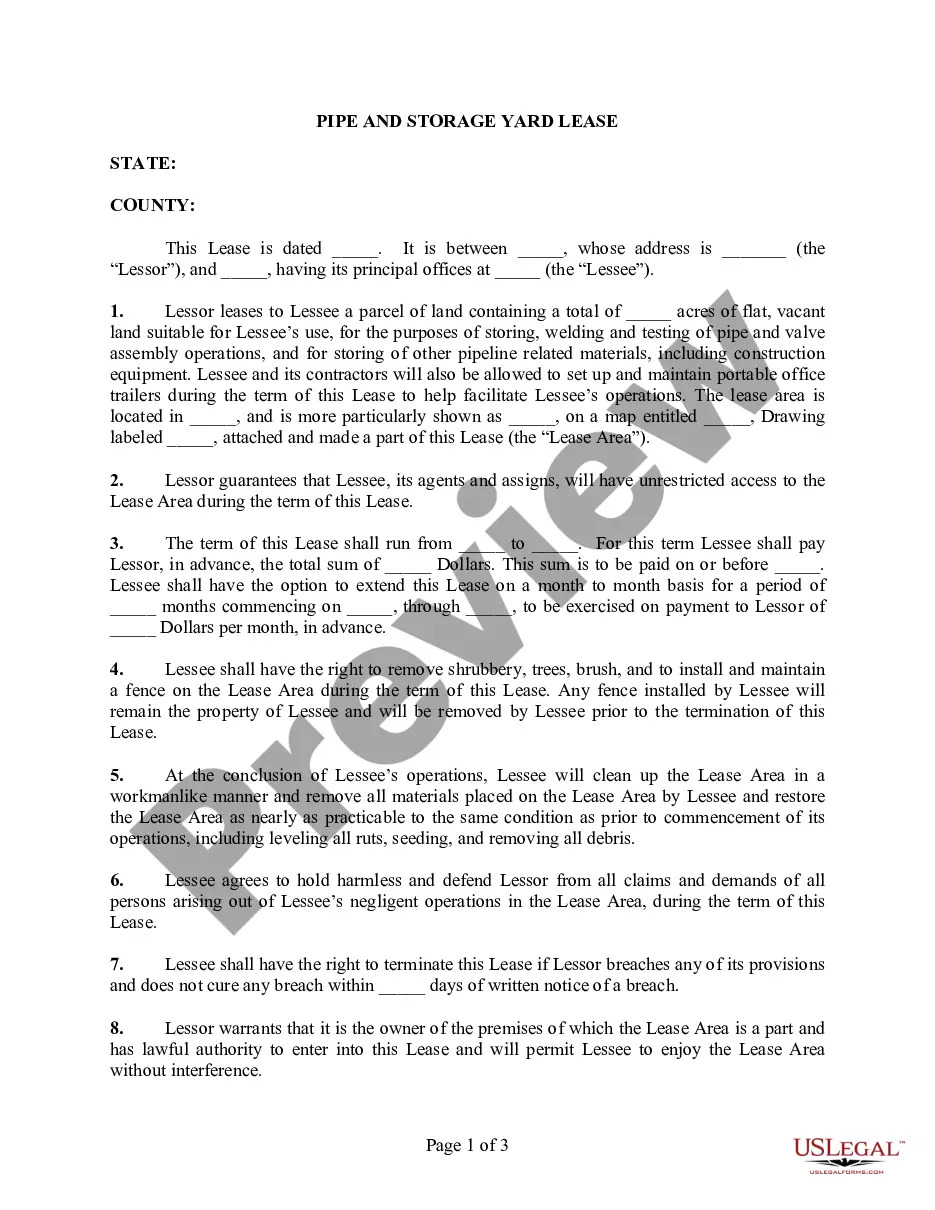
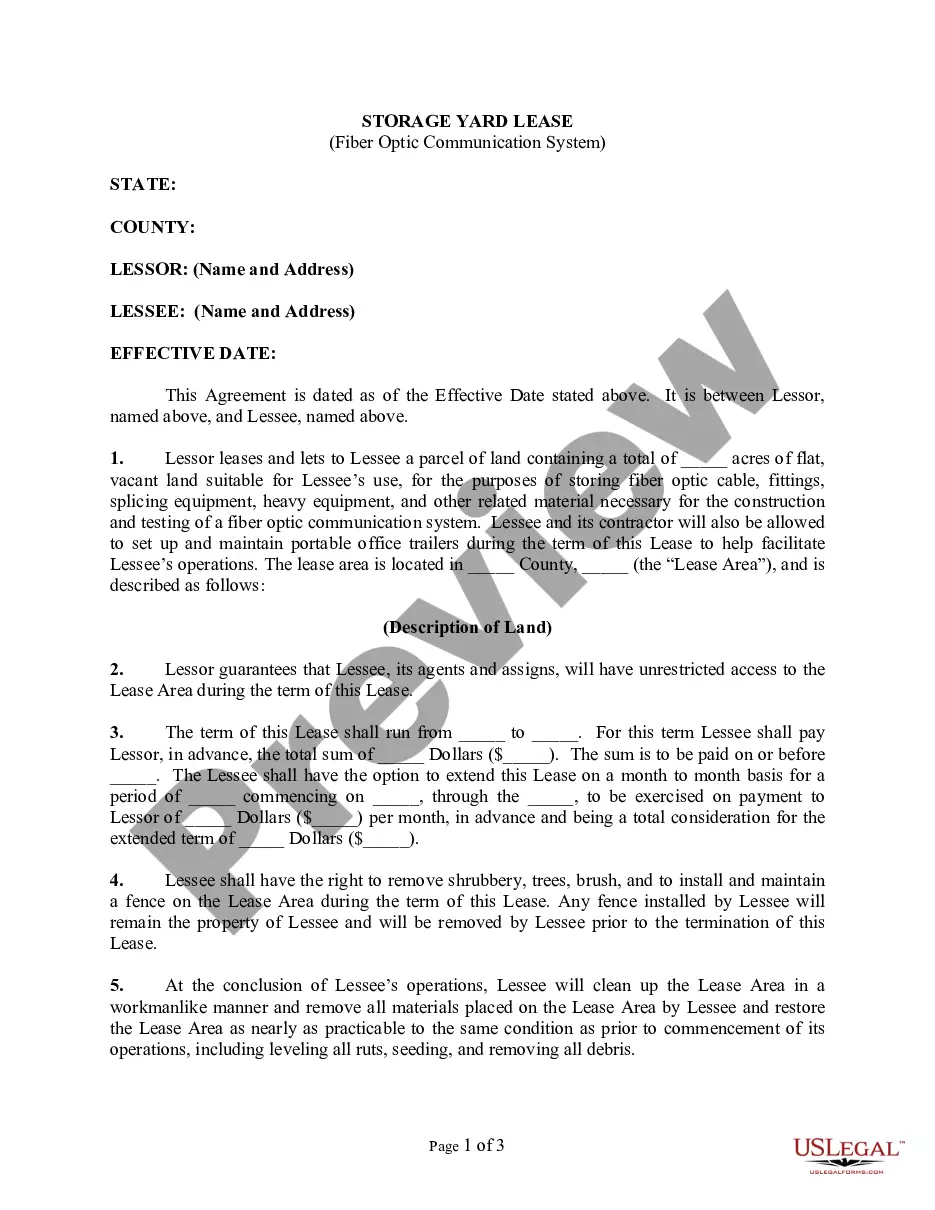
This Storage Yard Lease (Fiber Optic Equipment) is a legal document outlining the terms under which one party, the Lessor, leases a specific parcel of land to another party, the Lessee. This unique lease is tailored for businesses needing space to store fiber optic equipment, such as cables and splicing gear. Unlike general lease agreements, this form includes provisions specific to the operational needs of telecommunications companies.
Main sections of this form
- Identification of parties involved, including names and addresses of the Lessor and Lessee.
- Description of the leased property, including size and suitability for fiber optic equipment storage.
- Lease term details, including start and end dates, with payment terms specified.
- Access rights and responsibilities for property maintenance and removal of installations.
- Environmental regulations obligations, particularly concerning hazardous substances.
- Termination conditions if either party breaches the contract.

When to use this form
This form is essential when a telecommunications company needs to secure a dedicated area for storing fiber optic equipment, whether for short-term or long-term use. It is suitable for situations where a contractor or business requires space to operate, set up temporary offices, and safely store necessary materials for fiber optic installations and testing.
Who this form is for
This lease is intended for:
- Telecommunications companies looking to store fiber optic equipment.
- Contractors specializing in fiber optic installations requiring dedicated workspace.
- Businesses needing to ensure legal access and usage rights for a specific parcel of land.
Instructions for completing this form
- Identify and enter the names and addresses of the Lessor and Lessee.
- Specify the effective date and the duration of the lease.
- Detail the size and description of the lease area allocated for usage.
- Clearly outline the payment terms and any options for lease extension.
- Review and agree on the responsibilities regarding hazardous substances and environmental laws.
- Include signatures from both parties to finalize the agreement.
Notarization requirements for this form
This form needs to be notarized to ensure legal validity. US Legal Forms provides secure online notarization powered by Notarize, allowing you to complete the process through a verified video call, available anytime.
Get your form ready online
Our built-in tools help you complete, sign, share, and store your documents in one place.
Make edits, fill in missing information, and update formatting in US Legal Forms—just like you would in MS Word.
Download a copy, print it, send it by email, or mail it via USPS—whatever works best for your next step.
Sign and collect signatures with our SignNow integration. Send to multiple recipients, set reminders, and more. Go Premium to unlock E-Sign.
If this form requires notarization, complete it online through a secure video call—no need to meet a notary in person or wait for an appointment.
We protect your documents and personal data by following strict security and privacy standards.

Make edits, fill in missing information, and update formatting in US Legal Forms—just like you would in MS Word.

Download a copy, print it, send it by email, or mail it via USPS—whatever works best for your next step.

Sign and collect signatures with our SignNow integration. Send to multiple recipients, set reminders, and more. Go Premium to unlock E-Sign.

If this form requires notarization, complete it online through a secure video call—no need to meet a notary in person or wait for an appointment.

We protect your documents and personal data by following strict security and privacy standards.
Common mistakes
- Failing to clearly describe the leased property, leading to confusion regarding boundaries.
- Not specifying payment due dates, which can lead to disputes over rent.
- Neglecting to address environmental regulation compliance, risking legal liability.
- Omitting signatures or proper dates, rendering the document unenforceable.
Why complete this form online
- Convenient access to a professionally drafted lease agreement tailored for fiber optic operations.
- Editable fields allow customization to fit specific terms and conditions.
- Secure and reliable format, ensuring compliance with legal standards.
Looking for another form?



Form popularity
FAQ
Raceway, also called conduit, is one of the easiest ways to protect any cable, fiber optic included. These hollow pieces of plastic act like a protective outer shell. They are available as straight sticks as well as various angled pieces for designing networks of any size and shape.
One of the toughest roadblocks to bringing high speed broadband to rural counties is the cost of installing fiber optic cable. The Department of Transportation has compiled statistics that put the average cost of laying fiber at $27,000 per mile.
Keep Cable Connectors Clean and Dry. Before using fiber optic cables, clean the connectors on the cable and on the cables or ports the cable is connected to. Leave Dust Caps On Until Ready to Connect. Take It Easy. Test for Failure Points. Avoid Tangled Cables.
You will need a fiber-ready router (often called a residential gateway by internet providers like CenturyLink) in order to accommodate fiber-optic speeds.
On average, fiber optic cable installation costs $1 to $6 per foot depending on the fiber count.
The effective rate for a pair is $355 to $591 per mile per month and $177 to $295 per fiber per month per mile (based on purchase of a pair). The lower prices within this range are offered based upon quantity, buffer tubes used, route length, topology, and length of term.
You may see fiber optic cable costs by the linear foot or the mile. Much also depends on the number of strands and whether the cable is single- or multi-mode. The cost per linear foot ranges between $1 and $6 including installation. 12-strand single-mode fiber optic costs between $8,500 and $10,000 per mile.
Since installing fiber most often requires laying a new cable and setting up specialized equipment, some fiber providers do not give the option for you to self-install fiber internet. You must have a technician come to your home to set it up for you, which can be very expensive.
Budget is always the most direct choice factor when installing cables. Copper cable vs fibre optic cable price, it's true that the popular impression is that copper is cheap, fibre is expensive.