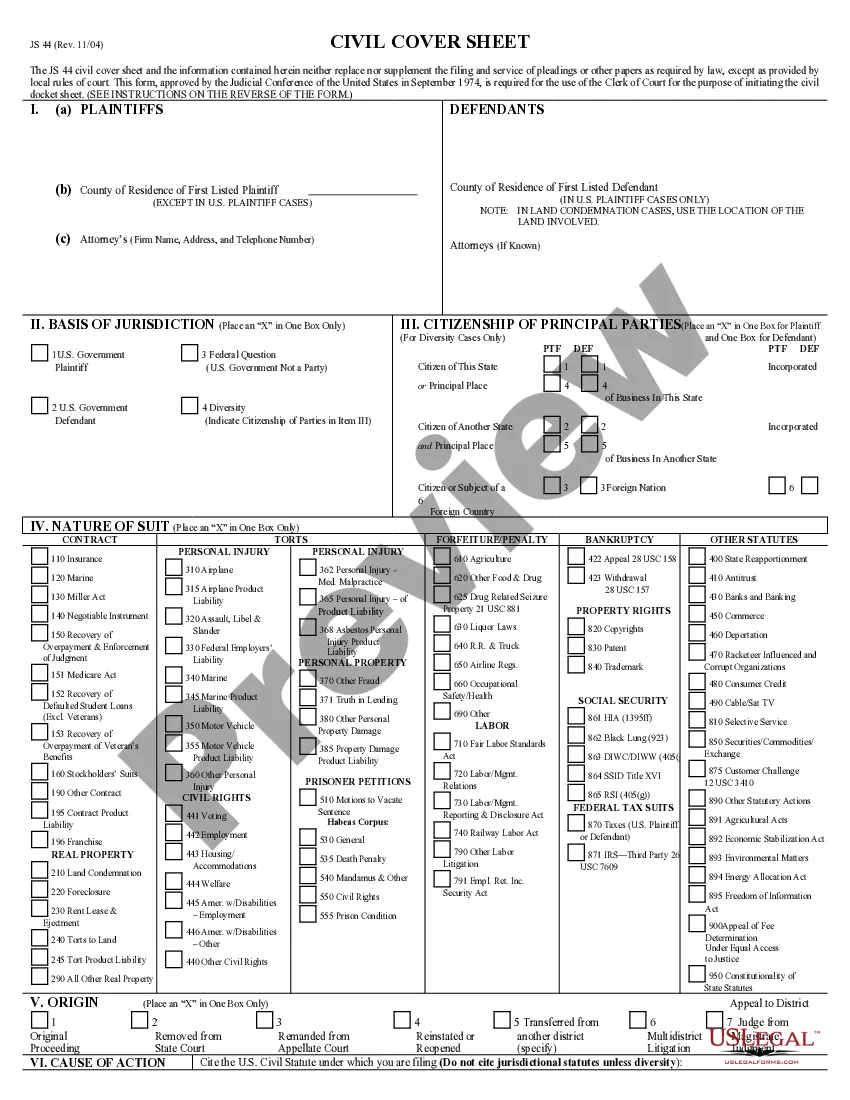
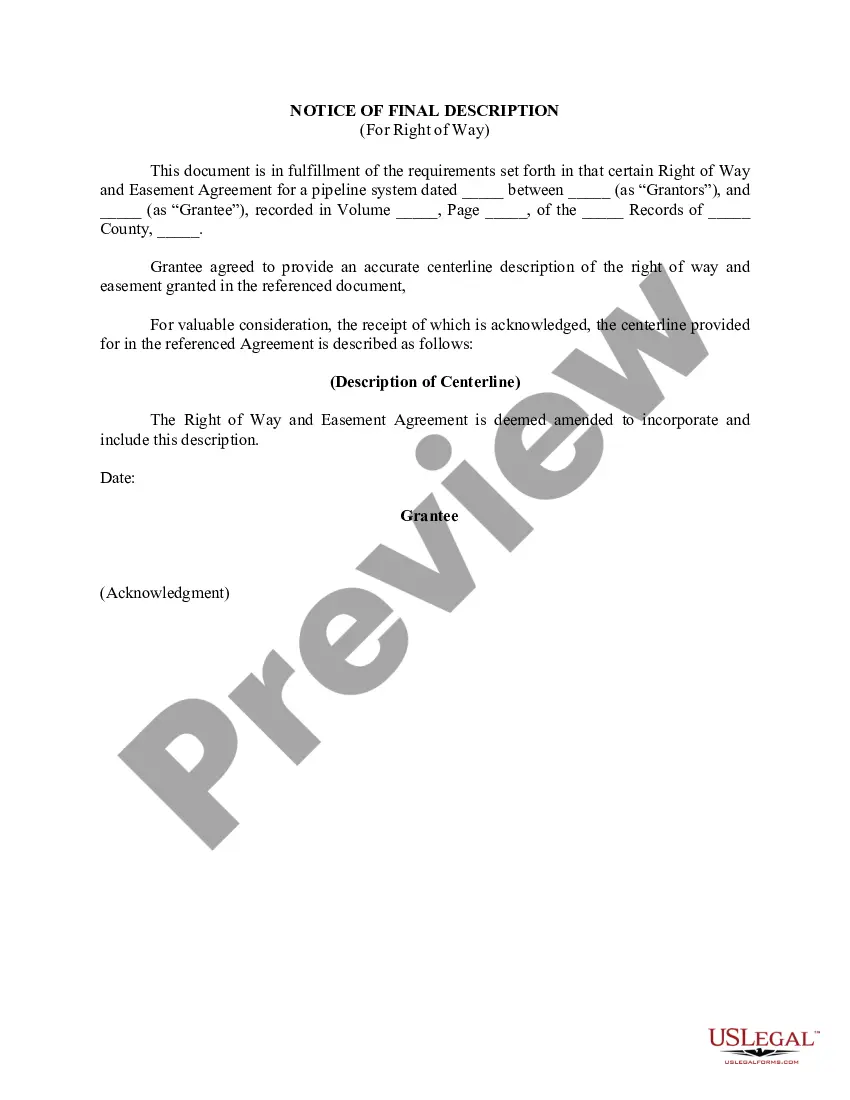
Notice of Final Description (For Right of Way)
Description
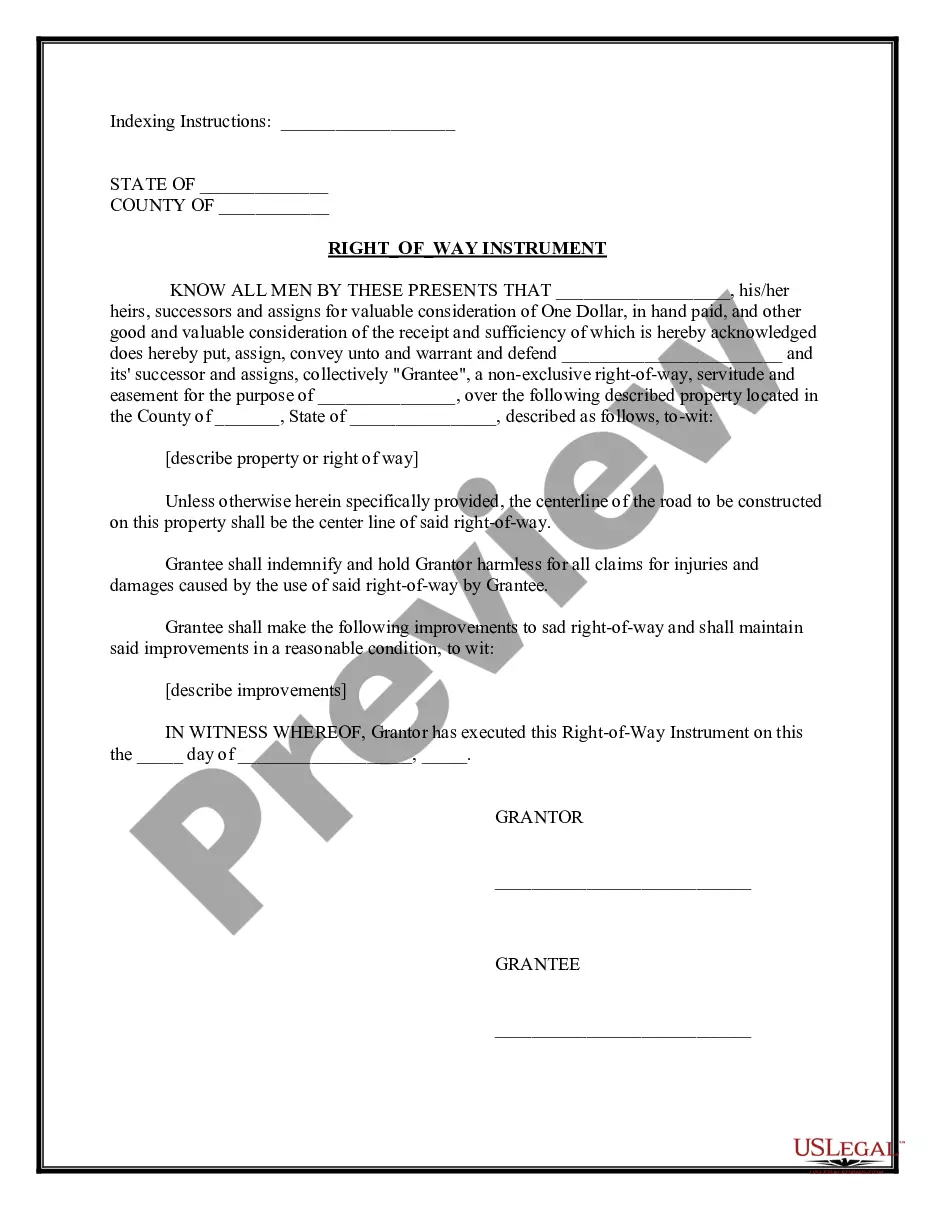
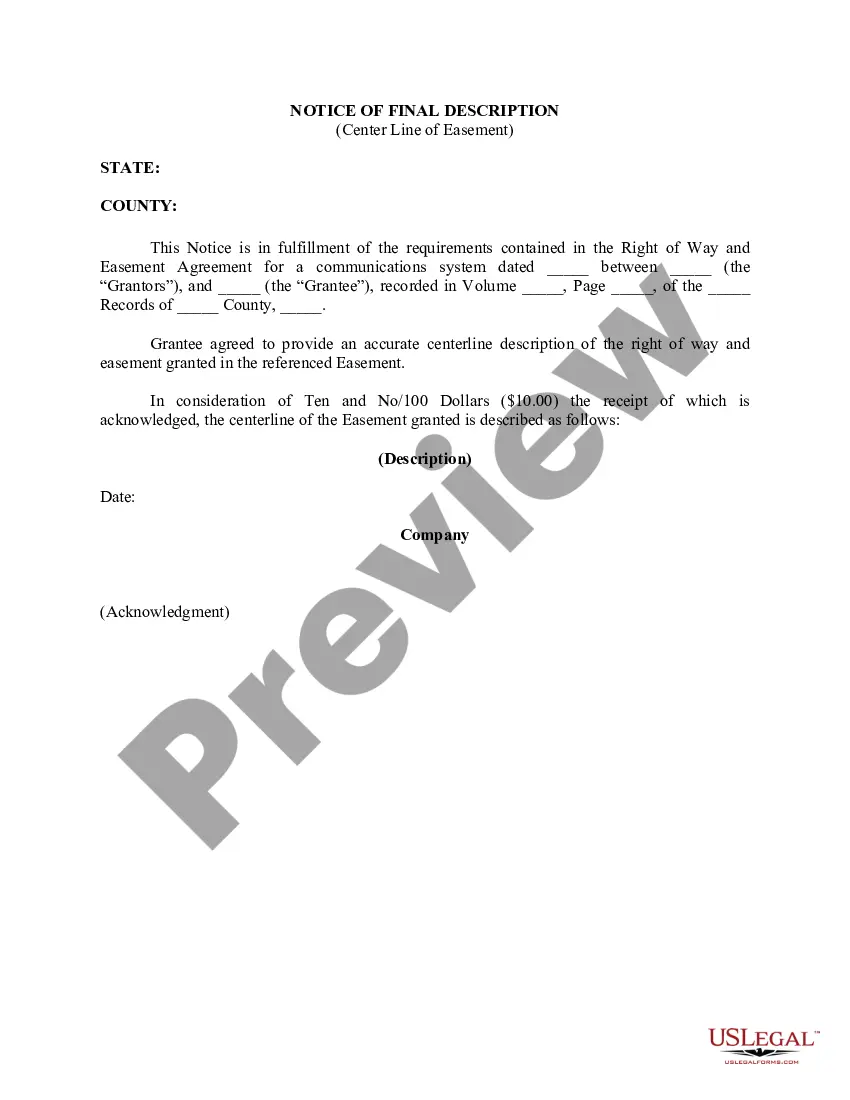
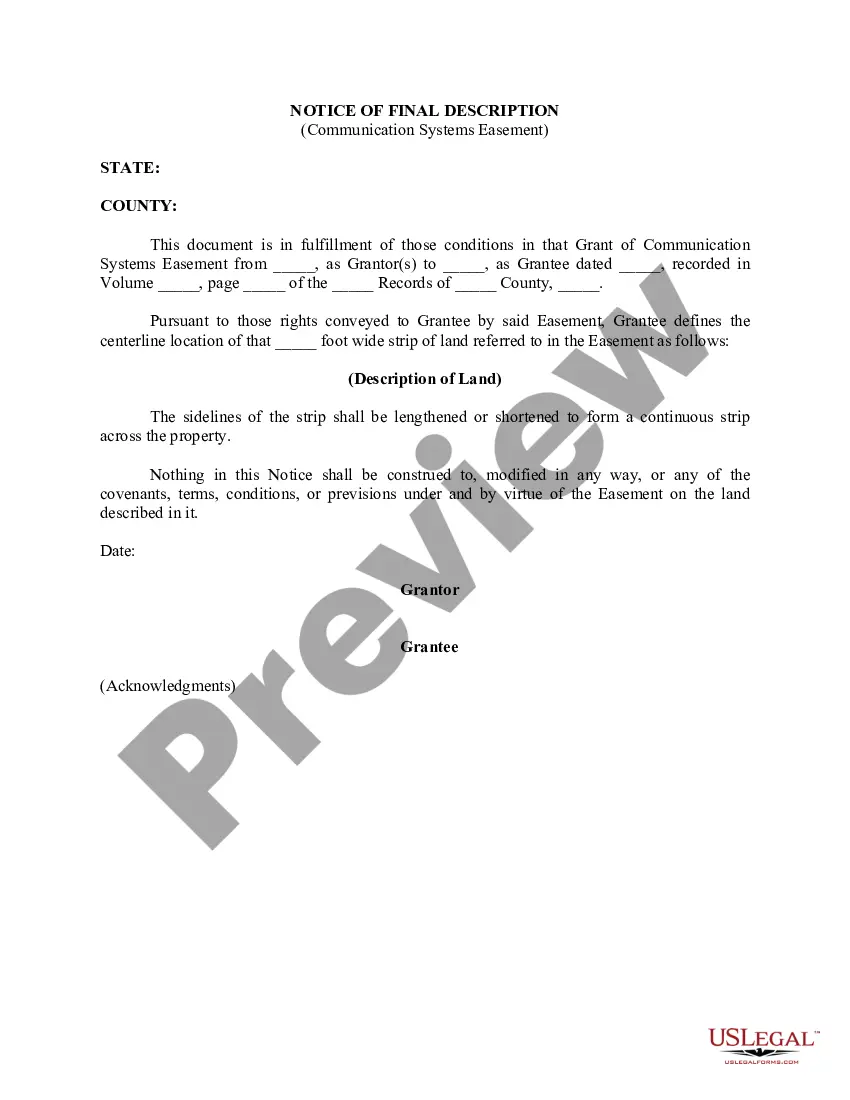
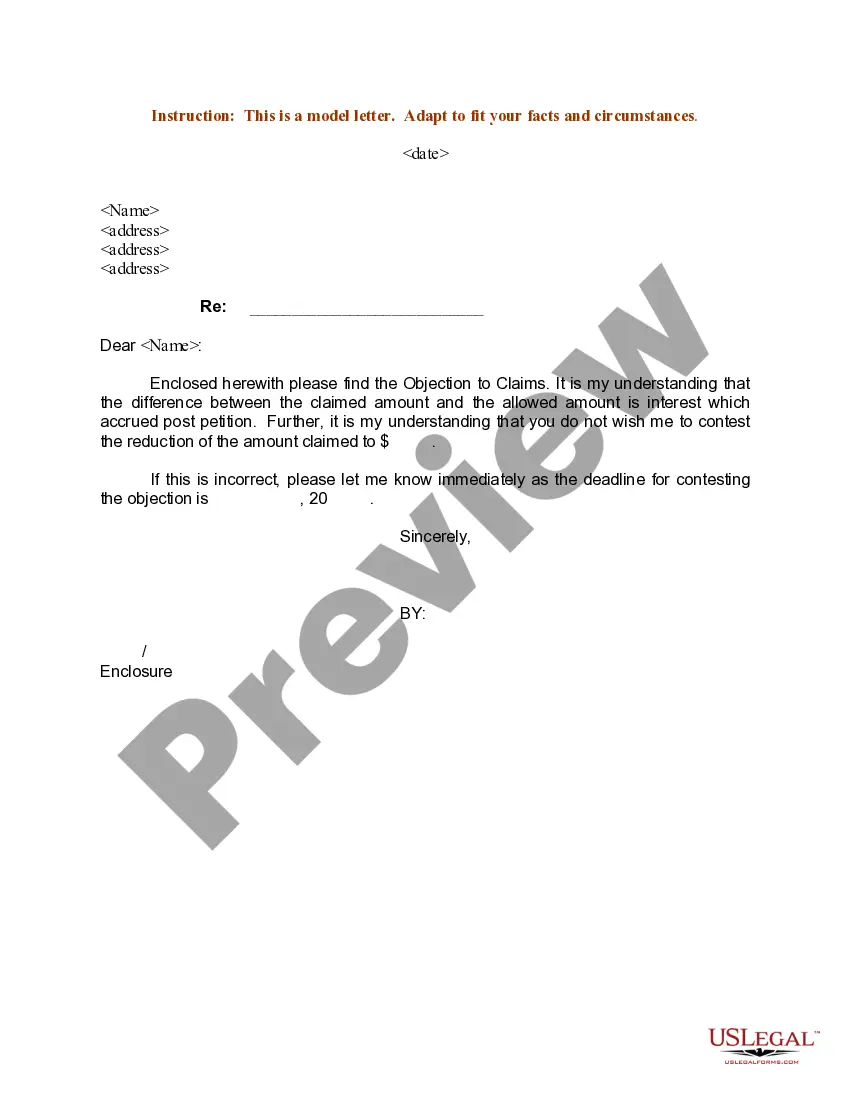
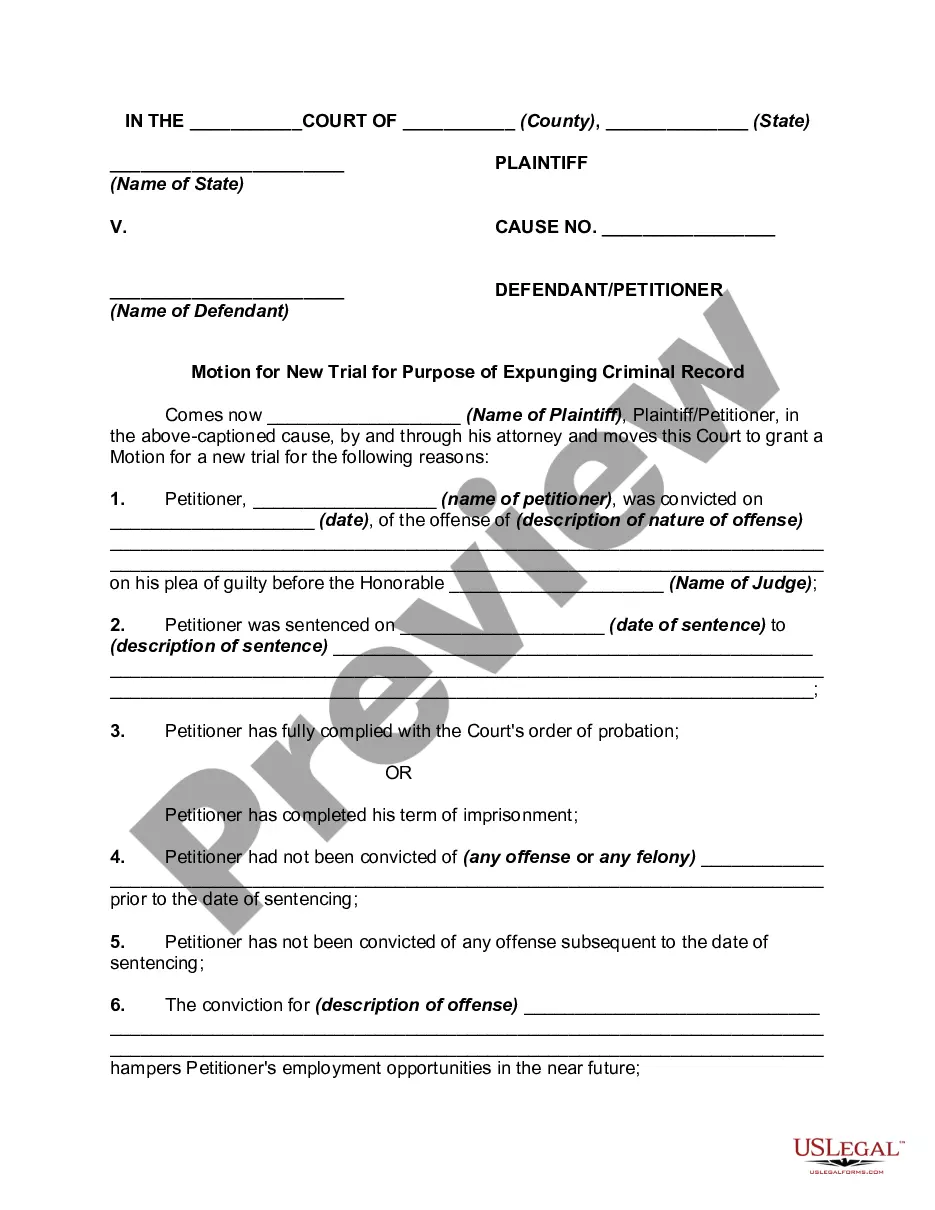
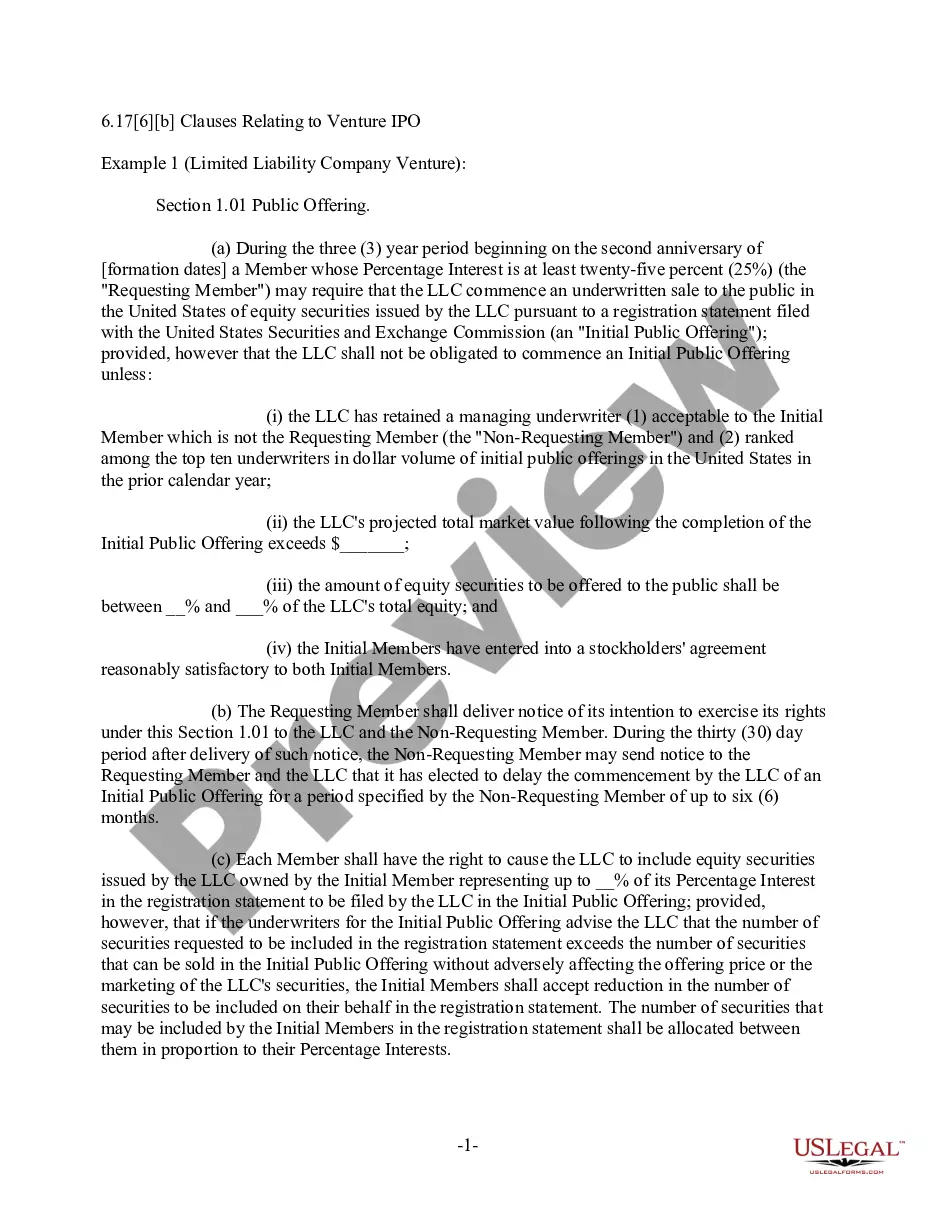
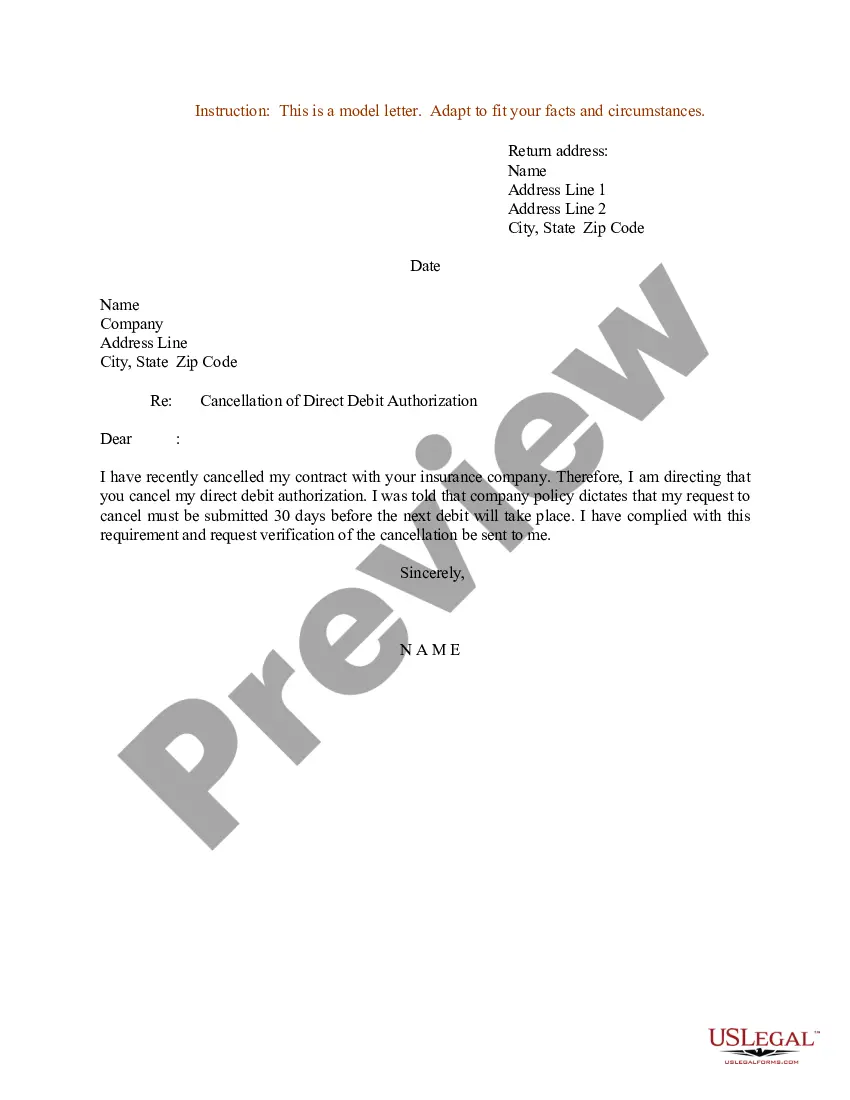
How to fill out Notice Of Final Description (For Right Of Way)?
When it comes to drafting a legal document, it’s better to delegate it to the specialists. However, that doesn't mean you yourself cannot find a template to use. That doesn't mean you yourself can not get a template to utilize, however. Download Notice of Final Description (For Right of Way) from the US Legal Forms website. It gives you numerous professionally drafted and lawyer-approved forms and templates.
For full access to 85,000 legal and tax forms, customers simply have to sign up and choose a subscription. When you are registered with an account, log in, find a certain document template, and save it to My Forms or download it to your device.
To make things easier, we have incorporated an 8-step how-to guide for finding and downloading Notice of Final Description (For Right of Way) fast:
- Make confident the document meets all the necessary state requirements.
- If available preview it and read the description before buying it.
- Press Buy Now.
- Select the suitable subscription to meet your needs.
- Create your account.
- Pay via PayPal or by credit/visa or mastercard.
- Select a needed format if a number of options are available (e.g., PDF or Word).
- Download the file.
As soon as the Notice of Final Description (For Right of Way) is downloaded you can complete, print and sign it in almost any editor or by hand. Get professionally drafted state-relevant documents within a matter of minutes in a preferable format with US Legal Forms!
Form popularity
FAQ
A Right of Way Easement is a form of Easement annexed to land which grants a right to travel over a part of the landowner's property. This right of way is usually granted to neighbouring landowners. The legal rights of the attached landowners to use and maintain the right of way may not always be clear.
What are Easements and Rights-of-Way? Easements are nonpossessory interests in real property. More simply, an easement is the right to use another's property for a specific purpose. Rights-of-way are easements that specifically grant the holder the right to travel over another's property.
It is well established that for a gate to be an obstruction to a private right of way it must substantially interfere with the right of way.However, as in this case, three gates within less than 100 meteres of each other did amount to a substantial interference with the private right of way.
A right of way is a type of easement granted or reserved over the land for transportation purposes, such as a highway, public footpath, rail transport, canal, as well as electrical transmission lines, oil and gas pipelines.In the case of an easement, it may revert to its original owners if the facility is abandoned.
A: Firstly you should establish whether there is any legal right of way to the property.With an easement your mother may insist your neighbour removes the fence obstructing her right of way. That access has been blocked for two years is likely to be irrelevant. Easements can also be abandoned.
"National roads shall have a right of way of not less than twenty (20) meters, provided, that such minimum width may be reduced at the discretion of the Minister of Public Highways to fifteen (15) meters in highly urbanized areas and that a right of way of at least sixty (60) meters shall be reserved for roads
Failing to comply with an injunction usually results in contempt of court proceedings which themselves result in a fine or imprisonment. If your right of way has been deliberately blocked then injunctive proceedings need to be considered.
An easement, right of way or profit can be expressly released by deed. Once this has been done then it is extinguished and cannot be revived. An easement, right of way or profit can be sometimes impliedly released by the owner's actions or in rare cases by the owner's inaction.