Affidavit That All the Estate Assets Have Been Distributed to Devisees by Executor or Estate Representative with Statement Concerning Debts and Taxes
What is this form?
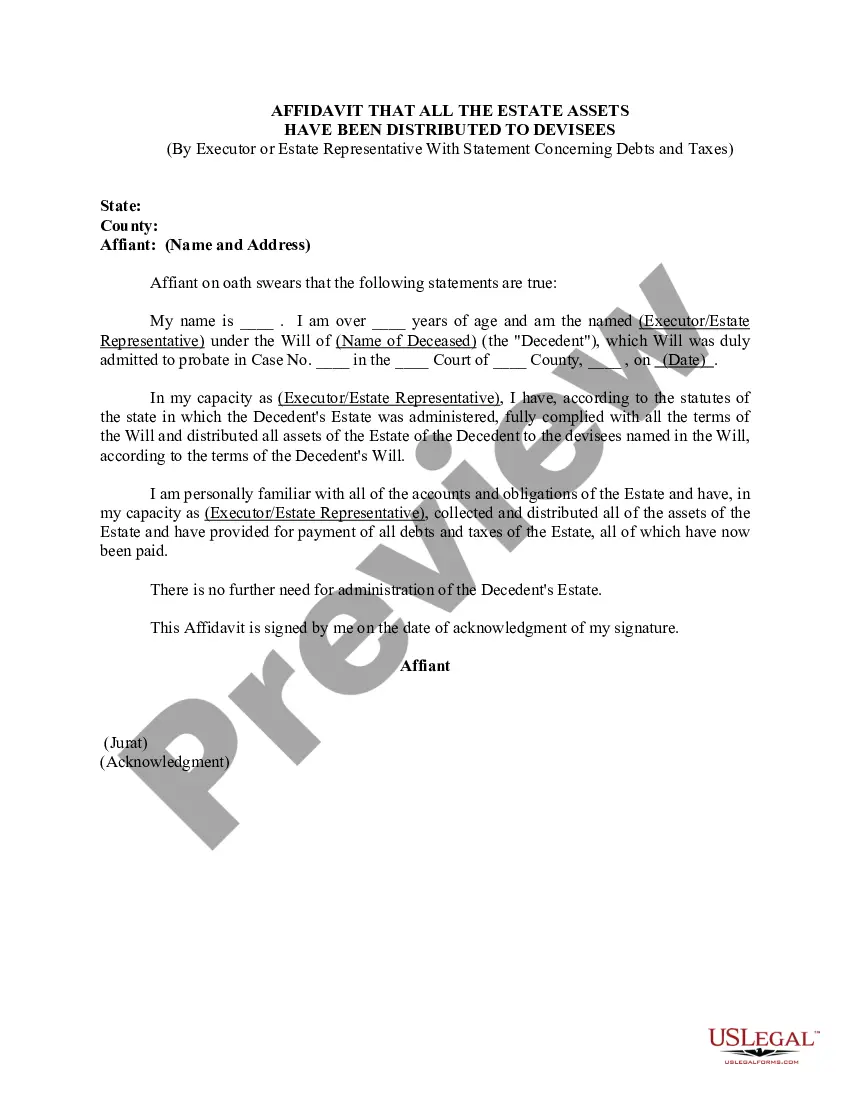
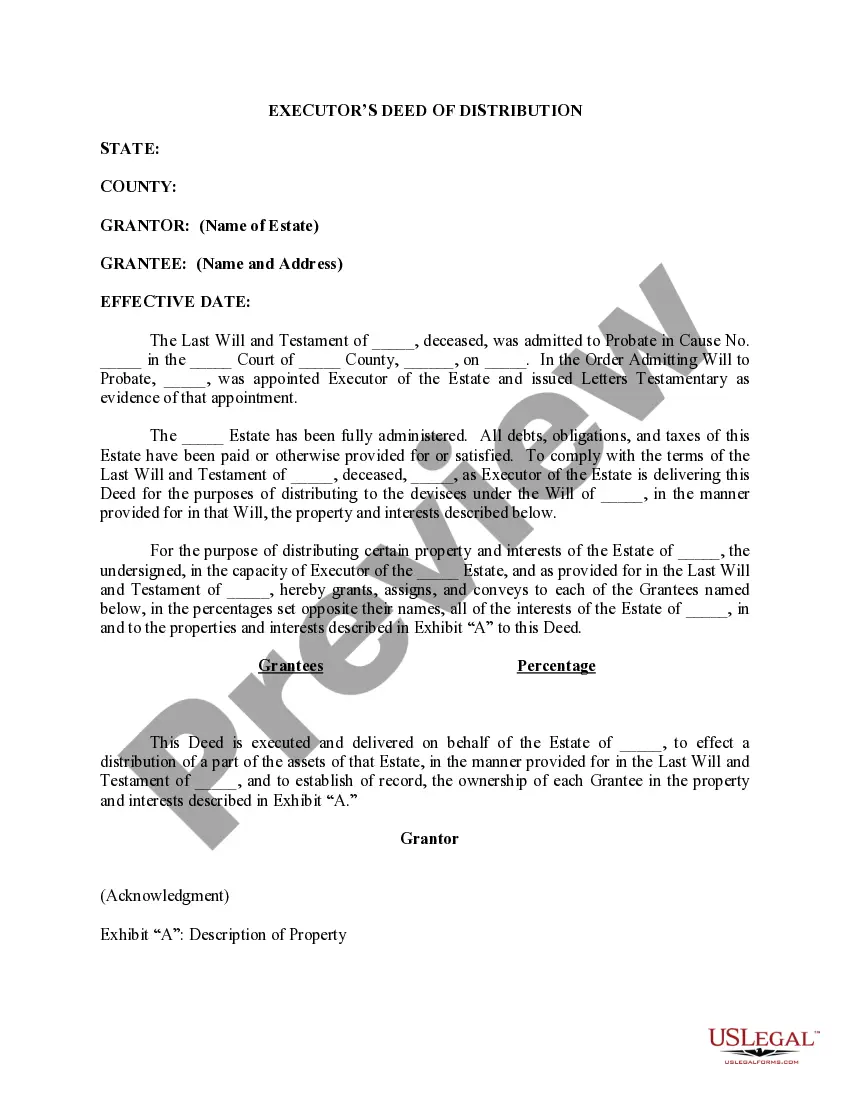
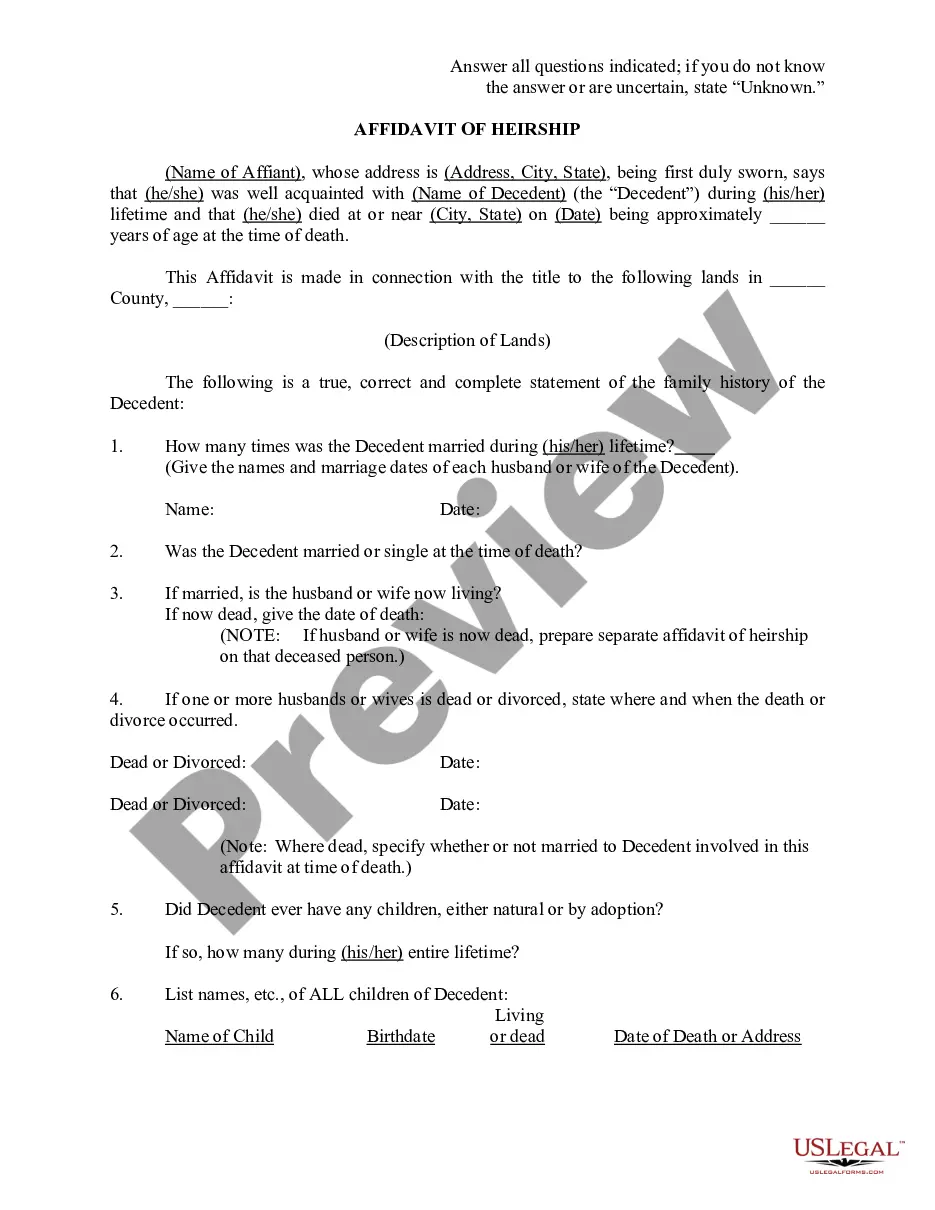
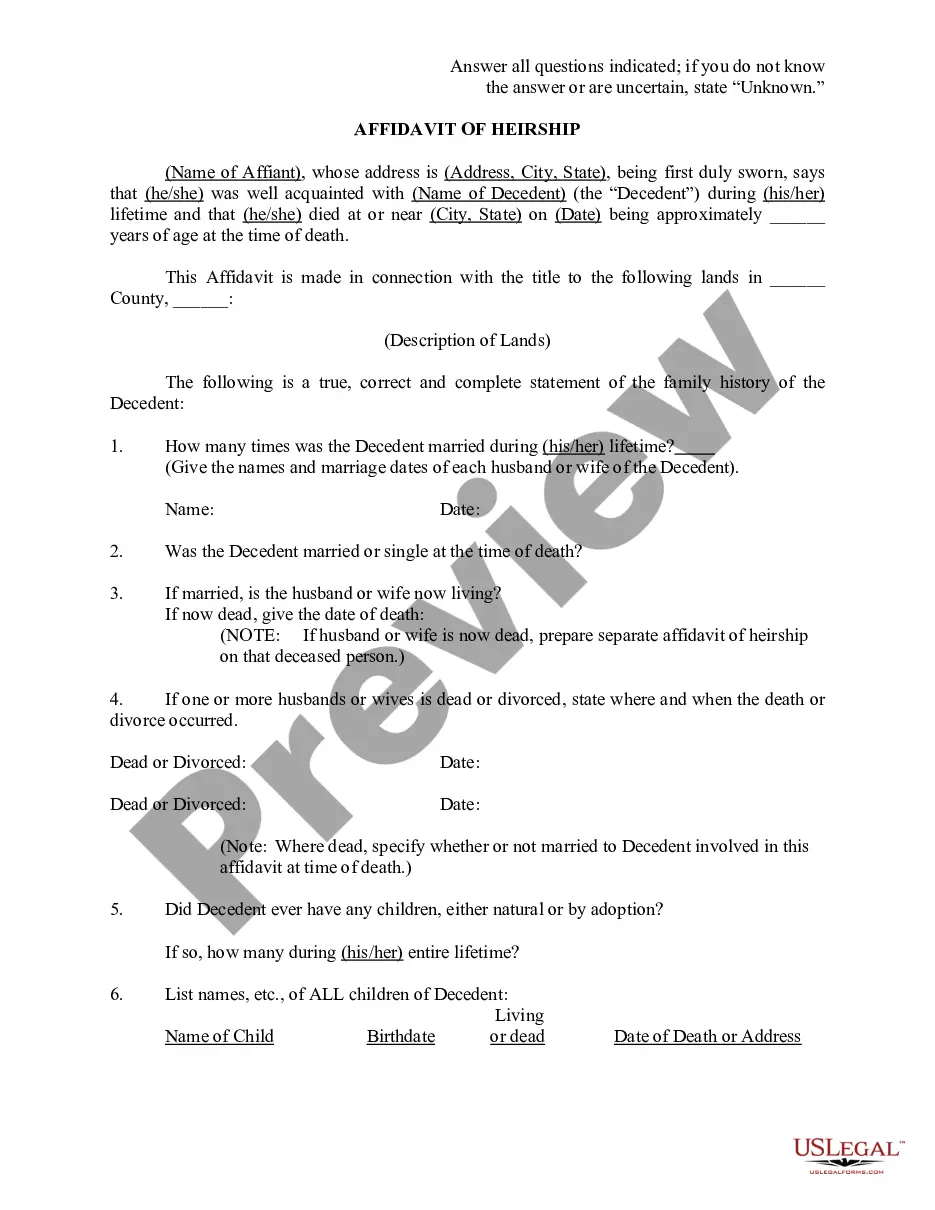
This Affidavit That All the Estate Assets Have Been Distributed to Devisees by Executor or Estate Representative with Statement Concerning Debts and Taxes is a legal document affirming that an estate has been closed, and all assets have been distributed to the beneficiaries as specified in the decedent's will. This affidavit serves as proof that the executor or estate representative has fulfilled their duties, including the payment of debts and taxes related to the estate. It is crucial for ensuring transparency and protecting the interests of all involved parties during estate administration.
Key parts of this document
- Affiant's name and address.
- Statement of the affiant regarding their age and capacity as executor or estate representative.
- Proof of the probate of the decedent's will, including case number and court details.
- Affirmation of compliance with the will's terms and distribution of assets.
- Confirmation of payment of all debts and taxes associated with the estate.
- Signature and acknowledgment of the affidavit by the affiant.
Situations where this form applies
This form should be used when an estate is closed, and the executor or estate representative needs to confirm that all assets have been distributed to the designated devisees. It is often required when a purchaser of any production or asset related to the estate needs assurance that all debts and taxes have been addressed. By providing this affidavit, the executor can effectively communicate that there is no further need for estate administration and that all obligations have been met.
Who should use this form
- Executors or estate representatives managing a decedent's estate.
- Beneficiaries (devisees) of a will who are receiving assets.
- Individuals or entities needing proof of estate closure for financial transactions.
- Legal professionals guiding clients through the estate distribution process.
How to complete this form
- Identify and enter the affiant's name and address at the top of the document.
- Fill in the affiant's age and their designation (executor or estate representative).
- Provide details of the decedent's will, including the probate case number and court information.
- Affirm that all estate assets have been distributed and all debts and taxes have been settled.
- Sign the affidavit in the presence of a notary, if necessary.
Does this document require notarization?
This form must be notarized to be legally valid. US Legal Forms provides secure online notarization powered by Notarize, allowing you to complete the process through a verified video call.
Get your form ready online
Our built-in tools help you complete, sign, share, and store your documents in one place.
Make edits, fill in missing information, and update formatting in US Legal Forms—just like you would in MS Word.
Download a copy, print it, send it by email, or mail it via USPS—whatever works best for your next step.
Sign and collect signatures with our SignNow integration. Send to multiple recipients, set reminders, and more. Go Premium to unlock E-Sign.
If this form requires notarization, complete it online through a secure video call—no need to meet a notary in person or wait for an appointment.
We protect your documents and personal data by following strict security and privacy standards.

Make edits, fill in missing information, and update formatting in US Legal Forms—just like you would in MS Word.

Download a copy, print it, send it by email, or mail it via USPS—whatever works best for your next step.

Sign and collect signatures with our SignNow integration. Send to multiple recipients, set reminders, and more. Go Premium to unlock E-Sign.

If this form requires notarization, complete it online through a secure video call—no need to meet a notary in person or wait for an appointment.

We protect your documents and personal data by following strict security and privacy standards.
Common mistakes
- Failing to include the probate case number or court details.
- Not signing the affidavit in the required manner or forgetting to have it notarized.
- Leaving out specific details regarding the distribution of assets or the status of debts and taxes.
- Submitting the affidavit without confirming compliance with local state laws.
Benefits of using this form online
- Quick and easy access to a professionally drafted affidavit template.
- Editable format allows customization to meet specific needs.
- Convenient to download and store for future reference or distribution.
- Guidance provided ensures compliance with legal requirements.
Looking for another form?

Form popularity
FAQ
After someone dies, it can be a number of months before the assets are distributed to the beneficiaries. If a Grant of Probate is necessary, the Supreme Court needs to be informed of the current assets and liabilities of the deceased before probate can occur.
An executor acts until the estate administration is completed or if they resign, die or are removed for cause.
All taxes and liabilities paid from the estate, including medical expenses, attorney fees, burial or cremation expenses, estate sale costs, appraisal expenses, and more. The executor should keep all receipts for any services or transactions needed to liquidate the assets of the deceased.
Generally, beneficiaries have to wait a certain amount of time, say at least six months. That time is used to allow creditors to come forward and to pay them off with the estate assets. (In some cases, an executor may make partial distributions to the heirs after he or she estimates the debts.
Those requirements are: That the estate assets are distributed at least 6 months after the deceased's date of death; That the executor has published a 30 day notice of his/her intent to distribute the estate; and. That the time specified in the notice has expired.
The length of time an executor has to distribute assets from a will varies by state, but generally falls between one and three years.
An executor cannot simply gather assets, pay bills and expenses and then distribute the remaining assets to the beneficiaries. She needs court approval for closing the estate, and in most states, this involves giving a full accounting of everything on which she spent money.
Before distributing assets to beneficiaries, the executor must pay valid debts and expenses, subject to any exclusions provided under state probate laws.The executor must maintain receipts and related documents and provide a detailed accounting to estate beneficiaries.
Q: How Long Does an Executor Have to Distribute Assets From a Will? A: Dear Waiting: In most states, a will must be executed within three years of a person's death.