Software Marketing and Licensing Agreement under Private Label
What is this form?
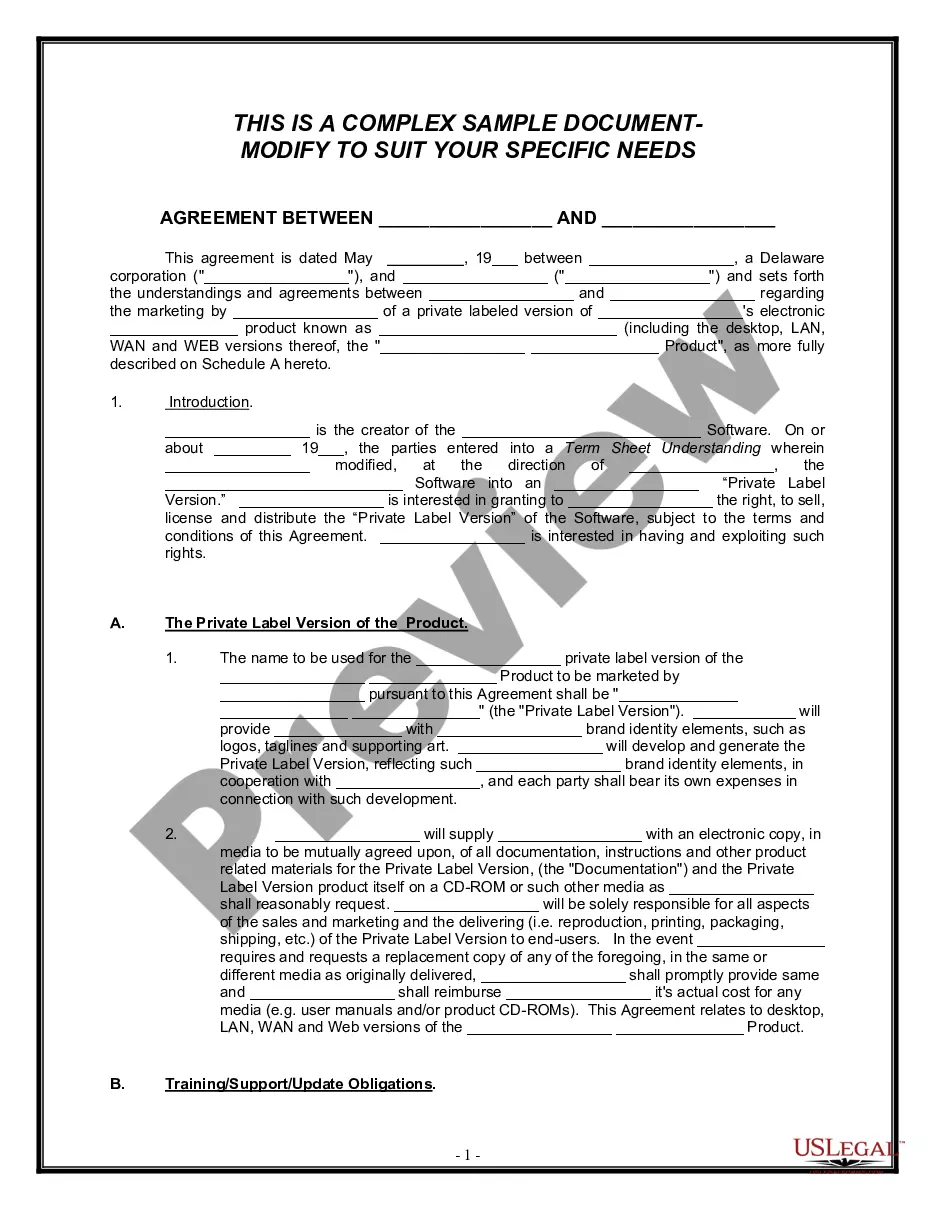
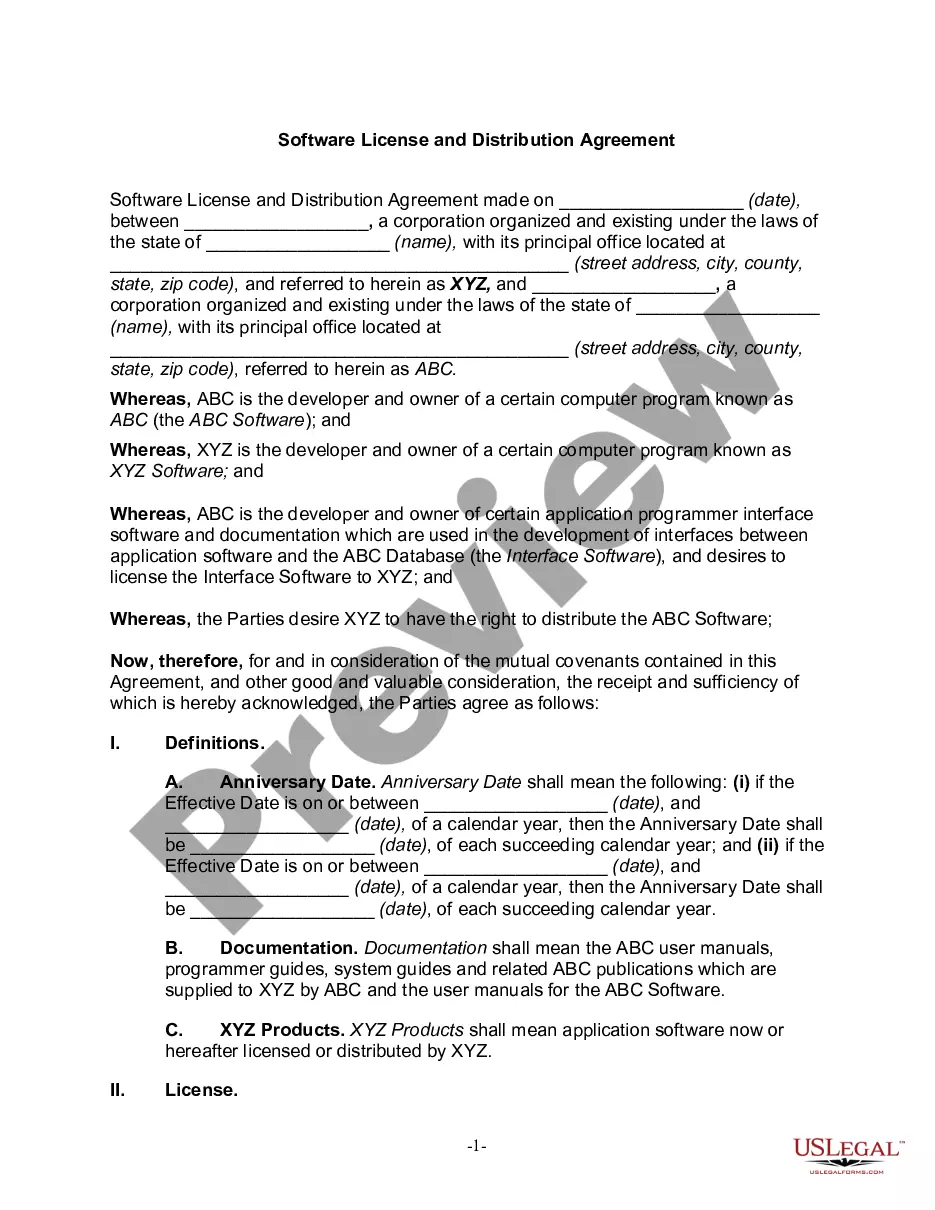
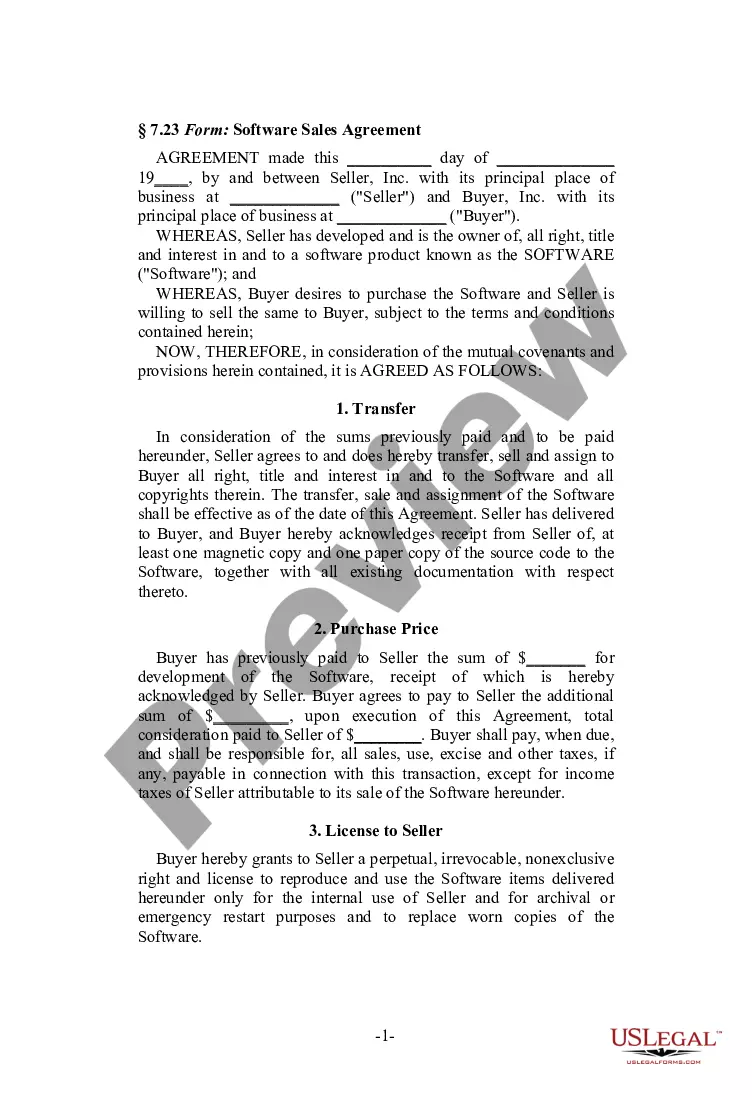
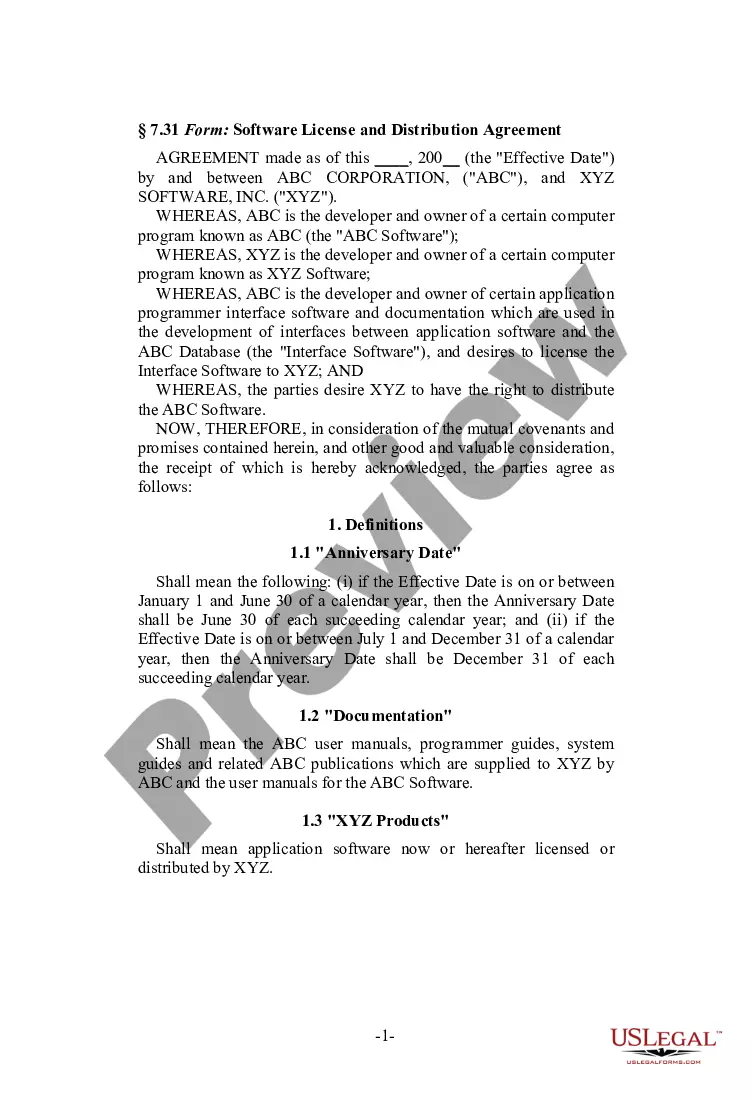
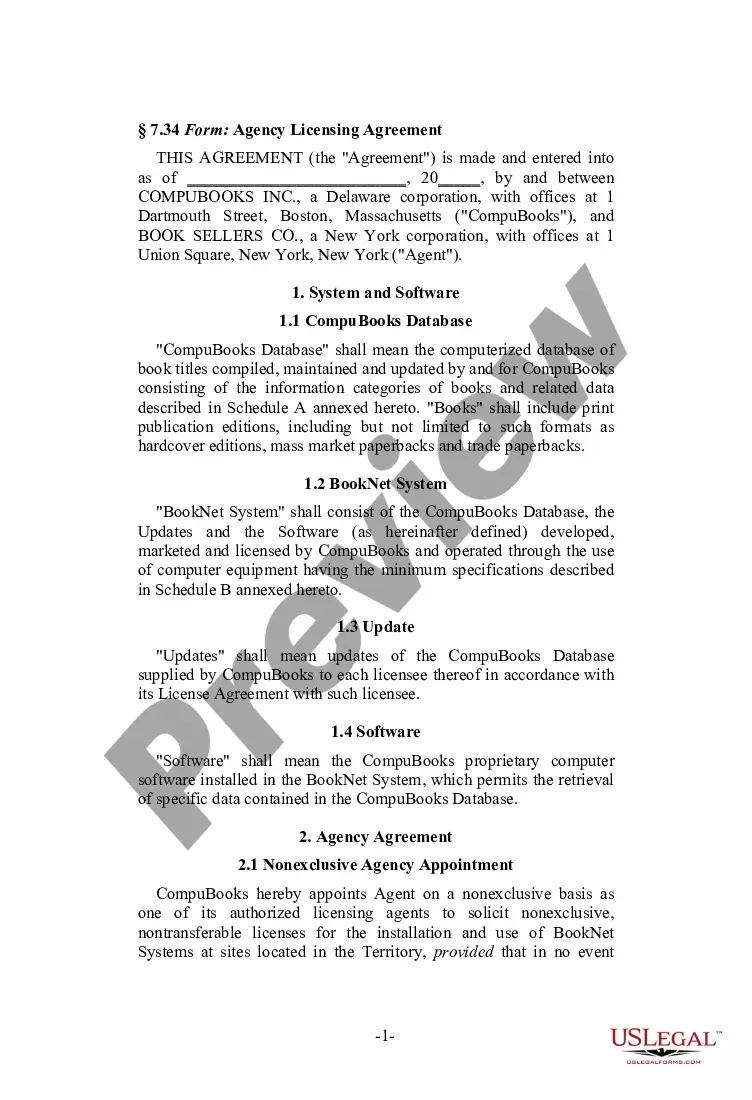
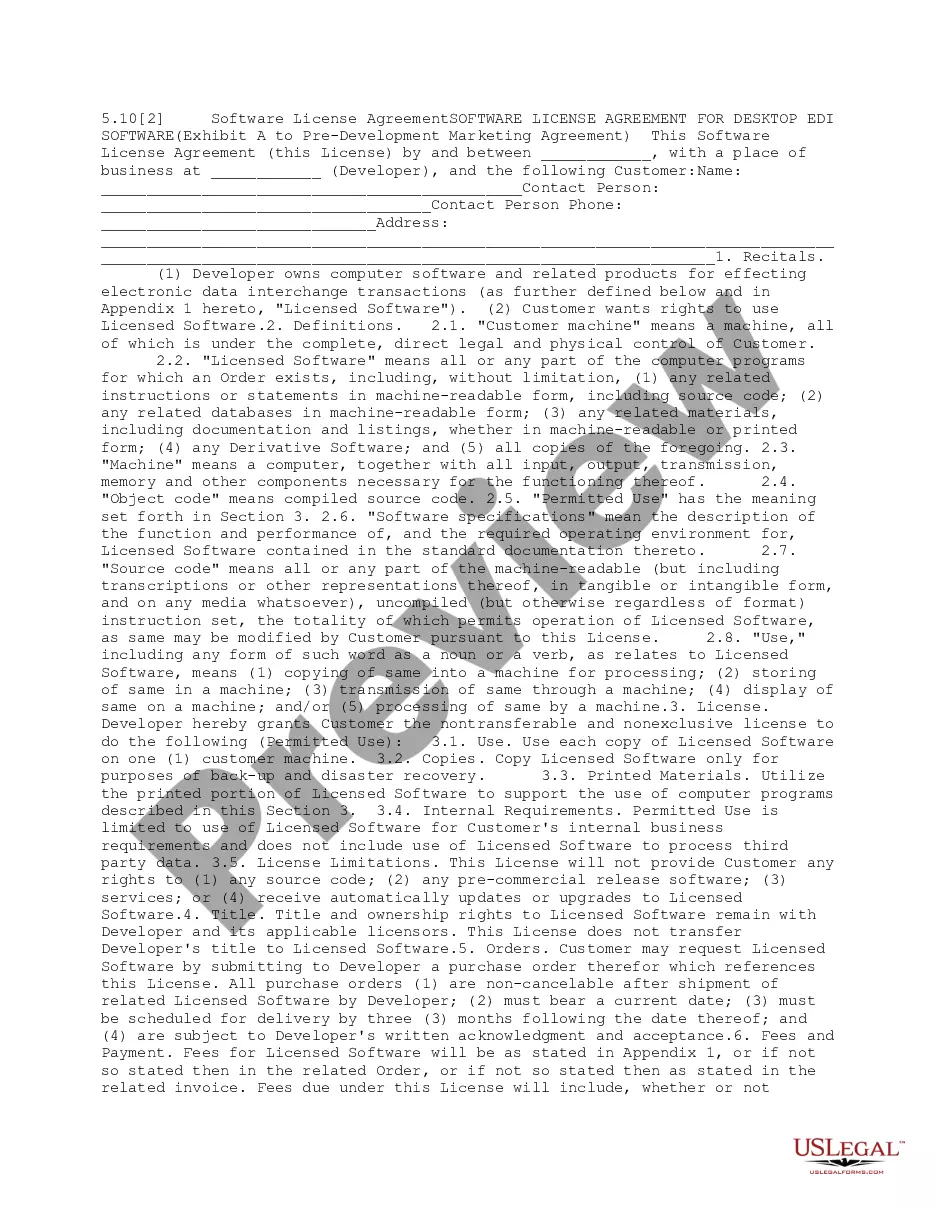
This Software Marketing and Licensing Agreement under Private Label is a legal document created for parties wishing to market a software product under a private label. This agreement facilitates the rights to modify, sell, and distribute software created by another party while ensuring that all legal responsibilities and liabilities are outlined. Unlike other agreements, this one specifically addresses private labeling, making it a suitable choice for businesses looking to expand their market reach with a customized product.
What’s included in this form
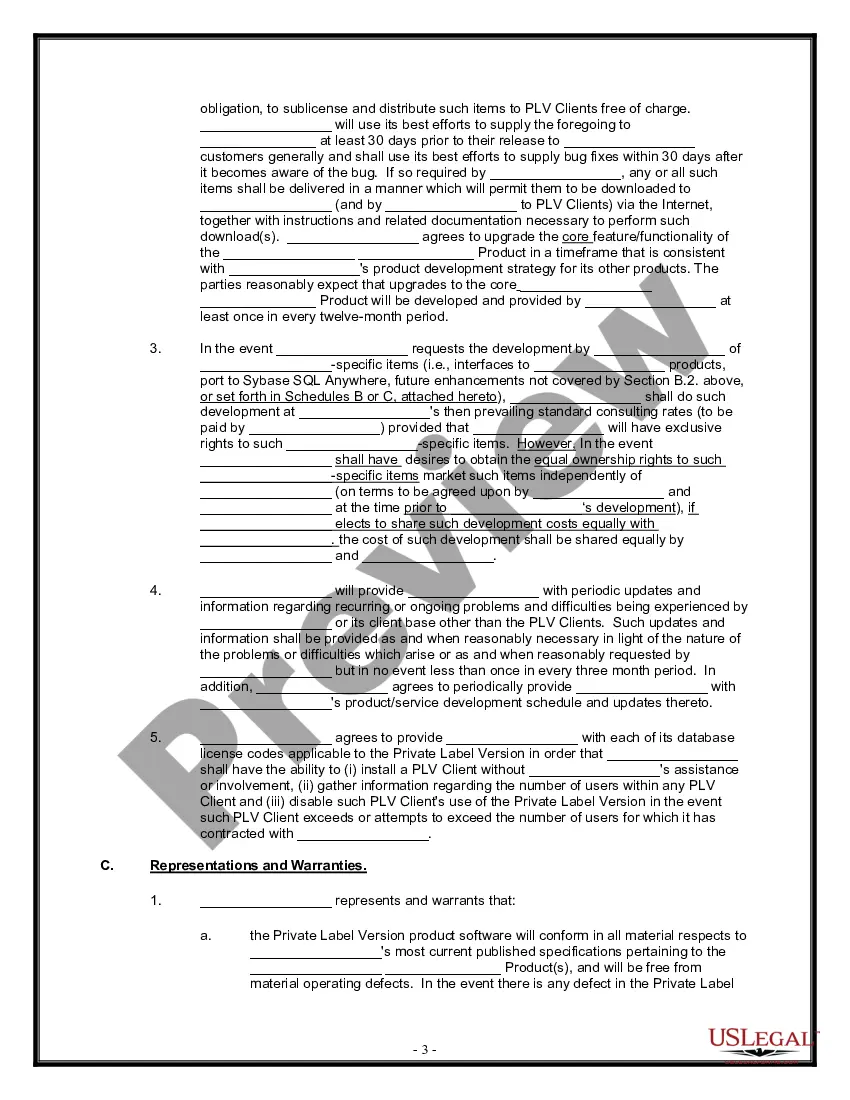
- Private label version details, including branding and customization rights.
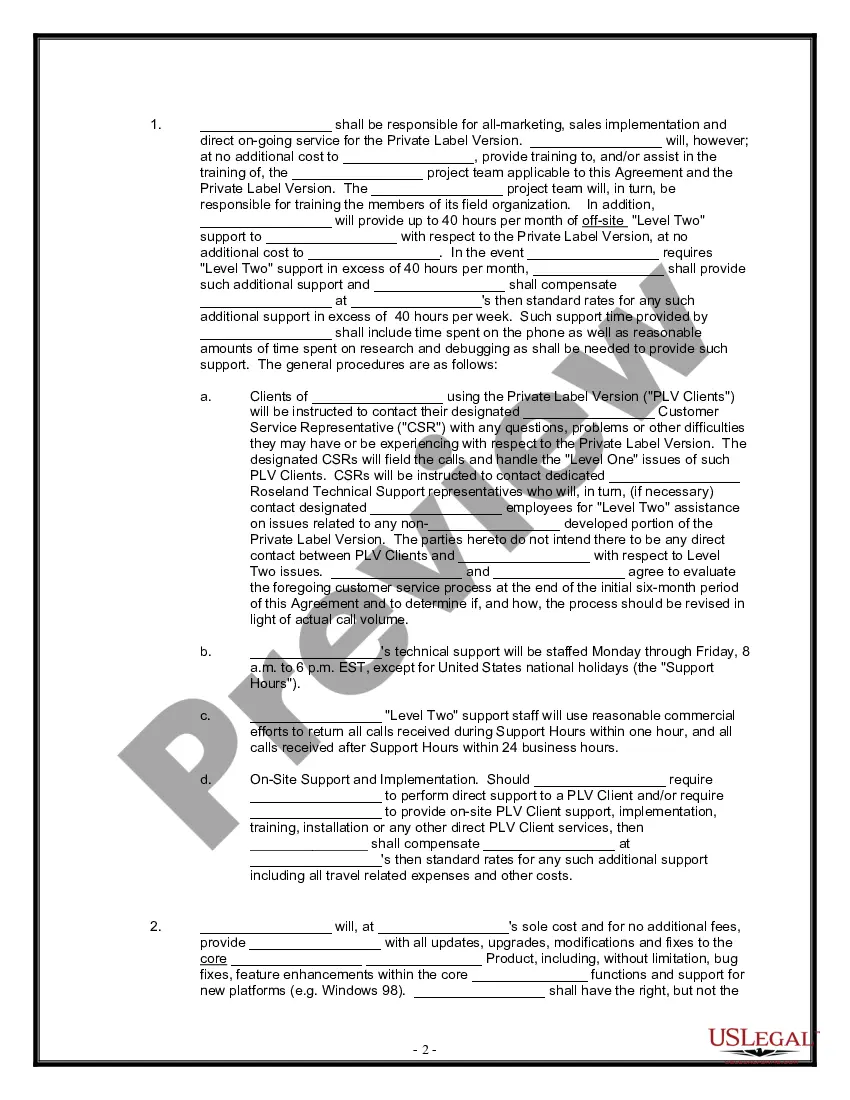
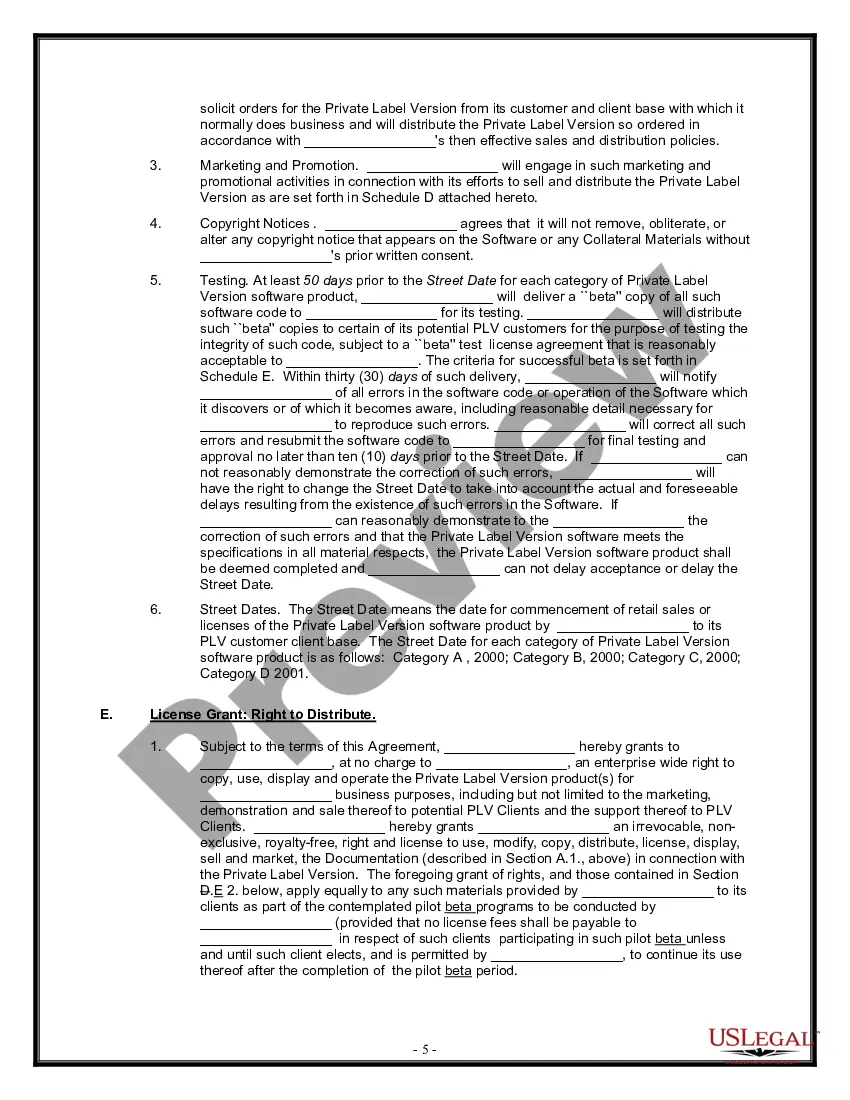
- Obligations for training, support, and updates related to the software product.
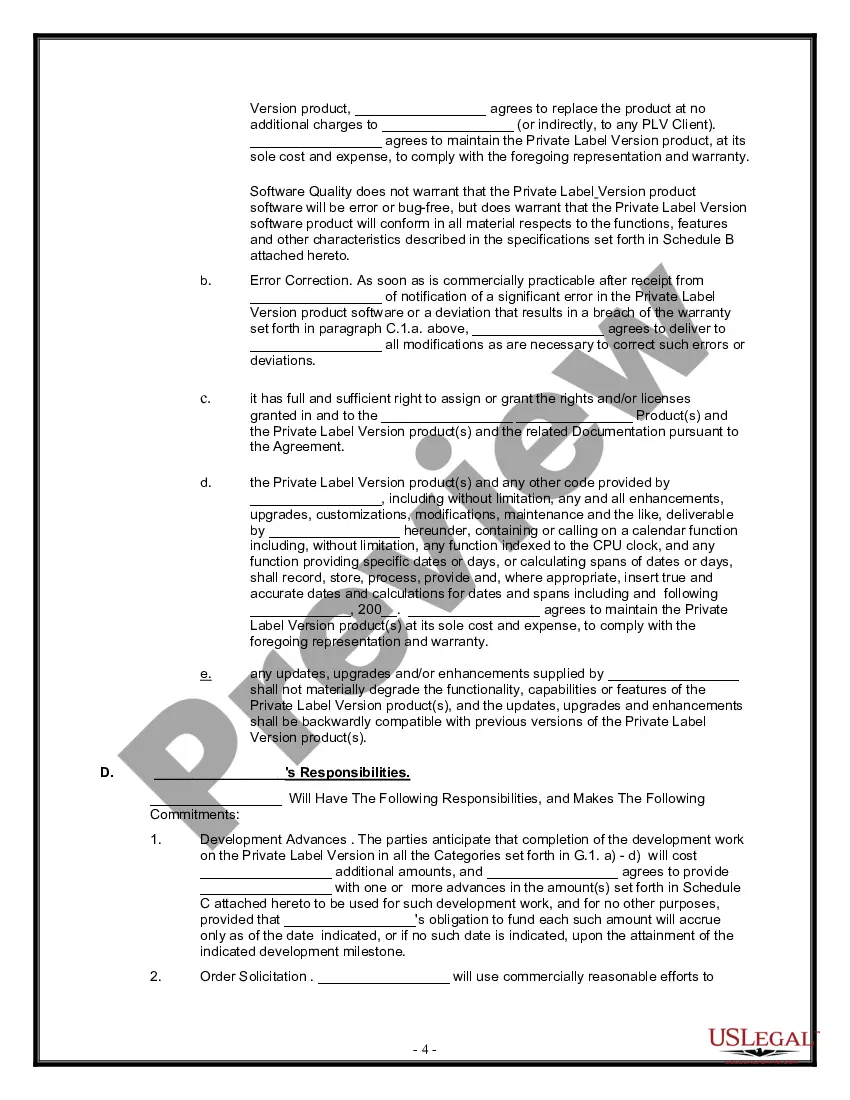
- Representations and warranties about the software's performance and legal compliance.
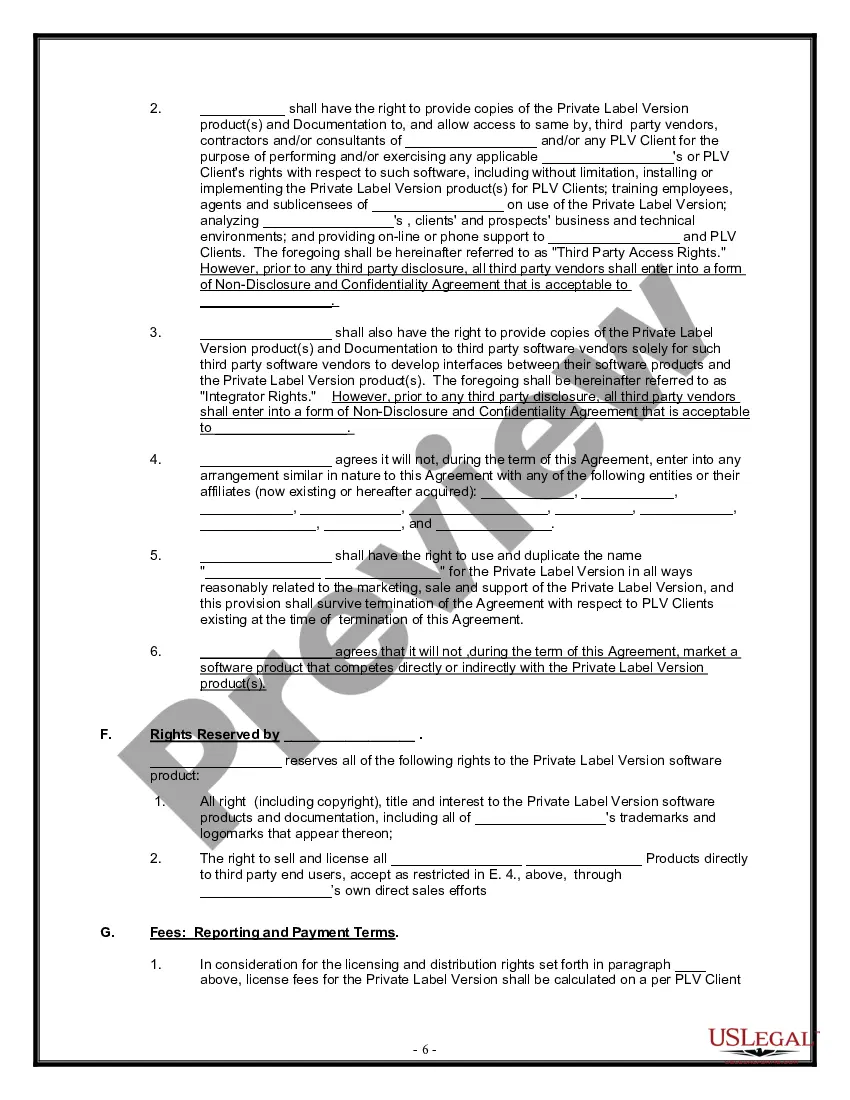
- Rights reserved by the creator, including copyright and licensing terms.
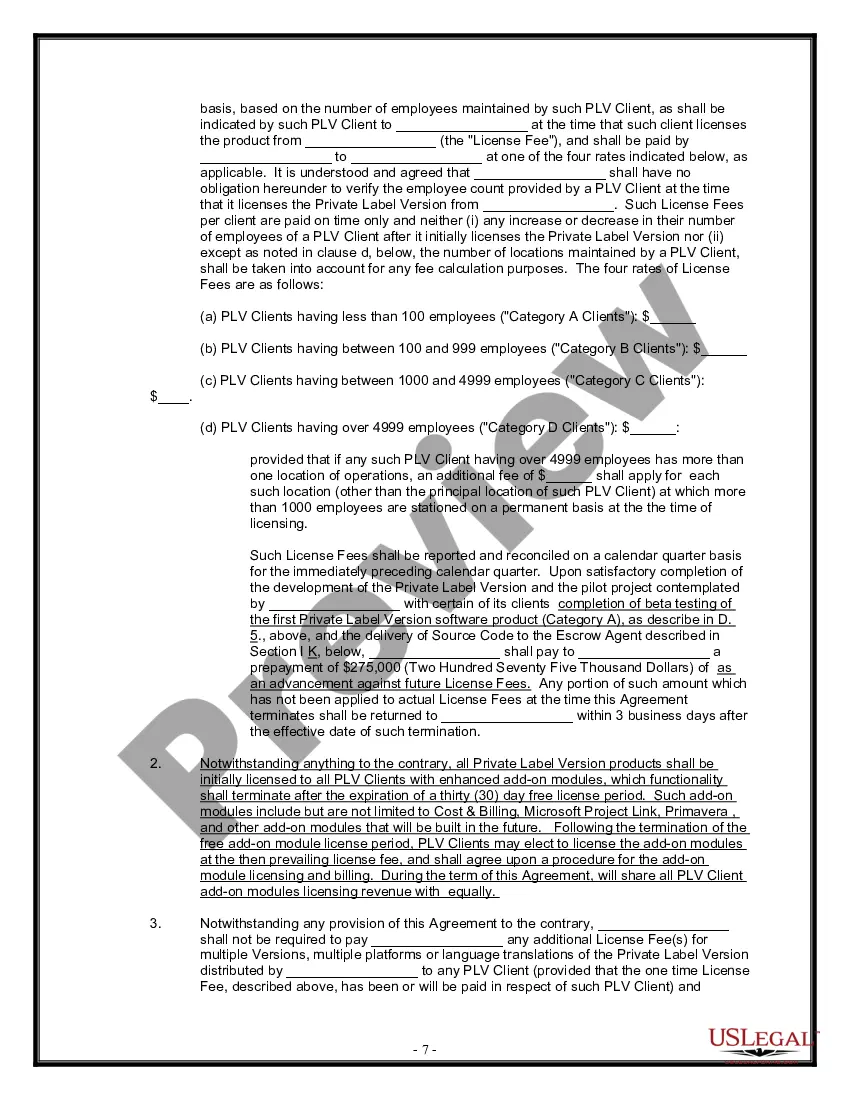
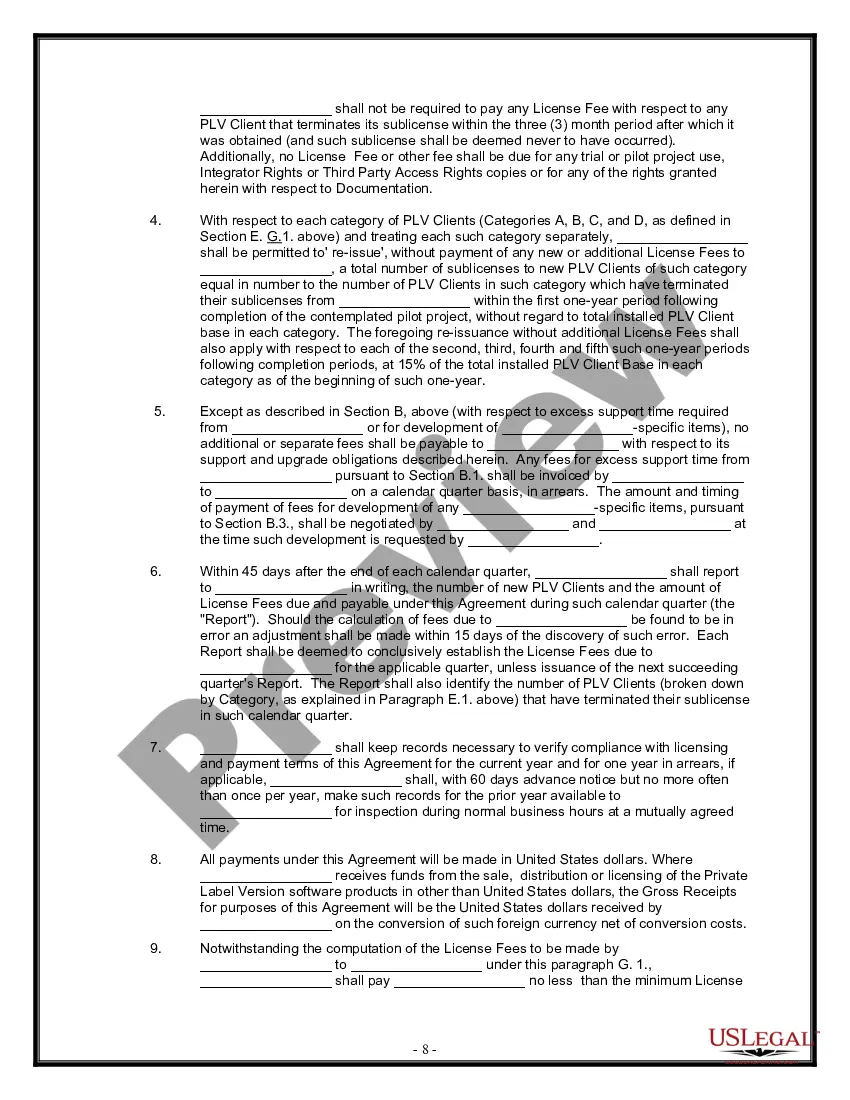
- Licensing fees structure and reporting obligations.

When to use this document
This form should be used when two or more parties agree on the marketing and licensing of a software product under a private label. Common scenarios include companies wanting to add a software product to their offerings without developing it in-house or businesses looking to create a branded version of an existing software solution to increase their market presence.
Who this form is for
- Software developers who want to offer a private label version of their product to another company.
- Businesses looking to expand their product line with software goods that can be customized for their brand.
- Legal teams or attorneys in need of a structured agreement outlining software licensing terms.
Steps to complete this form
- Identify the parties involved, including the creator of the software and the party wishing to license and distribute it.
- Specify the details of the software product, including the private label name and any brand identity components.
- Outline all obligations regarding training, support, and software updates to be provided.
- Detail the terms of the licensing agreement, including any fees and payment structures.
- Include any representations and warranties regarding the software's performance and compliance.
Notarization requirements for this form
This form usually doesn’t need to be notarized. However, local laws or specific transactions may require it. Our online notarization service, powered by Notarize, lets you complete it remotely through a secure video session, available 24/7.
Get your form ready online
Our built-in tools help you complete, sign, share, and store your documents in one place.
Make edits, fill in missing information, and update formatting in US Legal Forms—just like you would in MS Word.
Download a copy, print it, send it by email, or mail it via USPS—whatever works best for your next step.
Sign and collect signatures with our SignNow integration. Send to multiple recipients, set reminders, and more. Go Premium to unlock E-Sign.
If this form requires notarization, complete it online through a secure video call—no need to meet a notary in person or wait for an appointment.
We protect your documents and personal data by following strict security and privacy standards.

Make edits, fill in missing information, and update formatting in US Legal Forms—just like you would in MS Word.

Download a copy, print it, send it by email, or mail it via USPS—whatever works best for your next step.

Sign and collect signatures with our SignNow integration. Send to multiple recipients, set reminders, and more. Go Premium to unlock E-Sign.

If this form requires notarization, complete it online through a secure video call—no need to meet a notary in person or wait for an appointment.

We protect your documents and personal data by following strict security and privacy standards.
Typical mistakes to avoid
- Failing to clearly define the private label branding elements, leading to potential disputes.
- Not including comprehensive training and support obligations, which can affect user satisfaction.
- Overlooking the need for periodic updates or modifications to the software in the agreement.
Benefits of completing this form online
- Convenience of downloading and customizing the agreement to fit specific needs.
- Reliable templates drafted by licensed attorneys to ensure compliance and legal protection.
- Editability allows for easy adjustments based on negotiations between parties.
Legal use & context
- This agreement is enforceable under contract law, provided all parties involved are legally competent and consent to the terms.
- The agreement supersedes prior negotiations or discussions, ensuring clarity in the contract's intentions.
- Be aware of specific jurisdictional implications that may arise when negotiating terms with parties in different states.
Main things to remember
- The Software Marketing and Licensing Agreement under Private Label is crucial for businesses looking to expand their product lines.
- Clear definitions of roles, responsibilities, and terms can prevent disputes in the future.
- Always review the agreement with legal counsel to ensure compliance with all relevant laws.
Looking for another form?
Form popularity
FAQ
A software license agreement typically has broad-form confidentiality provisions that also provide that certain items fall into the bucket of one or the other party (e.g., the software for a licensor, certain data for a licensee, etc.).
An end-user license agreement (EULA, /02c8ju02d0l0259/) is a legal contract entered into between a software developer or vendor and the user of the software, often where the software has been purchased by the user from an intermediary such as a retailer.
Private label products are considered to be mostly physical items such as clothing, for example. These goods are produced by manufacturers and resold under retailers.
Perhaps the key difference between a EULA and a software license agreement is that a EULA is often meant for scenarios where many users could be using the software on a continuous basis and a software license agreement is more often used for business-to-business, often times for finite engagements.
A white label agreement is one that is created for the purpose of manufacturing of generic products by one party to be branded for and sold by another party.
A private label product is one that a retailer gets produced by a third-party but sells under its own brand name. The retailer controls everything about the product or products.
Private labeling is completely legal as long as both parties have agreed on its own terms and conditions. However, there are certification requirements involved before a product can be sold in the market. Requirements such as private label application is also necessary to confirm the product's authenticity.
In most instances, making your products available for private label will increase your revenue, but decrease your profit margin. The sales of your own brand may diminish, and may dry up completely depending on the success of the private-labeled version.
Private label agreements are a type of manufacturing agreement used to produce foods. In private labeling, a manufacturer agrees to produce their own recipe and formula that will be marketed under the branding of a third party.