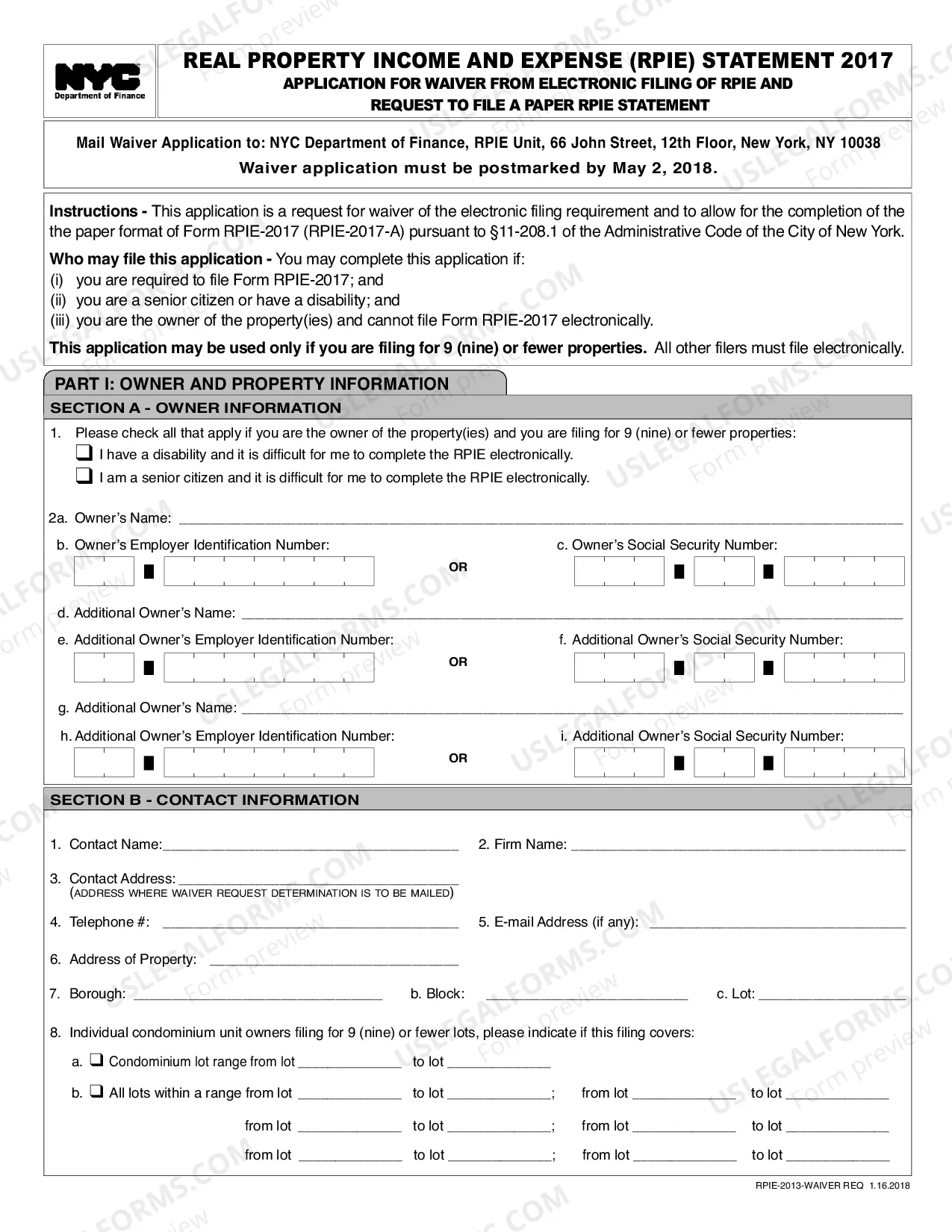
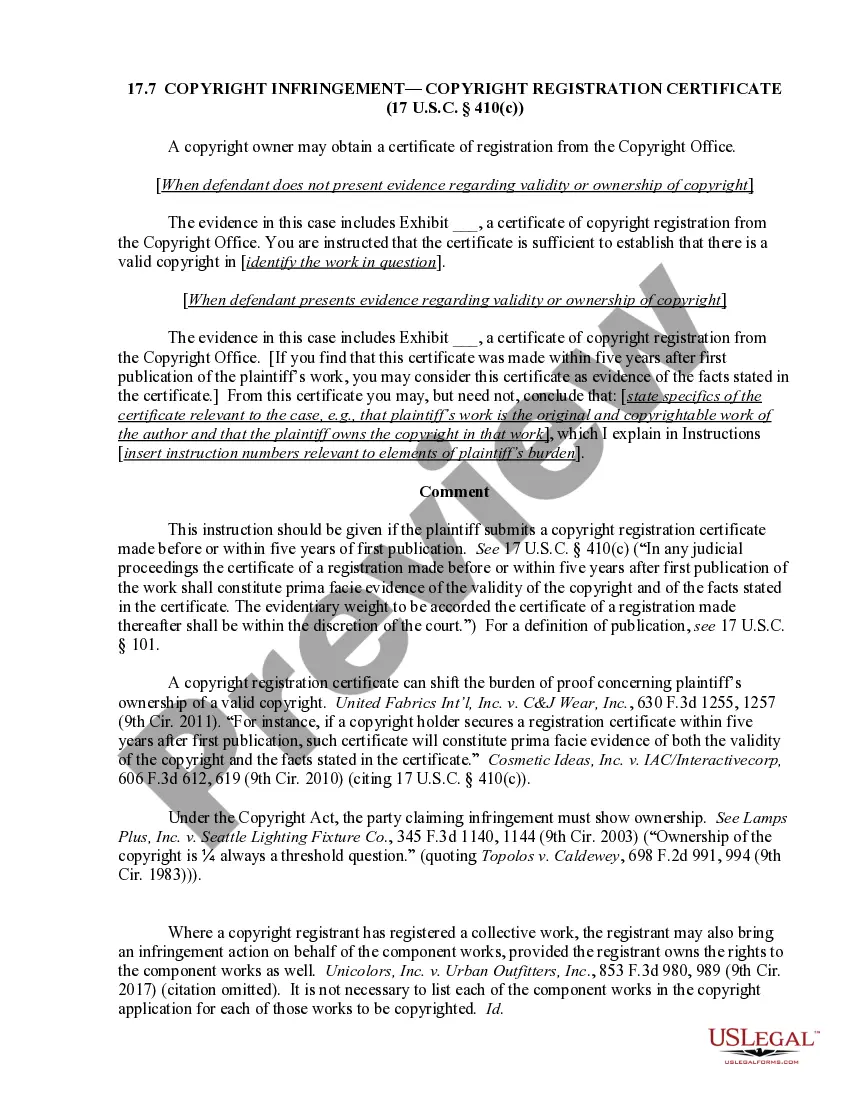
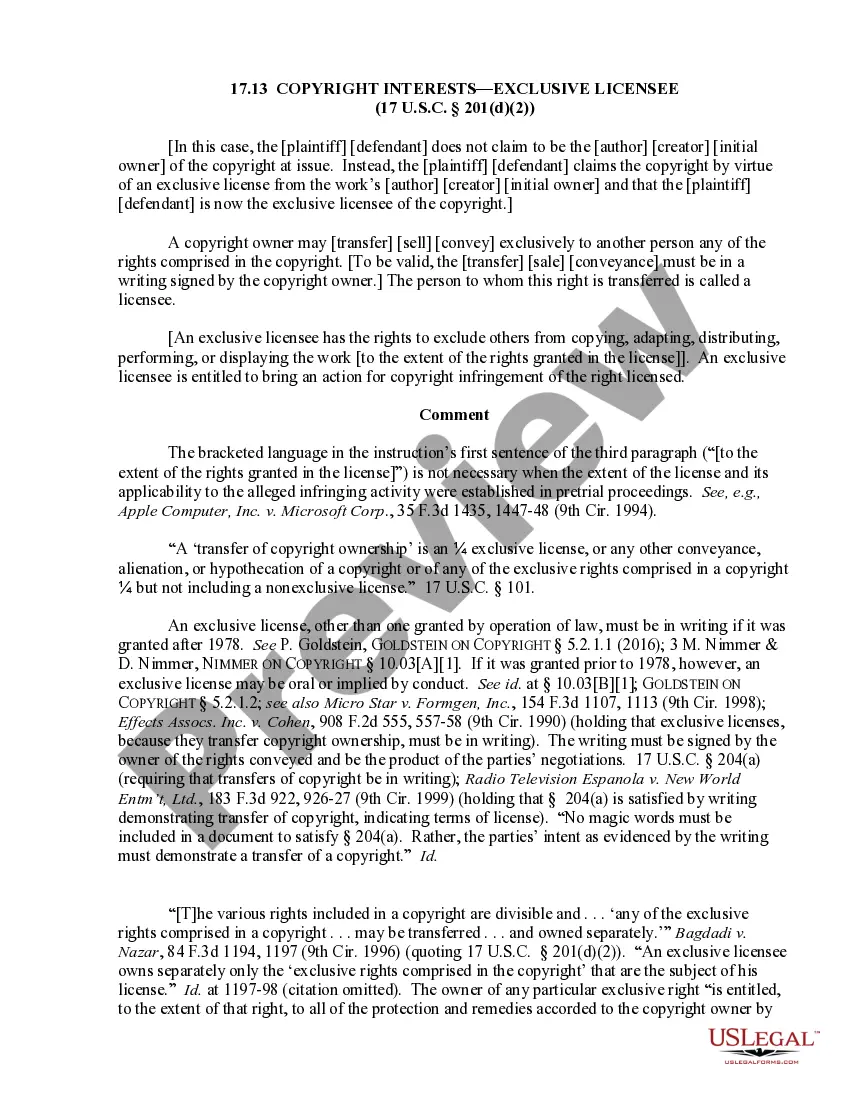
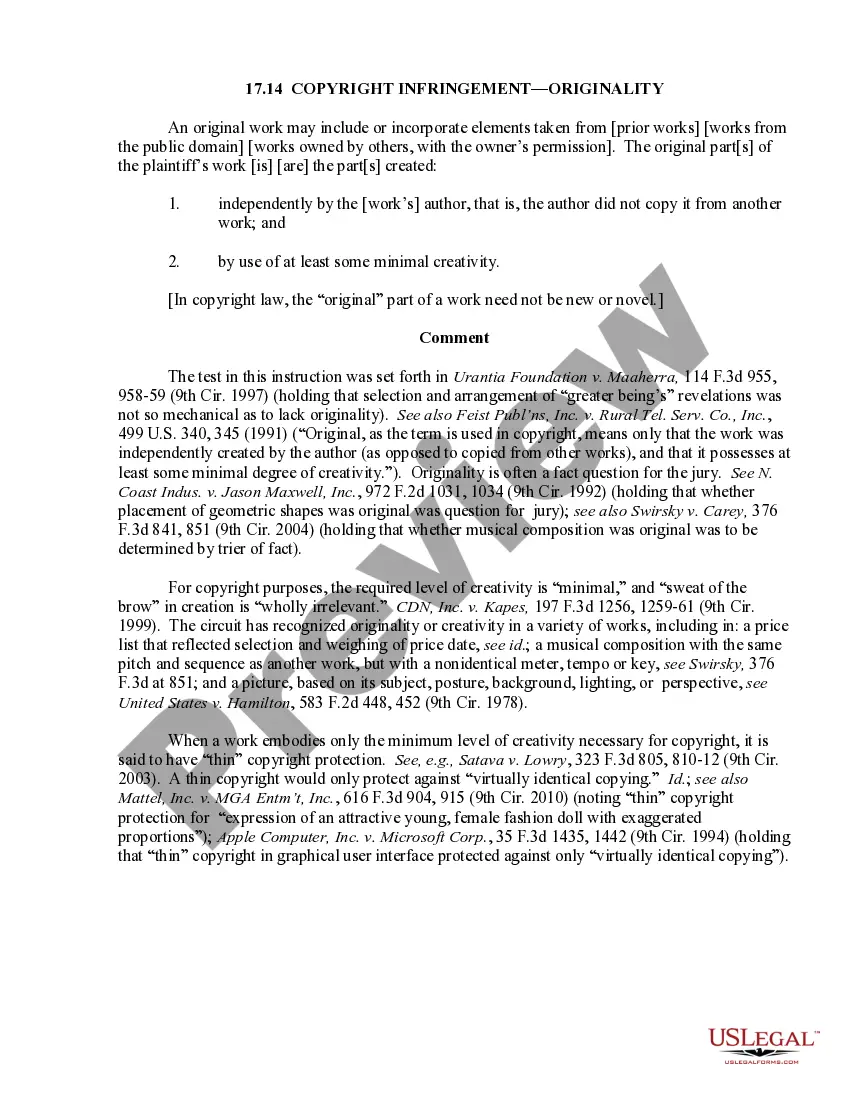
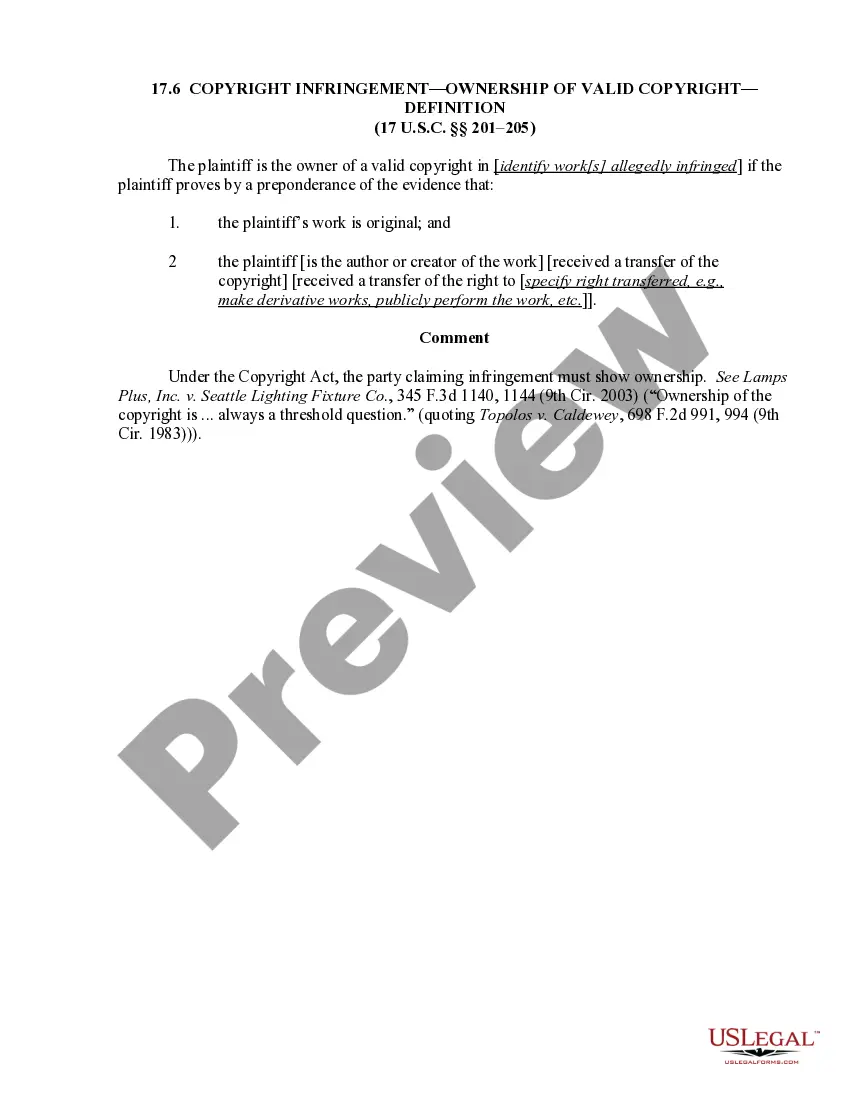
17.7 Copyright Infringement- Copyright Registration Certificate

Is notarization required?
This form does not typically require notarization to be legally valid. However, some jurisdictions or document types may still require it. US Legal Forms provides secure online notarization powered by Notarize, available 24/7 for added convenience.
Get your form ready online
Our built-in tools help you complete, sign, share, and store your documents in one place.
Make edits, fill in missing information, and update formatting in US Legal Forms—just like you would in MS Word.
Download a copy, print it, send it by email, or mail it via USPS—whatever works best for your next step.
Sign and collect signatures with our SignNow integration. Send to multiple recipients, set reminders, and more. Go Premium to unlock E-Sign.
If this form requires notarization, complete it online through a secure video call—no need to meet a notary in person or wait for an appointment.
We protect your documents and personal data by following strict security and privacy standards.

Make edits, fill in missing information, and update formatting in US Legal Forms—just like you would in MS Word.

Download a copy, print it, send it by email, or mail it via USPS—whatever works best for your next step.

Sign and collect signatures with our SignNow integration. Send to multiple recipients, set reminders, and more. Go Premium to unlock E-Sign.

If this form requires notarization, complete it online through a secure video call—no need to meet a notary in person or wait for an appointment.

We protect your documents and personal data by following strict security and privacy standards.
Looking for another form?
Form popularity
FAQ
Copyright infringement penalties can be civil and criminal and include: Statutory damages between $750 and $30,000 per piece of work infringed upon. Civil penalties of up to $150,000 per piece if willful infringement is found. Actual copyright infringement damages and profits obtained due to infringing activity.
Under section 410(c), a certificate is to ?constitute prima facie evidence of the validity of the copyright and of the facts stated in the certificate.? The principle that a certificate represents prima facie evidence of copyright validity has been established in a long line of court decisions, and it is a sound one.
In order to bring a copyright infringement claim, the plaintiff must prove that they hold the copyright interest through creation, assignment, or license. The plaintiff must also plead that the complaint is of an unlawful copy of the original element of the copyrighted work.
You can typically request a court order demanding the infringing party to immediately stop using the copyrighted material and ask for money damages (that is, monetary compensation) for any actual harm that has occurred as a direct result of the infringement.
The copyright owners of any of these works can pursue infringers by filing lawsuits in federal district courts. Not all copyright owners, however, have the resources to bring a federal lawsuit, which can require substantial time, money, and effort.