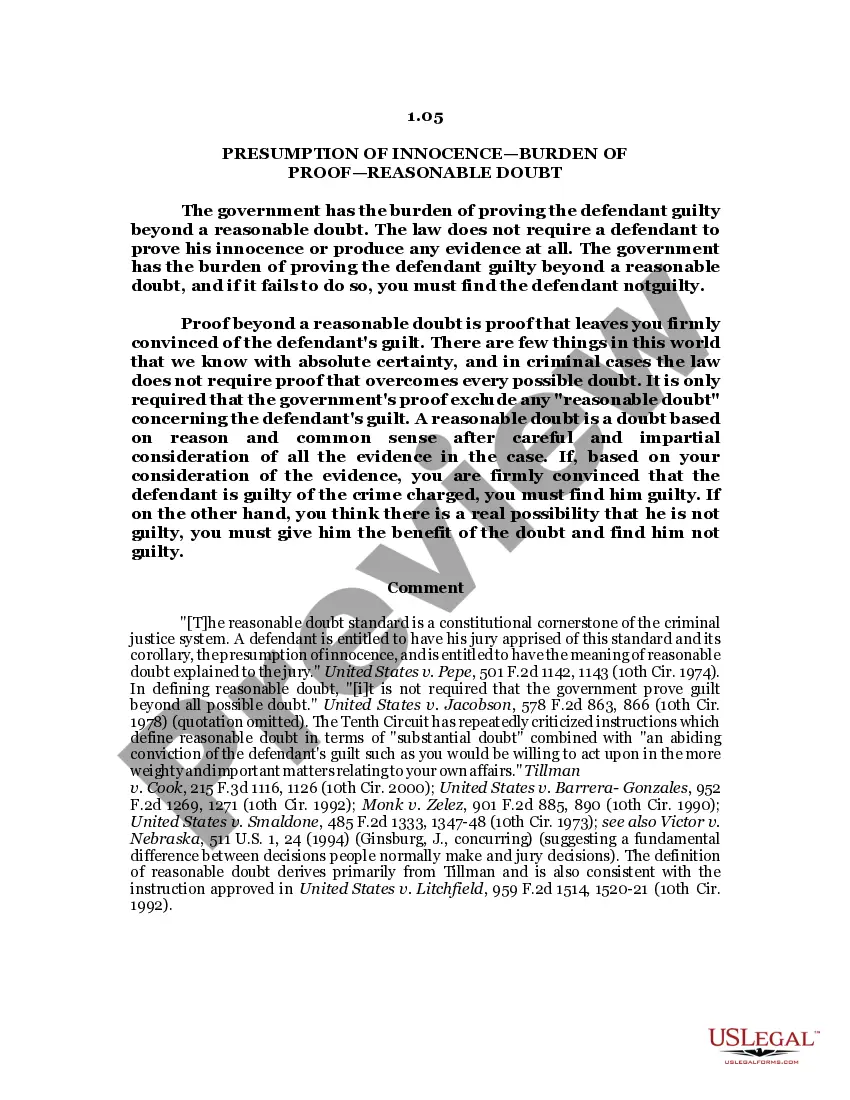
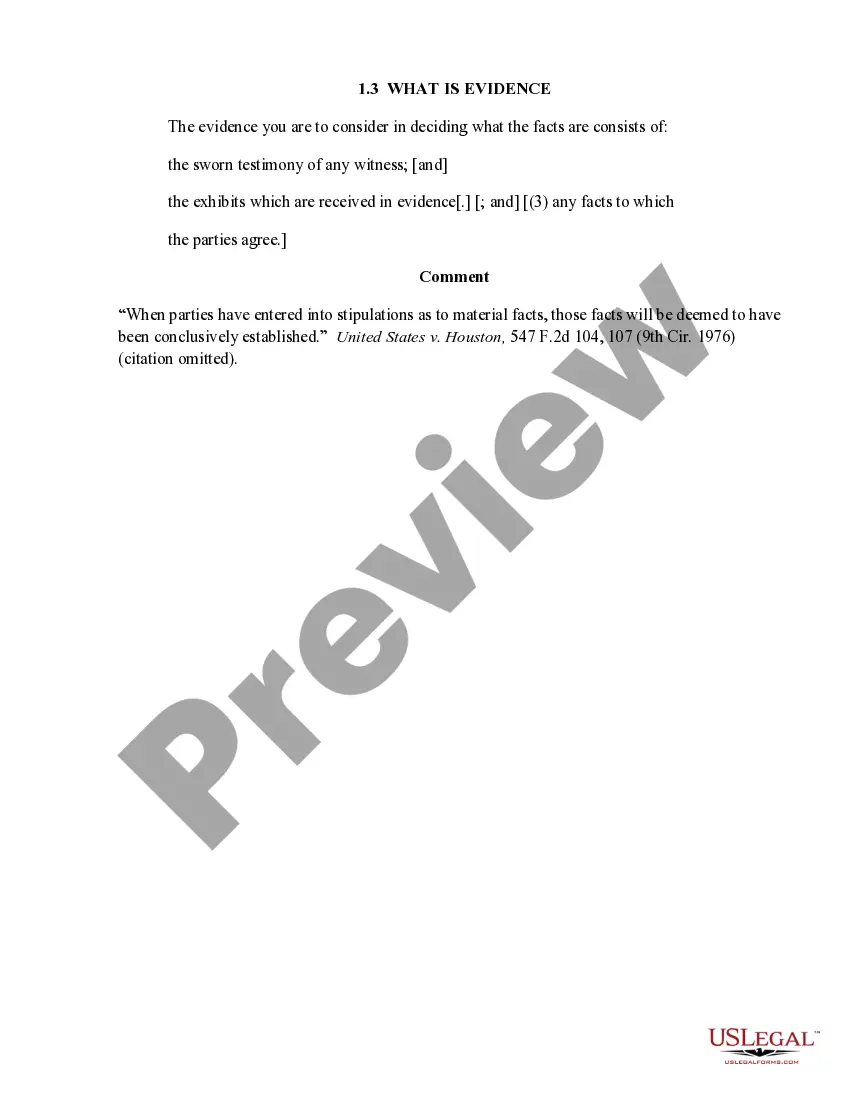
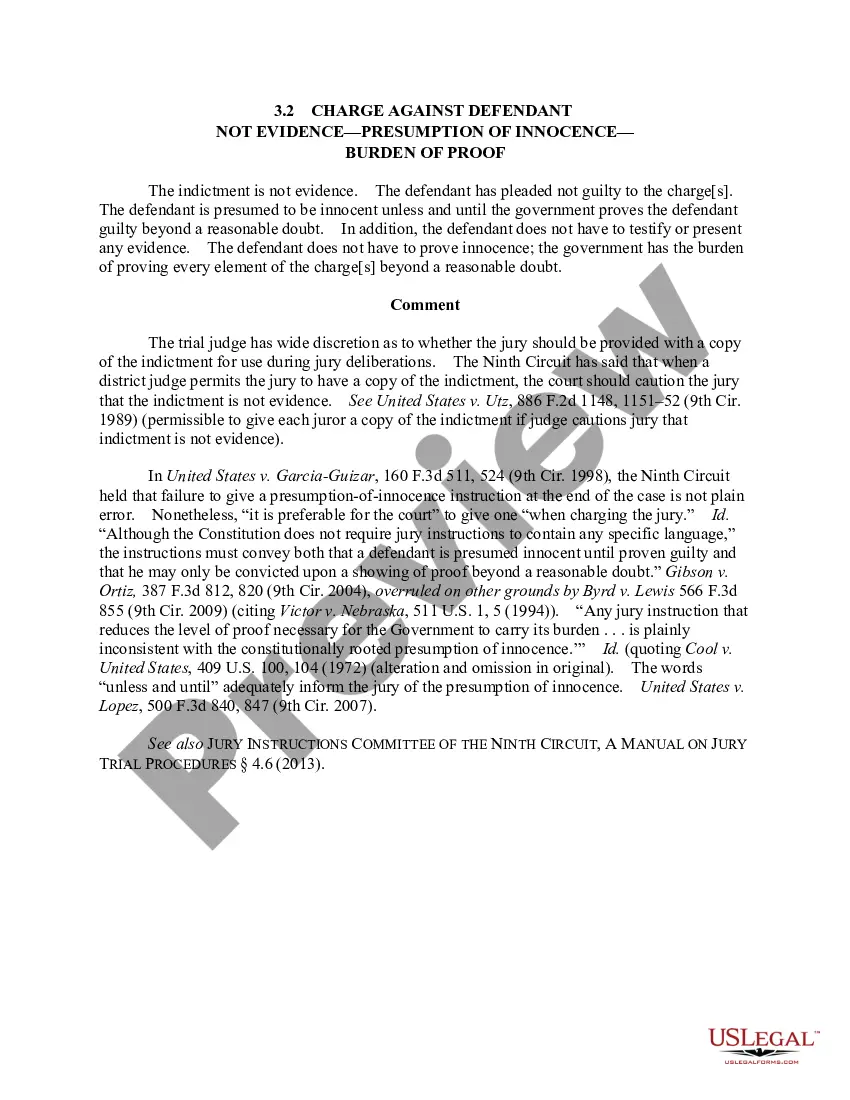
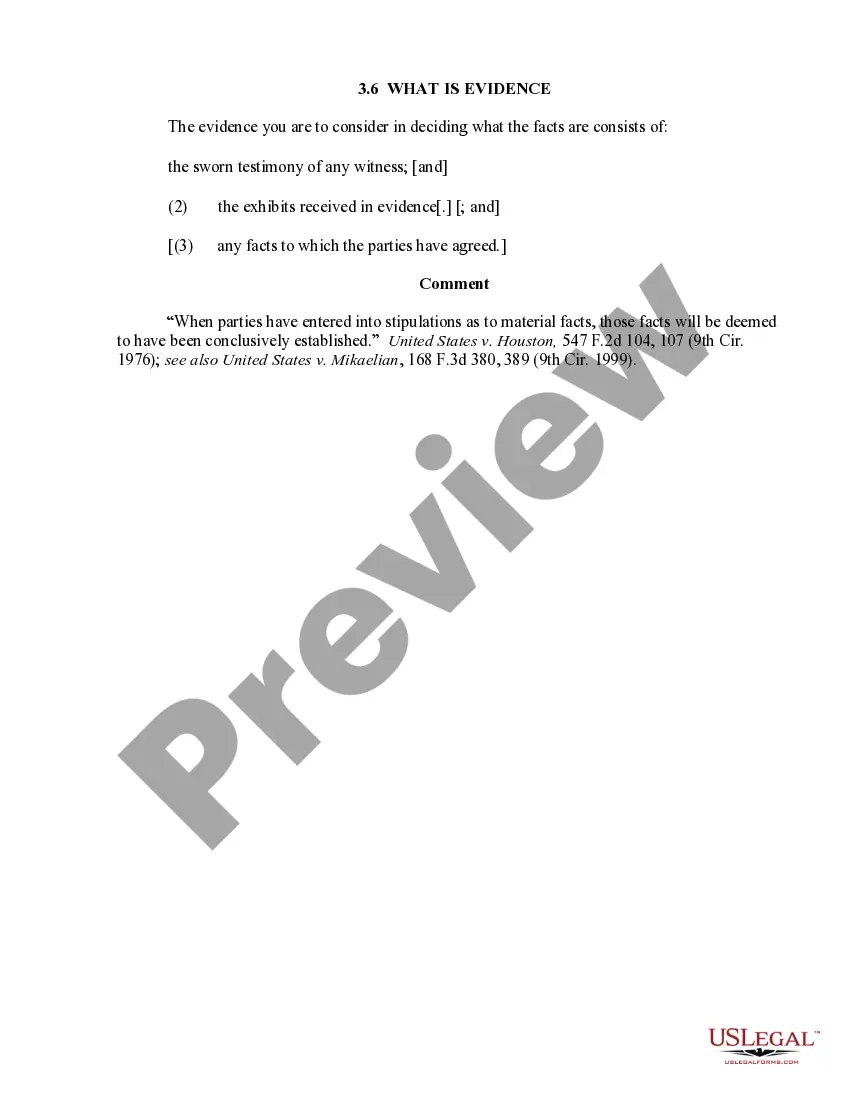
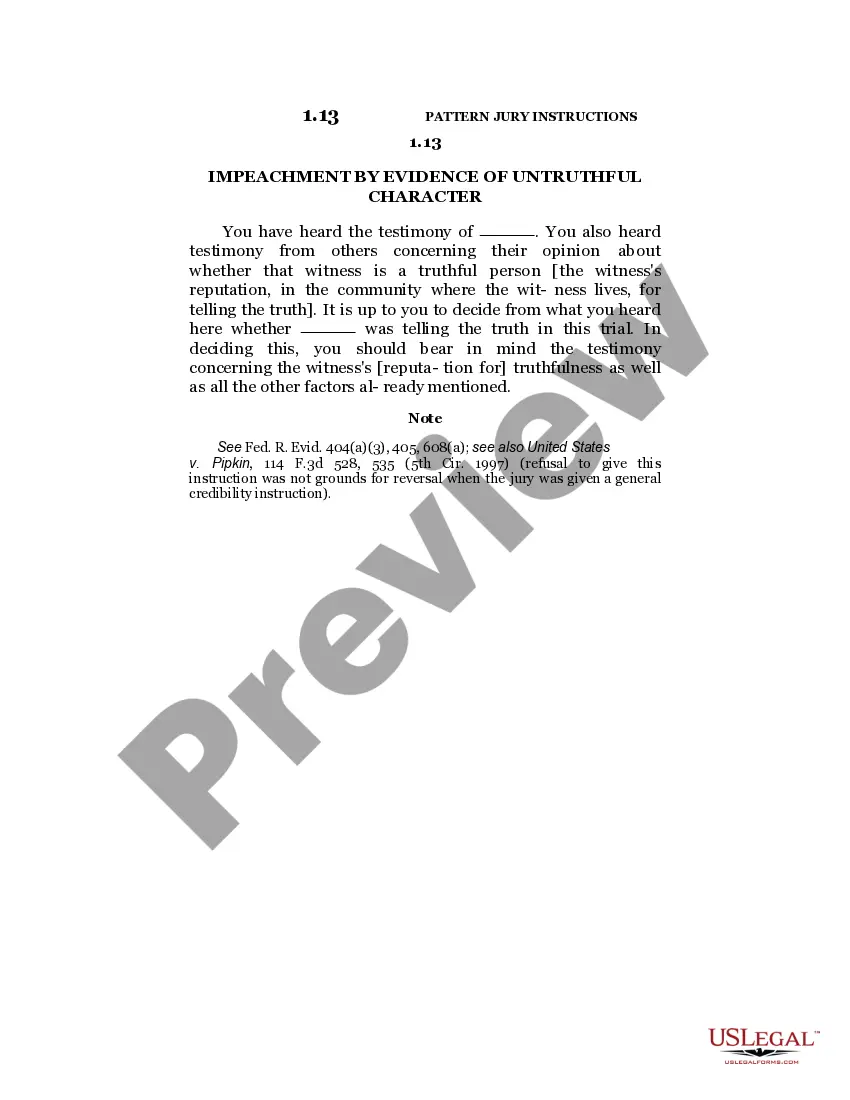
The Charge-Presumption of Innocence is a legal principle stating that an individual accused of a crime is innocent until proven guilty by a court of law. This means that the burden of proof lies with the prosecution, and the accused does not have to prove their innocence. It is a fundamental right of every person accused of a crime, and is a cornerstone of criminal law systems around the world. Evidence is the information presented in court to prove or disprove a fact in dispute. It can be physical or circumstantial, and must be reliable and relevant to the case. There are two main types of evidence: direct evidence and circumstantial evidence. Direct evidence is evidence that directly supports the fact in dispute, such as eye-witness testimony. Circumstantial evidence is evidence that indirectly supports the fact in dispute, such as a suspect’s fingerprints at the crime scene. Both types of evidence are necessary for a successful prosecution.
1.2 The Charge-Presumption of Innocence1.3 What is Evidence
Description



How to fill out 1.2 The Charge-Presumption Of Innocence1.3 What Is Evidence?
Working with official documentation requires attention, accuracy, and using properly-drafted blanks. US Legal Forms has been helping people nationwide do just that for 25 years, so when you pick your 1.2 The Charge-Presumption of Innocence1.3 What is Evidence template from our library, you can be sure it meets federal and state laws.
Working with our service is easy and fast. To get the required paperwork, all you’ll need is an account with a valid subscription. Here’s a quick guide for you to obtain your 1.2 The Charge-Presumption of Innocence1.3 What is Evidence within minutes:
- Make sure to carefully examine the form content and its correspondence with general and legal requirements by previewing it or reading its description.
- Look for another official template if the previously opened one doesn’t match your situation or state regulations (the tab for that is on the top page corner).
- Log in to your account and save the 1.2 The Charge-Presumption of Innocence1.3 What is Evidence in the format you prefer. If it’s your first experience with our service, click Buy now to continue.
- Create an account, select your subscription plan, and pay with your credit card or PayPal account.
- Decide in what format you want to save your form and click Download. Print the blank or add it to a professional PDF editor to submit it electronically.
All documents are drafted for multi-usage, like the 1.2 The Charge-Presumption of Innocence1.3 What is Evidence you see on this page. If you need them one more time, you can fill them out without re-payment - just open the My Forms tab in your profile and complete your document any time you need it. Try US Legal Forms and accomplish your business and personal paperwork rapidly and in total legal compliance!
Form popularity
FAQ
The concept comes from the Constitutional Due Process protections provided under the Fifth, Sixth, Eighth, and Fourteenth Amendments, as well as other statutes and case law. Your right to be presumed innocent until proven guilty is a fundamental element of due process and our criminal justice system.
Acquittal in the criminal case does not preclude civil liability, but the presumption of innocence might be infringed if the civil judgment includes a statement imputing criminal liability. Secondly, the paragraph contains a requirement concerning the burden of proof and the standard of evidence.
Presumption of Innocence; Proof Beyond a Reasonable Doubt. It is a cardinal principle of our system of justice that every person accused of a crime is presumed to be innocent unless and until his or her guilt is established beyond a reasonable doubt.
Innocent until proven guilty amendment: The 5th, 6th, and 14th amendments are the parts of the Constitution that create the legal basis for "innocent until proven guilty."
A presumption of innocence means that any defendant in a criminal trial is assumed to be innocent until they have been proven guilty. As such, a prosecutor is required to prove beyond a reasonable doubt that the person committed the crime if that person is to be convicted.
Innocent until proven guilty amendment: The 5th, 6th, and 14th amendments are the parts of the Constitution that create the legal basis for "innocent until proven guilty."
Presumption of Innocence; Proof Beyond a Reasonable Doubt. It is a cardinal principle of our system of justice that every person accused of a crime is presumed to be innocent unless and until his or her guilt is established beyond a reasonable doubt. The presumption is not a mere formality.
The Universal Declaration of Human Rights, article 11, states: "Everyone charged with a penal offence has the right to be presumed innocent until proven guilty ing to law in a public trial at which he has had all the guarantees necessary for his defense."