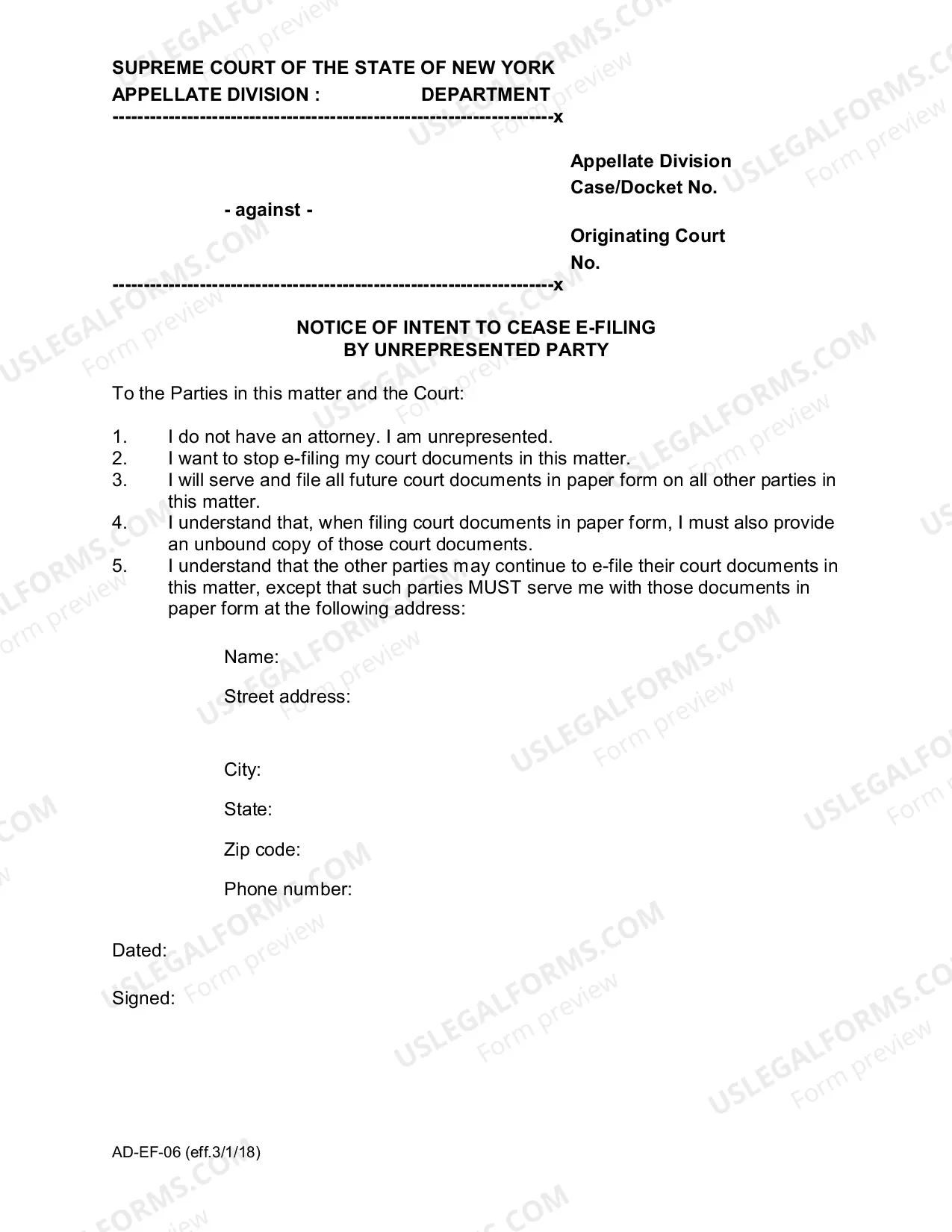
5.03 ENTITY RESPONSIBILITY - ENTITY DEFENDANT - AGENCY
Understanding this form
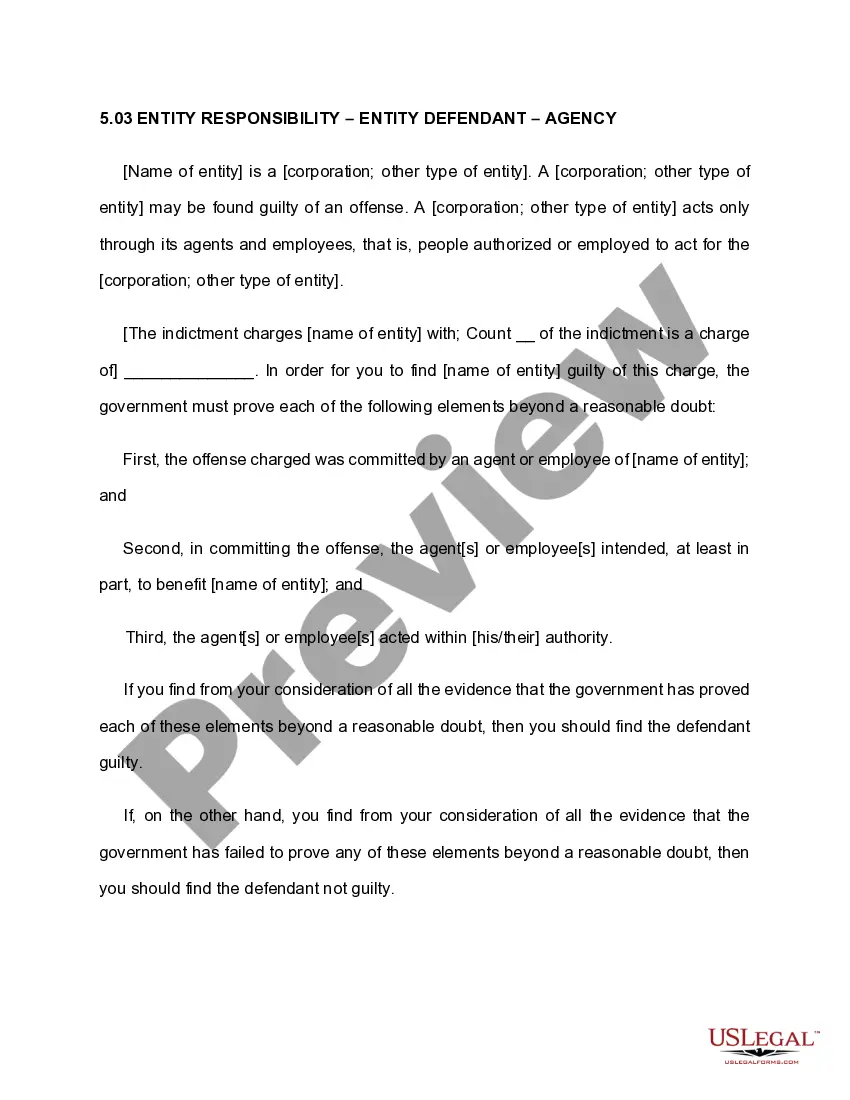
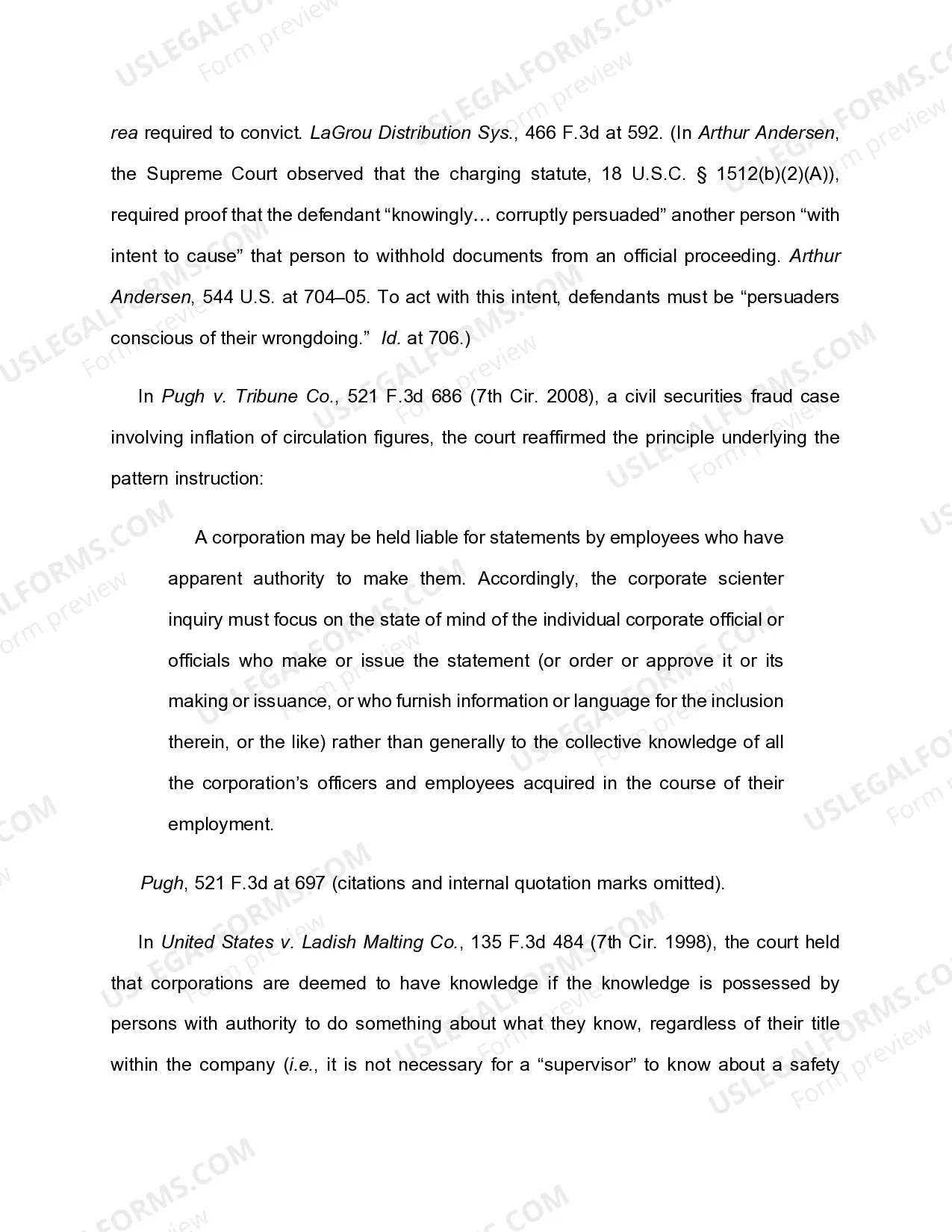
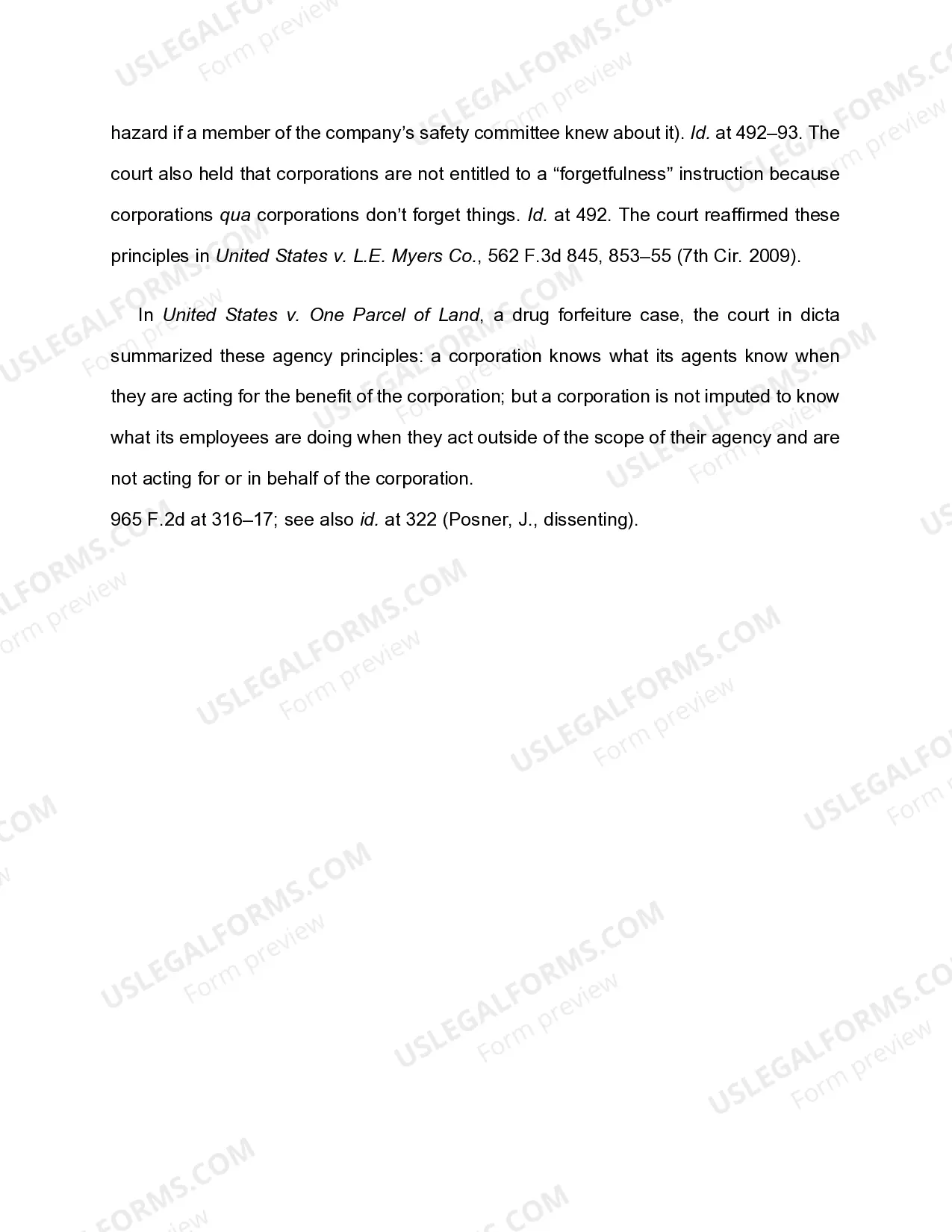
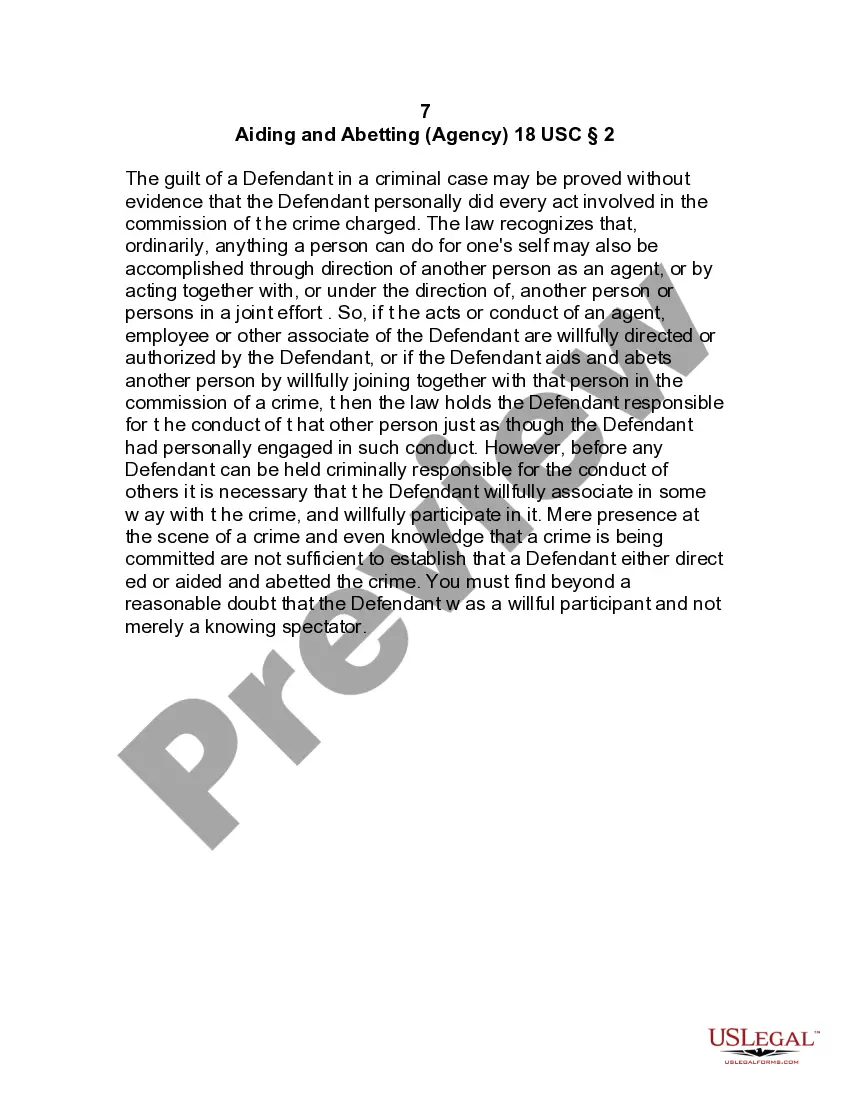
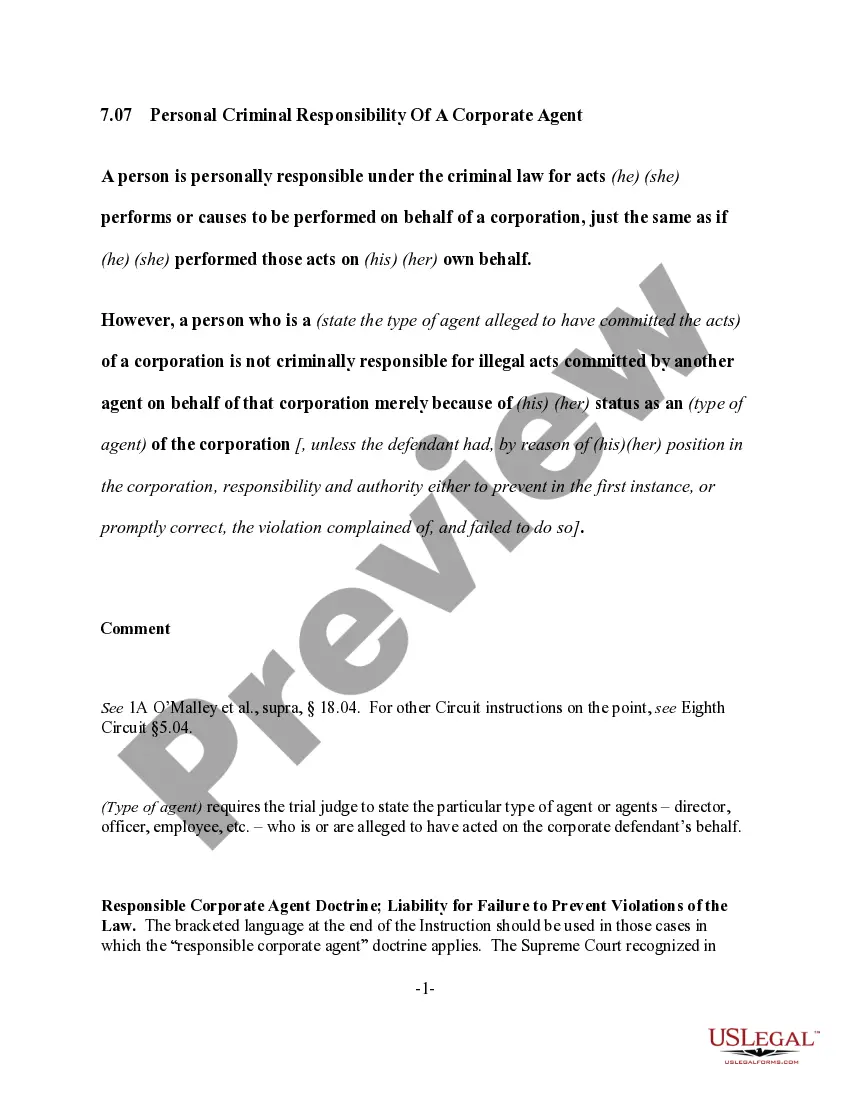
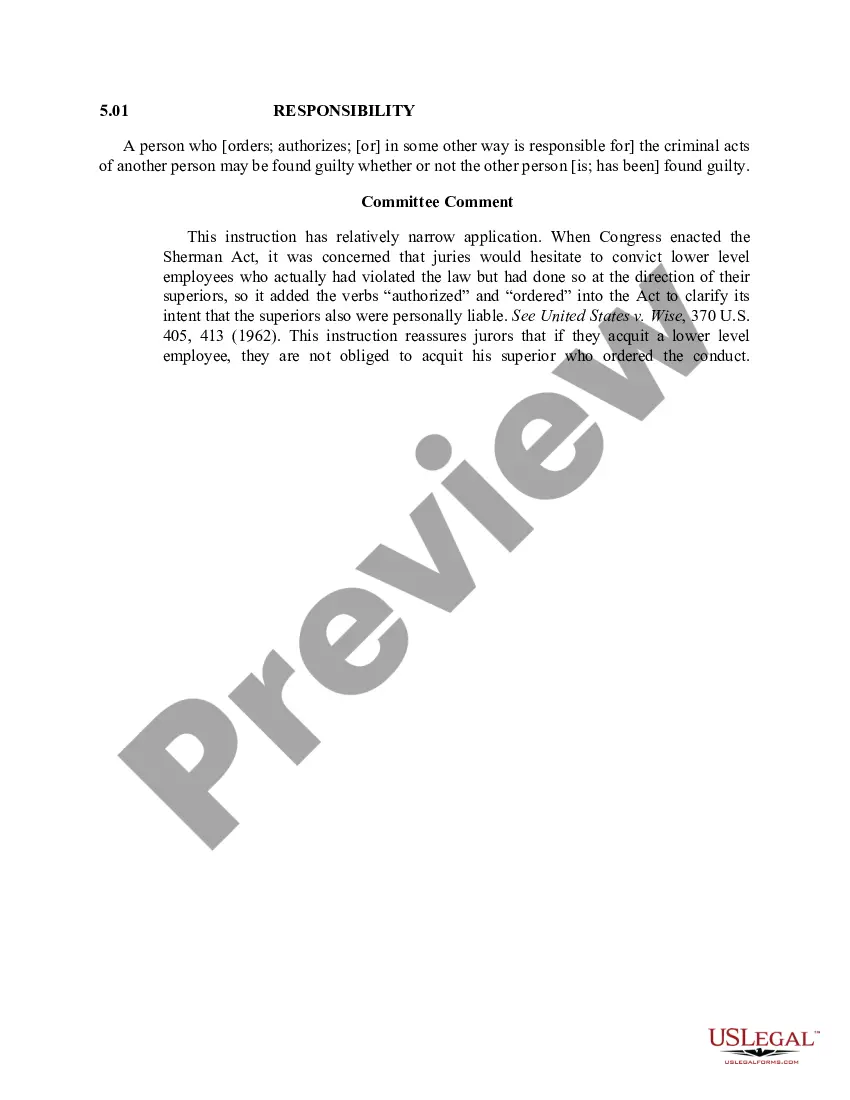
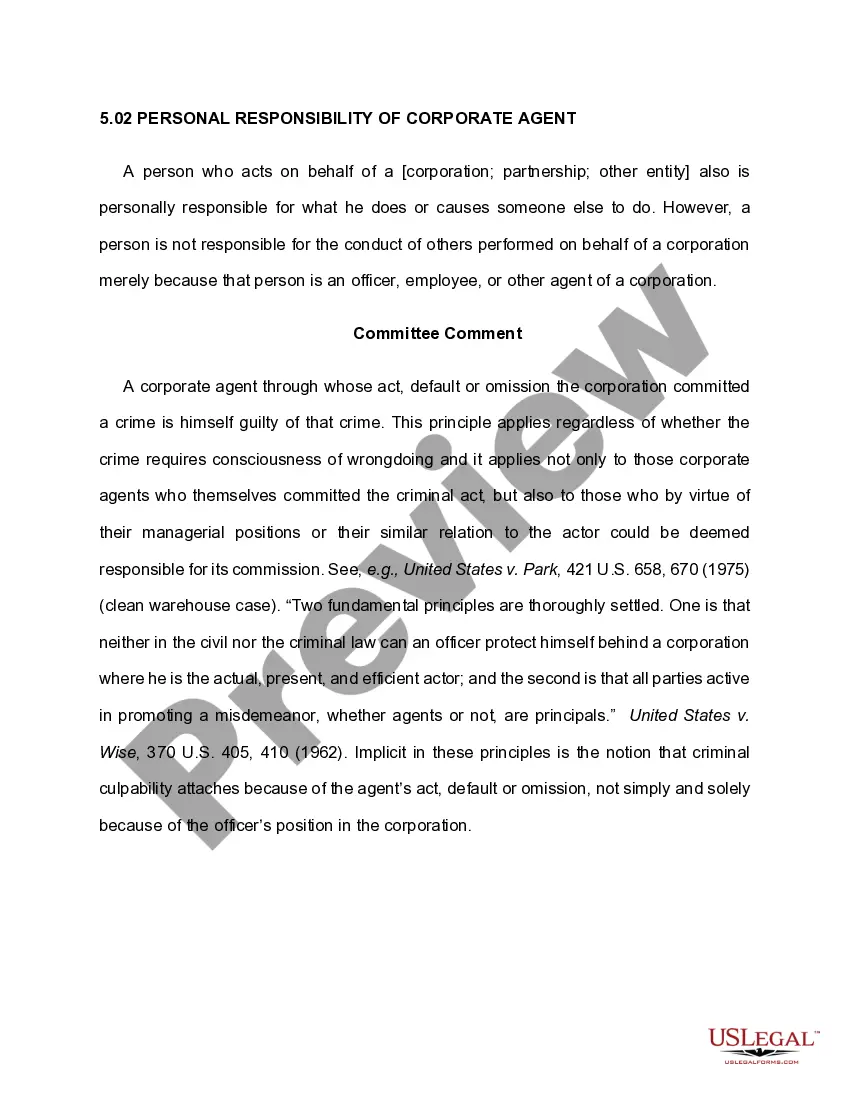
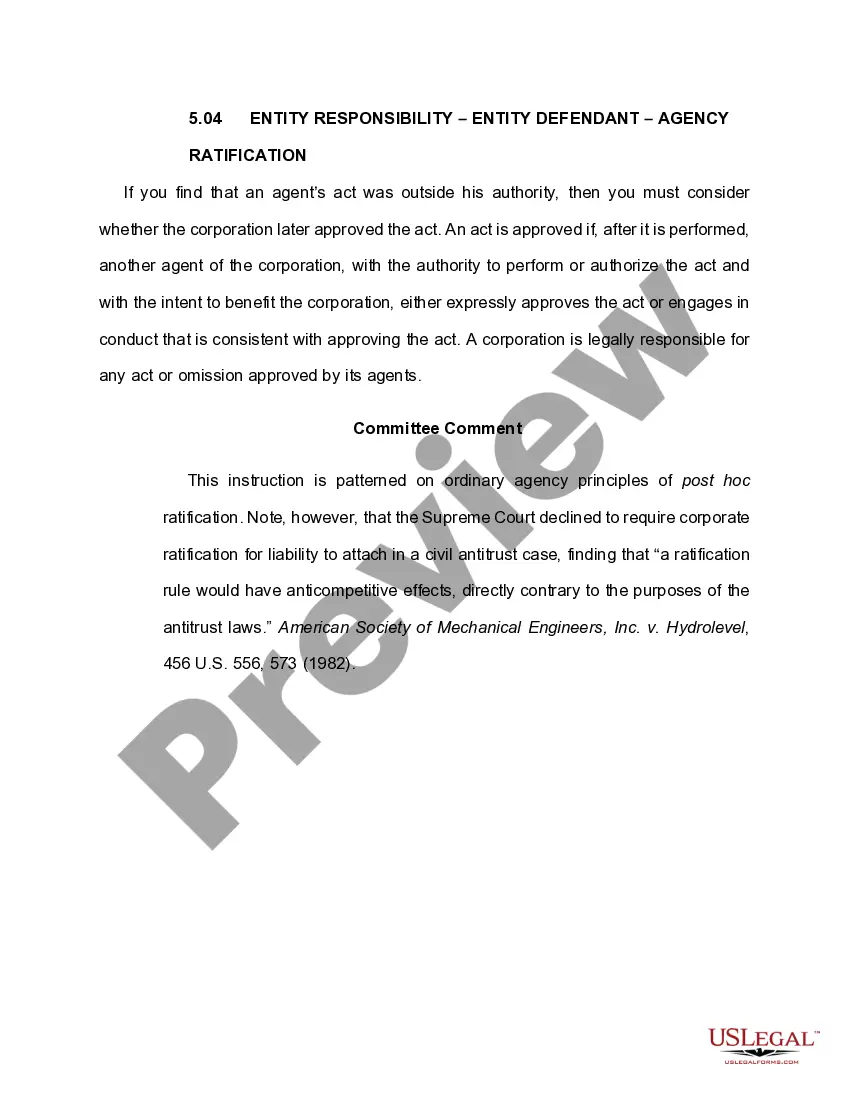
The 5.03 Entity Responsibility - Entity Defendant - Agency form outlines the legal instructions used by the federal courts to determine the liability of a corporation or other entities when their agents or employees commit offenses. This form is essential in criminal cases where the actions of an employee may be attributed to the entity, emphasizing the need for proof of intent and authority. Unlike general legal forms, this document specifically addresses the nuances of corporate criminal liability and the circumstances under which a corporation can be deemed responsible for third-party actions.
What’s included in this form
- Identification of the entity involved in the legal matter.
- Specification of the charges against the entity.
- Criteria for establishing the guilt of the entity based on agent actions.
- Clarification of the standards of evidence required for a guilty verdict.
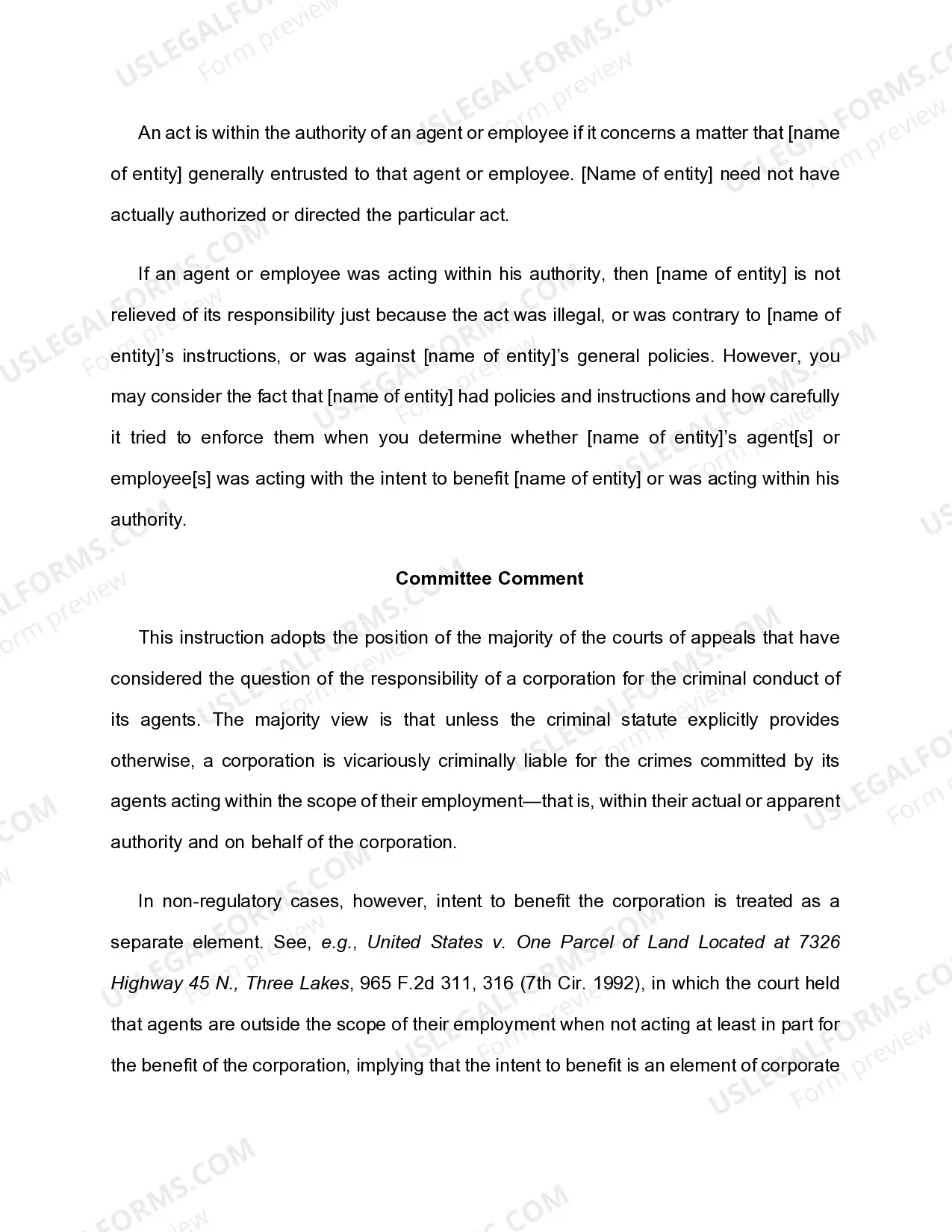
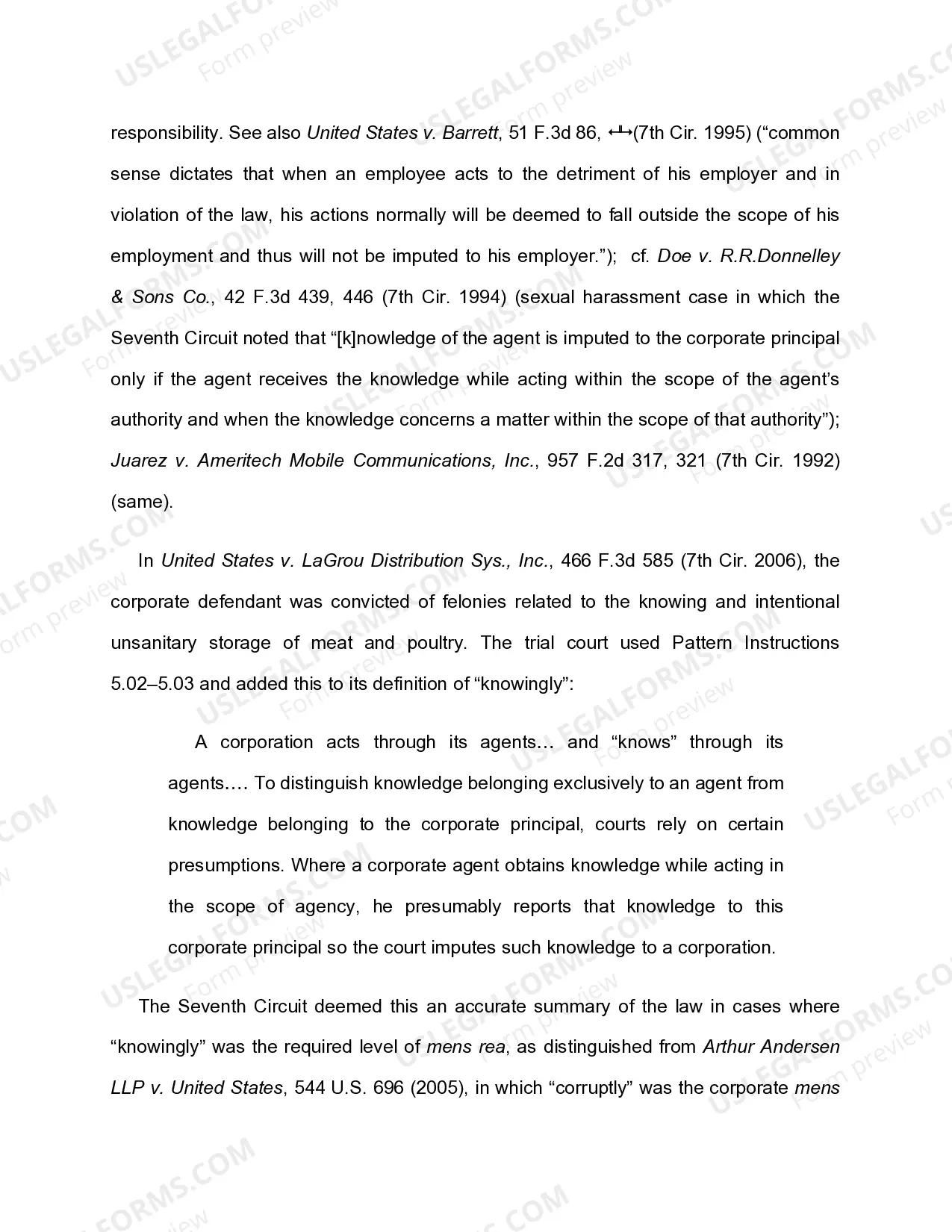
- Committee comments that outline legal precedent regarding corporate responsibility.
When this form is needed
This form is used in criminal cases involving corporate defendants when actions taken by agents or employees lead to charges against the organization. It is applicable when the prosecution must prove that the employee acted within their authority and intended to benefit the corporation while committing the offense. Legal scenarios include fraud, regulatory violations, or other offenses where corporate liability is a pertinent issue.
Who should use this form
- Legal professionals representing corporations or entities facing criminal charges.
- Corporate managers seeking to understand potential liabilities for employee actions.
- Defense attorneys representing organizations in criminal prosecutions.
Steps to complete this form
- Identify the name of the entity involved in the case.
- Specify the charge or allegations filed against the entity.
- Detail the actions taken by the agents or employees related to the case.
- Confirm that the actions were intended to benefit the entity.
- Review the authority under which the employees were acting.
Notarization requirements for this form
This form usually doesn’t need to be notarized. However, local laws or specific transactions may require it. Our online notarization service, powered by Notarize, lets you complete it remotely through a secure video session, available 24/7.
Get your form ready online
Our built-in tools help you complete, sign, share, and store your documents in one place.
Make edits, fill in missing information, and update formatting in US Legal Forms—just like you would in MS Word.
Download a copy, print it, send it by email, or mail it via USPS—whatever works best for your next step.
Sign and collect signatures with our SignNow integration. Send to multiple recipients, set reminders, and more. Go Premium to unlock E-Sign.
If this form requires notarization, complete it online through a secure video call—no need to meet a notary in person or wait for an appointment.
We protect your documents and personal data by following strict security and privacy standards.

Make edits, fill in missing information, and update formatting in US Legal Forms—just like you would in MS Word.

Download a copy, print it, send it by email, or mail it via USPS—whatever works best for your next step.

Sign and collect signatures with our SignNow integration. Send to multiple recipients, set reminders, and more. Go Premium to unlock E-Sign.

If this form requires notarization, complete it online through a secure video call—no need to meet a notary in person or wait for an appointment.

We protect your documents and personal data by following strict security and privacy standards.
Typical mistakes to avoid
- Failing to specify that the agent acted within their authority.
- Neglecting to establish intent to benefit the corporation.
- Missing details about the nature of the charges against the entity.
Why use this form online
- Instant access to a legally accurate template drafted by licensed attorneys.
- Easy customization and editing capabilities to fit specific case details.
- Environmentally friendly option with no need for physical paperwork.
Legal use & context
- This form is based on established legal principles regarding corporate liability.
- It serves as an official guideline for juries to understand the nuances of entity responsibility.
- Proper completion of this form is crucial to uphold corporate defenses in a court of law.
Summary of main points
- The form specifies the legal framework for determining corporate responsibility.
- It outlines critical elements that must be proven for a corporate entity to be found guilty.
- Corporate liability is contingent upon the actions and intentions of employees acting on behalf of the corporation.
Looking for another form?

Form popularity
FAQ
Process servers in the state of Tennessee are not required to be licensed.
Tennessee Process Serving Requirements A summons and complaint may be served by any person who is not a party and is not less than 18 years of age. The process server must be identified by name and address on the return. No service on Sundays unless permitted by court order.
A subpoena may be served by any person authorized to serve process or the witness may acknowledge service in writing on the subpoena. Service of the subpoena shall be made by delivering or offering to deliver a copy to the person to whom it is directed in ance with this or any local rule.
Tennessee Process Service must be accompanied by a sign indicating when the summons was sent by certified mail and when a return receipt was received by a person authorized to do so. Upon receiving the defendant's return, Tennessee Process Service on the defendant shall be deemed completed.
Rule 5.03(b) of the Texas Rules of Evidence and Rule 5.03(b) of the Texas Rules of Criminal Evidence provide for a privilege with respect to "confidential communications" between client and lawyer.
(1) Service on the attorney or on a party may be made by delivering to the attorney a copy of the document to be served, or by mailing it to such person's last known address, or if no address is known, by leaving the copy with the clerk of the court.
RULE 4. (1) Upon the filing of the complaint, the clerk of the court shall promptly issue the required summons and cause it, with necessary copies of the complaint and summons, to be delivered for service to any person authorized to serve process.
1. An agreement restricting the rights of partners or associates to practice after leaving a firm not only limits their professional autonomy but also limits the freedom of clients to choose a lawyer.