PARTIAL VERDICTS
About this form
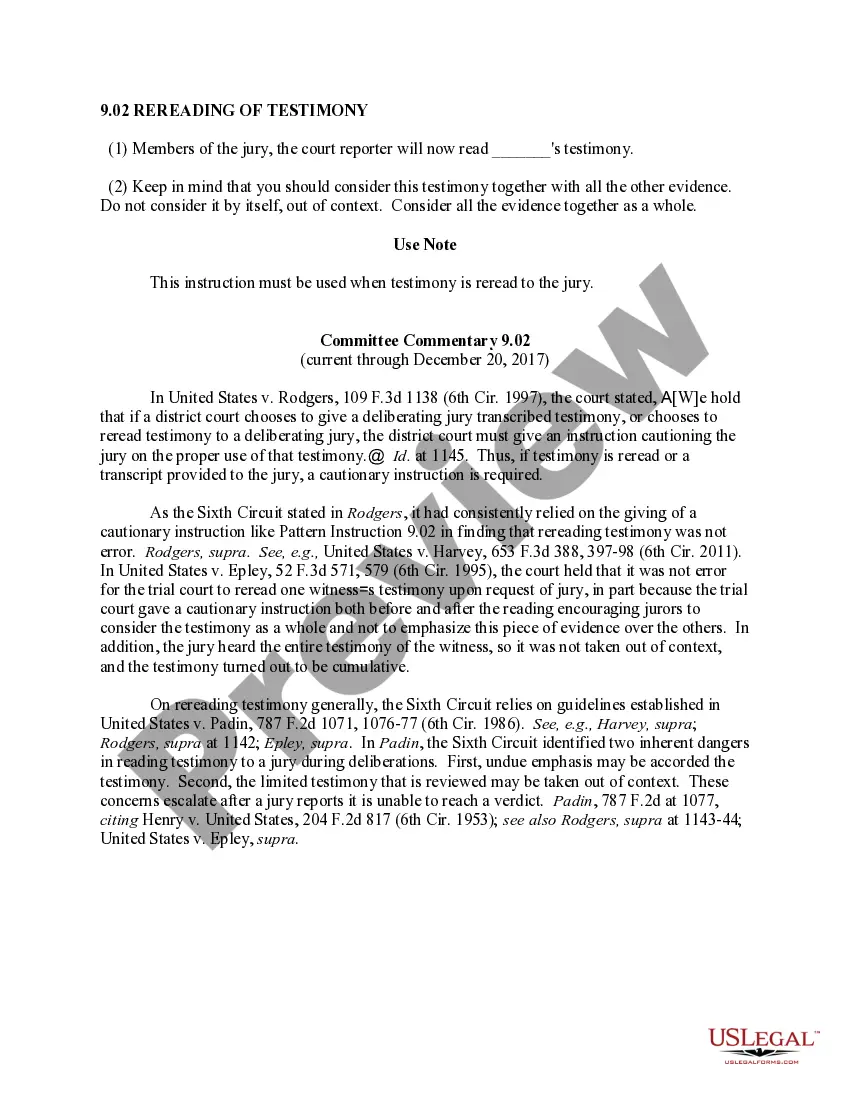
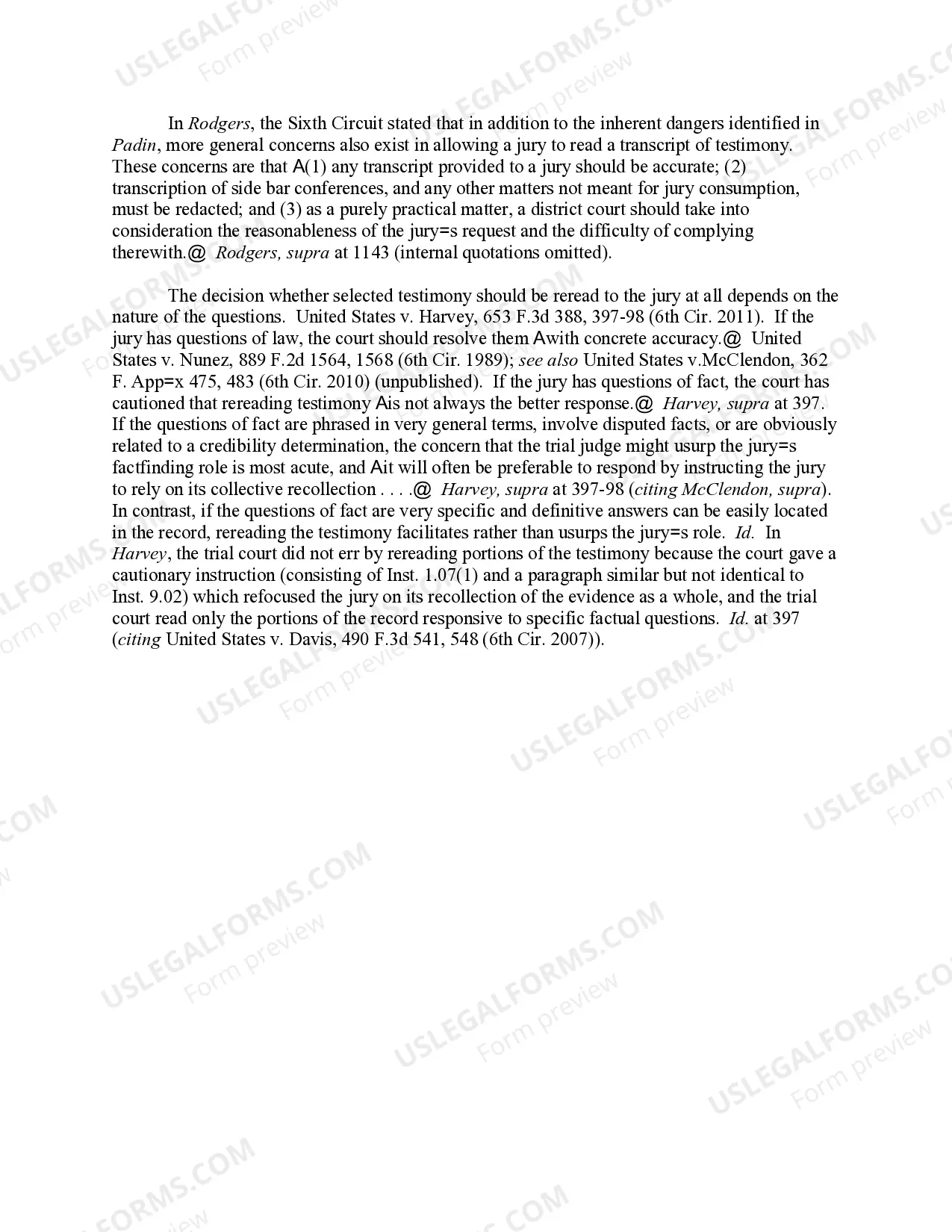
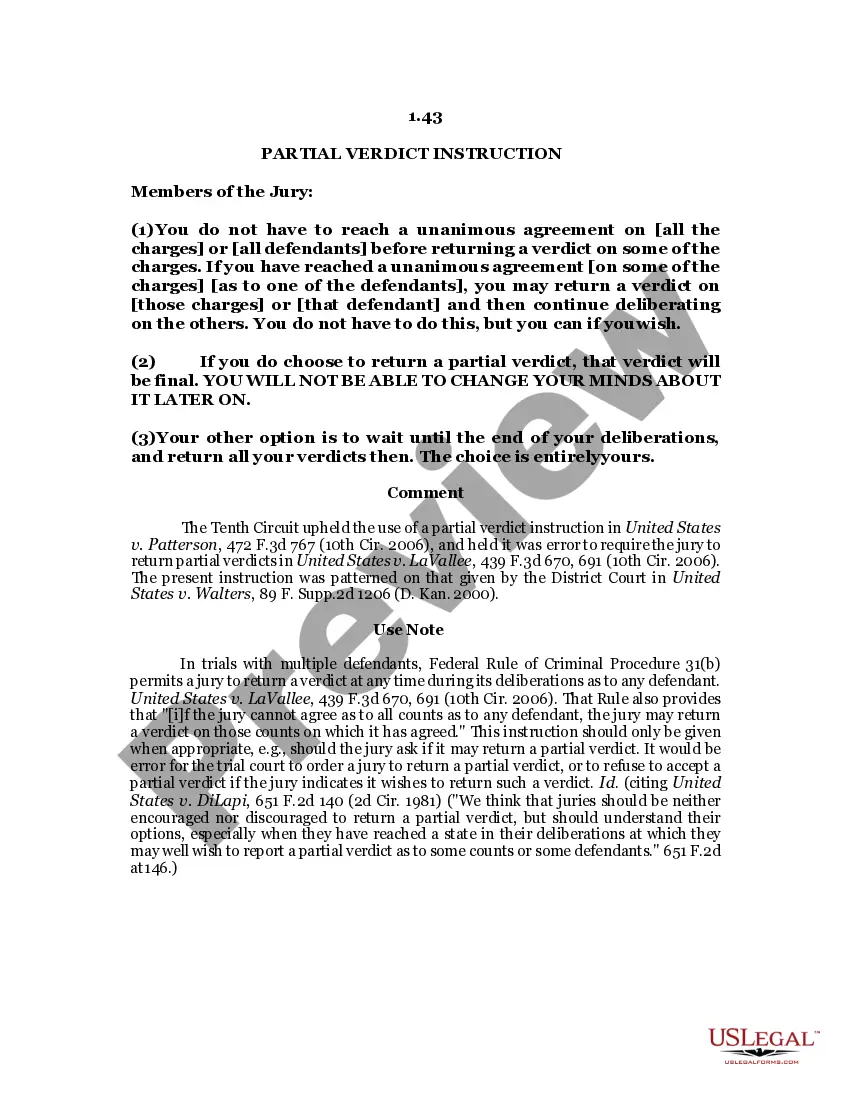
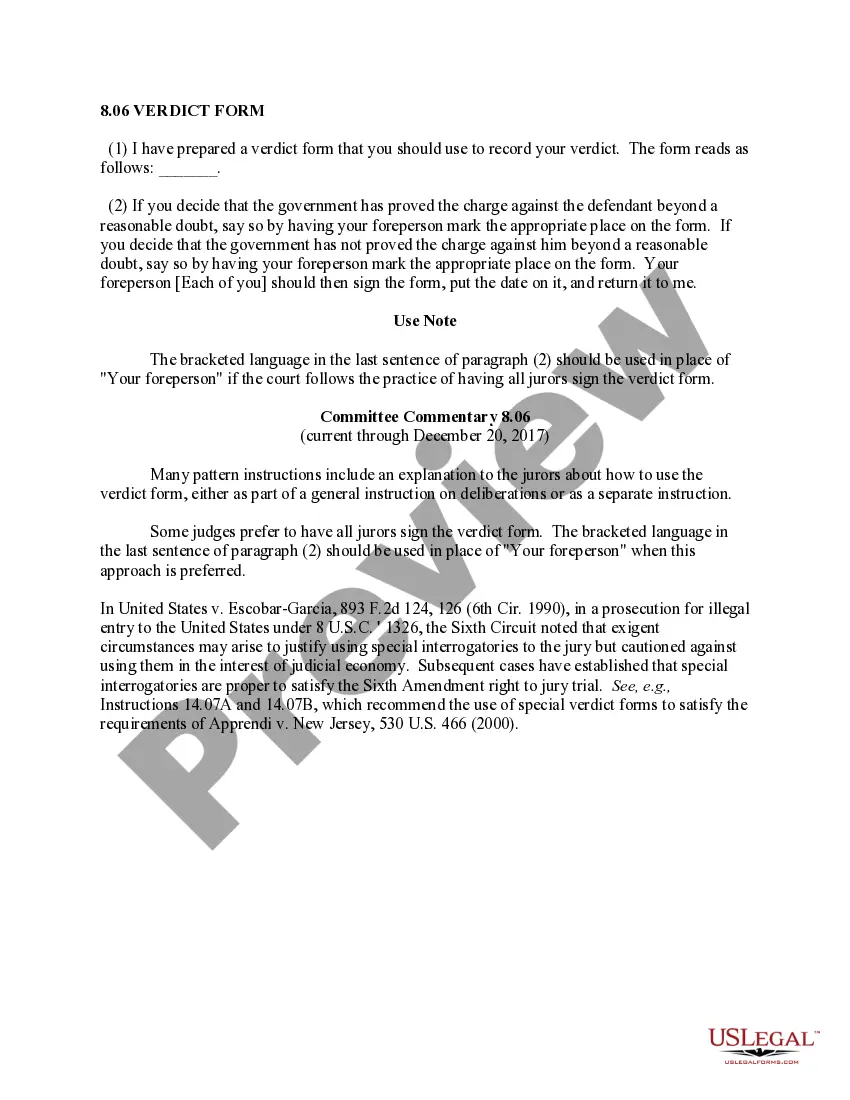
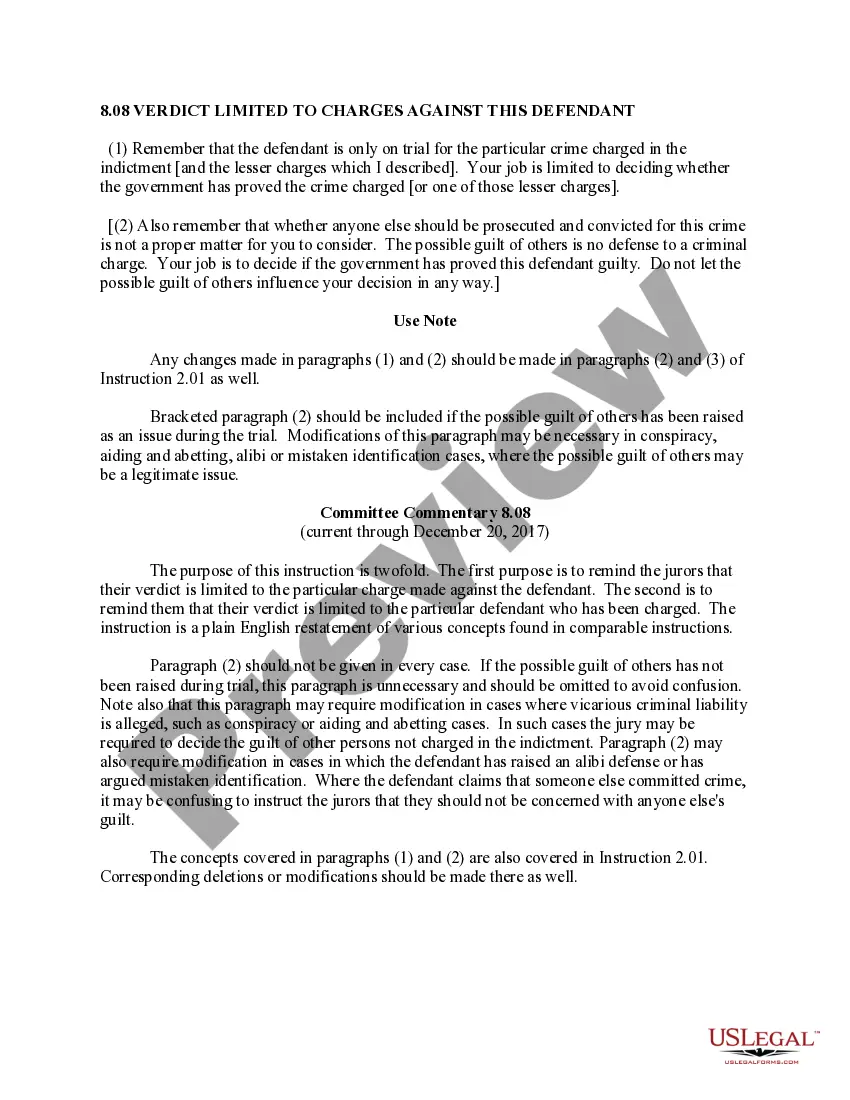
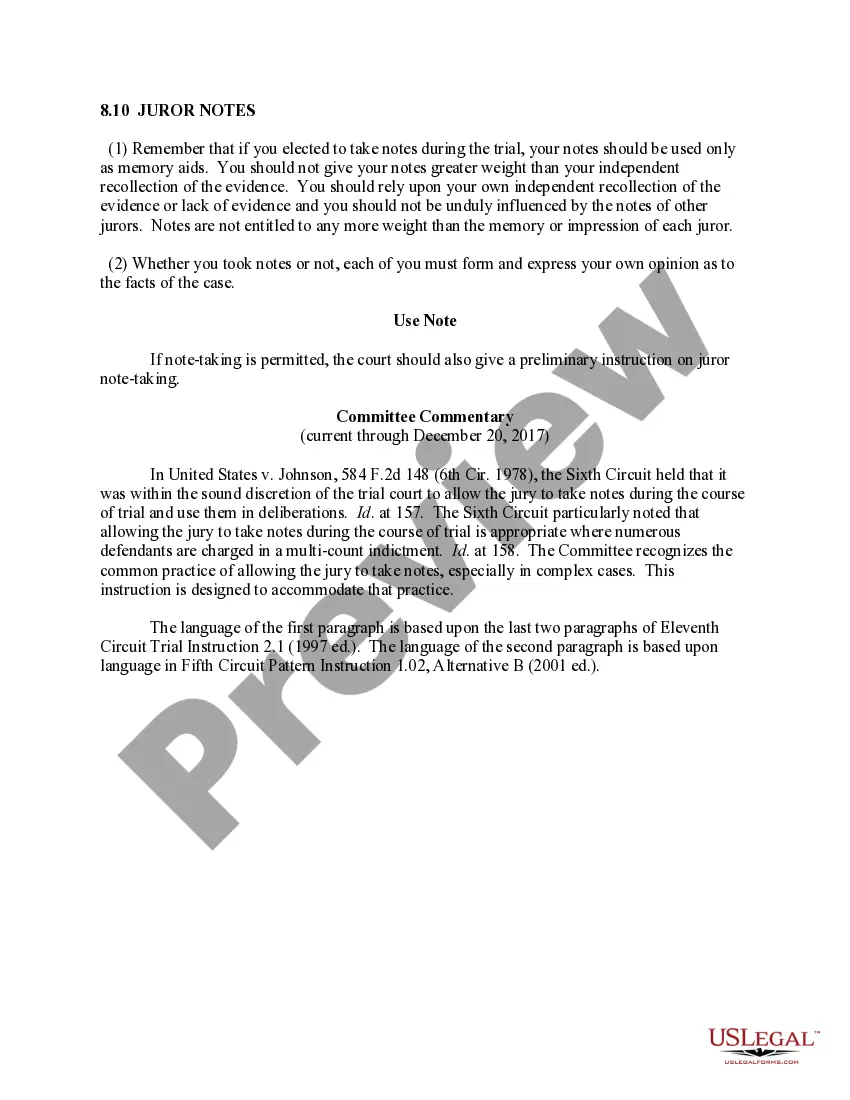
The Partial Verdicts form is used to document and instruct a jury when certain aspects of the trial's testimony are reread during deliberations. Unlike other legal documents, which may govern general jury instructions, this specific form addresses the nuances and careful considerations necessary when jurors request to review witness testimony. It ensures that the jury understands how to interpret the reread testimony in context with the overall evidence presented at trial.
Key components of this form
- Includes a section for the court reporter to read back specific testimony.
- Provides a cautionary instruction for jurors on the proper use of reread testimony.
- Emphasizes the importance of considering all evidence collectively.
- Addresses potential legal implications outlined in case law.
When to use this document
This form is utilized during jury deliberations when the jury requests to reread testimony from a witness. It is particularly important in situations where jurors feel uncertain about a verdict due to specific elements of the testimony that require clarification. It helps ensure that they do not improperly emphasize one part of the evidence over others.
Who this form is for
This form is suitable for:
- Judges overseeing a jury trial.
- Legal counsel representing parties involved in litigation.
- Jurors who require clarification on previously heard testimony.
How to prepare this document
- Identify and fill in the witness's name whose testimony will be reread.
- Provide clear instructions to the jury about the reread process.
- Ensure jurors understand the importance of considering all evidence as a whole.
- Refer to the appropriate legal cases to support the rationale for rereading testimony.
- Review to ensure that all instructions are clear and any necessary legal standards are included.
Does this form need to be notarized?
In most cases, this form does not require notarization. However, some jurisdictions or signing circumstances might. US Legal Forms offers online notarization powered by Notarize, accessible 24/7 for a quick, remote process.
Get your form ready online
Our built-in tools help you complete, sign, share, and store your documents in one place.
Make edits, fill in missing information, and update formatting in US Legal Forms—just like you would in MS Word.
Download a copy, print it, send it by email, or mail it via USPS—whatever works best for your next step.
Sign and collect signatures with our SignNow integration. Send to multiple recipients, set reminders, and more. Go Premium to unlock E-Sign.
If this form requires notarization, complete it online through a secure video call—no need to meet a notary in person or wait for an appointment.
We protect your documents and personal data by following strict security and privacy standards.

Make edits, fill in missing information, and update formatting in US Legal Forms—just like you would in MS Word.

Download a copy, print it, send it by email, or mail it via USPS—whatever works best for your next step.

Sign and collect signatures with our SignNow integration. Send to multiple recipients, set reminders, and more. Go Premium to unlock E-Sign.

If this form requires notarization, complete it online through a secure video call—no need to meet a notary in person or wait for an appointment.

We protect your documents and personal data by following strict security and privacy standards.
Common mistakes to avoid
- Failing to give proper cautionary instructions before or after rereading testimony.
- Rereading testimony without ensuring it is in context with all other evidence.
- Not accurately documenting the specific testimony being reread.
Benefits of using this form online
- Easy access to authoritative legal language drafted by licensed attorneys.
- Quickly downloadable and customizable for specific court needs.
- Convenient storage and retrieval for future jury instructions.
Legal use & context
- Ensures compliance with established legal standards for jury instructions.
- Helps prevent potential errors in jury verdicts related to testimony interpretation.
- Provides legal protections for all parties involved in litigation.
Looking for another form?

Form popularity
FAQ
A verdict in which the jury gives its findings on factual issues in the case, without necessarily stating which party should win.
Verdicts are of several kinds, namely, privy and public, general, partial, and special.
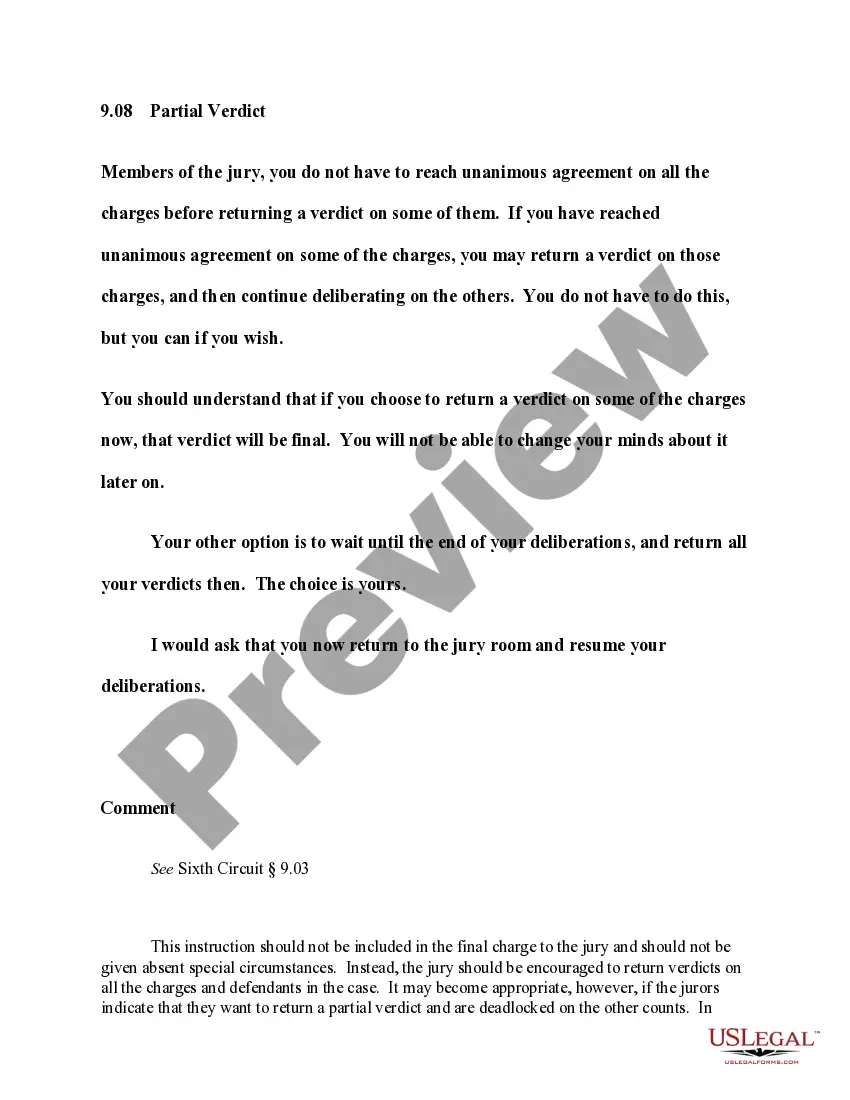
A partial verdict is when a jury reaches a decision on some of the charges or defendants in a trial, but not all of them. This can happen when the jury is unable to agree on all of the charges or defendants.
Definition. A jury's findings or conclusions on the factual issues presented by a case. Sometimes, the term also refers to the judge's resolution of issues in a bench trial.
Types of Verdicts General Verdict. Special Verdict. Directed Verdict. Judgment Notwithstanding the Verdict.
Possible verdicts in criminal cases are guilty or not guilty. In a civil suit, the jury will find for the plaintiff or the defendant. If the jury finds for the plaintiff, it will also usually set out the amount the defendant should pay the plaintiff for damages, often after a separate hearing concerning damages.
The formal decision issued by a jury on the issues of fact that were presented at trial. VERDICT. The formal decision issued by a jury on the issues of fact that were presented at trial.Privy Verdict.Public Verdict.General Verdict.Partial Verdict.Special Verdict.