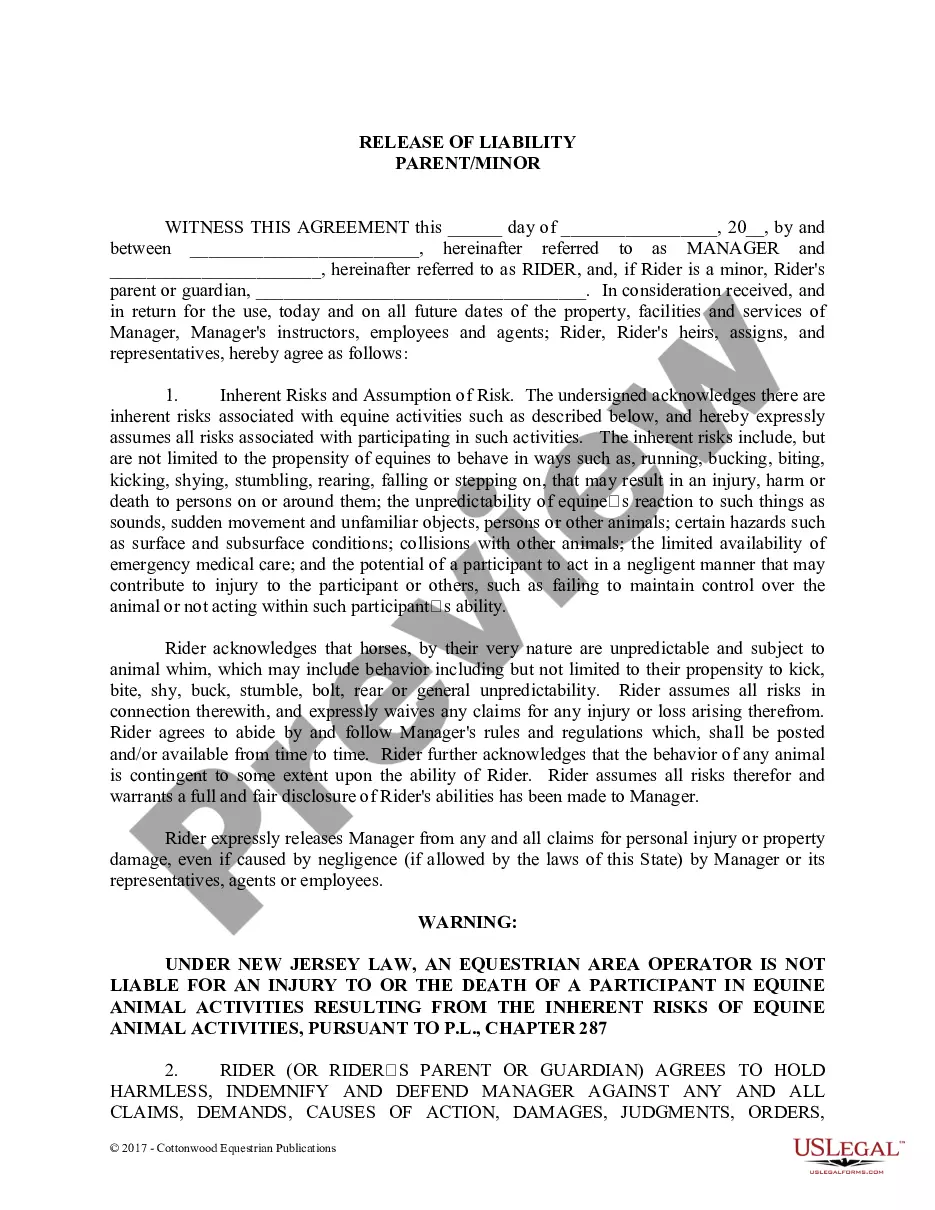
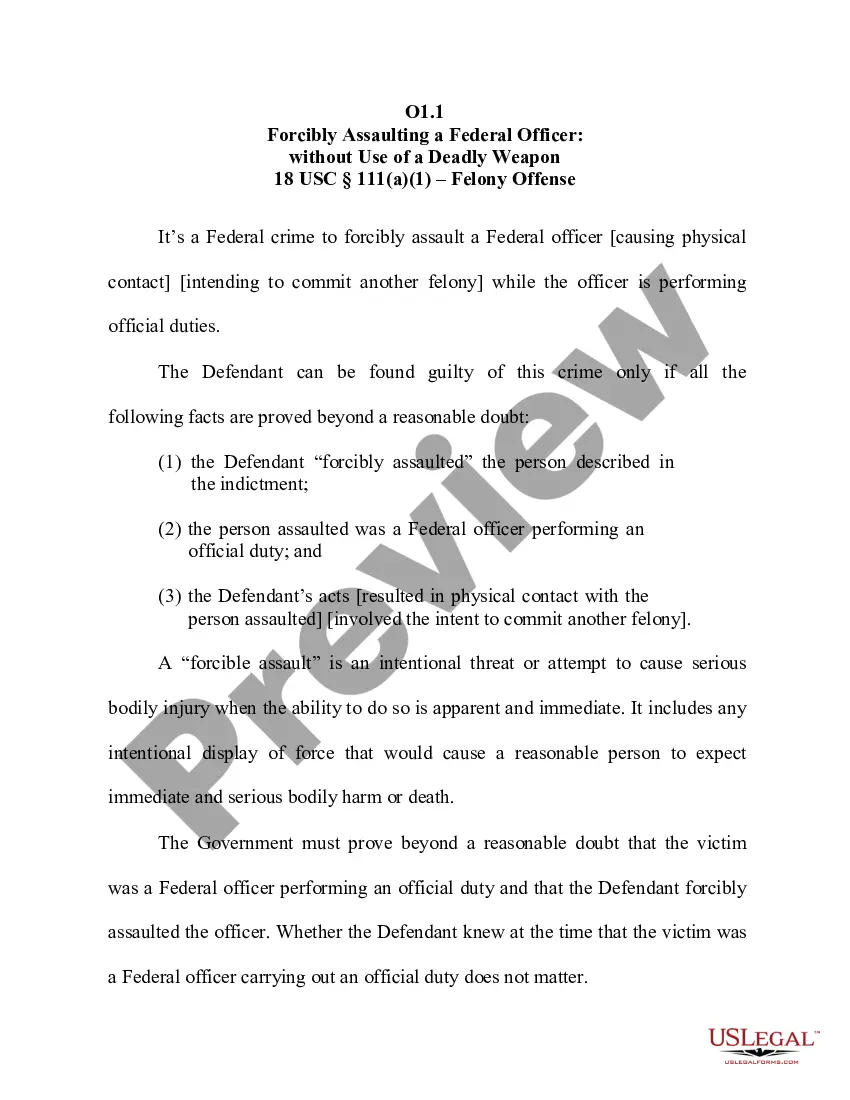
Forcibly Assaulting a Federal Officer: with Use of a Deadly Weapon or Inflicting Bodily Injury is a federal crime that is taken very seriously. It is defined as an intentional and unlawful use of force, or threat of force, against a federal law enforcement officer, or other federal official, while the officer is engaged in the performance of his or her official duties. This crime can also include the use of a deadly weapon, such as a firearm or knife, or the infliction of serious bodily injury. There are two main types of this offense: Assault with a Deadly Weapon and Assault by Infliction of Bodily Injury. Assault with a Deadly Weapon occurs when an individual uses a deadly weapon to intentionally and unlawfully cause fear or harm to a federal officer. Examples of this offense include shooting at a federal officer, pointing a gun at an officer, and using a knife to threaten an officer. Assault by Infliction of Bodily Injury occurs when an individual inflicts serious bodily injury on a federal officer. This type of crime can include punching, throwing objects, and using blunt objects to cause physical harm to the officer. Both types of this offense are punishable by imprisonment of up to 20 years and/or a fine.
Forcibly Assaulting a Federal Officer: with Use of a Deadly Weapon or Inflicting Bodily Injury
Description
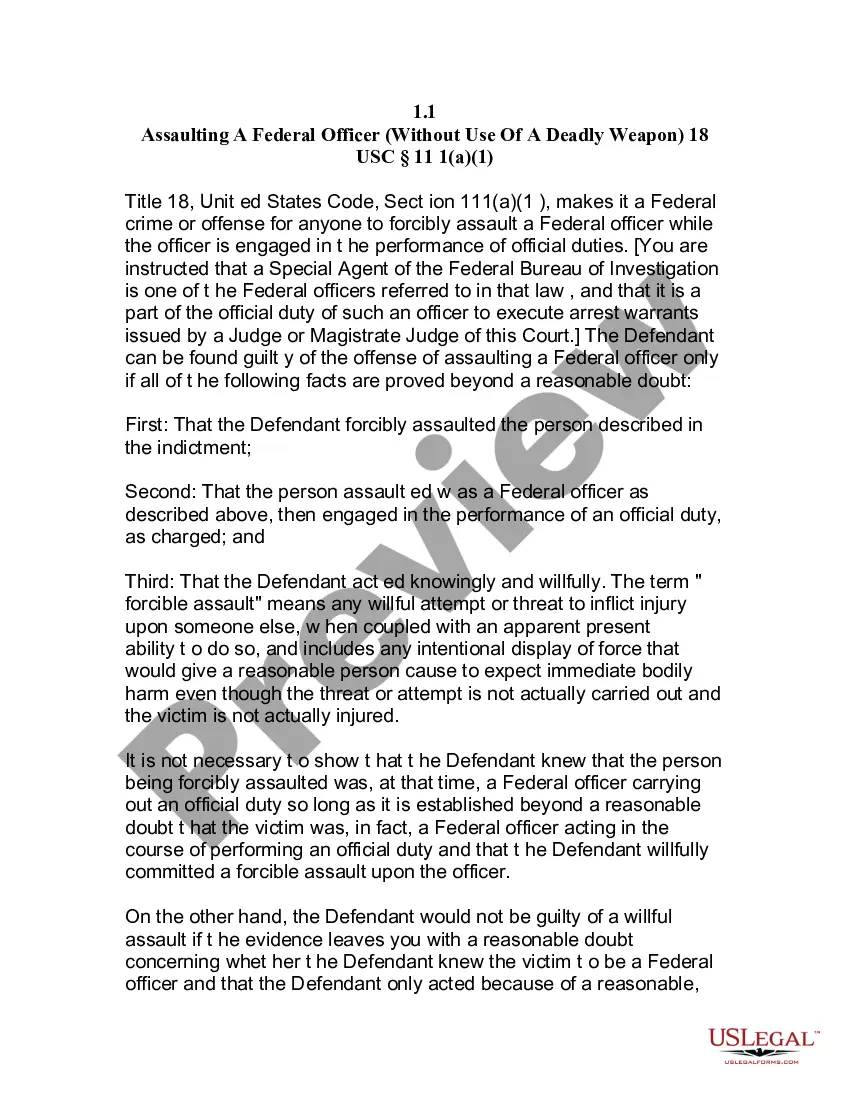
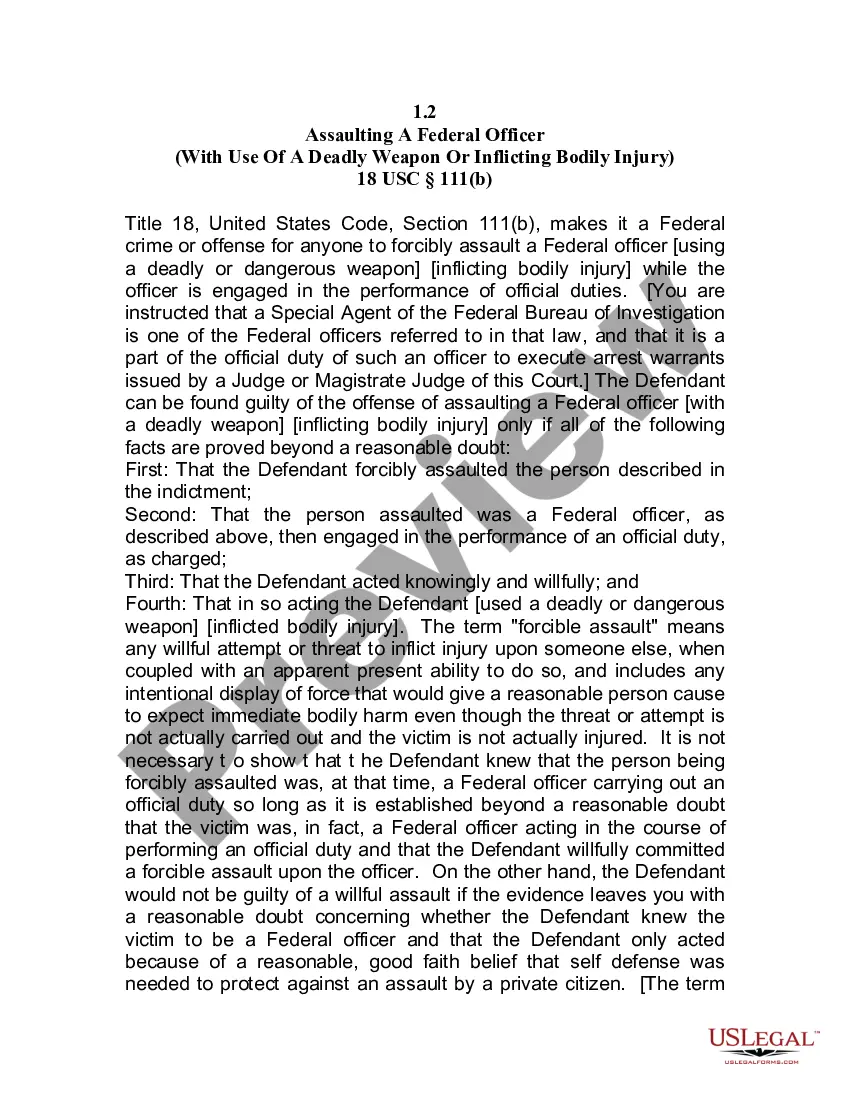
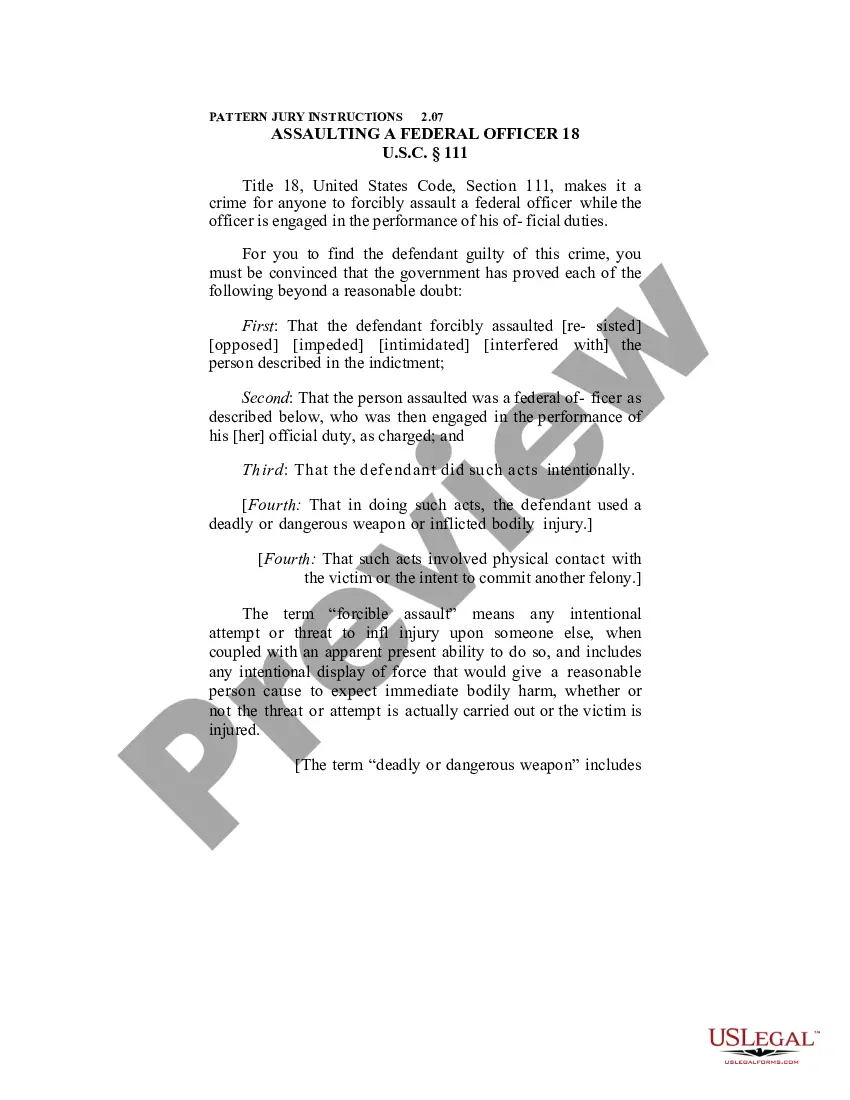
How to fill out Forcibly Assaulting A Federal Officer: With Use Of A Deadly Weapon Or Inflicting Bodily Injury?
Working with official documentation requires attention, precision, and using well-drafted blanks. US Legal Forms has been helping people nationwide do just that for 25 years, so when you pick your Forcibly Assaulting a Federal Officer: with Use of a Deadly Weapon or Inflicting Bodily Injury template from our library, you can be sure it meets federal and state regulations.
Dealing with our service is straightforward and quick. To get the required paperwork, all you’ll need is an account with a valid subscription. Here’s a brief guideline for you to get your Forcibly Assaulting a Federal Officer: with Use of a Deadly Weapon or Inflicting Bodily Injury within minutes:
- Make sure to attentively check the form content and its correspondence with general and legal requirements by previewing it or reading its description.
- Search for another formal template if the previously opened one doesn’t suit your situation or state regulations (the tab for that is on the top page corner).
- Log in to your account and save the Forcibly Assaulting a Federal Officer: with Use of a Deadly Weapon or Inflicting Bodily Injury in the format you need. If it’s your first experience with our website, click Buy now to continue.
- Create an account, choose your subscription plan, and pay with your credit card or PayPal account.
- Decide in what format you want to obtain your form and click Download. Print the blank or upload it to a professional PDF editor to submit it electronically.
All documents are drafted for multi-usage, like the Forcibly Assaulting a Federal Officer: with Use of a Deadly Weapon or Inflicting Bodily Injury you see on this page. If you need them in the future, you can fill them out without re-payment - simply open the My Forms tab in your profile and complete your document whenever you need it. Try US Legal Forms and prepare your business and personal paperwork rapidly and in total legal compliance!
Form popularity
FAQ
§1114. Protection of officers and employees of the United States. (3) in the case of attempted murder or manslaughter, as provided in section 1113. (b) Extraterritorial Jurisdiction .
18 U.S.C. 111 makes it a federal crime to assault any federal officer, agent, or employee of a U.S. government agency or member of the uniformed services. This includes government employees on the job; it may consist of former employees (for example, if the assault occurs as an act of revenge).
Penal Code § 241 PC makes it a crime to assault a police officer or other public safety first responders while they are performing their official duties. Doing so is a misdemeanor punishable by a sentence of up to one year in county jail and a fine of up to $2,000.00.
18 U.S. Code § 115 - Influencing, impeding, or retaliating against a Federal official by threatening or injuring a family member.
Assaulting, resisting, or impeding certain United States Government officers or employees is an offense under 18 U.S.C. § 111. Simple assault is a class A misdemeanor, but if physical contact occurs, the offense is a class D felony. If a deadly weapon is used or bodily injury is inflicted, it is a class C felony.
The federal officer was forcibly assaulted or resisted, opposed, impeded, intimidated, or interfered with while engaged in the performance of his official duty or on account of the performance of official duties; and. That the person did this intentionally.