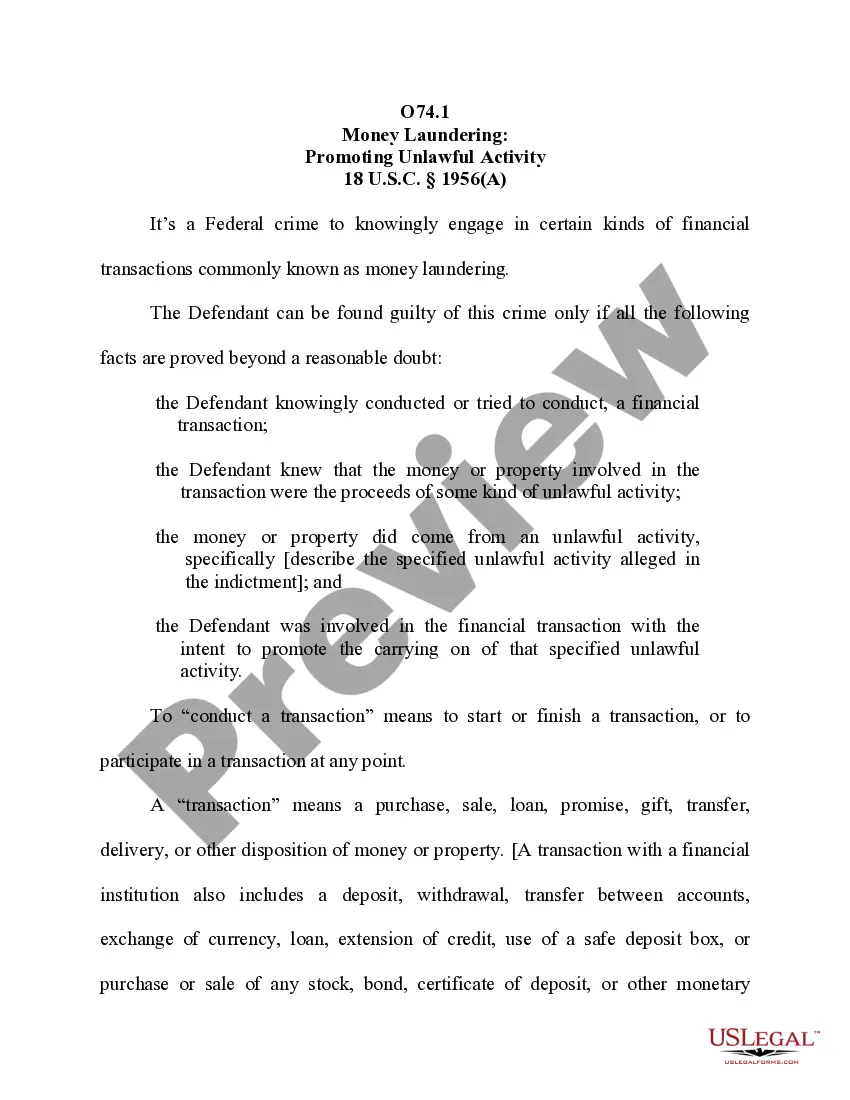
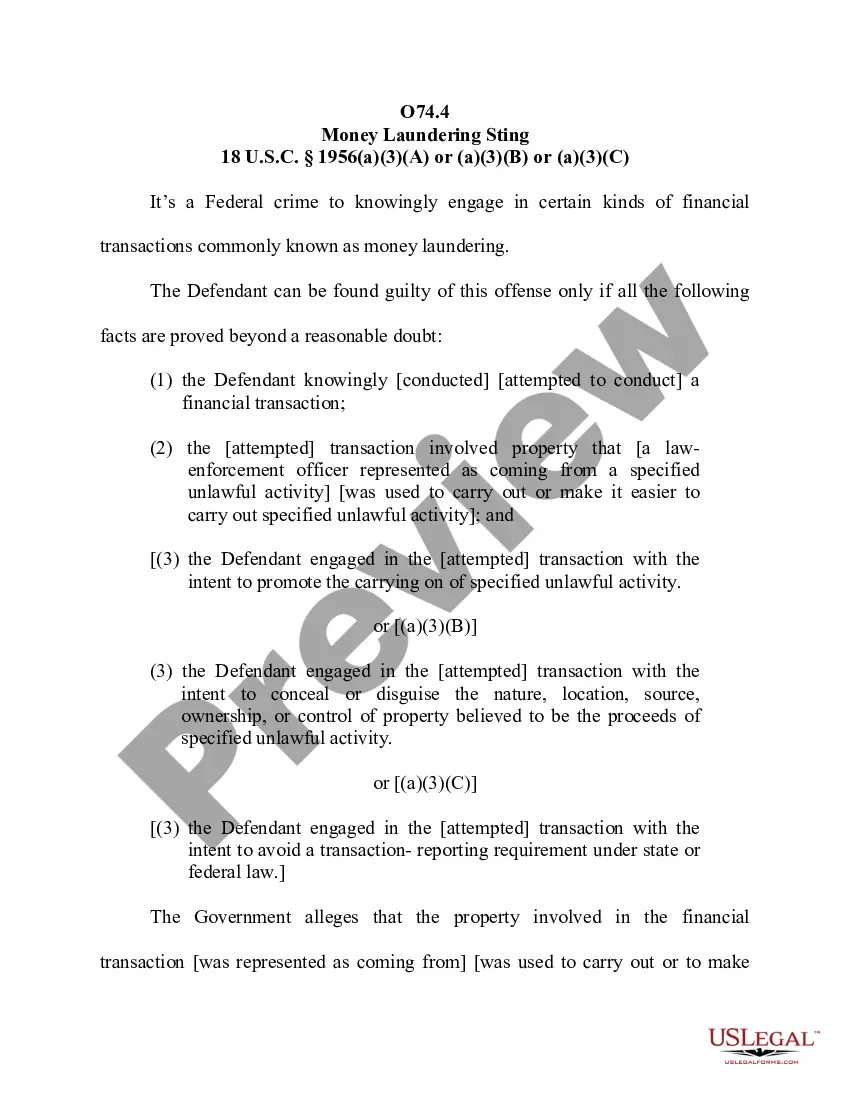
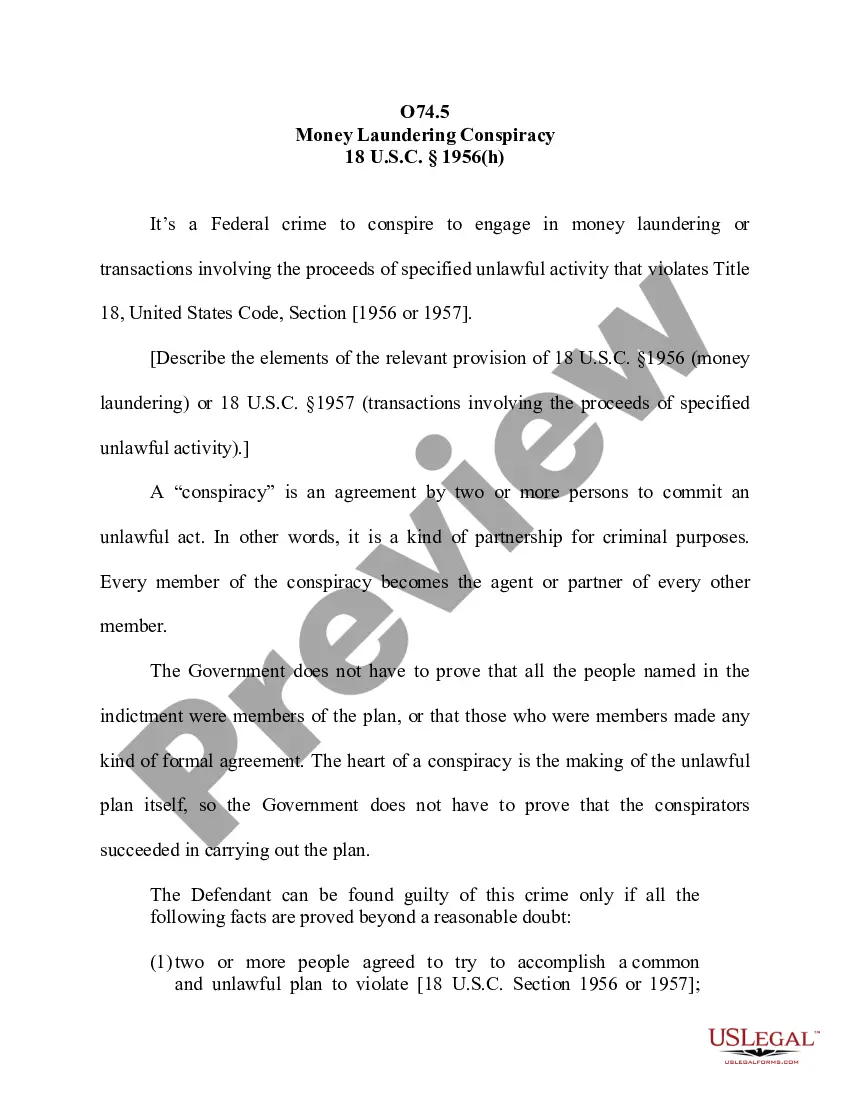
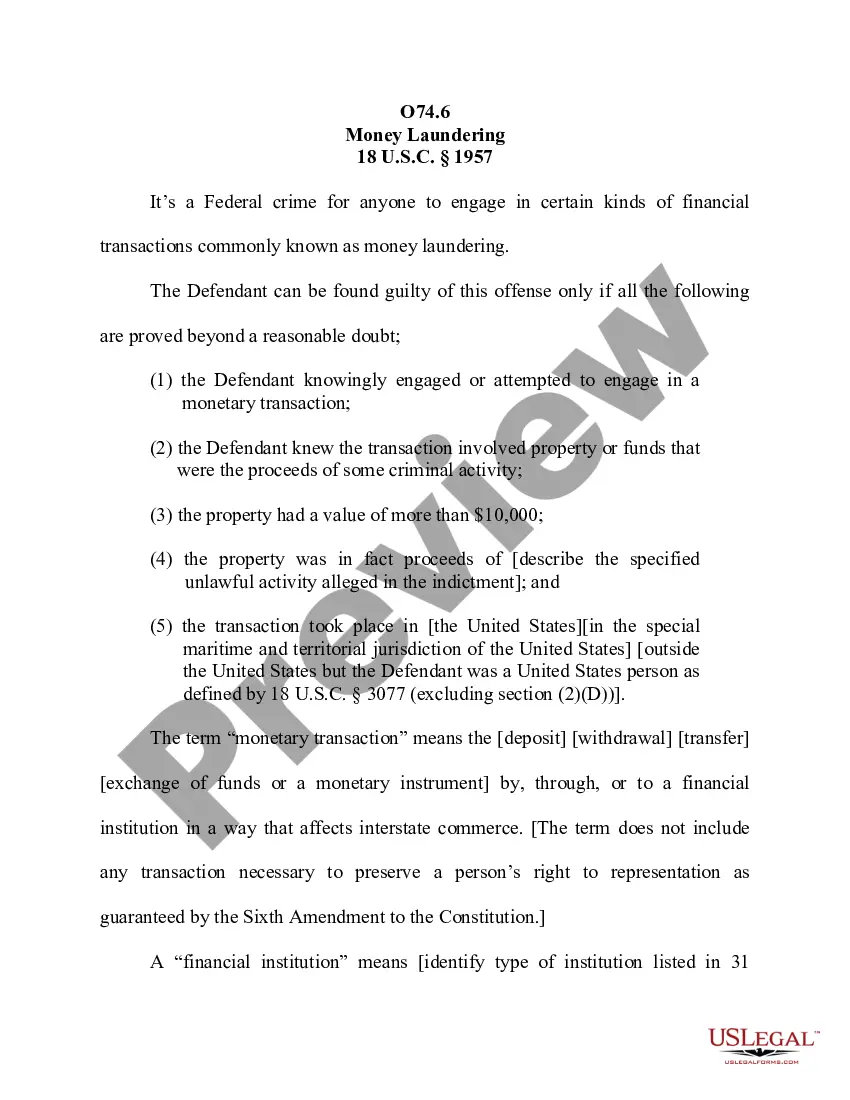
Money Laundering is the process of concealing or disguising the source of illegally obtained or illegally earned money, so it can be used without suspicion. Money laundering is often used to avoid taxation and to conceal the proceeds of criminal activities such as fraud, drug trafficking, and terrorist financing. It is also used to avoid transaction reporting requirements. Money laundering consists of three stages: placement, layering, and integration. Placement is the first step of money laundering, and involves introducing the proceeds of specified unlawful activity into the financial system. Placement can be done in a variety of ways, such as depositing the funds into a bank account, exchanging them for cash, or using them to purchase assets. Layering is the second step of money laundering, and involves the use of complex financial transactions to hide the source of the funds. Layering can be done by transferring funds between different accounts, purchasing assets with the funds, or exchanging them for different forms of currency. Integration is the final step of money laundering, and involves the use of the funds from the placement and layering stages to purchase goods and services, or to make investments. This step allows the launderer to access the funds without arousing suspicion. There are various types of Money Laundering: Concealing Proceeds of Specified Unlawful Activity or Avoiding Transaction Reporting Requirement. These include cash smuggling, structuring, trade-based money laundering, and digital currency laundering. Cash smuggling involves physically moving the proceeds of specified unlawful activity across borders to conceal their source. Structuring involves making multiple deposits of small amounts of money to avoid transaction reporting requirements. Trade-based money laundering involves using international trade to conceal the source of the funds. Digital currency laundering involves using virtual currencies, such as Bitcoin, to avoid transaction reporting requirements.
Money Laundering: Concealing Proceeds of Specified Unlawful Activity or Avoiding Transaction Reporting Requirement
Description

How to fill out Money Laundering: Concealing Proceeds Of Specified Unlawful Activity Or Avoiding Transaction Reporting Requirement?
If you’re looking for a way to properly complete the Money Laundering: Concealing Proceeds of Specified Unlawful Activity or Avoiding Transaction Reporting Requirement without hiring a lawyer, then you’re just in the right spot. US Legal Forms has proven itself as the most extensive and reliable library of official templates for every personal and business scenario. Every piece of documentation you find on our online service is designed in accordance with nationwide and state regulations, so you can be sure that your documents are in order.
Adhere to these straightforward instructions on how to obtain the ready-to-use Money Laundering: Concealing Proceeds of Specified Unlawful Activity or Avoiding Transaction Reporting Requirement:
- Ensure the document you see on the page meets your legal situation and state regulations by checking its text description or looking through the Preview mode.
- Type in the document title in the Search tab on the top of the page and select your state from the list to locate another template in case of any inconsistencies.
- Repeat with the content verification and click Buy now when you are confident with the paperwork compliance with all the demands.
- Log in to your account and click Download. Register for the service and select the subscription plan if you still don’t have one.
- Use your credit card or the PayPal option to purchase your US Legal Forms subscription. The blank will be available to download right after.
- Decide in what format you want to save your Money Laundering: Concealing Proceeds of Specified Unlawful Activity or Avoiding Transaction Reporting Requirement and download it by clicking the appropriate button.
- Upload your template to an online editor to complete and sign it quickly or print it out to prepare your paper copy manually.
Another wonderful thing about US Legal Forms is that you never lose the paperwork you acquired - you can pick any of your downloaded blanks in the My Forms tab of your profile any time you need it.
Form popularity
FAQ
Amongst the three different stages of money laundering, as mentioned above, the second stage ? layering is where most of the action happens to conceal the original source of the illegal proceeds.
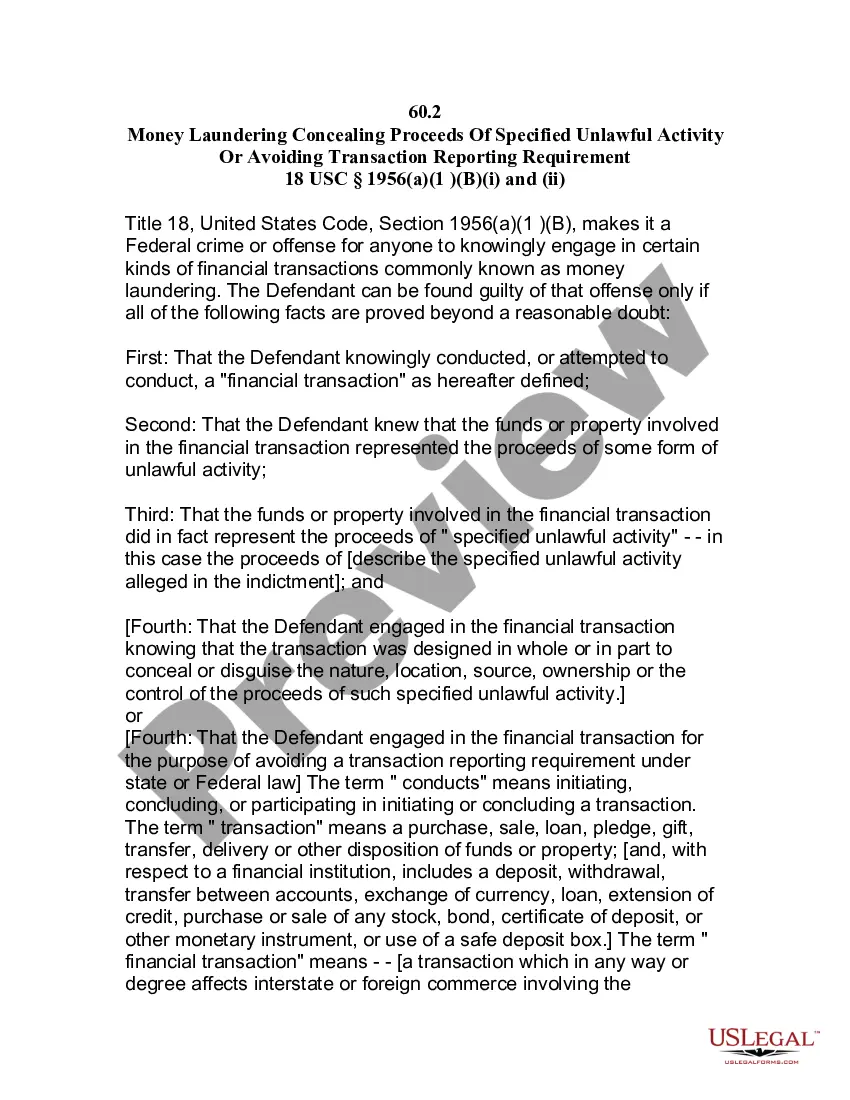
§1956. Laundering of monetary instruments. (ii) to avoid a transaction reporting requirement under State or Federal law, shall be sentenced to a fine of not more than $500,000 or twice the value of the property involved in the transaction, whichever is greater, or imprisonment for not more than twenty years, or both.
Money laundering generally refers to financial transactions in which criminals, including terrorist organizations, attempt to disguise the proceeds, sources or nature of their illicit activities.
?Concealment? money laundering ? in which the alleged financial transactions involving criminally derived funds were performed for the purpose of concealing the source, nature, ownership, or location of the funds.
See §§ 1956(c)(7)(A), 1957(f)(3), and 1961(1)(B) ("Specified unlawful activity" is defined as any act or activity constituting an offense listed in section 1961(1), which includes both mail and wire fraud statutes.).
18 U.S.C. § 1956(a)(1)(B)(i) See Statute Fourth, that defendant knew that the transaction or transactions were designed in whole or in part to conceal or disguise the nature, location, source, ownership, or control of the proceeds of that specified unlawful activity.
Specified unlawful activities include over 250 crimes in six categories: (1) most RICO predicate offenses; (2) certain offenses against foreign nations; (3) acts constituting a criminal enterprise under the Controlled Substances Act; (4) miscellaneous offenses against persons and property; (5) federal health care
Answer and Explanation: The term payment with concealed cash refers to the mode of transaction in which the payment is sent secretly to the recipient by putting the payment amount in a secure envelope.