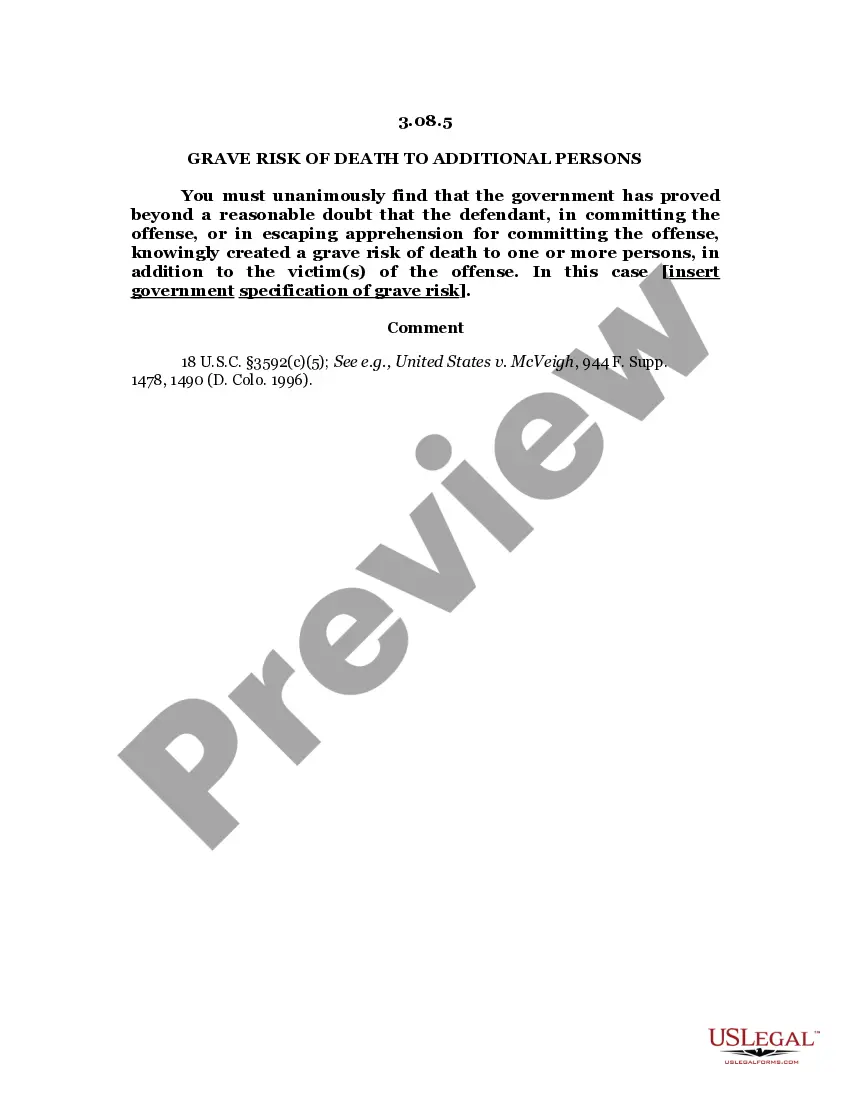
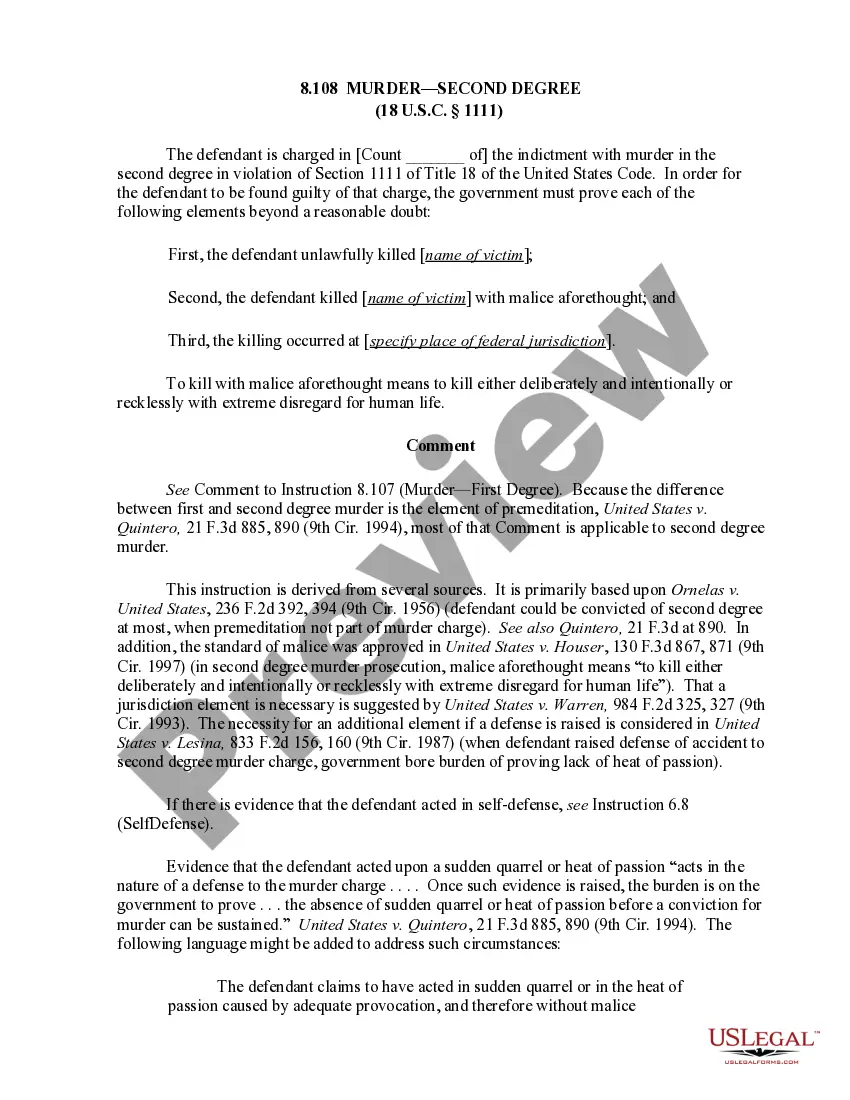
3.8.1 Death Occurring During Commission of Another Crime is a type of criminal homicide which occurs when a suspect causes the death of another person while committing or attempting to commit a crime. This type of homicide is considered an "inherently dangerous felony," meaning that the actions taken to commit the crime are likely to cause death. Examples include a suspect who shoots another person during a robbery, or a suspect who causes a fatal car accident while fleeing from police. There are two types of 3.8.1 Death Occurring During Commission of Another Crime: 1. Felony Murder Rule — This type of homicide occurs when a death results from an act committed by a suspect during the commission of a felony. This type of homicide is considered a form of strict liability, meaning that the suspect is held liable for the death regardless of intent or negligence. 2. Depraved Heart Murder — This type of homicide occurs when a death results from the suspect's intentional and reckless disregard for human life. This type of homicide is considered a form of malice aforethought, meaning that the suspect acted with the intention to cause harm.
3.8.1 DEATH OCCURRING DURING COMMISSION OF ANOTHER CRIME
Description
How to fill out 3.8.1 DEATH OCCURRING DURING COMMISSION OF ANOTHER CRIME?
If you’re searching for a way to properly prepare the 3.8.1 DEATH OCCURRING DURING COMMISSION OF ANOTHER CRIME without hiring a lawyer, then you’re just in the right spot. US Legal Forms has proven itself as the most extensive and reputable library of formal templates for every personal and business situation. Every piece of paperwork you find on our web service is drafted in accordance with nationwide and state laws, so you can be certain that your documents are in order.
Follow these straightforward instructions on how to obtain the ready-to-use 3.8.1 DEATH OCCURRING DURING COMMISSION OF ANOTHER CRIME:
- Make sure the document you see on the page meets your legal situation and state laws by examining its text description or looking through the Preview mode.
- Type in the form title in the Search tab on the top of the page and select your state from the dropdown to locate another template if there are any inconsistencies.
- Repeat with the content verification and click Buy now when you are confident with the paperwork compliance with all the demands.
- Log in to your account and click Download. Register for the service and select the subscription plan if you still don’t have one.
- Use your credit card or the PayPal option to pay for your US Legal Forms subscription. The blank will be available to download right after.
- Choose in what format you want to get your 3.8.1 DEATH OCCURRING DURING COMMISSION OF ANOTHER CRIME and download it by clicking the appropriate button.
- Add your template to an online editor to fill out and sign it quickly or print it out to prepare your hard copy manually.
Another great advantage of US Legal Forms is that you never lose the paperwork you acquired - you can pick any of your downloaded blanks in the My Forms tab of your profile whenever you need it.
Form popularity
FAQ
Voluntary manslaughter requires an intentional act that is a felony or that is likely to cause death or great bodily harm. Involuntary manslaughter, in contrast, may be based on an intentional act that is not naturally dangerous to human life or upon an act of culpable negligence.
Commission of a crime means committing an act or failing to act when the person clearly knew or should have known the act or omission was illegal.
The felony murder rule is a law in most states and under federal law that allows anyone who is accused of committing a violent felony to be charged with murder if the commission of that felony results in the death of someone.
Involuntary manslaughter is defined as an unintentional killing that results either from recklessness or criminal negligence or from the commission of a low-level criminal act such as a misdemeanor.
Felony murder: An unlawful killing of a person that occurs while attempting to commit or while committing another felony, such as robbery, rape, or arson.
Involuntary manslaughter is defined as an unintentional killing that results either from recklessness or criminal negligence or from the commission of a low-level criminal act such as a misdemeanor.
Unintentional deaths that occur during the commission of some felonies are called felony murder. The most common are criminal sexual conduct, kidnapping, robbery, arson, and burglary. In some states, its first degree murder and in others, its second degree murder.