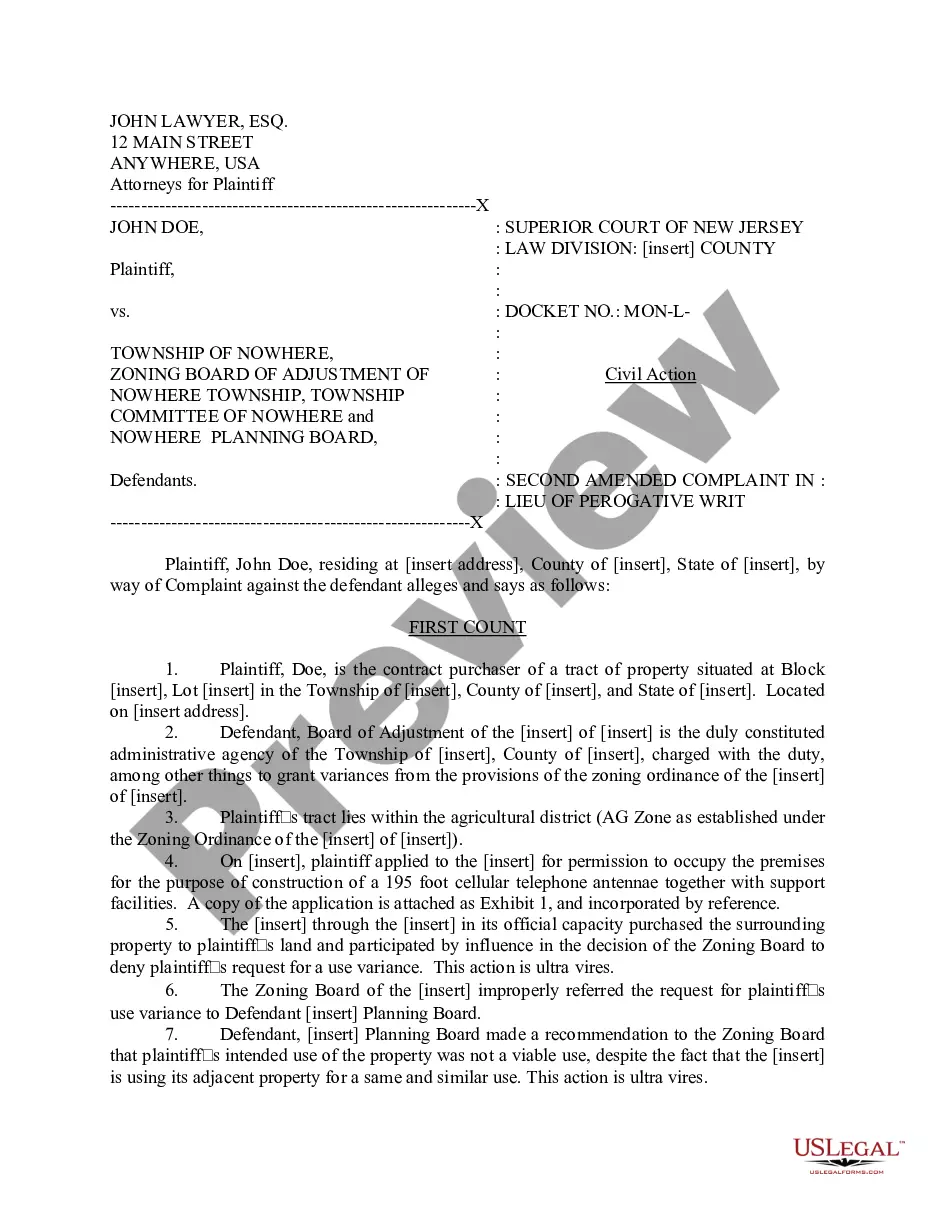
SUMMARY OF DELIBERATIVE PROCESS
What this document covers
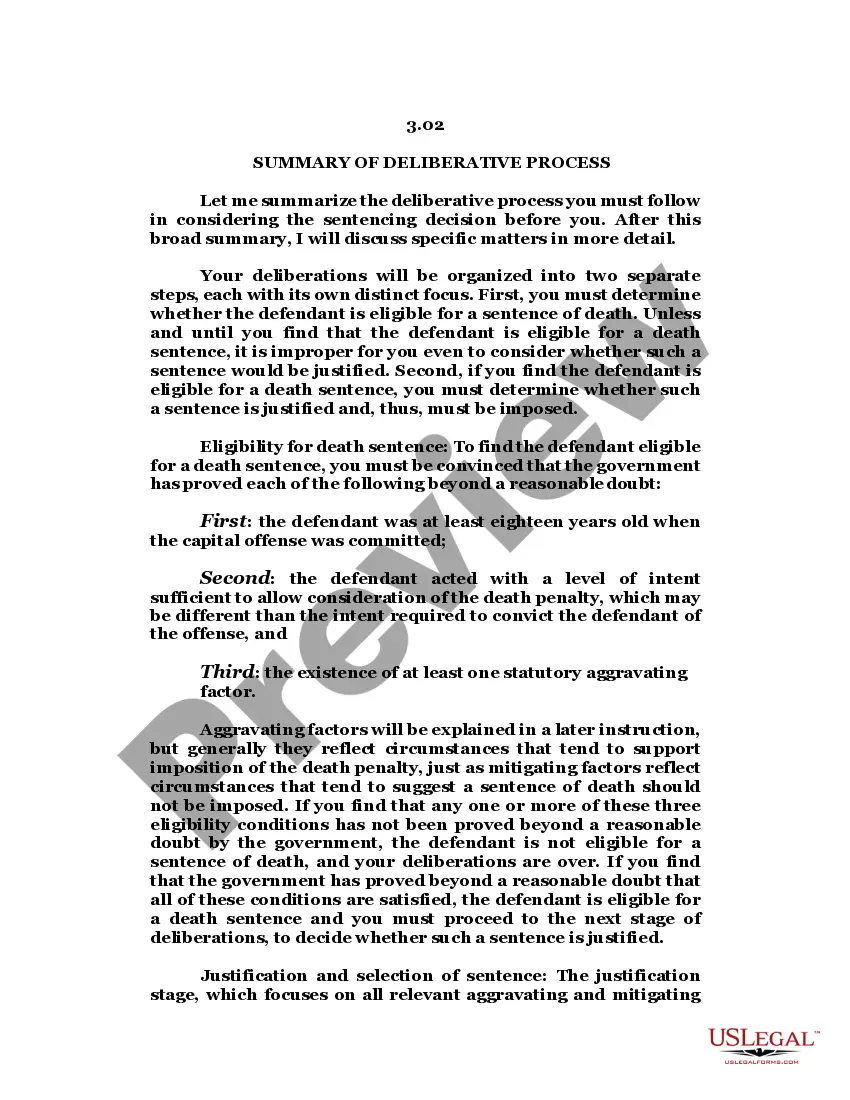
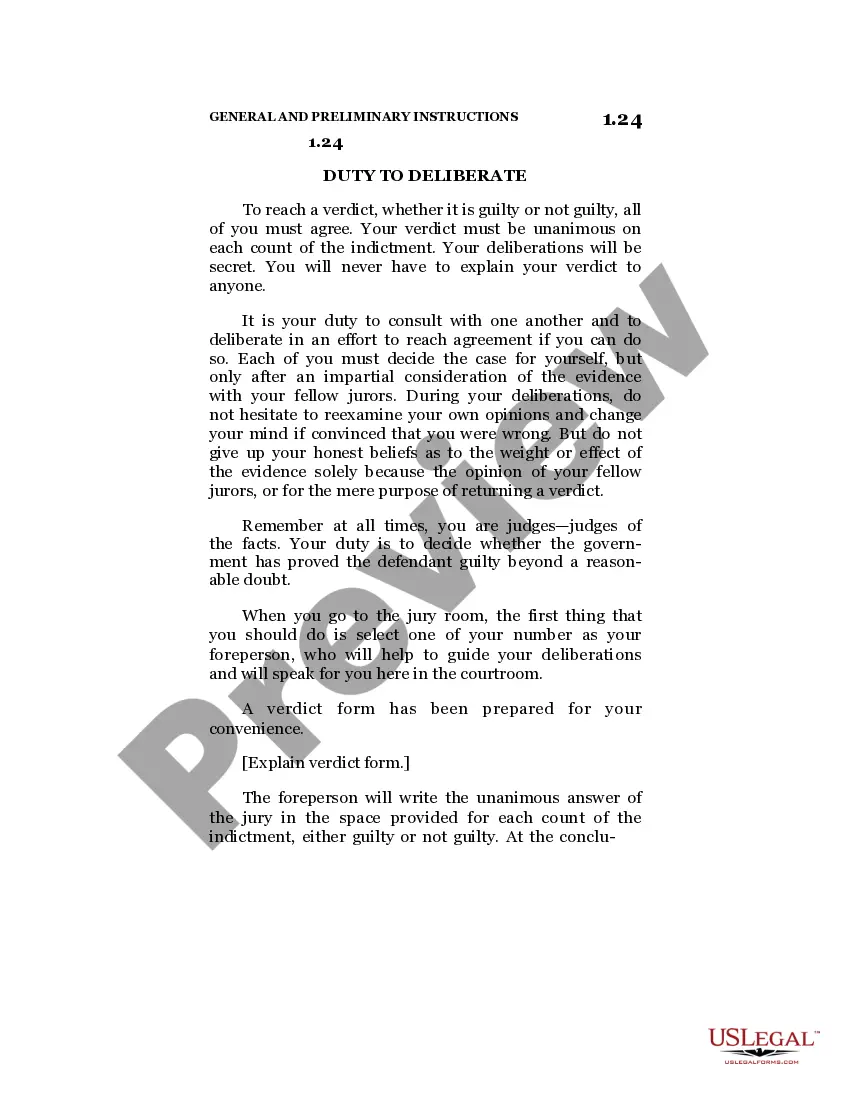
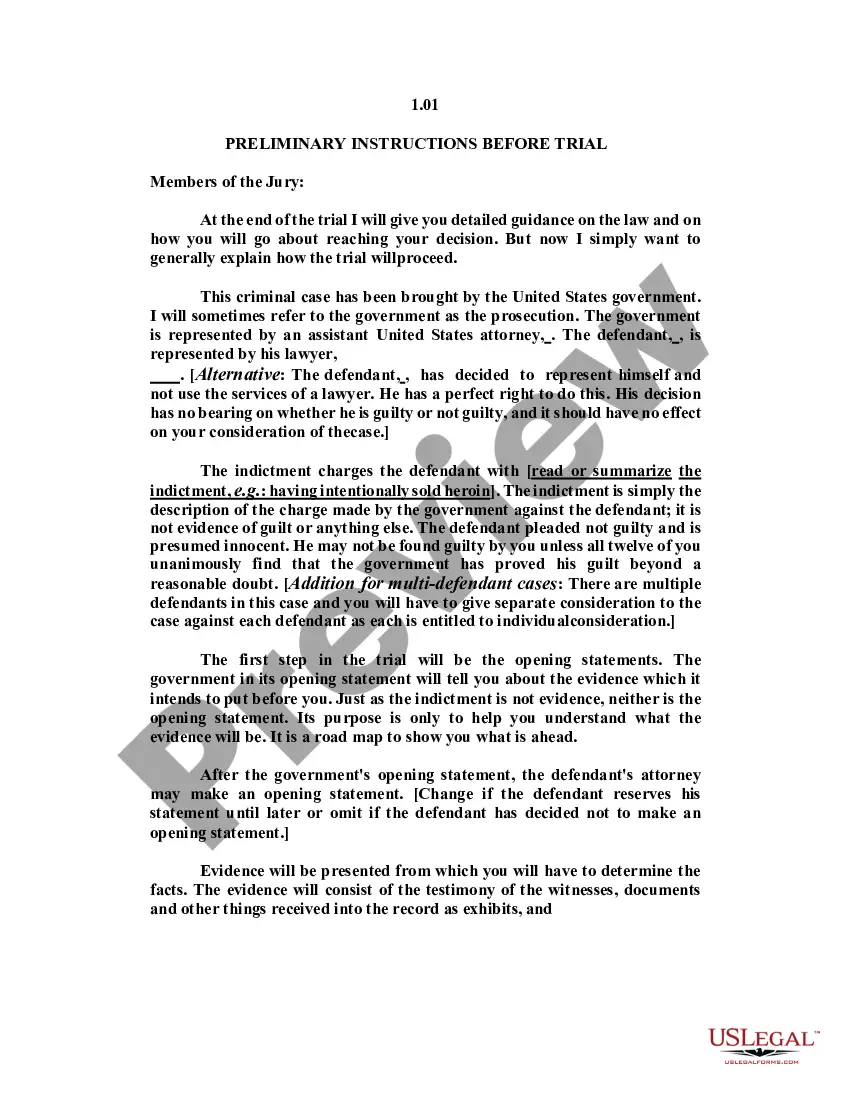
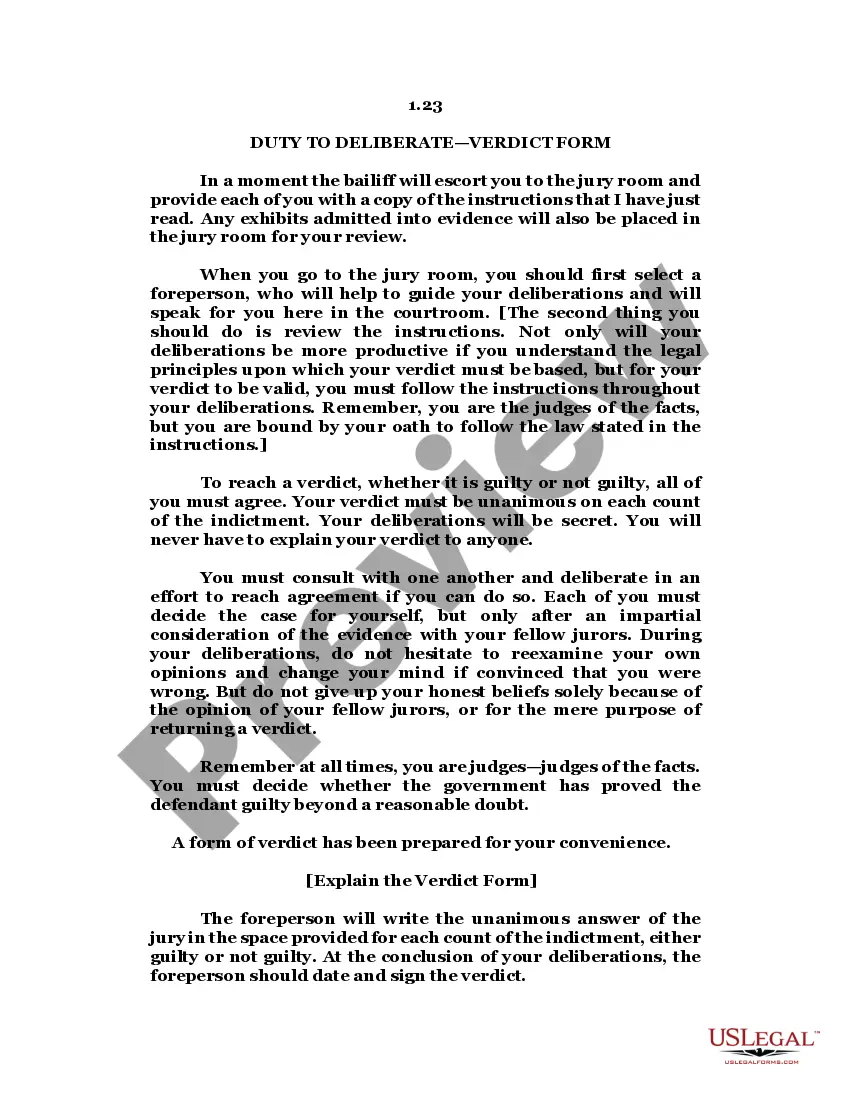
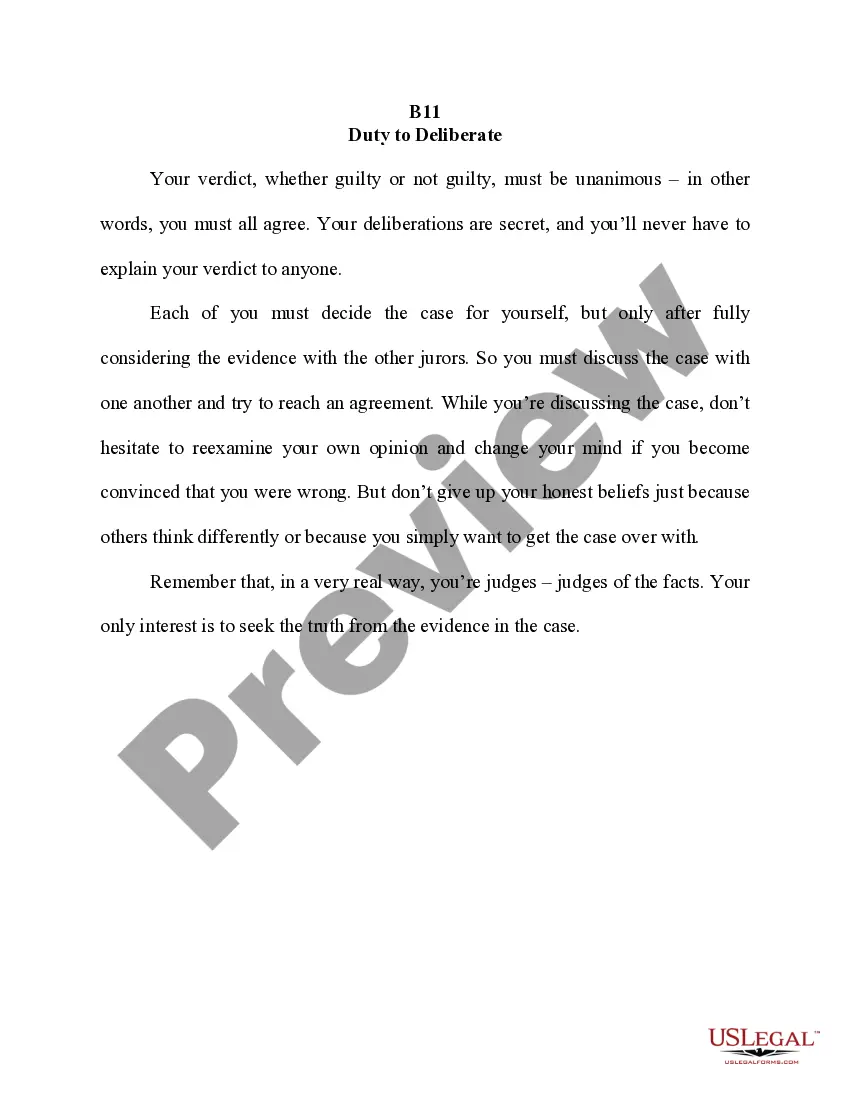
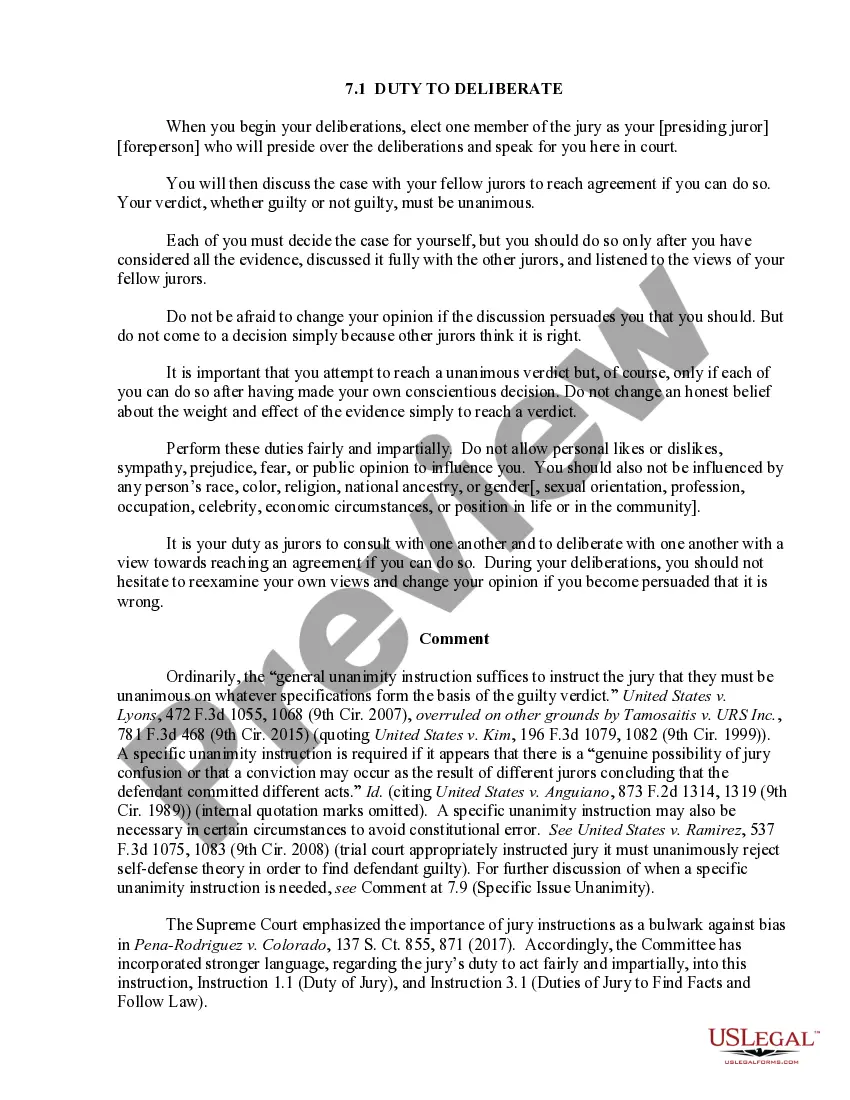
The Summary of Deliberative Process is a legal document that outlines the essential steps a jury must follow when considering the sentencing of a defendant in a capital case. This form provides clear guidance on how to evaluate eligibility for a death sentence and the justification required for imposing such a severe penalty. It differs from other legal sentencing forms by focusing specifically on the deliberative process unique to capital cases, thereby ensuring that jurors fully understand their responsibilities and the gravity of their decision.
Form components explained
- Eligibility Criteria: Outlines the three main requirements for determining if a defendant can receive the death penalty.
- Aggravating Factors: Defines the circumstances that could justify the imposition of the death penalty.
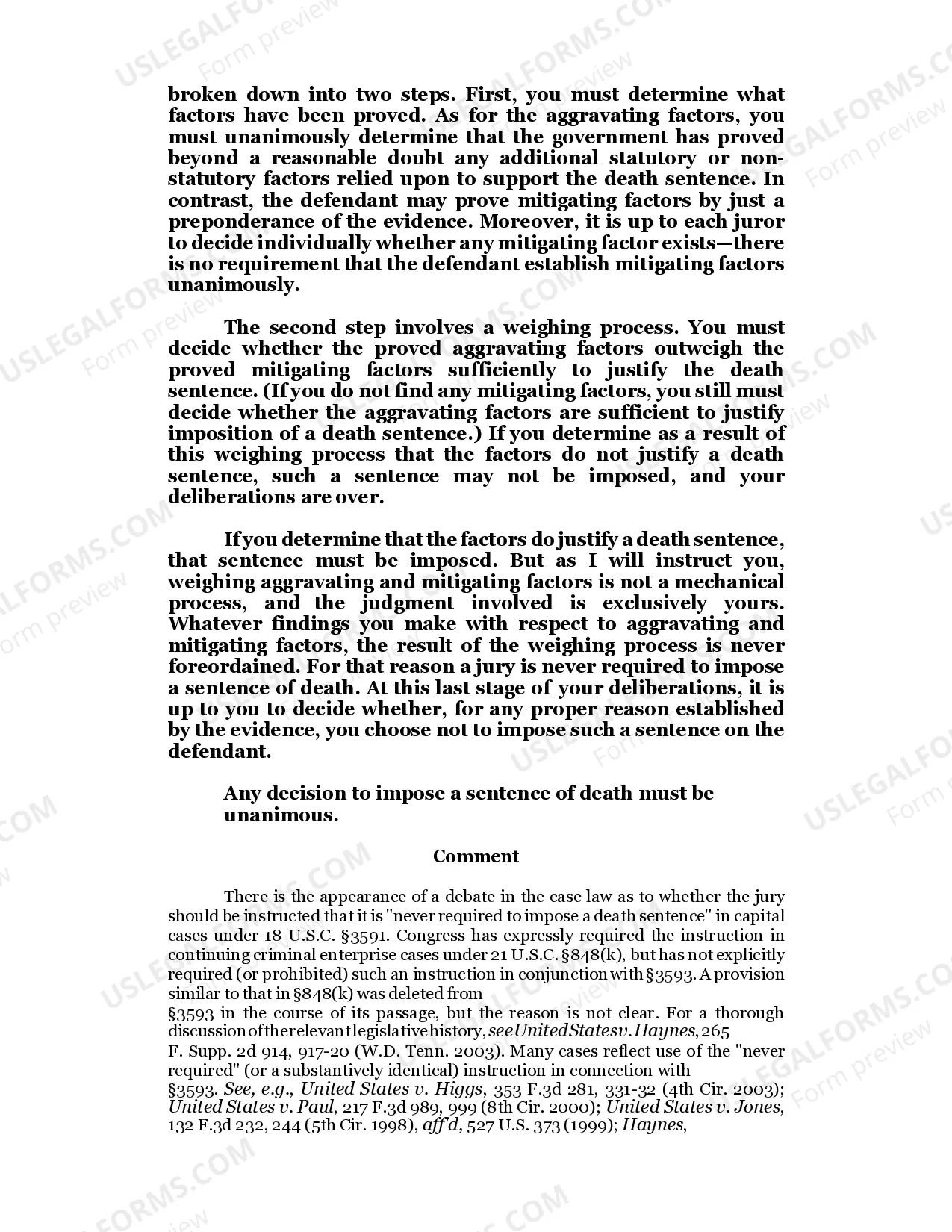
- Mitigating Factors: Explains how a defendant can present evidence to possibly lessen the sentence.
- Judgment Process: Details the weighing of aggravating and mitigating factors and the jury's discretion.
- Unanimity Requirement: Stipulates that any decision to impose a death sentence must be unanimous among jurors.



When to use this document
This form is used in situations where a jury is tasked with determining whether a defendant is eligible for and justified in receiving a death sentence. It is pertinent in capital cases, often characterized by serious offenses such as murder, where the potential punishment includes the death penalty. Jurors will refer to this form during their deliberations to ensure they follow the proper legal framework before reaching a verdict on sentencing.
Who this form is for
- Jurors in capital cases who are responsible for sentencing decisions.
- Legal professionals guiding jurors through the deliberative process.
- Court officials facilitating the legal proceedings related to capital sentencing.
Steps to complete this form
- Review the case details to understand the charges and potential consequences.
- Assess the eligibility criteria, ensuring the defendant meets age, intent, and aggravating factors.
- Identify all aggravating factors presented by the prosecution.
- Consider any mitigating factors provided by the defense, weighing them against aggravating factors.
- Deliberate with other jurors to reach a unanimous decision on whether the death penalty is justified.
Notarization guidance
This form usually doesn’t need to be notarized. However, local laws or specific transactions may require it. Our online notarization service, powered by Notarize, lets you complete it remotely through a secure video session, available 24/7.
Get your form ready online
Our built-in tools help you complete, sign, share, and store your documents in one place.
Make edits, fill in missing information, and update formatting in US Legal Forms—just like you would in MS Word.
Download a copy, print it, send it by email, or mail it via USPS—whatever works best for your next step.
Sign and collect signatures with our SignNow integration. Send to multiple recipients, set reminders, and more. Go Premium to unlock E-Sign.
If this form requires notarization, complete it online through a secure video call—no need to meet a notary in person or wait for an appointment.
We protect your documents and personal data by following strict security and privacy standards.

Make edits, fill in missing information, and update formatting in US Legal Forms—just like you would in MS Word.

Download a copy, print it, send it by email, or mail it via USPS—whatever works best for your next step.

Sign and collect signatures with our SignNow integration. Send to multiple recipients, set reminders, and more. Go Premium to unlock E-Sign.

If this form requires notarization, complete it online through a secure video call—no need to meet a notary in person or wait for an appointment.

We protect your documents and personal data by following strict security and privacy standards.
Common mistakes
- Failing to unanimously agree on whether the defendant is eligible for a death sentence.
- Misunderstanding the difference between aggravating and mitigating factors.
- Neglecting to weigh all factors thoroughly before making a decision.
- Disregarding state-specific guidelines that could impact the sentencing process.
Why use this form online
- Accessible 24/7 for jurors and legal professionals, facilitating timely decisions.
- Editable for clarity and precision in recording relevant details.
- Reliable format that ensures compliance with legal standards for capital cases.
Legal use & context
- The form provides a structured approach to the deliberative process in capital cases.
- It ensures jurors are aware of the legal implications of their decision on sentencing.
- Helps maintain a fair legal process while considering the severity of punishment.
Main things to remember
- The Summary of Deliberative Process is crucial for determining death penalty eligibility and justification.
- Jurors must understand the distinction between aggravating and mitigating factors.
- A unanimous decision is required for imposing a death sentence, emphasizing the solemnity of their responsibility.
Looking for another form?

Form popularity
FAQ
Deliberation connects people, even those with conflicting interests, in a way that allows them to make decisions and act in regard to problems or challenging circumstances. Deliberation can also reveal new possibilities for action that individuals alone did not see before.
Deliberative Decision Making (DDM) is an approach to deliberation designed to promote best practices for process quality and authenticity in decision making and introduce strategies for running meetings to increase participation and equity for all participants.
'Deliberation is an approach to decision-making in which citizens consider relevant facts from multiple points of view, converse with one another to think critically about options before them and enlarge their perspectives, opinions, and understandings 12.
Deliberative Decision Making (DDM) is an approach to deliberation designed to promote best practices for process quality and authenticity in decision making and introduce strategies for running meetings to increase participation and equity for all participants.
Deliberative communication implies communication in which. different views are confronted with one another and arguments for these different views are given time and space to be articulated and presented.
The deliberative process privilege protects certain predecisional, internal agency information, such as recommendations and analysis, from disclosure during litigation.
Deliberative decision-making, which builds on partnership methodologies to enable participants and decision-makers to decide jointly on priorities and programmes. Examples include partnership bodies and participatory budgeting exercises where power is genuinely devolved to participants.